






















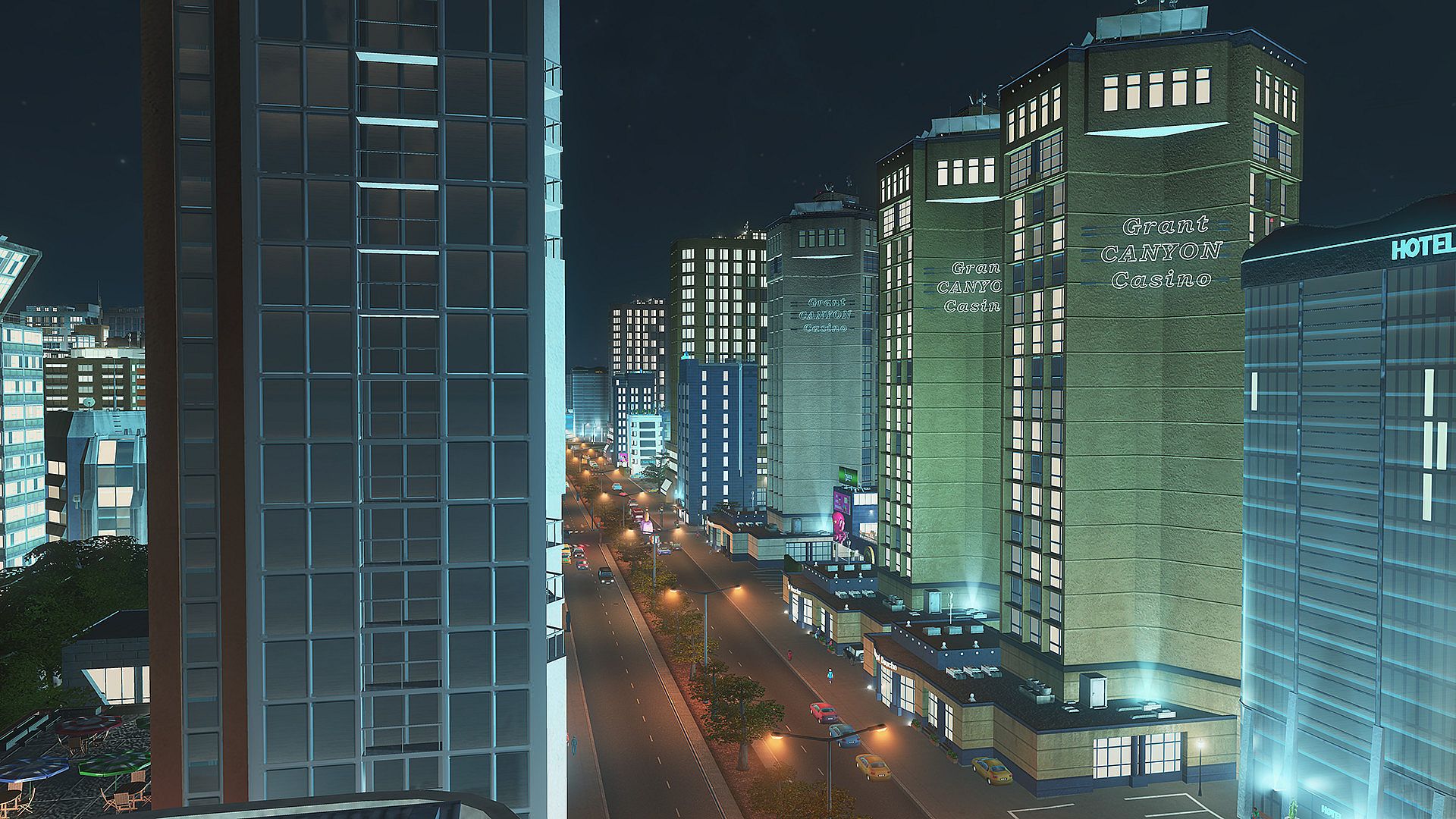
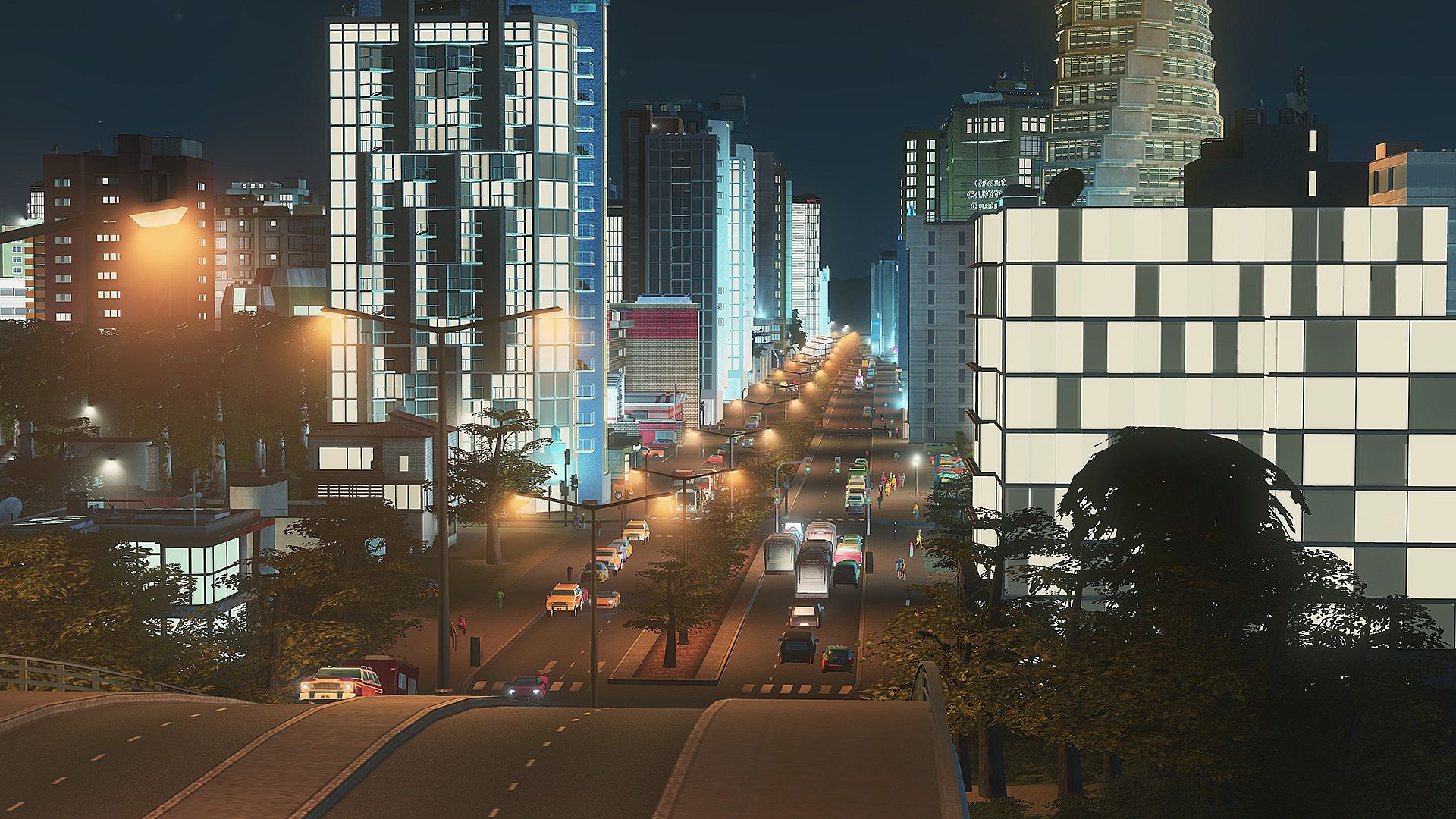
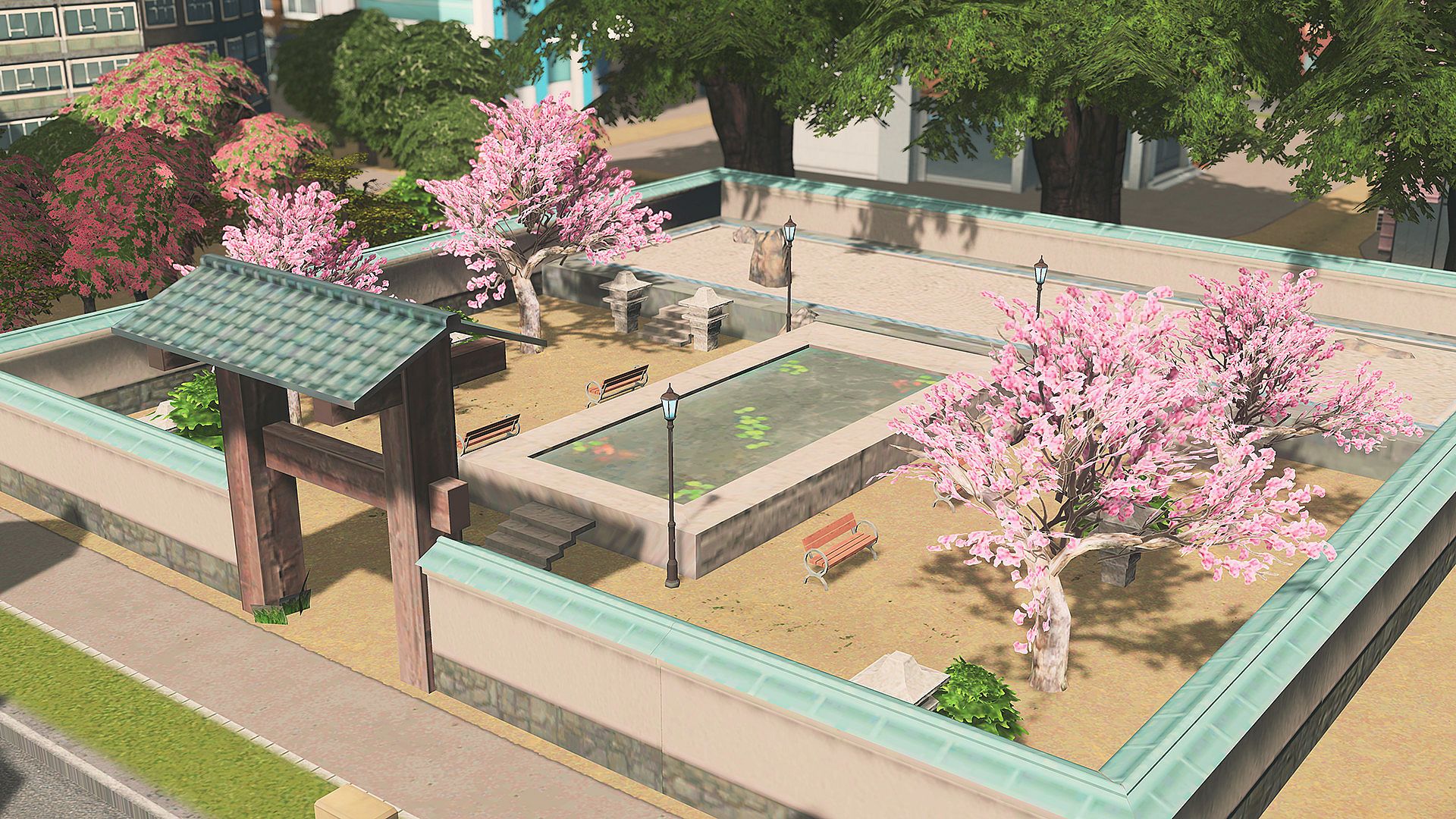
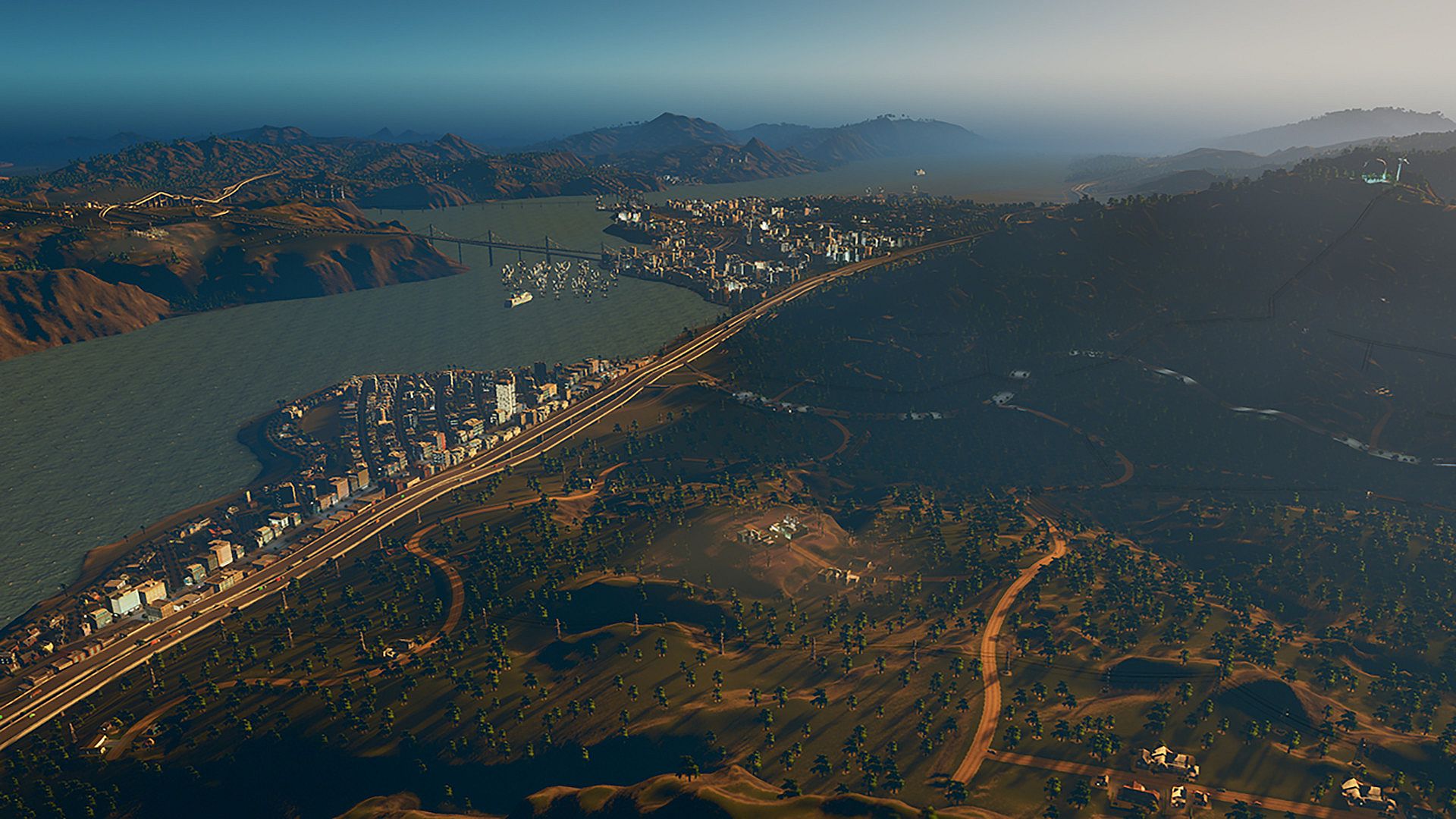
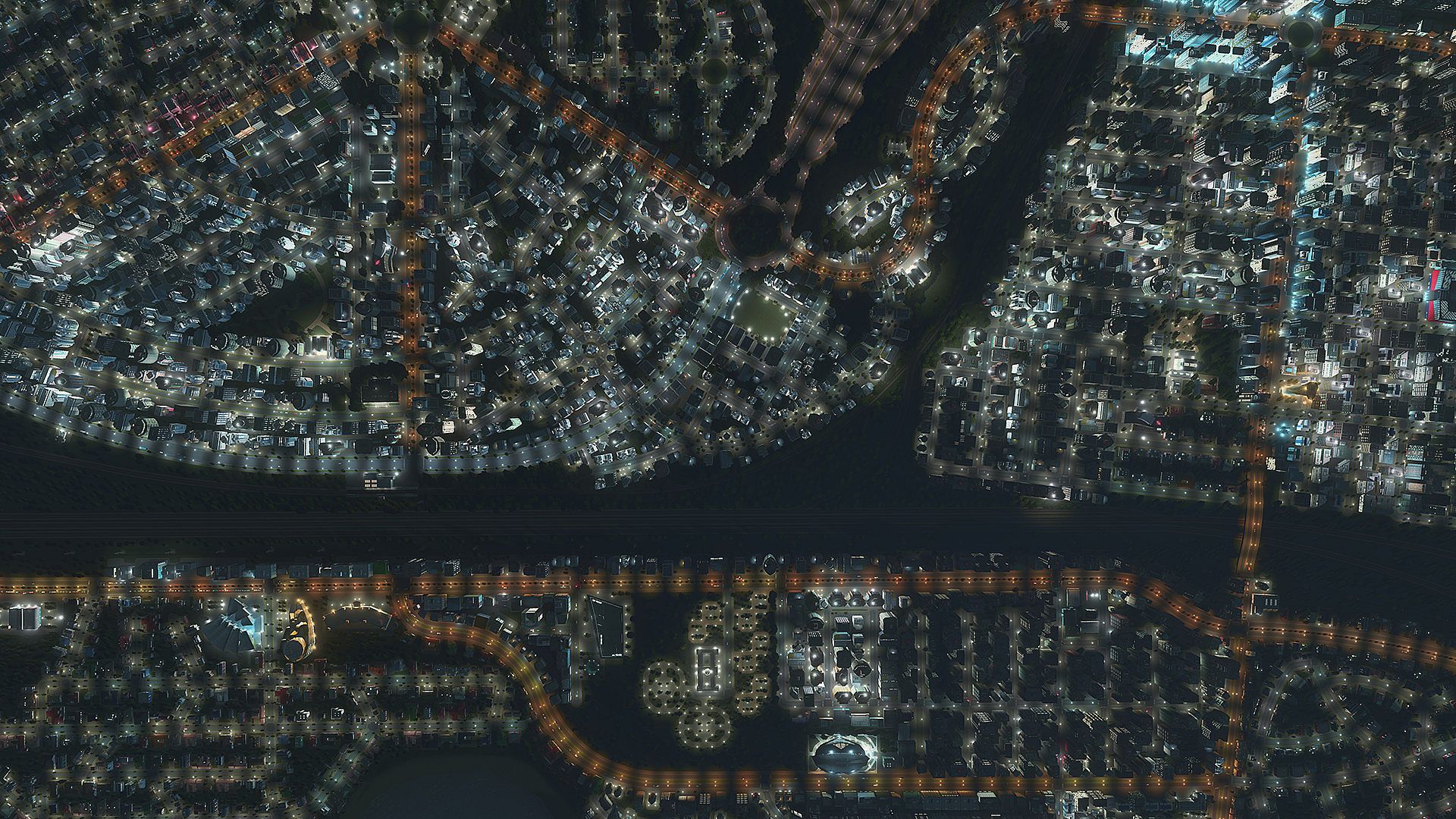
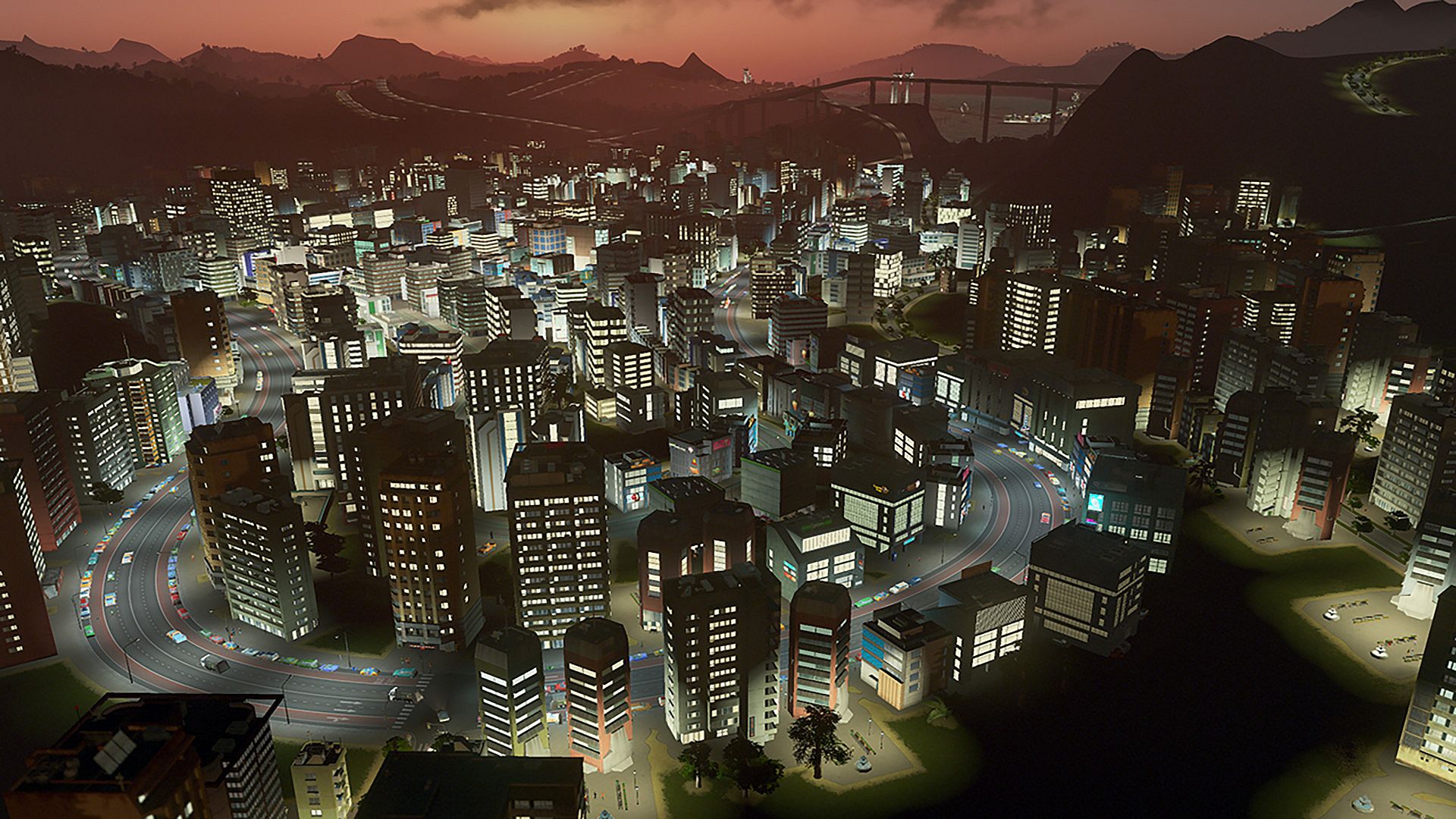
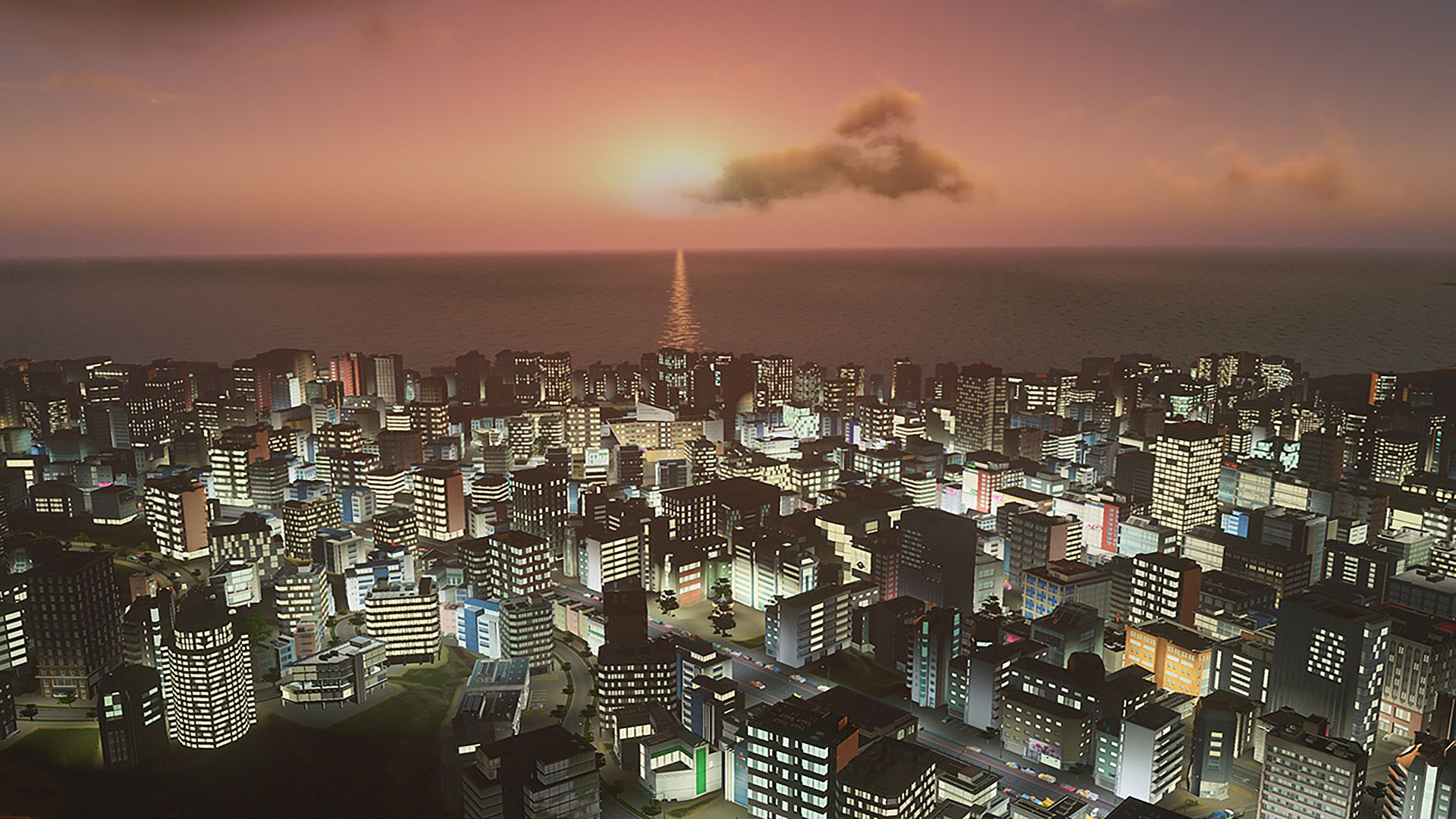
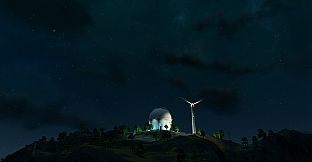
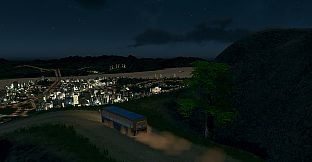
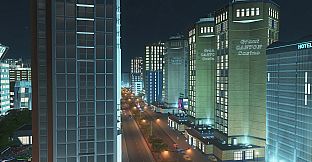
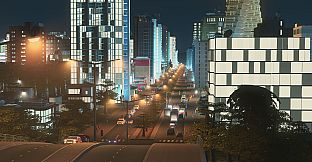
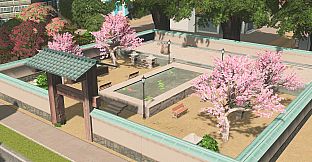
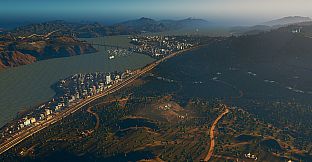
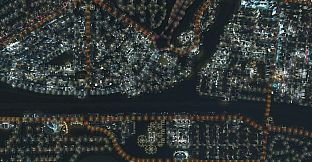
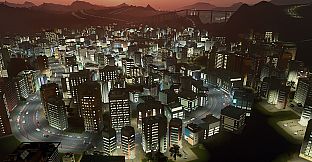
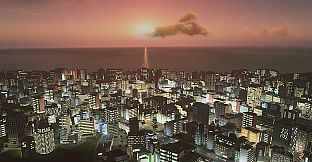
Cities: Skylines After Dark is a strategy and simulation expansion that adds a day night cycle to city building on PC. Players manage urban growth while accounting for how districts and services function differently after sunset, with new policies and specializations that encourage nightlife and tourism alongside expanded transportation and public safety options.
Gameplay
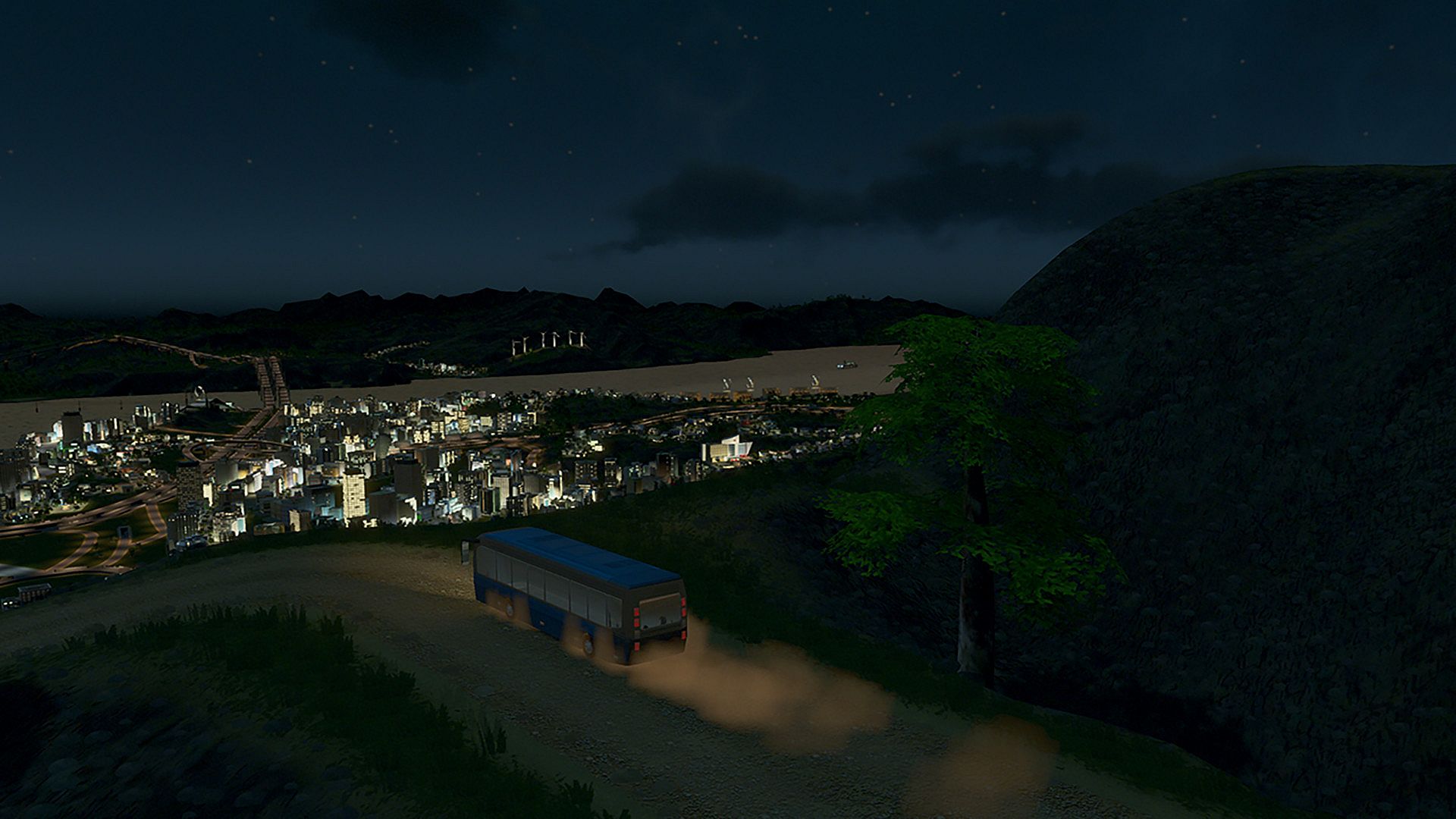
The core loop involves zoning districts, managing budgets, and responding to citizen needs as the city evolves through day and night phases. Commercial zones can stay open around the clock under specific policies, boosting activity in the evening hours while leisure focused areas see heightened use after dark. During daytime these same zones operate more like standard commercial spaces, creating a natural rhythm that affects traffic, noise levels, and service demands.
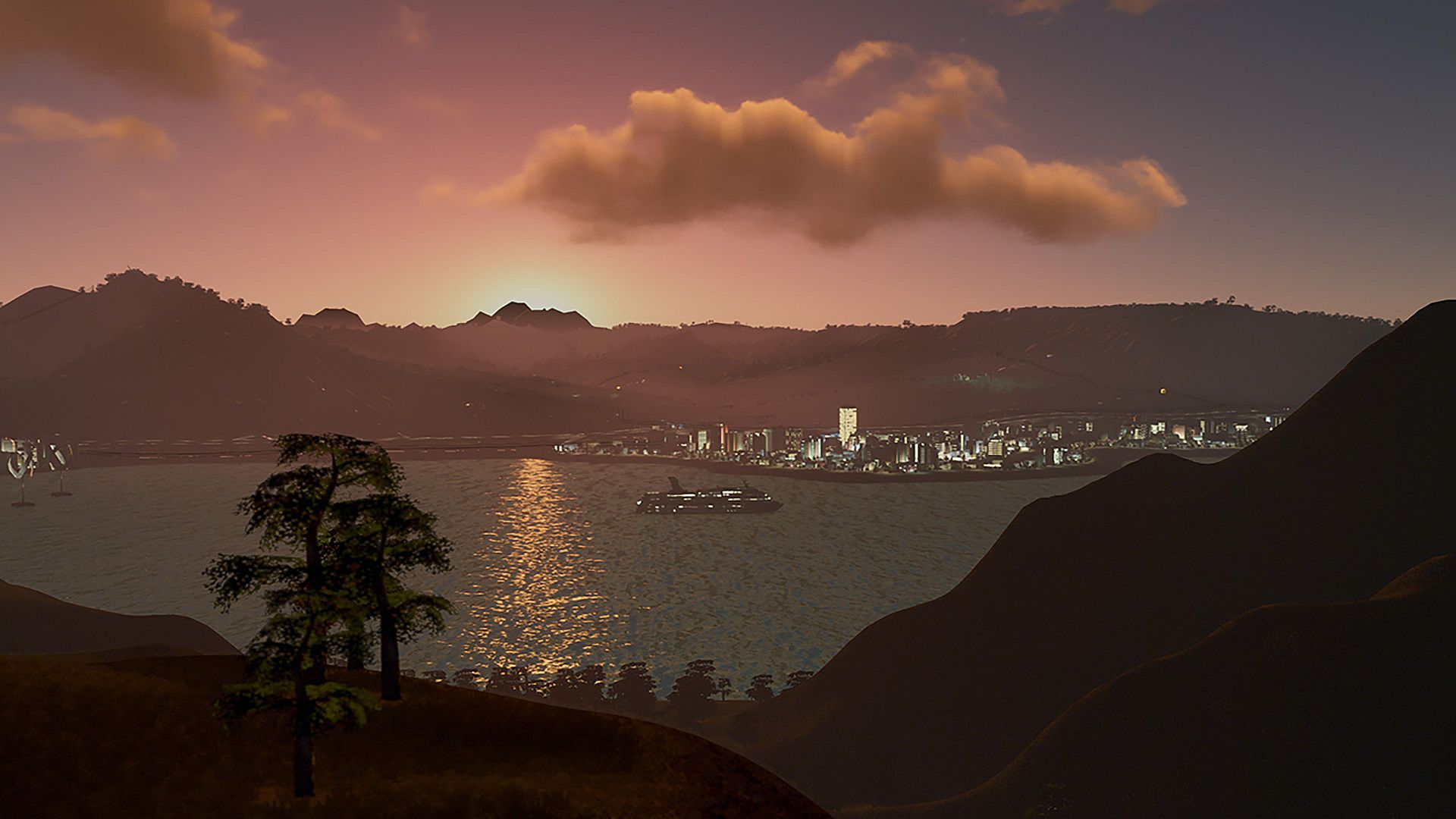
Specializations allow commercial districts to emphasize leisure activities or tourism. Leisure zones thrive at night with bars and entertainment spots drawing crowds, whereas tourist specialization supports shoreline developments such as small marinas and fishing tours that attract visitors. These choices influence building placement, road layouts, and the overall economic balance as different times of day shift demand patterns.
City services expand with new mechanics for handling crime and movement. Police stations now route offenders directly to prisons, while taxis provide flexible transport for residents and visitors. Cargo hubs function as harbors that integrate rail connections for efficient goods handling, and an international airport supports higher passenger volumes with an attached metro station. Bus terminals enable seamless transfers between routes inside the facility itself, reducing congestion at street level.
Game Modes
After Dark operates within the single player simulation framework of the base game, where players build and maintain one continuous city without switching between discrete competitive or cooperative modes. Progression happens through ongoing management of population growth, infrastructure, and policy decisions that adapt to the new night time behaviors introduced by the expansion.
Scenarios from the base experience remain available, now enhanced by the day night cycle and service additions that alter how challenges unfold across multiple in game days. There are no separate multiplayer components or time limited events tied specifically to this content.
Key Features and Systems
Policies provide direct control over commercial operating hours and noise restrictions in leisure districts, helping balance resident satisfaction with economic output. These tools integrate with the existing simulation to affect crime rates, tourism income, and traffic flow in measurable ways.
Transportation upgrades focus on connectivity and capacity. The larger airport and integrated metro reduce reliance on smaller facilities, while cargo hubs streamline import and export logistics by combining sea and rail access. Taxis and bus terminals fill gaps in public transit coverage, particularly useful for tourists moving between nightlife spots and daytime attractions.
Is It Worth Playing?
This expansion suits players who enjoy detailed city management and want to layer time based dynamics onto their builds. The added policies and specializations reward careful planning around day night shifts, while the new services expand options for handling larger populations and visitor traffic.
The original game continues to receive free updates that improve core systems such as employment tracking, keeping the overall experience current even years after the expansion launch. Those who appreciate long term simulation without competitive pressure will find the nocturnal elements add meaningful depth to repeated play sessions.
- Focus on single player city growth with time of day mechanics
- Policy driven specializations for leisure and tourism
- Expanded transport and safety infrastructure