







































































































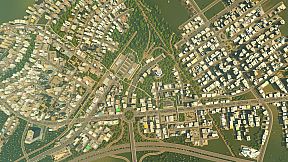
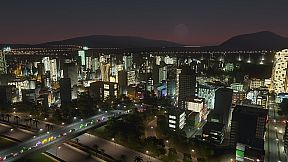
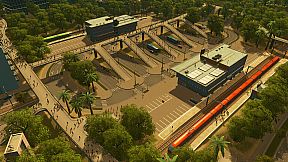

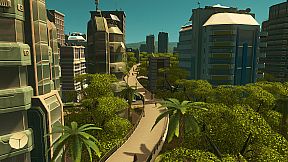
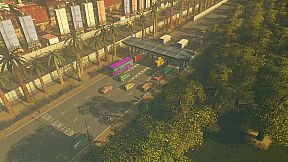
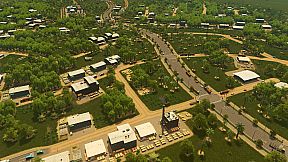
Cities: Skylines stands out as a strategy simulation game focused on city-building, where players take on the role of mayor to design and manage urban environments. Released in 2015, this PC title offers an open-ended experience that emphasizes planning, resource management, and citizen satisfaction. With its roots in classic city simulations, it provides tools for zoning land, building infrastructure, and handling public services, all while responding to the dynamic needs of a growing population.
Gameplay
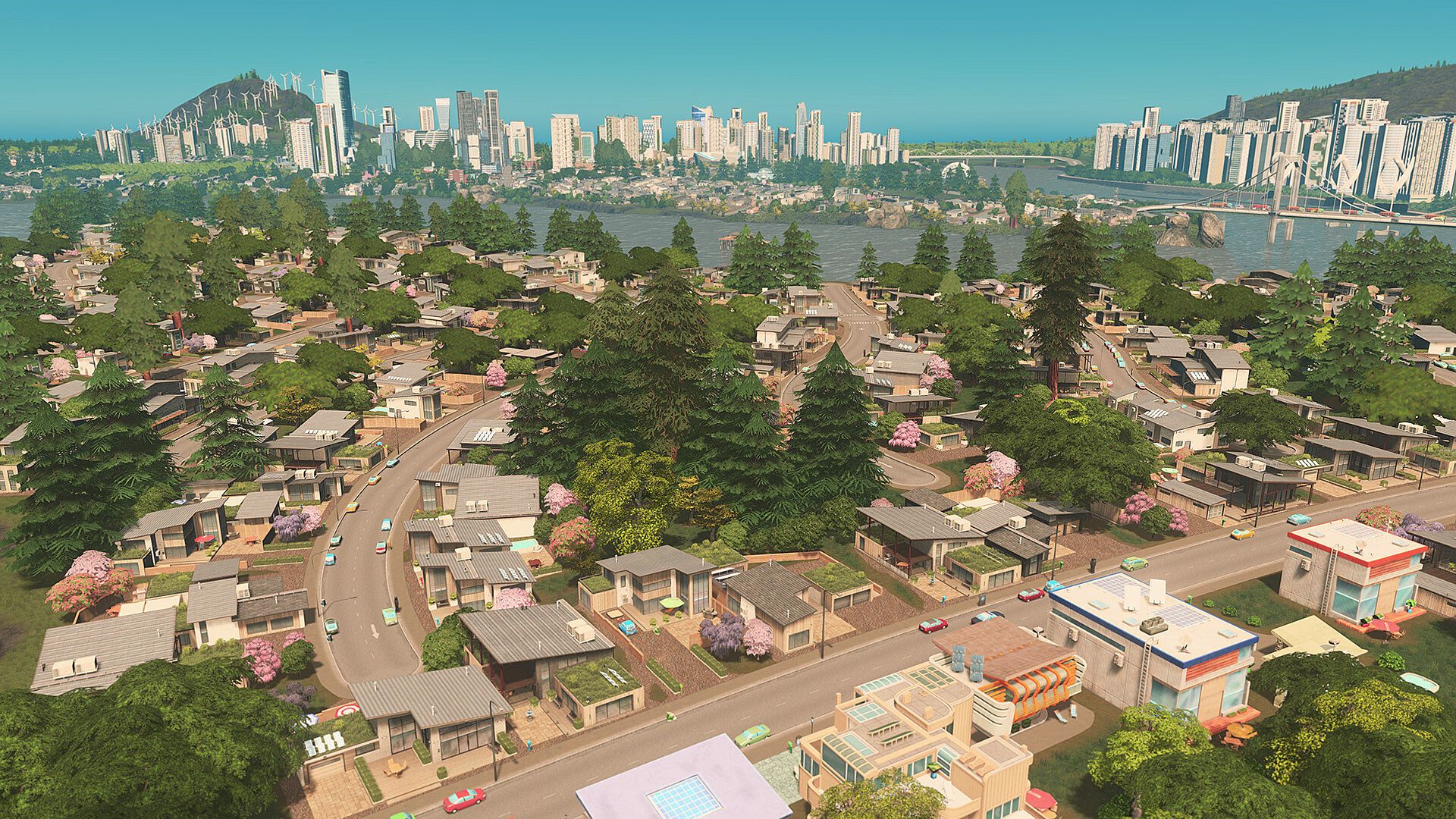
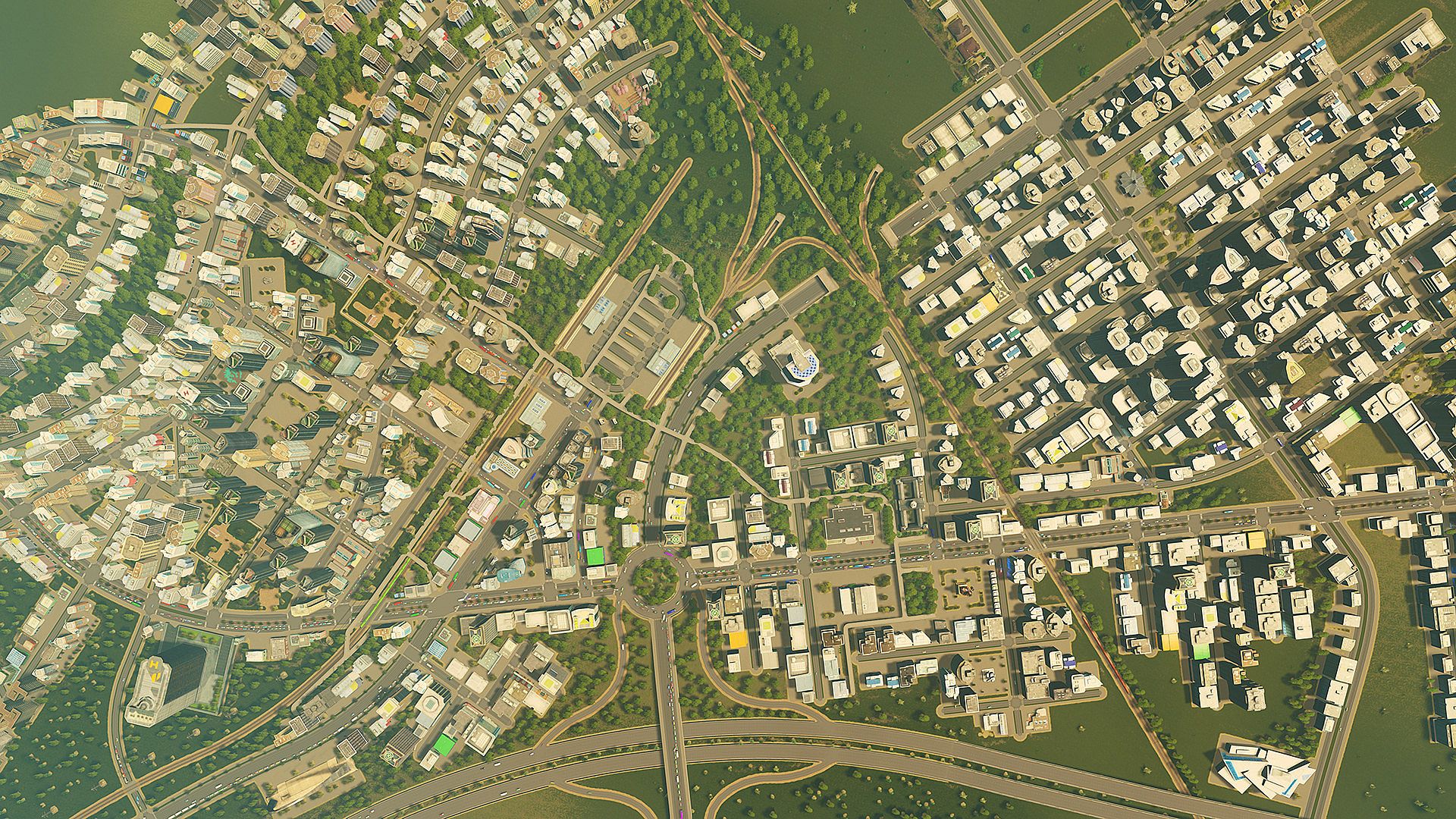
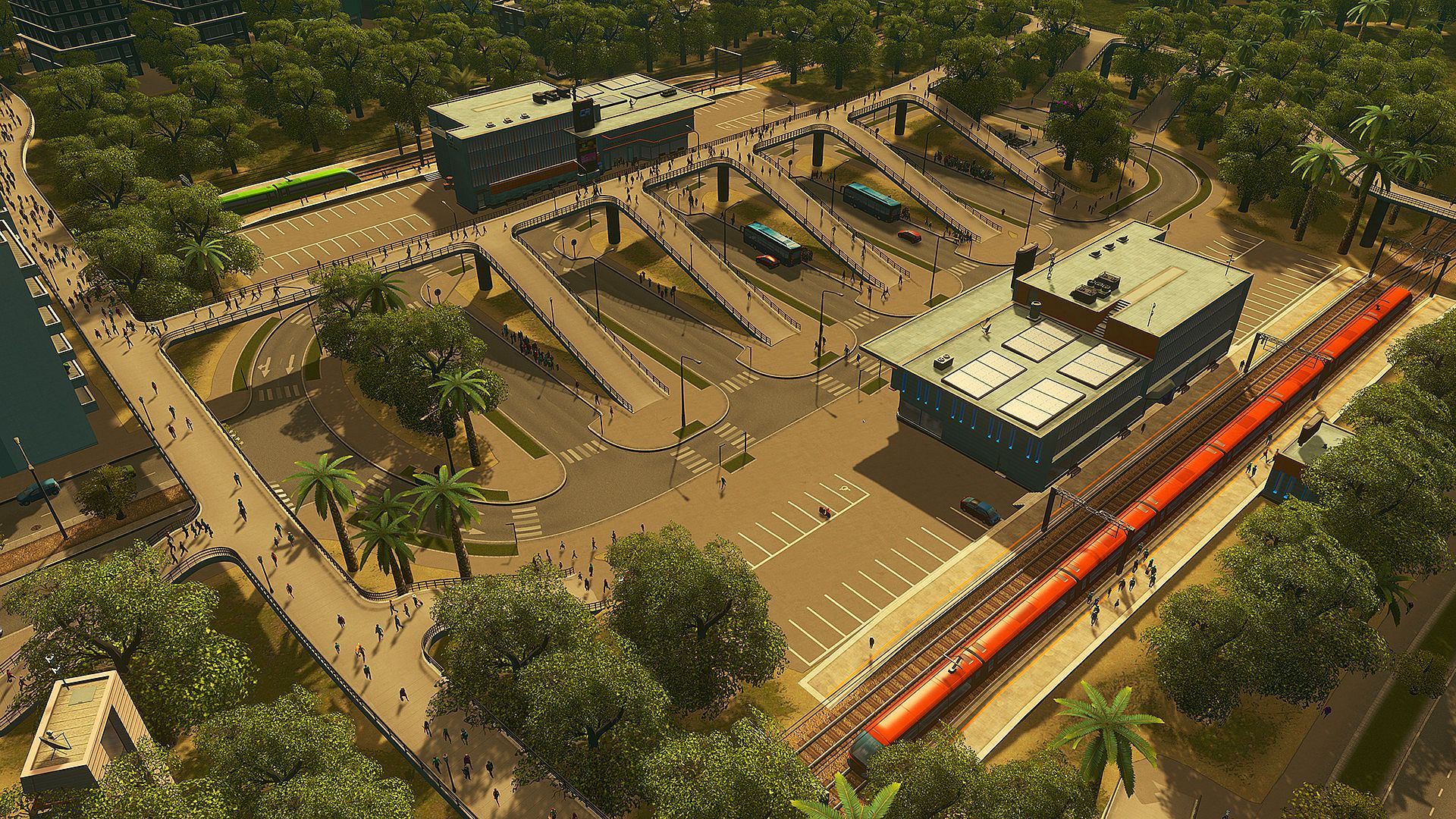
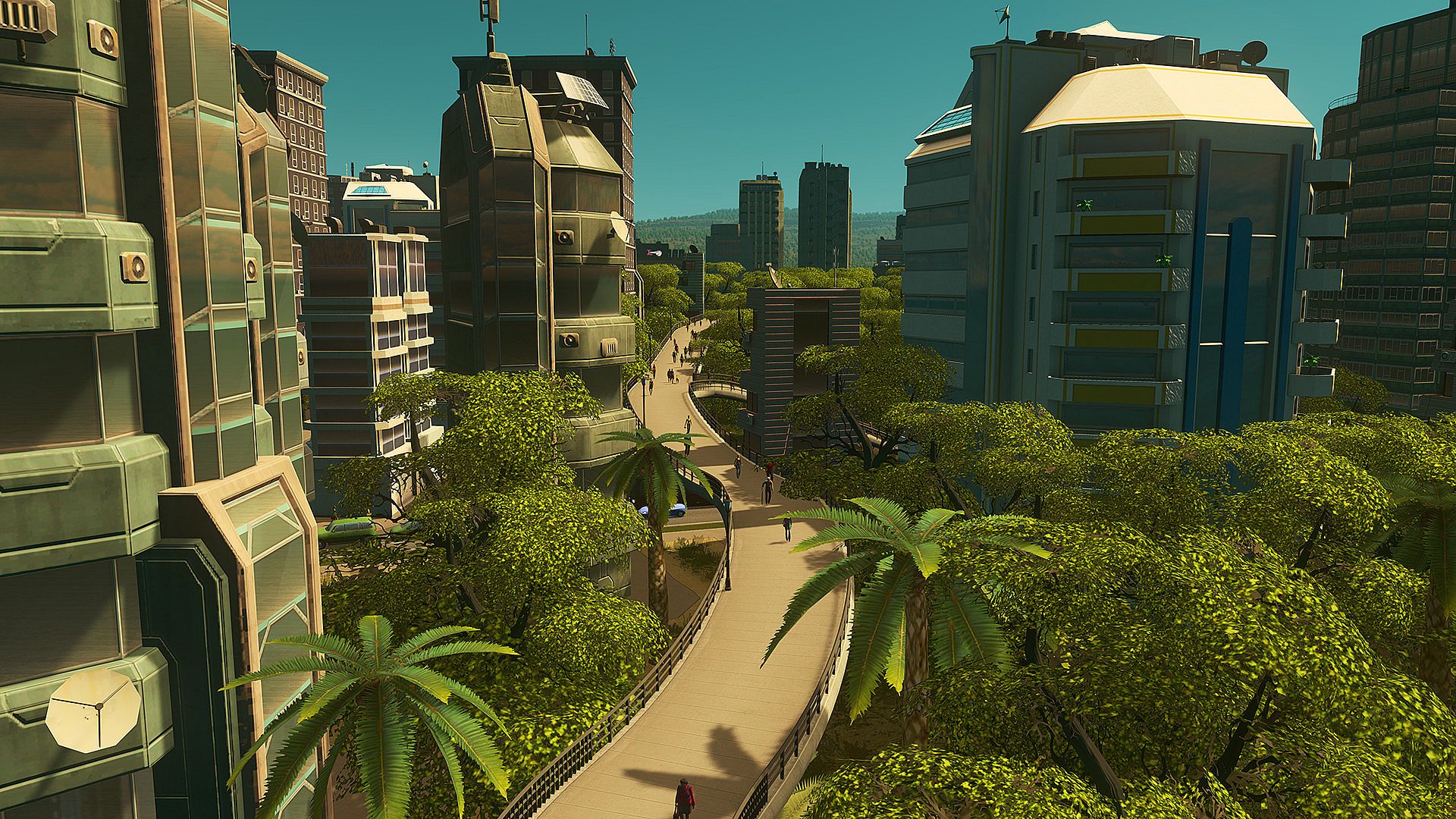
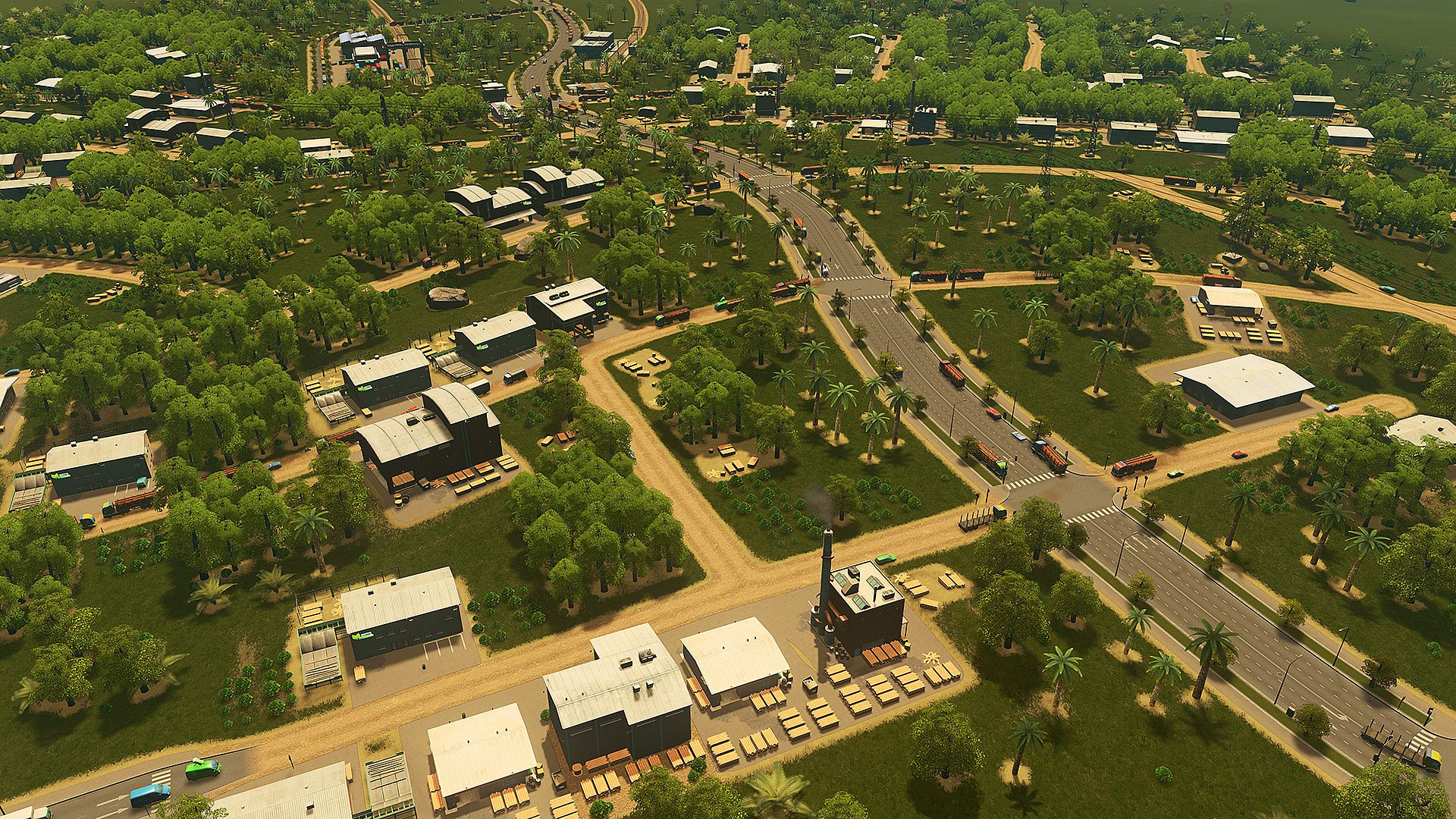
In Cities: Skylines, the core gameplay revolves around constructing and maintaining a city from scratch. Players start with basic zoning for residential, commercial, and industrial areas, then expand to essential services like education, healthcare, police, fire departments, and utilities such as water and electricity. The game's economy system requires balancing budgets, taxes, and expenditures to keep the city thriving. Citizens react realistically to changes, with factors like traffic congestion, pollution, and service availability influencing their happiness and behavior.
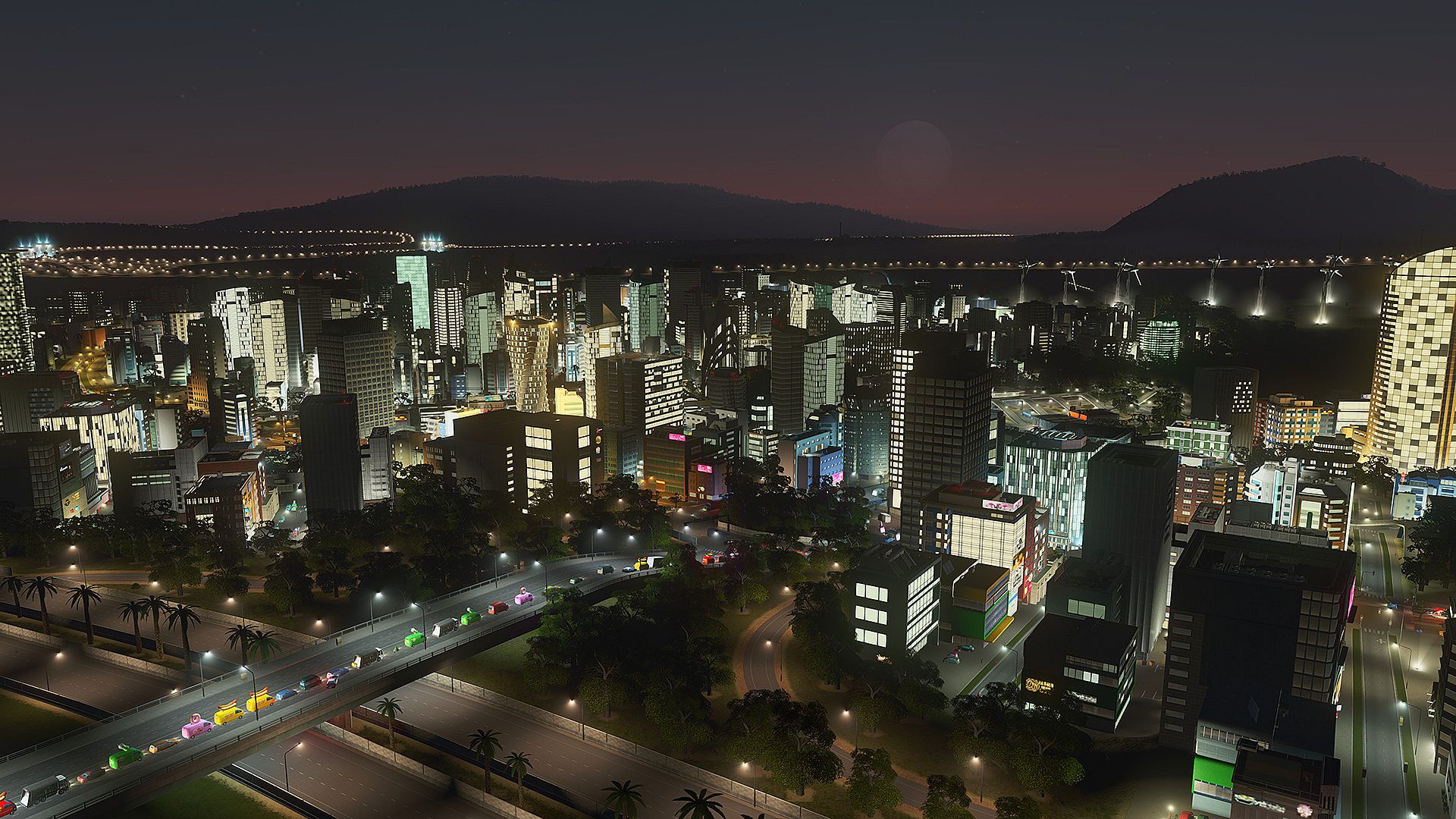
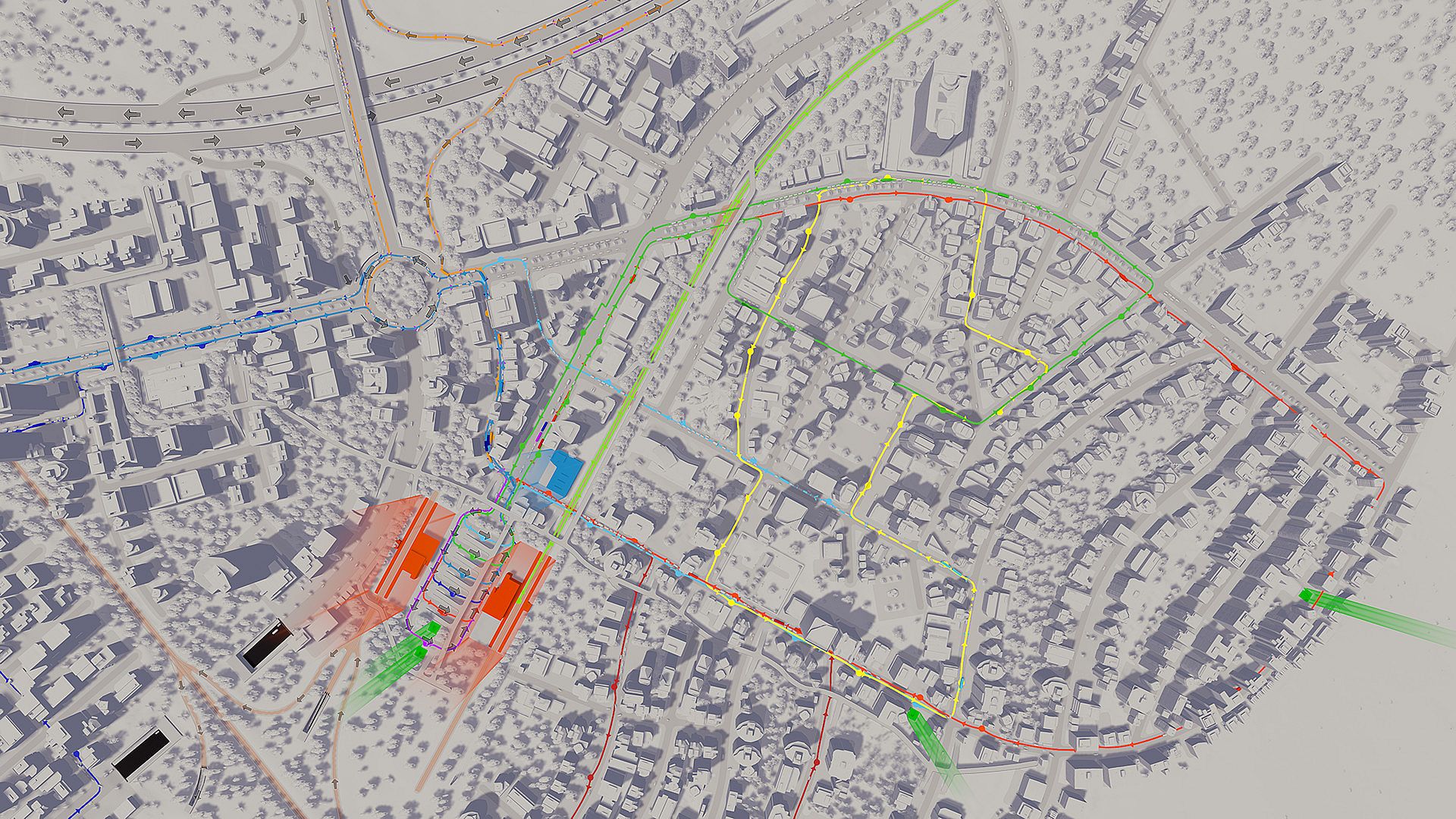
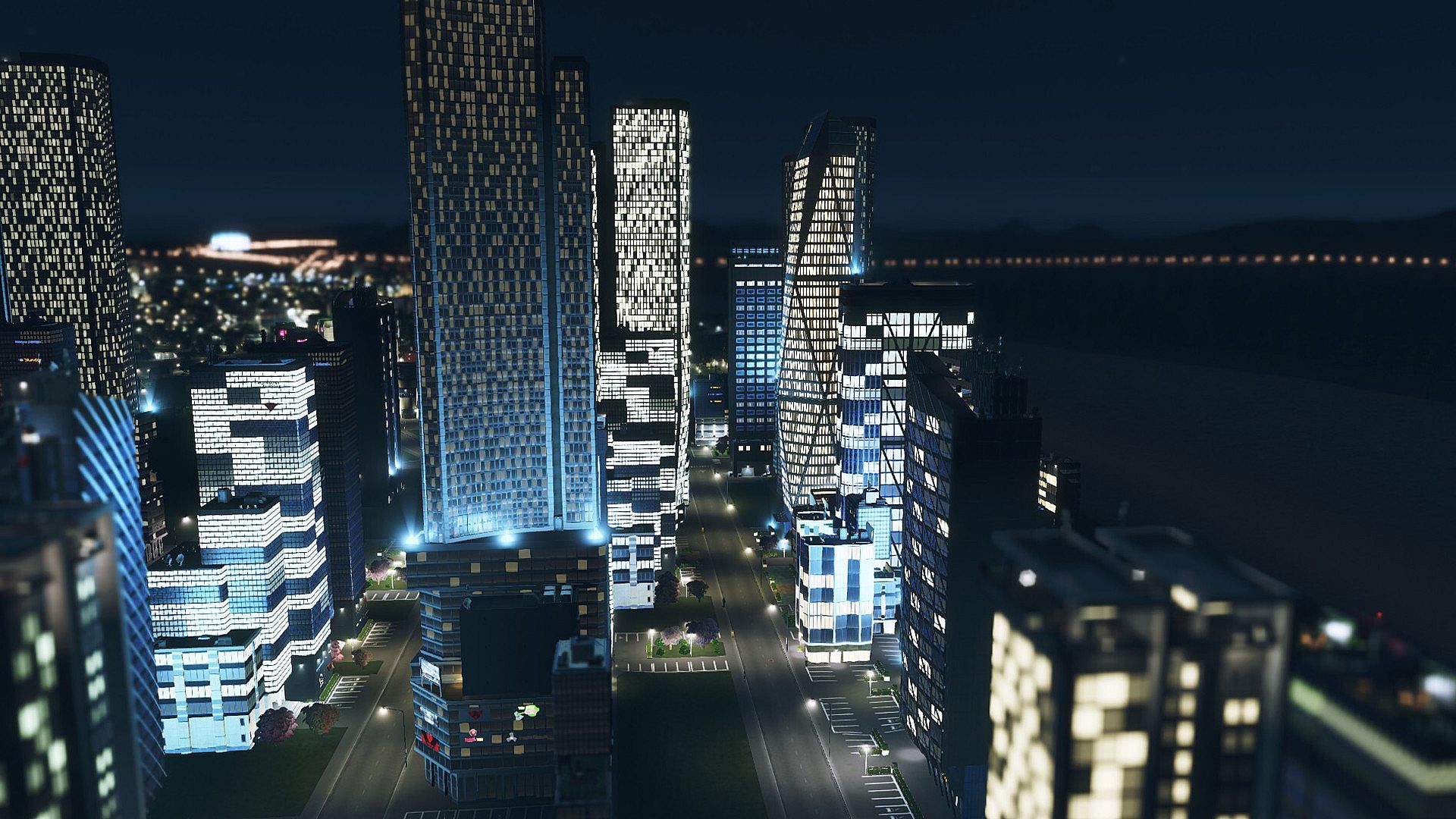
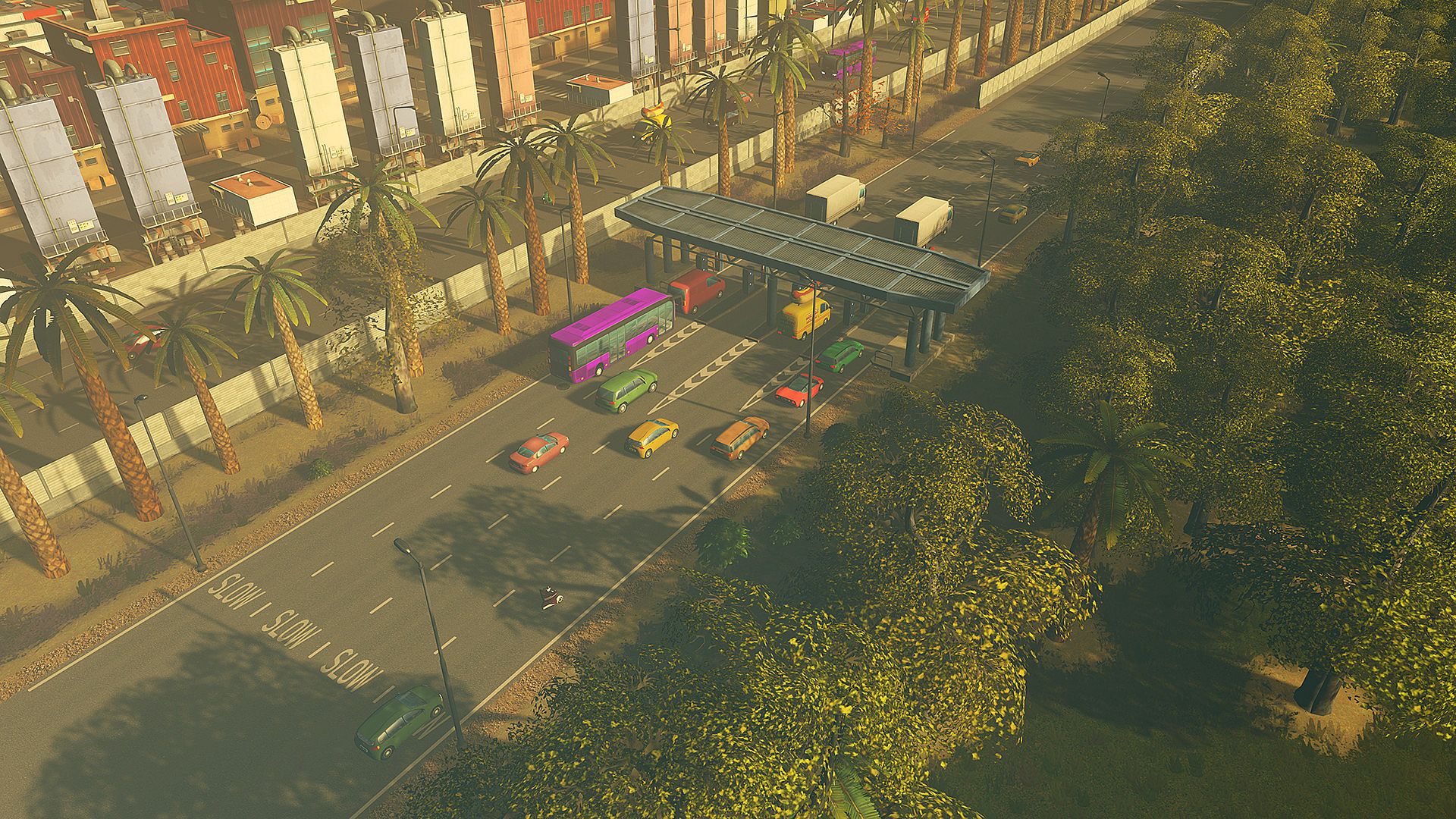
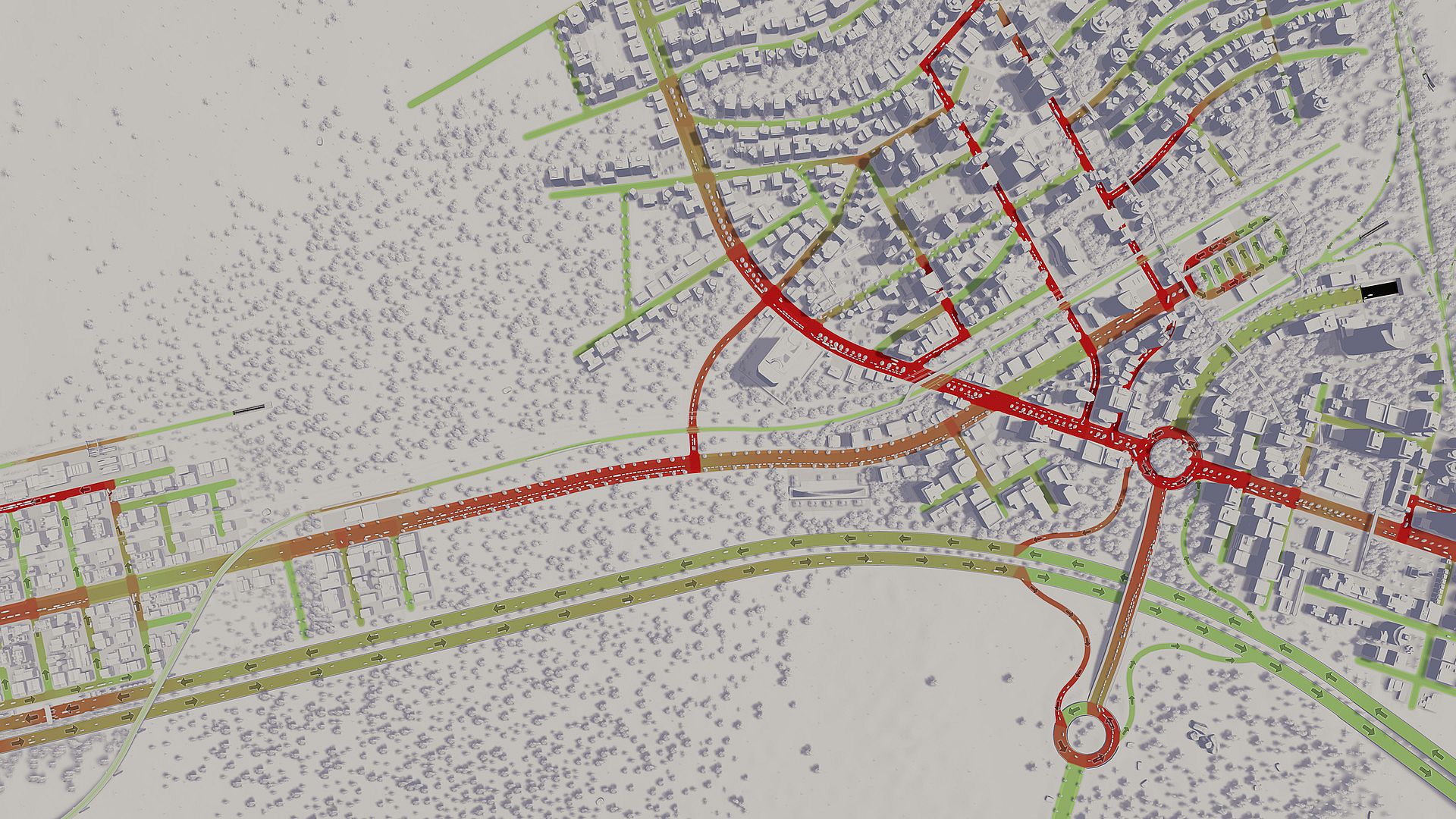
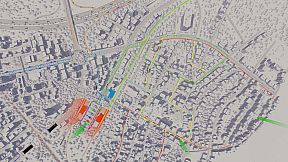
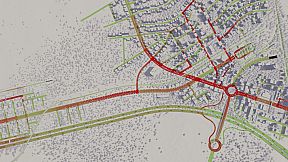
A key feature is the extensive local traffic simulation, which models vehicle movement in detail, leading to realistic jams and the need for efficient road networks, public transport, and policies to manage flow. Districts allow players to designate specific areas and apply tailored policies, such as promoting green energy or restricting heavy industry. The day and night cycle affects city operations, with slower traffic at night and varying efficiency in zoned areas. Modding support enables customization, letting players import or create maps and structures via community tools.
Game Modes
Cities: Skylines operates as a single-player open-ended simulation, without distinct multiplayer components. The primary mode is a sandbox where players build freely, limited only by imagination and in-game mechanics. There are no formally named competitive or cooperative modes; instead, the focus is on solo city management, with challenges arising from simulation complexities like natural disasters in expansions or self-imposed goals.
Expansions introduce additional layers, such as weather effects or industry management, but the game remains centered on individual playthroughs. Community-shared scenarios and mods can add variety, simulating specific challenges or themed builds.
Updates and Current State
Since its 2015 launch, Cities: Skylines has received numerous expansions that enhance gameplay, including features like mass transit systems and natural disaster management. As of 2026, the game maintains a strong modding community, with players creating and sharing content to extend its lifespan. While official updates have slowed with the shift to its sequel, the core game runs smoothly on modern hardware, praised for performance in large-scale cities.
Player discussions highlight its reliability compared to newer titles, with ongoing support through community mods keeping it relevant for strategy simulation enthusiasts.
Is It Worth Playing?
Cities: Skylines holds up well in 2026, earning an 85/100 critic score on Metacritic based on 58 reviews and a user score of 8.5/10. Players appreciate its depth and flexibility, often citing it as a top choice for city-building simulations. If you enjoy strategy games that involve detailed planning and problem-solving without time pressures, this title offers lasting value through its modding ecosystem and replayability.
For those seeking a single-player experience with realistic urban management, it's a solid recommendation, especially given its positive reception and continued community activity. However, if you prefer fast-paced action or multiplayer elements, it might not align with your preferences.