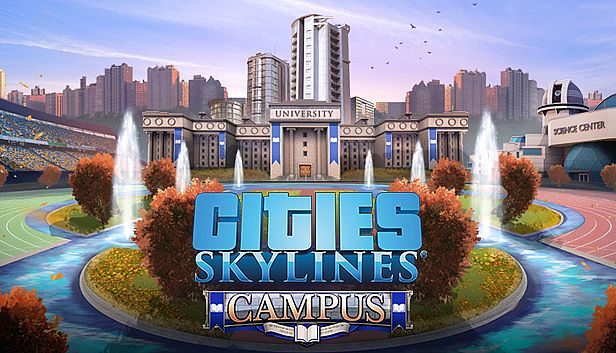





















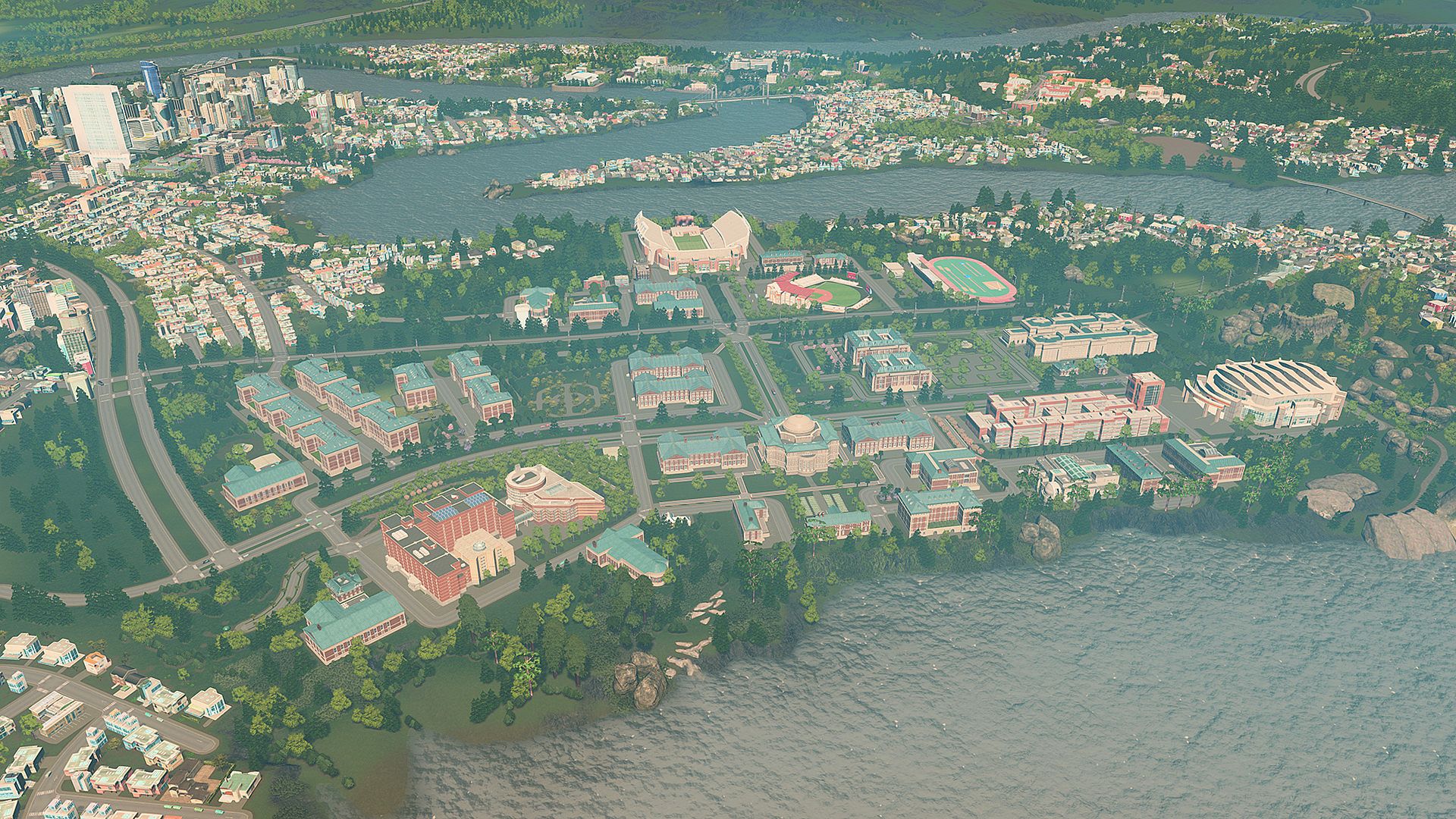
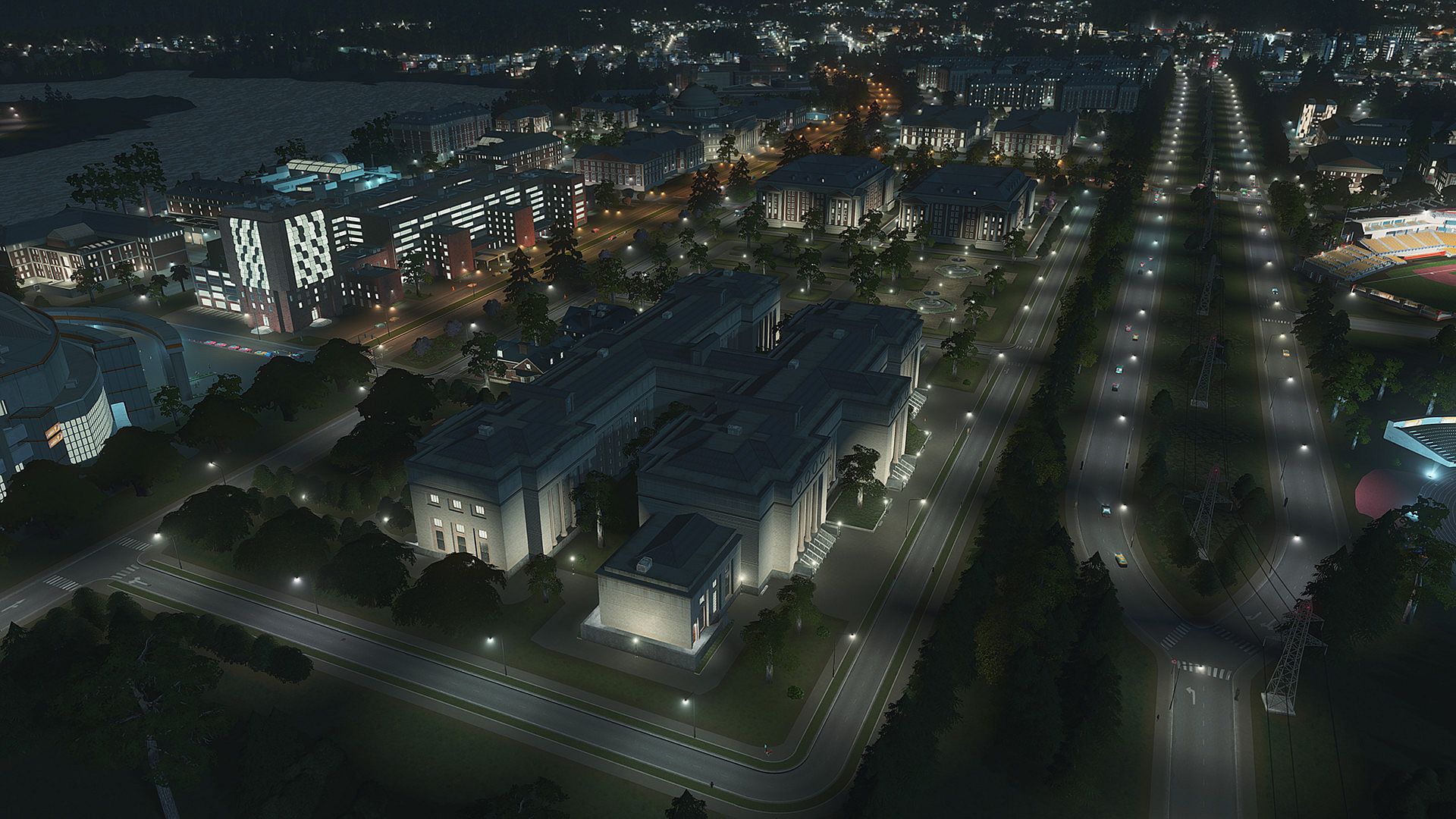
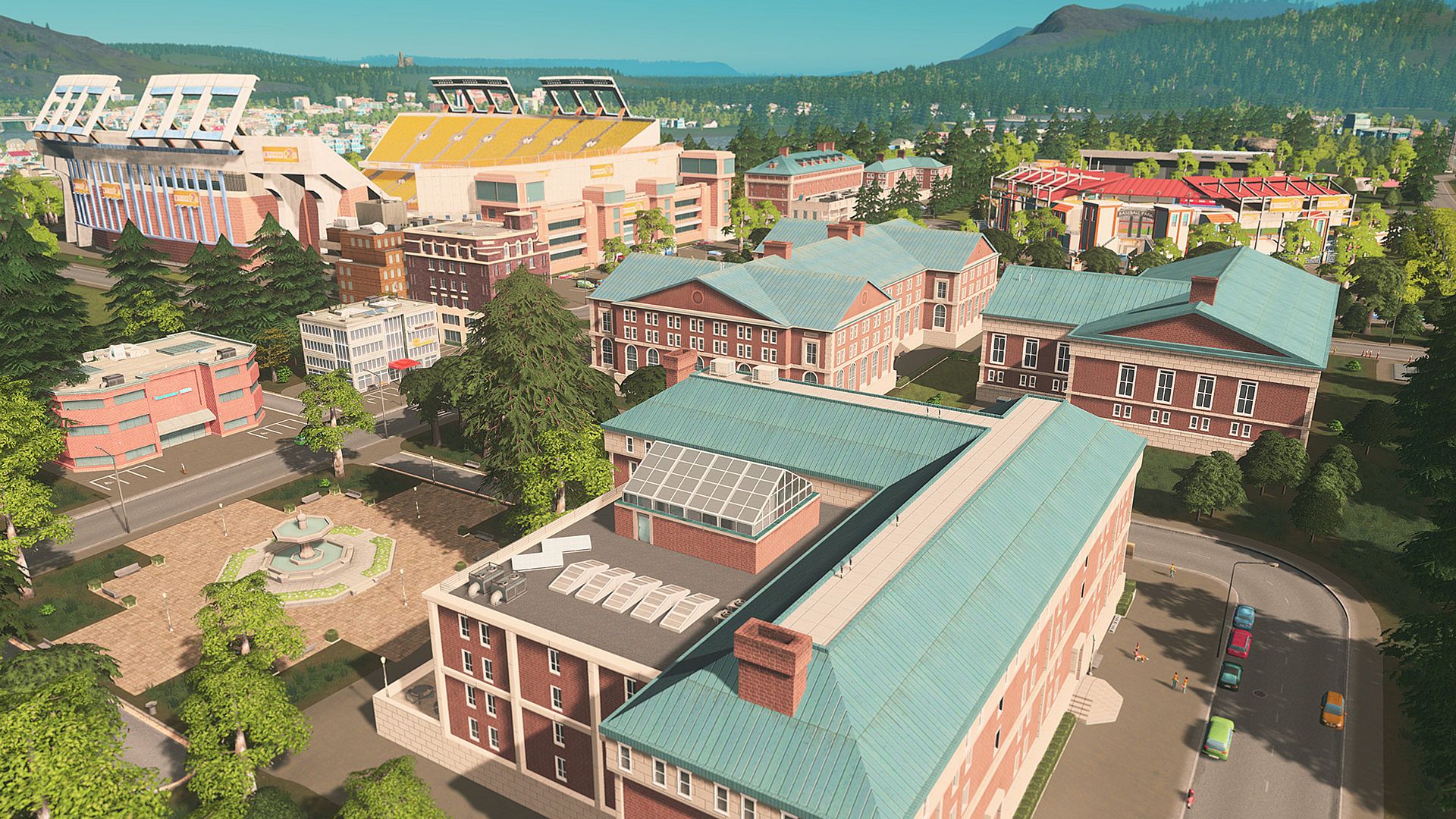

Cities: Skylines Campus is a strategy simulation expansion that adds detailed higher education systems to the core city-building experience. Players expand their cities by designating specialized campus zones and managing university operations alongside residential, commercial, and industrial districts.
Gameplay
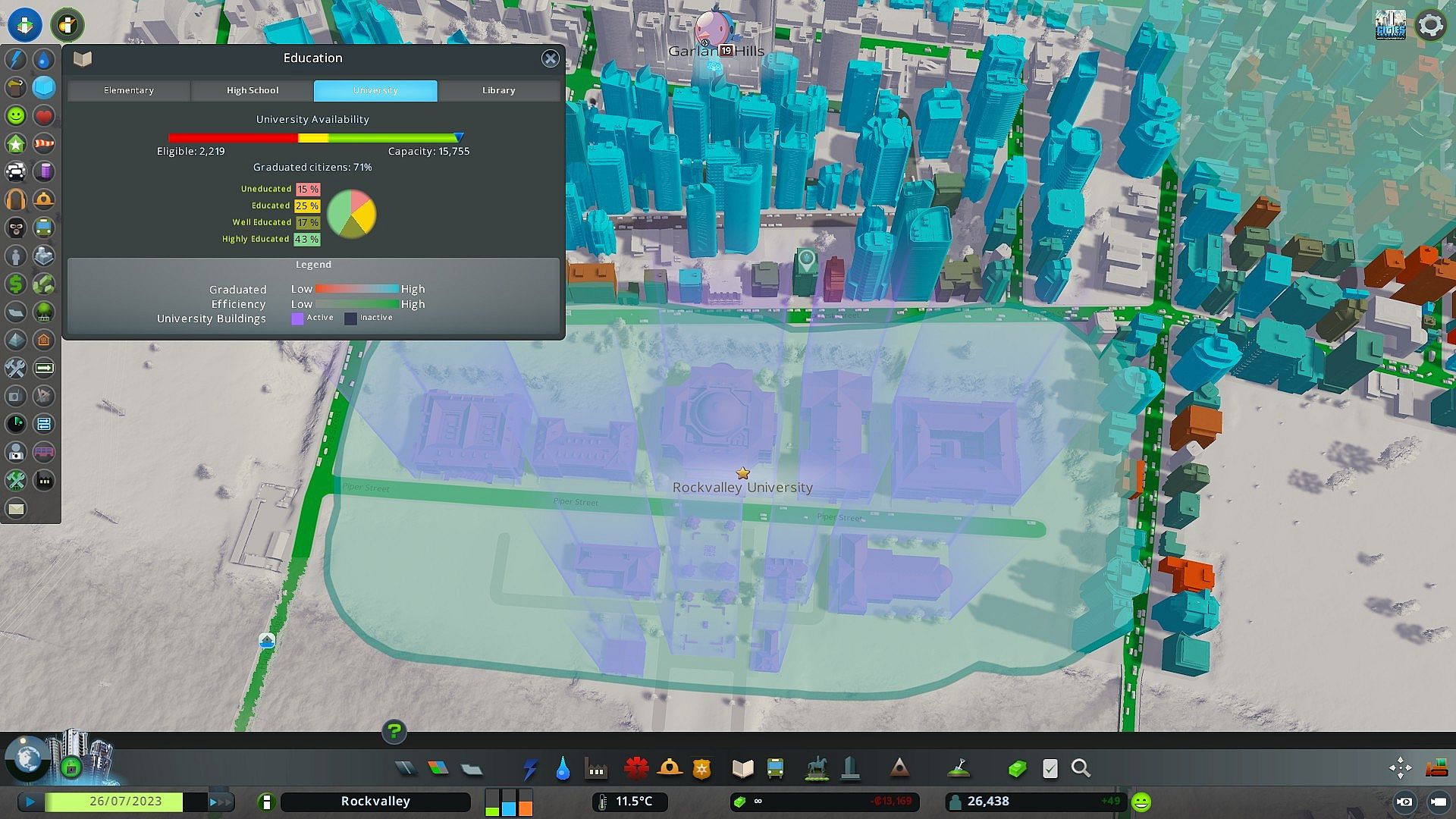
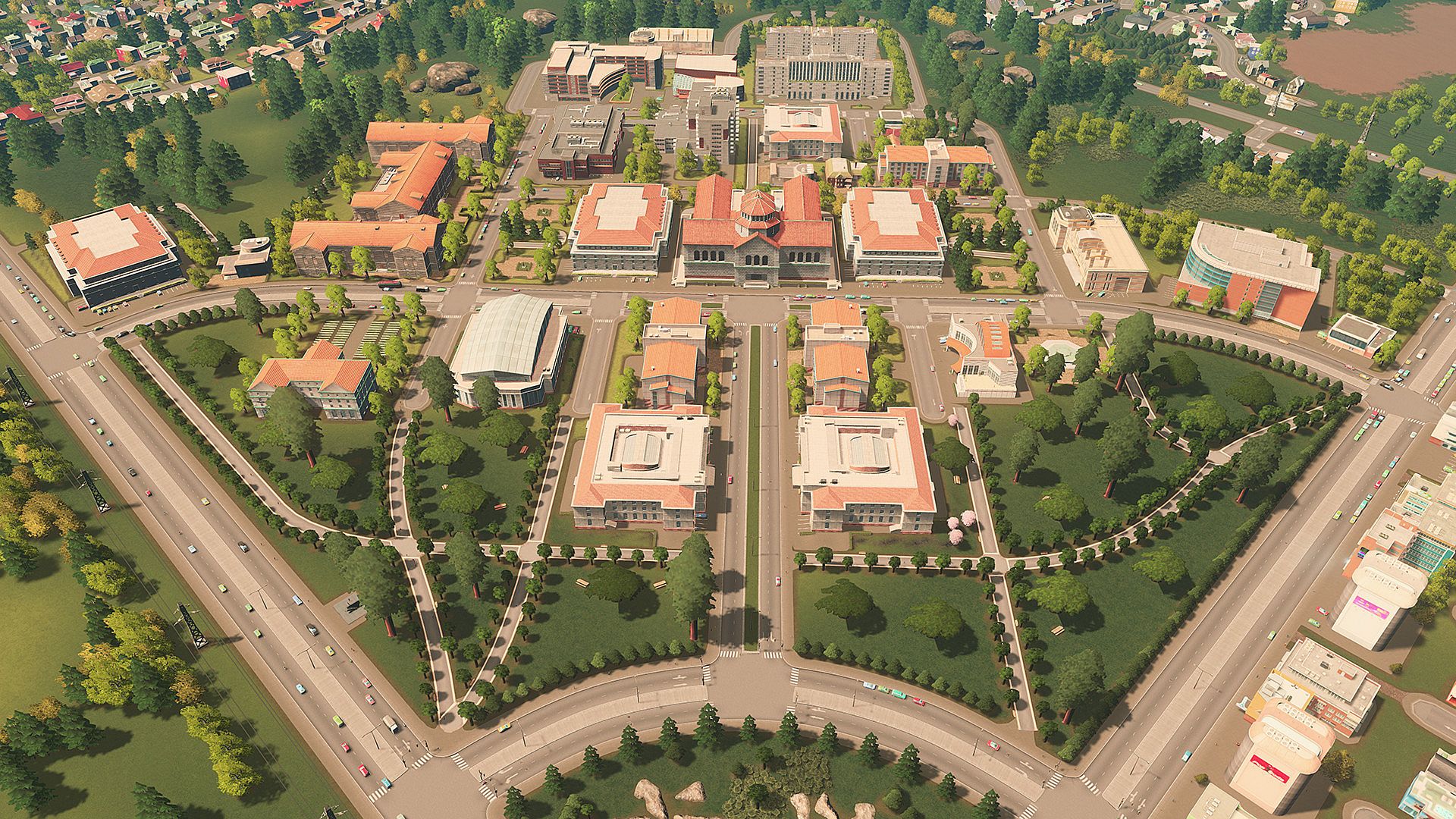
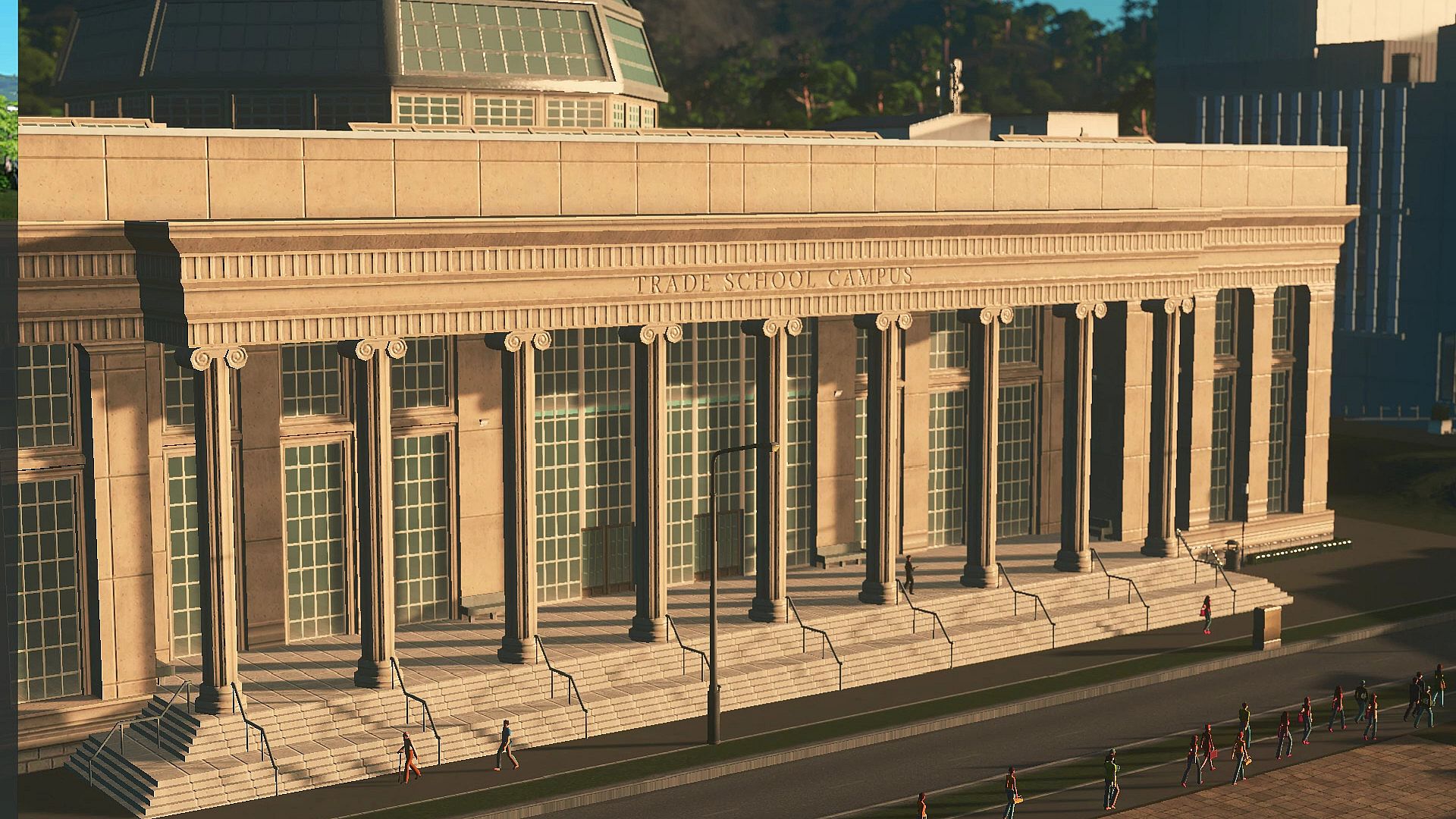
The expansion introduces three distinct campus types that players zone as custom areas: Trade School, Liberal Arts College, and University. Each type supports different student populations and building options, allowing creators to shape educational districts that match their city's needs. Reputation builds through attracting students and producing Academic Works, which unlock additional structures and provide citywide benefits such as improved citizen education levels.
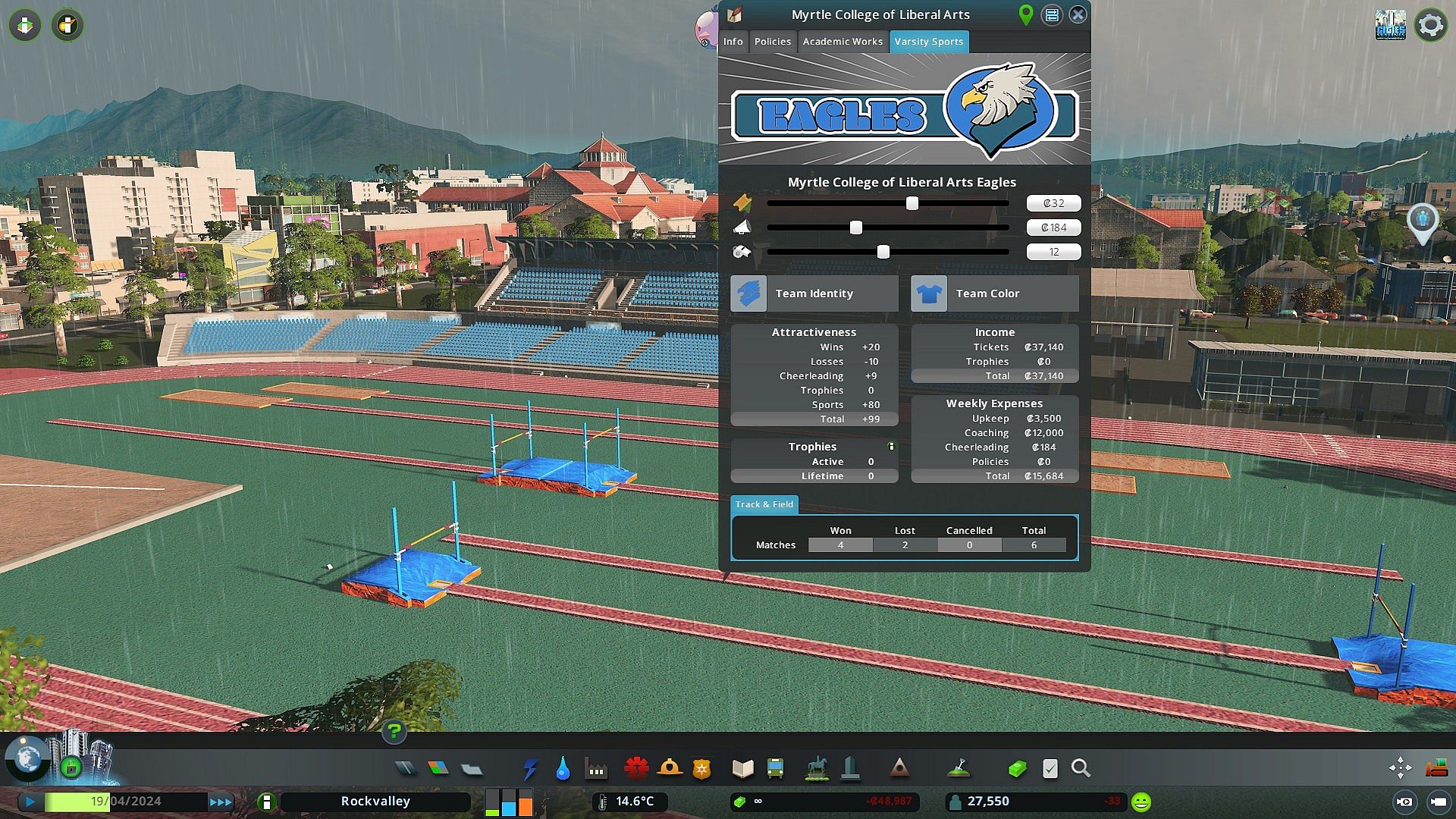
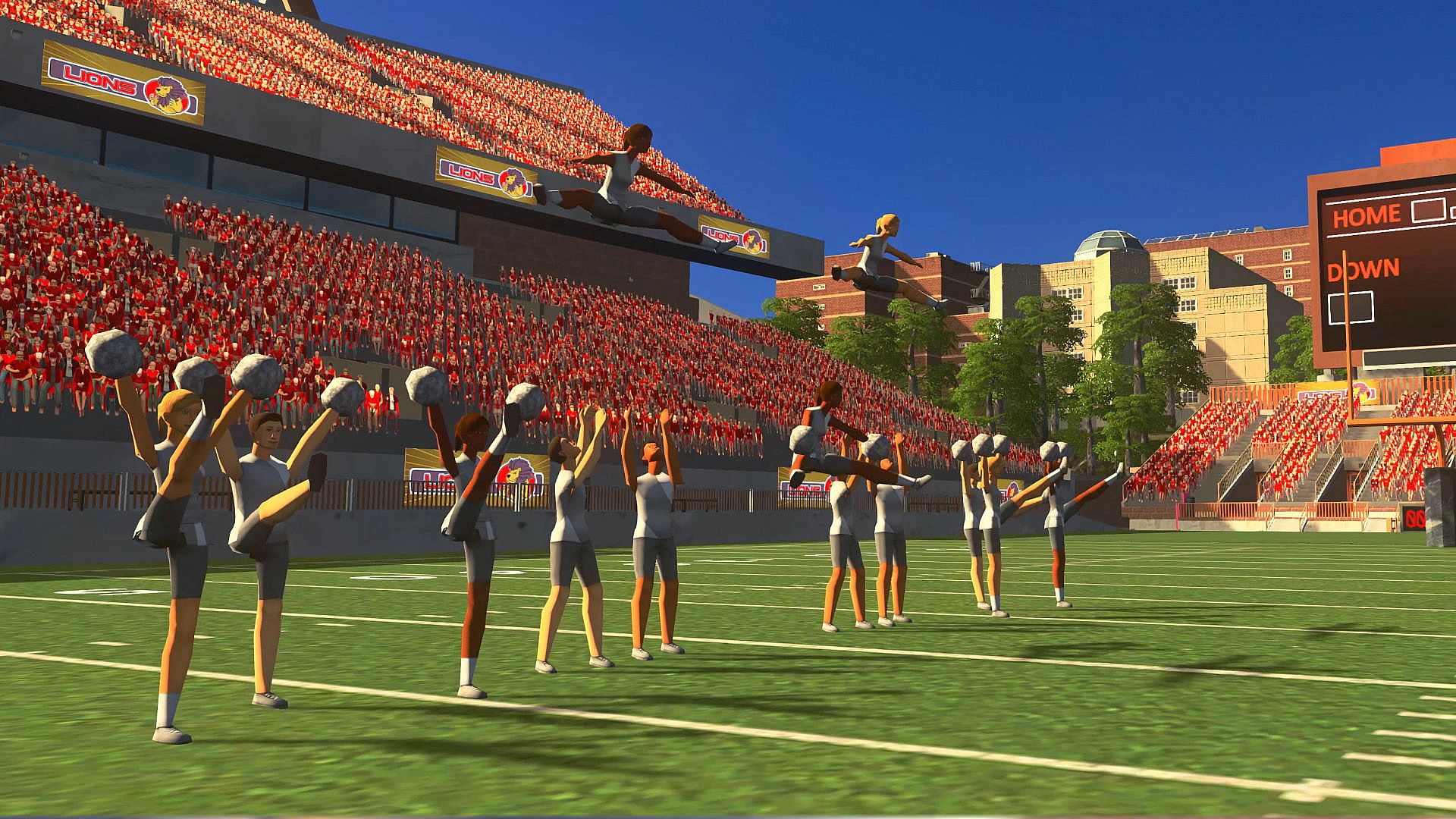
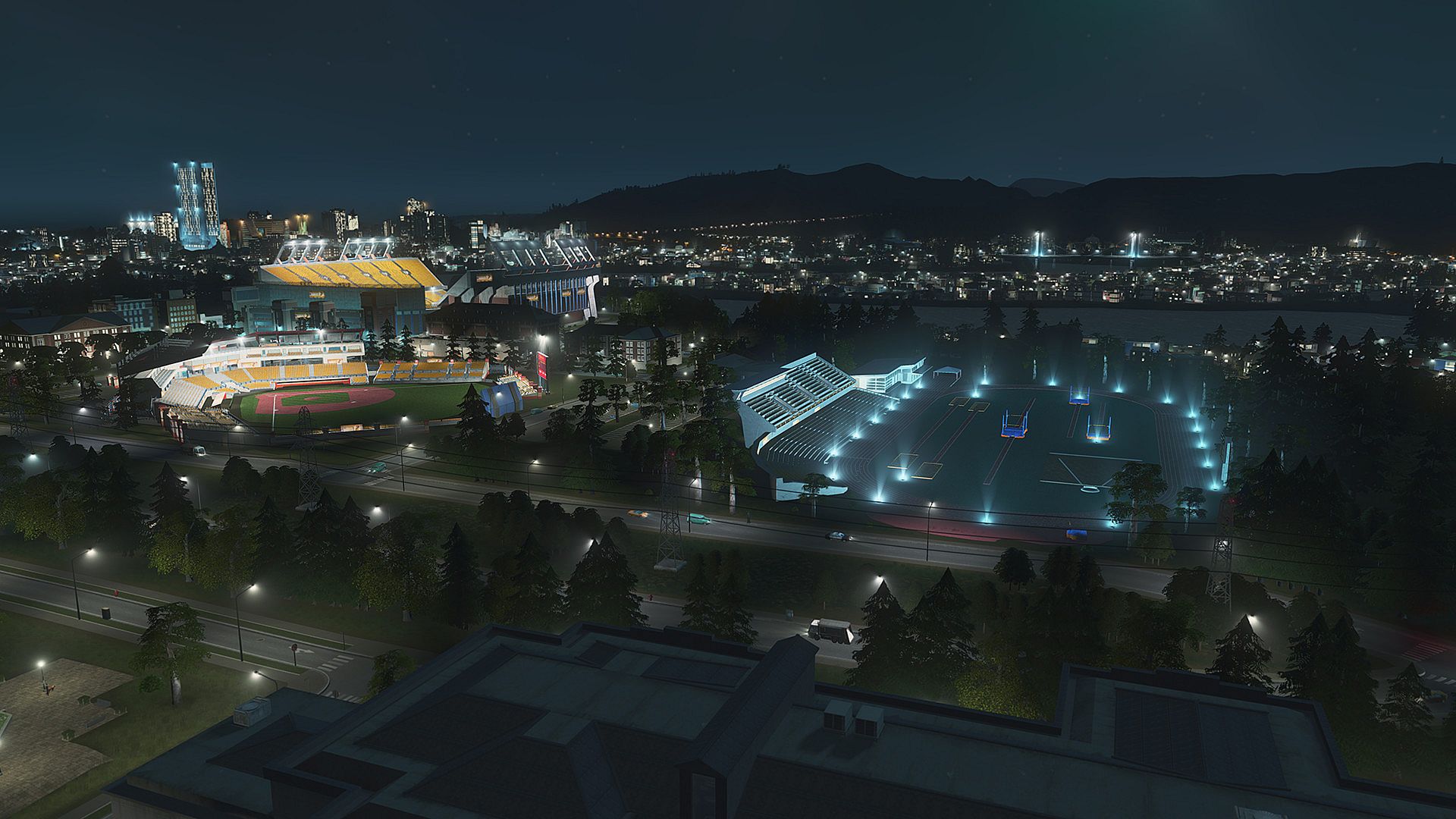
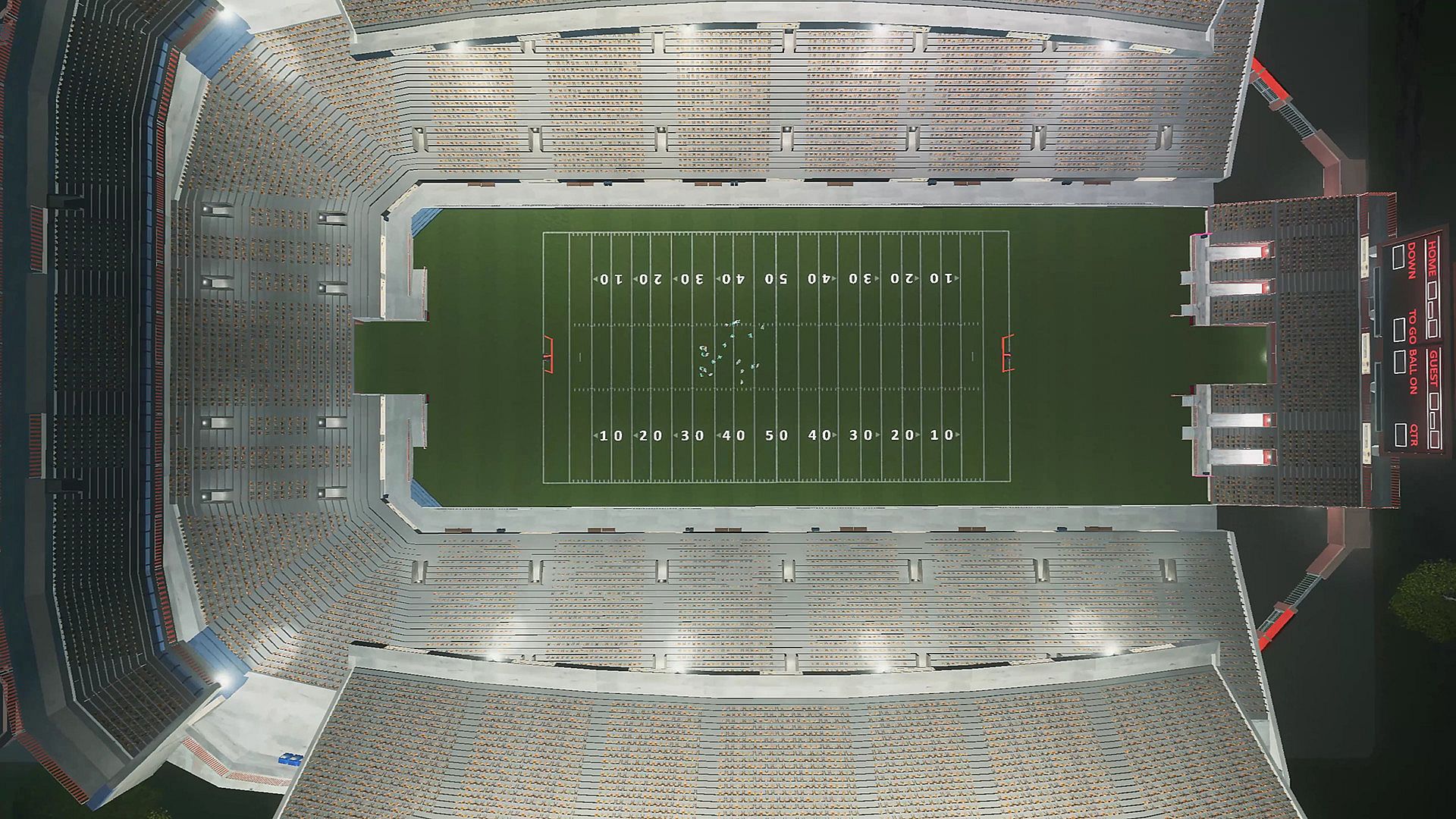
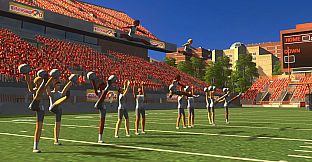
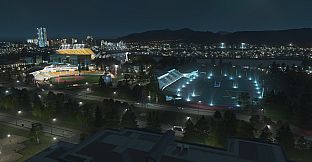
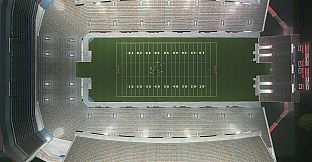
Varsity sports integrate directly into campus management. Five arena types support football, basketball, baseball, track and field, and swimming events. Teams compete in matches that generate revenue from ticket sales and deliver happiness bonuses when victories occur. Coaches can be hired, and teams customized with specific jerseys, buses, and security elements to enhance performance and appeal.
Seven new policies influence campus operations, including options for book fairs and for-profit education models. Research grants and staff support help generate Academic Works. Museums display completed scientific achievements, while graduation ceremonies provide visual events that celebrate citizen progress. Nine faculties offer specialized paths within each campus type, adding layers to building placement and student outcomes.
Game Modes
The expansion operates entirely within the established single-player city simulation. No separate competitive or multiplayer modes exist. Instead, the new systems layer onto the ongoing city management loop, where players balance budgets, traffic, services, and growth while incorporating campus zones as self-contained yet interconnected districts.
Progression focuses on reputation tiers for each campus. Starting from an unrecognized level, campuses advance through student numbers, Academic Works completed, and attractiveness scores. Higher tiers unlock more buildings and stronger city effects. Five new maps provide fresh starting points for these mechanics, encouraging varied layouts and long-term development strategies.
Key Systems and Progression
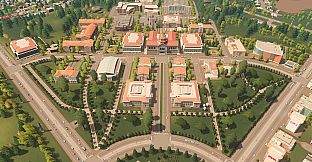
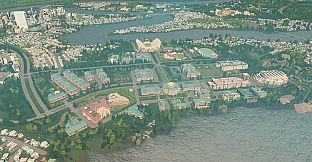
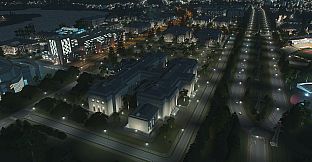
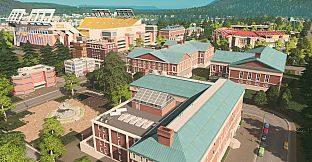
Campus areas function as expandable districts where every placed building contributes to overall metrics. Players paint zones of any size or shape, then fill them with dormitories, study halls, clubs, gyms, cafeterias, and faculty-specific structures. Policies adjust how these elements interact with the wider city, such as increasing student inflow or directing research priorities.
Sports arenas placed inside campus zones tie team success to student populations. Regular matches create recurring events that affect city finances and mood. Customization options extend to team identity, helping differentiate one campus from another in larger cities.
Achievements track specific milestones like reaching prestigious reputation or winning multiple sports titles. These provide additional goals beyond standard city population targets.
Is It Worth Playing?
This expansion suits players who enjoy granular management of specialized city systems and want deeper education mechanics than the base game provides. The focused additions reward careful planning of campus layouts and sports programs, integrating smoothly with existing traffic, zoning, and service networks.
Reception highlights the detailed progression and visual events as strengths, particularly for those already invested in long city-building sessions. It remains a relevant addition for anyone seeking more variety in educational and recreational districts without altering the fundamental simulation pace. Availability on PC ensures compatibility with the full range of community content and prior expansions.