

















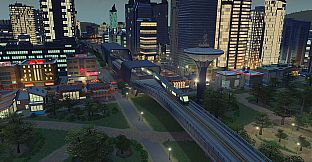
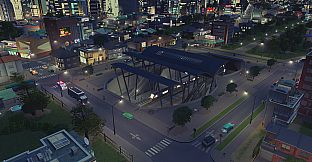
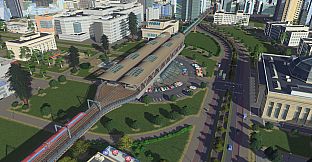
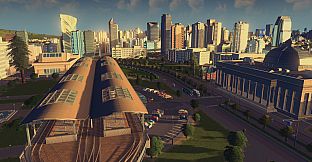
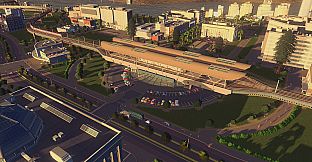
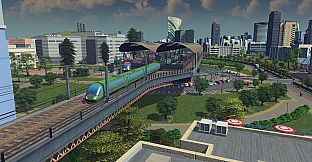
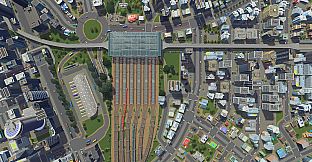
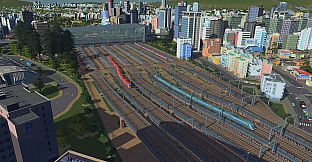
Cities: Skylines is a strategy and simulation game focused on city building and management. Players design urban layouts from scratch, balancing residential, commercial, and industrial zones while maintaining essential services and infrastructure. The Content Creator Pack: Train Stations adds specialized assets that expand options for rail and metro networks within this framework.
Gameplay
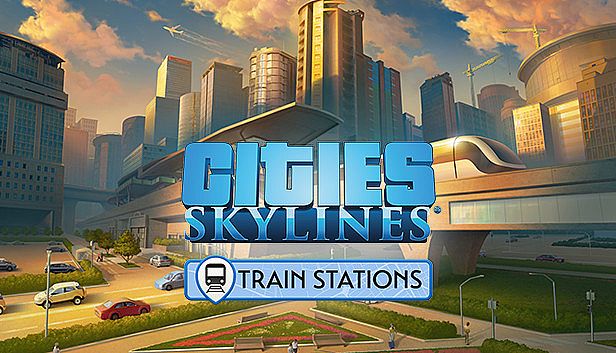
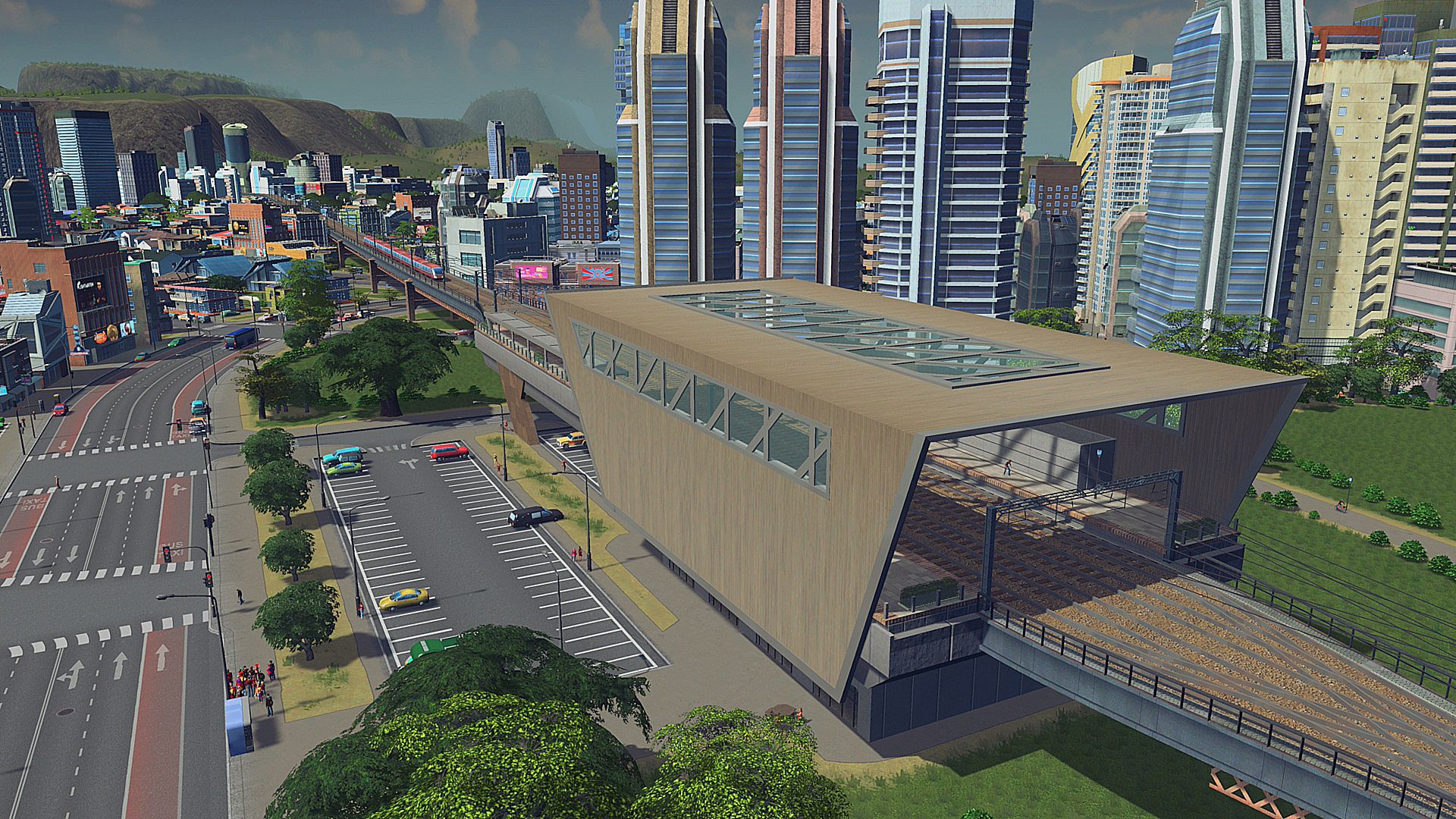
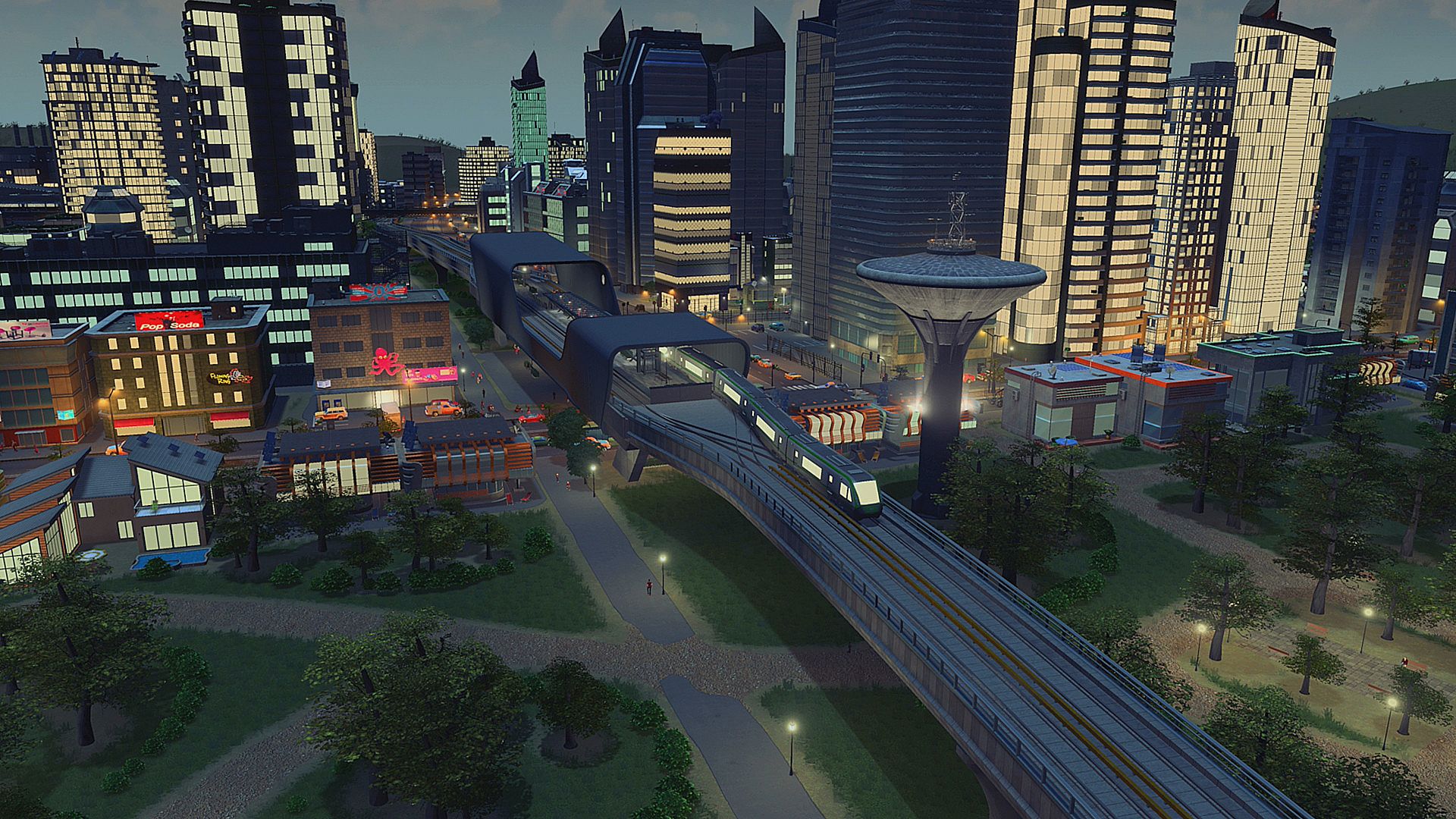
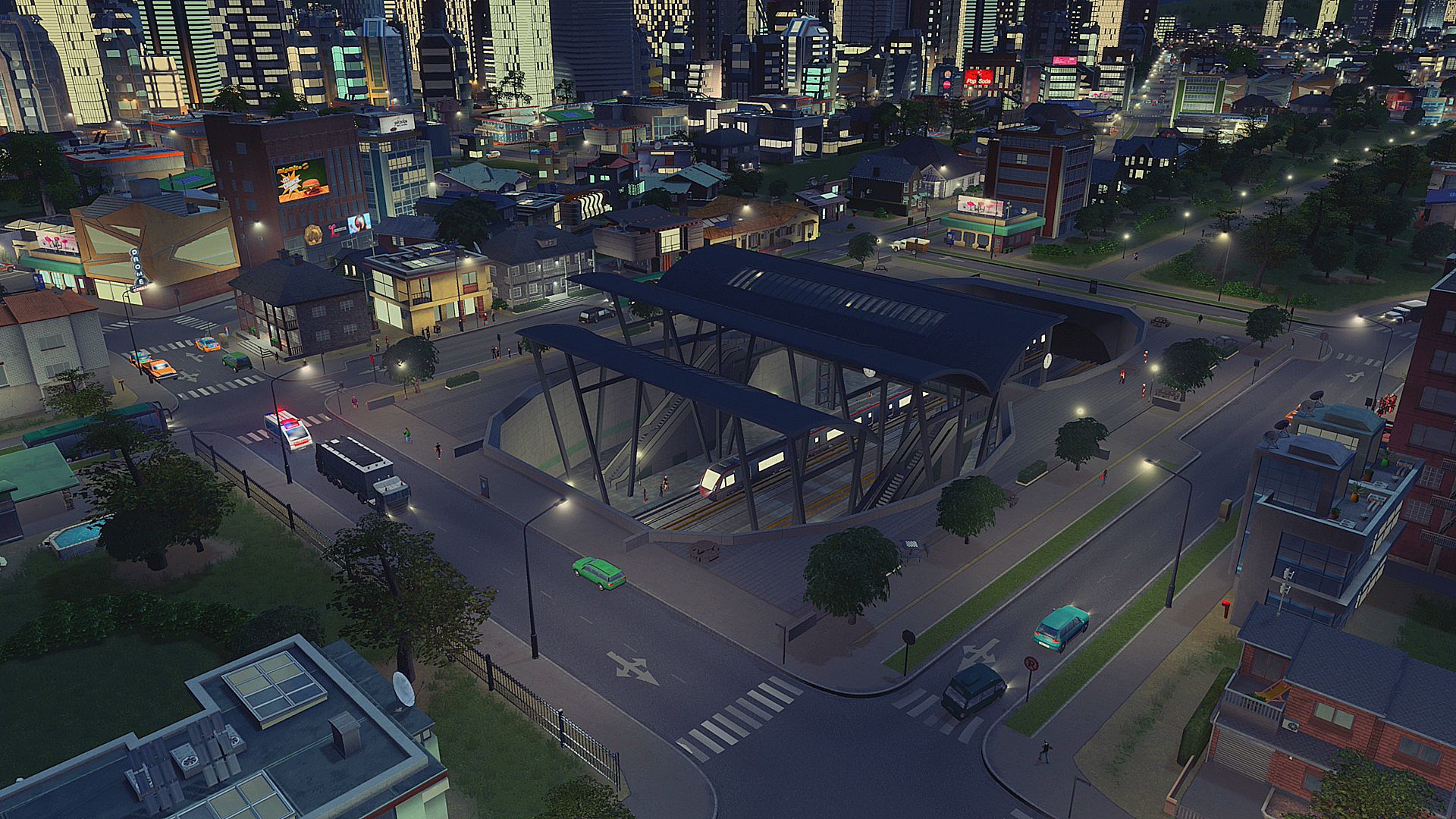
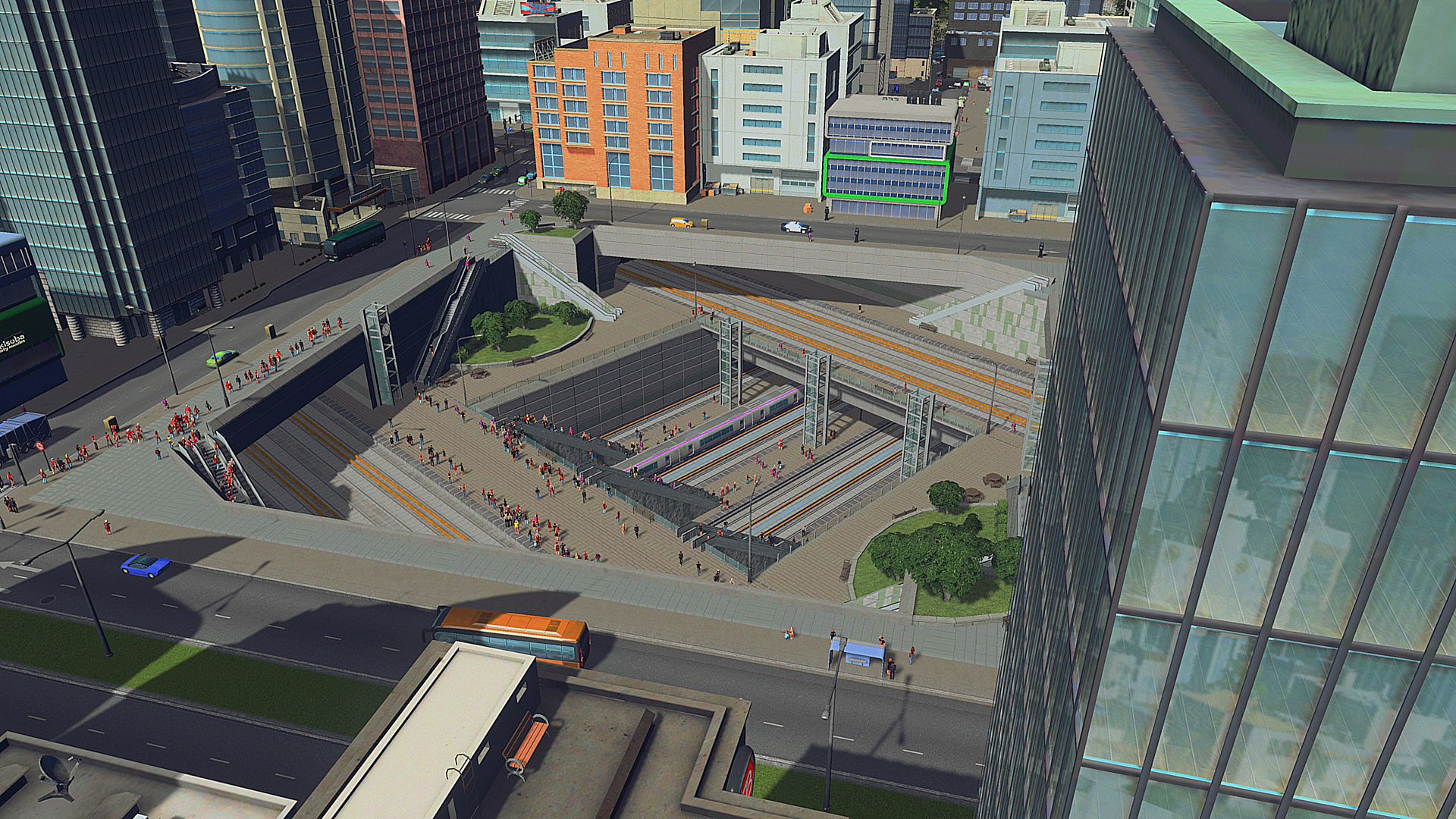
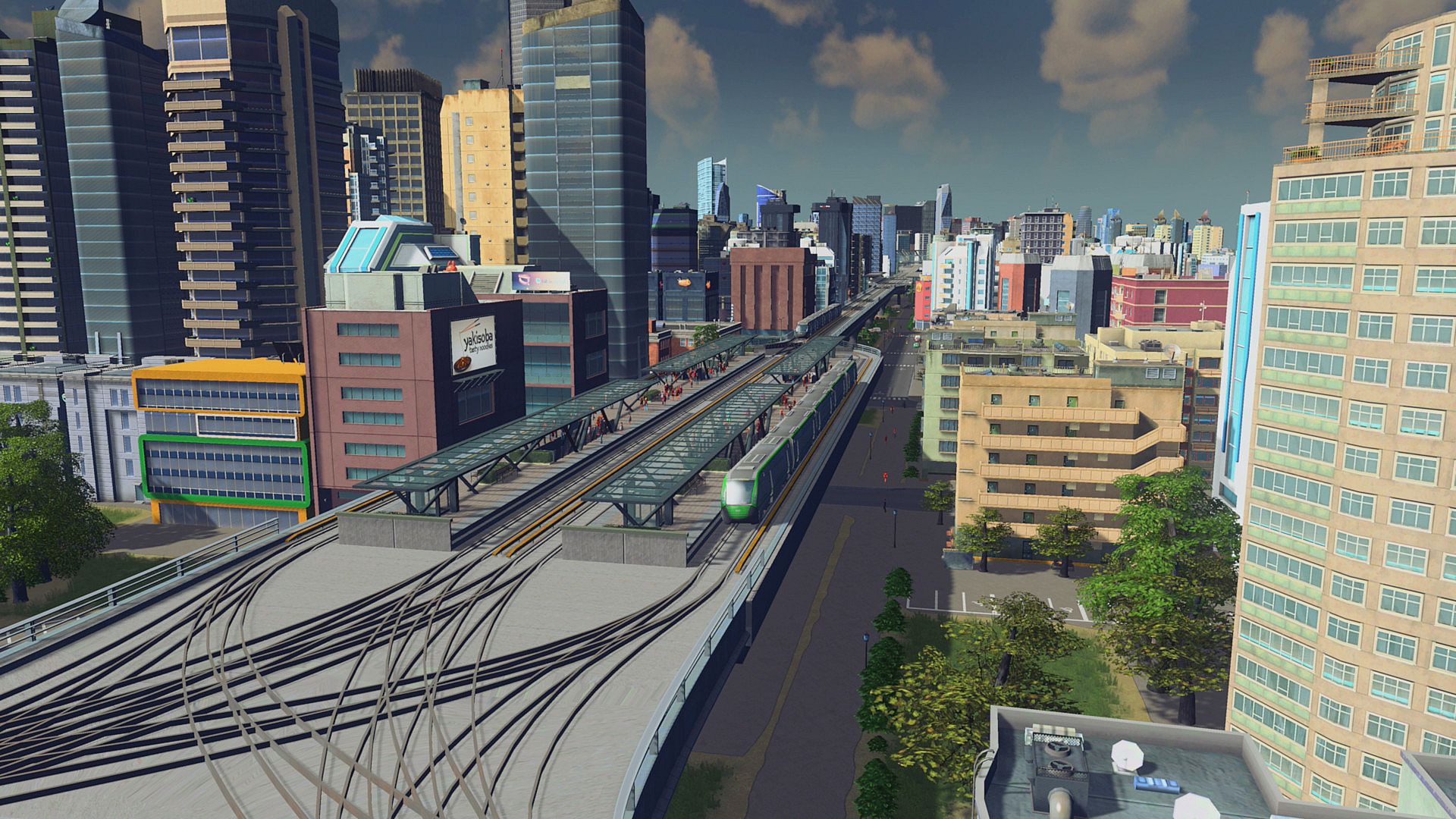
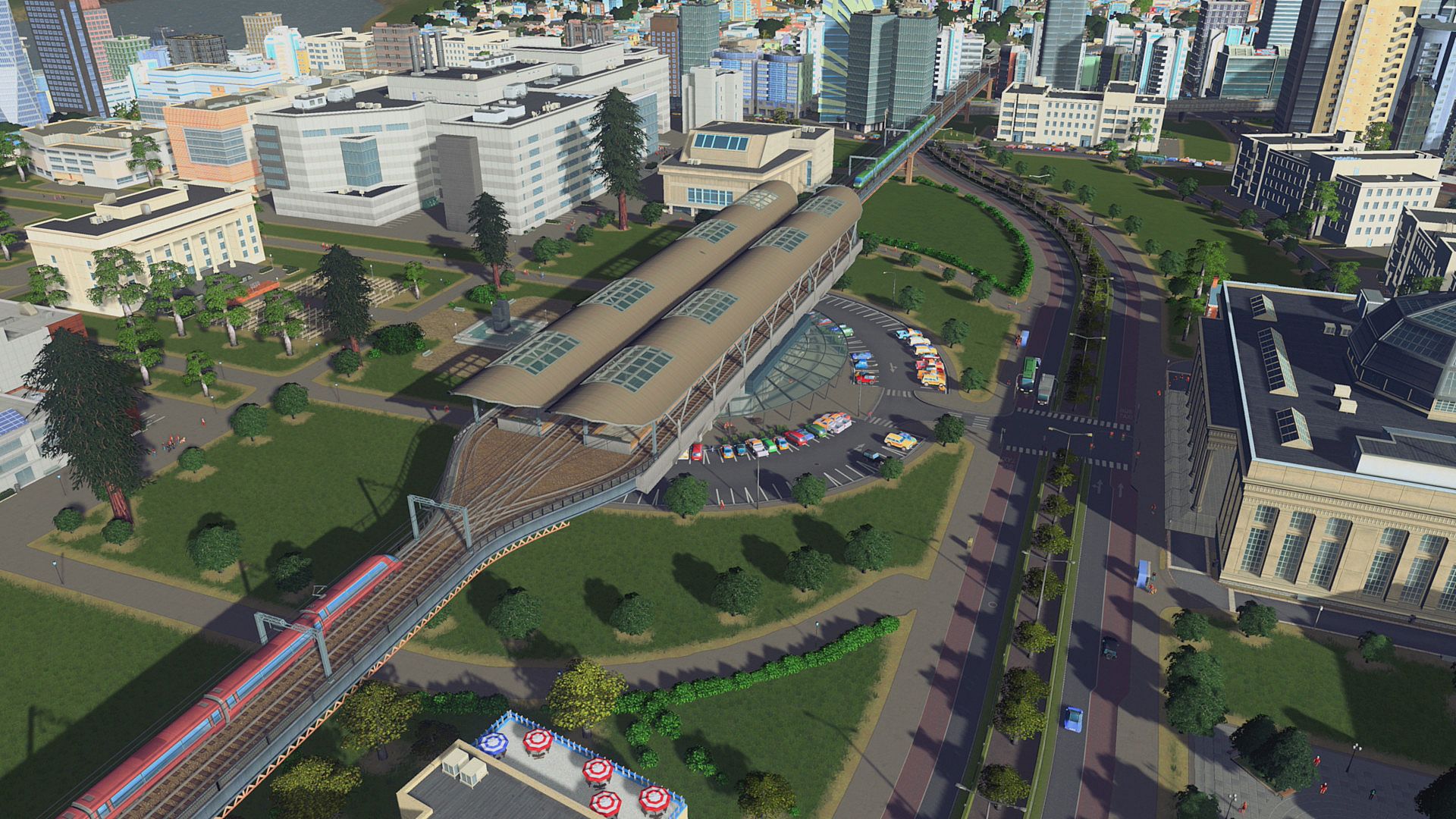
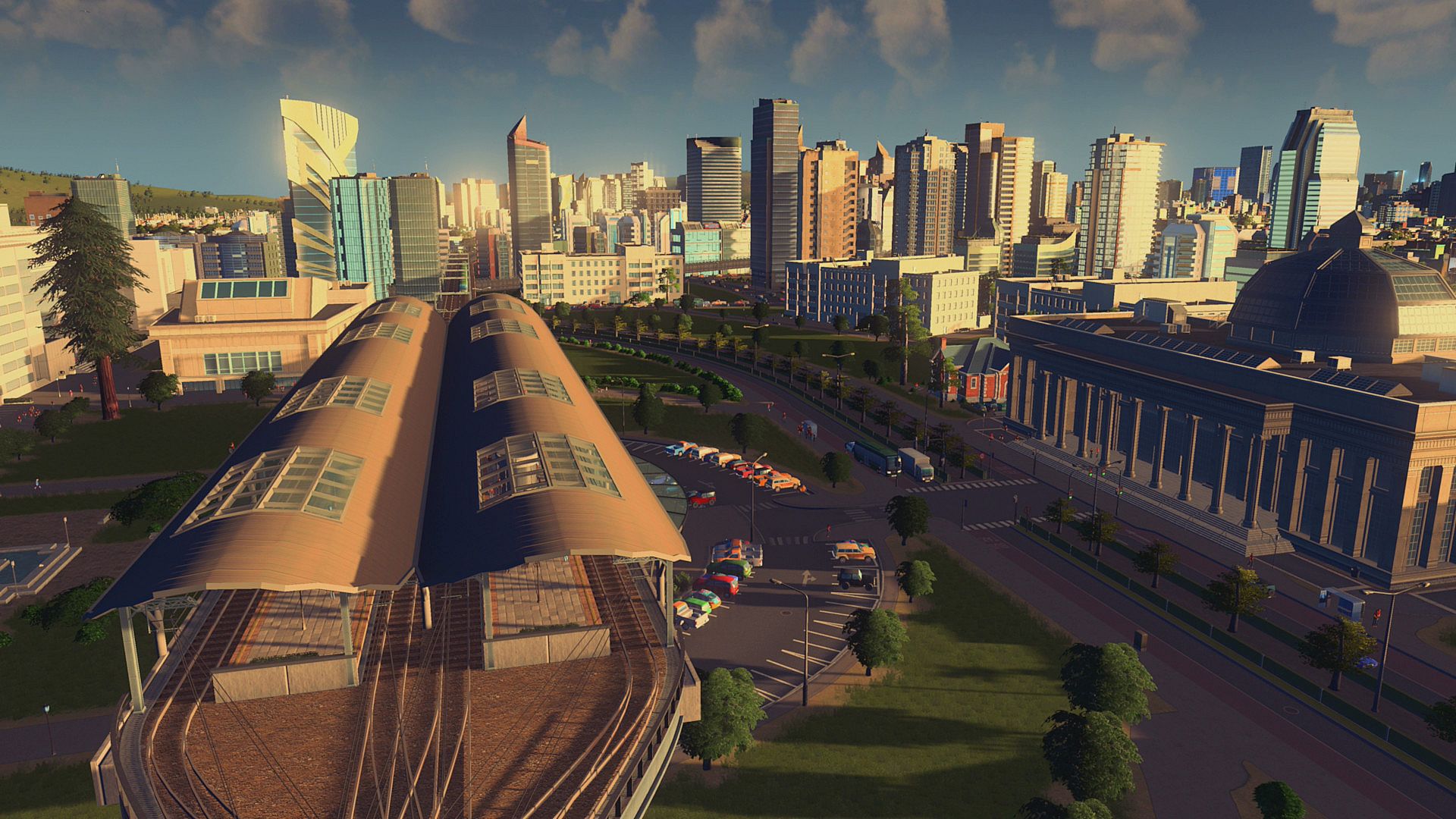
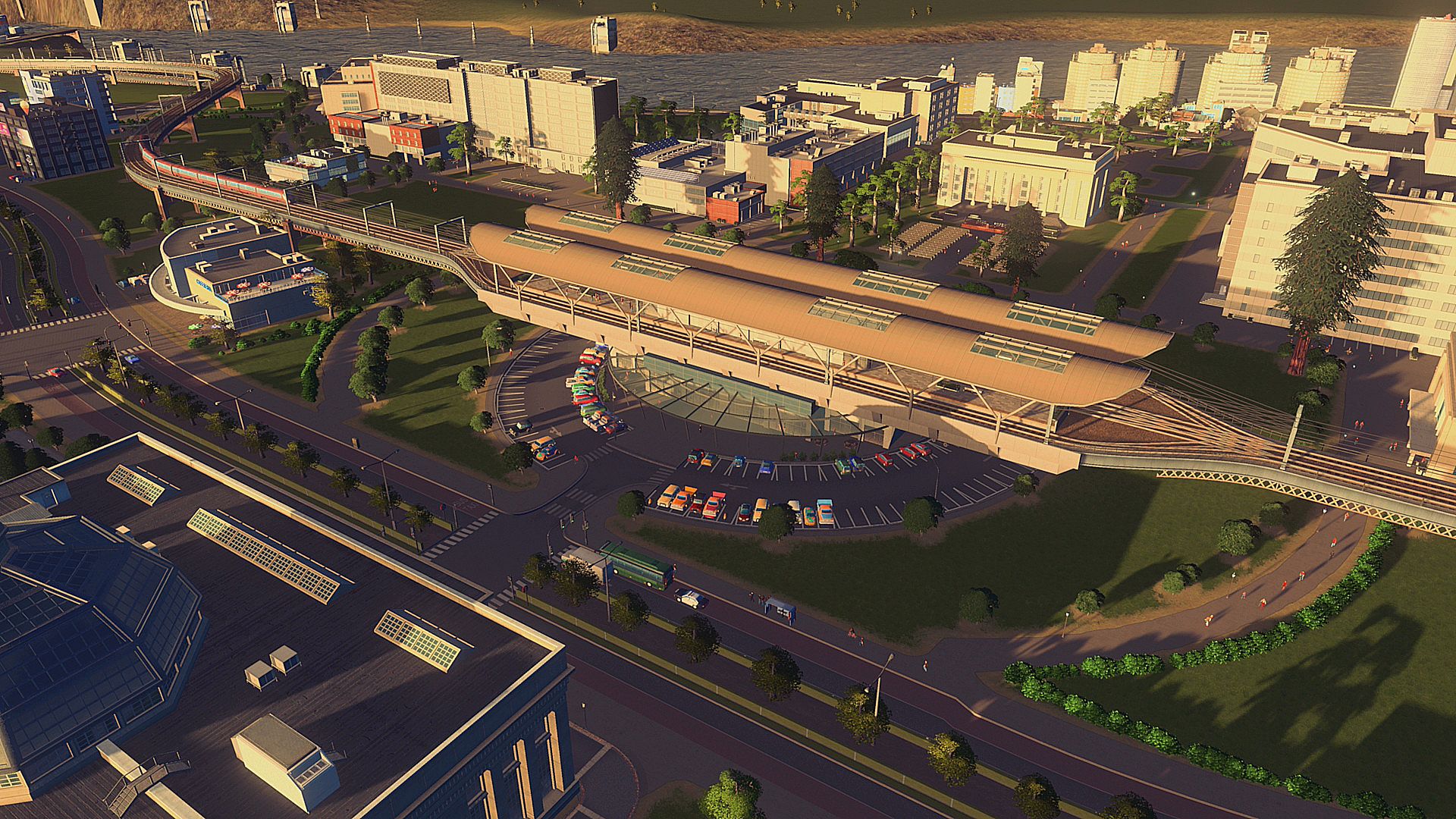
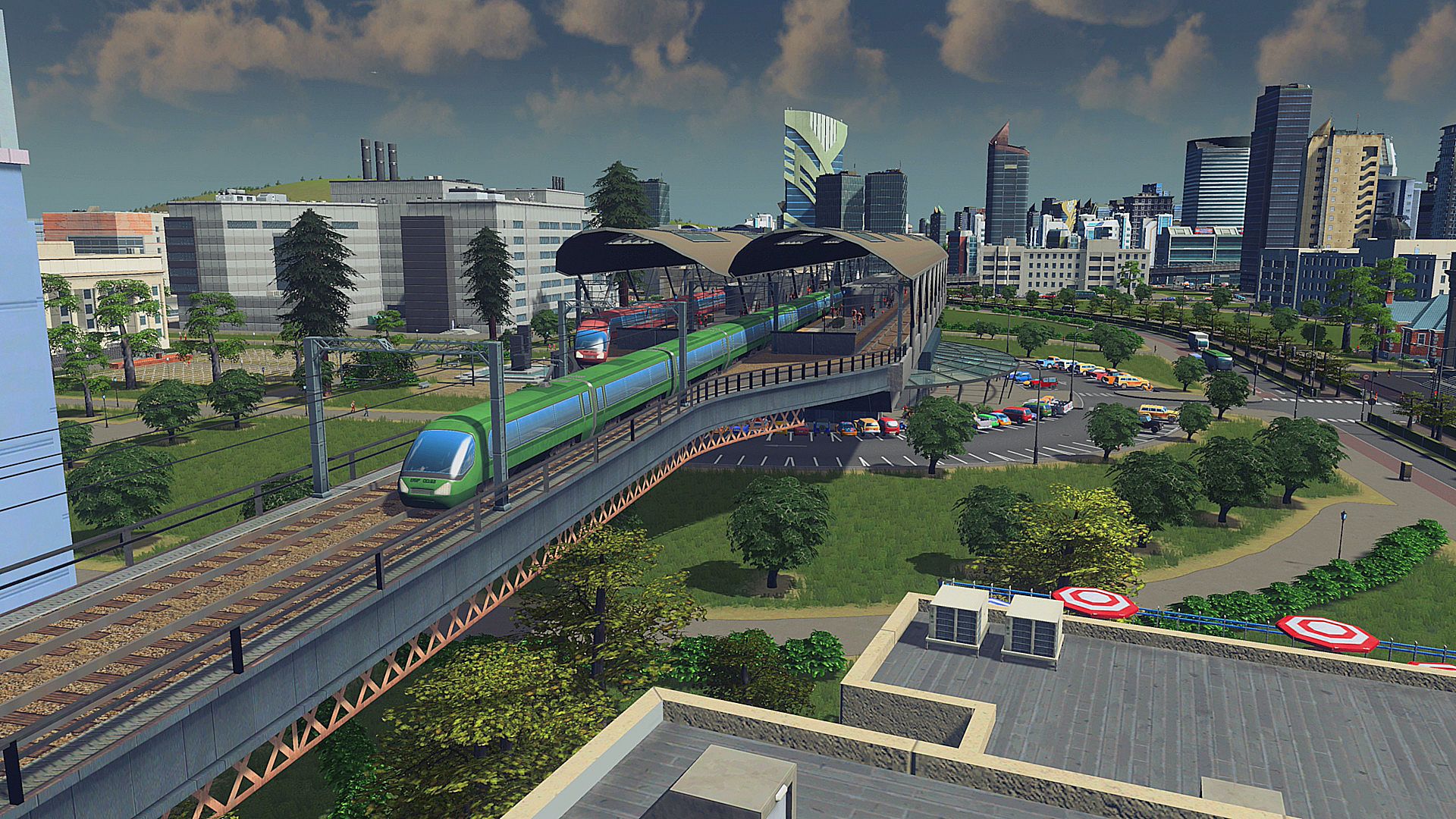
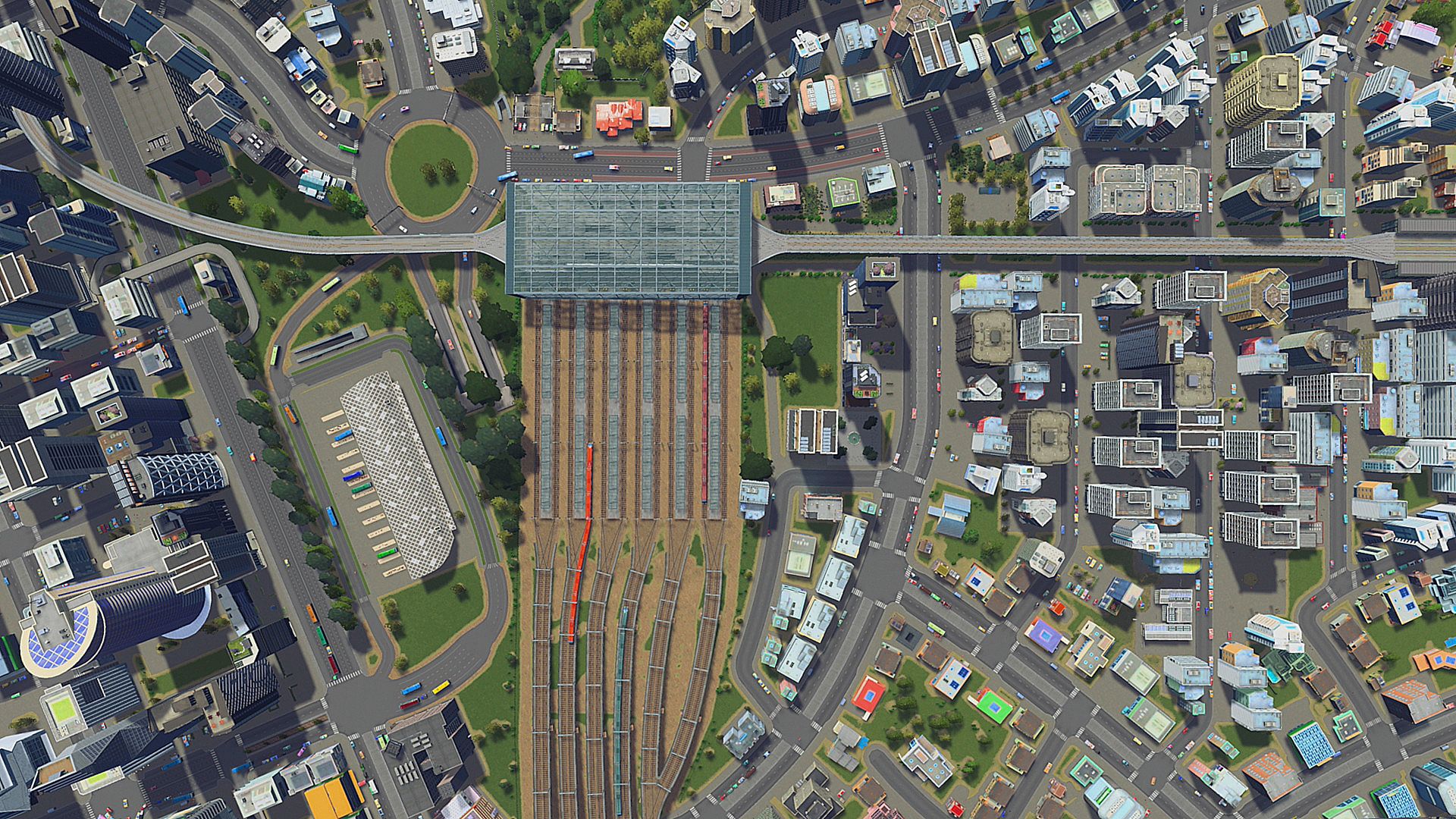
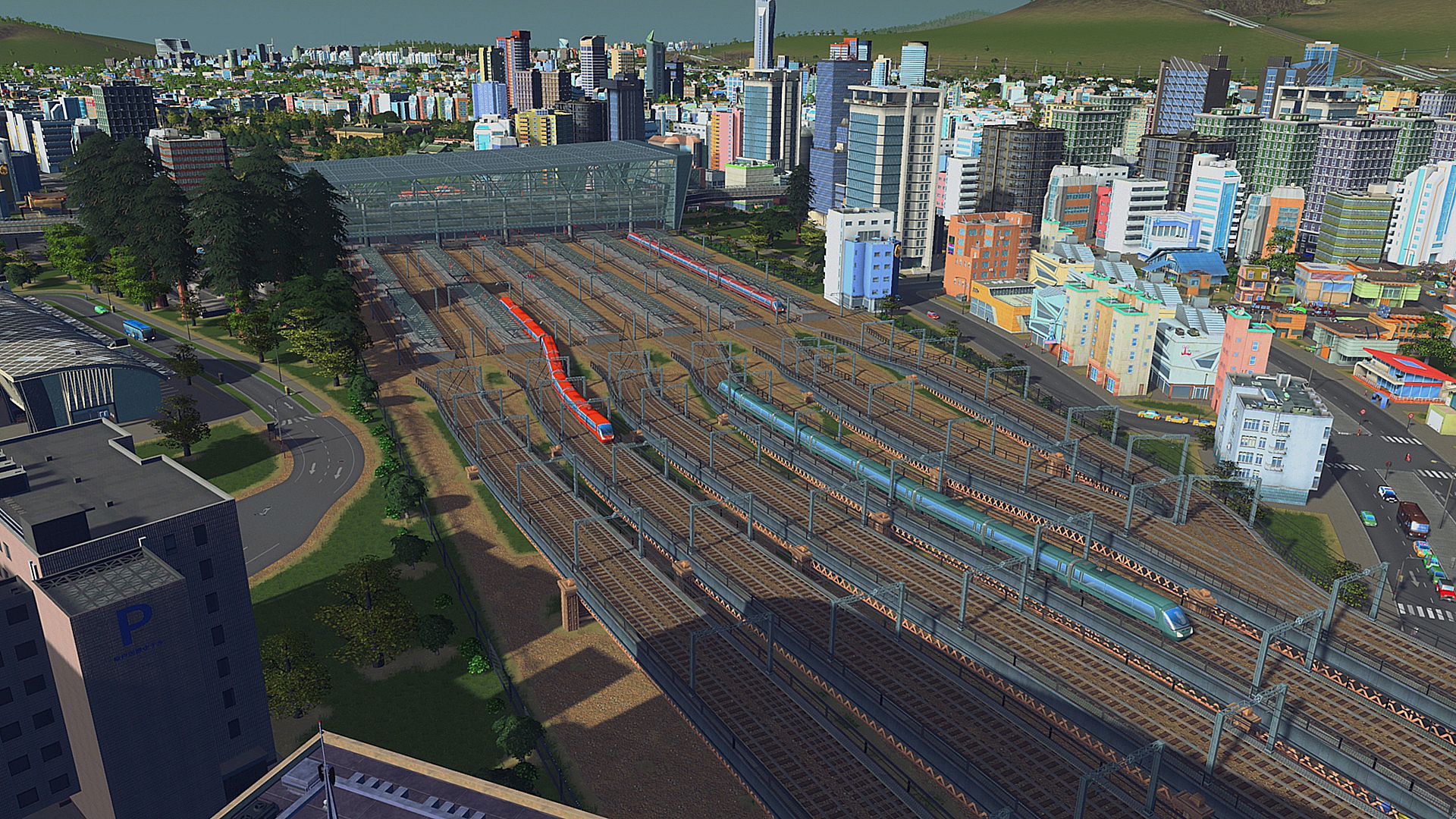
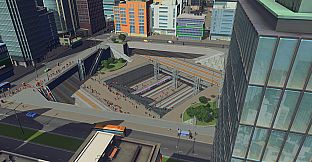
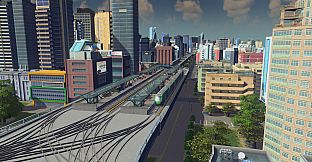
Core gameplay revolves around zoning land, constructing roads, and developing public services to support population growth. Transportation plays a central role, as efficient movement of citizens prevents congestion and supports economic activity. The pack introduces 12 new stations consisting of six train stations and six metro stations, along with four transport hubs. These assets allow placement of elevated or underground facilities that integrate with existing rail lines and metro systems.
Stations feature detailed designs suited to modern city aesthetics. They align visually with content from the Sunset Harbor and Mass Transit expansions, enabling cohesive network building. Hubs combine multiple transit types in single locations, streamlining connections for intercity travel and local commuting. Players position these elements to optimize flow, with options for ground-level, elevated, or below-ground configurations that fit varied terrain and urban density levels.
Management extends to budgeting for maintenance and expansion. New stations support parking facilities at larger train stops, encouraging mixed-use development around transit points. This setup encourages iterative city planning where initial layouts evolve through adjustments to routes and station placements.
Game Modes
The game operates primarily in single-player sandbox environments. Players select maps and begin with basic tools before unlocking advanced features through milestones. Unlimited money and all-items-unlocked variants remove resource constraints for creative building sessions. A hard mode increases challenge by limiting starting funds and requiring careful financial oversight.
Scenarios provide structured objectives on specific maps, guiding development toward goals like population targets or service coverage. These modes emphasize experimentation with transport layouts, where the new stations integrate directly into rail and metro planning without altering core simulation rules.
Transport Network Integration
Effective mass transit forms the backbone of sustainable city growth. The added stations expand choices for routing trains and metros through dense areas or across natural barriers. Elevated tracks reduce ground-level interference, while underground options preserve surface space for other uses. Hubs facilitate transfers between lines, reducing travel times for simulated citizens.
Placement decisions influence surrounding development patterns. Stations with parking encourage commercial activity nearby, while compact metro stops suit high-density residential zones. The assets maintain compatibility with prior expansions, allowing layered network designs that combine multiple transport layers.
Is It Worth Playing?
This content pack suits players already engaged with Cities: Skylines who seek expanded transit customization. It provides targeted additions to the transportation system without requiring changes to established playstyles. The base game maintains strong community support years after release, with ongoing interest in asset variety for detailed builds.
Reception for the overall title remains positive among simulation enthusiasts, particularly those focused on realistic urban planning. The pack enhances replayability for transport-focused sessions by offering more station variety that matches established visual themes. Those prioritizing rail and metro efficiency will find direct value in the new options for network refinement.