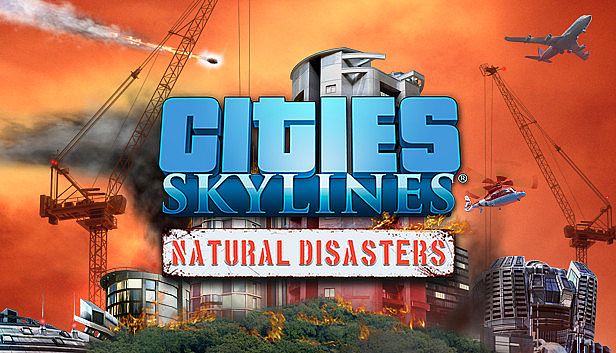






















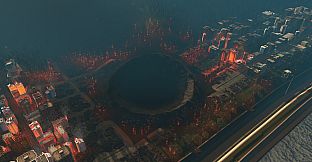
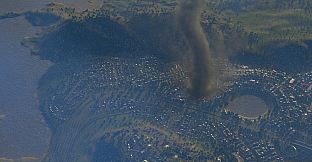
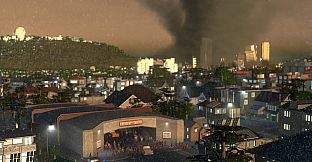
Cities: Skylines - Natural Disasters is a strategy simulation expansion for the city-building game Cities: Skylines on PC. It adds natural disasters to the core loop of planning infrastructure, managing services, and growing urban areas while introducing preparation tools and response systems to handle sudden crises.
Gameplay
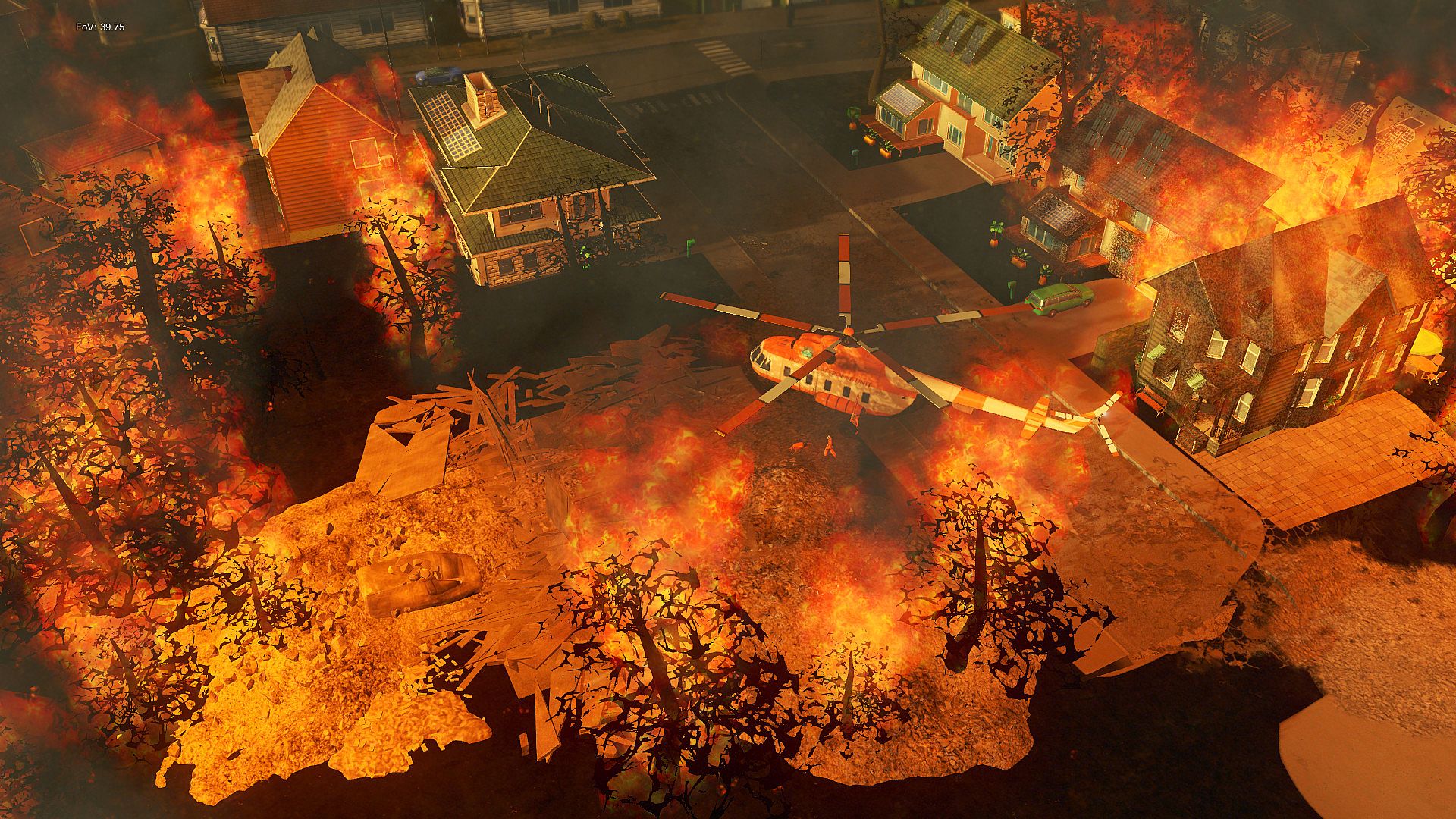
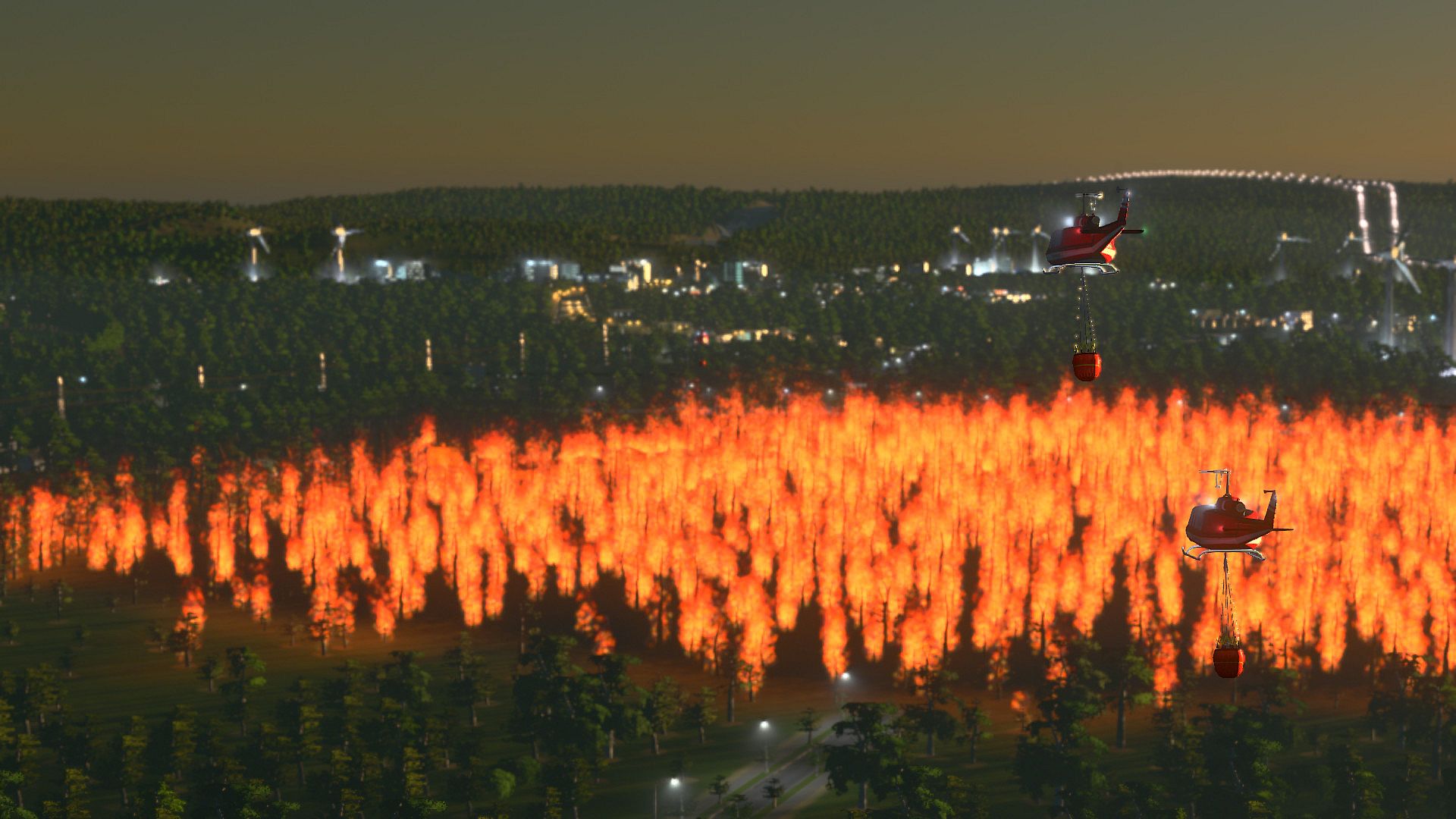
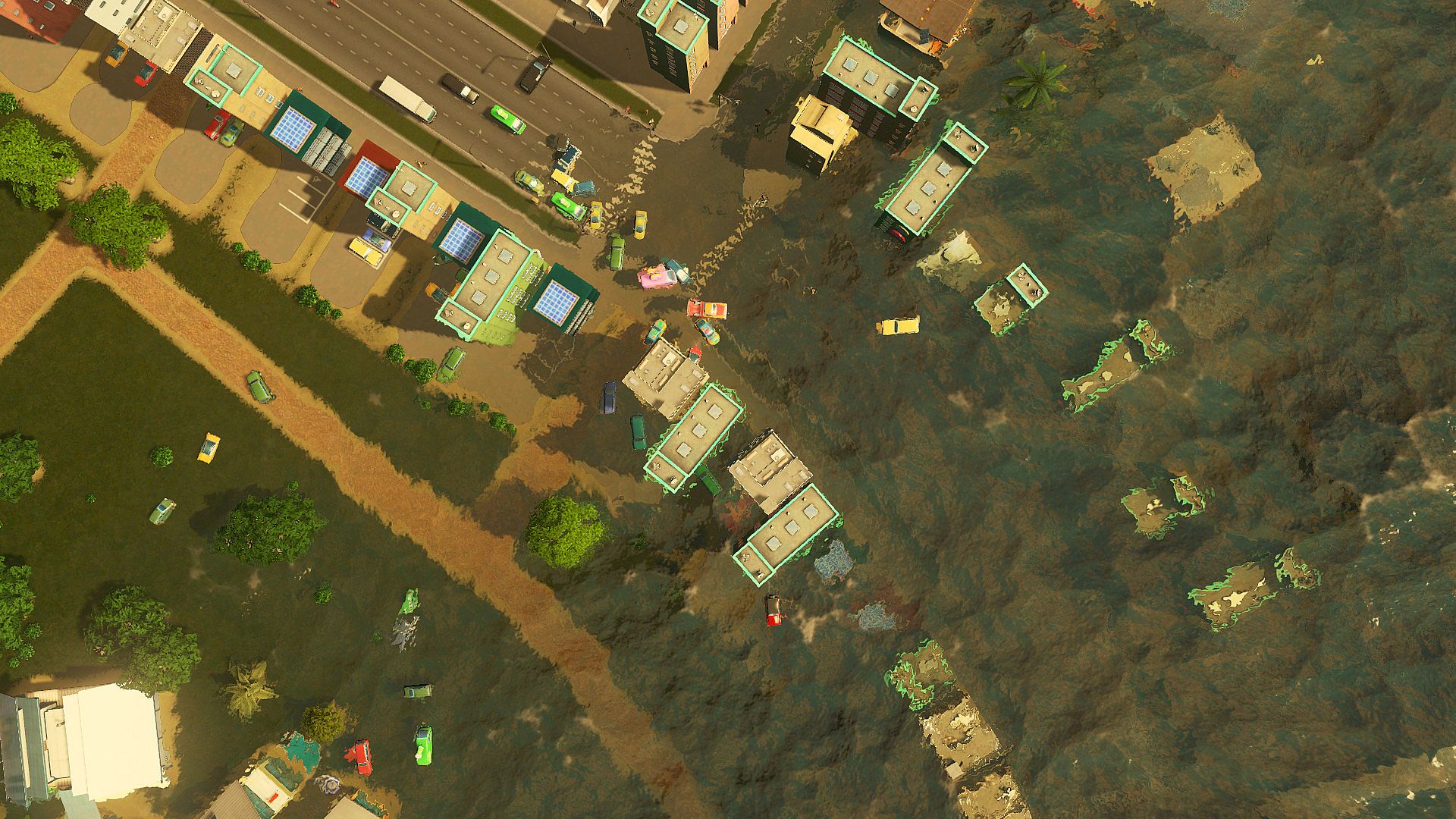
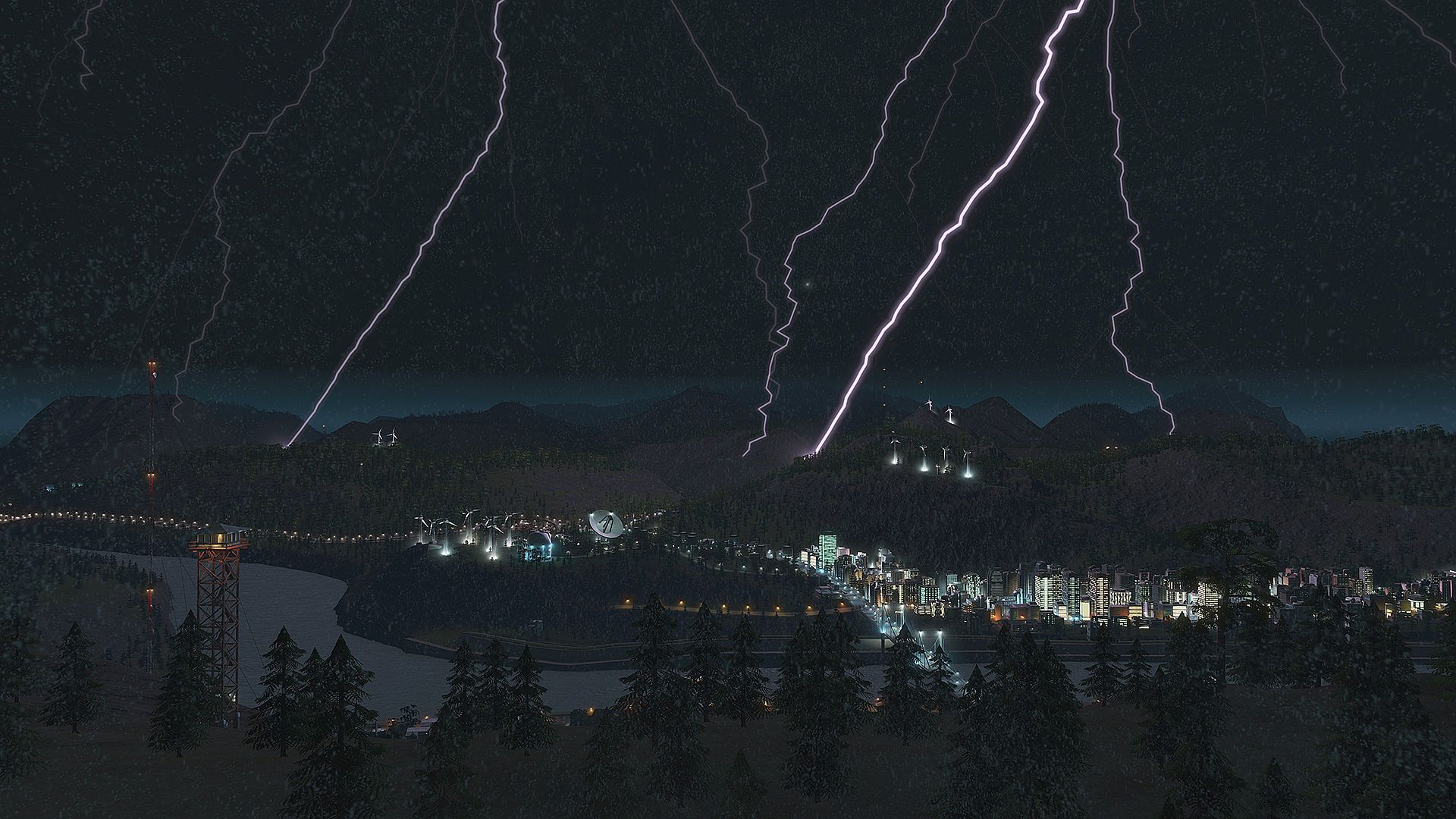
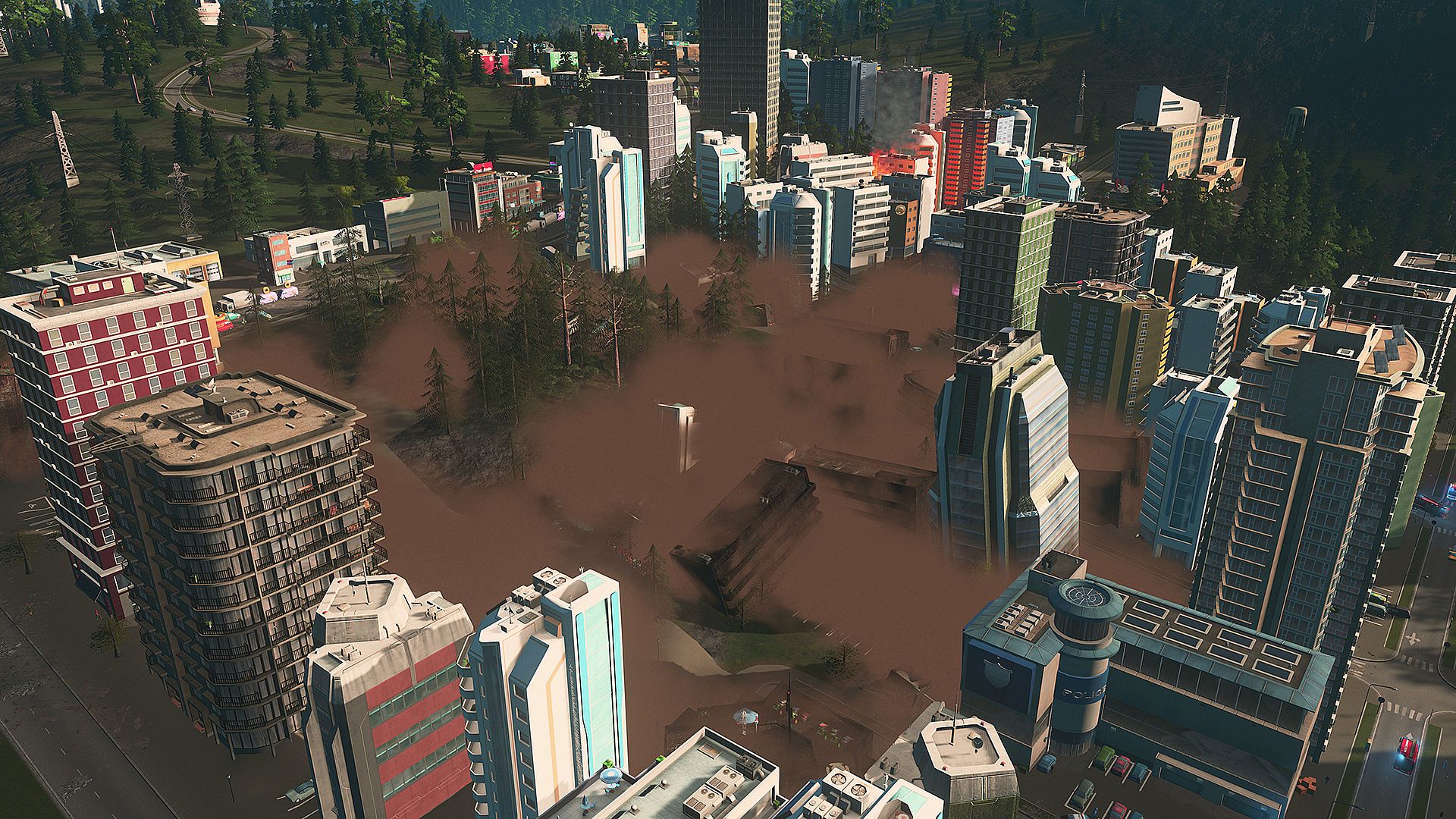
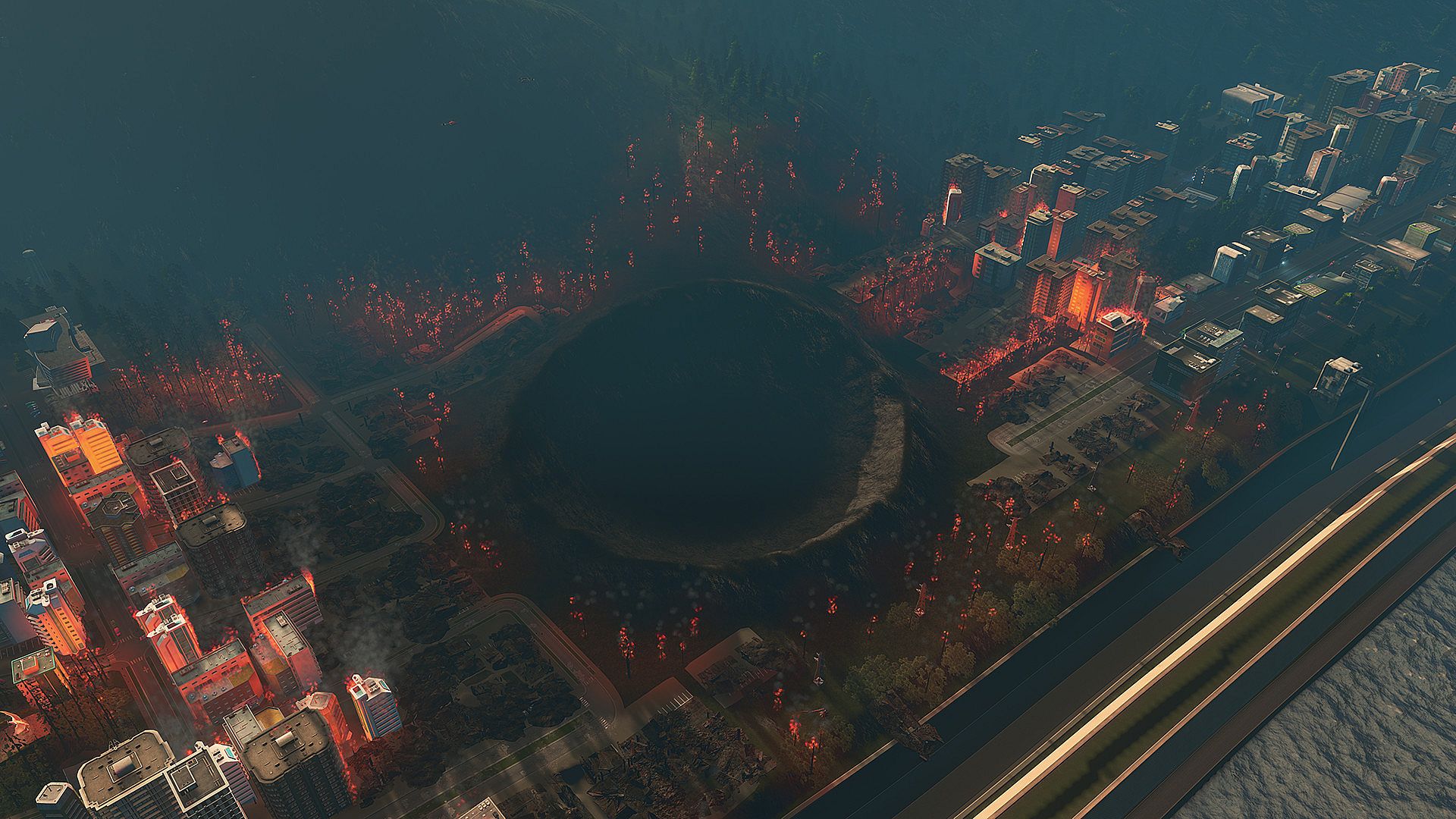
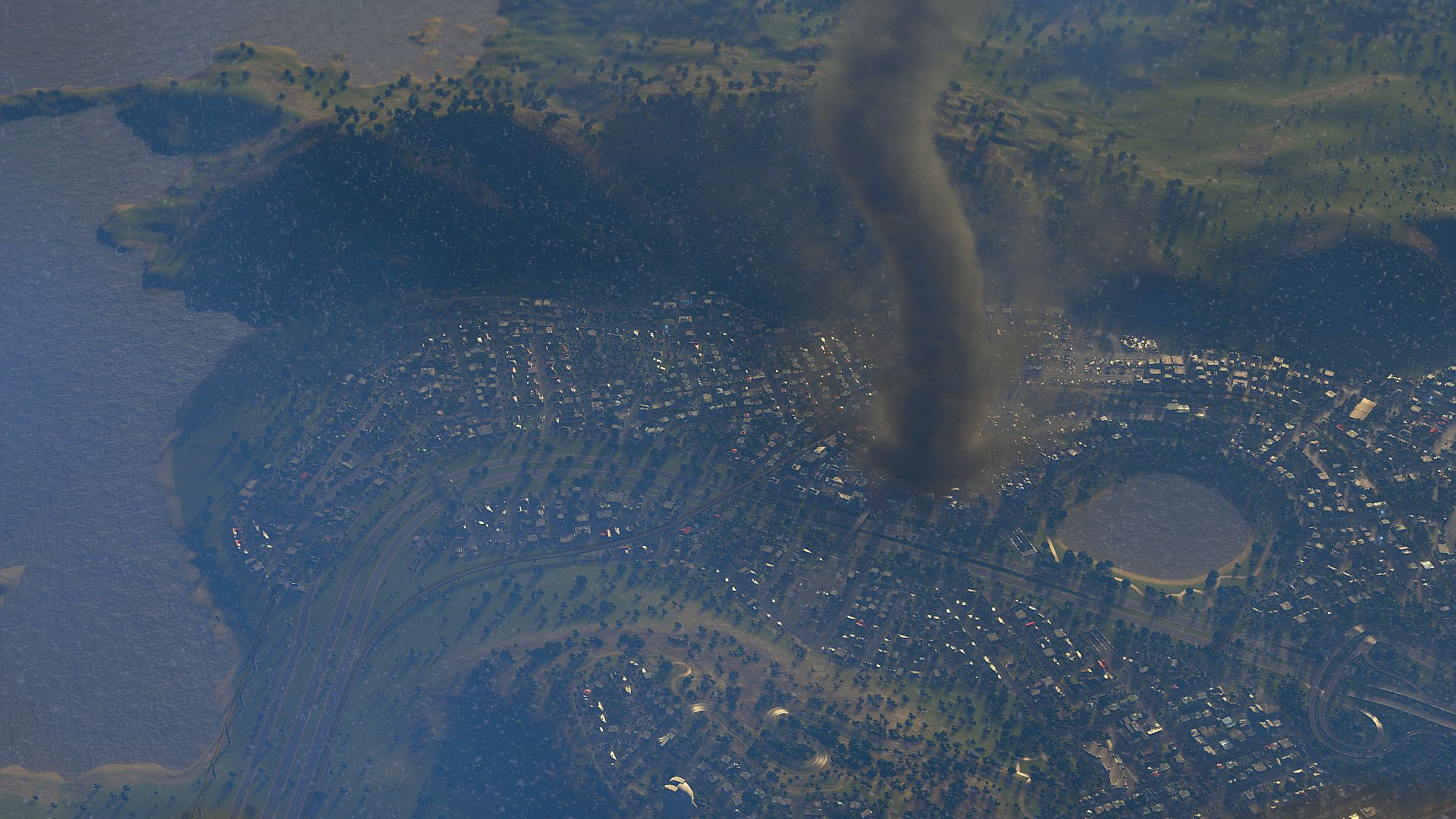
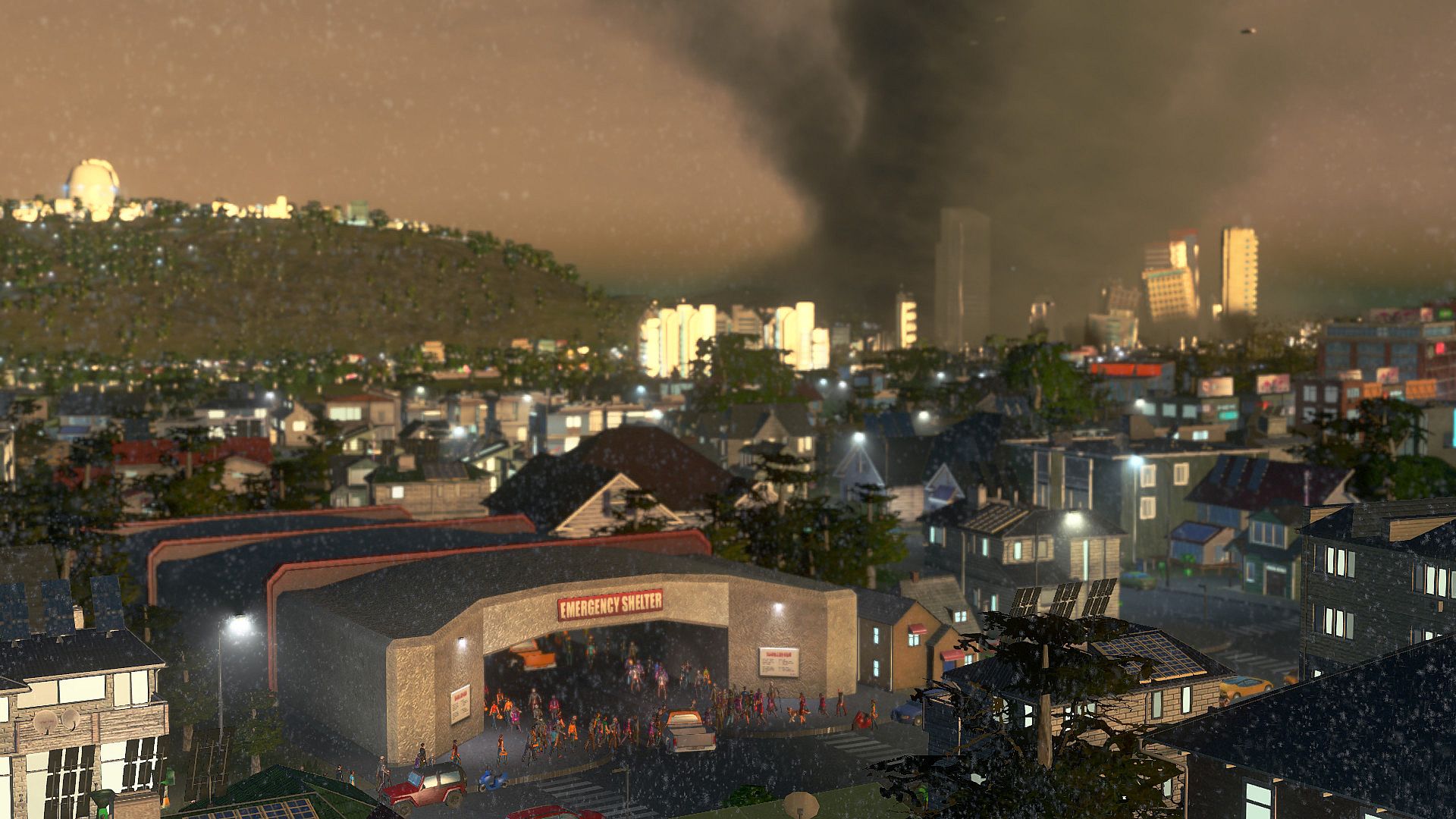
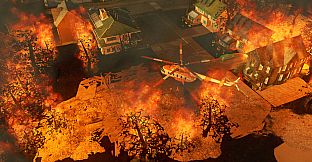
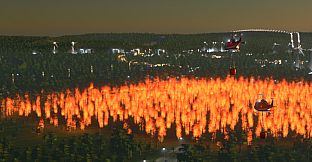
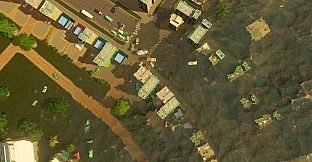
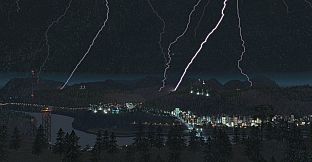
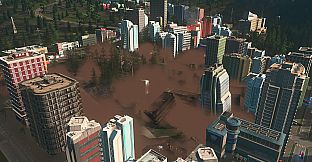
The expansion integrates disasters directly into city management. Seven types of events can strike at any time in sandbox play or as part of structured challenges: earthquakes, thunderstorms, tsunamis, forest fires, tornadoes, sinkholes, and meteors. These events cause widespread damage, spread fires in buildings, and require immediate action to limit loss of life and property.
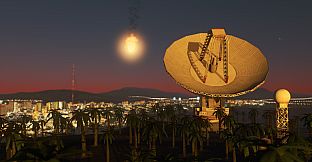
Preparation forms a key part of the loop. Weather radars and space radars provide early warnings, while new policies and infrastructure create emergency routes and shelters. Players set up evacuation plans in advance and adjust zoning to reduce vulnerability in high-risk zones. Once a disaster hits, response options expand with helicopters for fire suppression, medical aid, police support, and general disaster relief. A new radio broadcast system helps spread alerts quickly across the city.
After the initial impact, focus shifts to recovery. Damaged areas need rebuilding, affected citizens require support services, and long-term planning adjusts to prevent repeat failures. The system encourages balanced growth that accounts for both daily operations and rare but severe events.
Game Modes
Scenario mode serves as the main structured experience. It includes five pre-made scenarios that set specific starting conditions, win conditions, time limits, and losing conditions. These objectives turn open-ended building into targeted challenges where success depends on surviving disasters while meeting population, transport, or other targets.
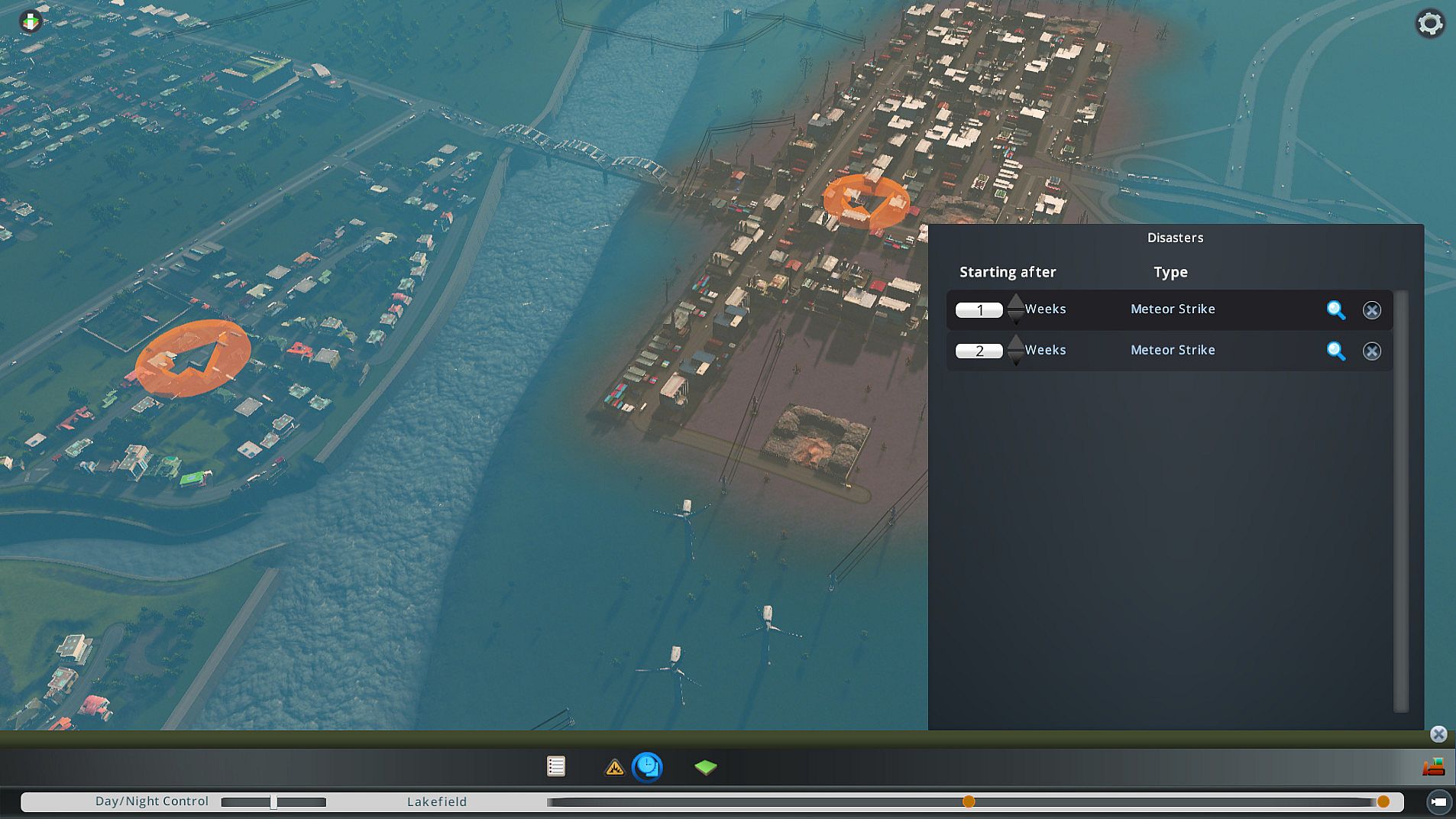
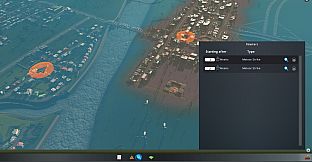
The expansion also brings a scenario editor available as a free update to all players. This tool lets users create custom scenarios from maps or existing saves, defining their own win and lose parameters. In standard sandbox play, disasters can occur randomly or be triggered manually through a dedicated disaster panel for testing layouts and response strategies.
These modes keep the single-player focus on deliberate city design rather than competitive multiplayer elements.
Additional Systems and Features
New service buildings and vehicles tie into disaster handling. Shelters connect to escape routes, and policies influence how quickly residents evacuate or how effectively fires are contained. The addition of spreading fires changes how players approach dense urban districts and industrial zones.
Minor visual and audio updates include new hats for the in-game Chirper social feed and the radio network for alerts. These elements support the main mechanics without altering the fundamental city-building experience.
Is It Worth Playing?
Player reception on Steam stands at mostly positive, with 78 percent approval from nearly 1,000 reviews. Reviewers note that the expansion adds meaningful depth to preparation and recovery without overhauling the base gameplay loop. It suits players who enjoy strategy simulation titles and want extra layers of risk management in their cities.
The content works best for those already familiar with Cities: Skylines who seek new challenges in long-term planning. Scenario mode provides clear goals that contrast with pure sandbox building, while random disasters in free play test ongoing resilience. No major ongoing seasons or updates target this specific expansion, yet the core additions remain relevant for anyone focused on realistic city management.
Those who prefer uninterrupted creative building without sudden setbacks may find the disasters disruptive. For players interested in strategy elements centered on emergency response and recovery, the expansion delivers targeted improvements that enhance replay value through varied scenarios and custom editor tools.