




















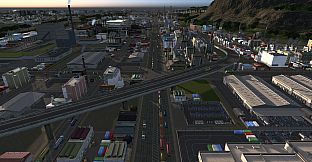
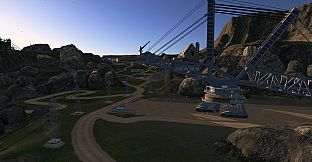
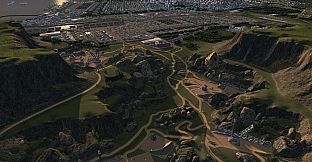
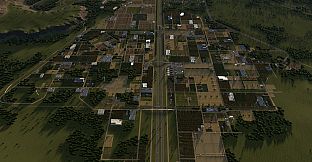
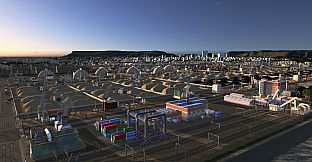
Cities: Skylines - Industries expands the core city-building experience in this strategy simulation title with focused tools for managing production chains and resource extraction. The expansion integrates directly into the single-player gameplay loop, allowing players to define specialized zones that process raw materials into goods for local use or export.
Gameplay
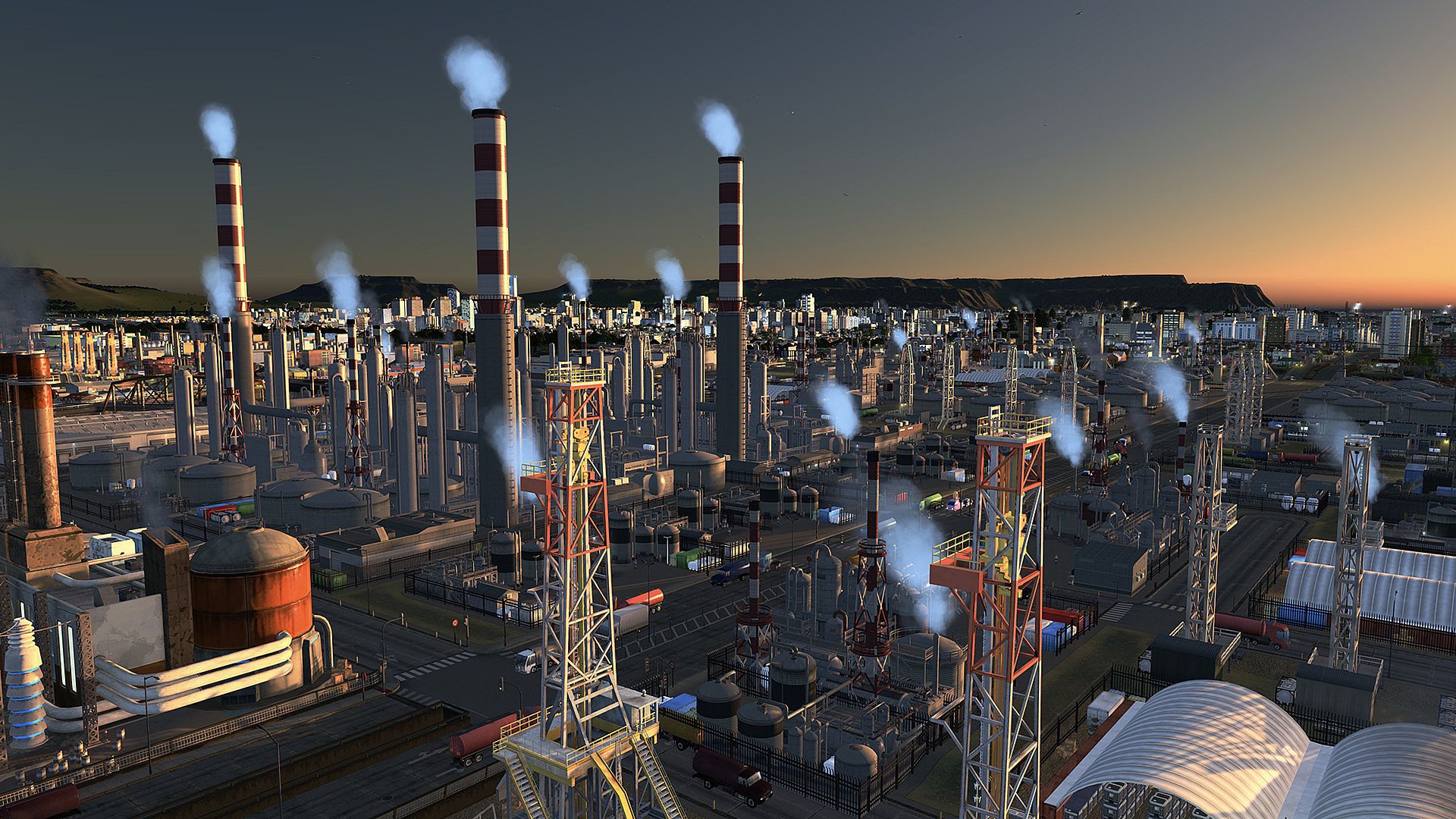
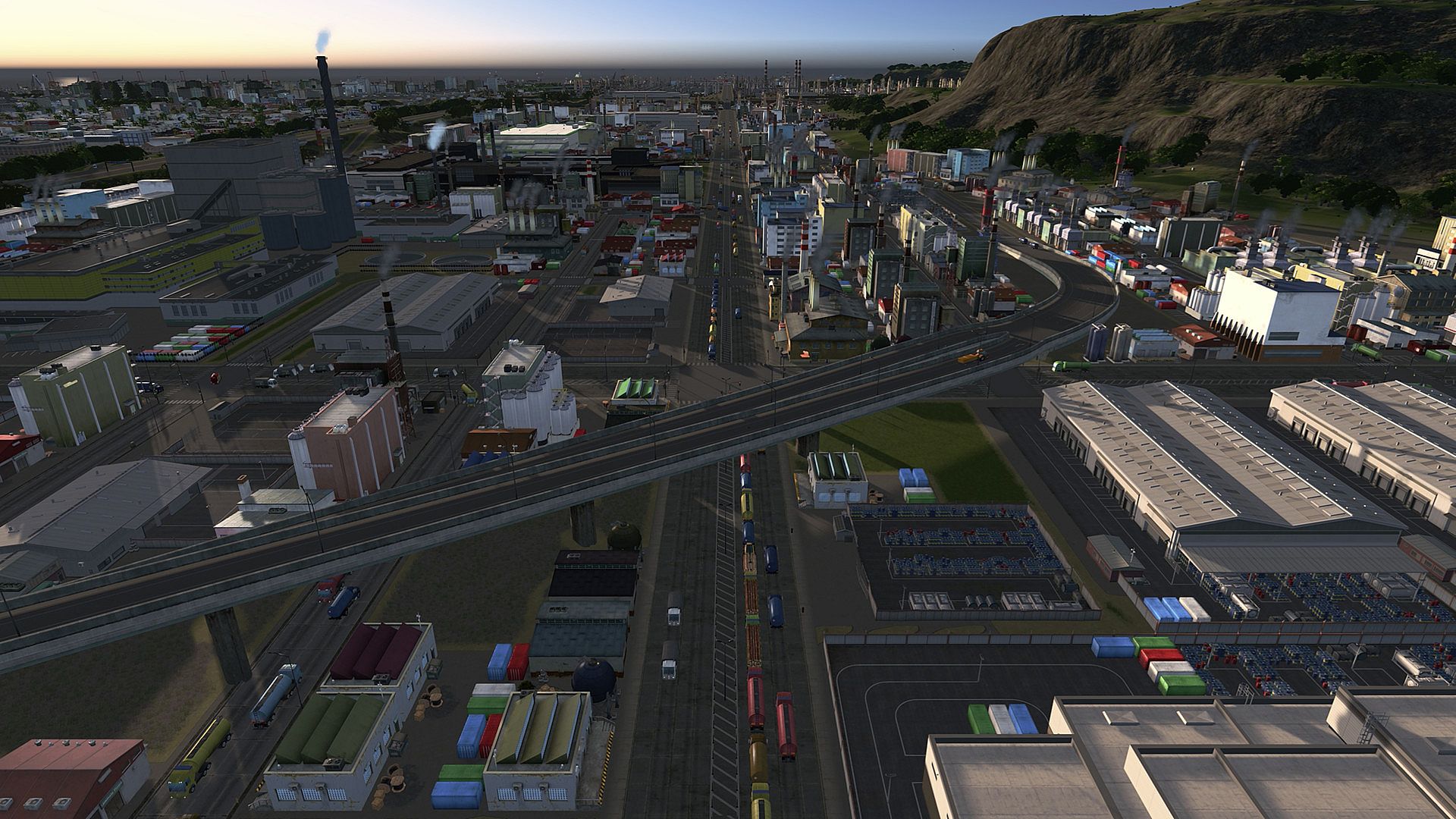
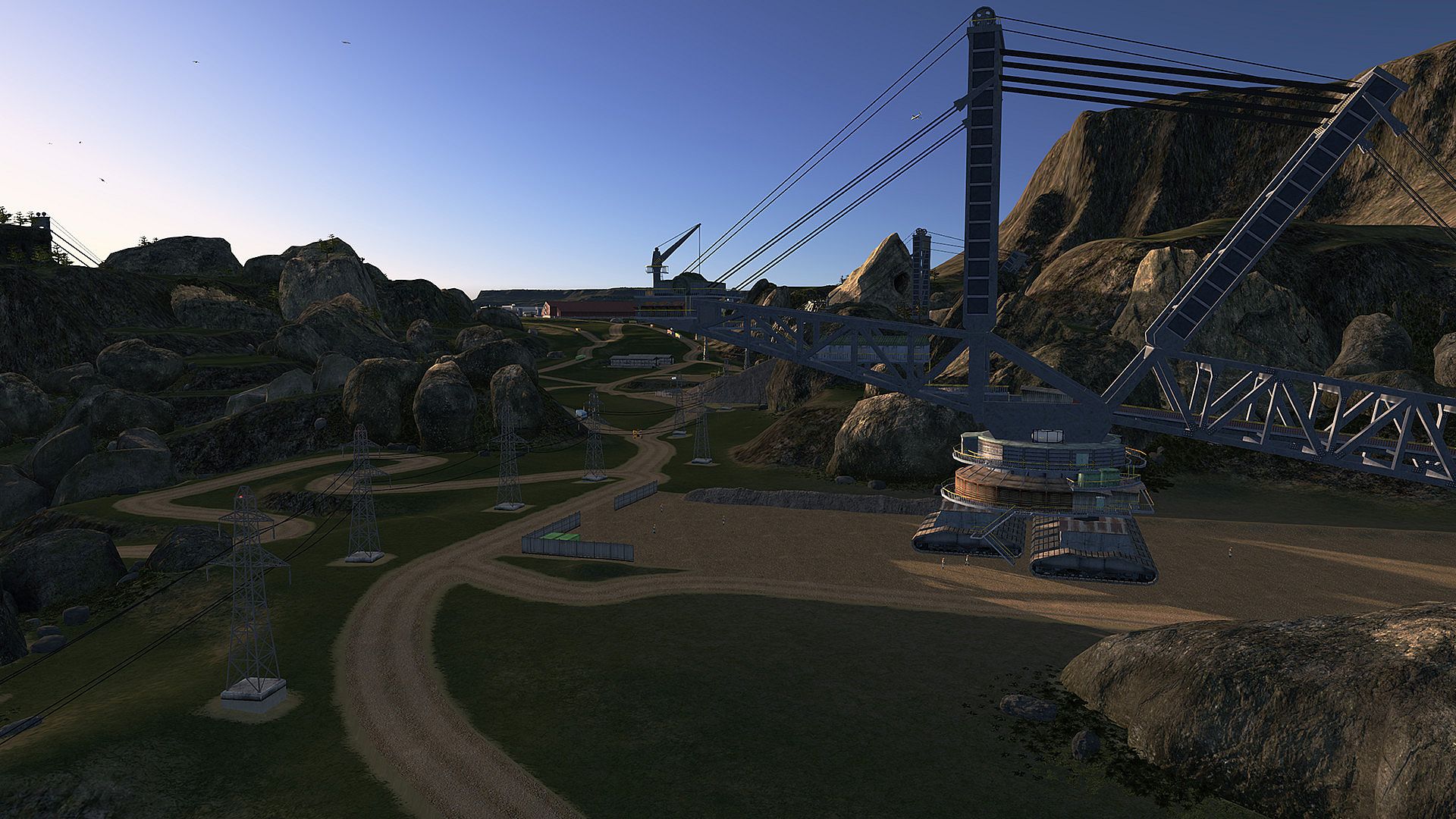
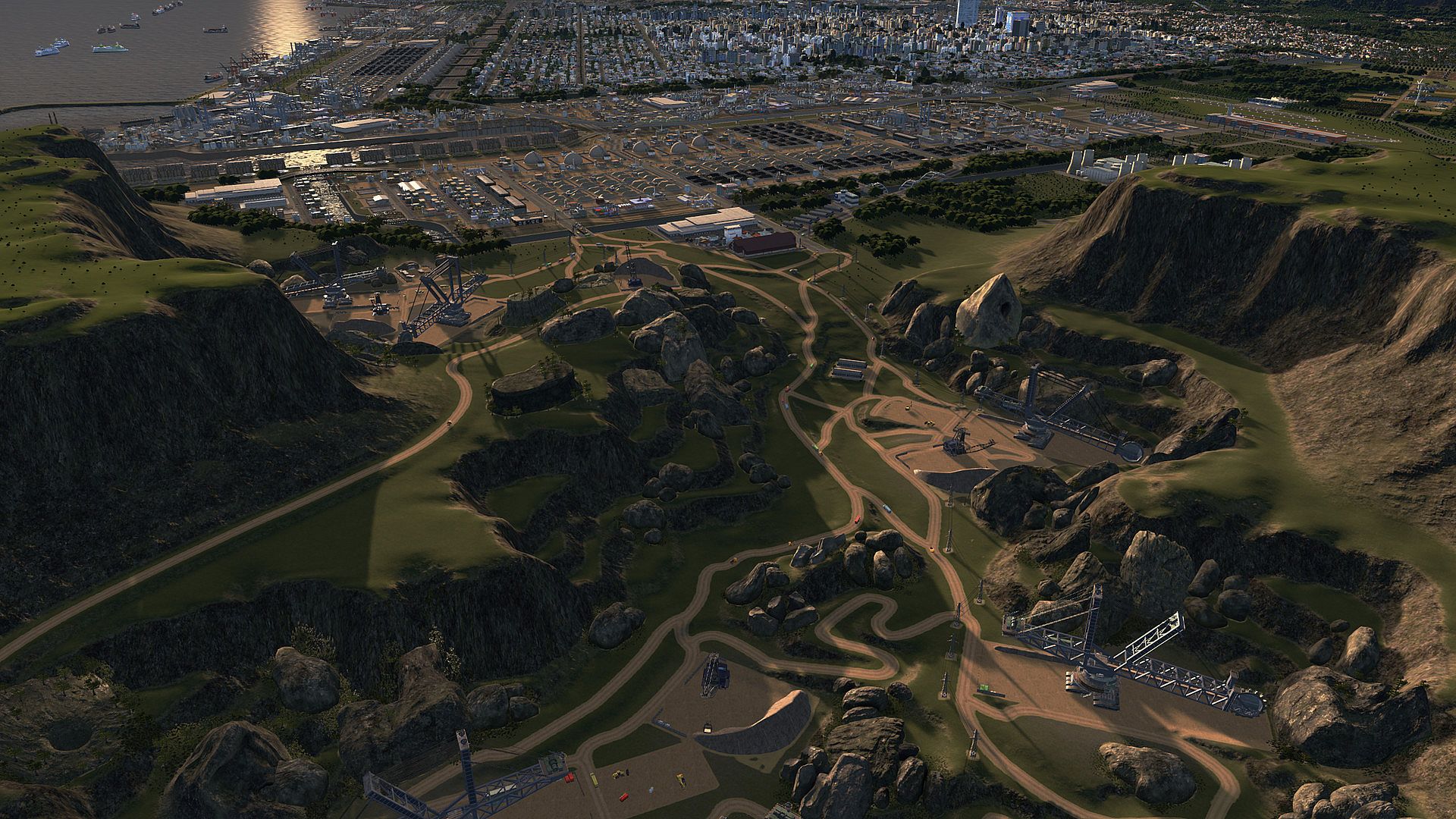
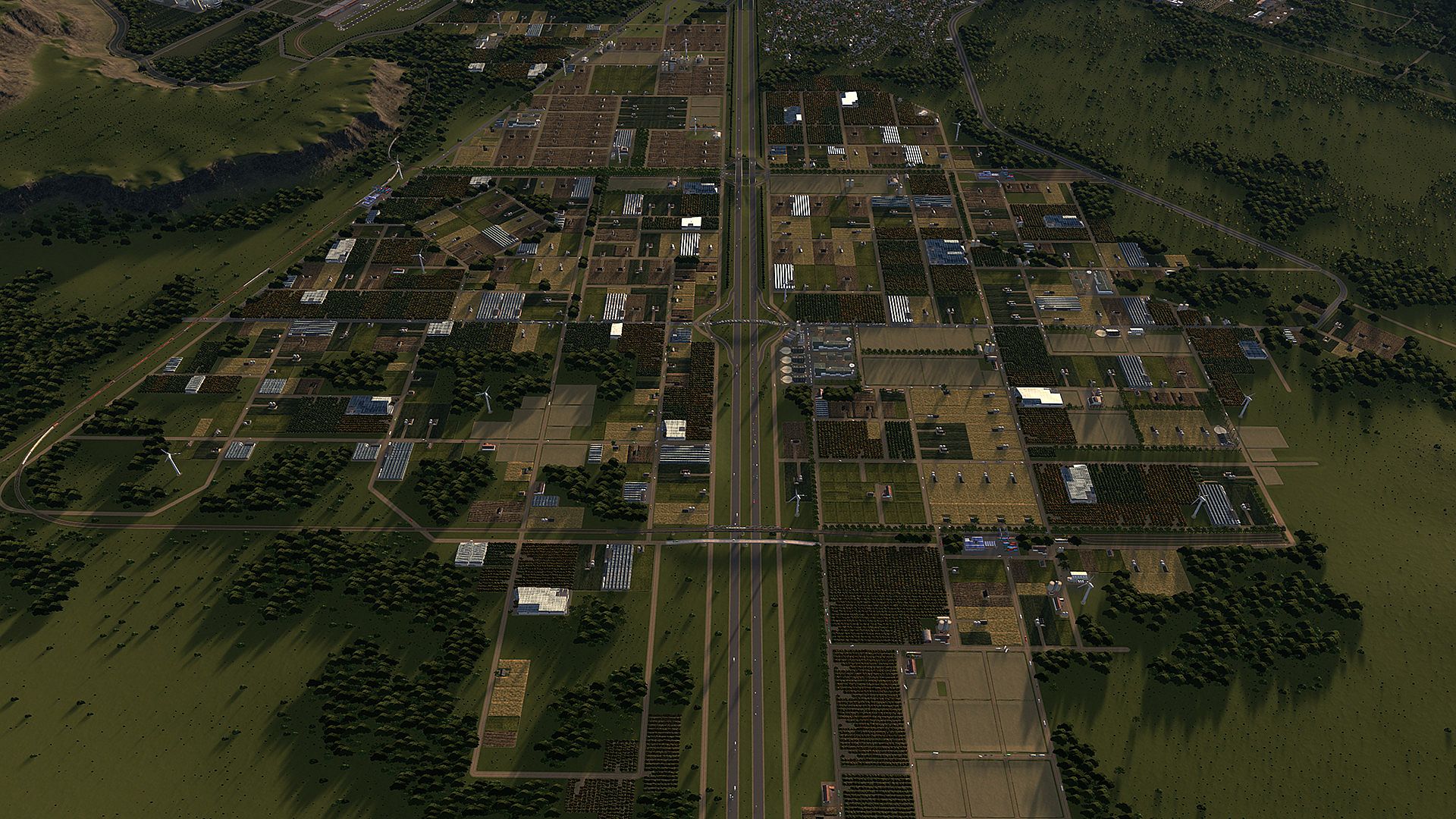
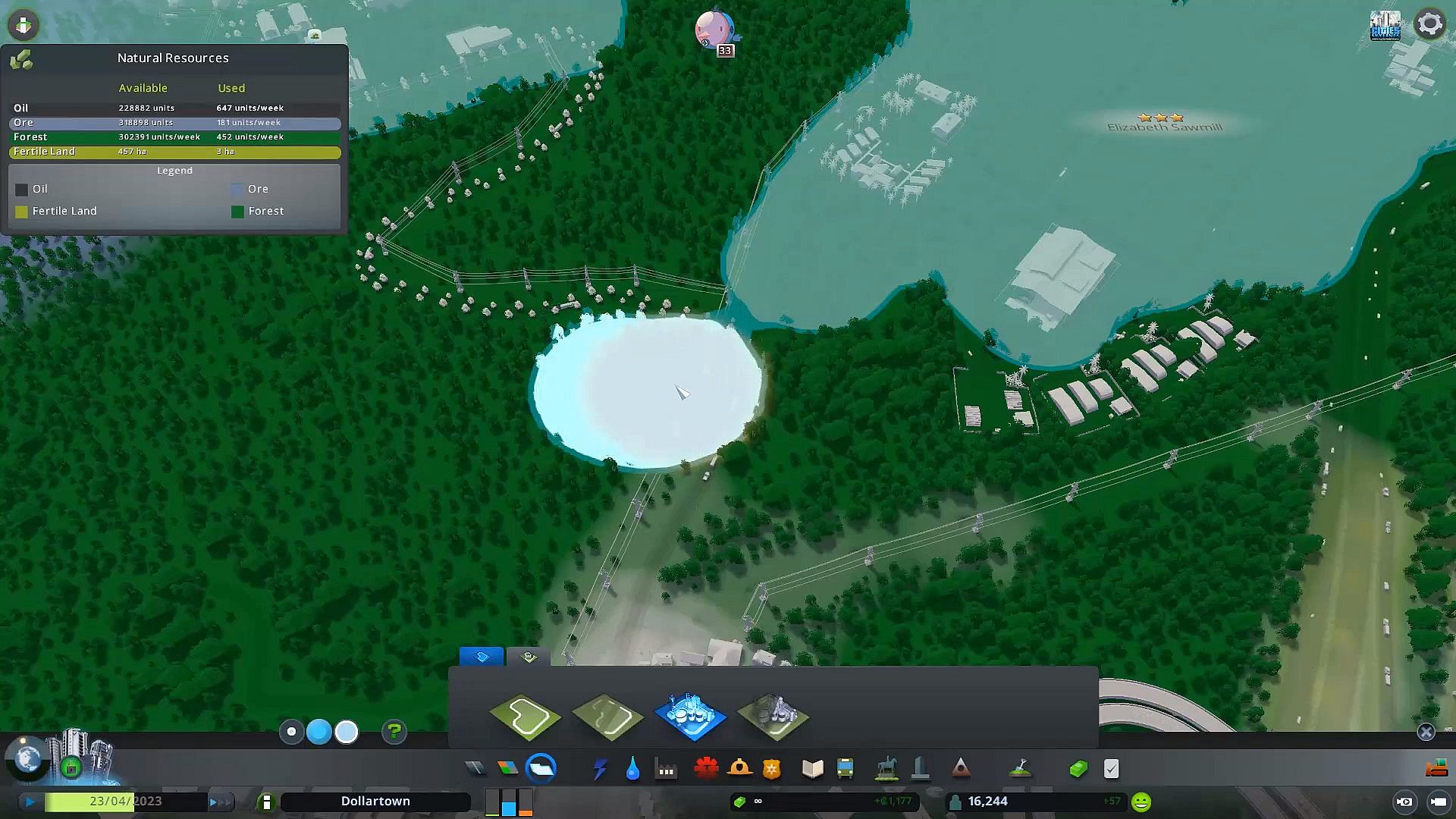
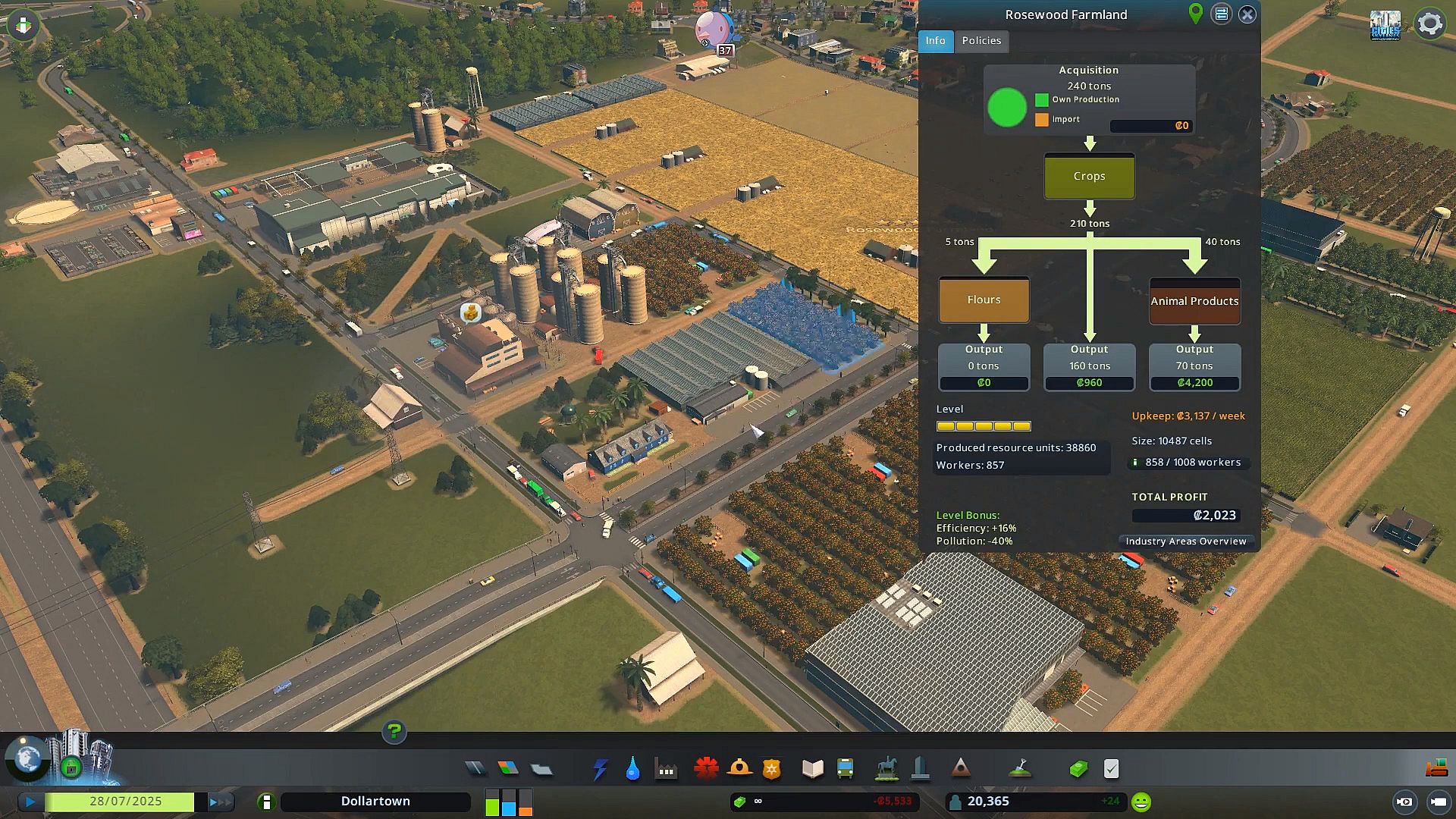
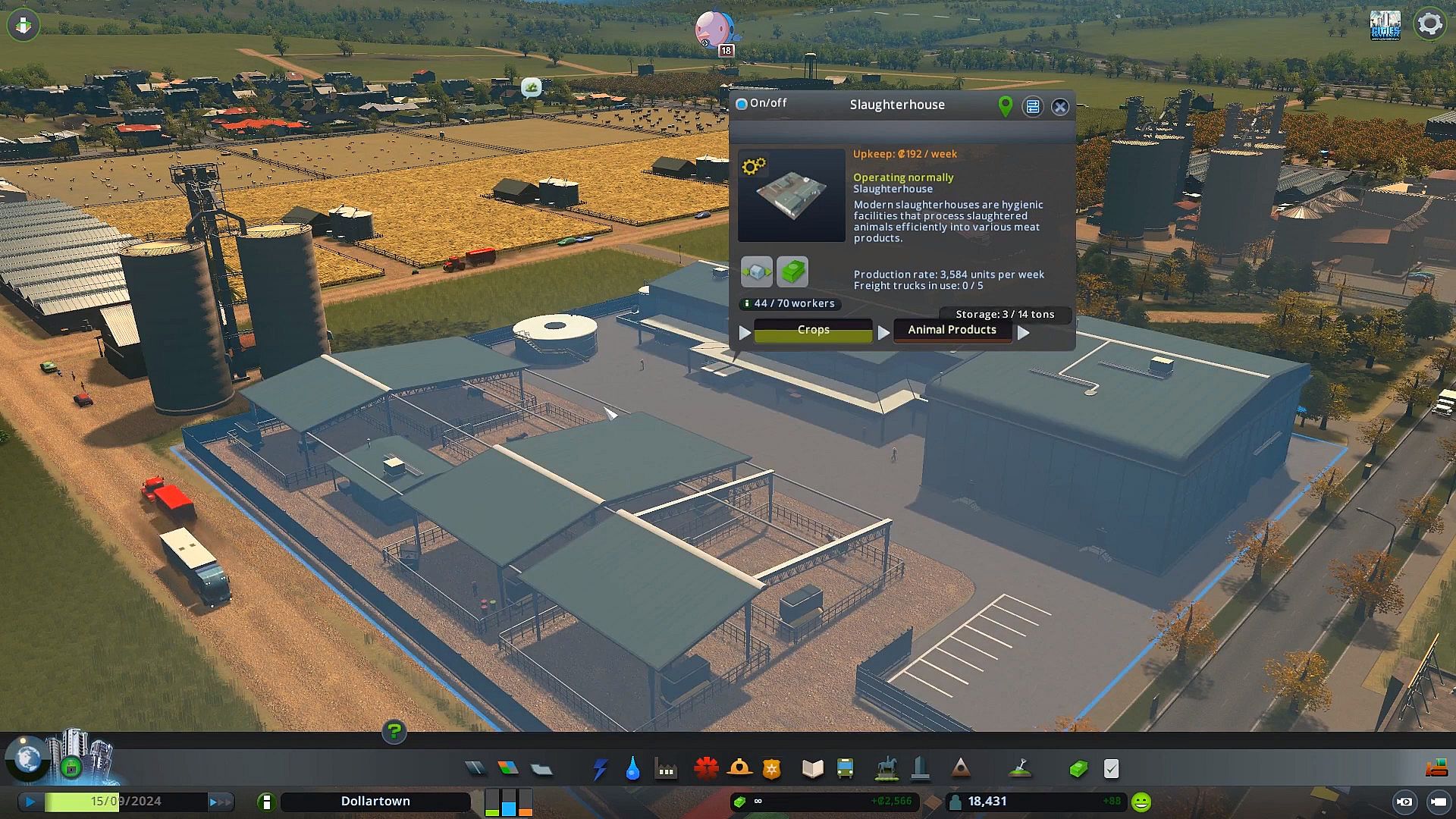
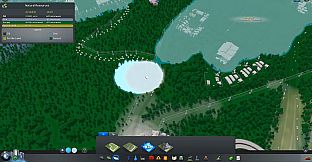
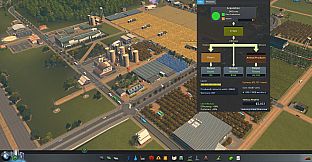
Core mechanics revolve around establishing industry areas that track materials through extraction, processing, storage, and final manufacturing stages. Players designate zones for one of four resource categories and place dedicated buildings such as extractors and processors to create efficient supply routes. Areas advance through levels once production targets and workforce needs are met, which improves output and reduces inefficiencies over time.
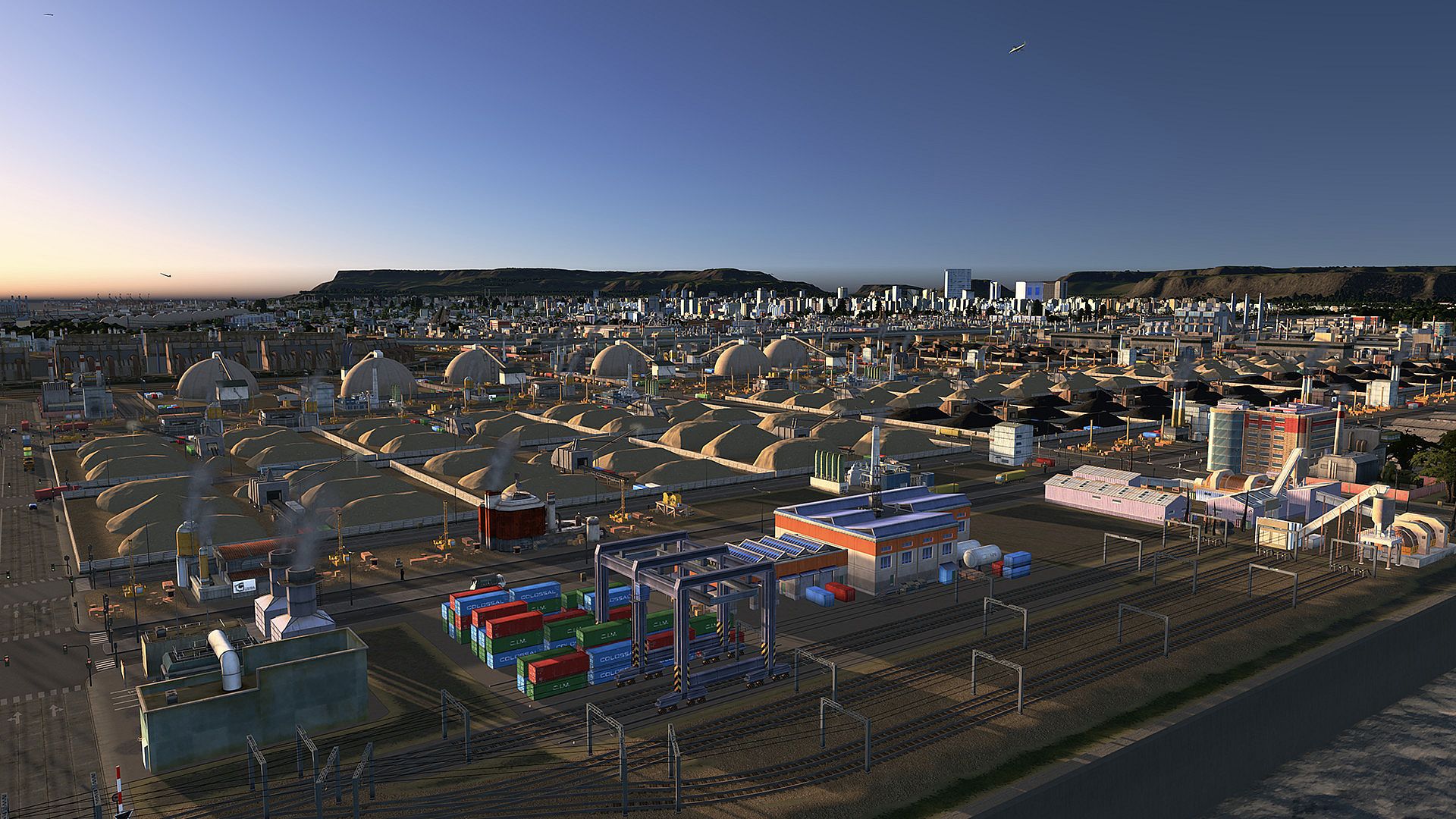
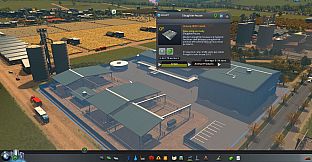
Logistics receive dedicated support through warehouses that buffer goods and a cargo airport that handles larger shipments. A separate mail service adds collection points, sorting facilities, and dedicated vehicles to move correspondence across the city. New roads, props, and auxiliary structures help organize these zones without disrupting overall traffic flow. Policies adjust worker conditions, automation levels, and sorting efficiency to fine-tune operations.
Game Modes
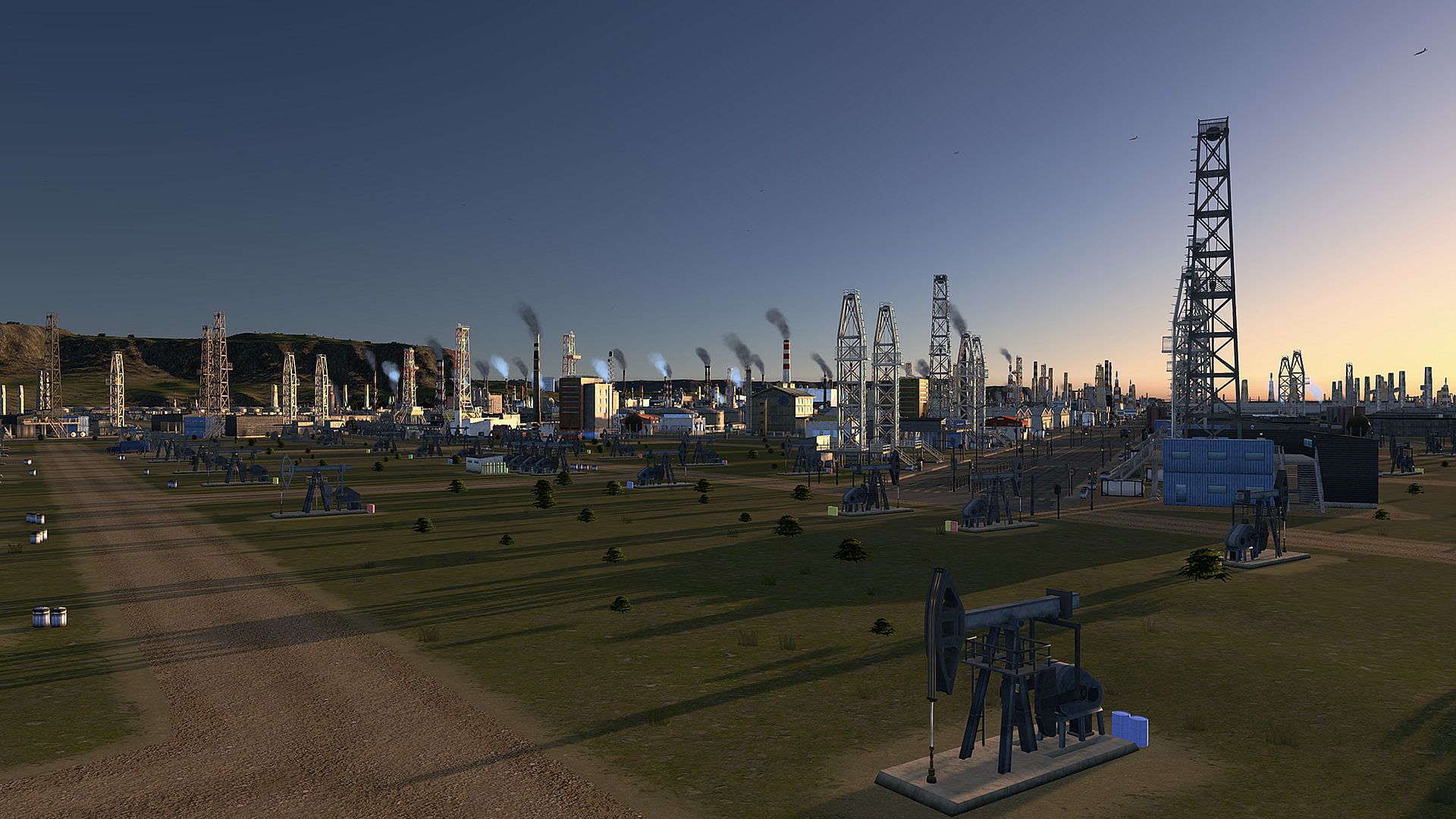
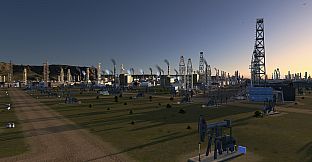
The expansion operates entirely within the single-player sandbox framework of the base game. Industry areas function as the primary new system, with four distinct types tied to farming, forestry, ore, and oil resources. Each type follows the same progression from raw extraction to finished products but draws on different map deposits and requires tailored building layouts.
Unique factories sit at the end of these chains and produce higher-value items that demand steady inputs from the specialized zones. No separate competitive or cooperative modes exist; all activity occurs in the ongoing city simulation where industrial output influences commercial demand and city finances.
Key Features and Systems
Five new maps emphasize abundant natural resources and varied terrain suited to industrial development. These maps include options with mixed deposits, challenging topography, and strong transportation links. Buildings encompass extractors for raw materials, processing plants, storage facilities, and the unique factories that convert intermediate goods into luxury items such as food products, furniture, vehicles, and electronics.
Three industry-specific policies and several city-wide options let players influence labor conditions, safety standards, and logistics priorities. The mail service integrates as a new city service that improves resident satisfaction when properly staffed and connected.
Is It Worth Playing?
Player feedback on the expansion remains mostly positive years after release, with reviewers noting the added depth to industrial management and the visual scale of the new structures. The systems reward careful planning of supply routes and workforce allocation, which appeals to players who enjoy optimizing complex city economies.
Those already invested in the base game will find the expansion extends the simulation loop without requiring a full restart. Newcomers benefit from the focused introduction to resource chains before expanding into other areas of city management. The single-player format and ongoing compatibility with the core title make it a solid addition for anyone seeking more structured industrial gameplay.