



















Cities: Skylines - Mass Transit expands the core city-building simulation with new public transportation systems that integrate directly into existing road and rail networks. Players manage growing urban areas by layering these options onto their layouts to reduce congestion and generate additional revenue through fares. The expansion emphasizes practical planning for commuter flow across water, elevated terrain, and open airspace while maintaining the established strategy simulation loop of zoning, budgeting, and infrastructure development.
Gameplay
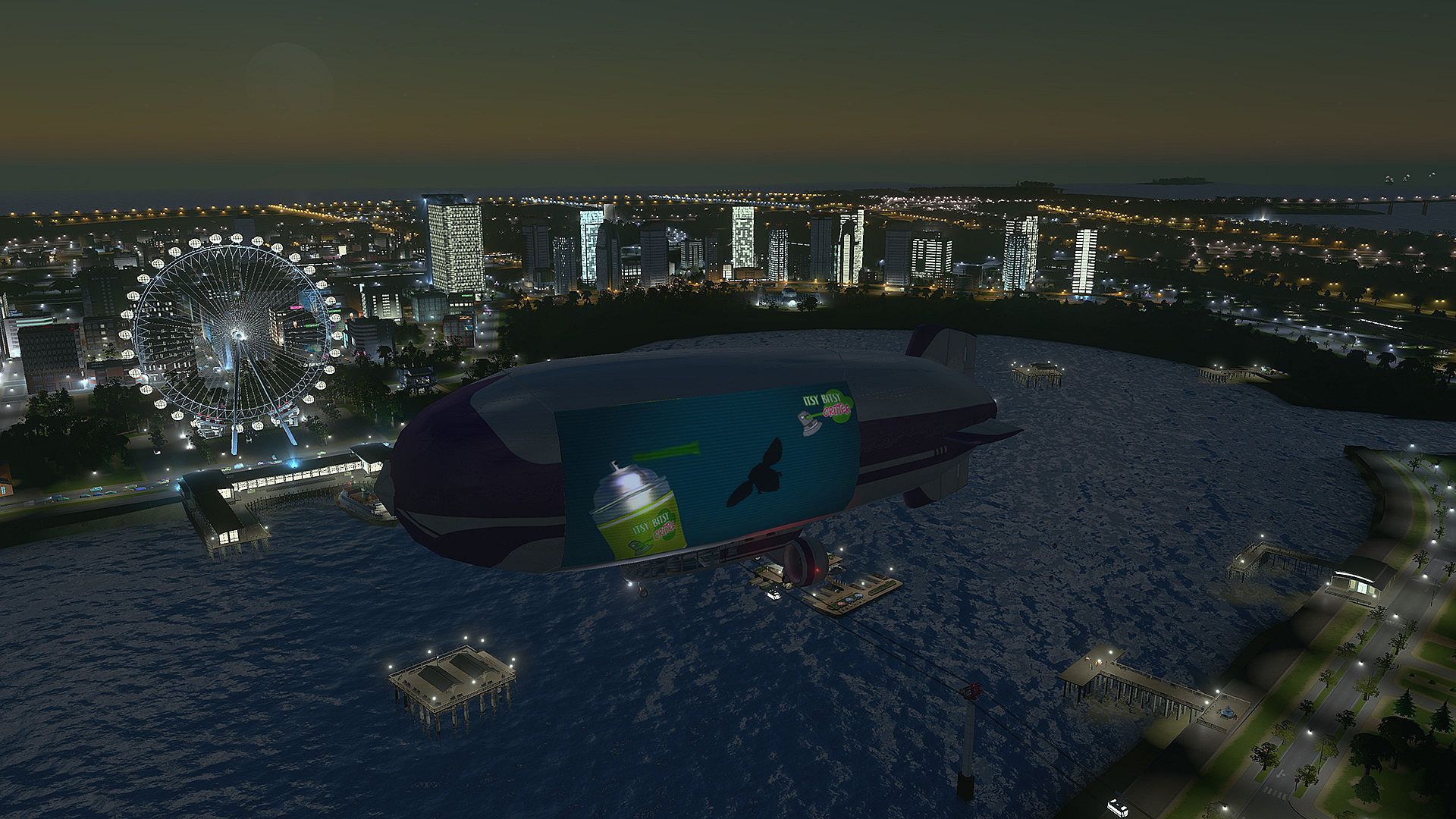
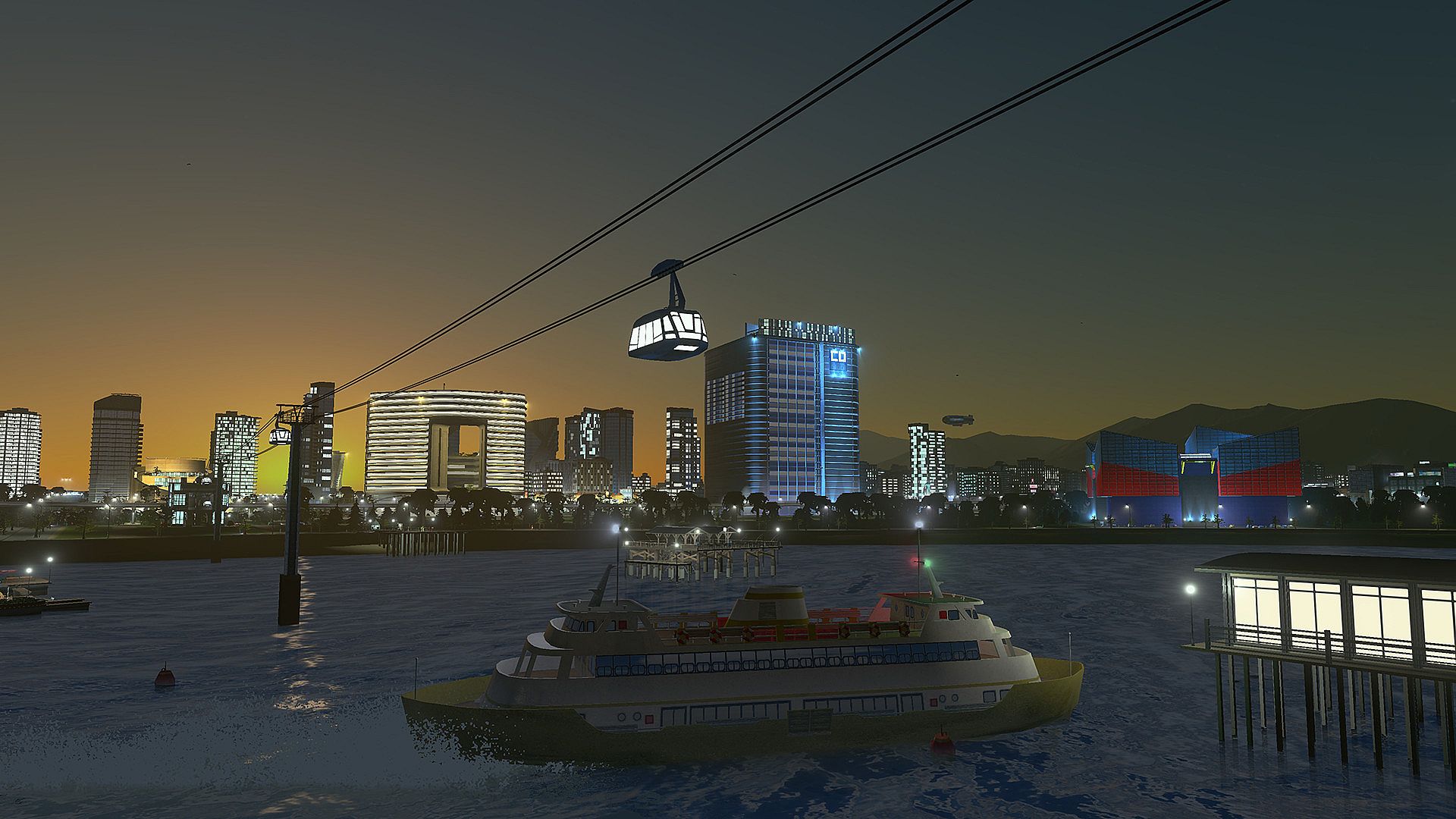
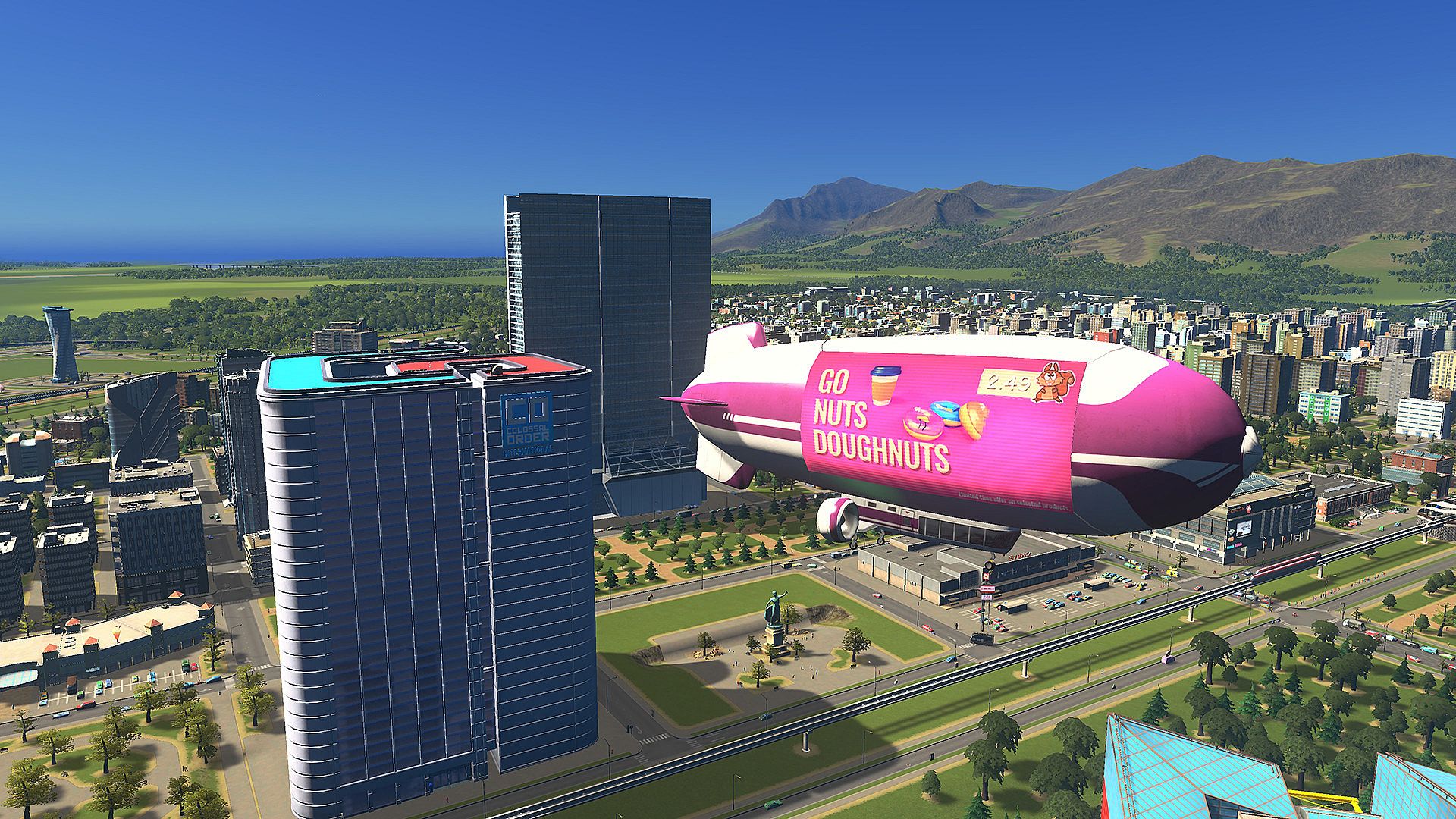
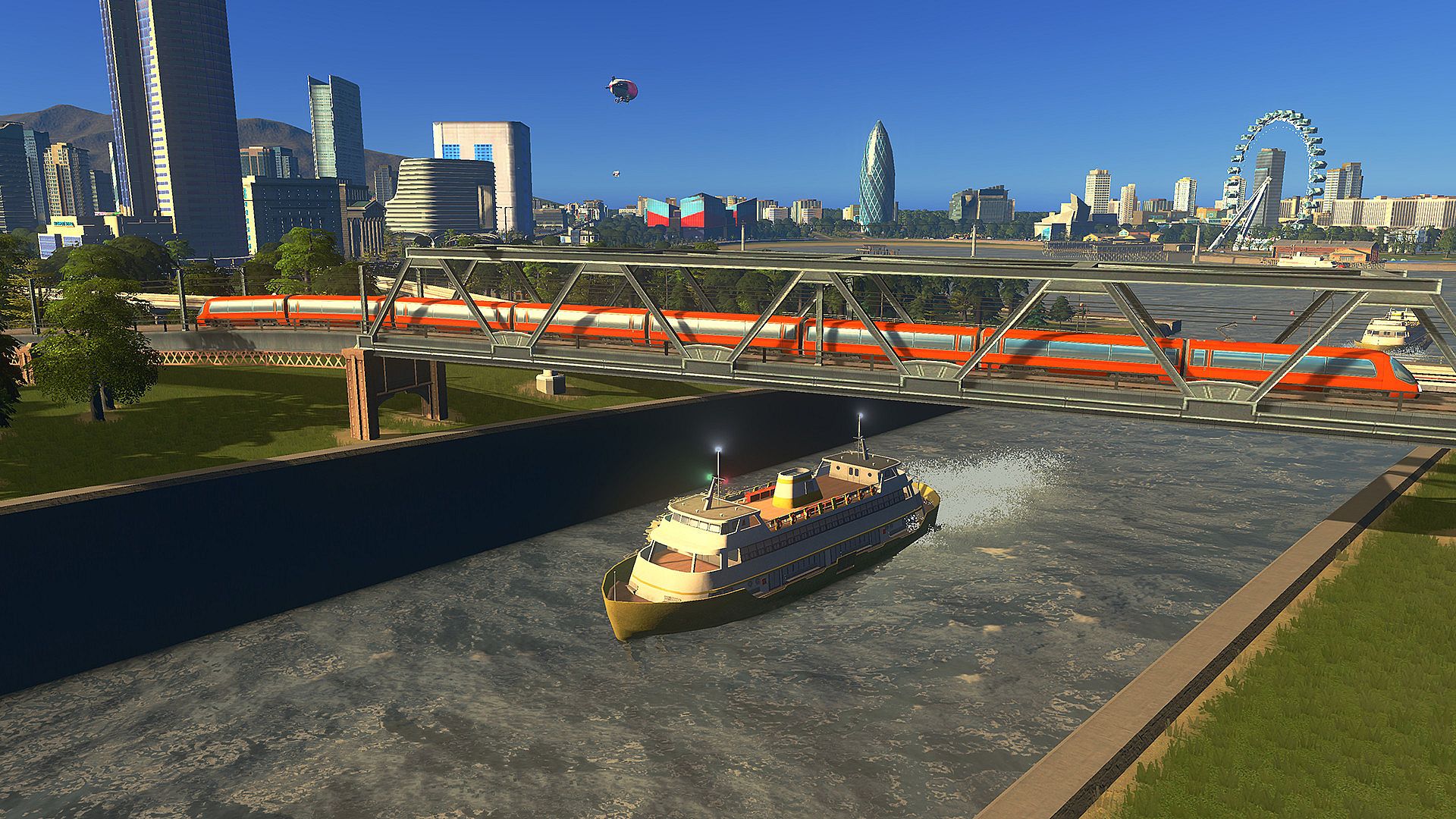
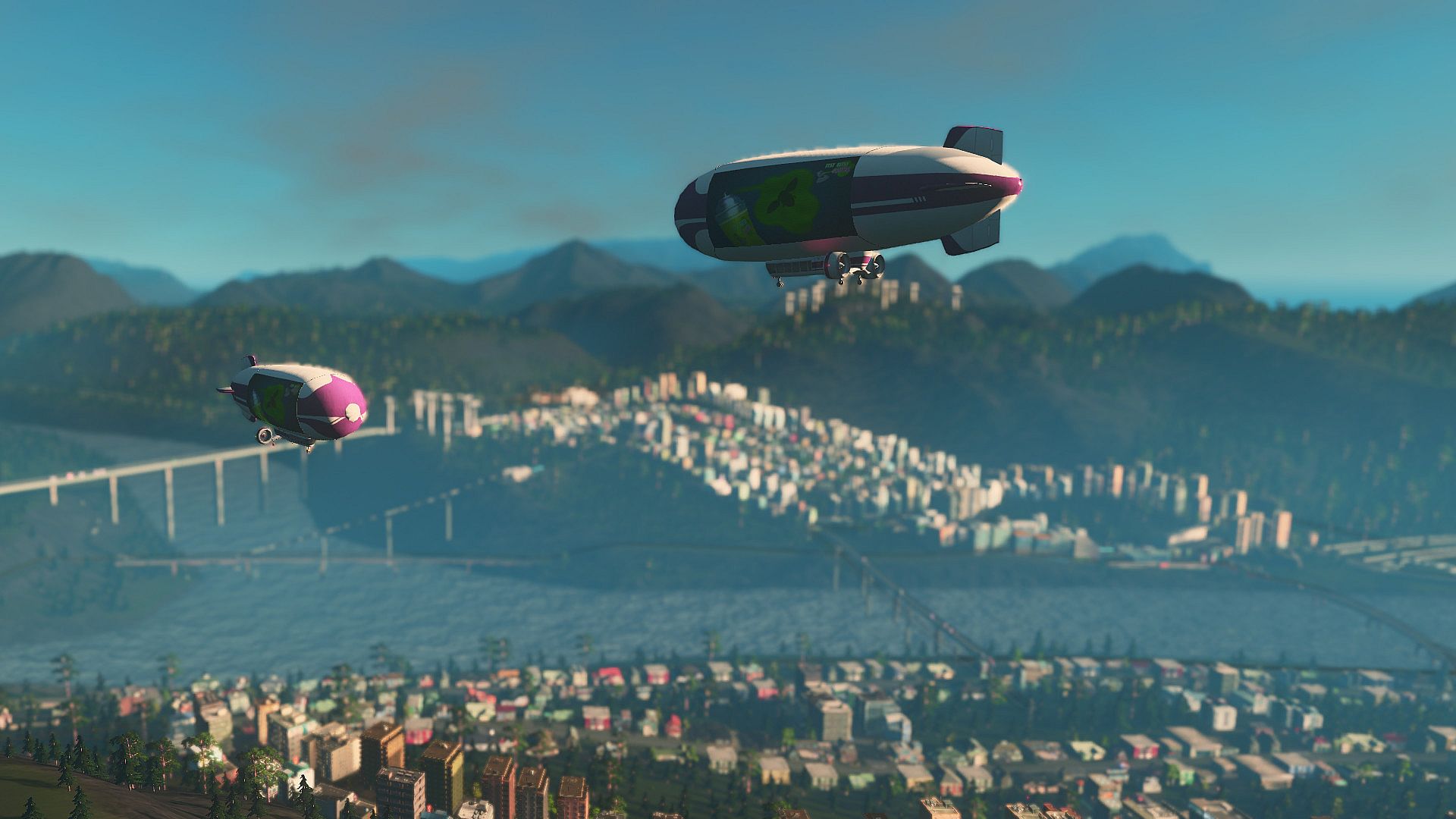
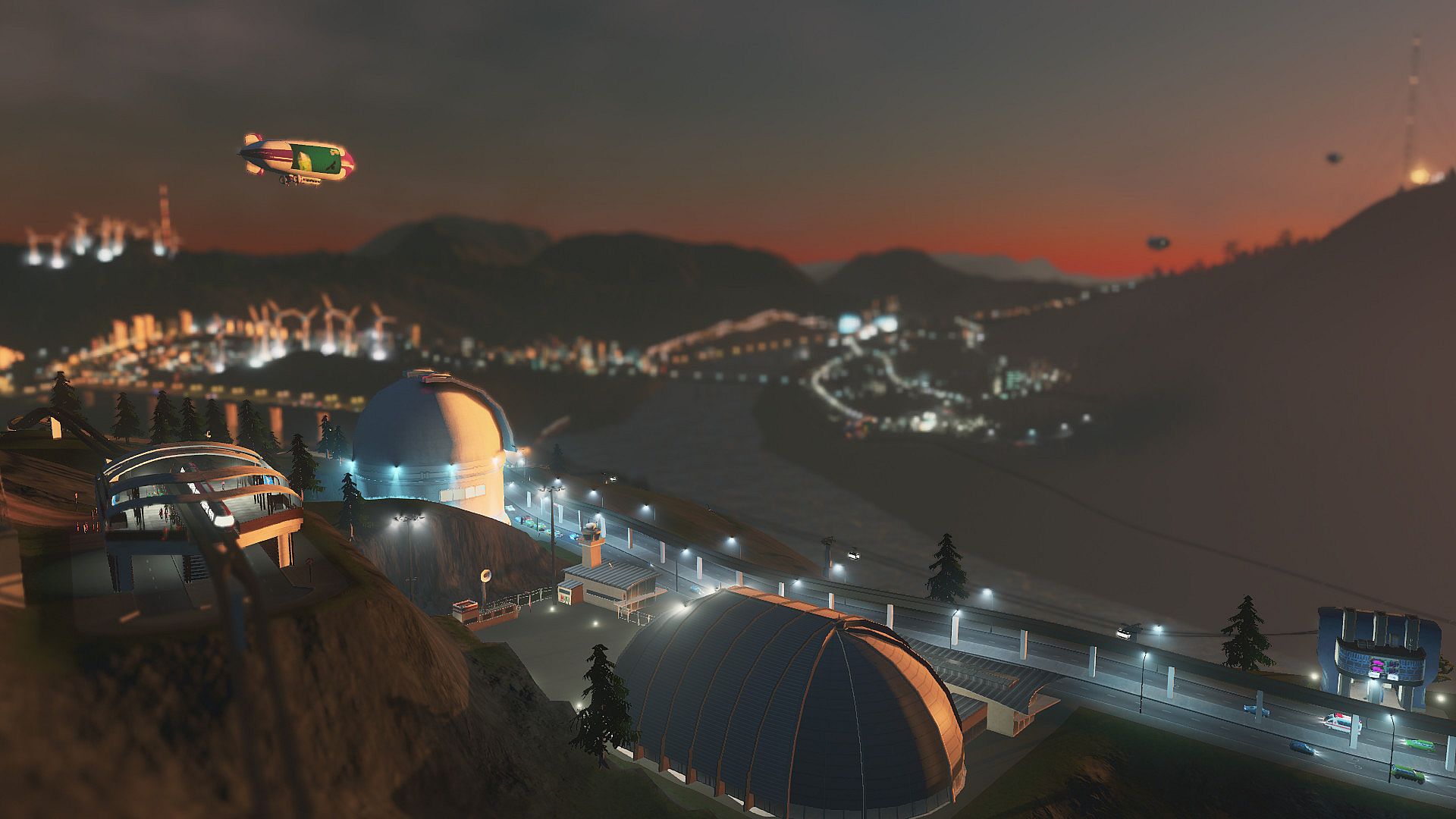
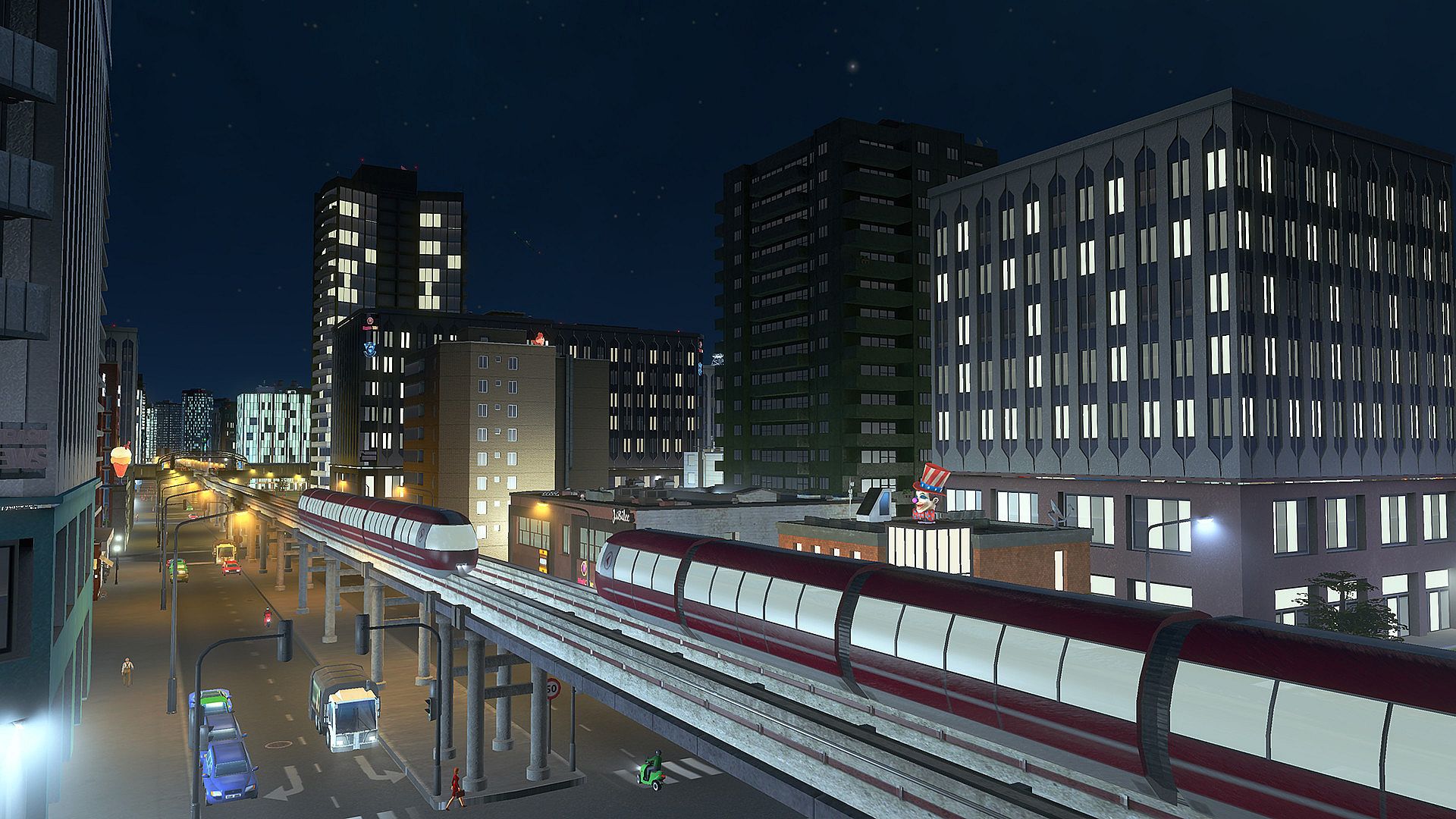
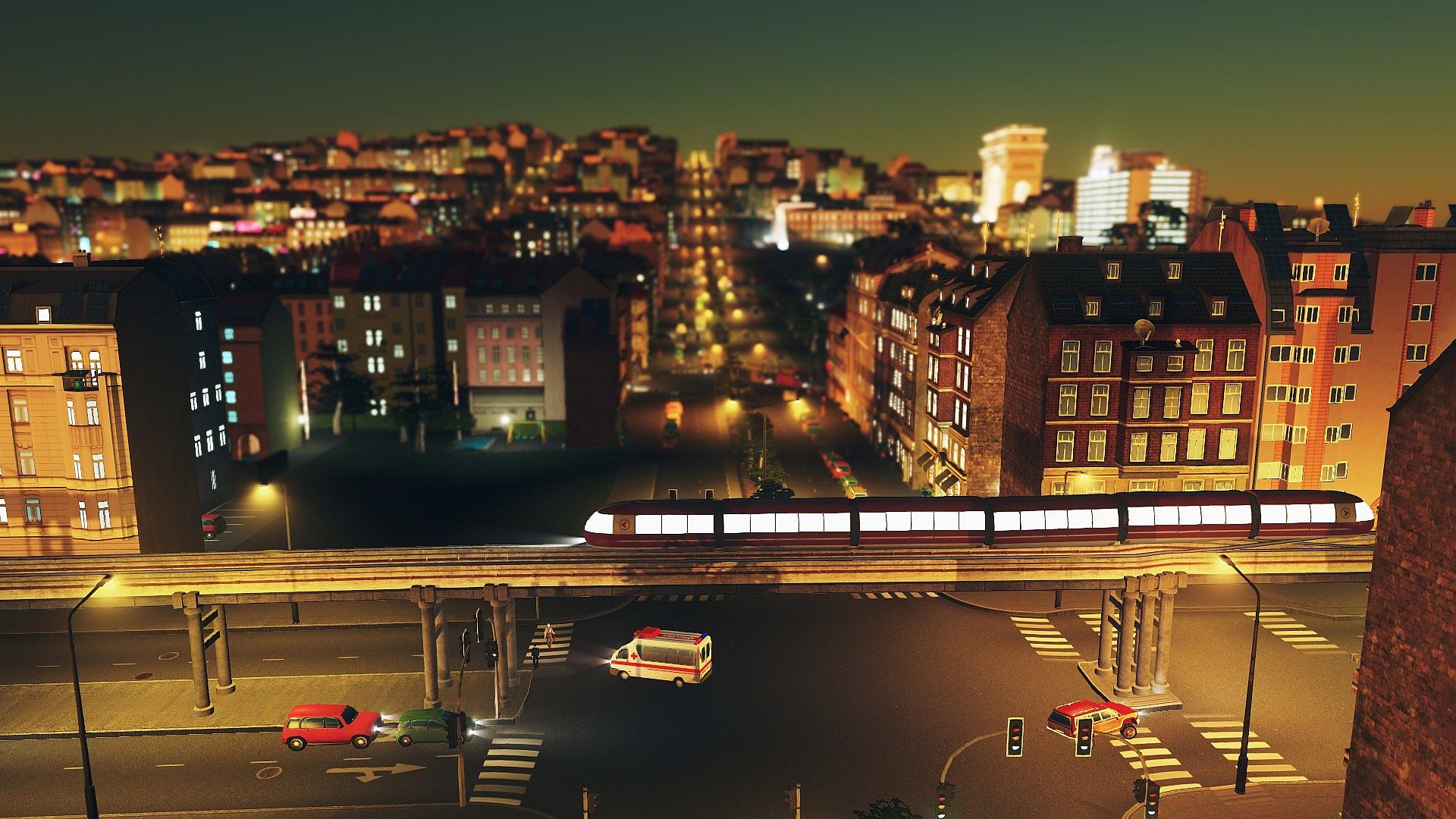
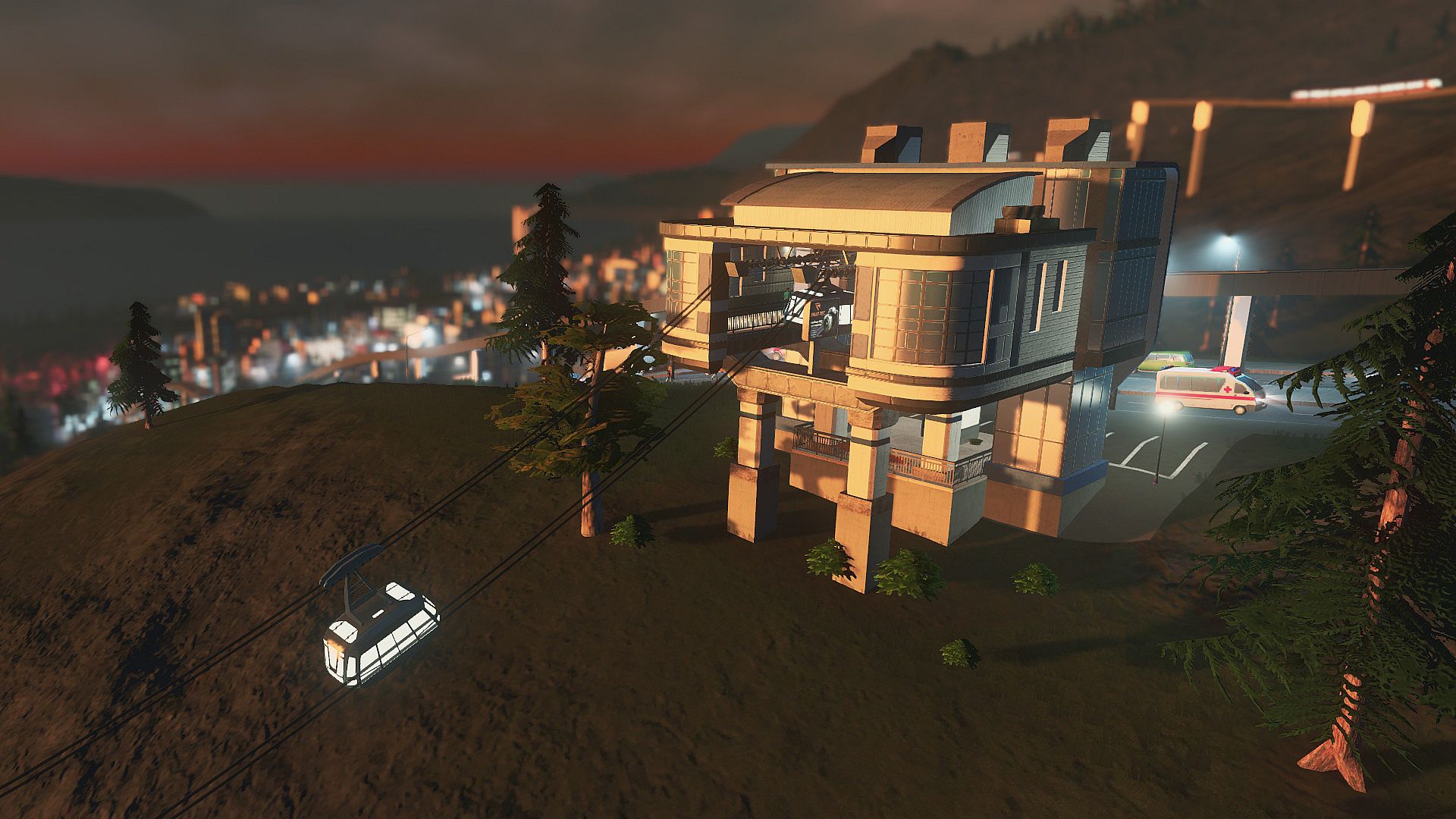
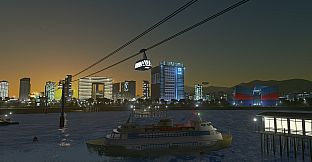
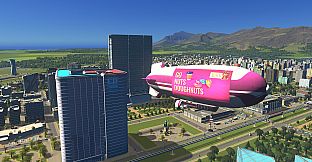
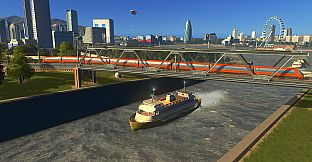
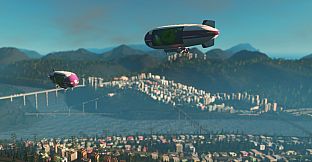
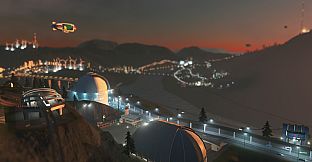
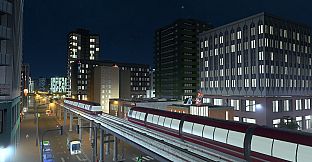
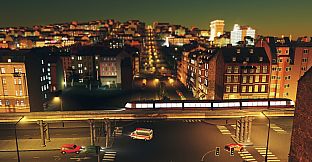
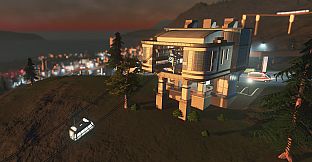
The central addition centers on four distinct transit types that operate alongside buses, trains, and metros already present in the base game. Ferries provide water-based routes between districts separated by rivers or coastlines. Monorails run on dedicated elevated tracks suited to dense urban corridors. Cable cars handle steep inclines and mountainous sections where conventional roads prove inefficient. Blimps offer aerial connections that bypass ground-level obstacles entirely. Each system requires dedicated depots and stops that connect to the broader network.
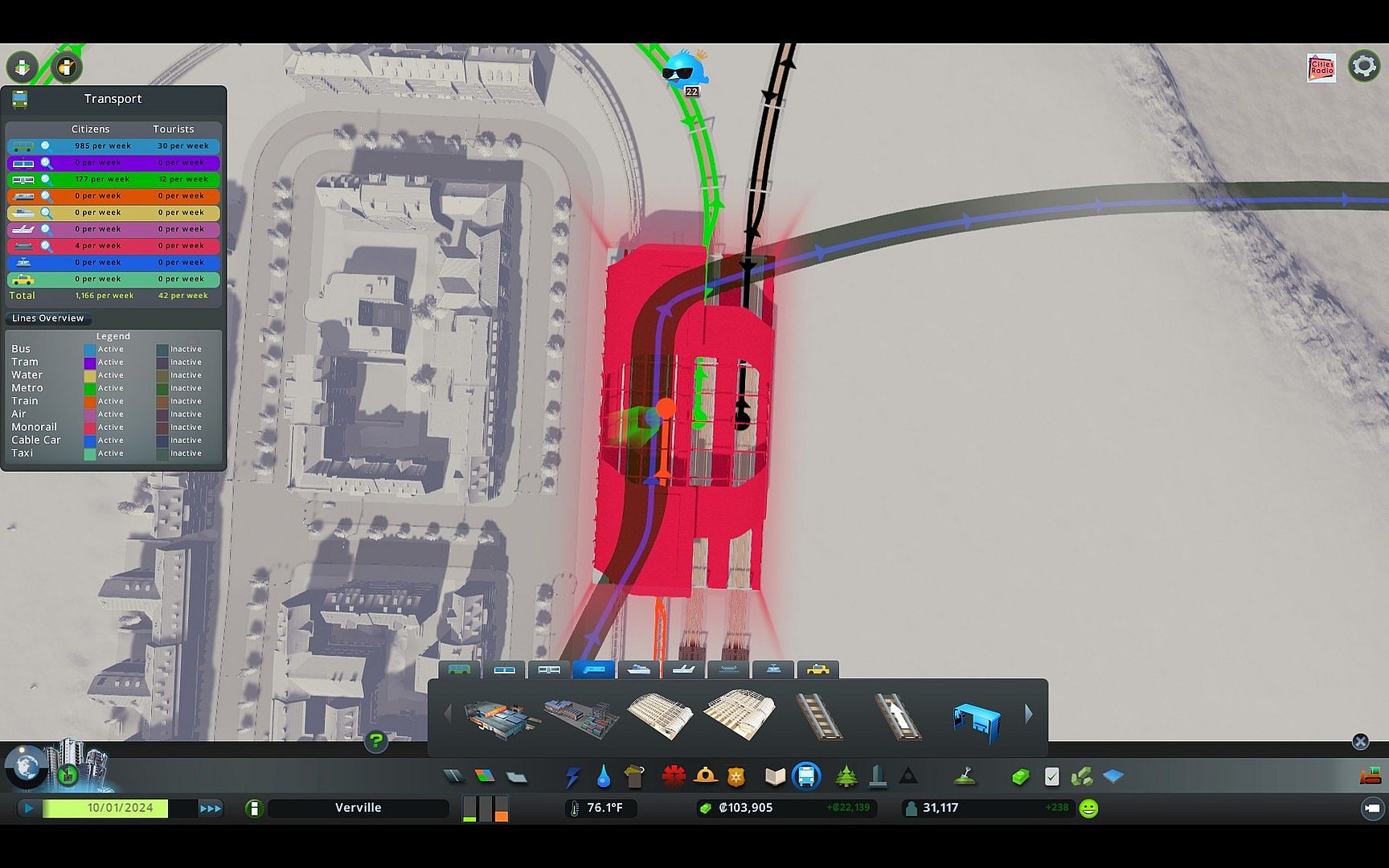
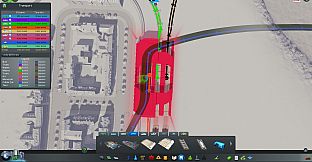
Mass transit hubs serve as interchange points where passengers transfer between different lines or modes without leaving a single structure. These buildings streamline complex routes and support higher passenger volumes in central locations. New road variants, bridges, and canal options allow finer control over terrain adaptation and traffic separation. The result encourages experimentation with hybrid networks that combine multiple transport layers to serve residential, commercial, and industrial zones efficiently.
Transit services contribute directly to city income while easing pressure on existing roads. Planners adjust line frequencies, vehicle capacities, and stop placements through the same interface used for other services. This creates a feedback loop where successful routes improve overall city metrics and unlock further expansion opportunities.
Game Modes
The base experience remains a free-form city builder where players start with an empty map and grow a settlement through incremental decisions on zoning, services, and transport. Mass Transit layers three dedicated challenge scenarios onto this foundation. These scenarios present specific traffic and connectivity problems that must be resolved using the new transit options within population and efficiency targets.
Each scenario restricts starting conditions or map features to focus attention on transport planning. Success depends on balancing route coverage with construction costs and ongoing maintenance. Players can also apply the new assets freely in sandbox sessions to test ideas before committing them to a long-term city.
City Planning Tools
Beyond vehicles and hubs, the expansion supplies new landmarks that function as unique buildings with visual and functional appeal. These structures fit into existing districts without altering core mechanics. Updated road assets include variations in width and alignment that help separate different traffic streams or accommodate canals and bridges more naturally.
Chirper, the in-game social feed, receives additional cosmetic hats that appear during play. These elements add minor personality to the interface without affecting simulation rules. Overall, the tools reward methodical iteration on transport layouts rather than rapid expansion alone.
Is It Worth Playing?
Player reception for the expansion remains very positive years after release, with the majority of reviews highlighting meaningful improvements to traffic management and route creativity. It appeals most to those who already enjoy detailed infrastructure design in city-building simulations and want more levers for solving congestion. The new systems integrate cleanly with the original mechanics, extending the lifespan of established cities without requiring a full restart.
Those focused primarily on aesthetic building or minimal transport use may find less immediate value, while players who treat traffic flow as a core puzzle will gain several hours of additional experimentation. The content continues to function in current versions of the base game, supporting both new and returning city planners who prioritize public transit depth.