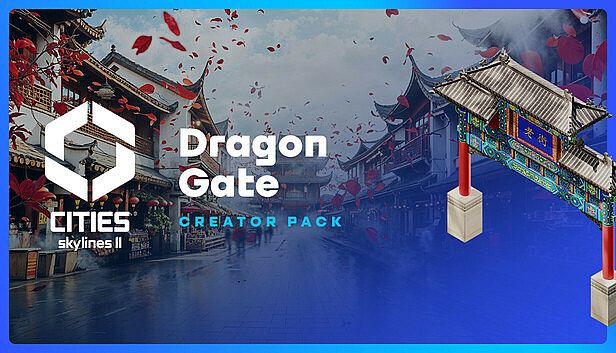























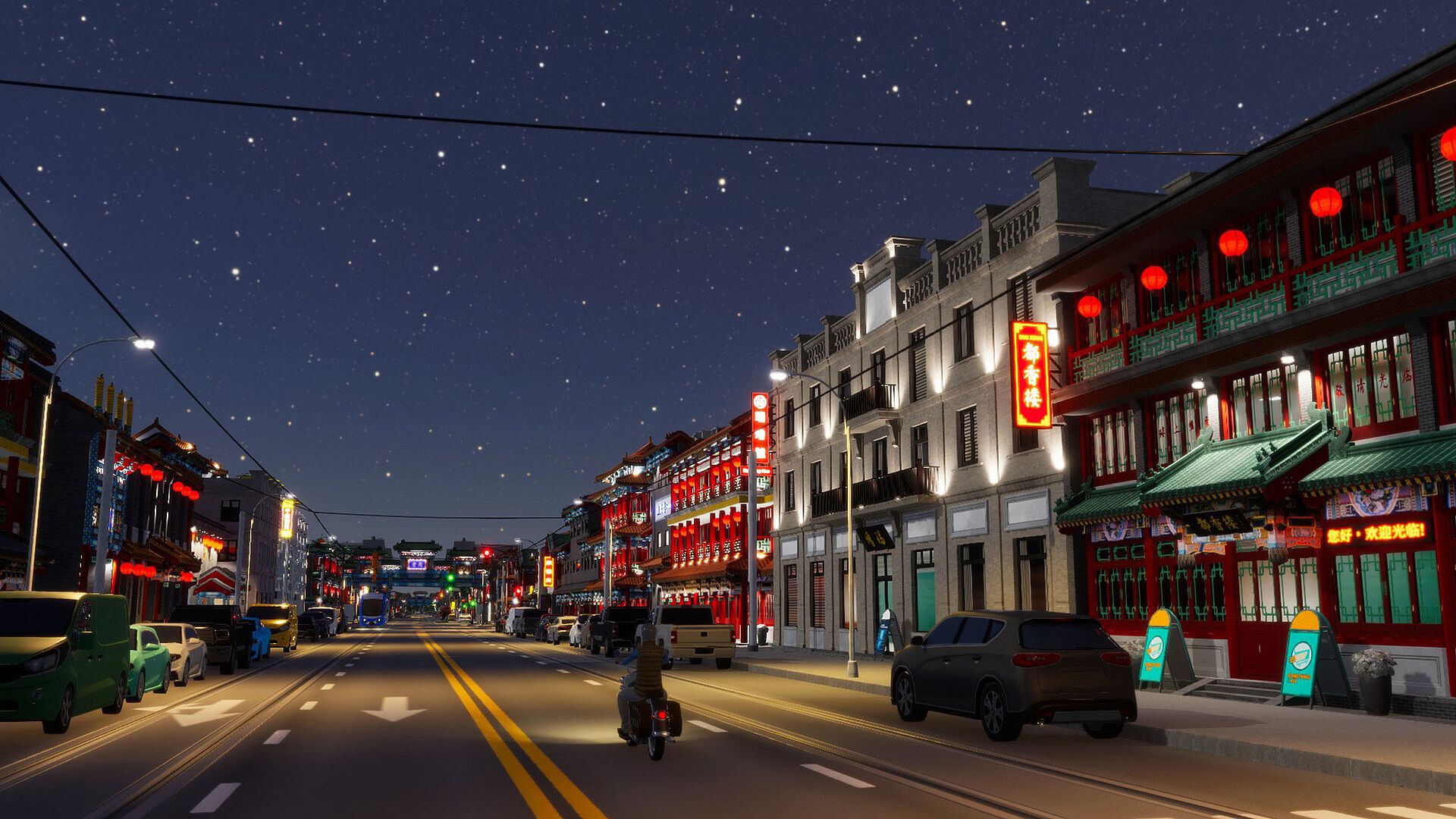
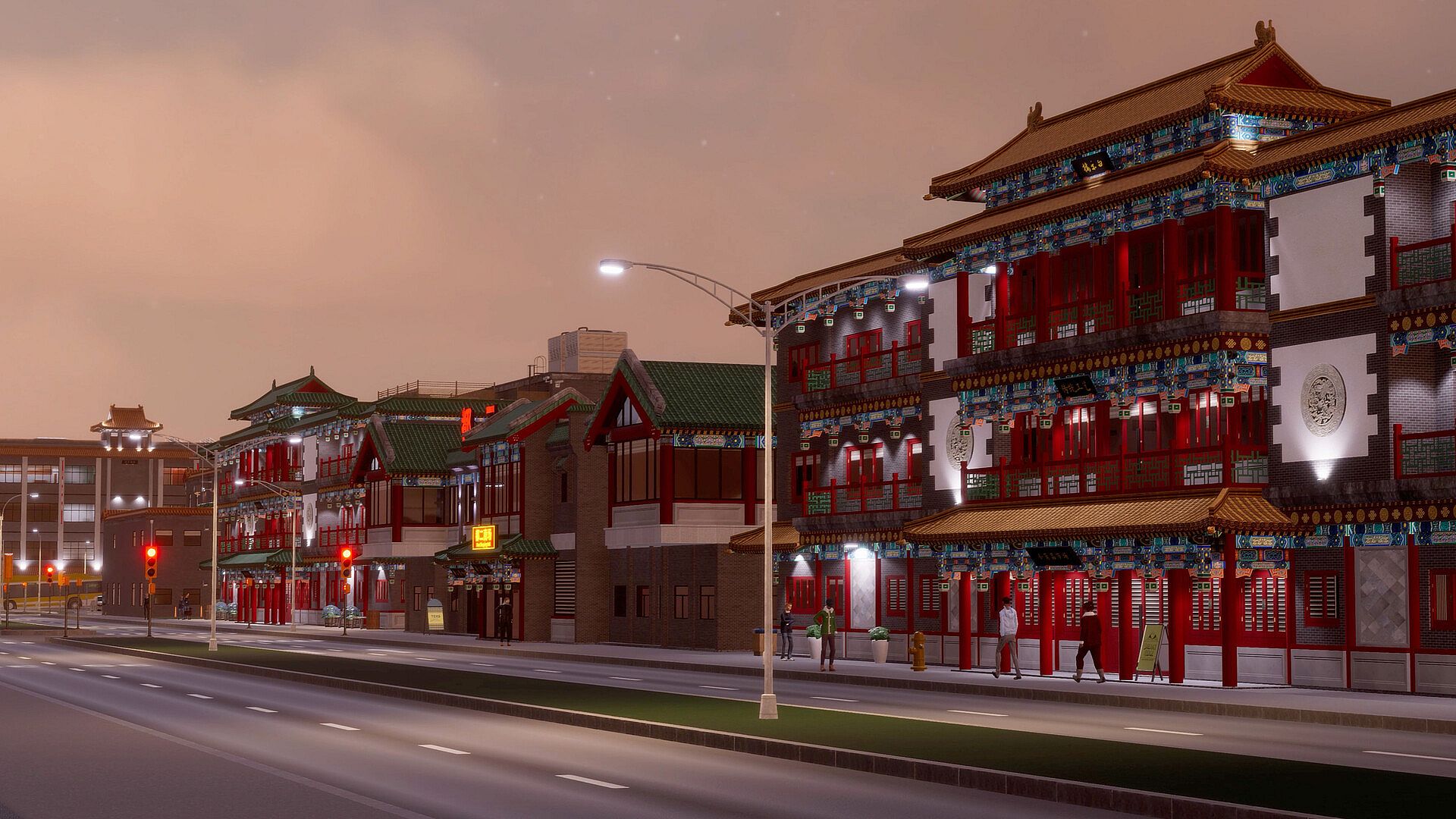
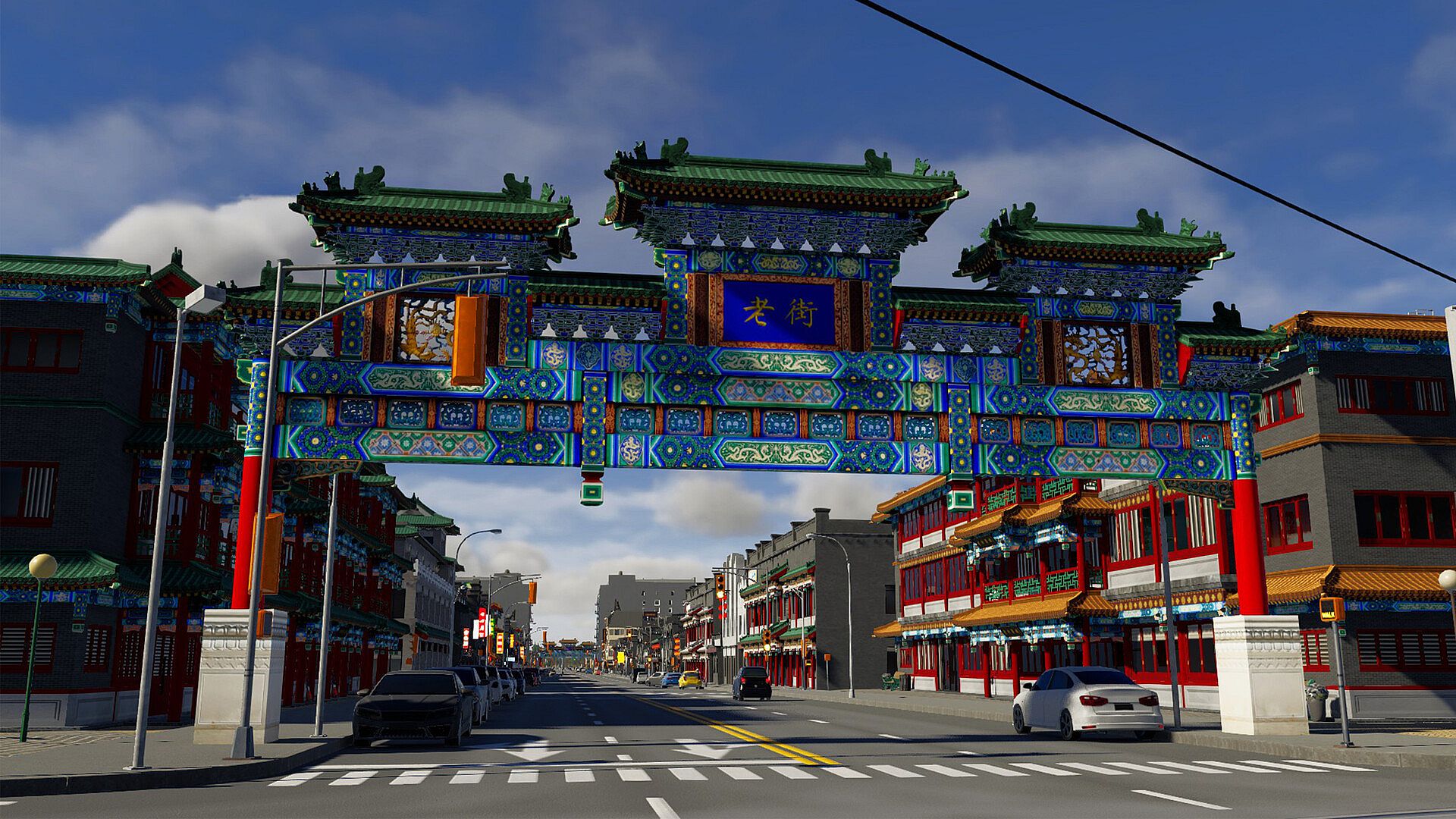
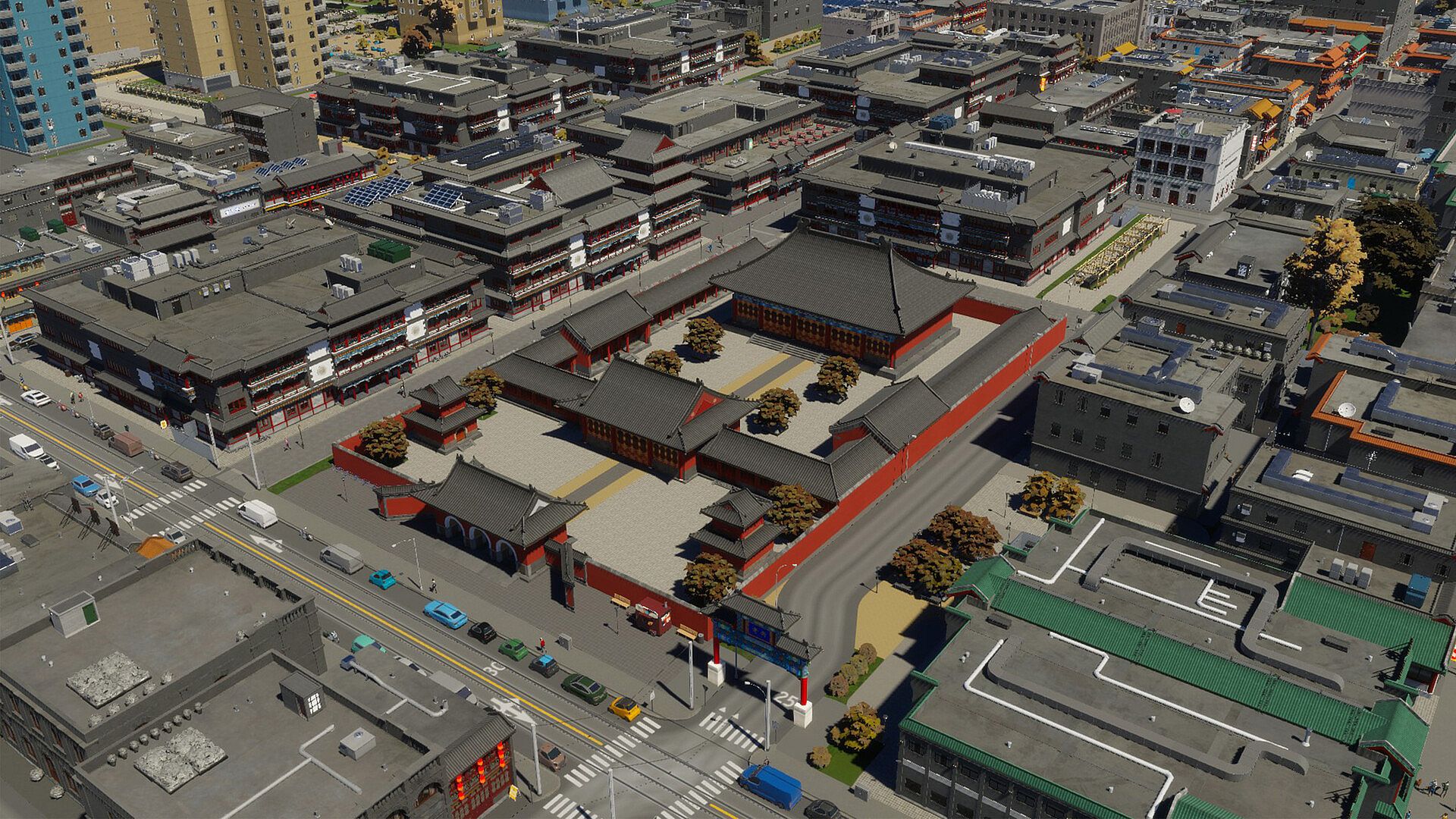
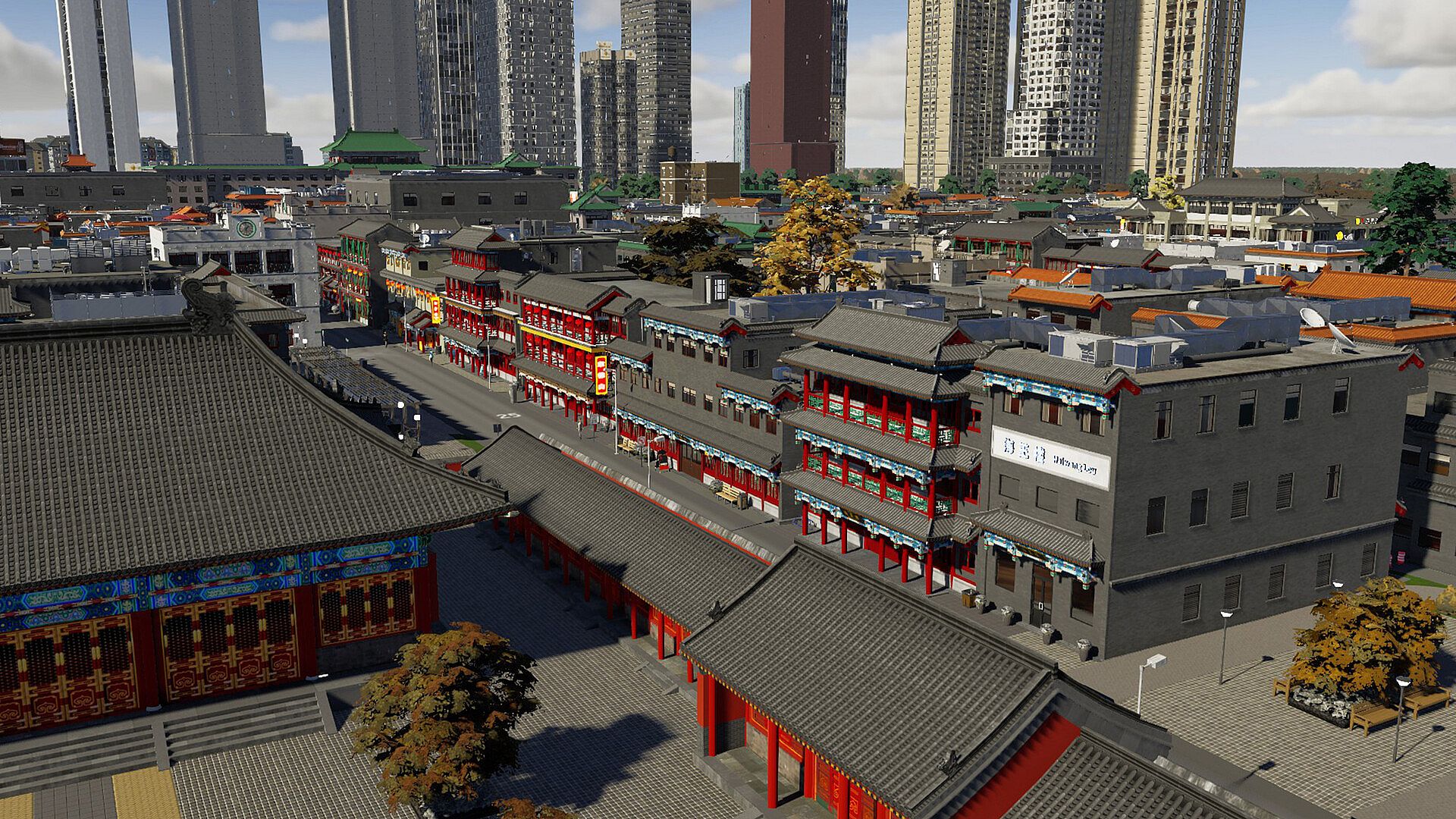
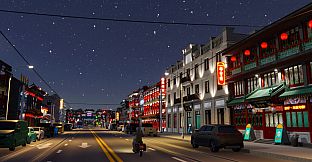
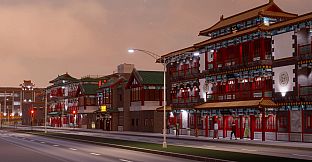
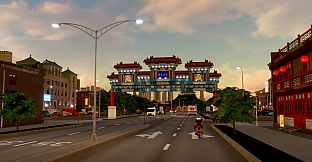
Cities: Skylines II is a city-building simulation game that places players in charge of developing and managing expansive urban environments from the ground up. The title emphasizes detailed citizen behaviors, economic systems, and environmental factors that influence long-term city growth. Within this framework, the Creator Pack: Dragon Gate introduces a focused set of assets designed for constructing a Chinese-inspired market quarter, expanding options for commercial zoning and public spaces.
Gameplay
The core loop revolves around planning infrastructure, assigning zones for residential, commercial, and industrial development, and providing essential services like utilities and education. Citizens follow individual lifepaths that respond to city conditions, including employment, housing quality, and access to amenities. Seasonal weather patterns and climate variations add layers to maintenance and resource management. Road networks, public transport, and policy decisions shape traffic flow, population density, and overall city vitality. The simulation tracks happiness metrics that determine whether residents remain or relocate, creating ongoing feedback that requires adjustments to zoning layouts and service coverage.
Building proceeds across multiple scales, with low-density commercial zones supporting varied lot sizes and architectural styles. Players balance budgets through tax policies and fees while expanding services to support growing populations. Advanced education facilities contribute to skill development among younger residents, feeding into the broader economy. These systems operate continuously, with the city evolving based on cumulative choices rather than scripted events.
Game Modes
The experience centers on a single-player sandbox format where the focus remains on freeform city construction and management. Players start with an undeveloped map and progress through organic expansion, guided by simulation demands rather than competitive objectives or time limits. Difficulty settings allow adjustments to economic pressures and service requirements, supporting different approaches to planning. No separate multiplayer or campaign structures exist; the emphasis stays on iterative building sessions that can extend indefinitely as the urban area matures.
The Dragon Gate Creator Pack
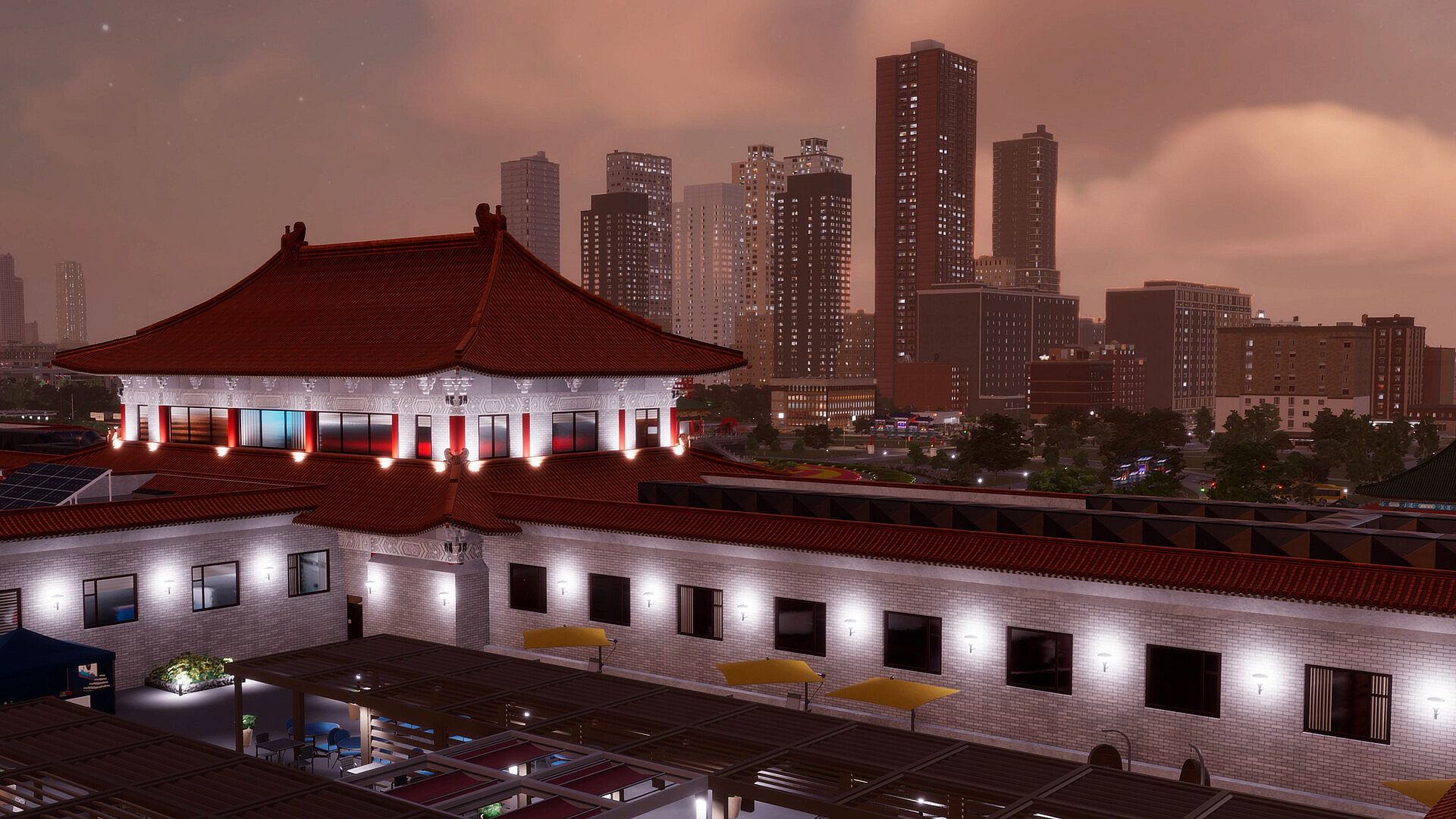
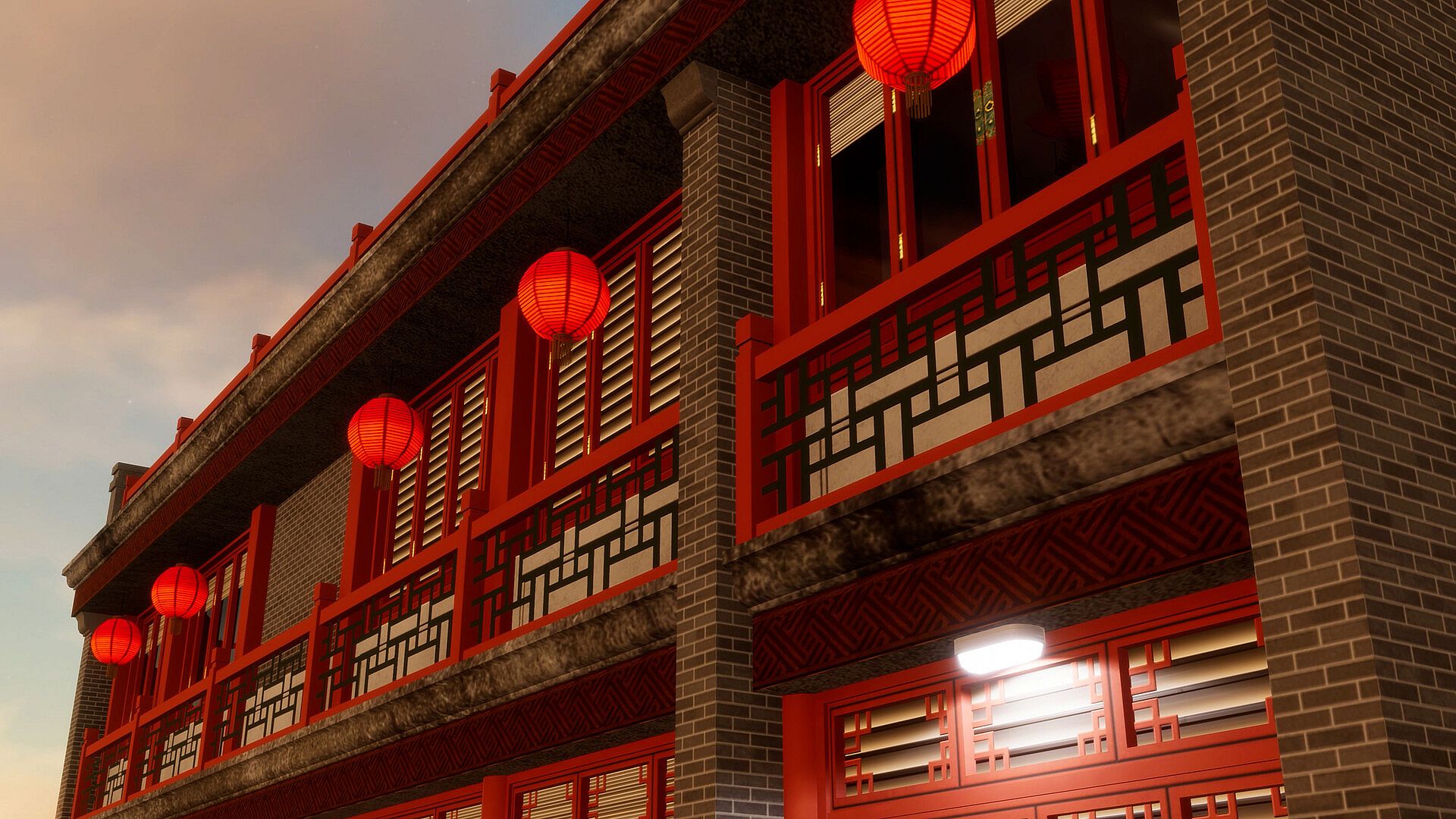
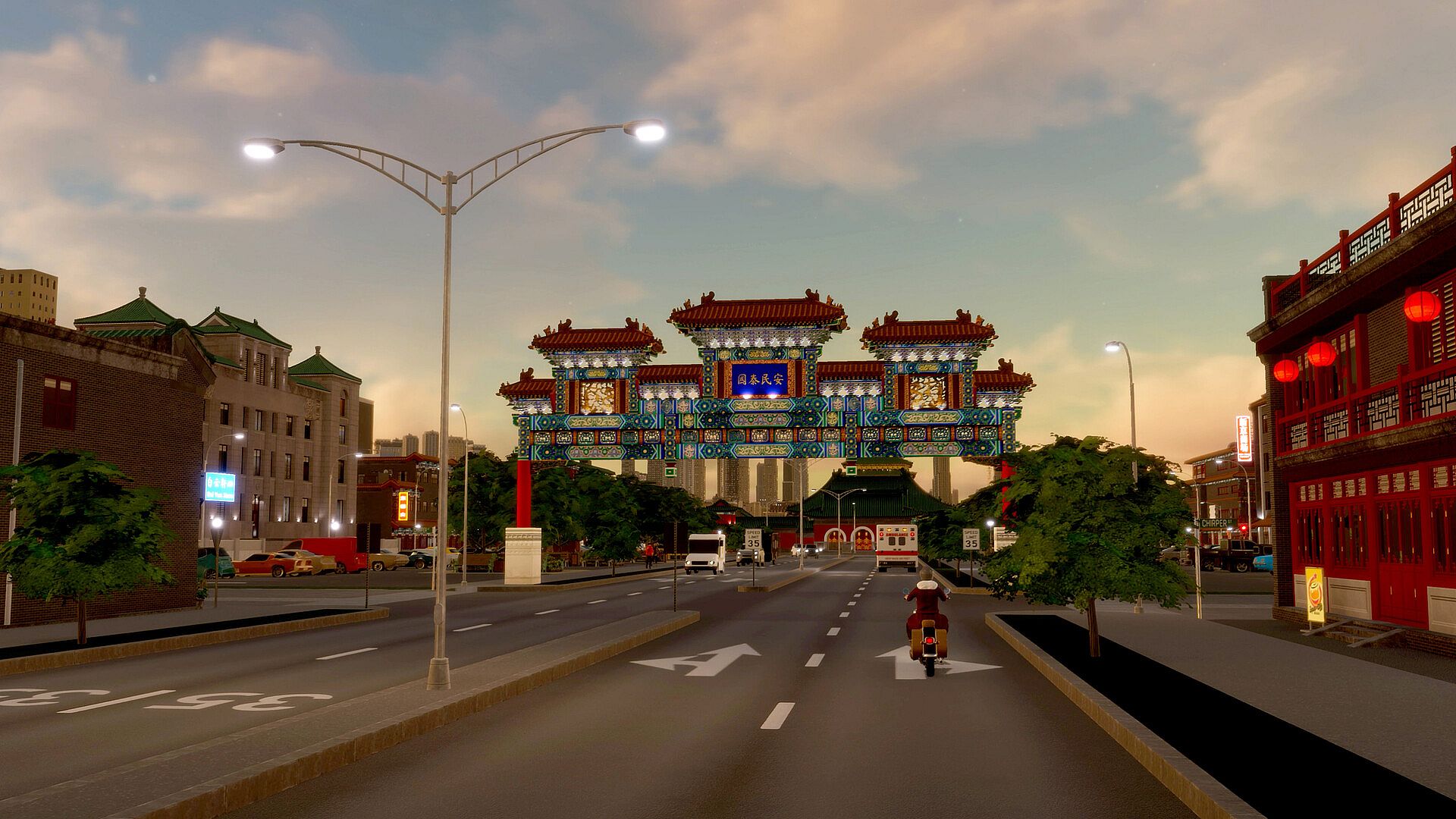
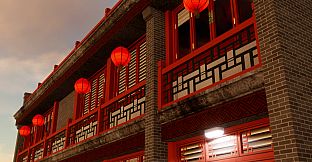
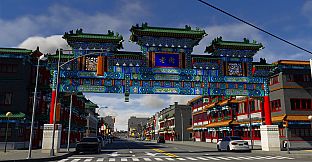
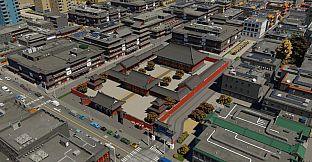
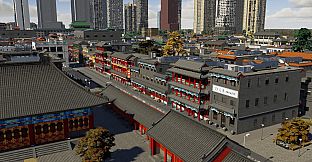
This asset collection, created by community member Emperor Li, centers on traditional and blended Chinese architectural elements rendered in vibrant red and gold tones. It introduces a new low-density business zone featuring zoneable commercial buildings across five levels and multiple lot sizes, enabling the formation of shopping streets lined with lanterns and shop signs. Three distinct parks provide focal points: a small Chinese gate, a large Chinese gate, and a traditional Chinese temple that integrate into residential or commercial districts to enhance visual appeal and attract visitors.
A signature building, the Grand Dynasty Hotel, combines Chinese and Western design influences to accommodate tourists and business travelers. The Chinese High School serves as a service building for advanced education, with an optional extension wing that increases capacity for teenage students. These elements slot directly into existing zoning and service tools, allowing seamless incorporation into ongoing city projects without altering core mechanics.
Is It Worth Playing?
The base simulation appeals to those who enjoy methodical city planning and long-term management of interconnected systems. The Dragon Gate pack adds targeted customization for players interested in East Asian architectural themes, particularly when developing commercial quarters or tourist districts. It integrates with the existing citizen simulation by providing new leisure and education options that can influence local happiness and foot traffic. Availability requires ownership of the main game, and the content supports continued updates to the core title. Those seeking straightforward asset expansion for creative builds will find the pack a direct addition to their toolkit, while players focused solely on Western or modern styles may see less immediate value. Overall, it suits dedicated city builders who regularly experiment with zoning variety and cultural motifs in their projects.