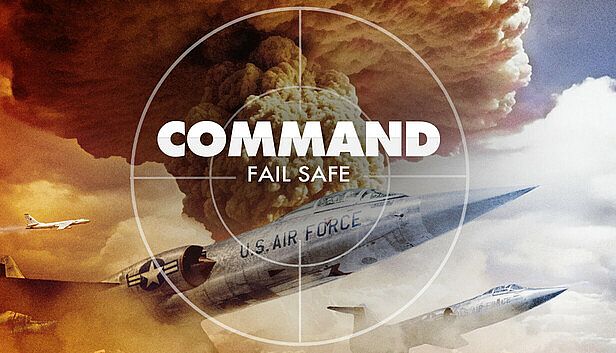


















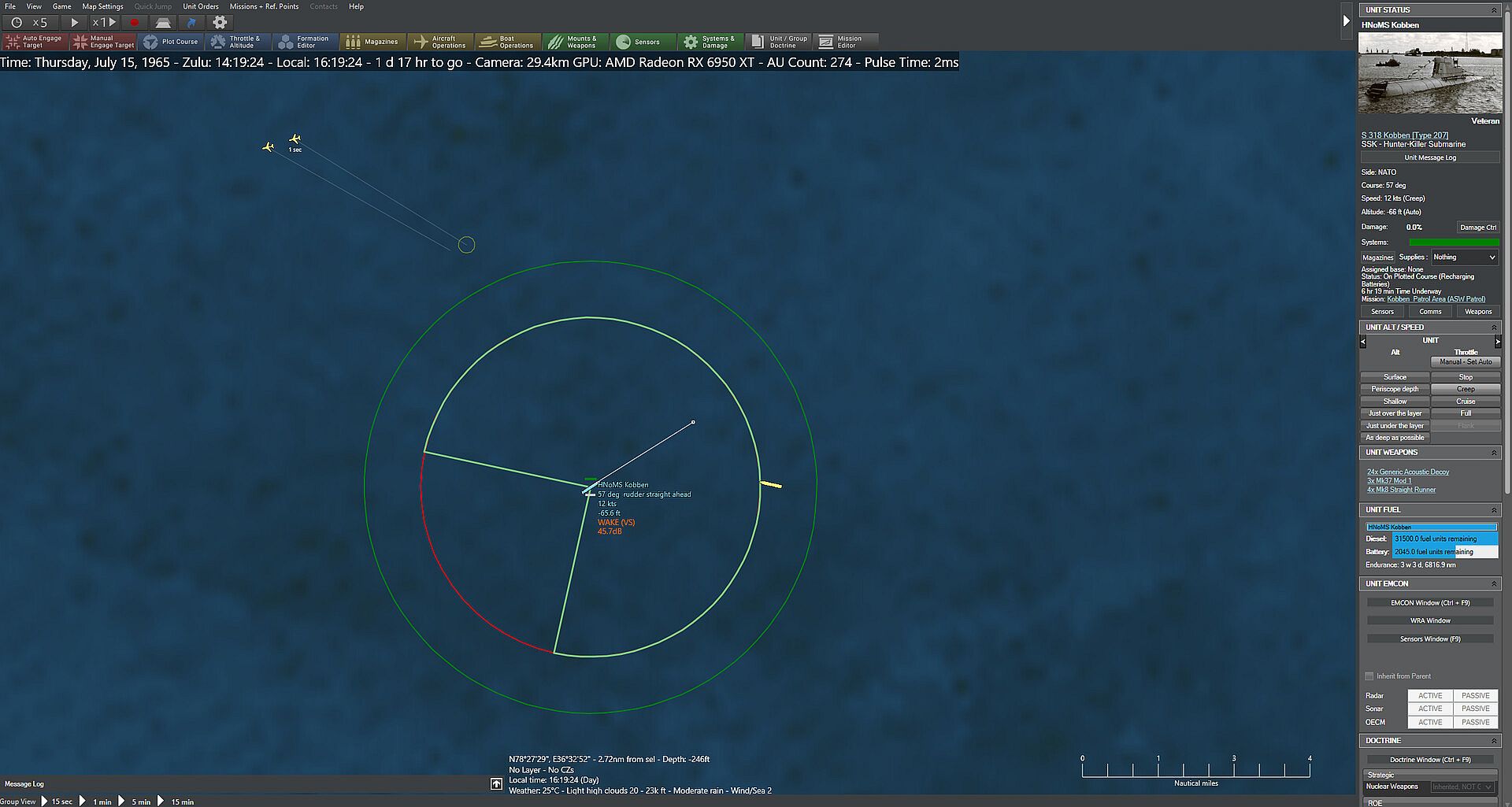
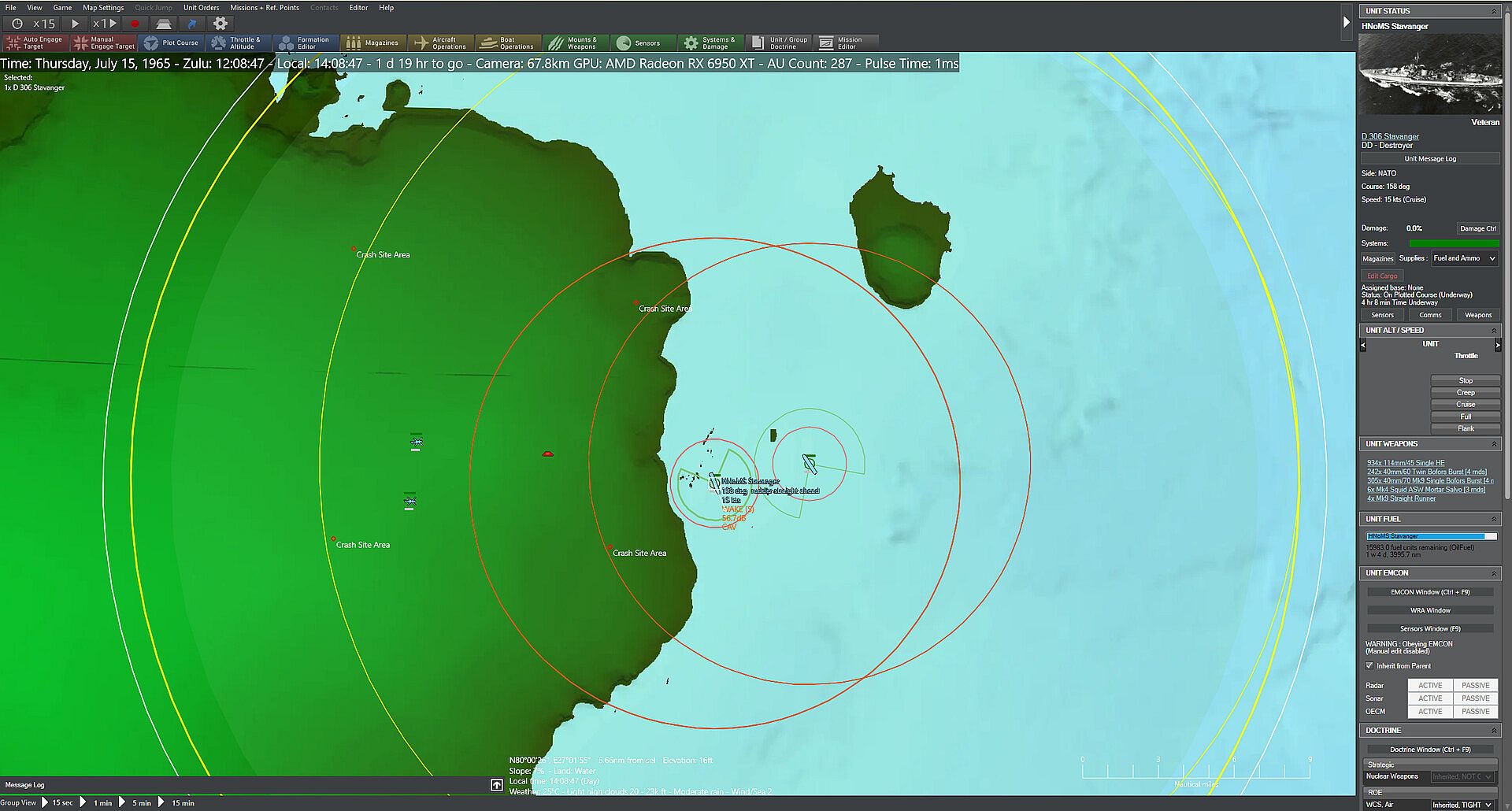
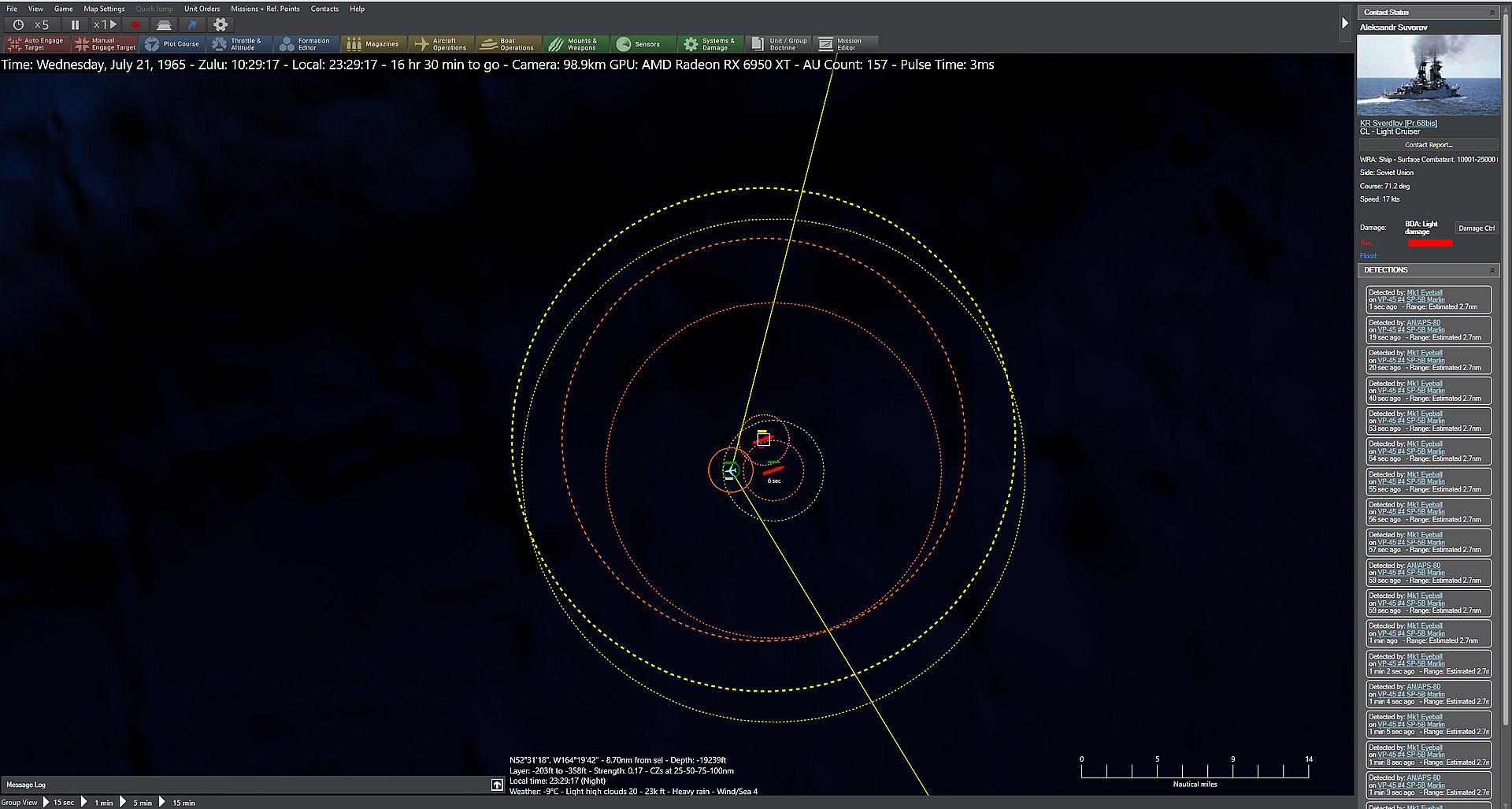
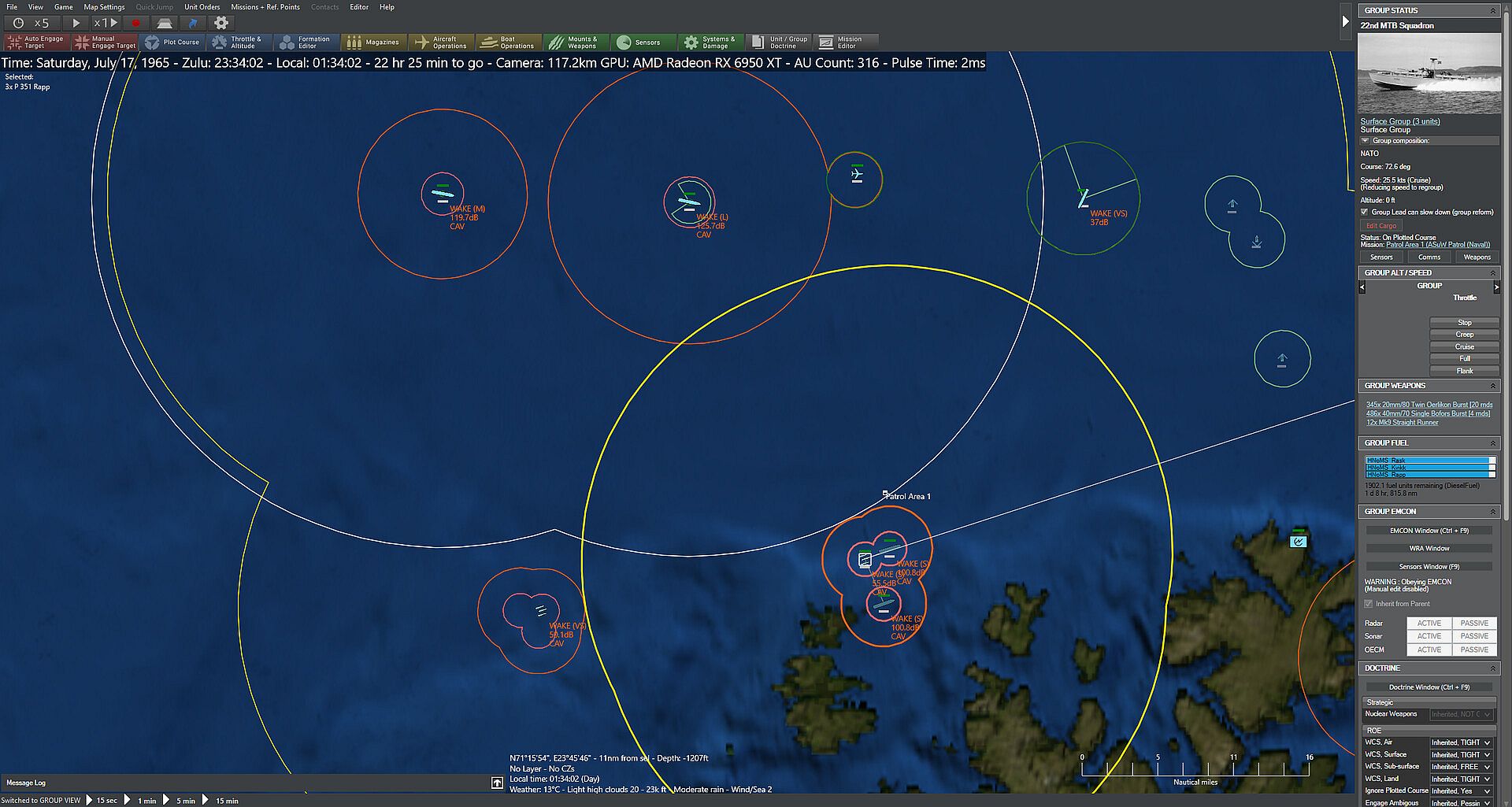
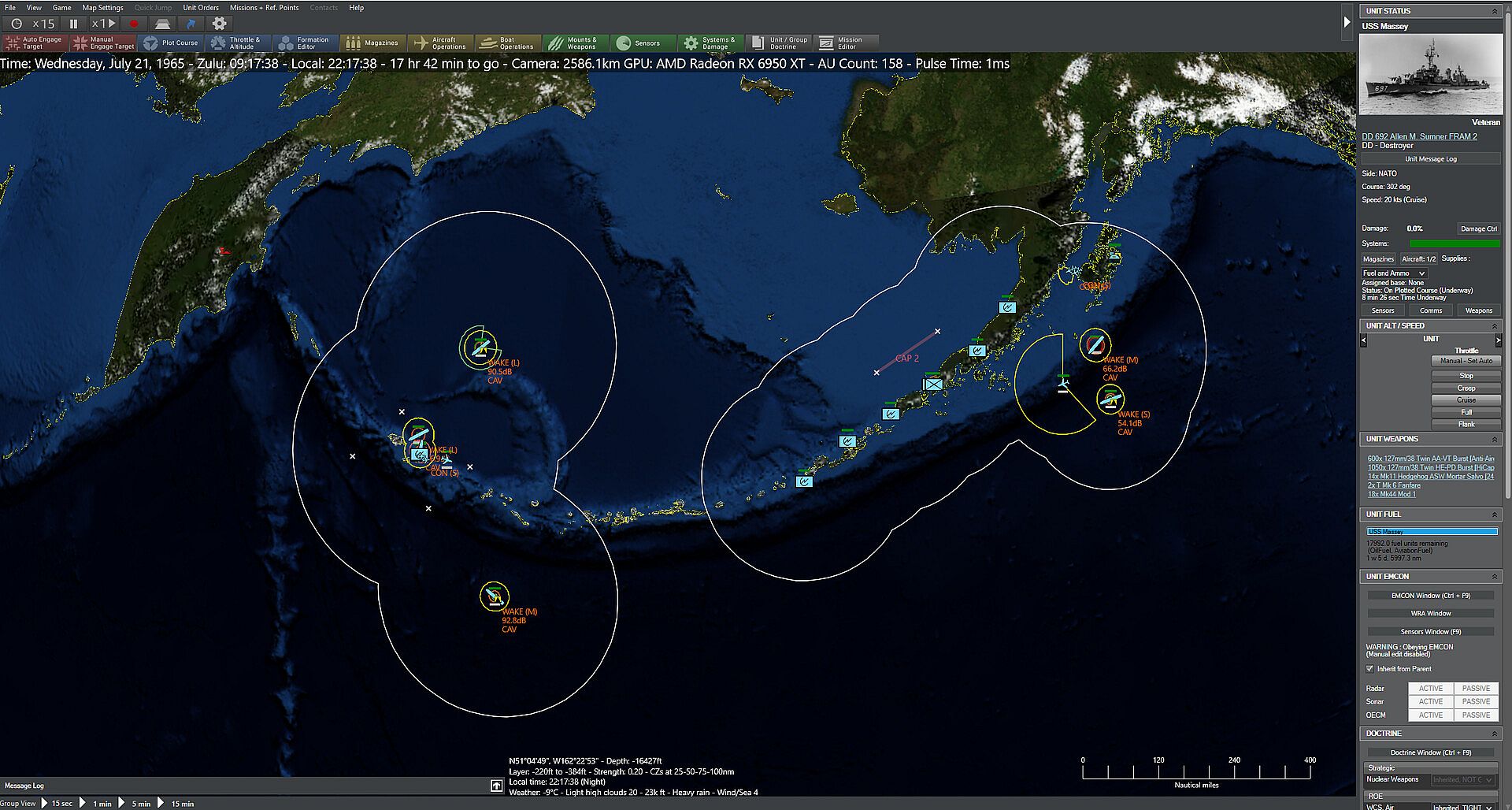
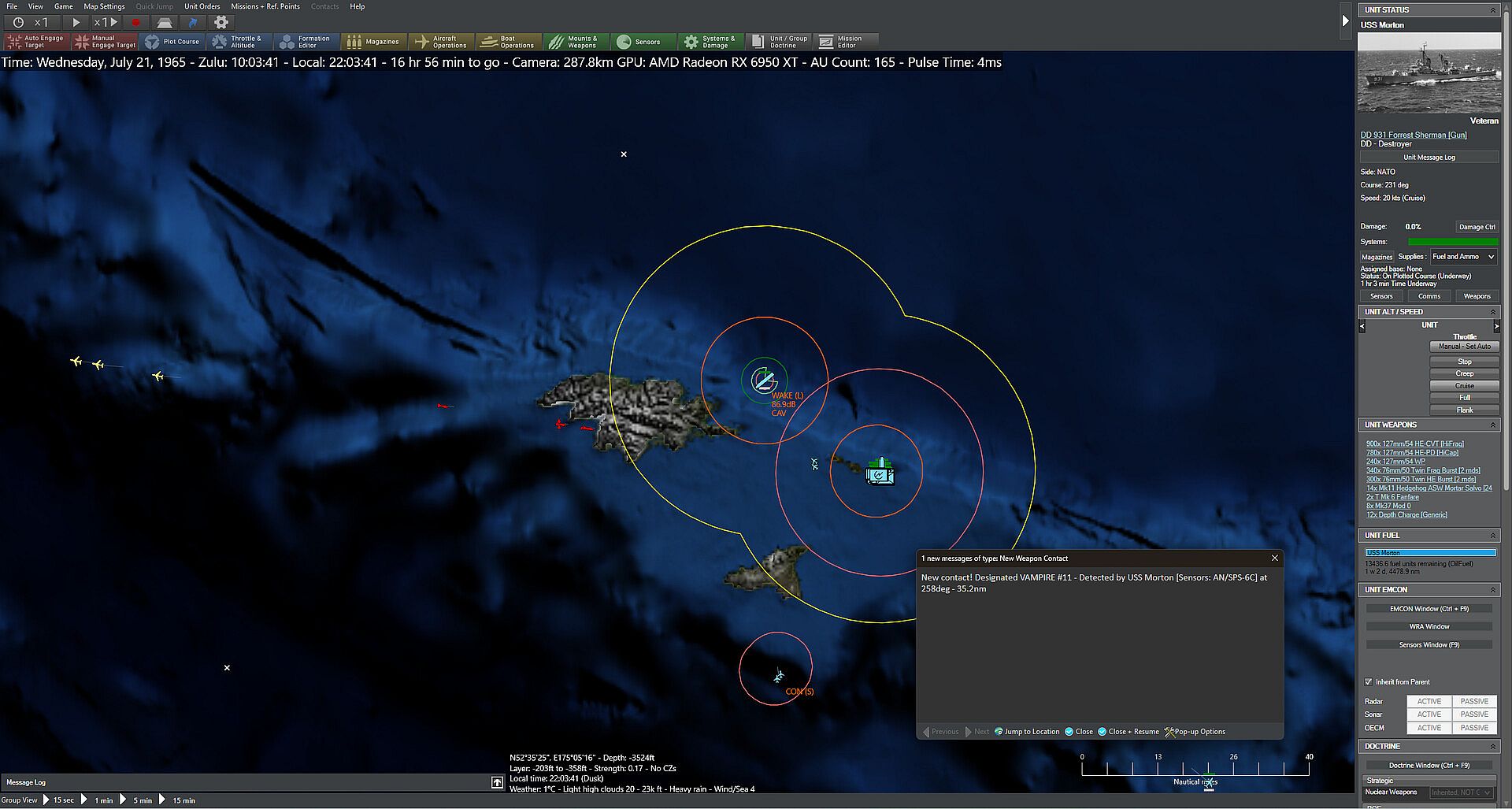
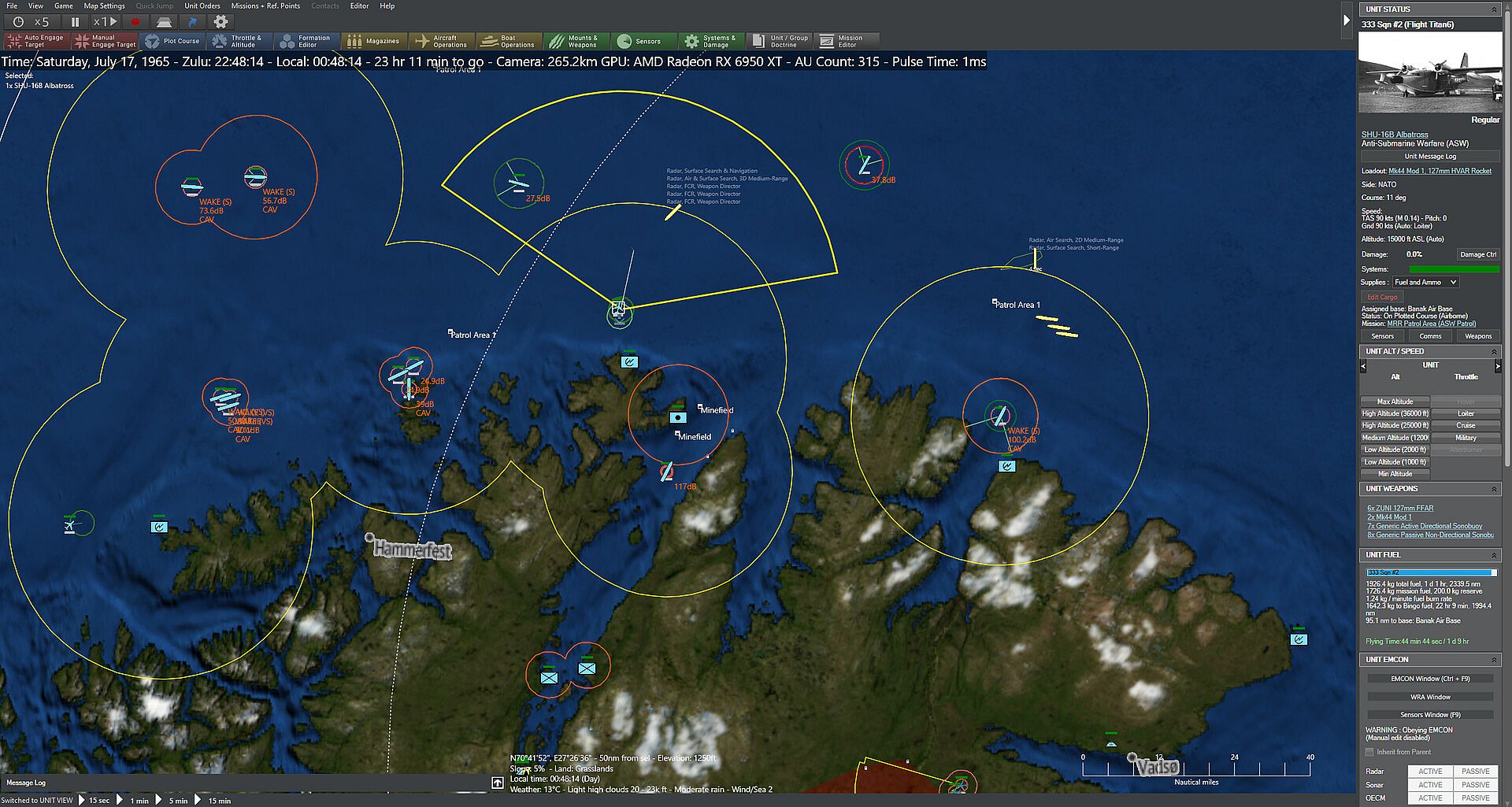
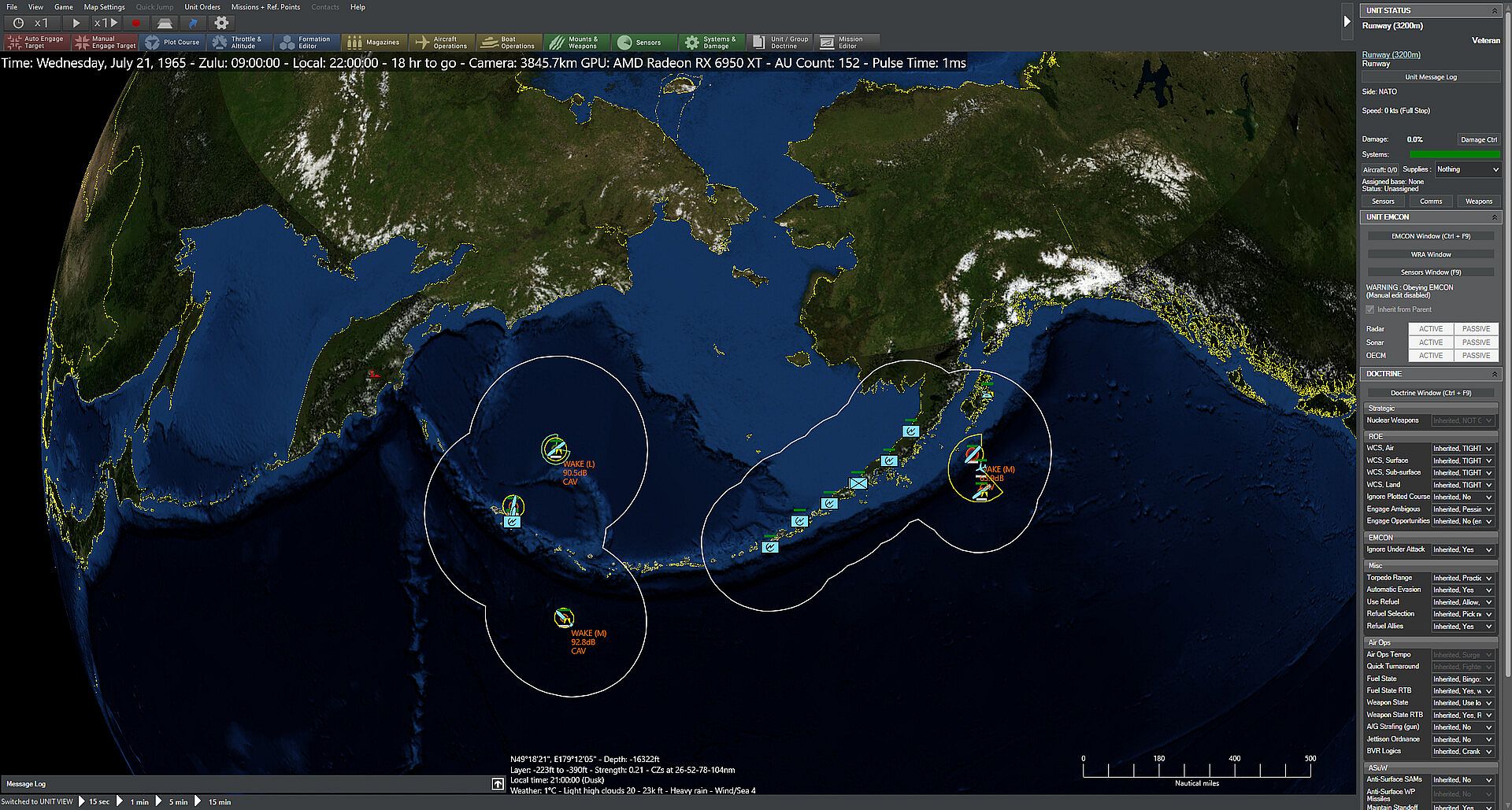
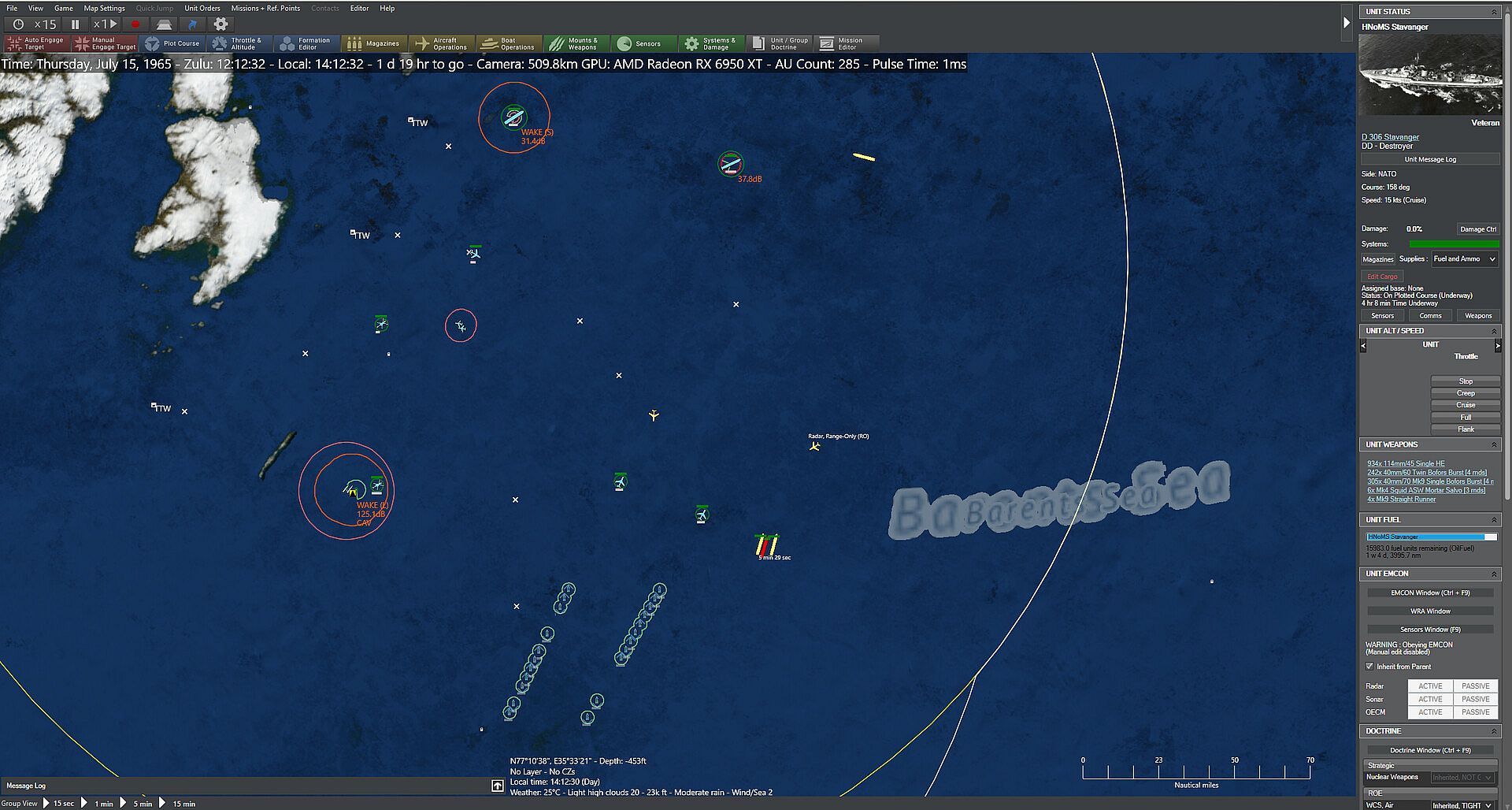
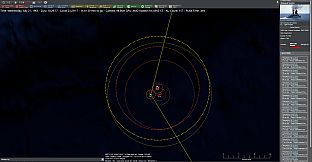
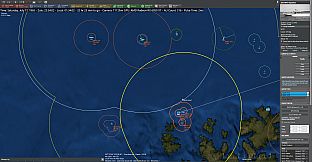
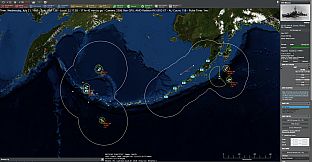
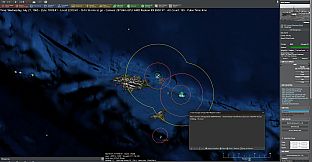
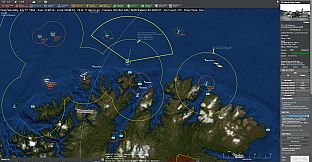
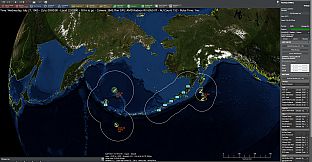
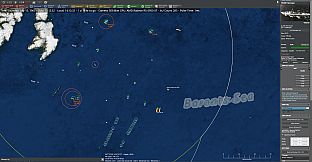
Command:MO - Fail Safe is a simulation game that places players in command of naval and air forces during a tense 1965 Cold War standoff. The scenario begins with a Soviet Yak-27 crash landing on the remote Svalbard islands following a covert flight over NATO bases in Greenland. This incident sparks a high-stakes confrontation as NATO mobilizes forces while Warsaw Pact units move to recover the wreckage. The game focuses on air and sea operations where commanders direct battle groups from both sides in a campaign that can escalate to nuclear strikes.
Gameplay
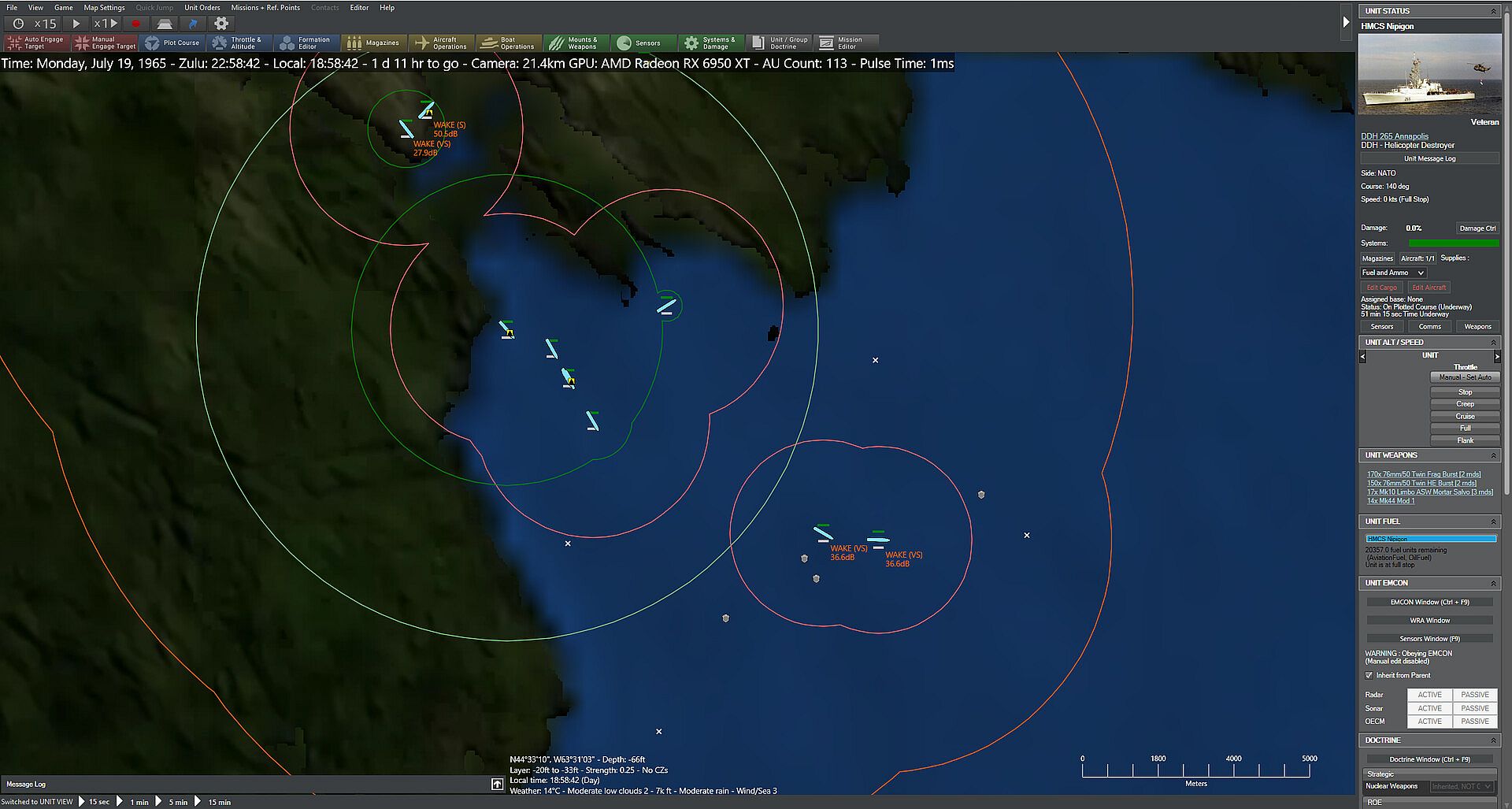
Players issue orders to fleets and squadrons across sea and sky environments. Combat involves a mix of platforms from the era, including older propeller-driven and early jet aircraft alongside supersonic fighters and surface-to-air missiles. Naval engagements feature carriers, cruisers, and submarines operating in an environment where anti-ship missiles are emerging but traditional guns remain relevant. Command decisions cover detection, engagement, and coordination of assets in real-time scenarios that demand attention to positioning, sensor use, and timing of strikes.
The simulation emphasizes the transition period in warfare when missile technology began to influence tactics alongside established methods. Commanders manage both offensive and defensive actions, such as protecting convoys or intercepting enemy aircraft, while accounting for the capabilities of specific aircraft like the F-86 Sabre or MiG-15 and ships such as the HMS Victorious or November-class submarines. The option to authorize nuclear weapons introduces a layer of strategic risk that can alter mission outcomes dramatically.
Game Modes
The core experience centers on a single 12-mission campaign. Each mission varies in scope and objective, ranging from large fleet confrontations to specialized operations like submarine hunts, motor-torpedo boat raids, and convoy protection duties. Players alternate between NATO and Soviet forces across the sequence, experiencing the conflict from both perspectives. The missions build toward potential nuclear escalation, with outcomes influenced by how commanders handle the available air and naval assets in each scenario.
Equipment and Warfare
Units reflect the technological landscape of the mid-1960s, blending World War II-era vessels with newer designs. Fighters such as the F-104 Starfighter and MiG-21 engage in aerial duels while bombers attempt to penetrate defenses supported by surface-to-air missiles. Naval forces include Sverdlov-class cruisers and early nuclear submarines, highlighting the shift toward missile-armed ships. The gameplay explores whether emerging anti-ship missiles would dominate over conventional gunnery in fleet actions.
Is It Worth Playing?
This title suits players drawn to detailed command simulations of Cold War naval and air operations. The campaign structure provides a focused narrative arc with varied mission types that test different aspects of force management. Those familiar with the base Command: Modern Operations framework will find the 1965 setting expands the available equipment and tactical considerations without requiring additional purchases beyond the required base game. Community feedback highlights enjoyment of the historical equipment mix and the tension around nuclear decisions, though the simulation demands patience with its systems. It delivers a self-contained experience for those interested in hypothetical 1960s superpower clashes at sea and in the air.