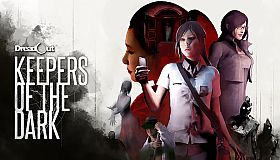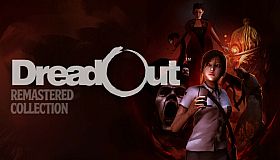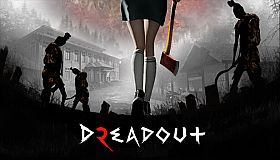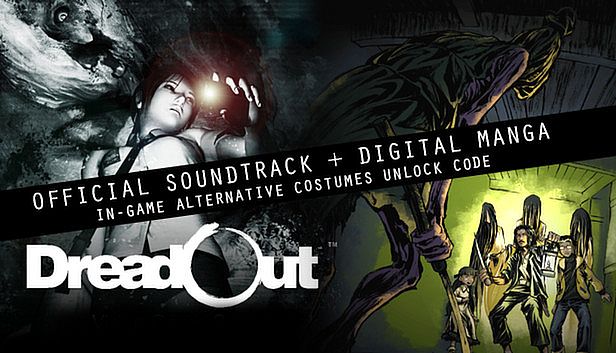










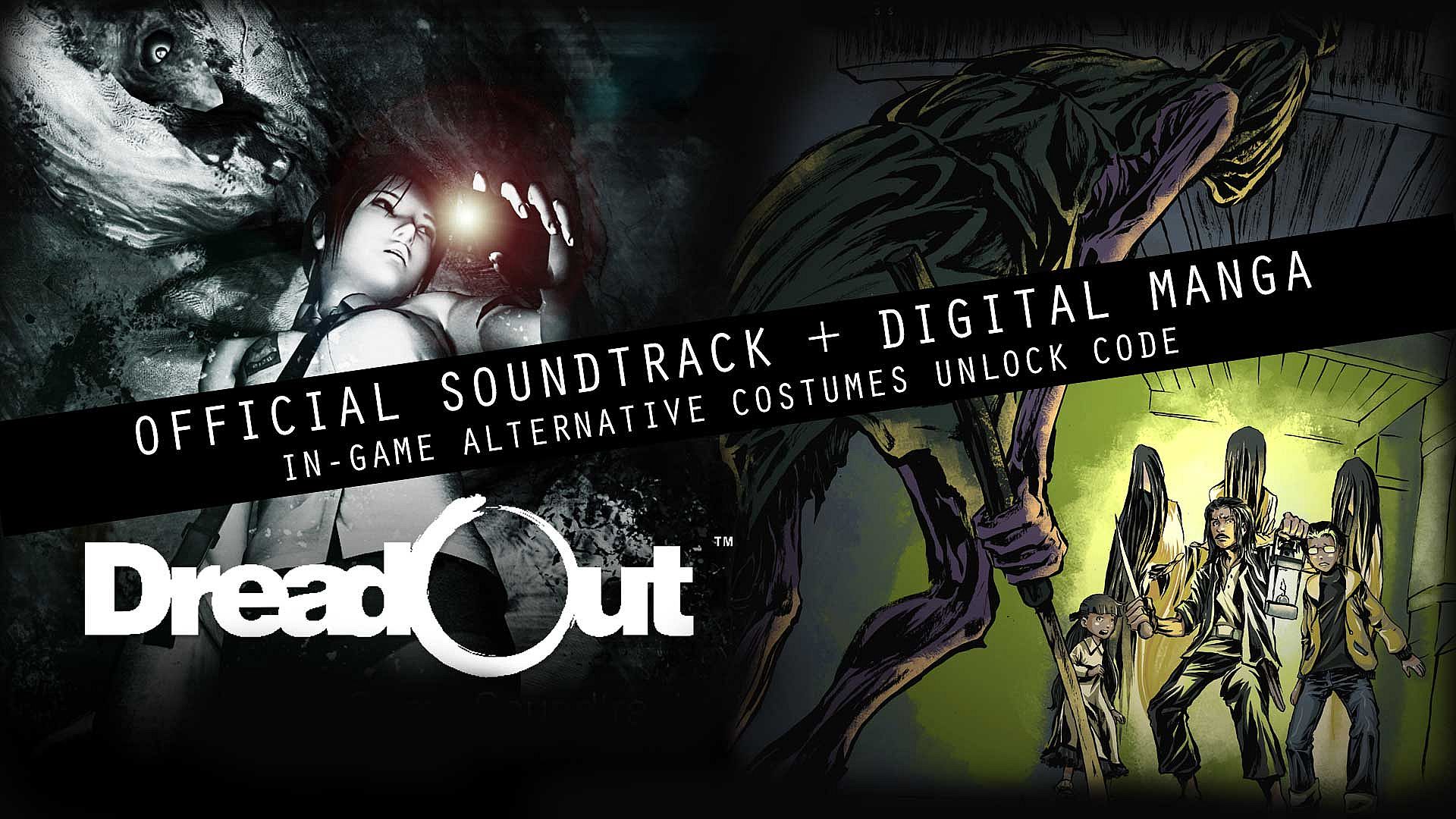
DreadOut is a third-person survival horror game set in an abandoned Indonesian town where supernatural forces lurk. Players control Linda, a high school student who must navigate eerie locations while uncovering the town's dark history through exploration and confrontation with restless spirits.
Gameplay
The central mechanic revolves around a smartphone camera that serves as both a tool for investigation and a weapon against ghosts. Encounters require careful positioning to capture images at the precise moment when visual distortion signals vulnerability in the entities. This system creates a deliberate pace where timing and awareness matter more than rapid reflexes. Exploration forms the backbone of progression, with players examining environments for clues that advance the narrative and unlock new areas. Puzzle elements appear regularly, often tied to the supernatural themes and requiring observation of patterns or interactions with objects in the surroundings. Movement feels measured, encouraging players to scan rooms thoroughly rather than rush forward. The overall loop blends tension from limited resources with moments of discovery as the story unfolds through environmental storytelling and encounters.
Game Modes
DreadOut functions entirely as a single-player experience. No cooperative, competitive, or online modes exist, keeping the focus on individual progression through the campaign. The structure follows a linear path with branching exploration opportunities inside each section of the town, allowing players to backtrack for additional details once certain abilities or items become available. This design supports repeated playthroughs for those seeking missed elements without altering the core sequence of events.
Atmosphere and Presentation
Visuals emphasize decaying architecture and dim lighting to heighten unease during traversal. Sound design incorporates subtle ambient noises alongside more intense cues during spirit encounters, reinforcing the isolated feeling of the setting. The Indonesian cultural influences appear in the ghost designs and environmental details, drawing from local folklore without overwhelming the core horror elements. These choices contribute to a consistent tone that rewards patient observation over constant action.
Is It Worth Playing?
Player feedback highlights the distinctive camera-based combat as a standout feature that sets the experience apart within the survival horror genre. Many appreciate the sense of dread built through careful navigation and the integration of puzzle-solving with supernatural threats. At the same time, reports frequently note issues with controls that can feel imprecise during critical moments and pacing that occasionally slows to a crawl. The game suits individuals drawn to methodical horror titles that prioritize atmosphere and unique mechanics over polished action sequences. Those familiar with similar camera-focused games from earlier generations often find the approach familiar yet adapted to a modern independent production. Recent updates have addressed some technical aspects in available versions, though the fundamental strengths and limitations remain consistent across player accounts. Overall, it delivers a focused single-player horror journey best suited for fans seeking something distinct rather than mainstream polish.