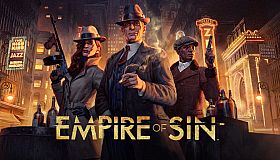























Empire of Sin is a strategy RPG set in Prohibition-era Chicago where players build and manage a criminal empire through resource allocation, territory control, and turn-based combat encounters. The core experience revolves around selecting a boss character, recruiting gangsters, establishing rackets, and expanding influence across the city map while handling rival factions and random events.
Gameplay
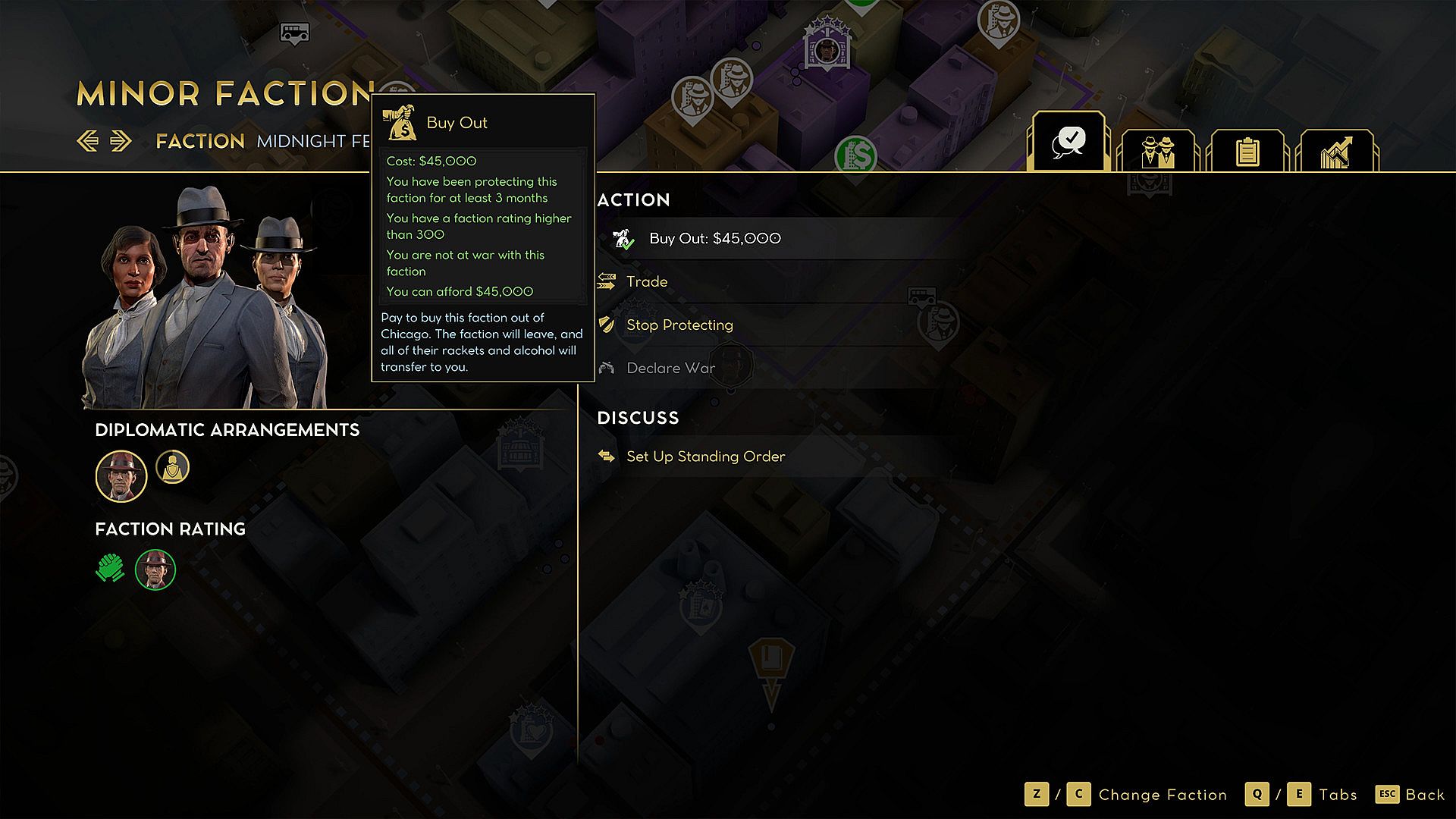
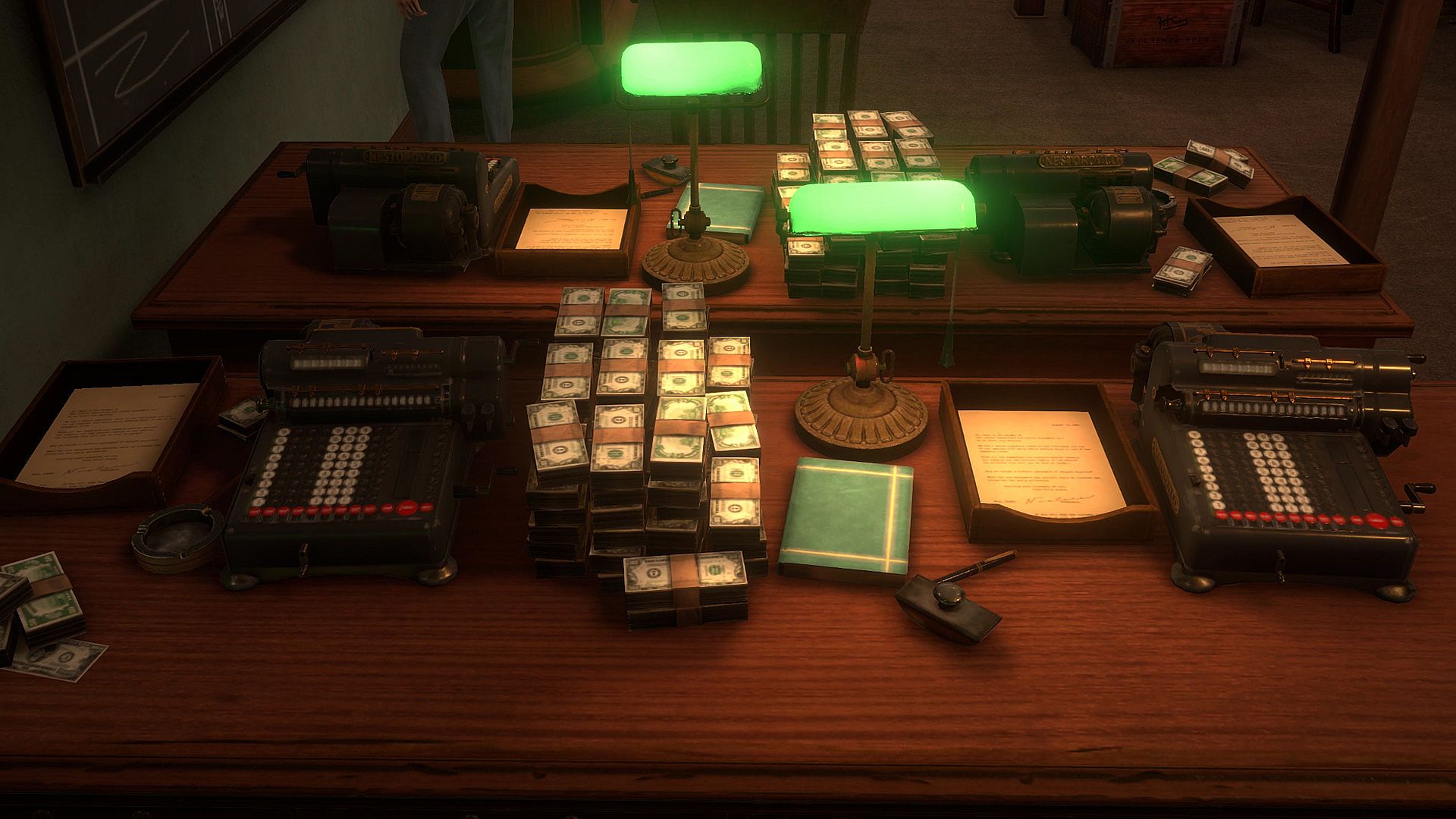
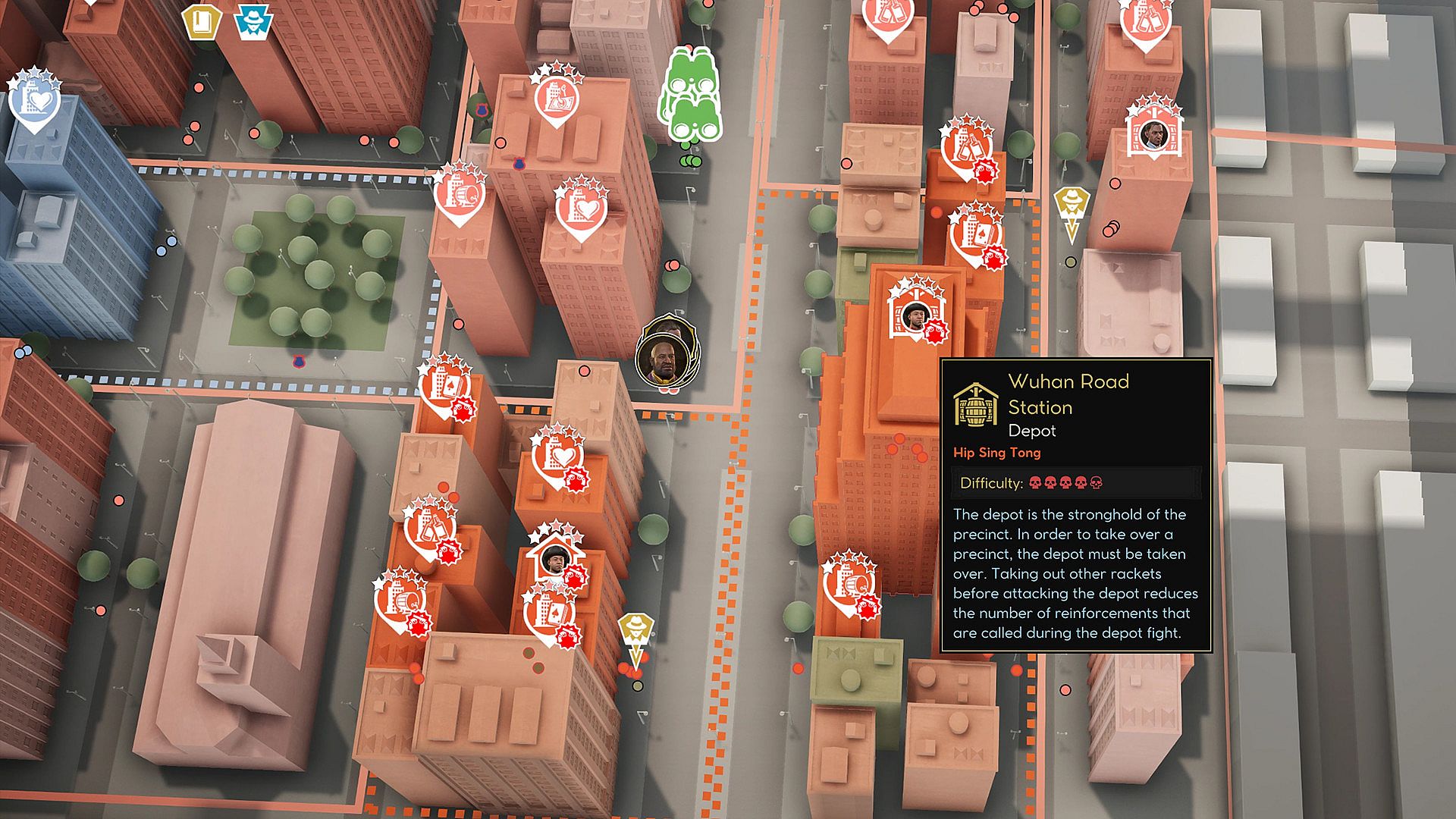
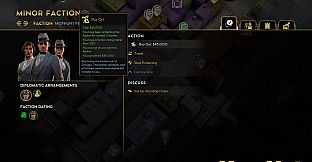
The gameplay loop combines empire management with tactical battles. Players oversee weekly income from rackets, assign gangsters to districts for protection or expansion, and respond to opportunities or threats that appear on the map. Resource management includes balancing cash flow, recruiting from a black book of available talent, and upgrading properties or equipment to strengthen operations.
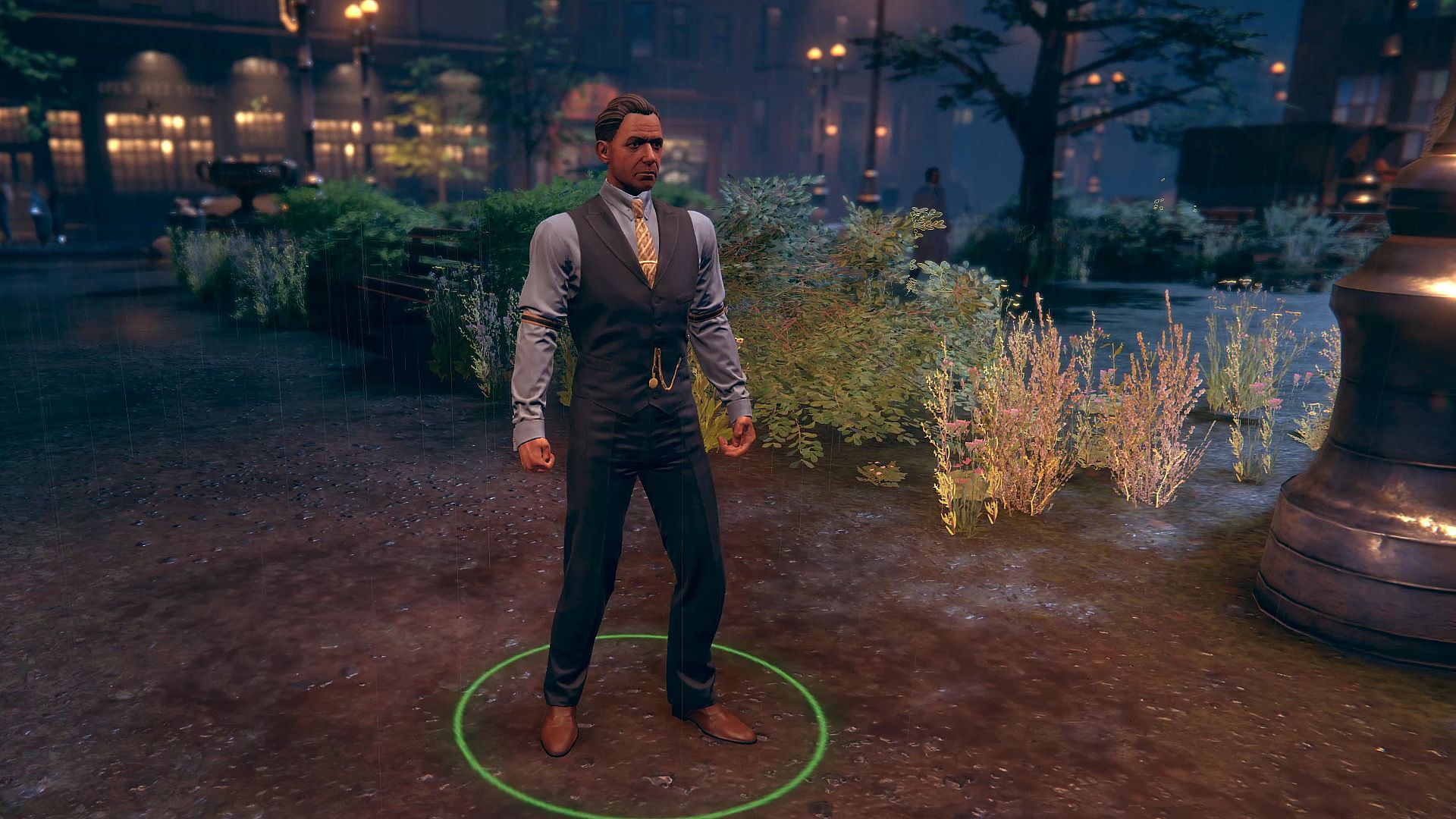
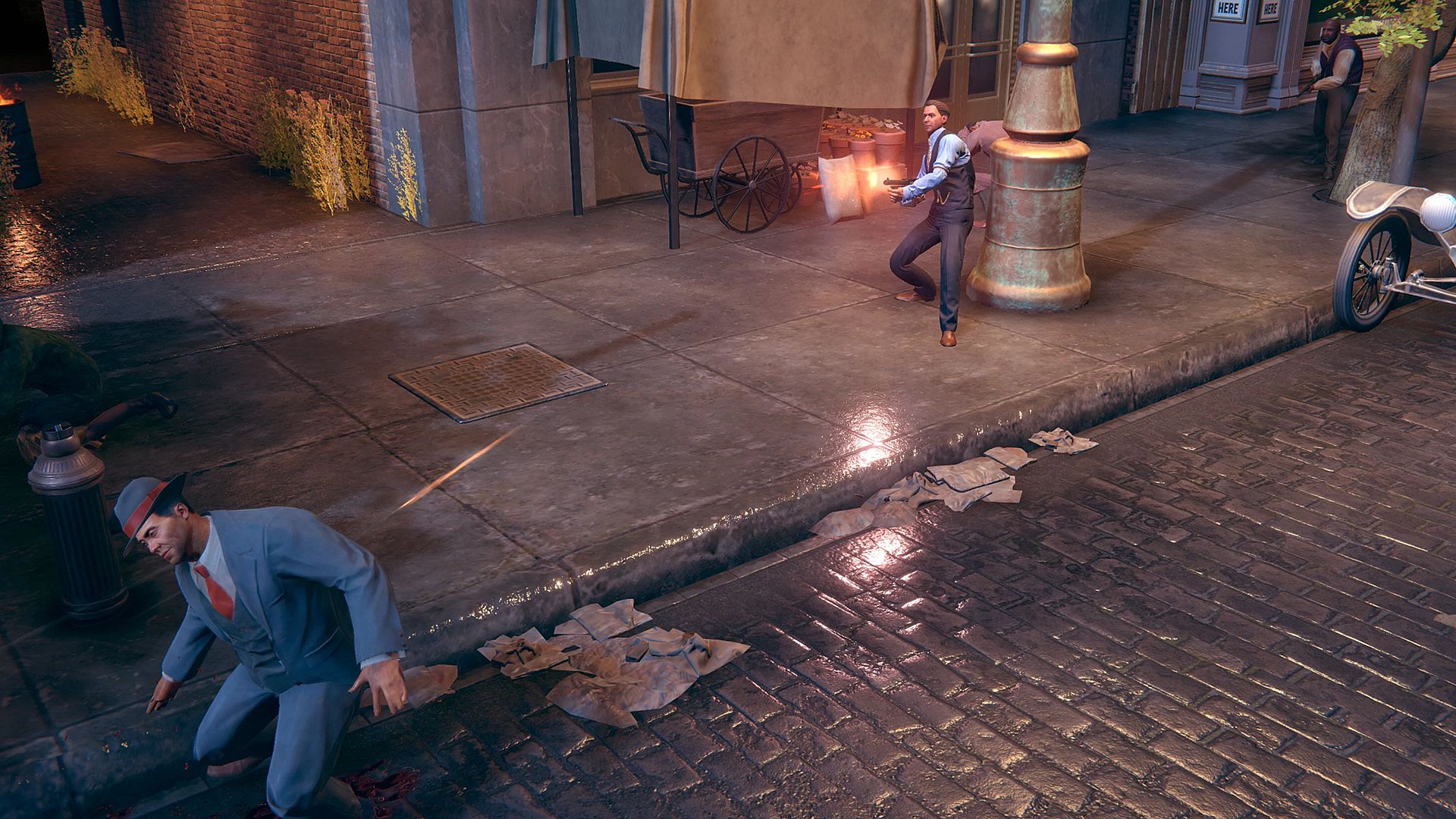
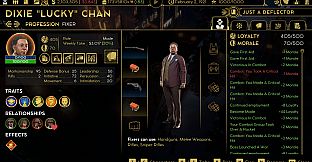
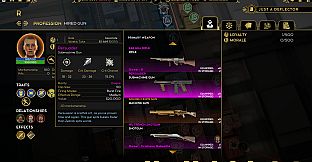
Combat occurs on grid-based maps when conflicts arise with rival gangs or during specific missions. Characters take turns moving, using cover, and attacking with firearms or melee options. Each gangster brings unique talents and weapon proficiencies that influence positioning and damage output. Boss characters add special abilities that can shift momentum, such as calling reinforcements or applying economic pressure through bribes and truces.
Progression involves leveling gangsters, unlocking new rackets, and completing personal storylines tied to chosen bosses. Events and side activities introduce variety, ranging from diplomatic negotiations to targeted strikes on enemy holdings. The system rewards careful planning in both the management layer and individual fights, where initiative order and ability synergy determine outcomes.
Game Modes
Empire of Sin operates as a single-player strategy experience focused on empire building and tactical combat. Players start by choosing one of several available bosses, each with distinct starting advantages and story threads, then work to dominate Chicago through a combination of economic growth and direct confrontations.
The primary structure supports both structured campaign-style progression via main missions and open-ended play where players pursue territory control at their own pace. Side missions and personal gangster quests provide additional objectives that integrate with the broader empire goals. No separate competitive or cooperative modes exist beyond the core single-player framework.
Expansion Content
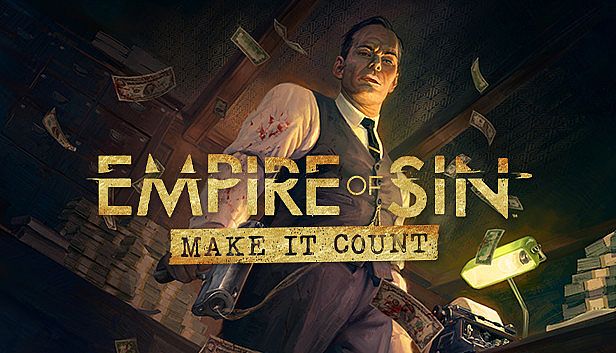
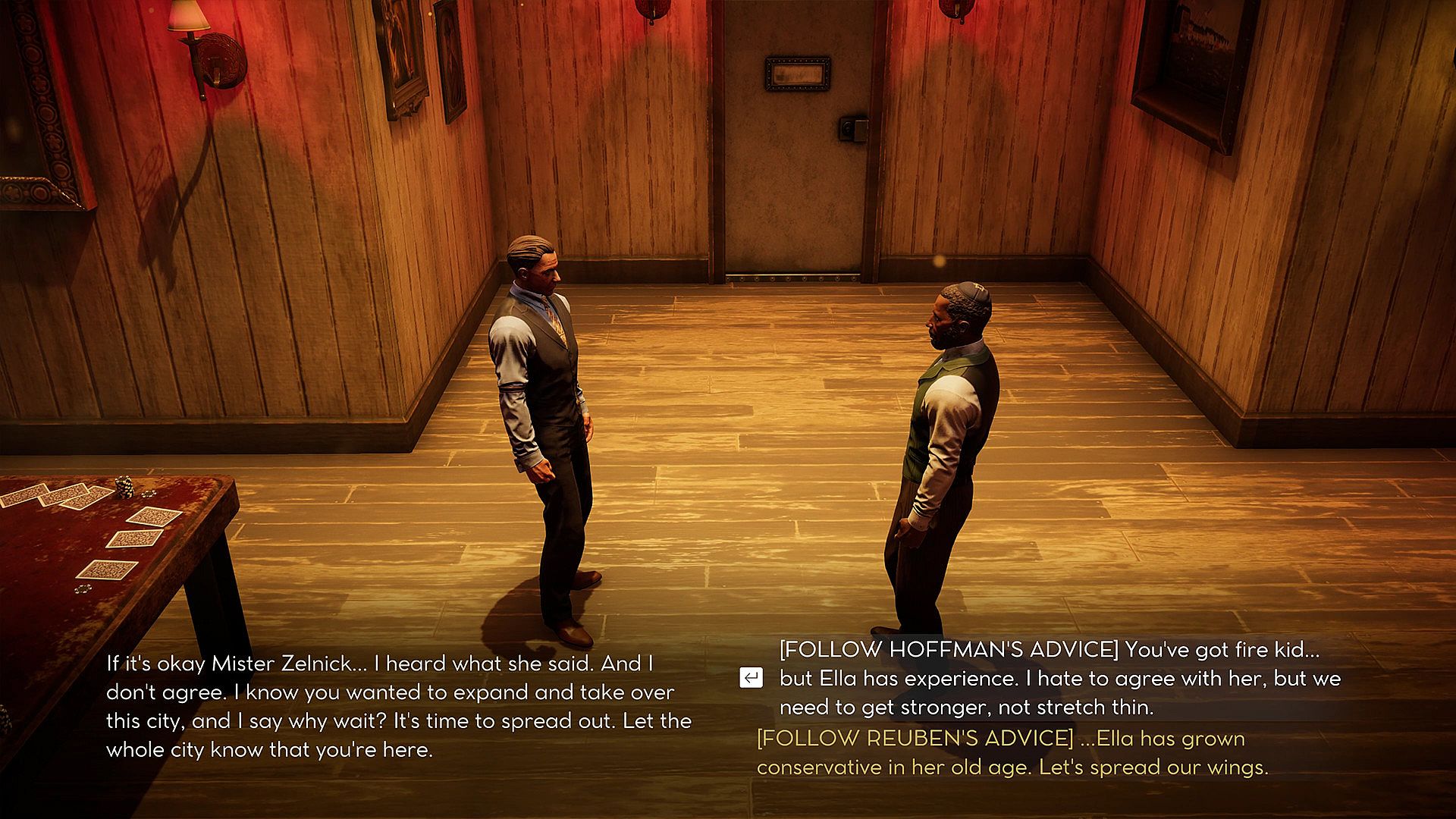
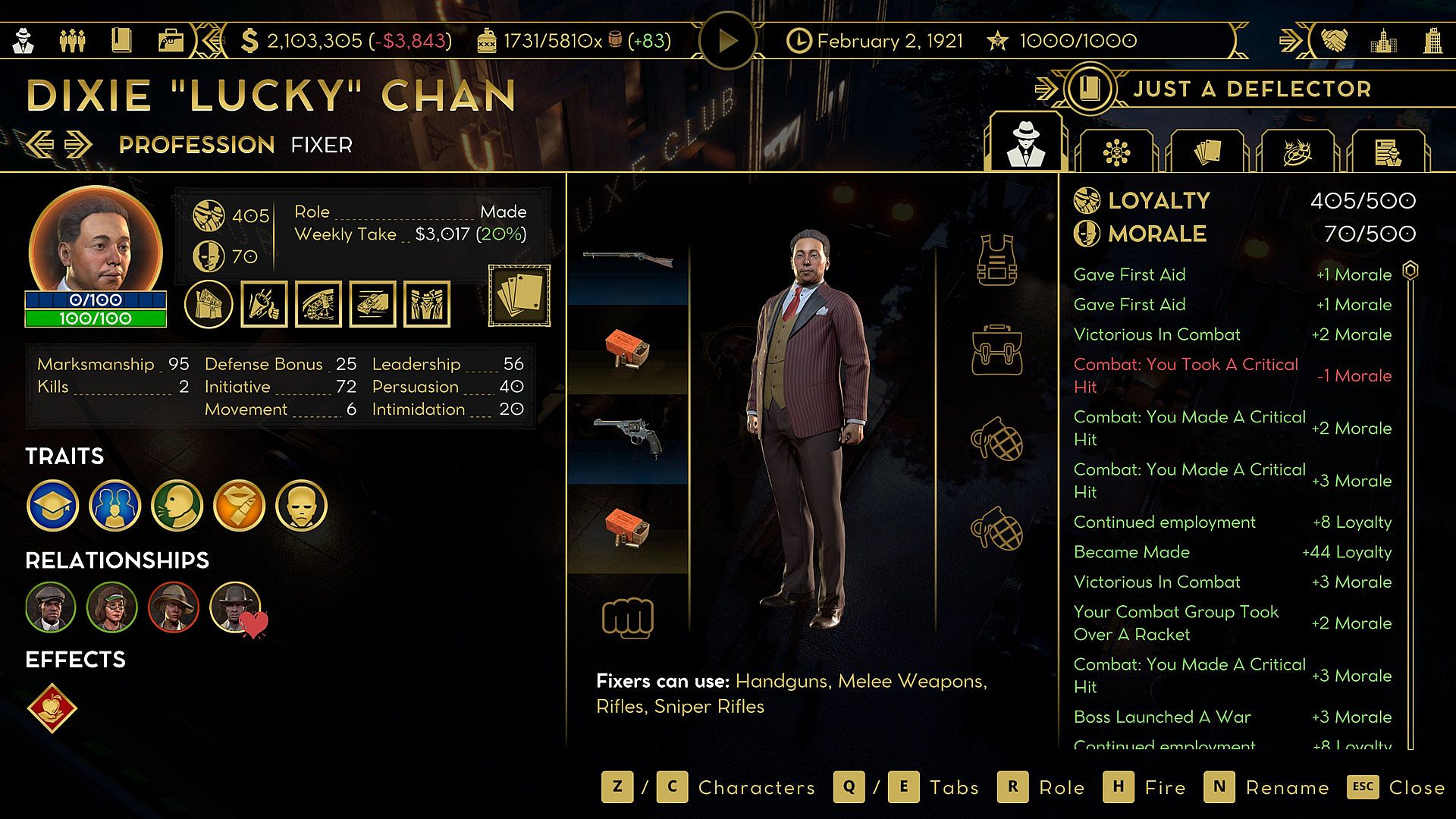
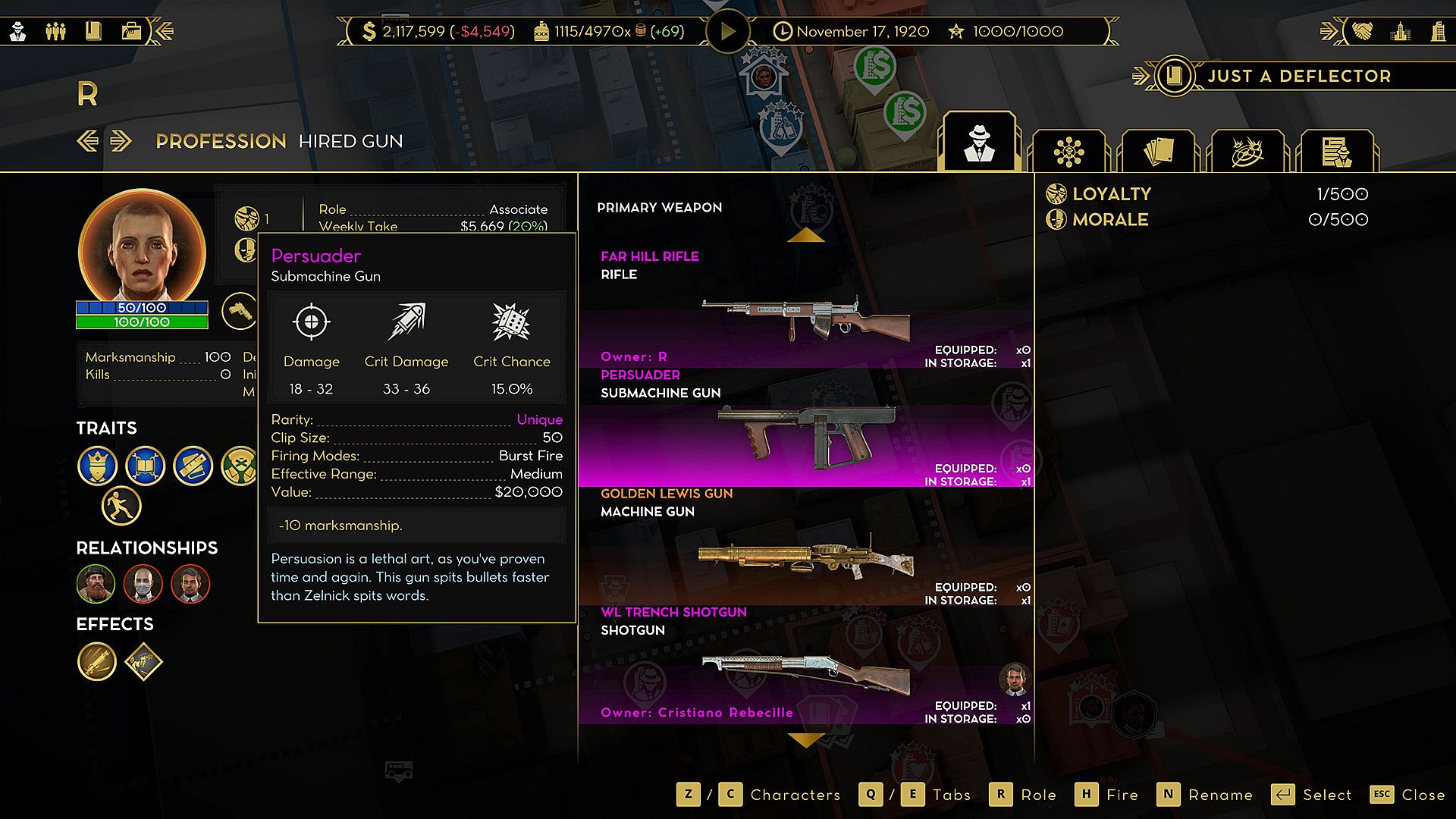
Make It Count introduces Maxim Zelnick as a new playable boss known for his economic focus and combat support abilities. His signature move, Bolster the Ranks, summons additional fighters during battles, while the Persuader serves as his unique boss weapon. The expansion adds the Fixer gangster profession, which specializes in bribery to avoid certain fights and deploys Caltrops to hinder enemy movement.
New mechanics include the Loan Shark racket, which generates income through lending and triggers related events involving blackmail and debt collection. Twenty additional missions appear, encompassing both gangster-specific stories and general side content, alongside twenty-five new events. Weapon additions feature the MK VI Revolver, Coach Gun, STA 22, Lightning Carbine, RSC M17, and legendary items such as the Golden Gewehr 98. New interiors and improvement buildings expand options for base customization and operations.
Is It Worth Playing?
Empire of Sin delivers a distinctive mix of management and turn-based tactics for players interested in 1920s crime themes and strategic depth. The base game and Make It Count expansion provide substantial content through multiple bosses, rackets, and combat variety, though the experience has faced criticism for technical issues and repetitive elements in longer sessions.
Reception remains mixed, with users noting strong potential in the boss variety and combat systems alongside ongoing concerns about bugs and polish. The game suits those who enjoy deliberate planning and incremental empire growth more than fast-paced action. Availability on PC allows access to the full roster of content, including the expansion features, making it a consideration for strategy fans seeking a niche setting rather than mainstream titles.