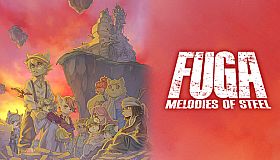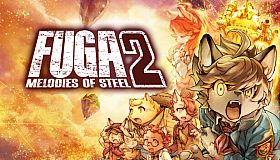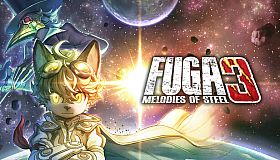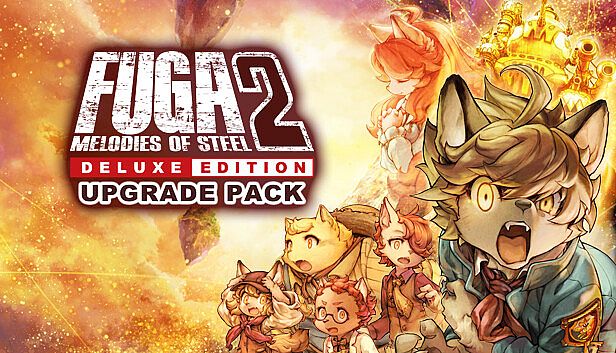















Fuga: Melodies of Steel 2 is a single-player turn-based tactical RPG that combines strategy, role-playing progression, and simulation elements on PC. Players command a group of children operating massive tanks through a sequence of battles and downtime periods, making decisions that affect both combat outcomes and character relationships.
Gameplay
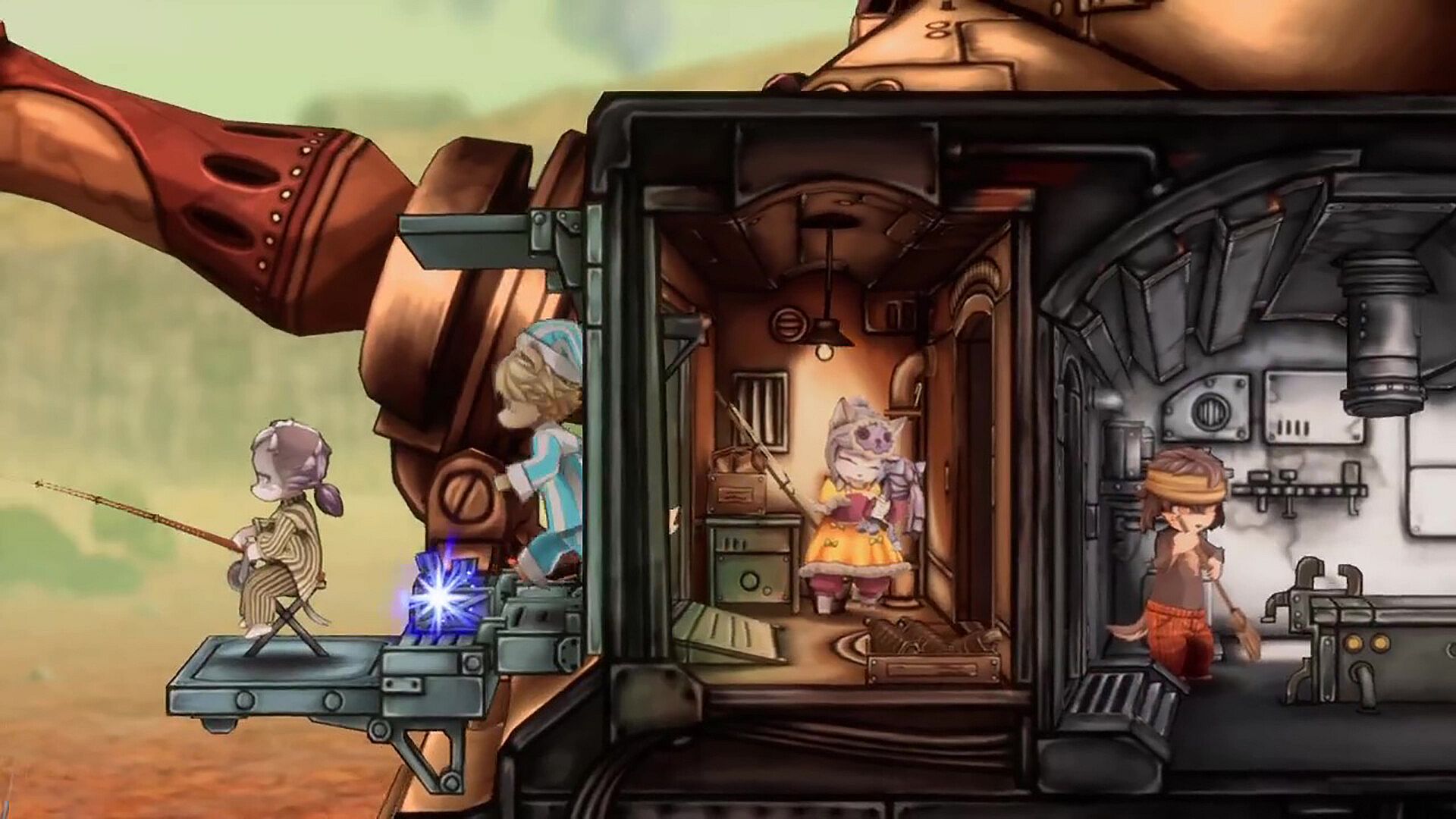
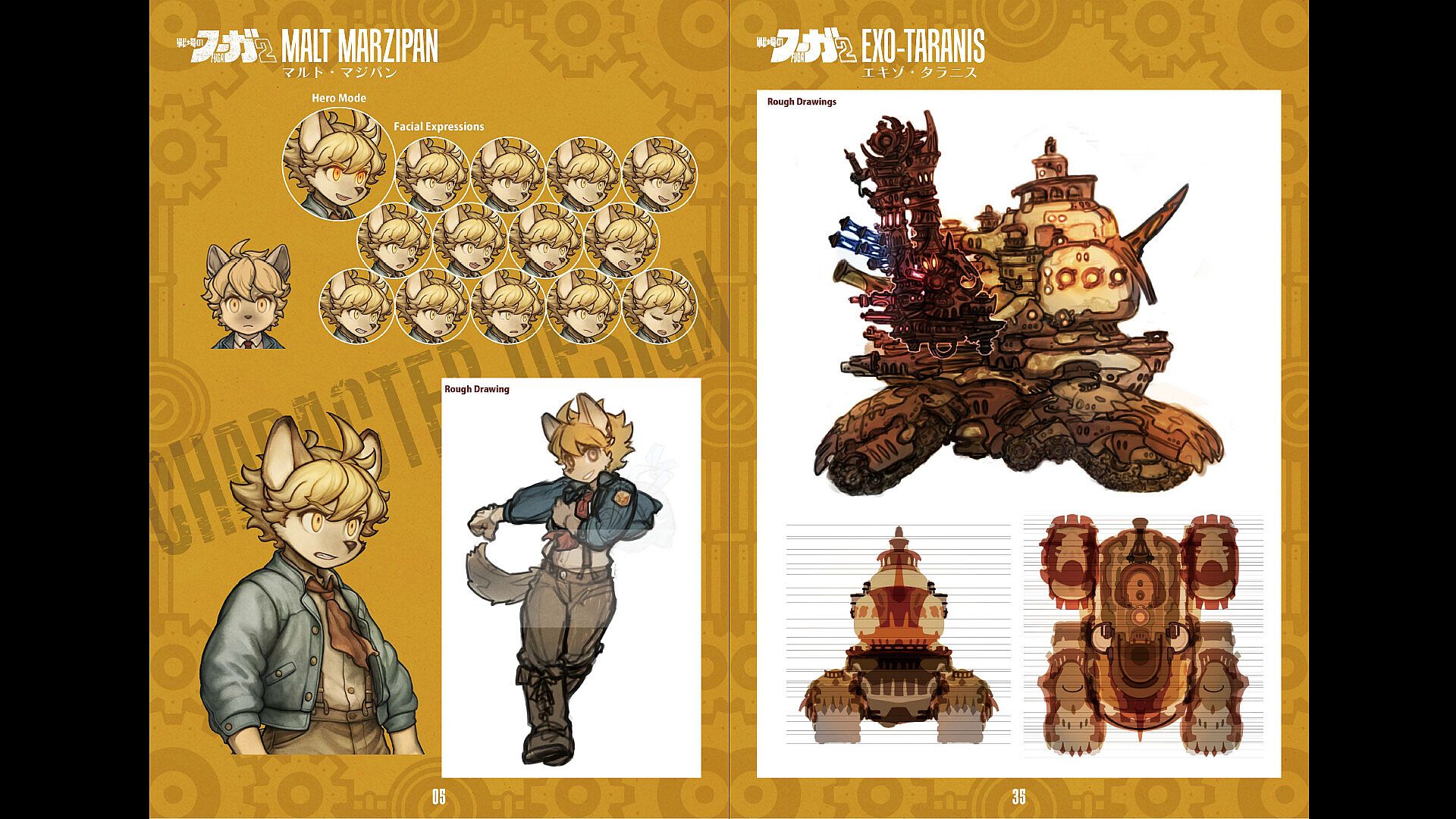
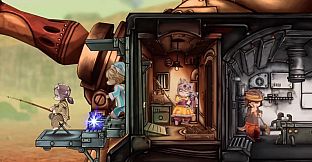
The core loop centers on managing a squad of young characters who pilot the tank known as the Taranis or its counterpart Tarascus. Between combat encounters, intermission phases allow players to interact with teammates, raise affinities through conversations and shared activities, and prepare equipment in a workshop setting. These interactions influence how effectively the children perform when battles begin.
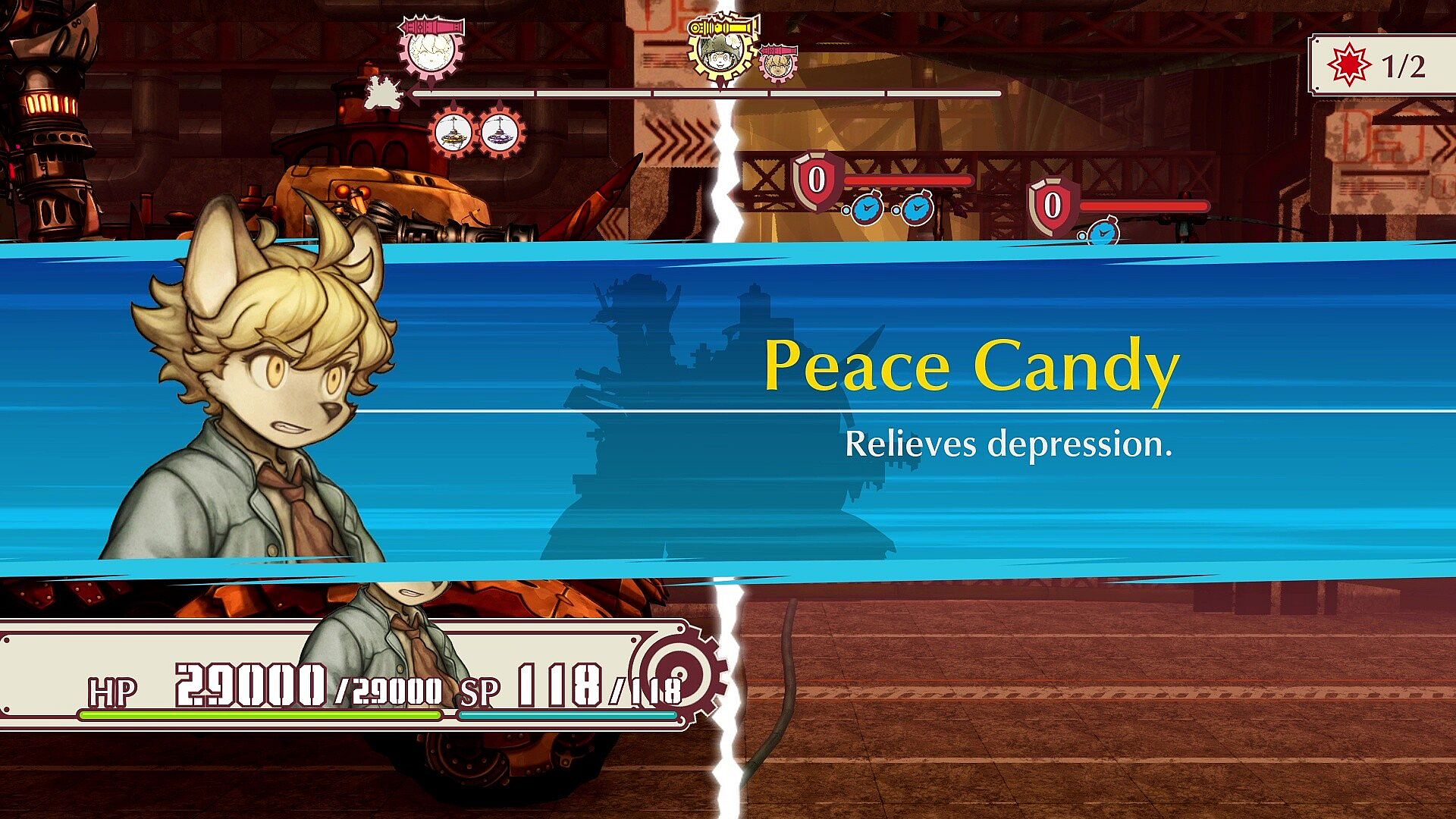
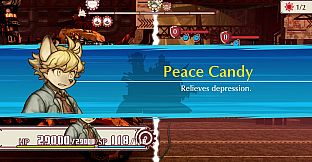
Combat unfolds in a side-scrolling format where children occupy three turrets, each holding two positions. Placement determines which weapon types they wield, and matching attacks to enemy weaknesses delays opponent turns while lowering defensive shields. Players edit formations between turns to optimize damage output and stagger foes. Skills range from group strikes to status ailments, and reaching maximum mood triggers hero mode, granting each child a unique powerful ability that can shift the tide of an encounter.
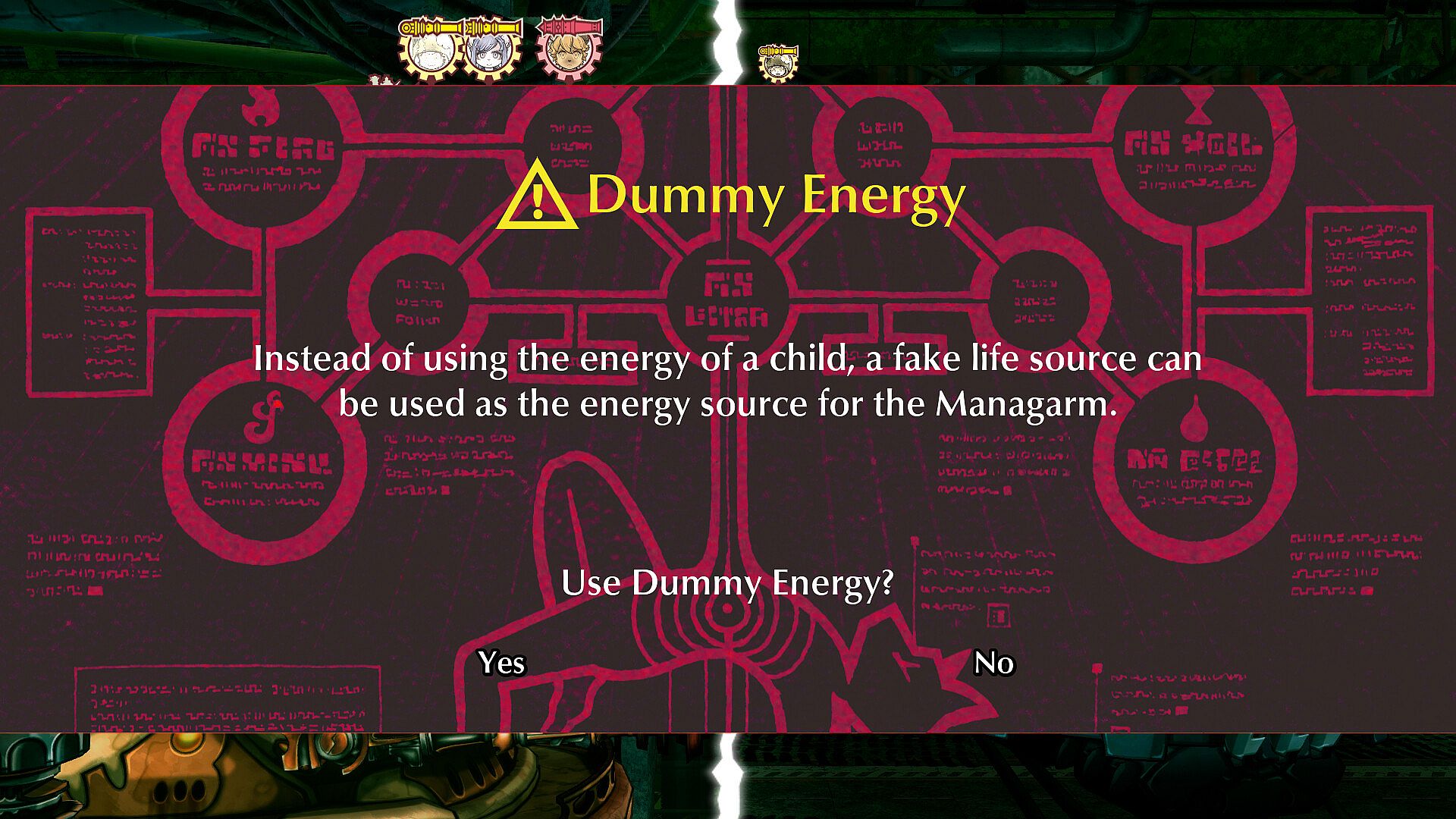
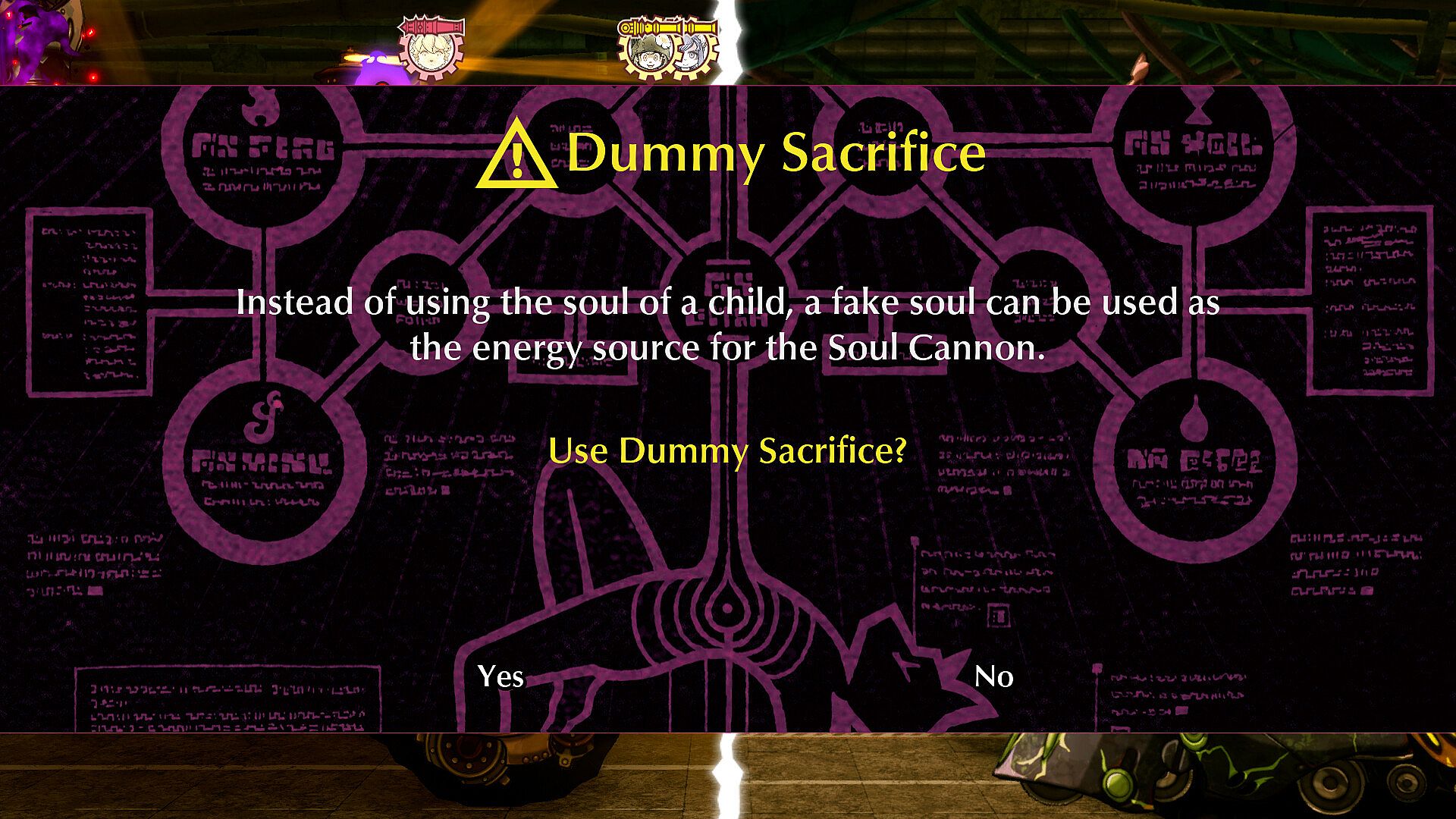
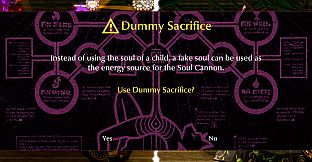
Resource management plays a key role, as certain powerful attacks draw on character life force or require sacrifices. The system rewards careful planning of turn order and positioning over raw power. Simulation aspects appear in the need to balance team morale, upgrade weapons, and handle event choices that present moral or tactical dilemmas during the journey.
Game Modes
The experience runs entirely as a single-player campaign structured around alternating battle sequences and intermission chapters. No separate multiplayer or competitive modes exist. Progression follows a linear story path with optional depth through affinity building and workshop upgrades that carry forward across chapters.
Within battles, the formation and turret system serves as the primary tactical layer, while intermissions function as a preparation and relationship-building phase. Event systems introduce branching choices that alter immediate outcomes or longer-term character states without creating distinct game modes.
Story and Characters
Set one year after the events of the previous title, the narrative follows the children as they investigate the recovered Taranis in a new capital. A sudden malfunction leads to some members being taken aboard the rampaging tank, prompting the survivors to pursue in the former enemy vehicle Tarascus. The plot explores themes of fate, sacrifice, and hidden world secrets through the perspective of these young protagonists.
Character development occurs mainly via intermission interactions that raise affinities and unlock deeper story moments. Each child brings distinct skills and weapon proficiencies that factor into battle strategy and hero mode activations.
Is It Worth Playing?
This tactical RPG suits players who enjoy deliberate turn-based combat, formation management, and character affinity systems in a single-player package. The battle mechanics emphasize positioning and weakness exploitation, while intermissions add layers of preparation and narrative investment.
Reception highlights its solid execution as an iterative sequel that refines the original formula with expanded strategy options and event choices. The game remains available as a complete experience with no ongoing seasonal content or live-service elements required. Those seeking a focused campaign with meaningful tactical decisions and emotional character moments will find the structure rewarding, particularly if they value planning over fast-paced action.
- Strategic turret placement and formation swaps define combat success.
- Affinity building during intermissions directly impacts battle performance.
- Hero mode skills provide high-impact moments tied to team mood.