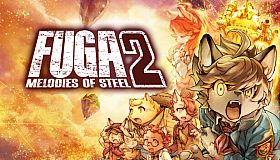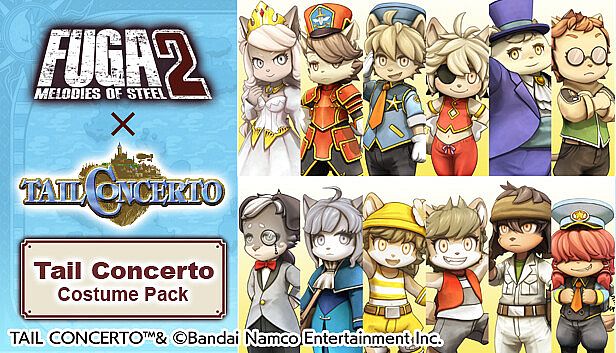














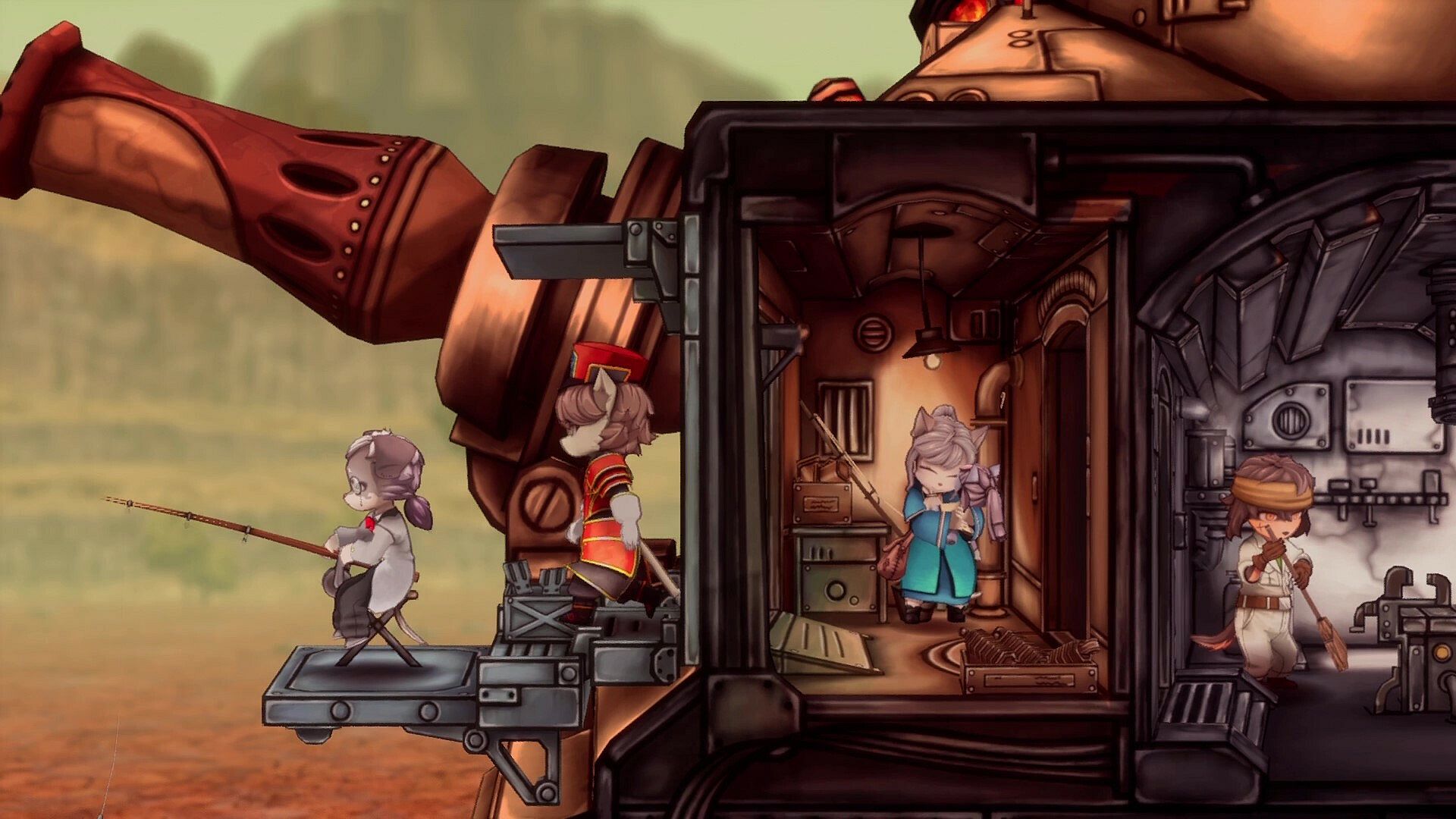
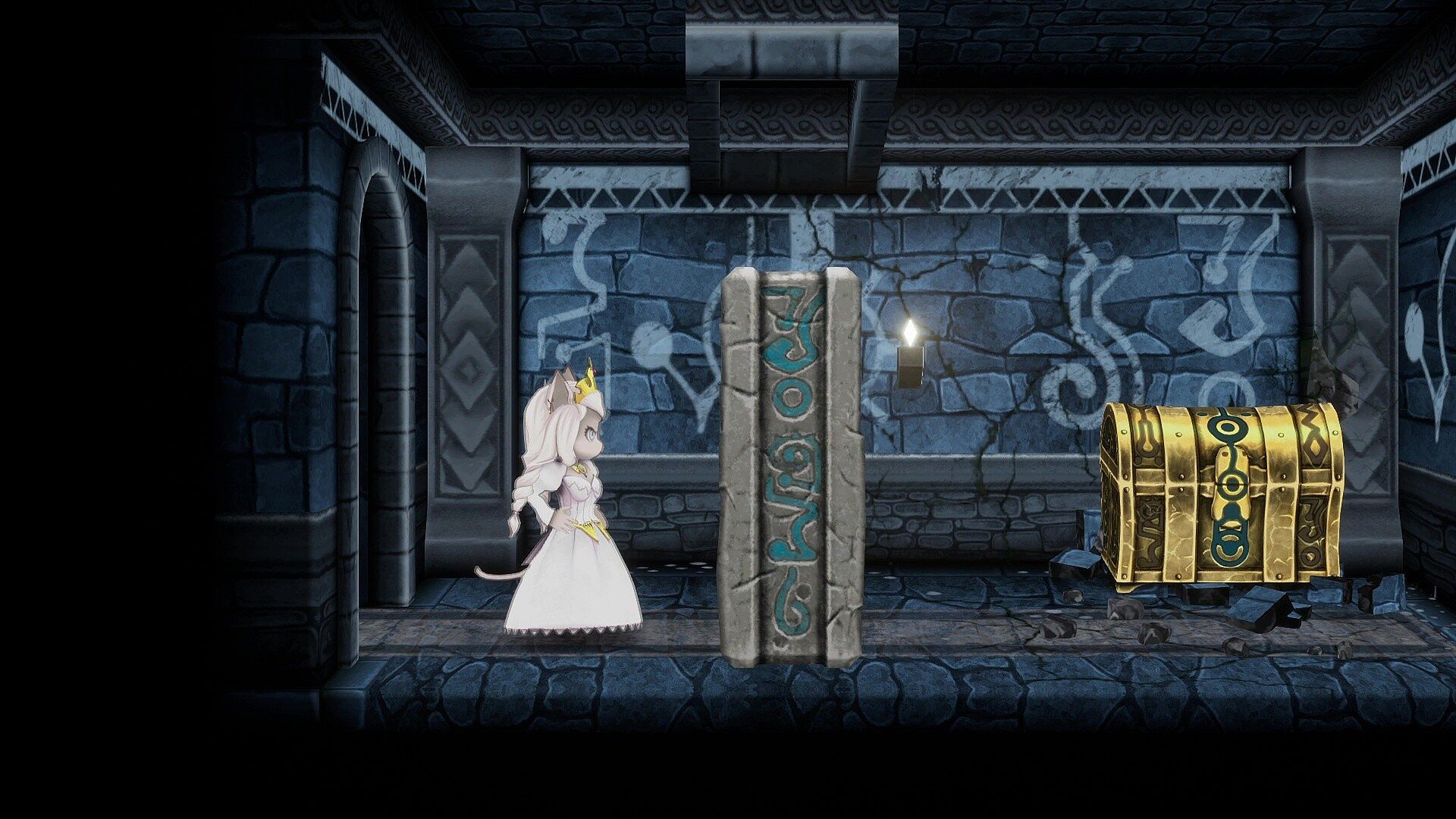
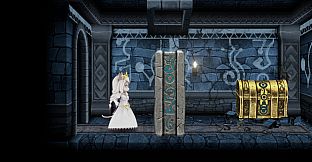
Fuga: Melodies of Steel 2 is a turn-based strategy RPG that places players in command of a squad of children operating a powerful tank called the Taranis. The game blends tactical combat with simulation elements during downtime periods, where players manage upgrades and relationships among the twelve young characters. Set in a world recovering from conflict, it emphasizes careful planning in battles alongside narrative decisions that shape outcomes.
Gameplay
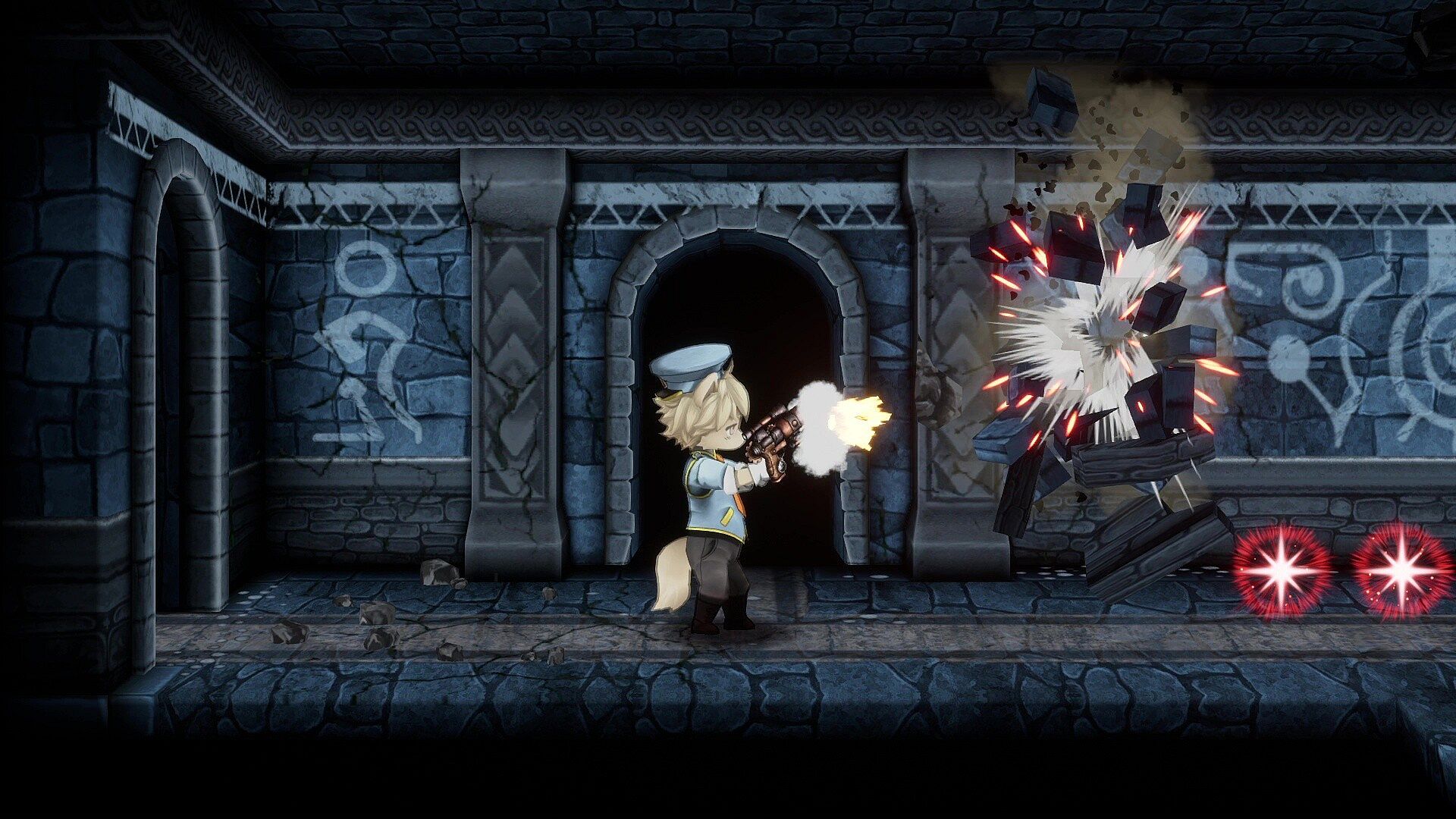
Combat unfolds in side-scrolling encounters where enemies arrive in waves. Each child occupies one of three turrets on the tank, with two seats per turret, and they take turns using assigned weapons. The three weapon types include cannons for heavy damage, machine guns for rapid fire, and grenades for area effects. Success depends on matching attack colors to stagger foes and reducing their numbered defenses through targeted skills and link attacks.
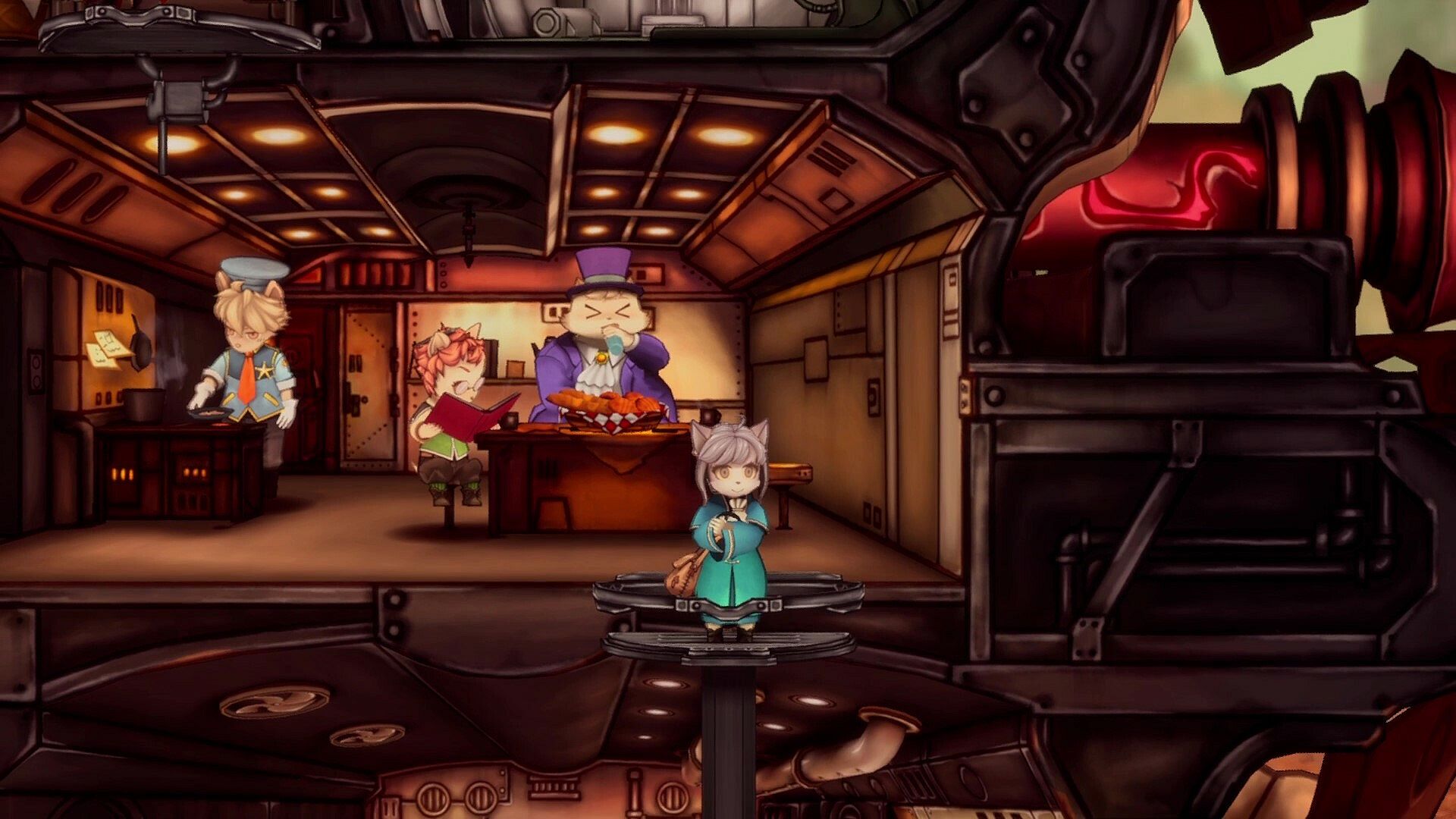
Outside of fights, intermission segments allow time to upgrade tank components, prepare meals that provide bonuses, and strengthen bonds between characters to enhance combined abilities. Affinity levels directly influence link attack power during subsequent battles. A reworked Soul Cannon and the addition of Managarm provide new tactical options, while an airship support system opens further choices on branching battlefield paths.
Choices during events raise a Judgment Gauge that tracks progress toward Empathy or Resolution alignments. These decisions alter how later scenes unfold without requiring separate playthroughs for every branch.
Game Modes
The core experience centers on a single-player story campaign divided into chapters. Players advance through linear routes punctuated by battles and intermission phases, with opportunities for airship exploration that adds variety to movement between locations. Multiple endings emerge based on accumulated choices and relationships.
Fast Mode serves as an optional toggle that accelerates battle animations and skips non-essential sequences. This adjustment keeps the focus on story progression while preserving the underlying strategy in combat. Expedition segments appear as part of the structure, offering additional contexts where character customization applies during travel and preparation.
Character Development and Systems
Each of the twelve children brings unique skills tied to their weapon assignments. Pairing them effectively in turrets maximizes damage output and defensive coverage. Relationship building through dialogue and shared activities raises link attack strength, creating a feedback loop between simulation management and tactical performance.
Weapon upgrades and feast preparations provide tangible combat advantages that scale with progress. The system rewards experimentation with different turret configurations and skill combinations across repeated encounters.
Is It Worth Playing?
Player feedback on the PC version shows very positive reception, with 96 percent approval from hundreds of reviews. The refined battle system and expanded event choices deliver deeper strategy compared to the original while retaining the same accessible structure. Updates have added quality-of-life features such as Fast Mode to support varied play styles.
This title suits those who enjoy turn-based tactical RPGs with strong character focus and meaningful decisions. It offers a complete single-player campaign without reliance on multiplayer elements, making it a solid choice for dedicated sessions focused on story and combat planning. Those seeking iterative improvements in a familiar formula will find the refinements worthwhile.