











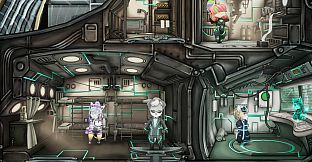
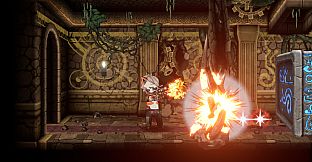
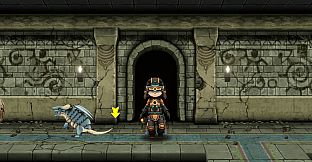
Fuga: Melodies of Steel 3 is a singleplayer strategy RPG simulation that places players in command of twelve children operating the massive tank Taranis through a war-torn world. The experience blends turn-based tactical combat with resource management and relationship building during downtime segments. Released in 2025 as the conclusion to its trilogy, the game emphasizes careful planning over direct confrontation, with every decision affecting both survival and the bonds between characters.
Gameplay
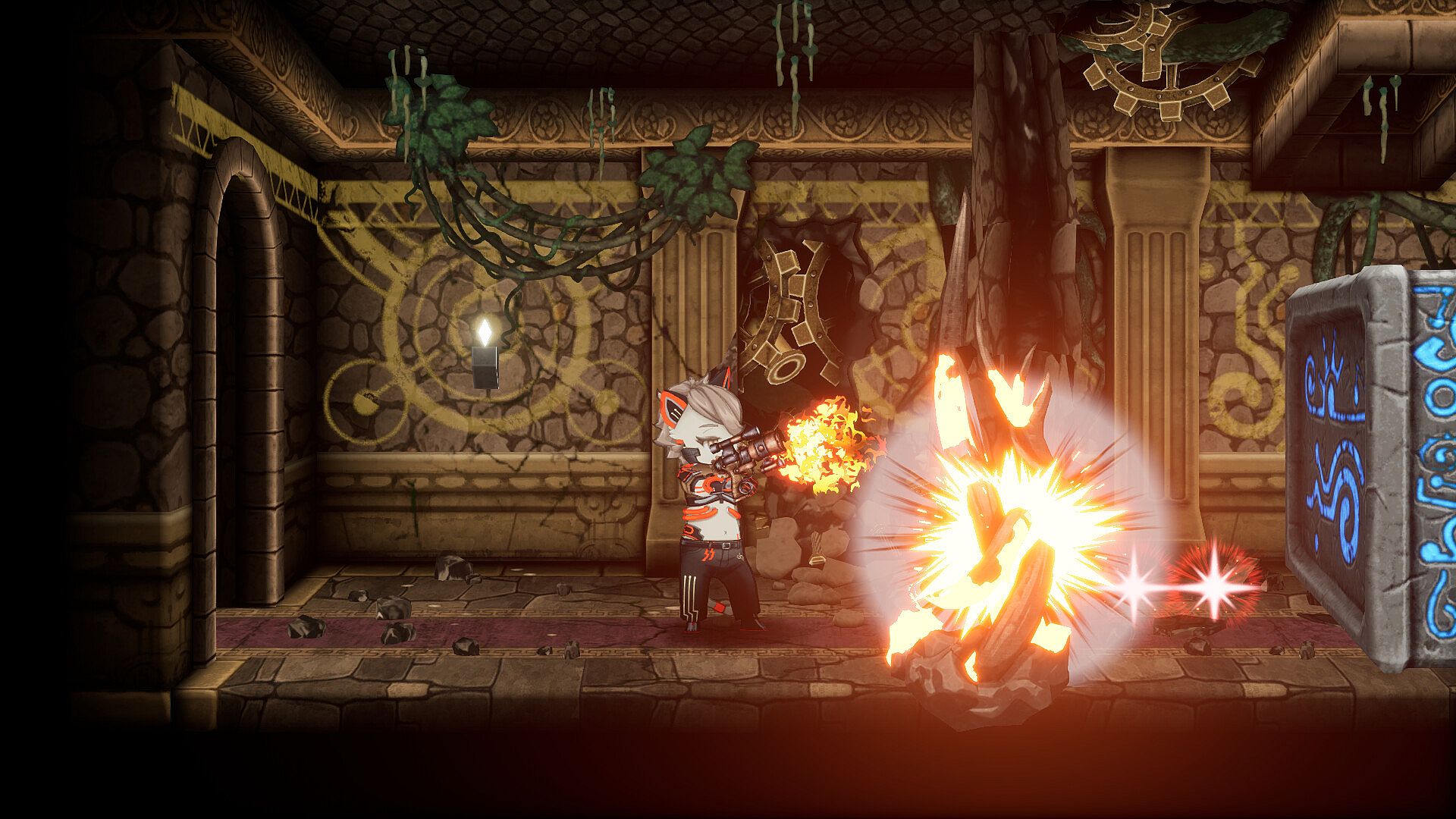
Core gameplay revolves around guiding the Taranis across a chapter-based roadmap where players select routes that balance risk and reward. Combat occurs in waves against enemy forces, using three turrets each manned by paired children. Attacks exploit color-coded weaknesses to stagger foes and reduce their defenses, building combo gauges that amplify follow-up skills. New systems include weakness chaining for escalating damage and assist attacks drawn from supporting characters encountered along the way.
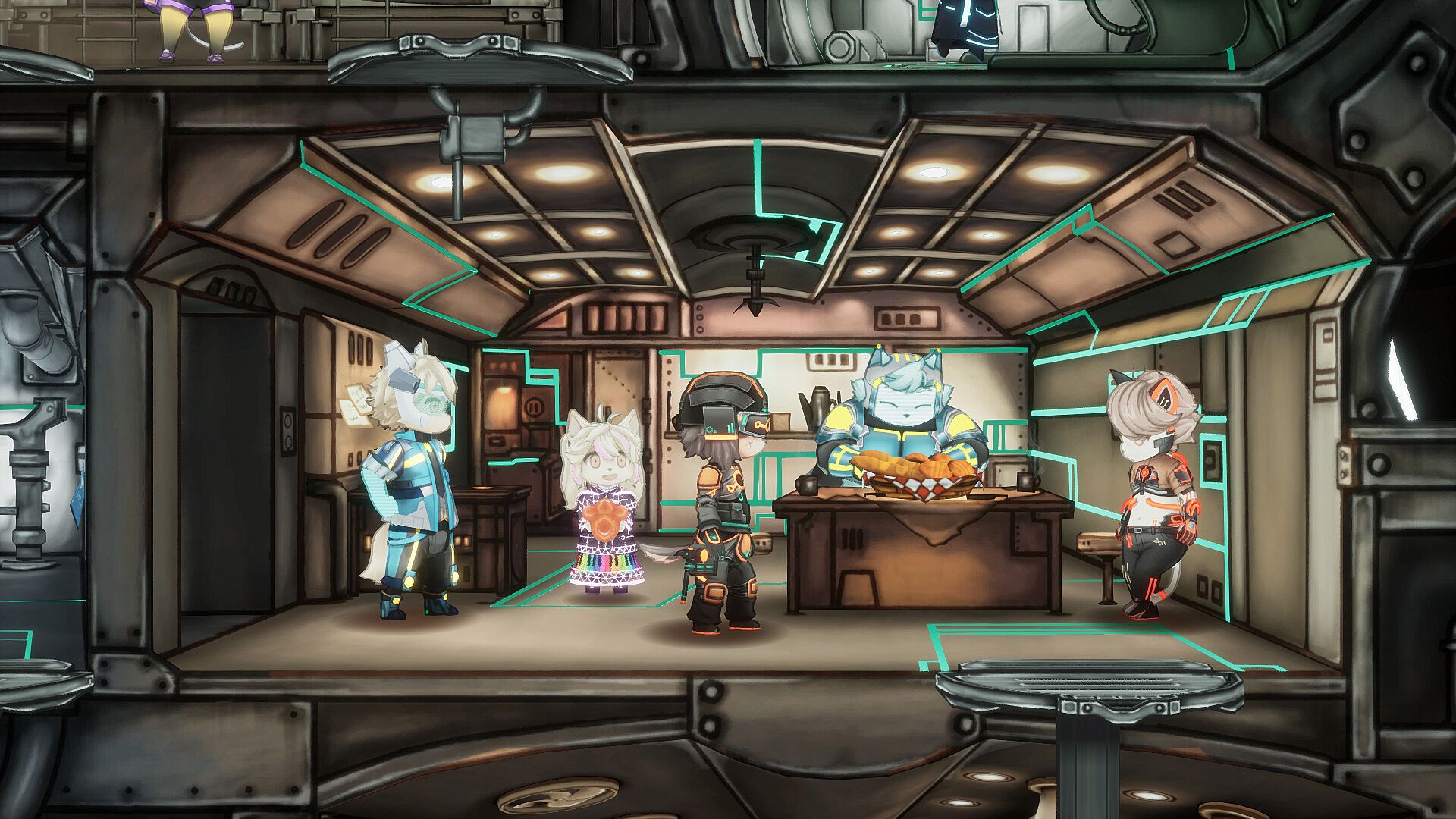
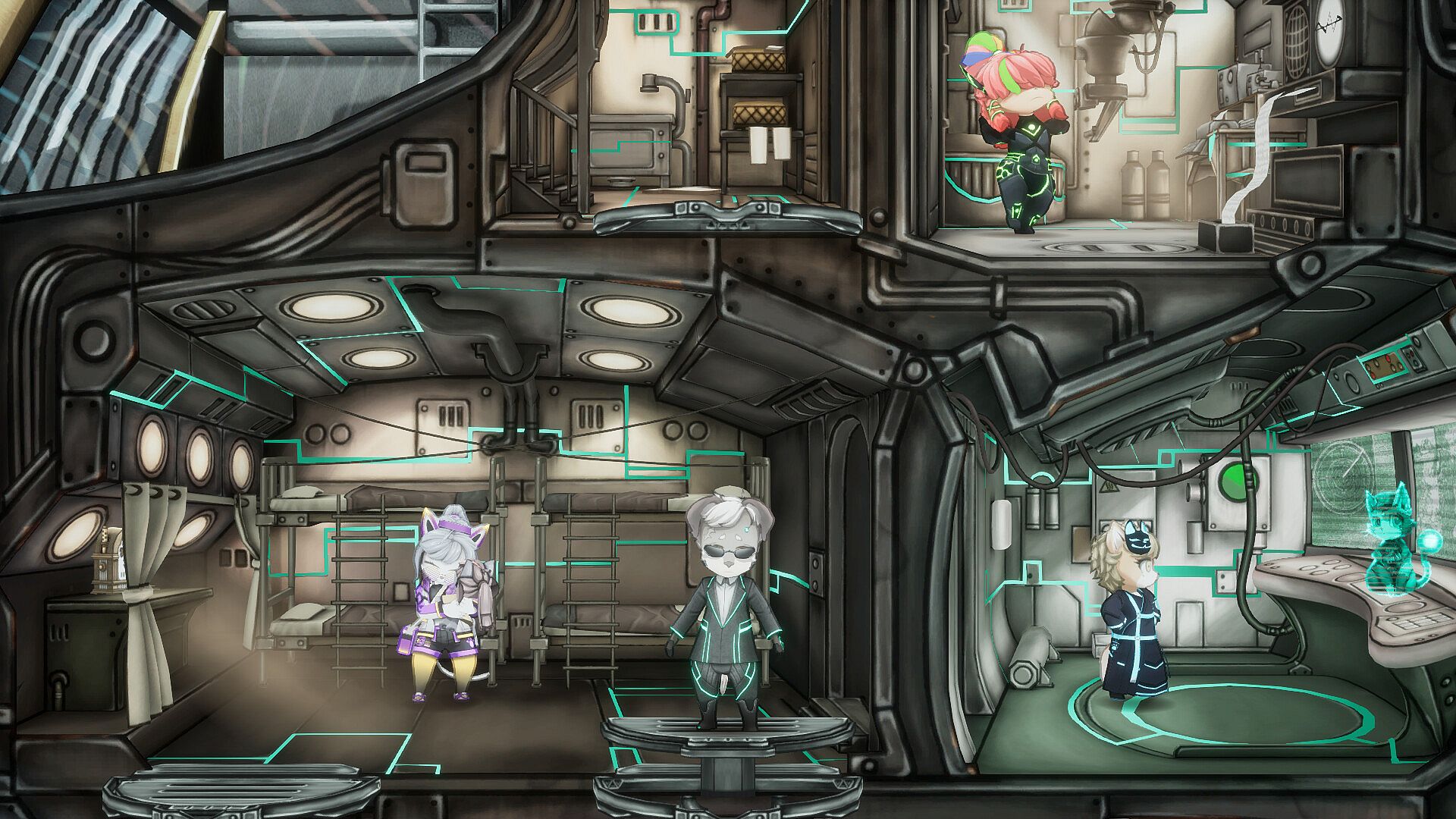
Between battles, intermission phases expand on previous entries with deeper customization options. Players allocate time to strengthen relationships, which unlock linked attacks, farm resources, cook meals for team buffs, and upgrade the Taranis through the Omega Terminal. Additional features such as Power Spots and Assist Transmissions provide further strategic layers, while the Akasha Panel allows timeline navigation to alter outcomes. The twelve children each bring unique skills and attributes that influence both combat effectiveness and intermission activities.
A Cyberpunk Costume Pack adds visual variety by equipping the children with cyberpunk attire. These outfits apply during intermission segments and expeditions, accessible through the Costumes section in the options menu. The pack covers all twelve characters and integrates seamlessly without altering core mechanics.
Game Modes
Two primary modes shape the pacing and challenge level. Normal Mode delivers the standard strategic experience with full enemy encounters and detailed combat resolution. Fast Mode serves as an optional alternative that accelerates story progression by skipping routine enemy waves and allowing instant resolution of boss fights via the Reaction Bomb, while still granting experience and items. Players can switch between modes at any time or select Fast Mode from the start of a new file or New Game+ run.
The structure unfolds across twelve chapters, each featuring route selection, event battles, and intermission management. This setup supports both focused story playthroughs and repeated runs that explore different path combinations and relationship outcomes.
Story and Setting
The narrative follows the group of children as they navigate escalating conflicts, uncovering mysteries from prior entries in the series. Expanded scope introduces new events and character interactions that deepen the emotional stakes. Intermission activities like conversations and shared tasks directly influence dialogue and combat synergies, tying personal growth to tactical success.
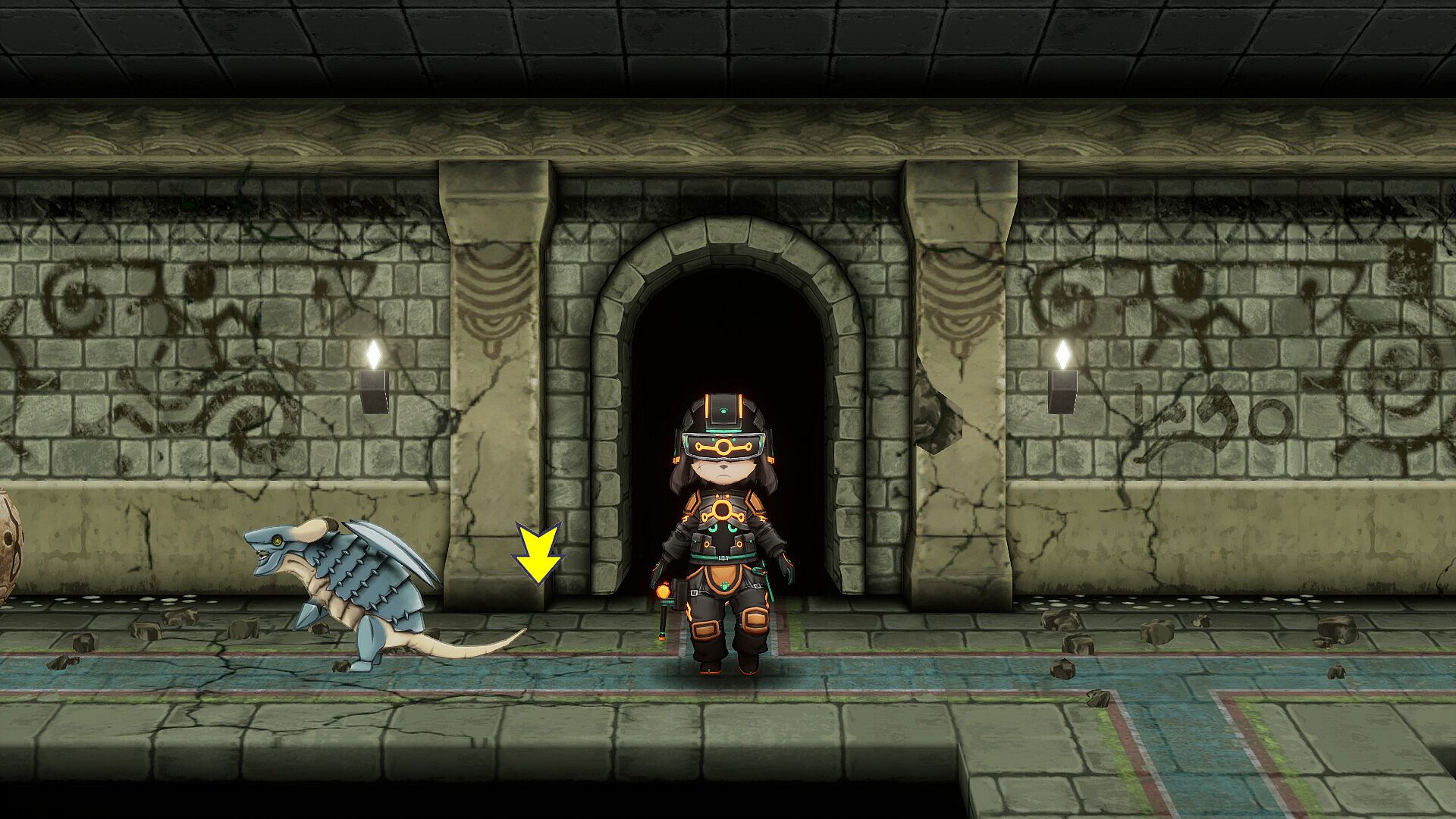
Exploration elements include hidden events triggered through the Akasha Panel and upgrades that reveal the Taranis's latent capabilities. The setting maintains the series' focus on the children's resilience amid larger forces, with choices during travel and downtime shaping both immediate rewards and long-term consequences.
Is It Worth Playing?
Player reception has been strong, with Steam reviews rated Very Positive based on over 200 submissions. Critics have highlighted the tight gameplay loop, satisfying tactical combat, and satisfying conclusion to the trilogy, often assigning scores in the high 80s to low 90s range on aggregate sites. The addition of Fast Mode addresses pacing concerns from earlier titles, while upgraded intermission systems provide more depth for those who enjoy management elements.
This title suits players who appreciate deliberate strategy RPGs with life-simulation components rather than fast-paced action. Those drawn to character-driven stories and incremental upgrades will find the twelve-chapter structure rewarding, especially on repeated playthroughs that test different route and pairing strategies. The Cyberpunk Costume Pack offers a light customization option for visual refresh without impacting balance.
Support continues through the Season Pass structure, ensuring the base experience remains complete while allowing optional additions. Overall, the game delivers a focused singleplayer campaign that rewards thoughtful play and emotional investment in its cast.