











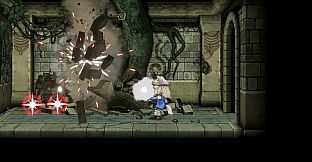
Fuga: Melodies of Steel 3 is a strategy RPG with simulation elements set on PC. Players guide a group of twelve children aboard the tank Taranis through a longer campaign divided into twelve chapters. The core loop combines route selection across maps, turn-based battles, and downtime management segments known as intermissions.
Gameplay
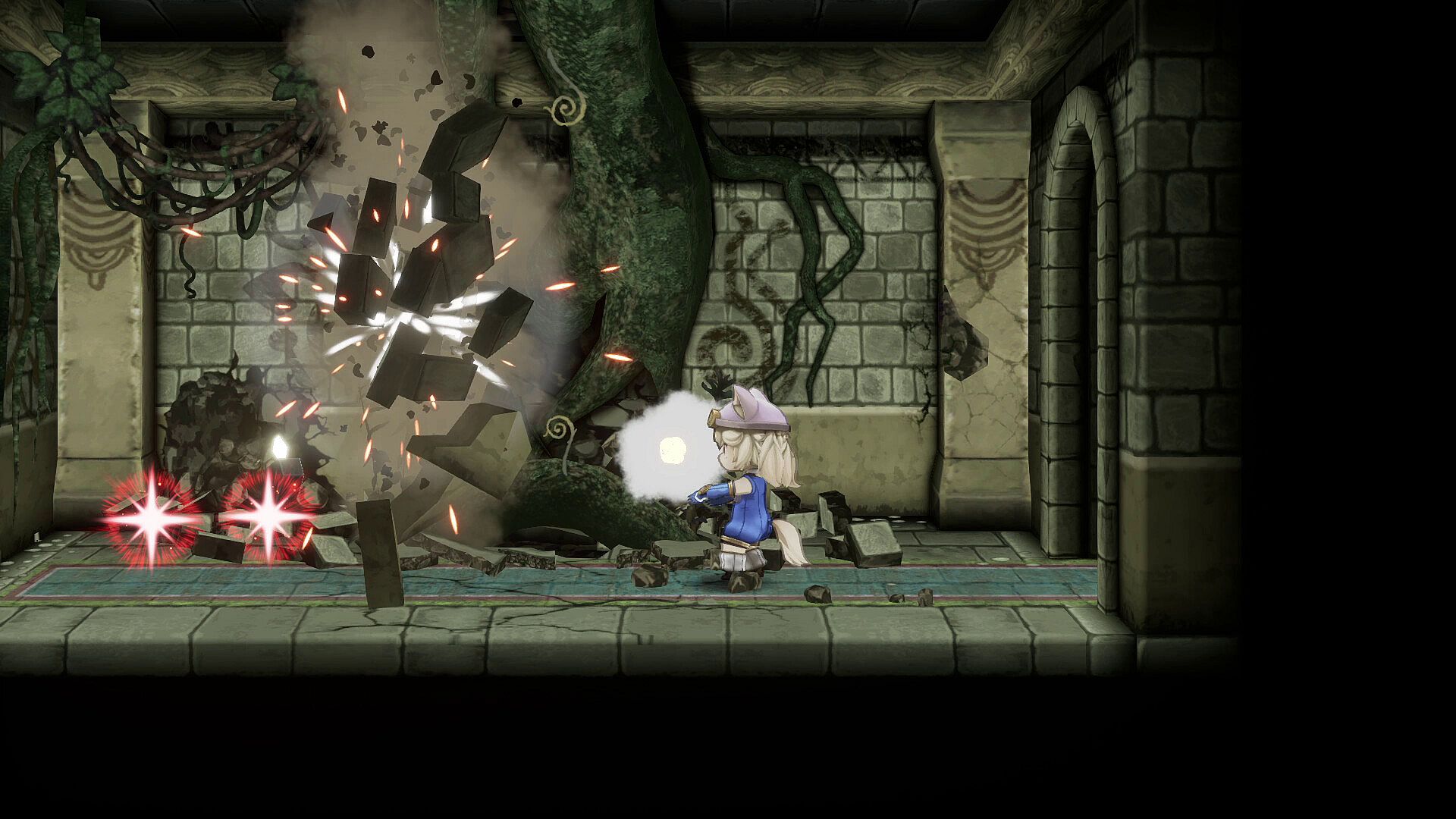
Combat takes place in side-scrolling encounters where the children occupy three turrets with two seats each. Pairing characters unlocks link attacks, while targeting enemy weaknesses builds a combo gauge that powers up skills. Assist attacks from supporting characters add another layer to the system. The Taranis itself receives upgrades through an Omega Terminal and new skills that become available during intermissions.
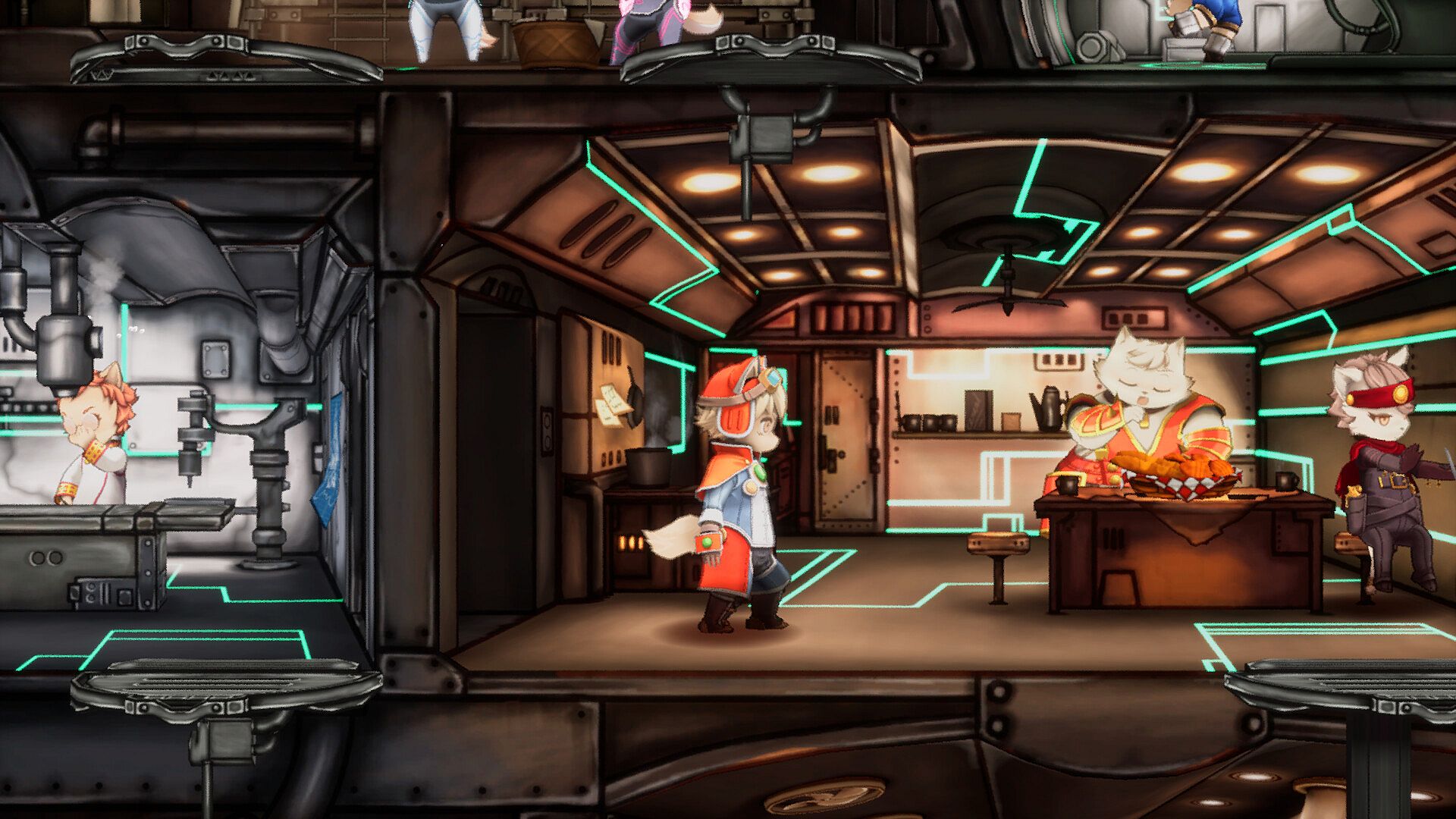
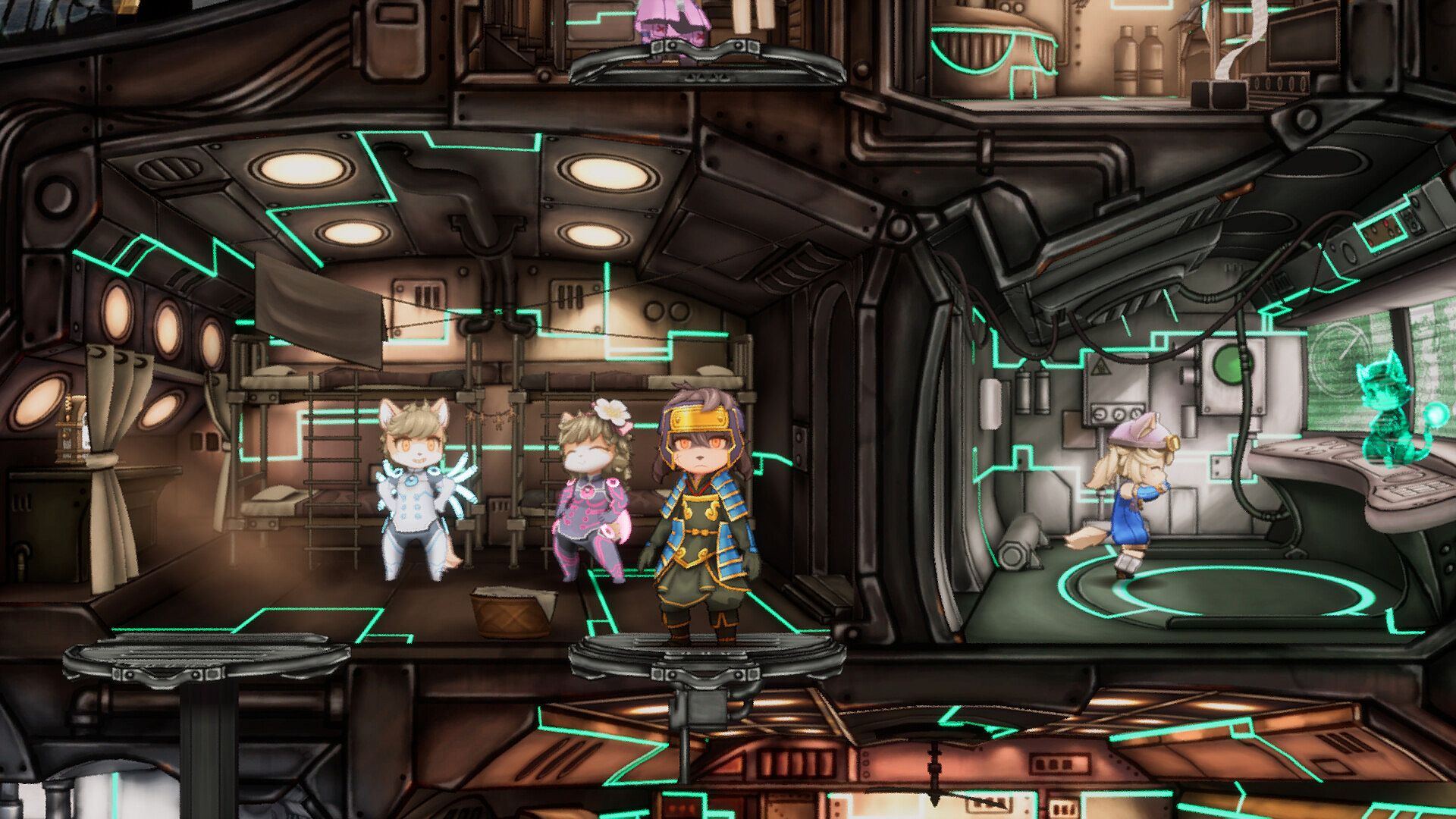
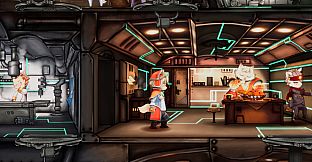
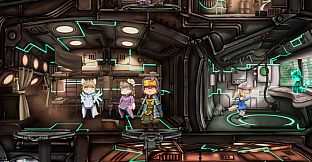
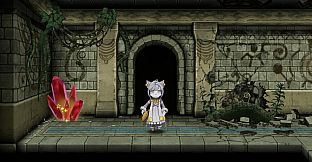
Between battles, intermission segments let players assign tasks such as farming virtual currency, cooking meals for team buffs, and improving relationships among the children. Stronger bonds unlock additional attacks. Route choices on the map present risk-versus-reward decisions that affect available resources and events. New features include Power Spots for hidden abilities, Assist Transmissions for interacting with allies, and the Akasha Panel for timeline navigation that can alter outcomes.
Game Modes
Two primary difficulty options shape the experience. Normal Mode delivers the full strategic depth with standard enemy encounters and boss fights. Fast Mode, introduced in this entry, skips regular battles while still granting experience and items, and it resolves bosses instantly through the Reaction Bomb mechanic. Players can switch between the modes at any time.
Story progression remains central regardless of mode. The campaign unfolds across twelve chapters with branching paths, occasional dungeons, and event battles that emphasize preparation through intermission activities.
Key Mechanics and Progression
Each child brings unique skills and attributes that influence turret placement and attack effectiveness. Weakness combos encourage careful observation of enemy defenses and timing. The Soul Cannon serves as a high-stakes option that can end any battle at the cost of a child's life force. Intermissions also feature a Jukebox for changing background music and an upgraded system for evolving the Taranis toward its strongest form.
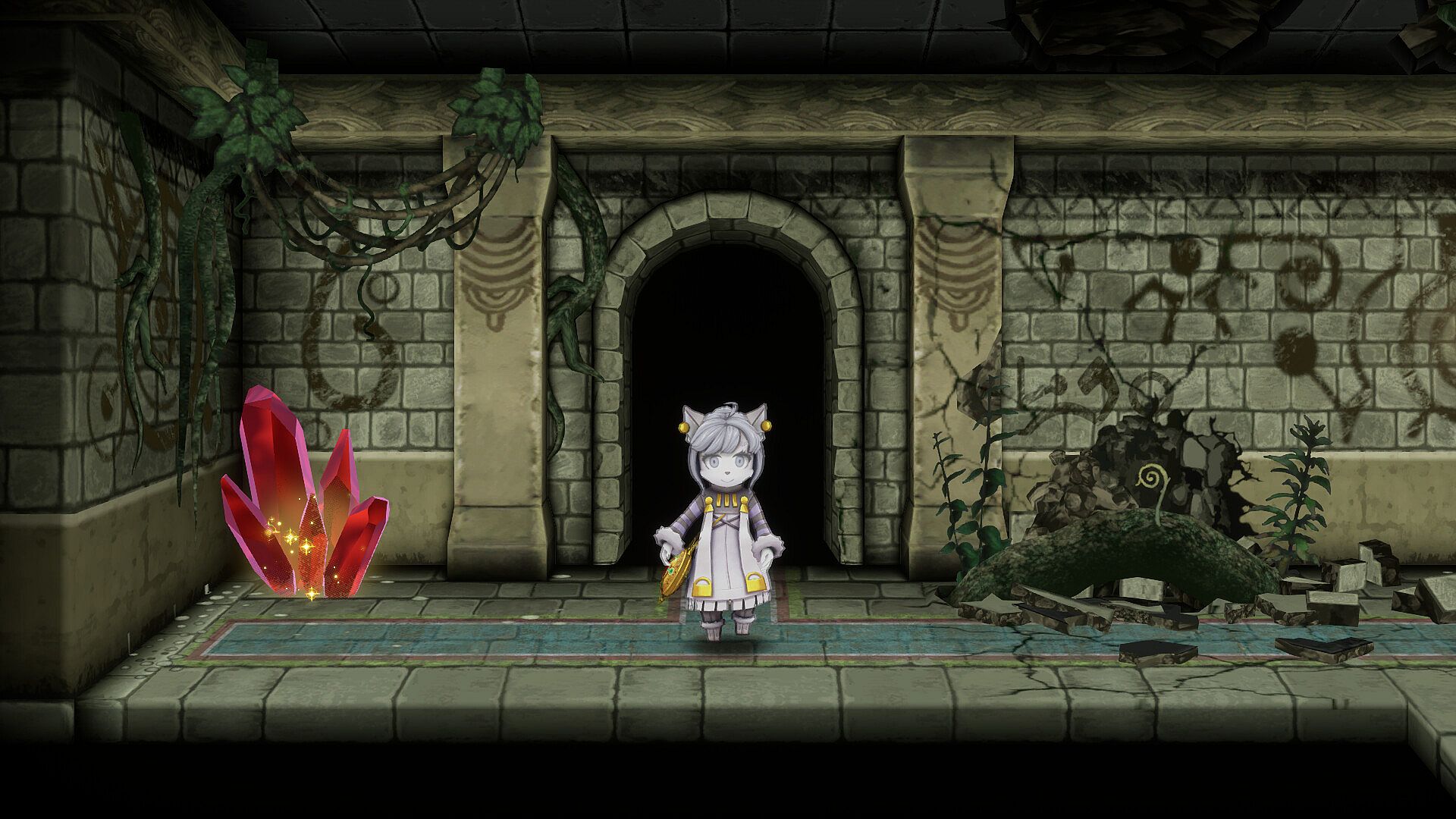
Exploration elements tie directly into combat readiness. Mining currency during intermissions funds items and upgrades, while relationship building and resource management determine how effectively the team handles later chapters.
Is It Worth Playing?
Fuga: Melodies of Steel 3 expands on the established formula with a longer story, new combat options like weakness combos and assist attacks, and the addition of Fast Mode for quicker sessions. The mix of turn-based strategy, tank upgrades, and life-simulation elements during intermissions appeals to players who enjoy managing a team both in and out of battle. Those seeking deeper customization of the Taranis and meaningful choices in route progression will find the systems rewarding. The game maintains consistent support through post-launch content and remains available on PC for those interested in the series' blend of genres.