











Fuga: Melodies of Steel 3 is a strategy RPG with simulation elements set on PC. Players guide a group of children operating the Taranis tank through a narrative-driven campaign divided into twelve chapters. The experience centers on balancing route choices, combat encounters, and resource management during intermission periods between battles.
Gameplay
The core loop involves navigating a strategic map in each chapter where players select paths that present varying levels of risk and reward. These choices influence the types of enemies encountered and the resources gained. Battles unfold in a turn-based system where children are positioned in three turrets on the Taranis, with two seats per turret. Pairing characters enables link moves, while new mechanics allow chaining attacks that target enemy weaknesses to build a combo gauge and increase damage output.
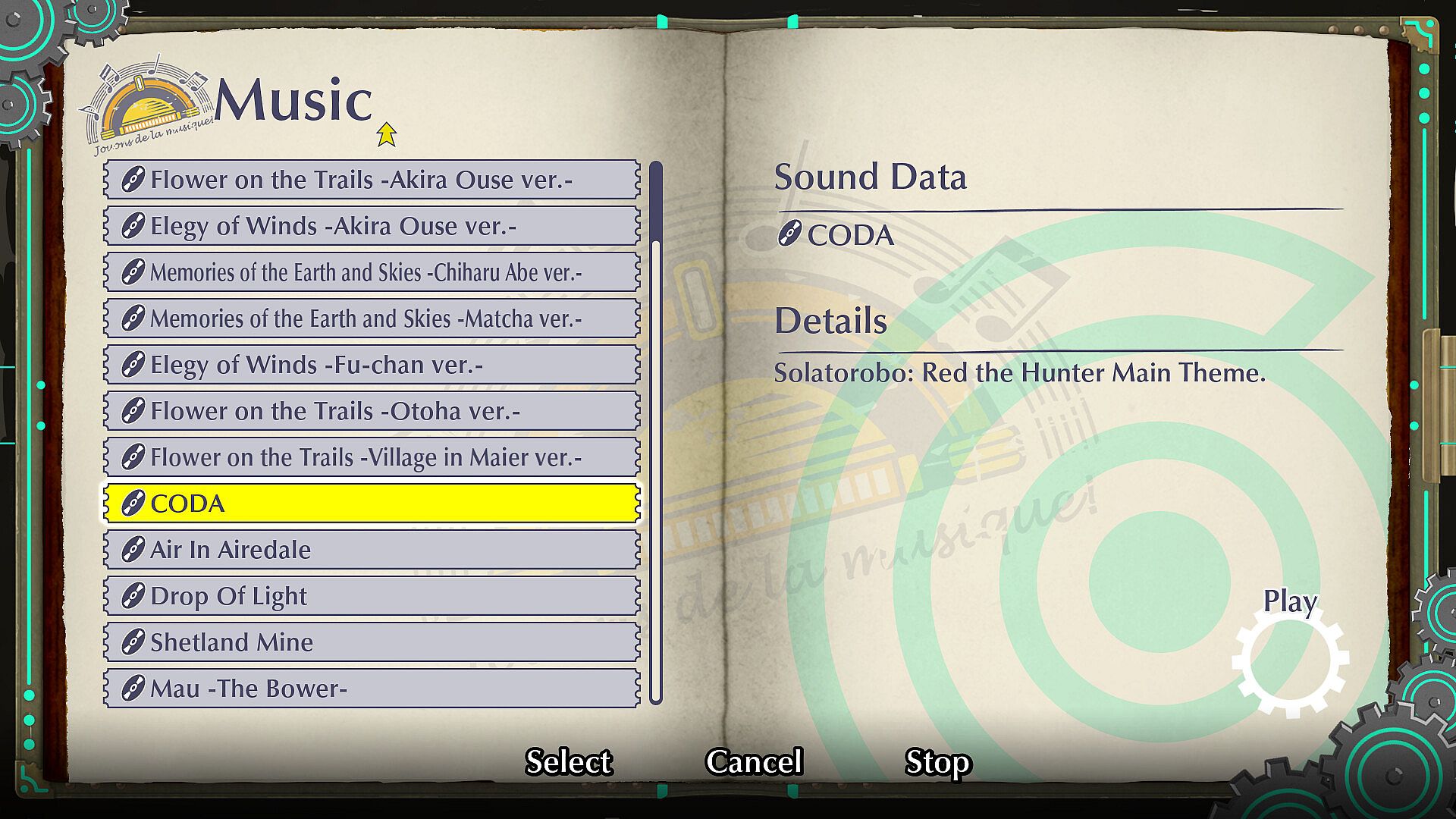
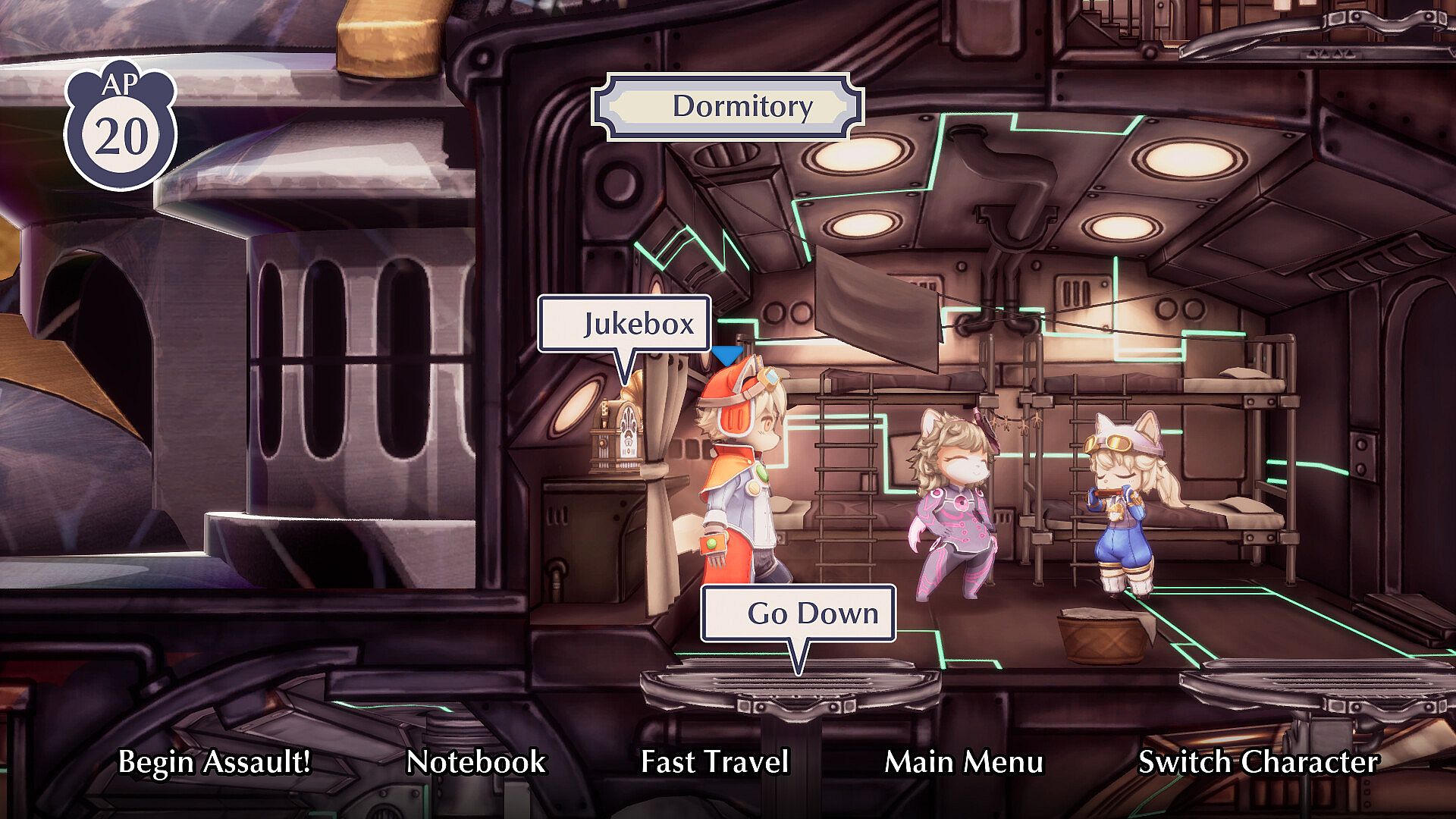
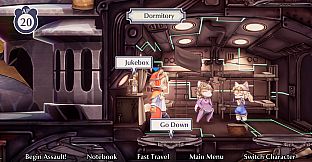
Intermission segments serve as key downtime phases. Here players allocate time to strengthen relationships among the children, upgrade the Taranis through systems like the Omega Terminal, and unlock new skills. Additional features include Power Spots for hidden abilities, Assist Transmissions for interactions with supporting characters, and the Akasha Panel for timeline navigation that can alter events. The Solatorobo: Red the Hunter Sound Pack integrates directly into these intermissions by adding background music tracks that play during these segments, including CODA, Air In Airedale, Drop Of Light, Shetland Mine, and Mau -The Bower-.
Game Modes
Two primary difficulty settings shape the pace of play. Normal Mode requires full engagement with all encounters and boss fights. Fast Mode, introduced in this entry, allows players to skip regular enemy waves while still earning experience and items, and it resolves powerful bosses instantly through the Reaction Bomb mechanic. Both modes support the same story progression and can be switched at any point.
Route selection adds strategic variety within chapters, as different forks lead to distinct battles, rewards, and occasional dungeon sections. The Akasha Panel further expands options by letting players explore timeline branches to influence outcomes.
Story and Progression
The campaign concludes the trilogy with an expanded narrative scope compared to prior entries. Players manage a dozen children whose skills and attributes factor into both combat pairings and intermission activities. Assist characters provide additional depth to battles and upgrades. Progression focuses on evolving the Taranis to its full potential while uncovering secret events through the Akasha Panel.
Is It Worth Playing?
Reviews describe the title as a strong conclusion to the series, with praise for its narrative payoff, refined mechanics, and consistent gameplay loop that rewards careful planning during routes and intermissions. Critics note it builds effectively on established systems while adding quality-of-life options like Fast Mode and the Jukebox for intermission music. The sound pack enhances the intermission experience for players who value atmosphere and series connections. It suits those who enjoy tactical strategy RPGs centered on character management and tank customization rather than fast-paced action. Availability on PC makes it accessible for the target audience of series fans seeking the full trilogy experience.