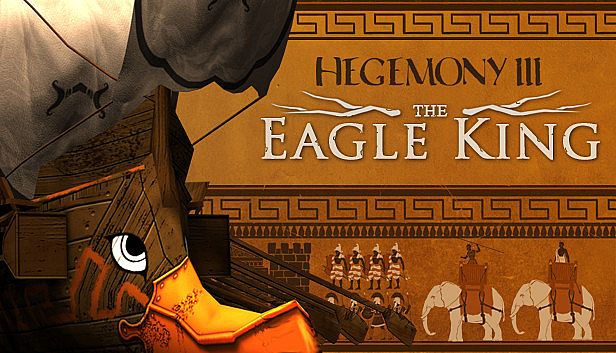














Hegemony III: The Eagle King is a real-time strategy simulation set in ancient Italy during the rise of Rome. Players take command of armies and empires in a detailed historical environment focused on the campaigns of Pyrrhus of Epirus. The title expands the base game with new content centered on Greek forces challenging Roman and Carthaginian power through combined land and naval operations.
Gameplay
The core loop revolves around resource management and army command on a seamless map that supports zooming between strategic oversight and tactical battles. Supply lines connect cities to armies, requiring careful planning to sustain campaigns across expanding territory. Players direct units in real time or with pauses, positioning forces for flanking maneuvers and formations while handling logistics such as food distribution and infrastructure development.
City management involves building structures to boost production and support military efforts. Diplomacy with neighboring groups influences alliances and conflicts, while research unlocks improvements for troops and settlements. The system emphasizes supply chain efficiency, as disconnected armies risk starvation or defeat during prolonged operations.
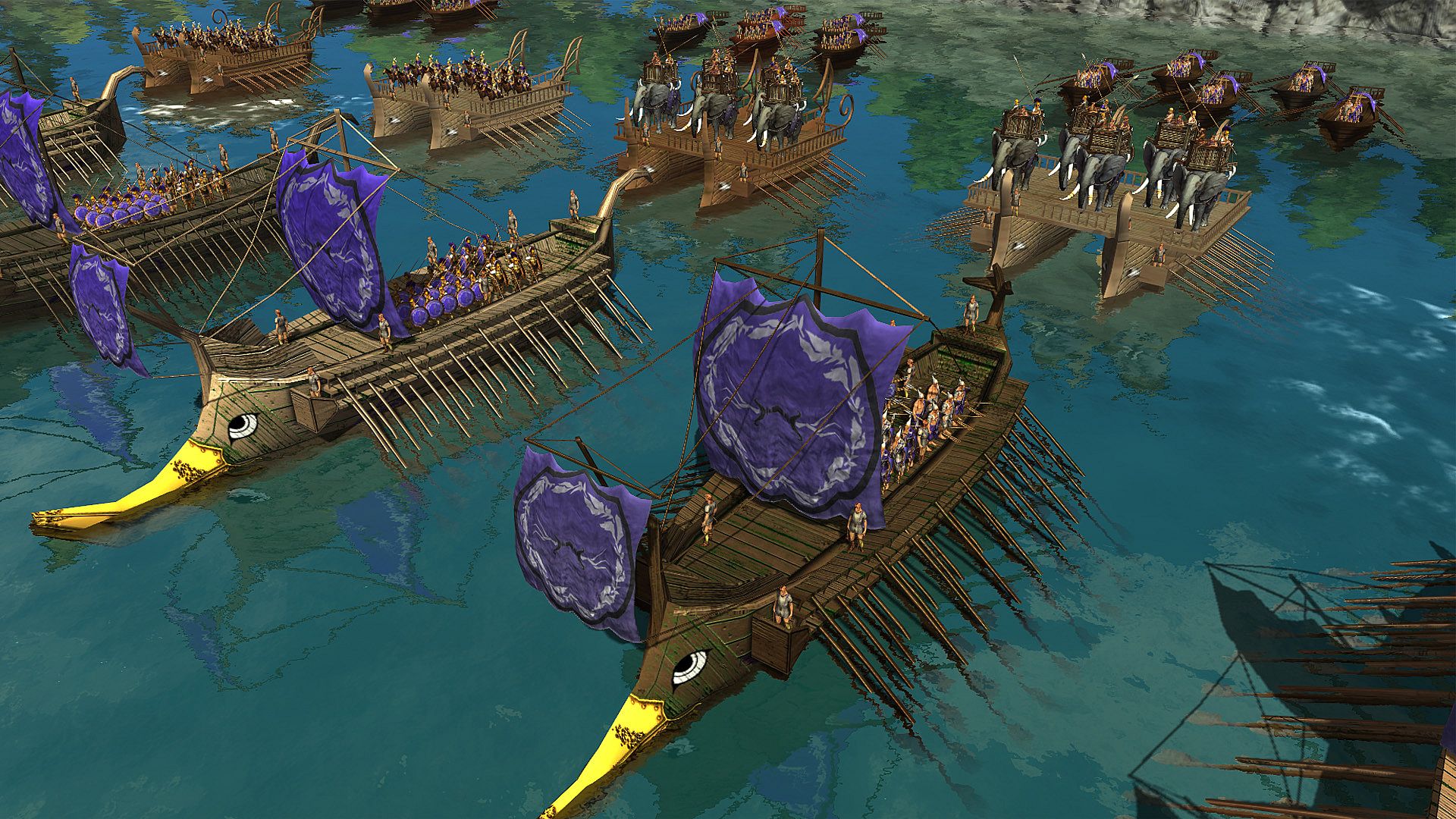
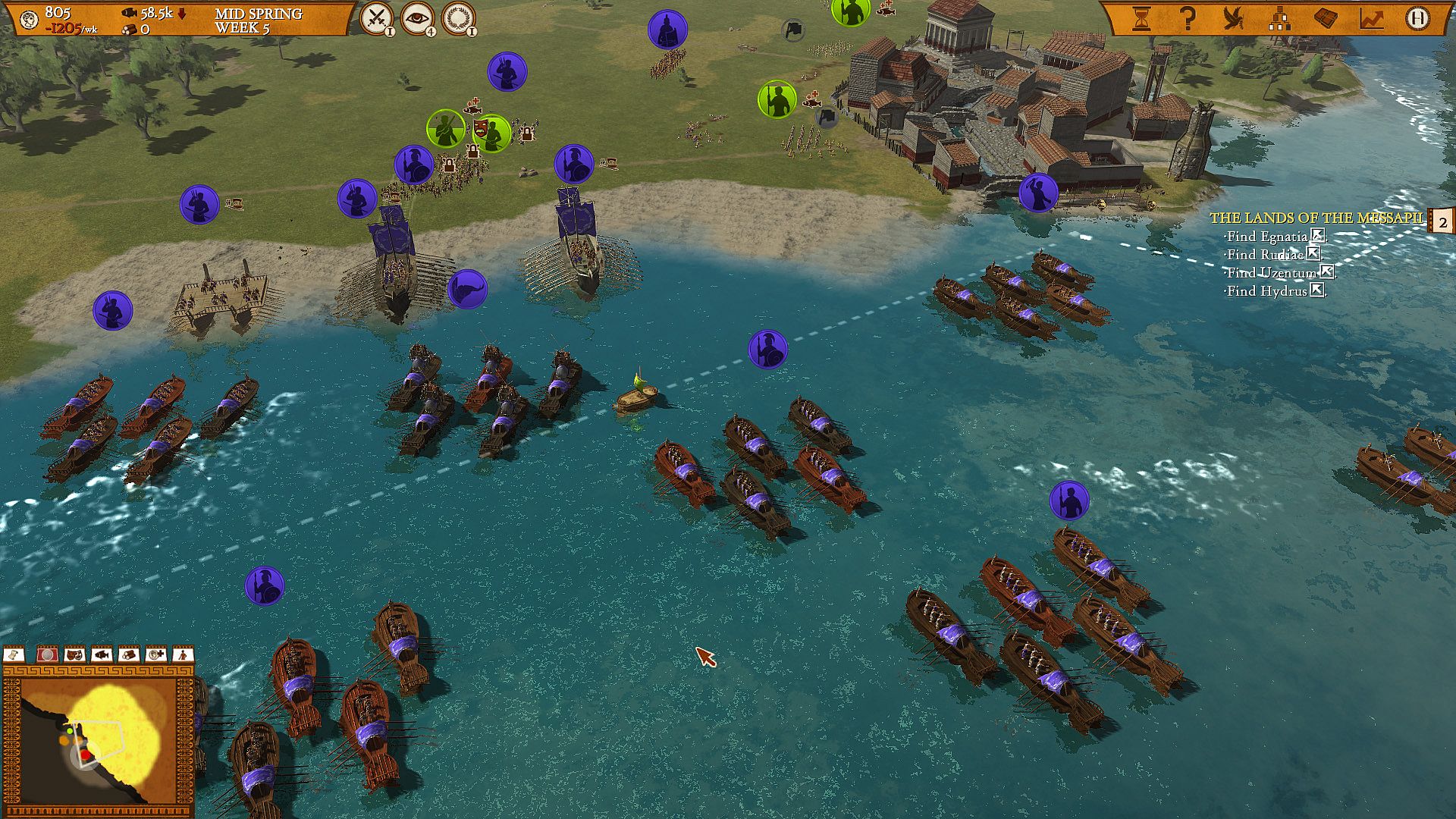
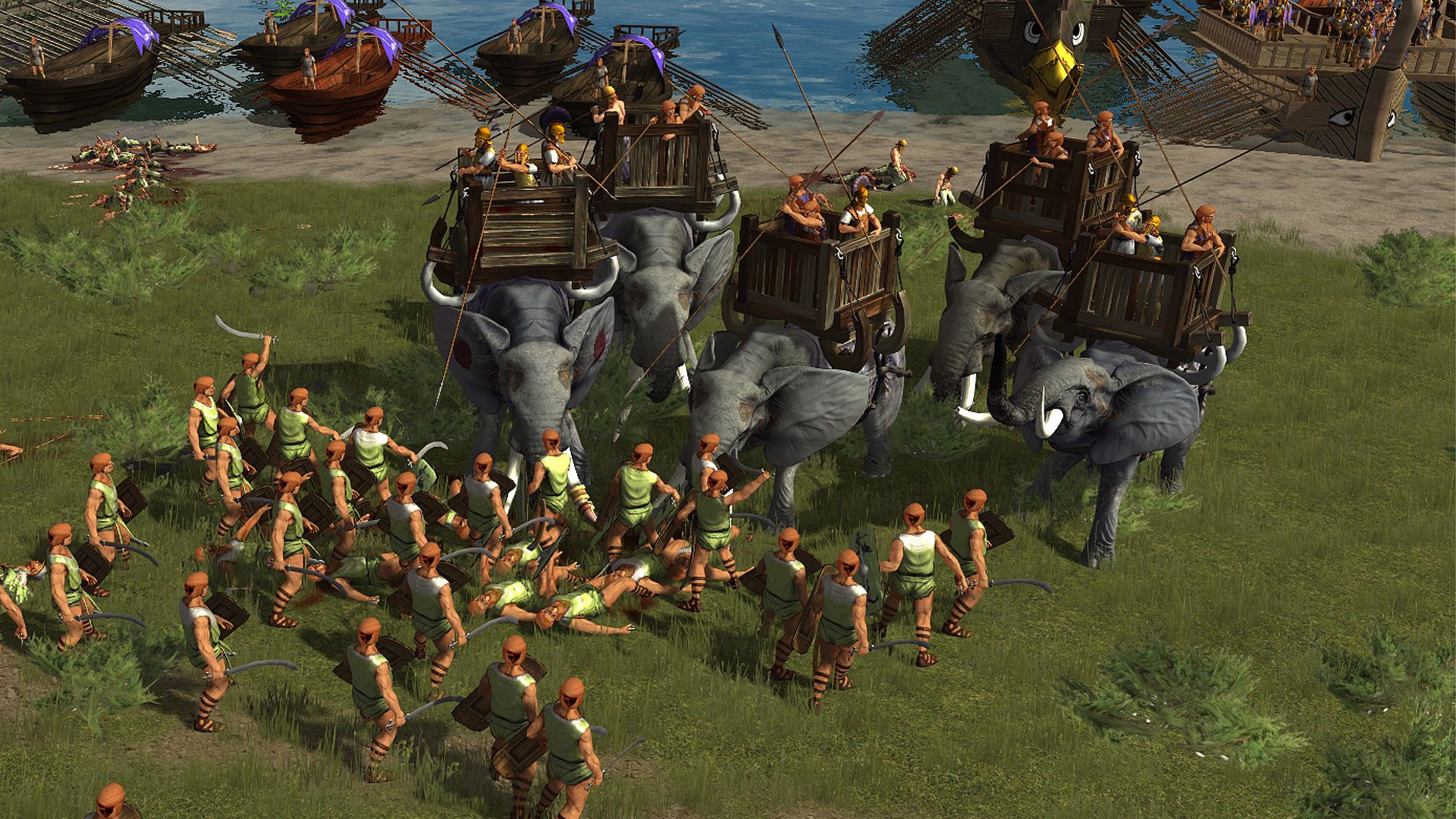
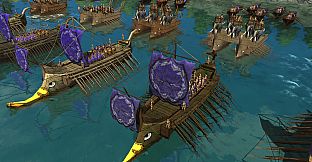
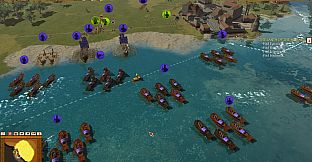
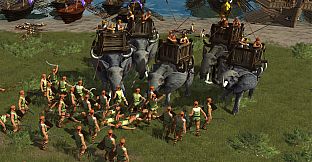
New units introduced in this expansion include war elephants, Macedonian phalangites, and Thessalian cavalry. These add specialized capabilities to Greek-style forces, complementing existing hoplites and legionaries. Naval elements receive expansions with additional ship types and mechanics that integrate sea control into broader conquest strategies.
Game Modes
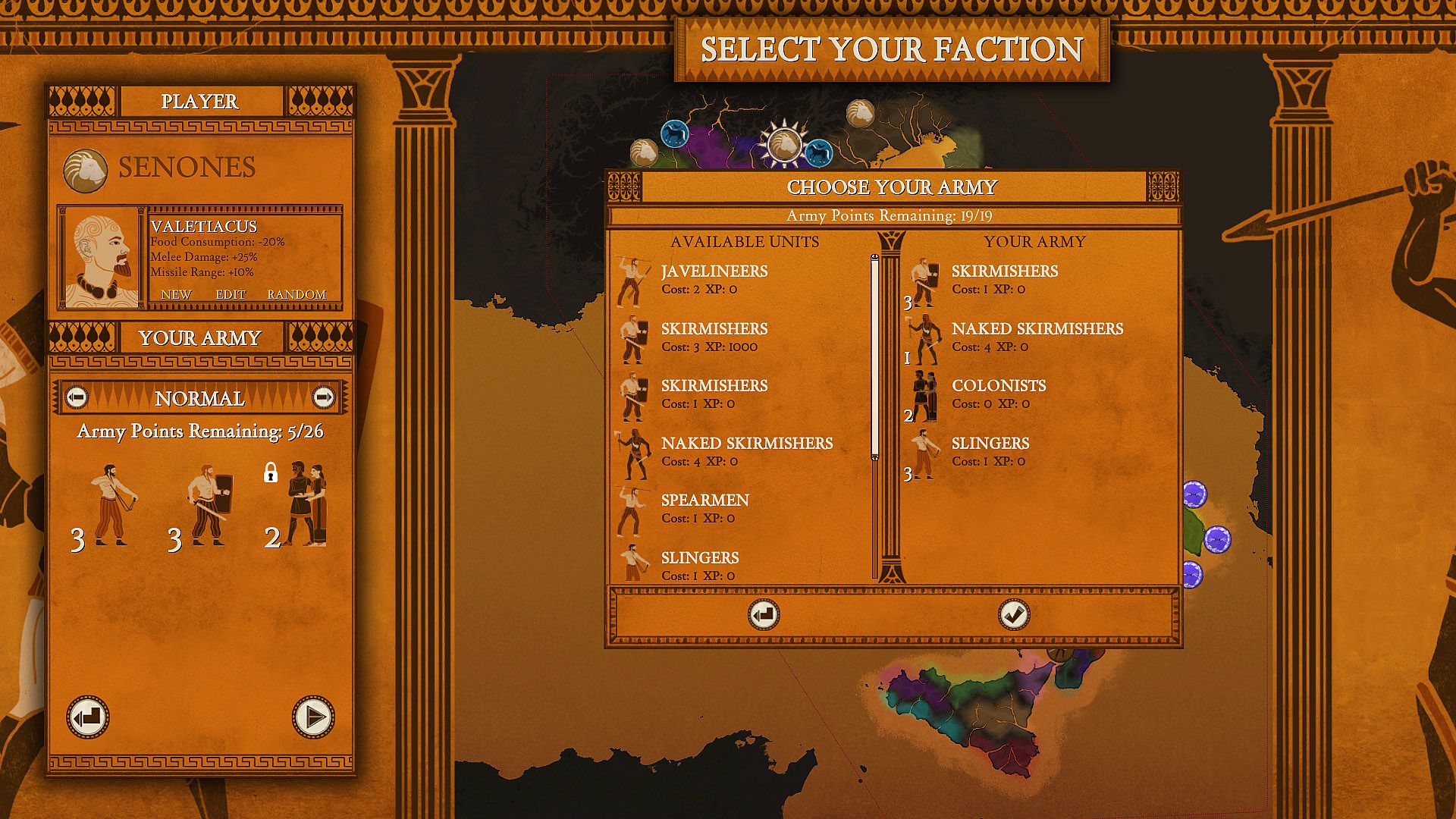
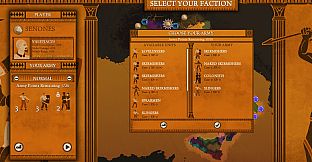
Sandbox mode forms the foundation for open-ended play, where the goal centers on accumulating hegemony points through economic, cultural, and military achievements. The expansion adds an invasion variant that starts players with a customized army but no initial cities, shifting focus to rapid alliances, intimidation of rivals, and territorial gains inspired by historical incursions.
The new historical campaign follows Pyrrhus of Epirus in scripted battles against Rome and Carthage. It features more than two dozen objectives, historical notes, and events that guide progress toward empire-building goals. This structured path contrasts with the freer sandbox by incorporating specific narrative beats and challenges.
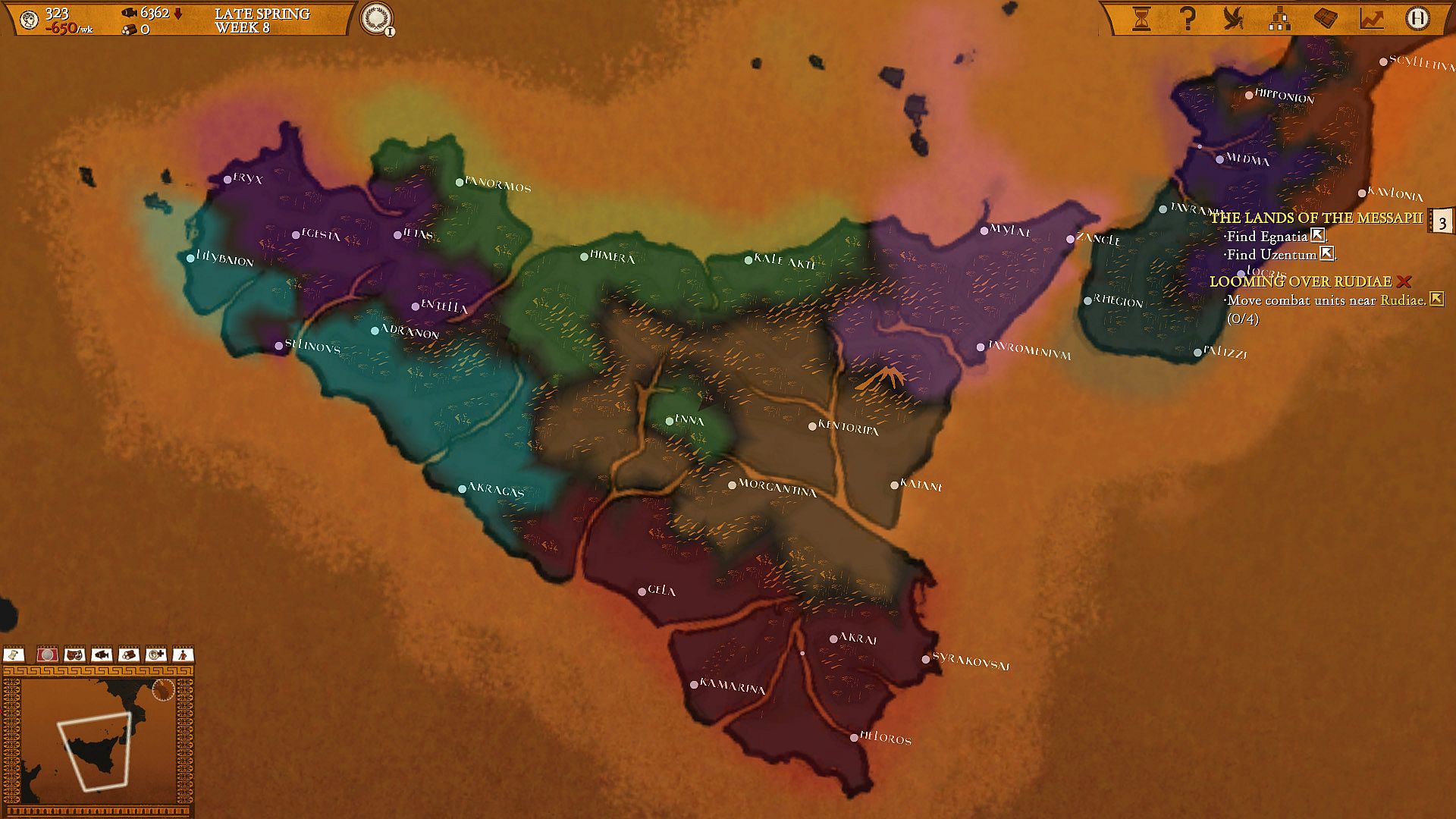
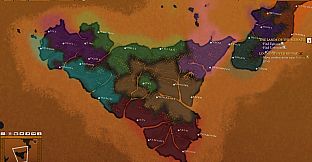
An expanded map incorporates Sicily along with over twenty new cities and a dozen additional factions such as Epirus, Syracuse, and the Mamertines. These additions increase strategic depth by introducing new interaction points and resource opportunities across the Italian peninsula and surrounding islands.
Historical Context and Factions
The setting draws from the early Roman Republic era, with Rome expanding amid independent tribes and Greek colonies in southern Italy. Players can align with or oppose these groups, recreating or diverging from recorded events. Factions bring distinct unit compositions and starting positions that affect early-game decisions on expansion routes and defensive priorities.
Mechanics support both historical fidelity and alternate outcomes. Scripted elements in the campaign highlight key confrontations, while sandbox freedom allows for custom empire paths. Naval expansions tie into island control and coastal strategies, reflecting the importance of Mediterranean sea lanes during the period.
Is It Worth Playing?
This expansion delivers targeted additions for players interested in ancient Mediterranean conflicts and supply-focused strategy. It builds directly on the base game's systems with a dedicated campaign, new units, and an invasion sandbox option that alters the standard starting conditions. User reviews for the content rate it positively overall.
The title suits those who enjoy single-player real-time strategy with emphasis on logistics, territorial control, and historical themes. Availability on PC supports the detailed map and unit interactions without requiring multiplayer features. Those seeking a focused historical scenario or varied sandbox experiences will find the additions align closely with the core mechanics of empire management and battlefield command.