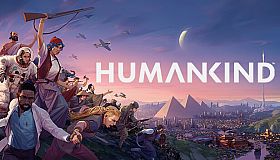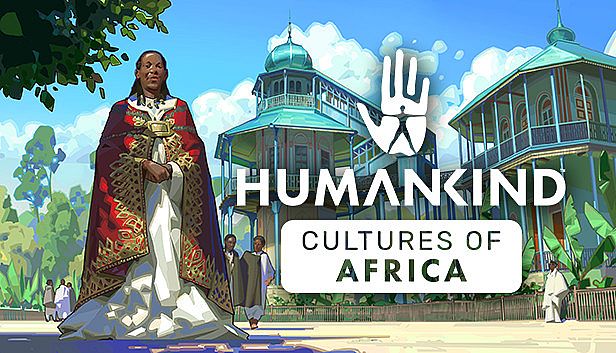









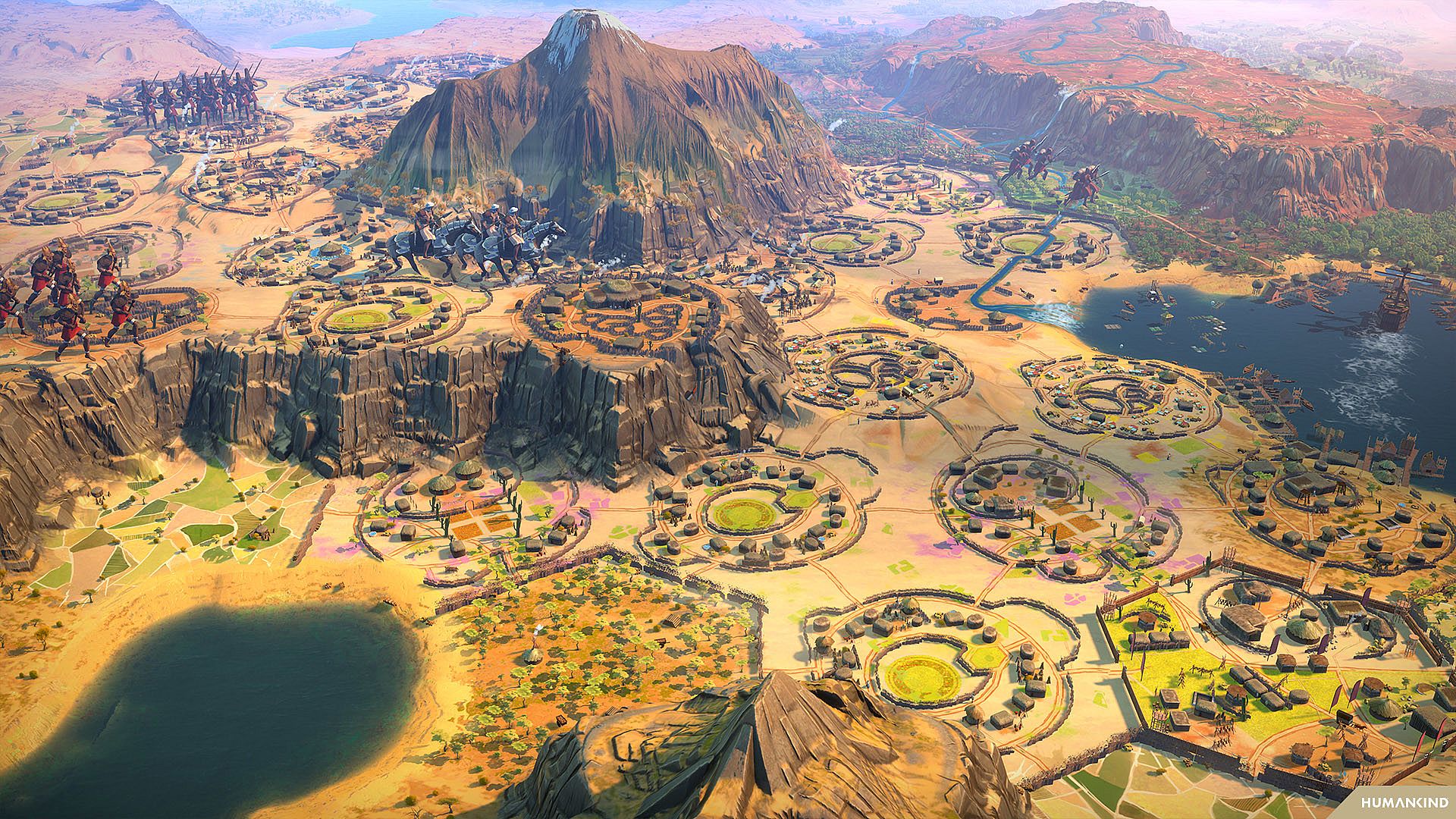
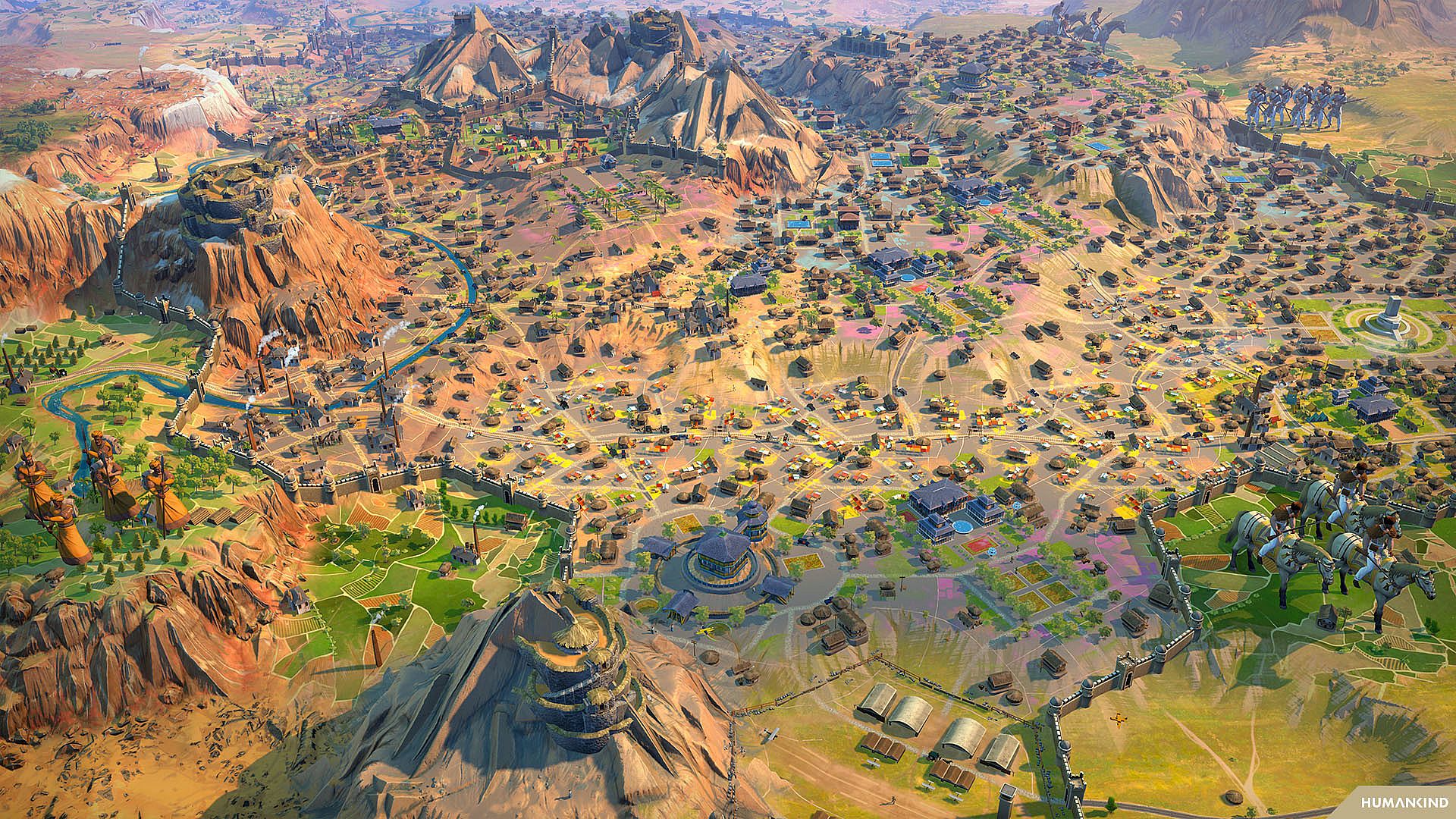
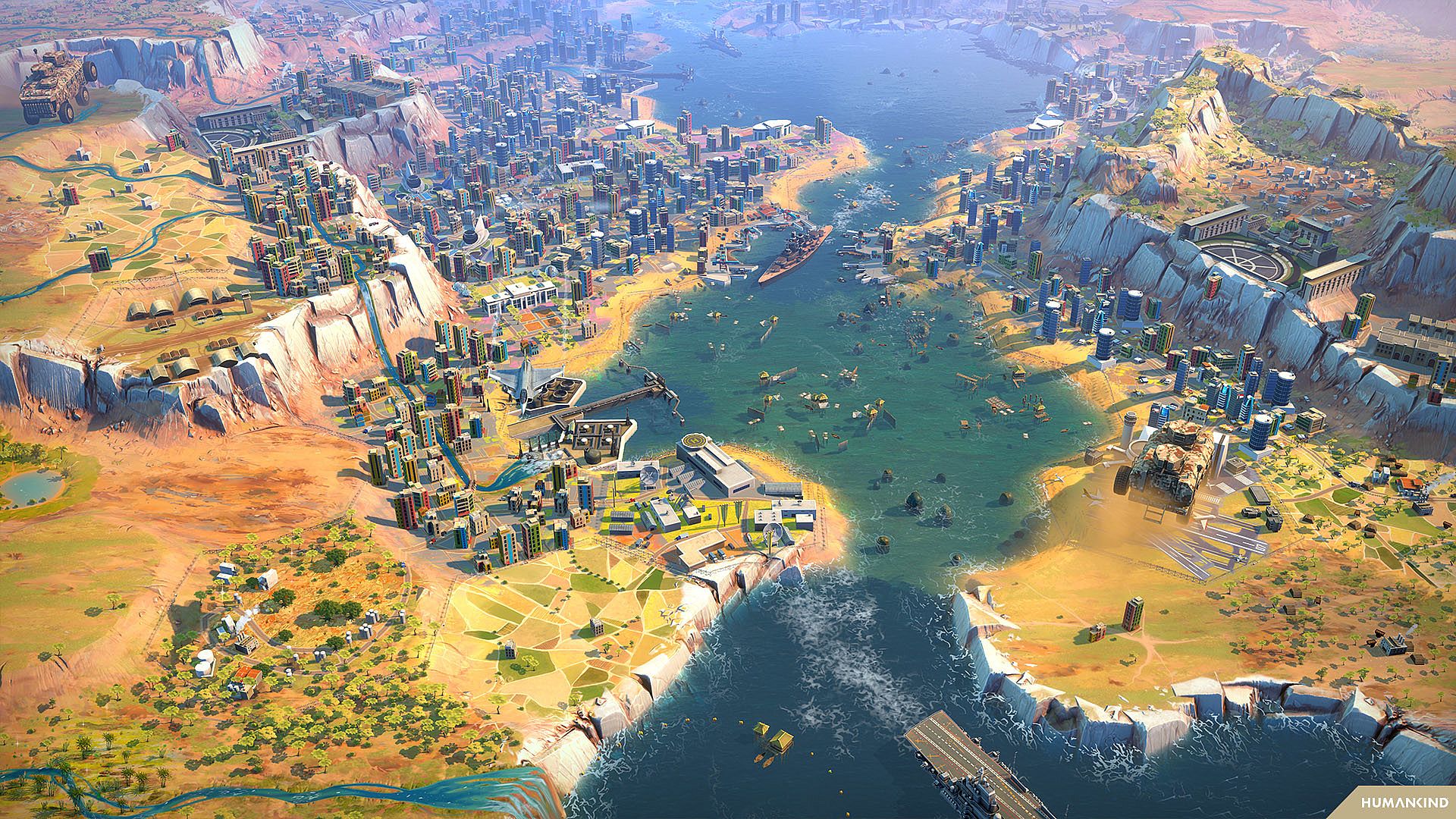
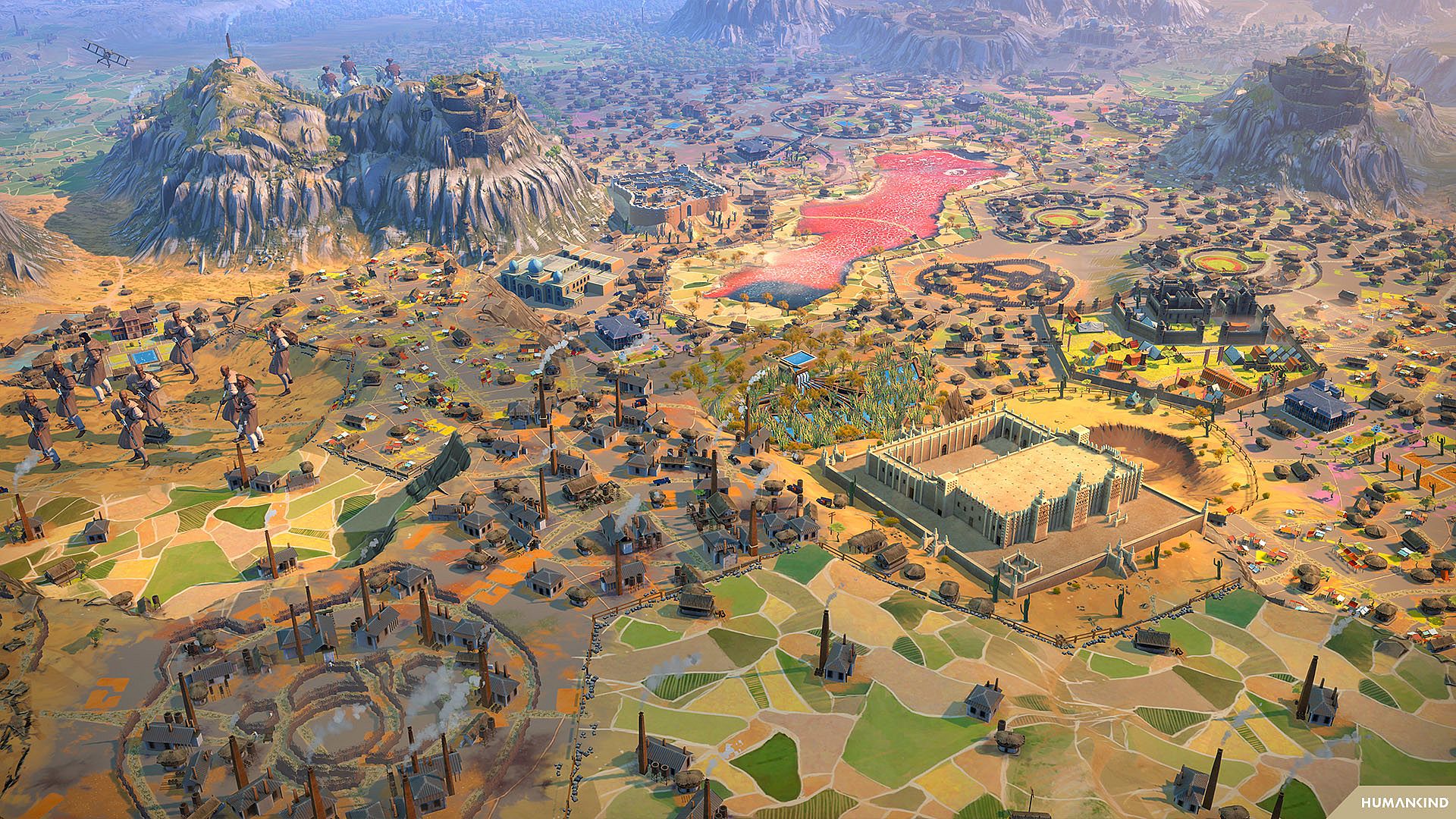
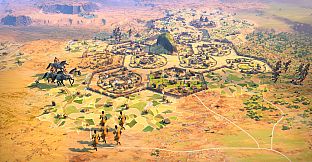
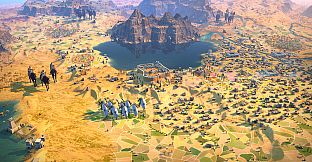
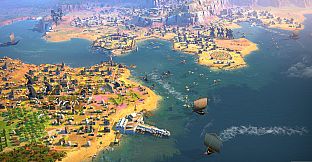
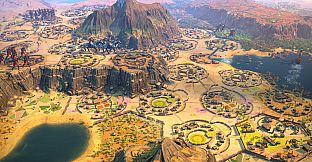
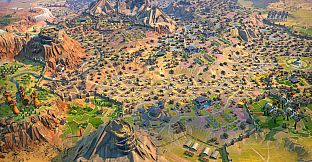
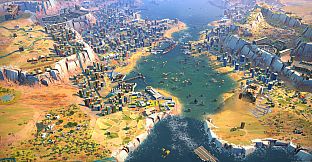
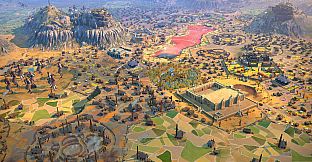
HUMANKIND is a turn-based 4X strategy game in which players guide a civilization from the Neolithic era through six historical periods to the contemporary age. The Cultures of Africa Pack expands the roster with six new cultures drawn from the continent's history, each tied to a specific era and affinity that shapes expansion, production, trade, or combat options.
Gameplay
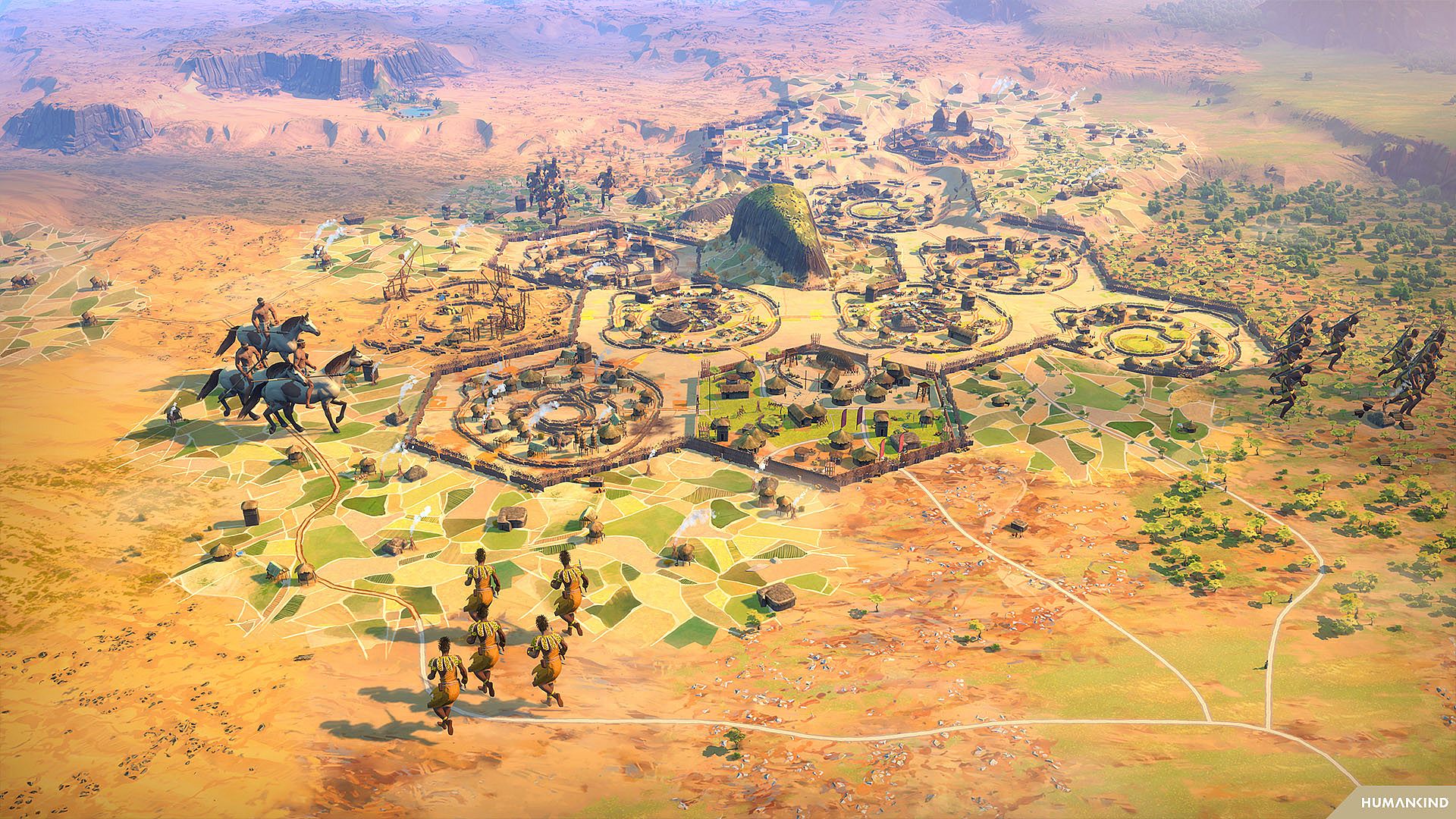
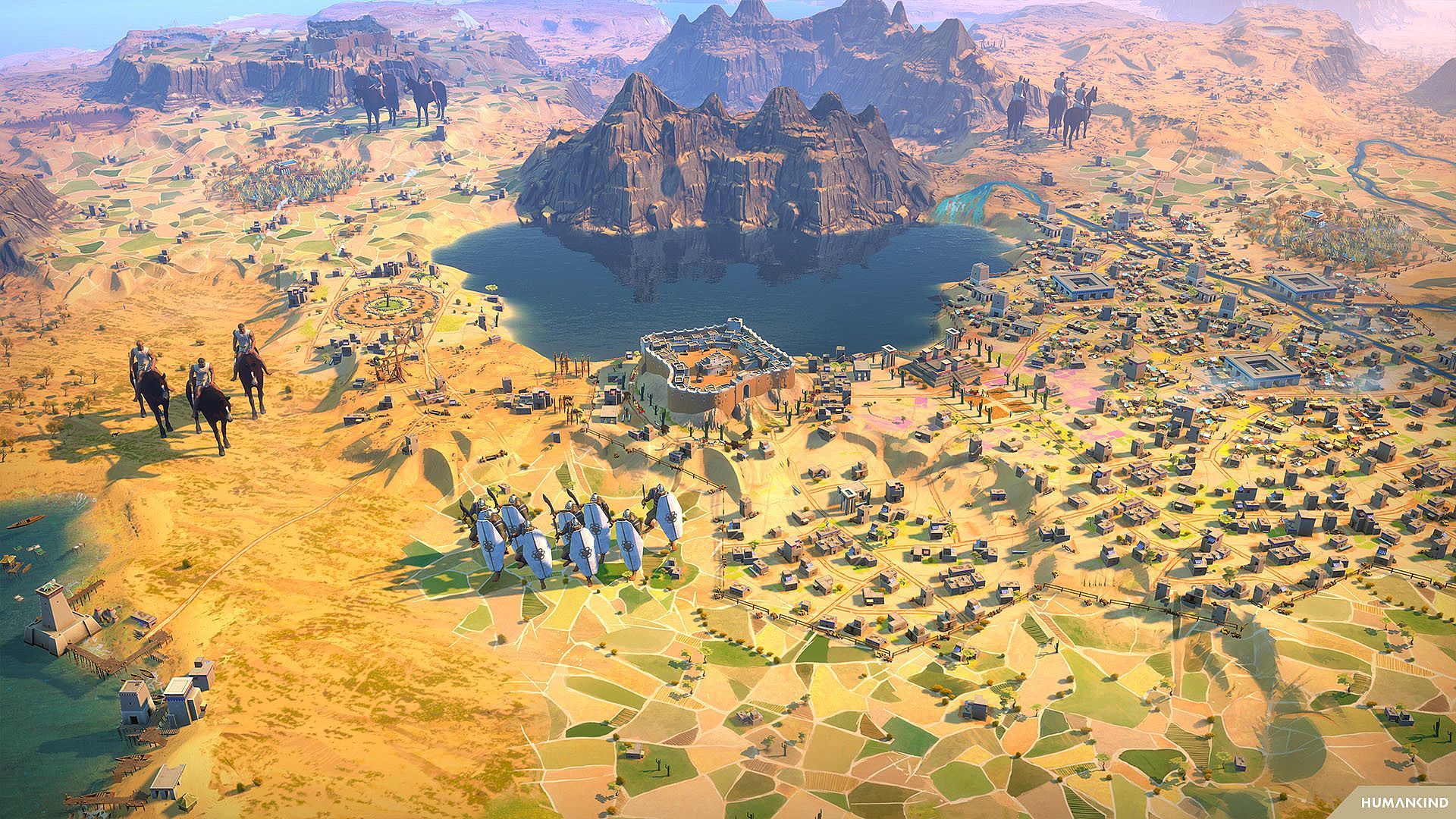
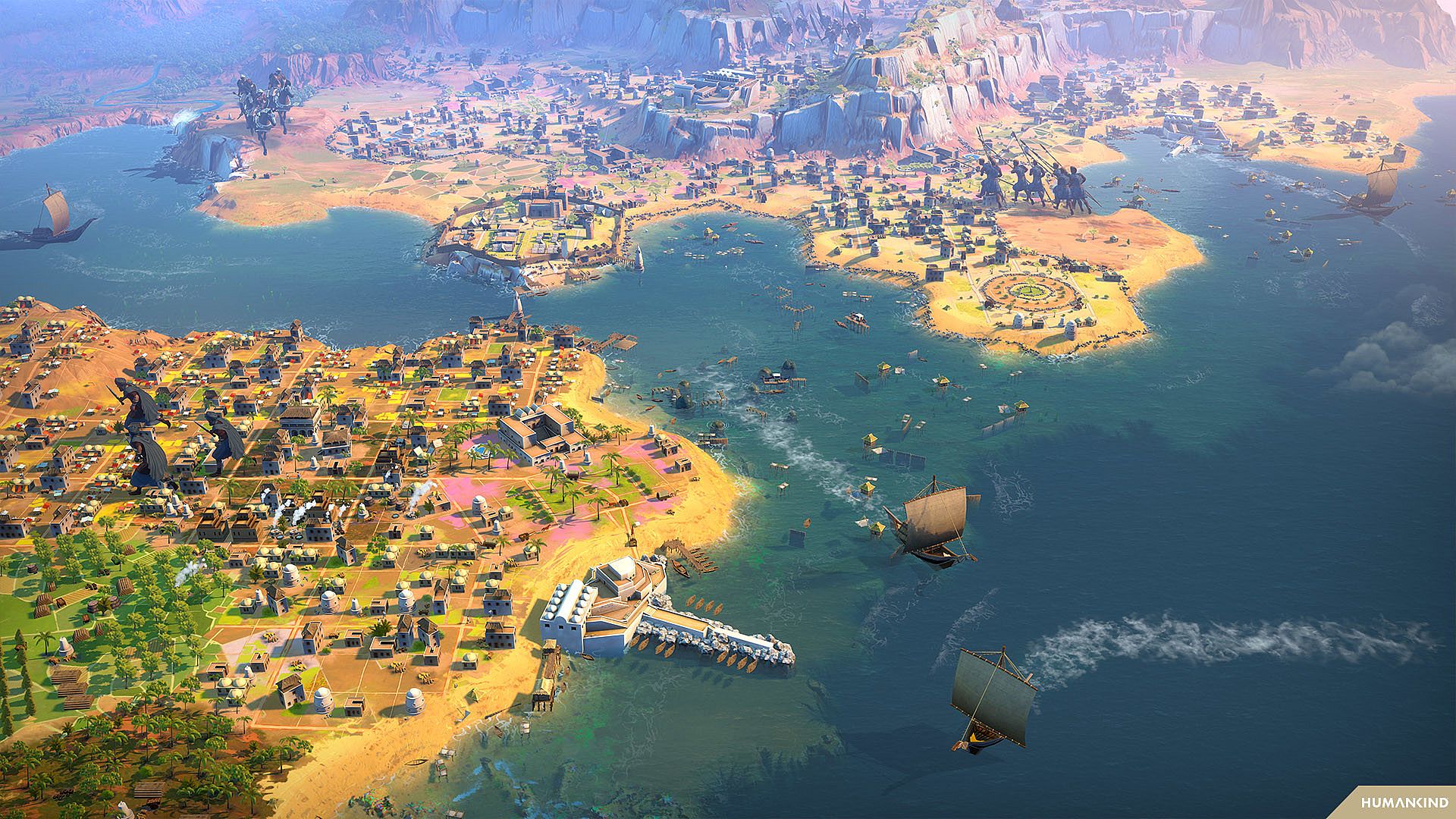
Players begin as a nomadic tribe in the Neolithic and complete early objectives before founding the first settlement. Across the six eras, one culture is selected at each stage from a growing pool of options. The new additions from the Cultures of Africa Pack fit into this system: the Bantu in era one emphasize expansionist traits suited to migration and population growth; the Garamantes in era two bring agrarian strengths focused on desert adaptation and resource management; the Swahili in era three highlight merchant capabilities tied to coastal trade networks; the Maasai in era four reinforce agrarian pastoral traditions across savanna regions; the Ethiopians in era five deliver militarist bonuses that support territorial defense and campaigns; and the Nigerians in era six provide agrarian depth drawn from diverse agricultural lands.
Core systems revolve around resource management of food, industry, gold, science, and influence. Cities expand across procedurally generated maps, with terrain affecting both development and combat. Battles resolve in short tactical sequences limited to three turns, allowing units to leverage elevation, positioning, and culture-specific emblematic units. Narrative events add branching story choices that influence relations with independent peoples and rival civilizations. The pack introduces five new wonders, seven independent peoples, and fifteen narrative events that integrate into these systems without altering the fundamental loop of era progression and fame accumulation.
Game Modes
The game supports single-player campaigns against AI opponents on customizable maps that vary continent count, island density, and sea levels. Multiplayer options allow online sessions with friends or public lobbies where participants compete or cooperate toward shared victory conditions. Standard rules include a turn limit that caps games at a maximum length, preventing indefinite play while still permitting multiple paths to success through fame, territorial control, or technological milestones. Map generation and difficulty settings adjust the pace and challenge for both solo and group play.
Cultures and Wonders in the Africa Pack
The six added cultures bring distinct gameplay layers. Bantu players gain tools for rapid territorial spread in early eras. Garamantes focus on sustaining agriculture in arid zones through specialized water systems. Swahili settlements benefit from long-distance commerce along eastern coasts. Maasai herds thrive on open plains with pastoral efficiencies. Ethiopians leverage military expansion to secure independence and growth. Nigerians draw on broad agricultural output across varied terrains. These pair with five new wonders that provide unique bonuses when constructed: Mount Kilimanjaro, Victoria Falls, Zuma Rock, Lake Natron, and the Great Mosque of Djenné. The additions also include new music tracks that play during relevant eras and events.
Is It Worth Playing?
Player reception on Steam shows an overall mixed rating from thousands of reviews, with recent reviews trending very positive after patches improved stability and balance. The game appeals most to those who enjoy experimenting with culture combinations across eras rather than fixed civilization paths. The Cultures of Africa Pack adds meaningful variety for players who have already explored the base roster, particularly those interested in African historical themes. It remains a solid choice for strategy fans seeking a 4X experience with tactical combat and flexible progression, especially if recent updates have addressed earlier concerns. Those new to the genre may prefer starting with the base game before adding the pack.