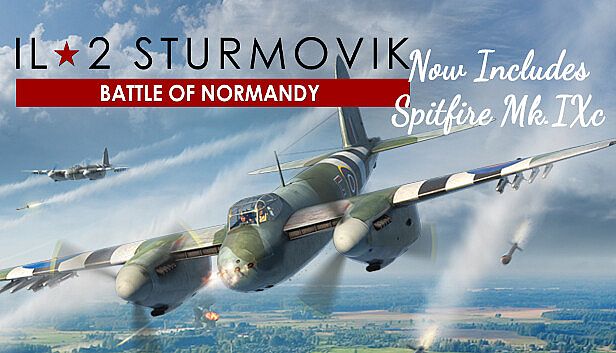



















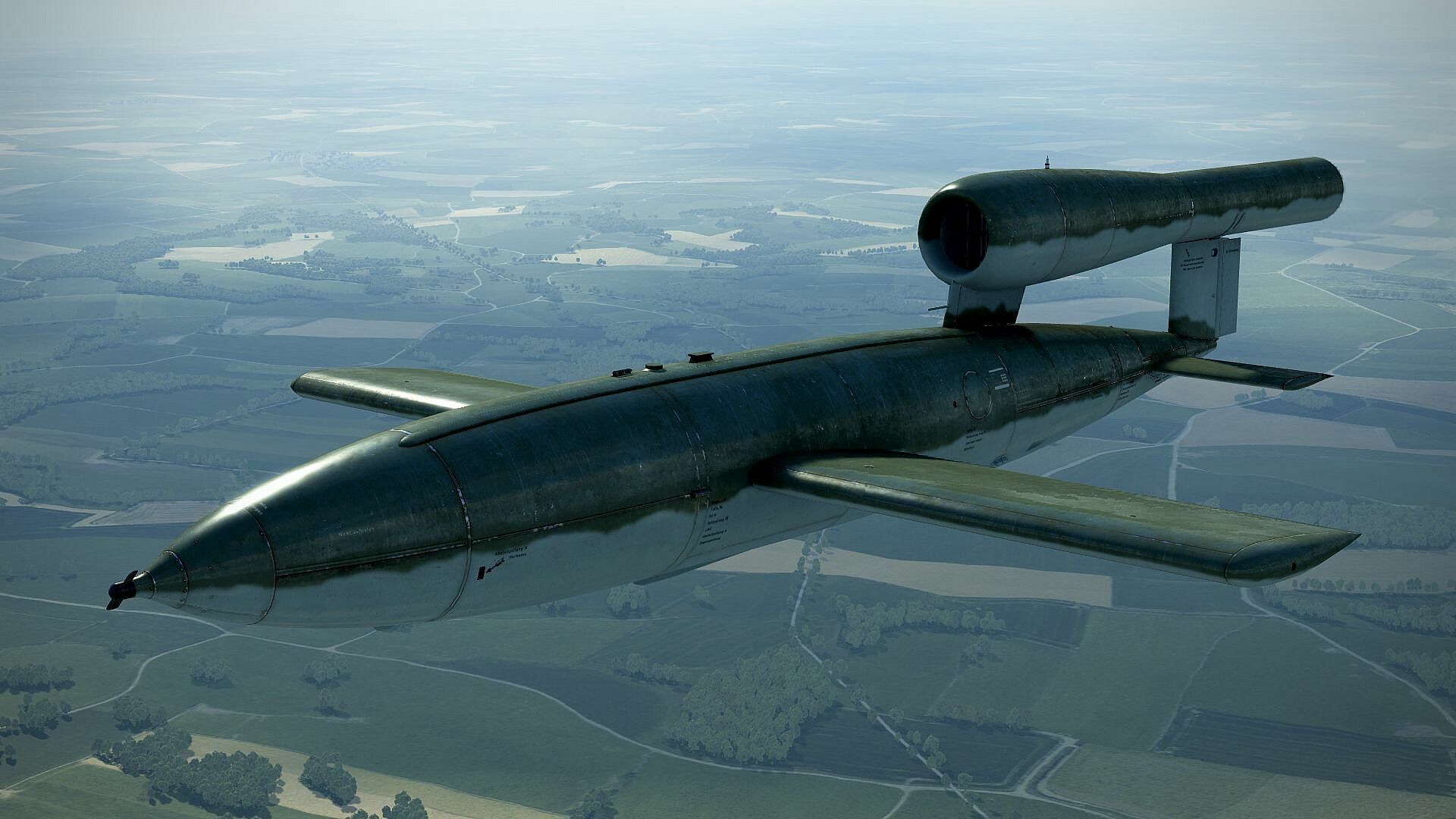
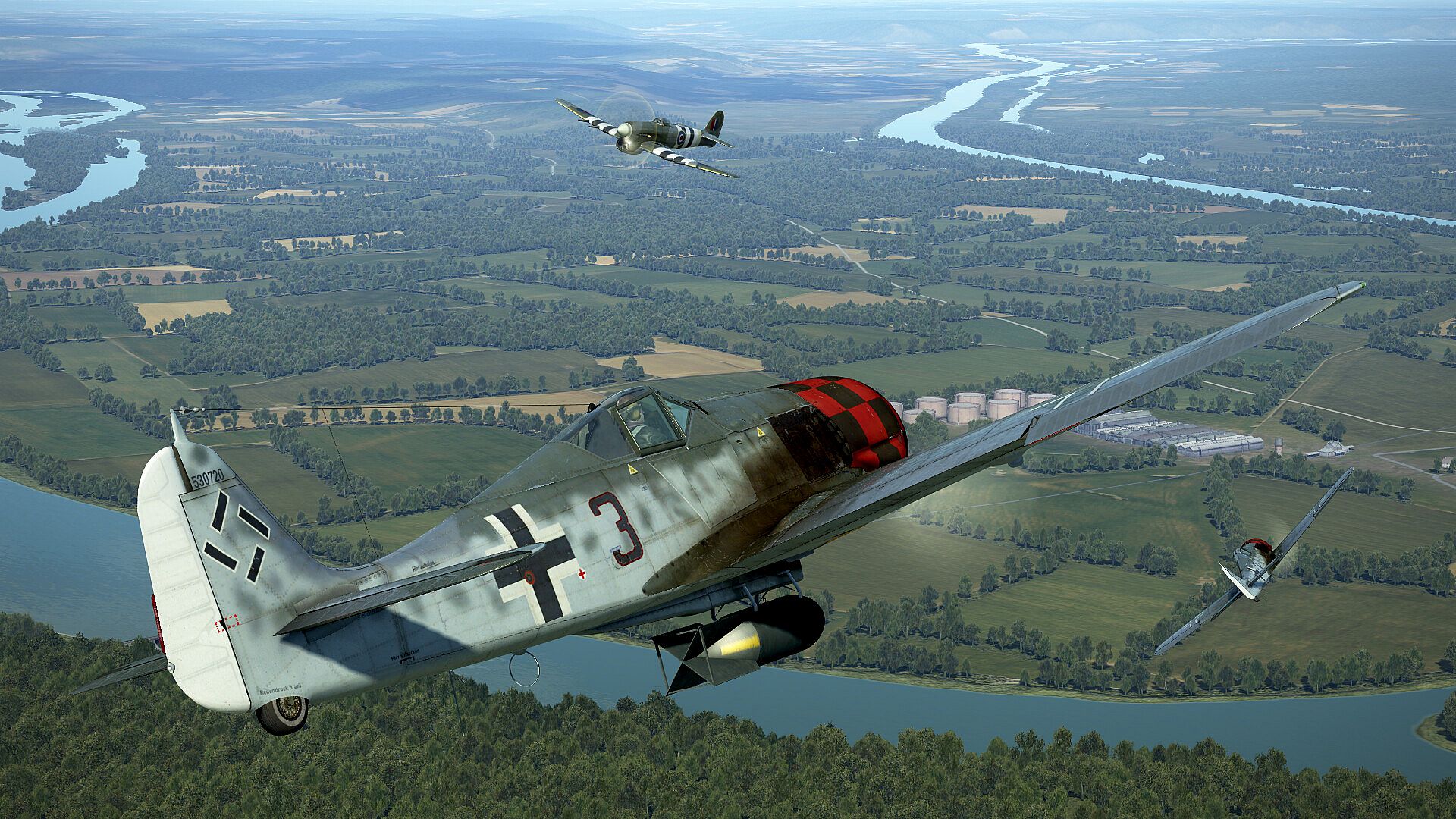
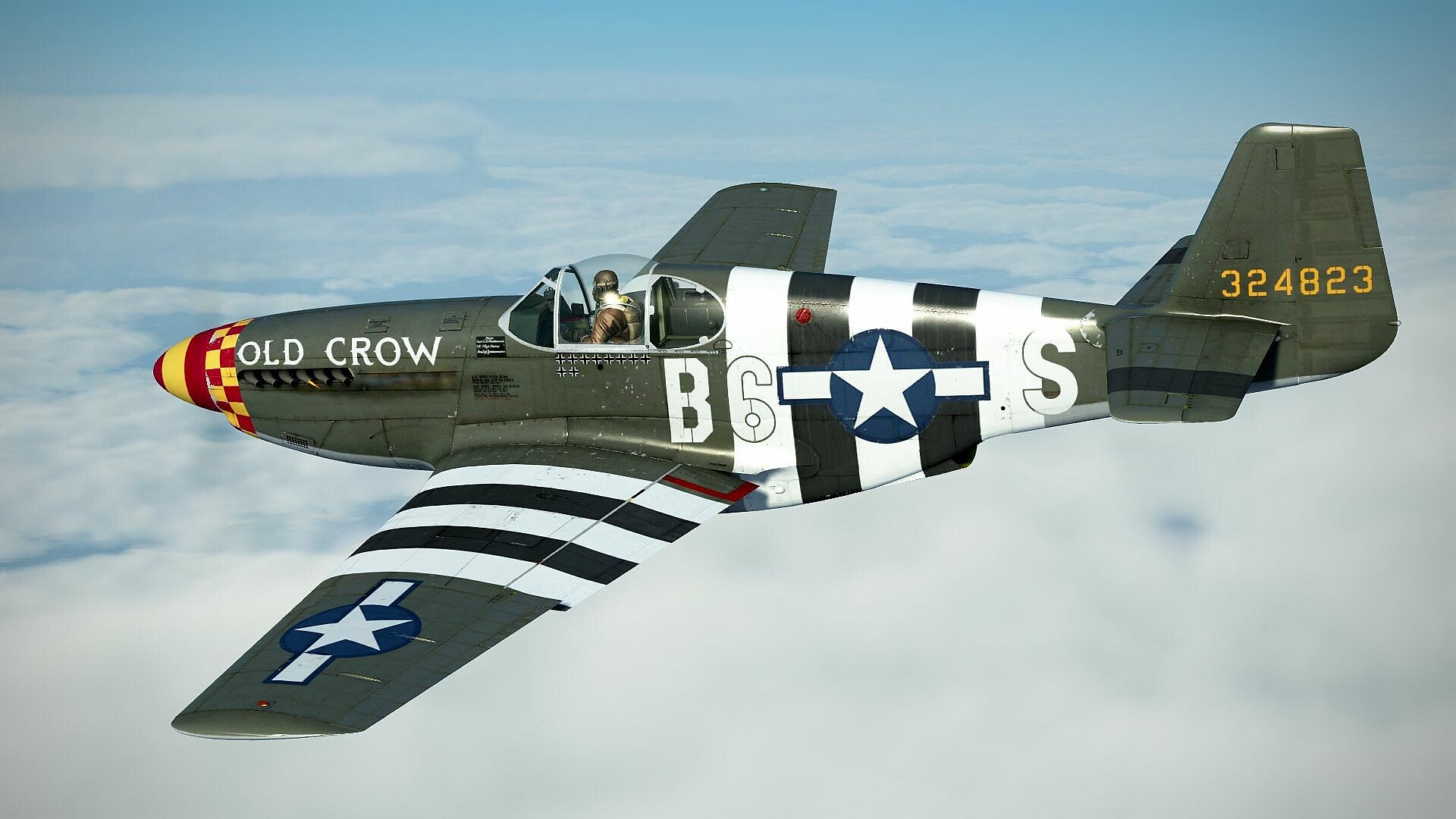
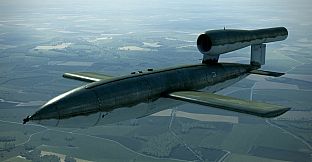
IL-2 Sturmovik: Battle of Normandy is a realistic World War II air combat simulation set during the Allied invasion of France in 1944. Players take control of historical aircraft in detailed missions that recreate the struggle for air superiority over Normandy and the surrounding regions. The game emphasizes accurate flight physics, damage modeling, and tactical decision making in both single player and multiplayer environments.
Gameplay
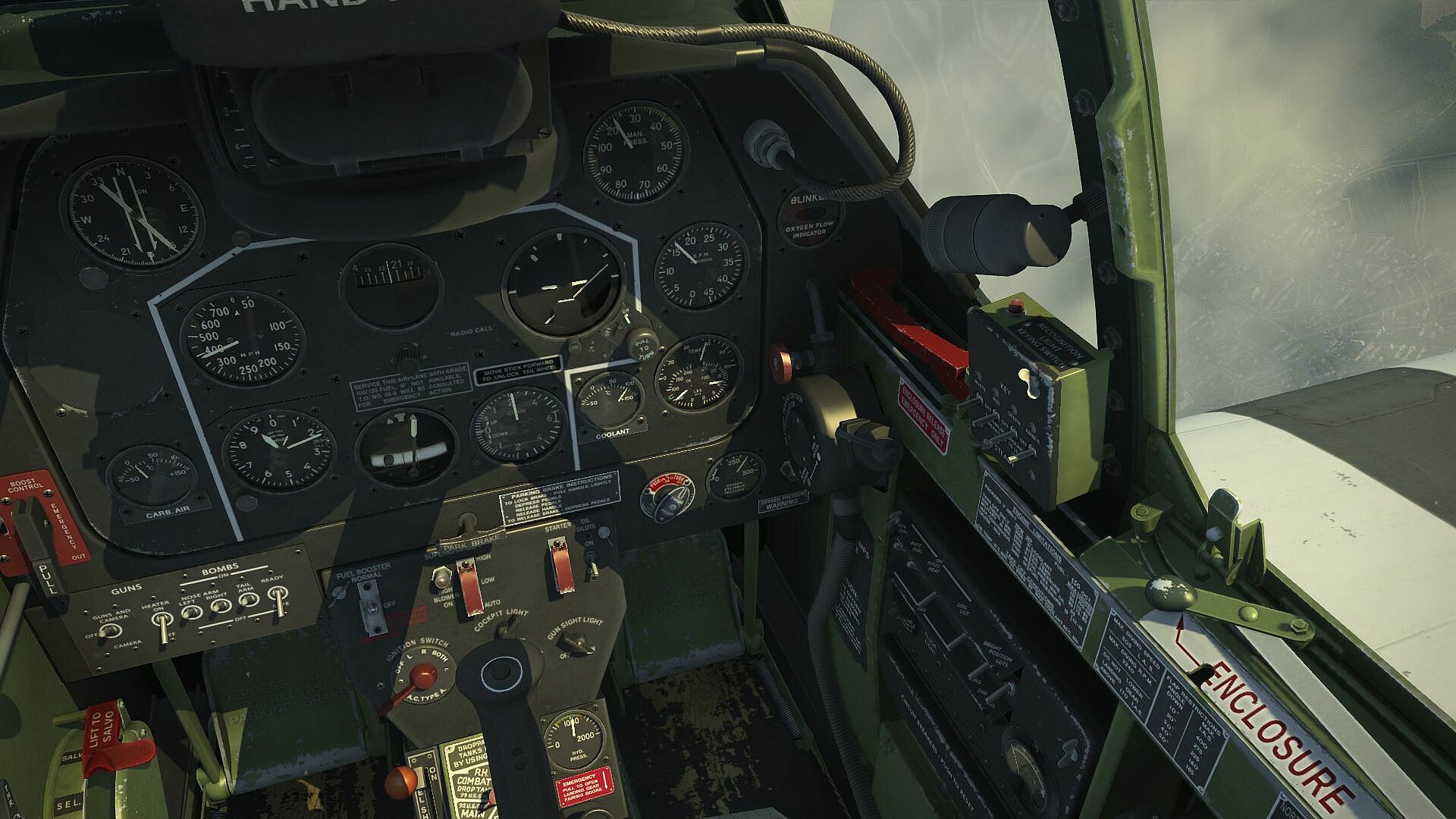
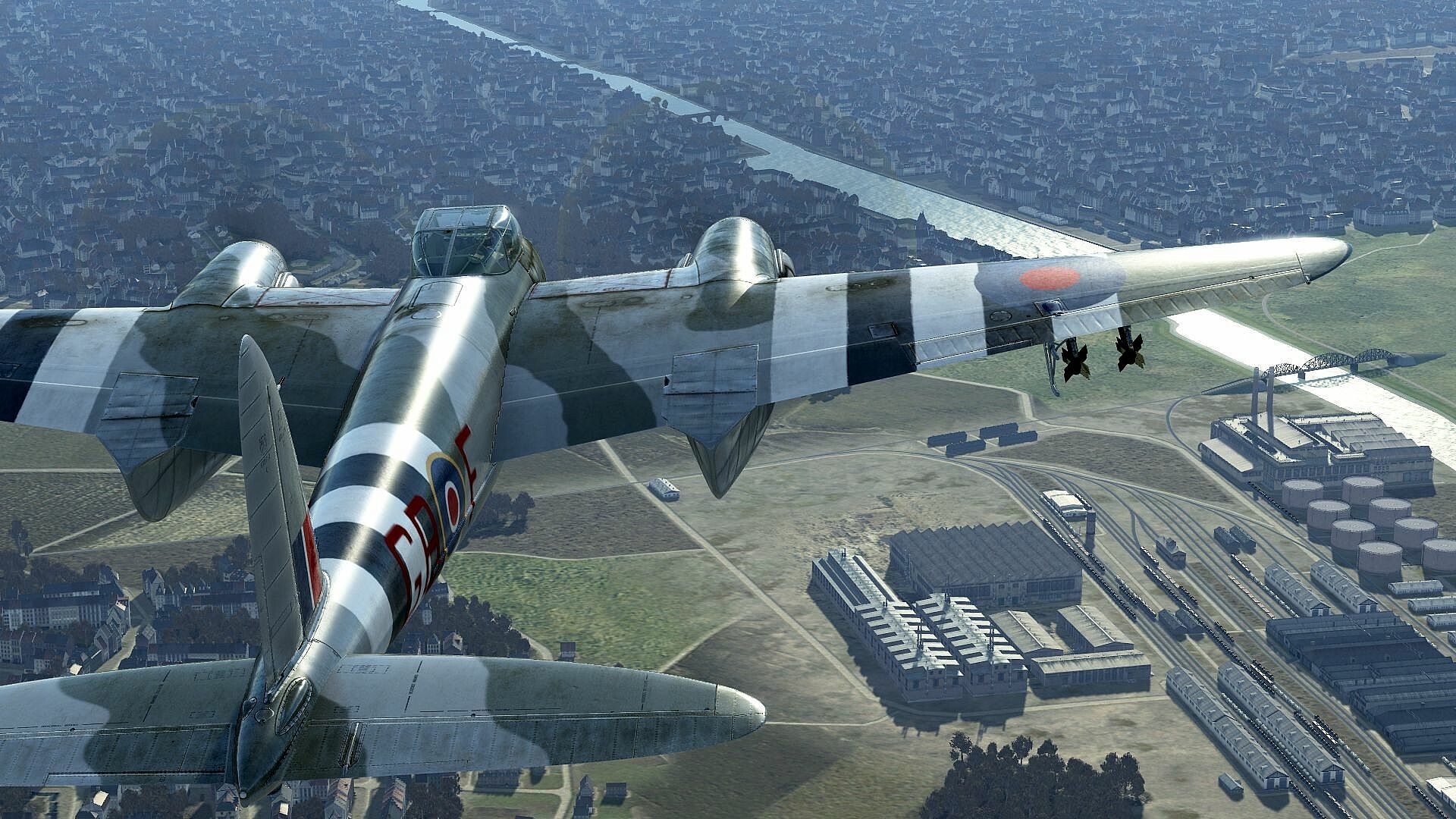
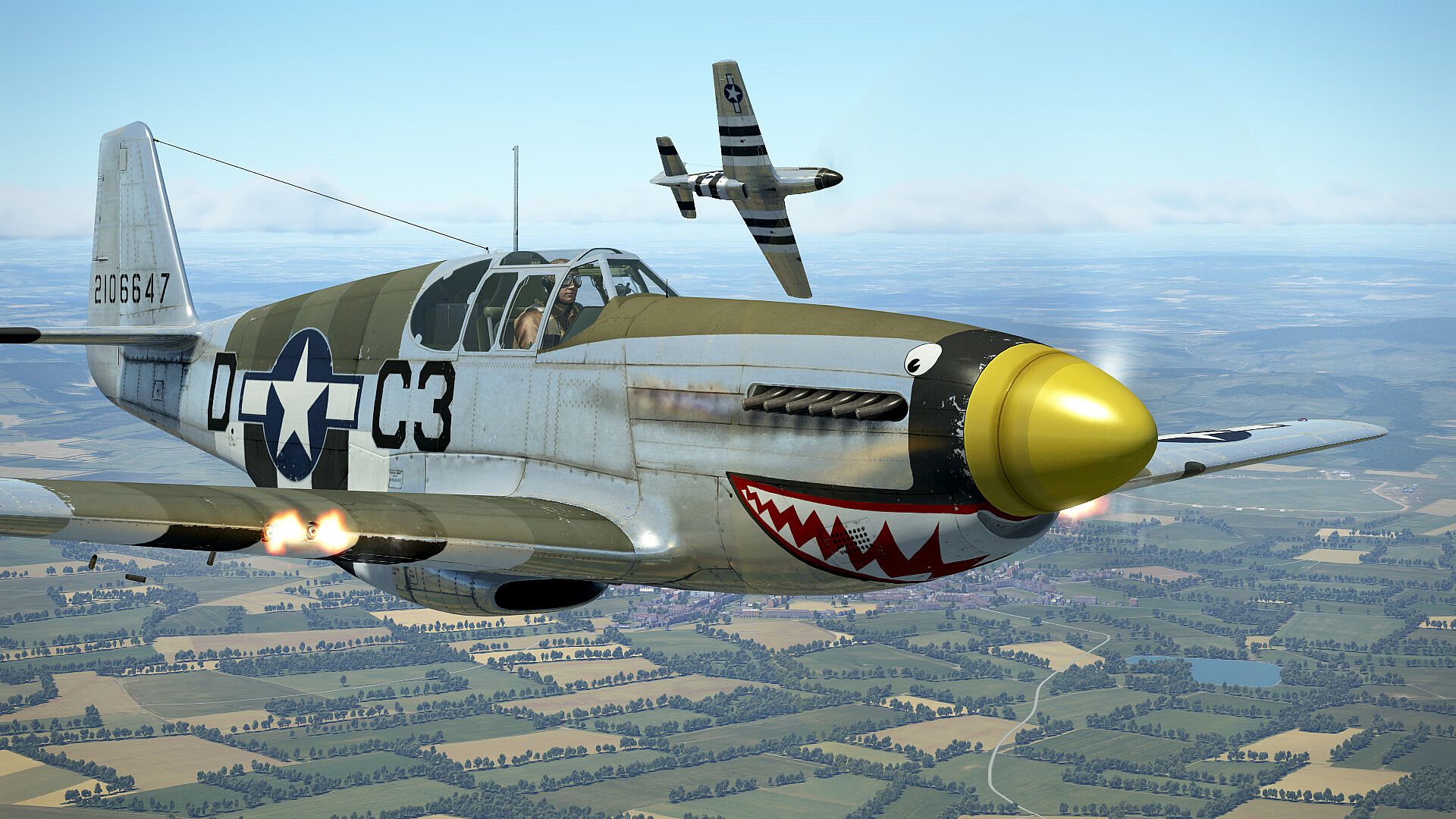
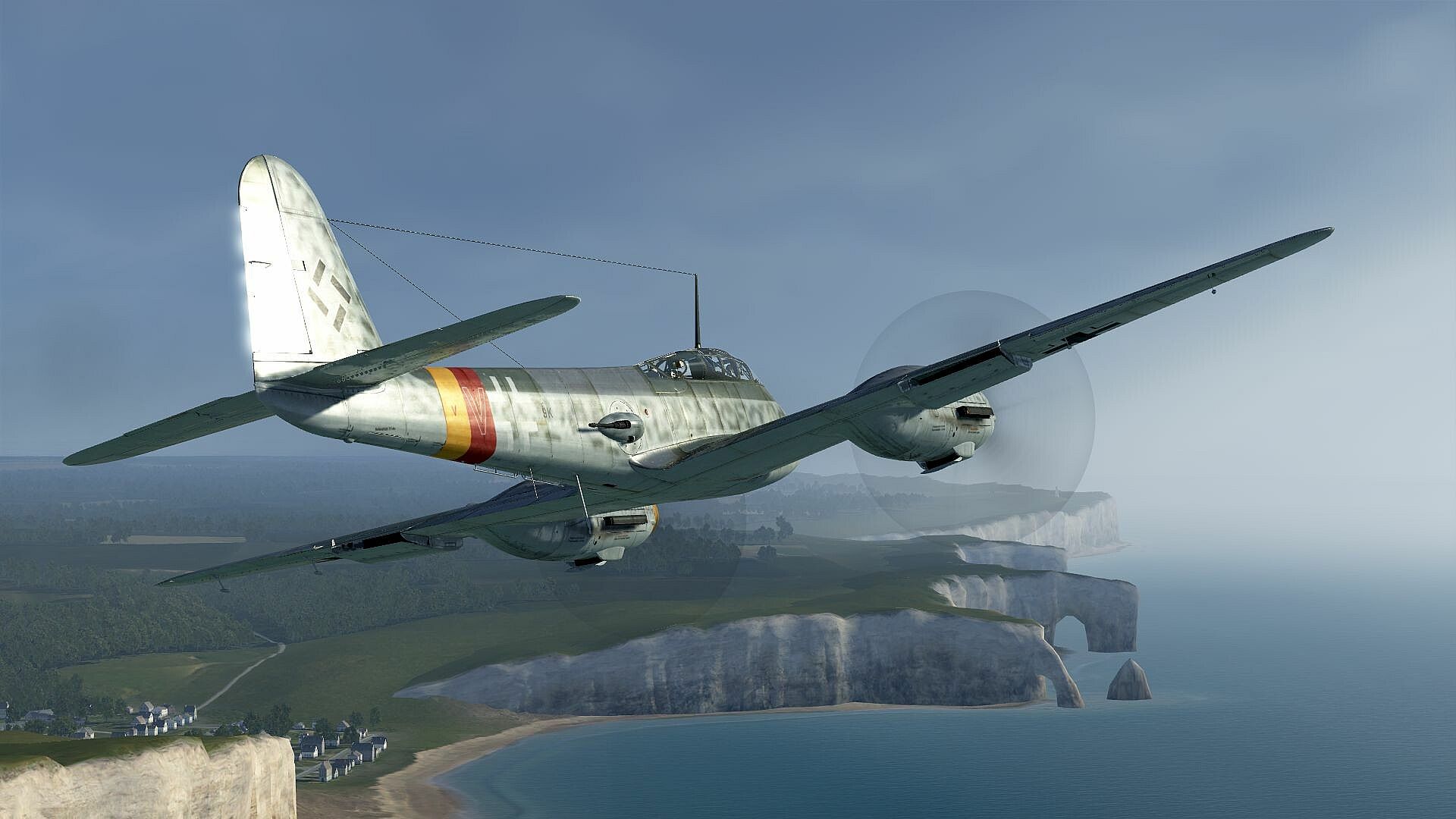
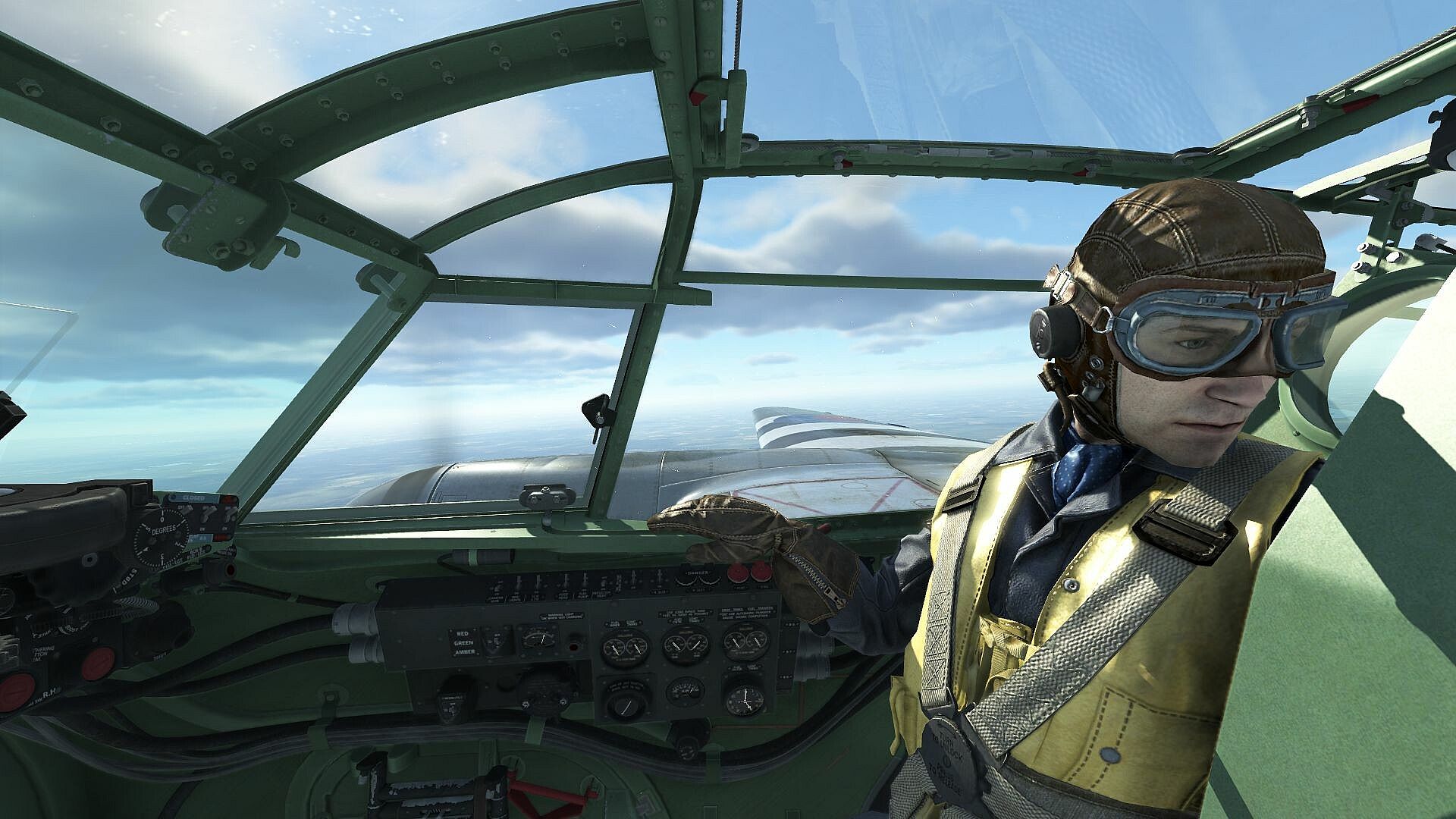
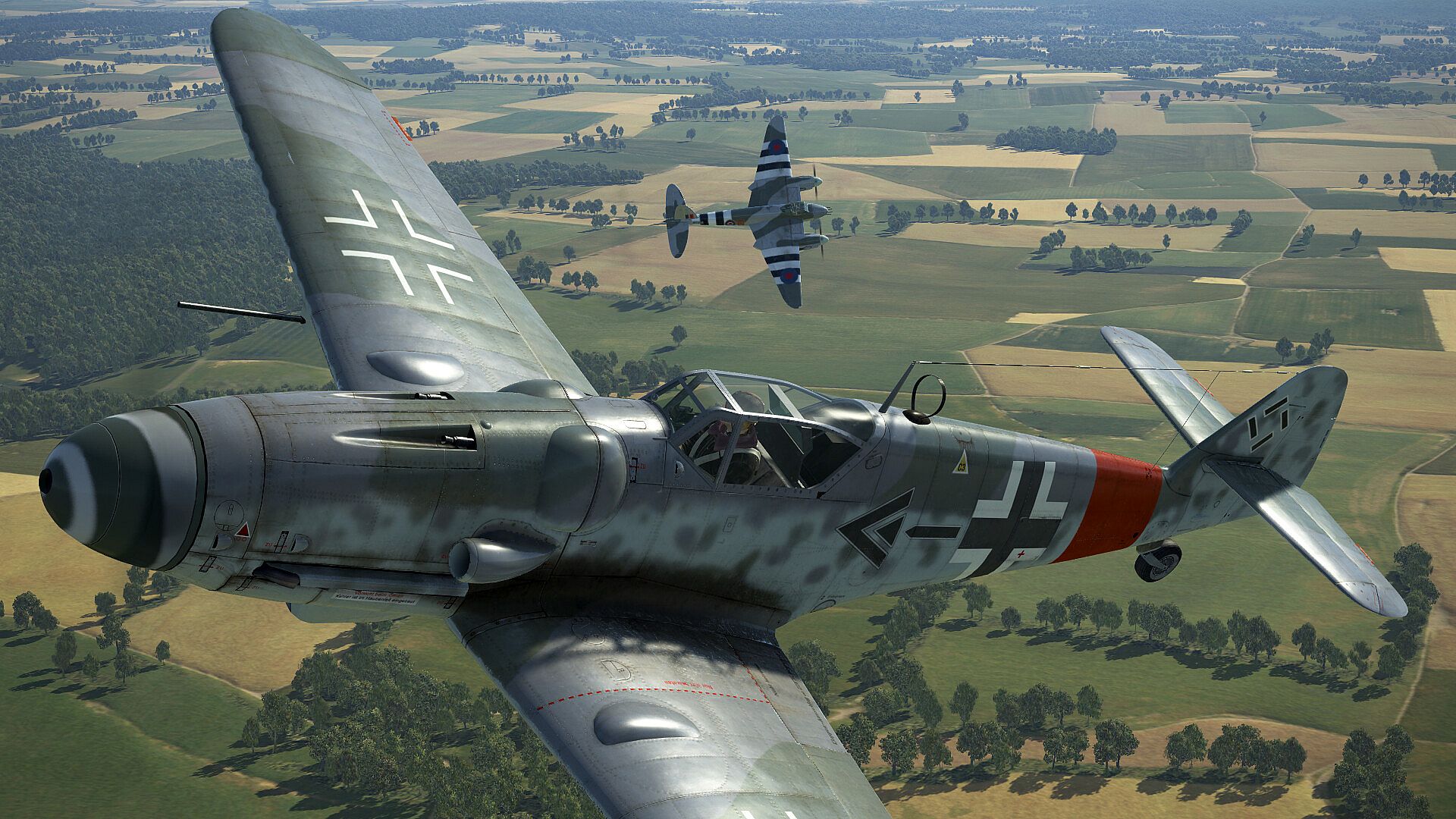
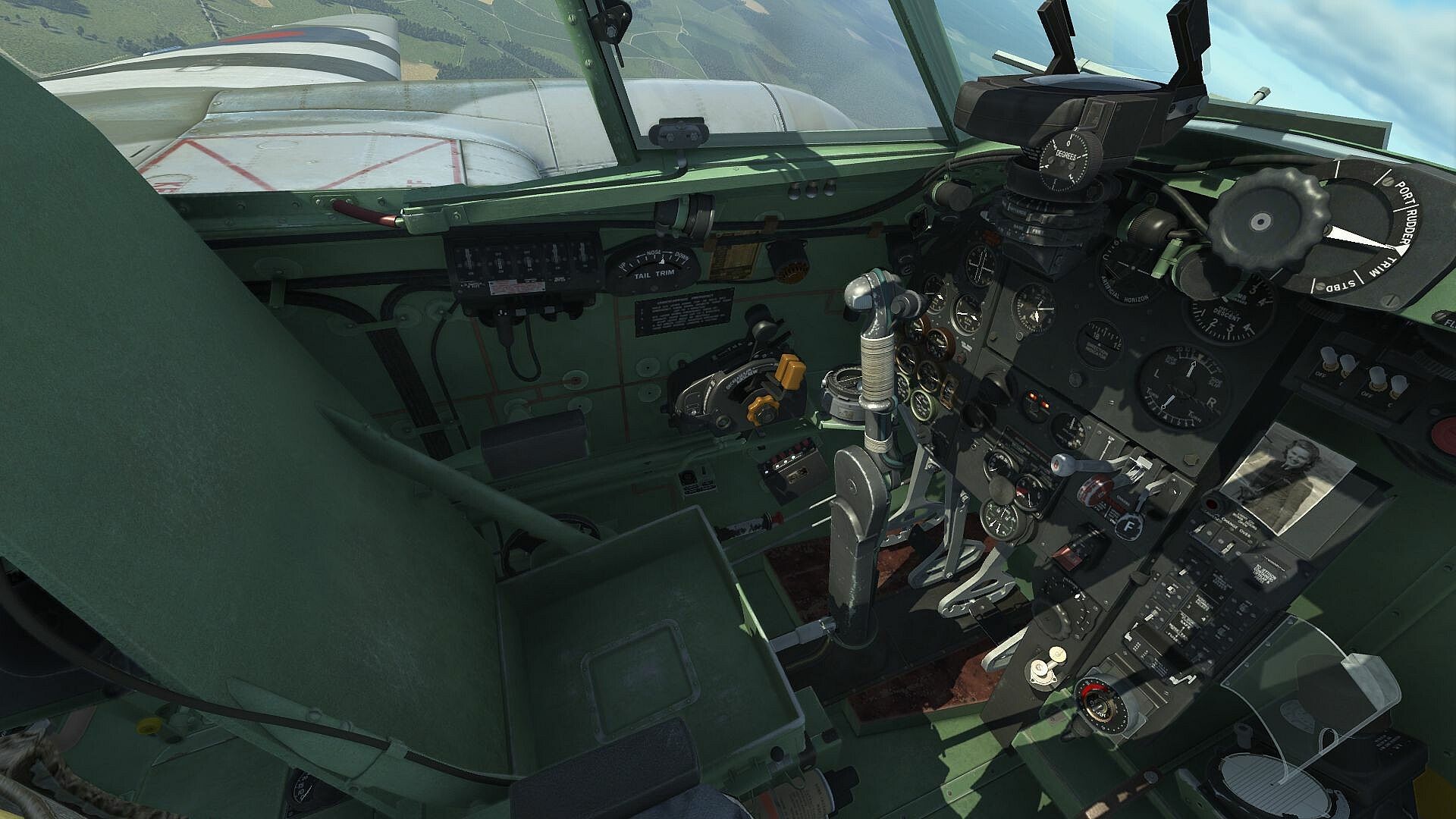
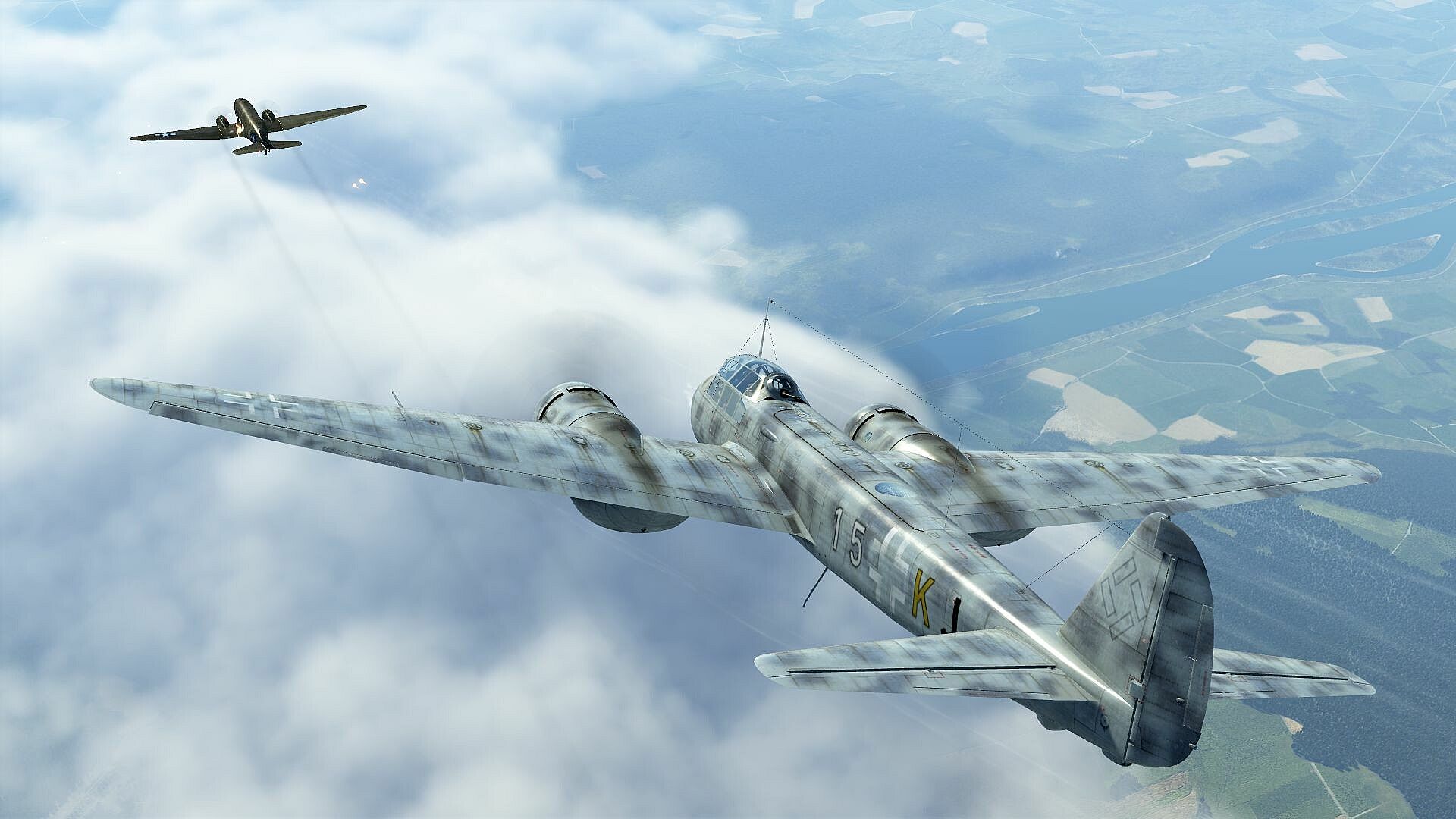
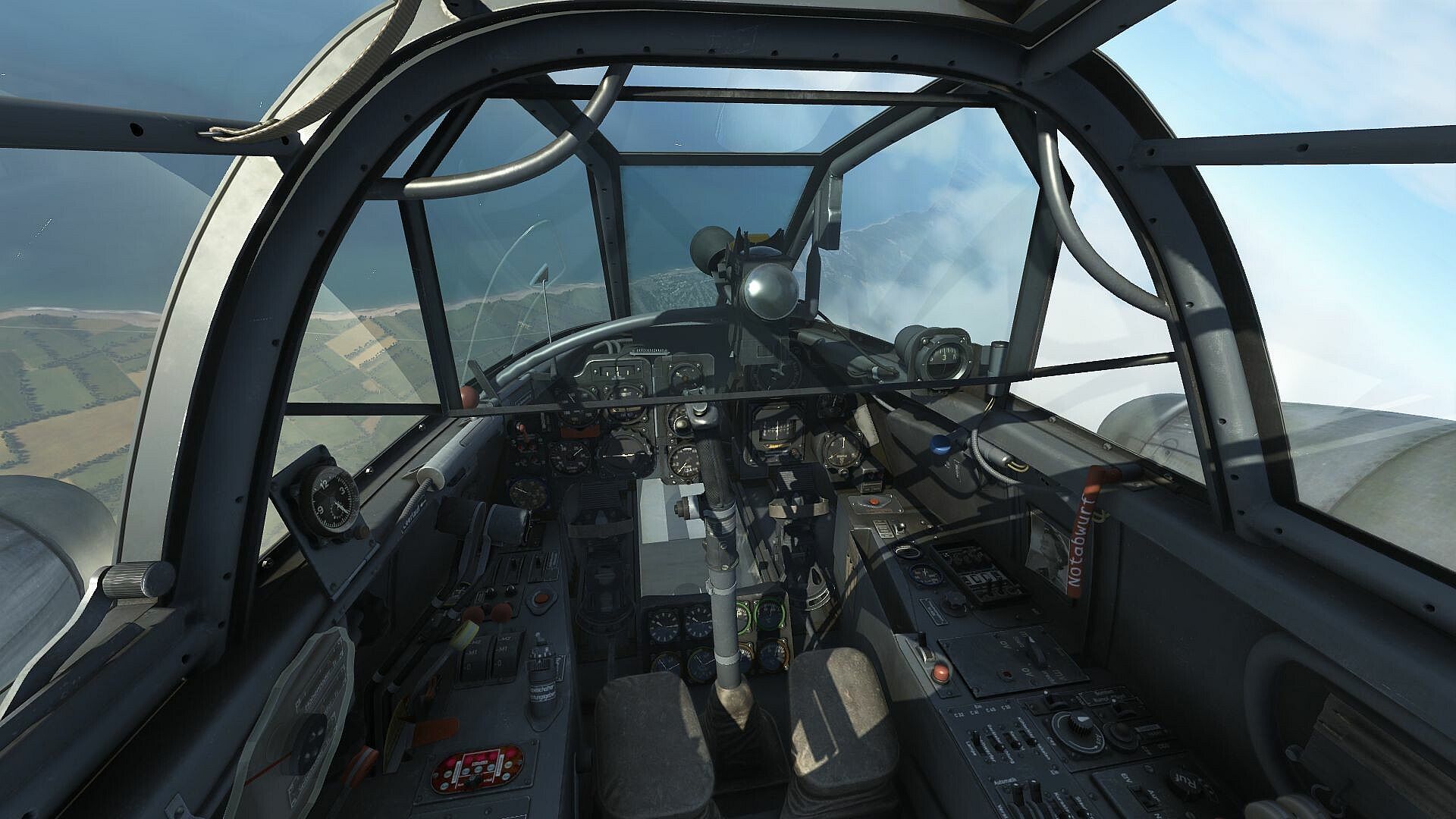
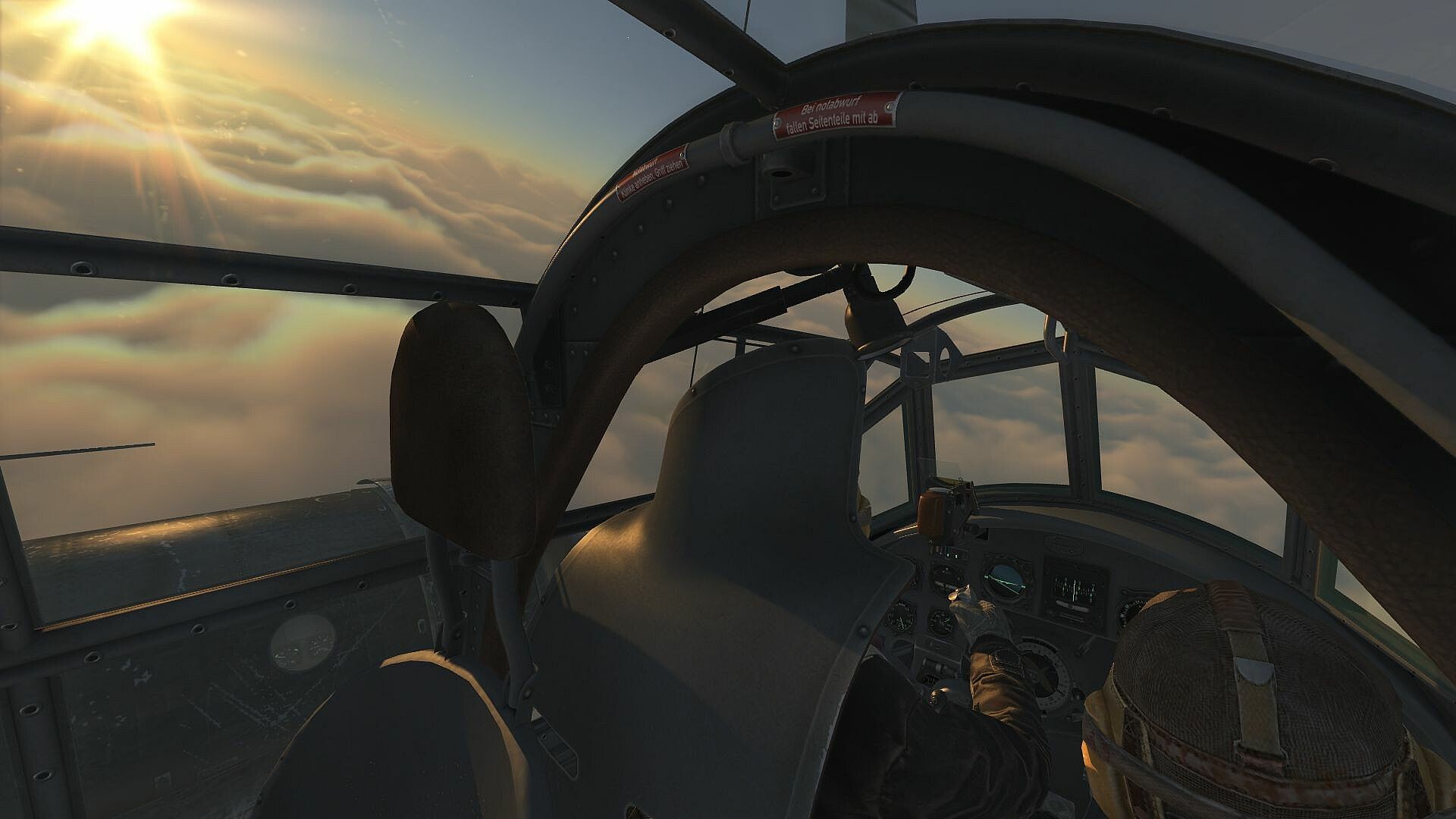
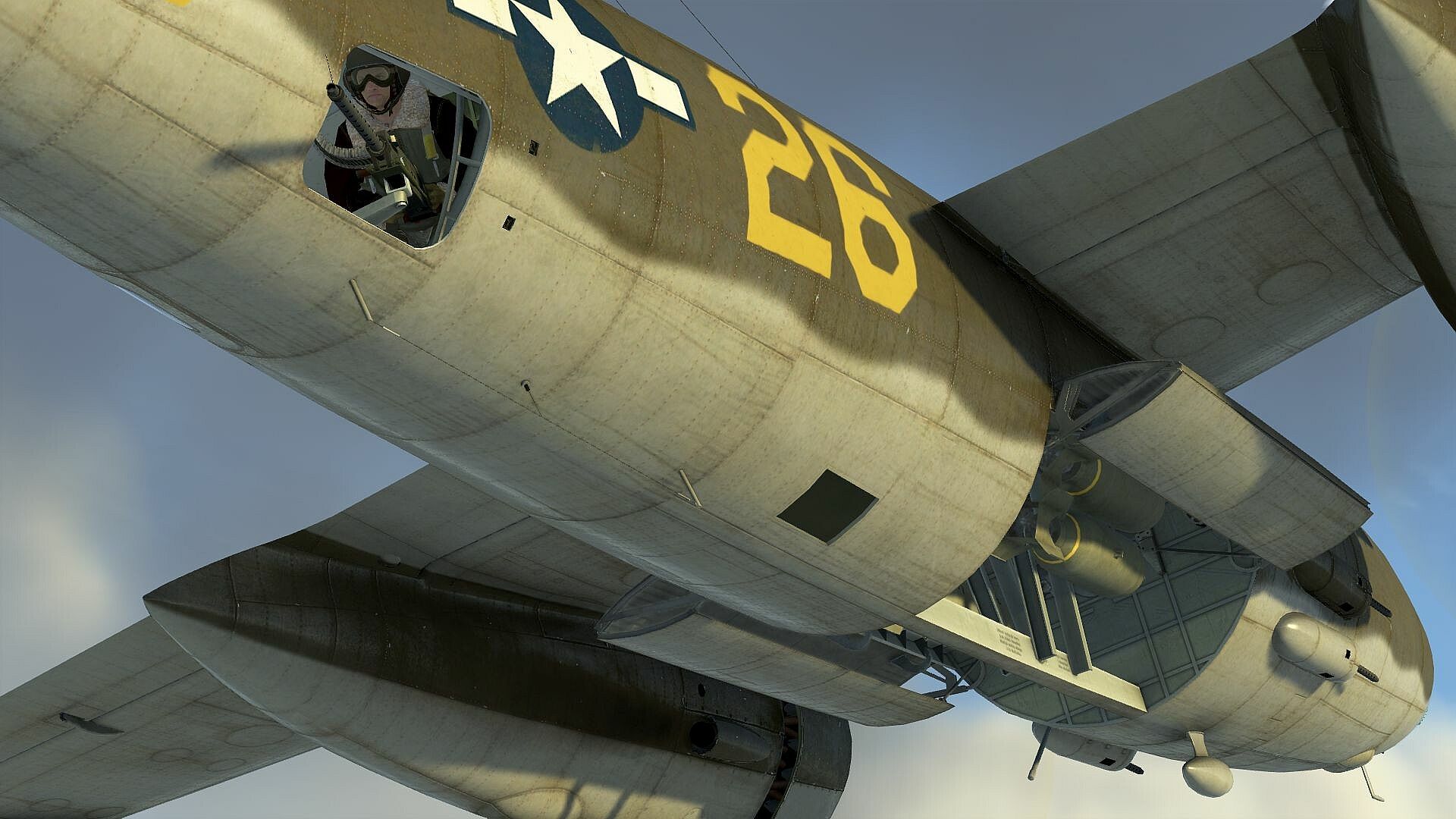
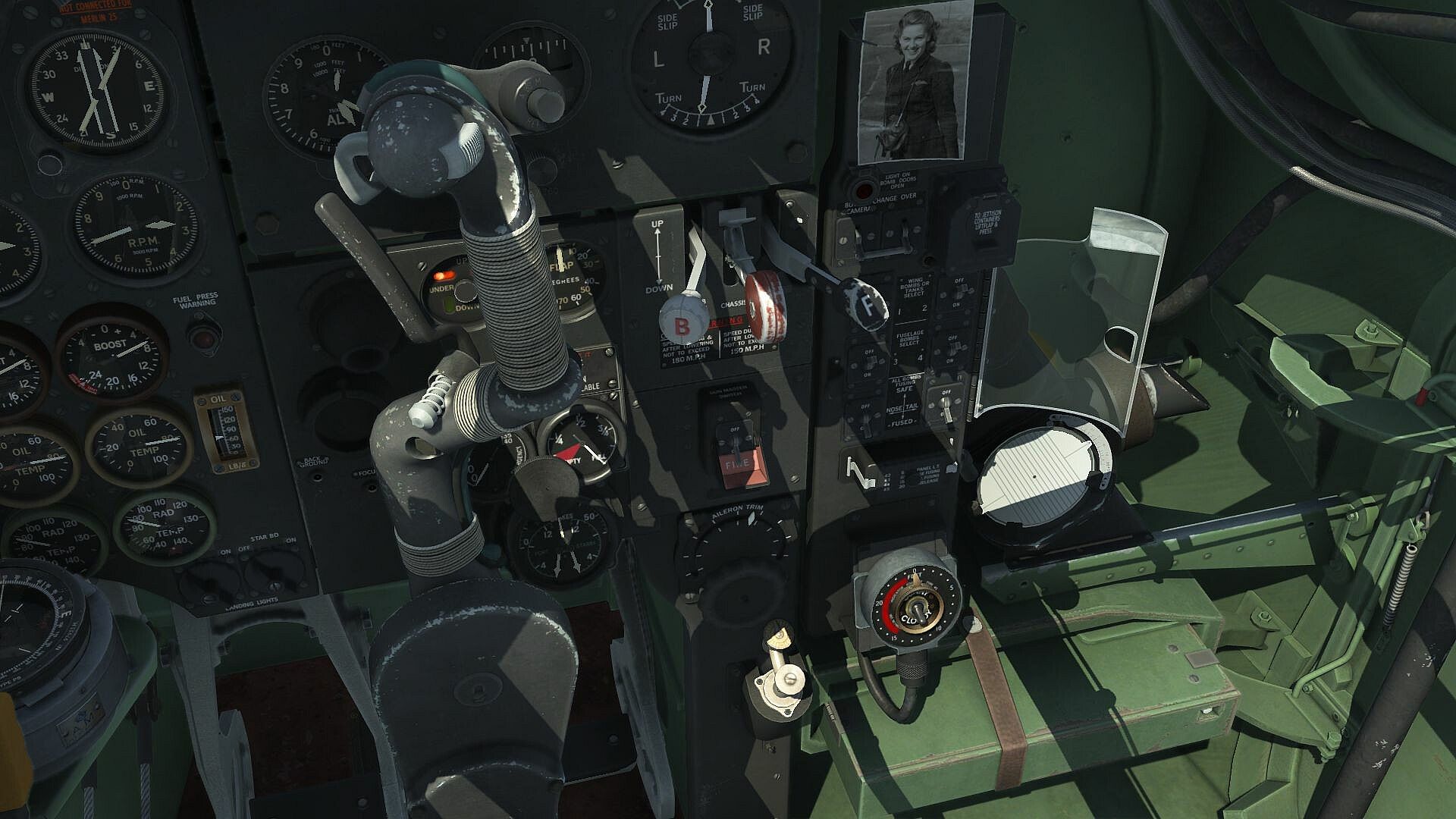
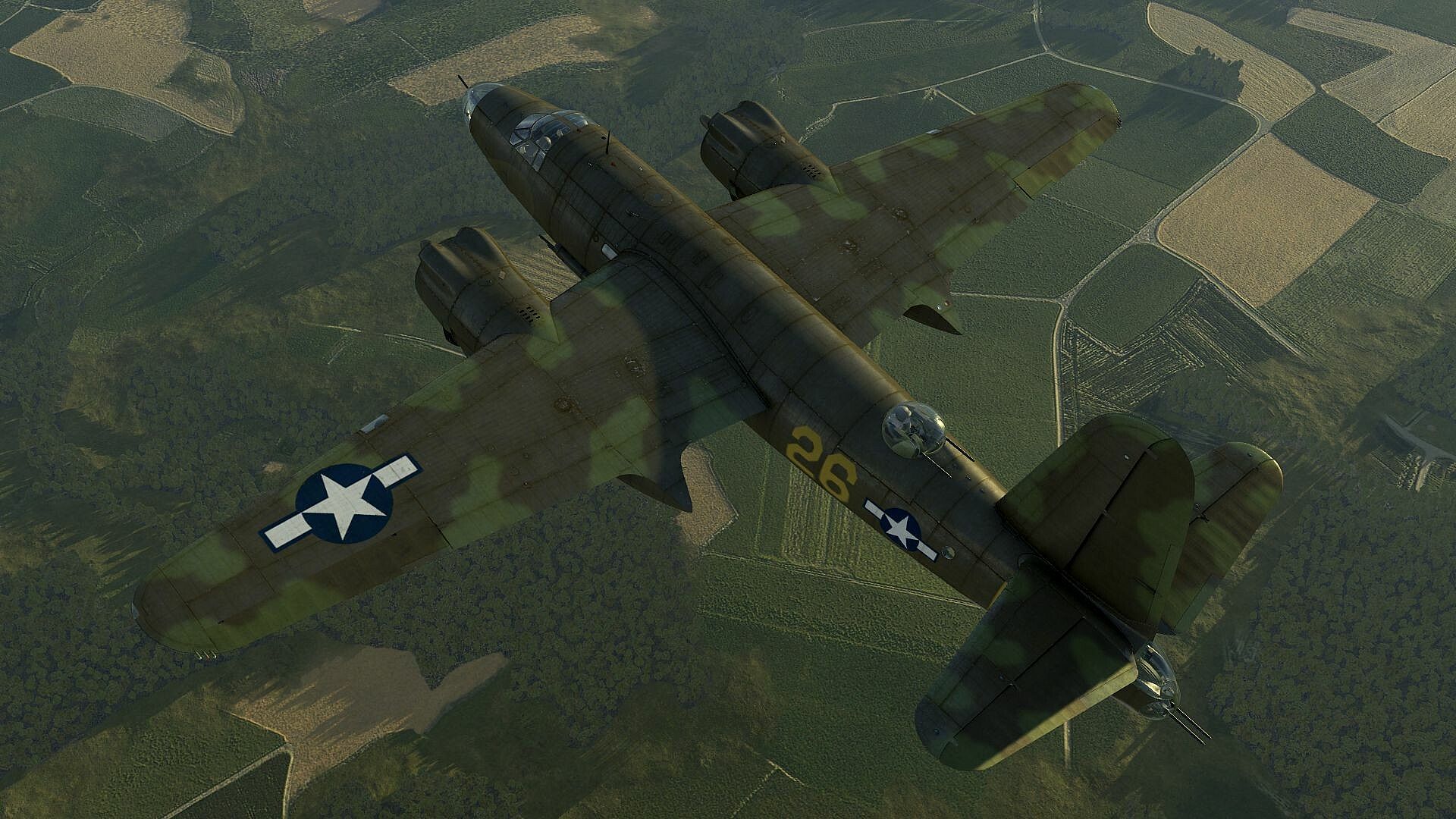
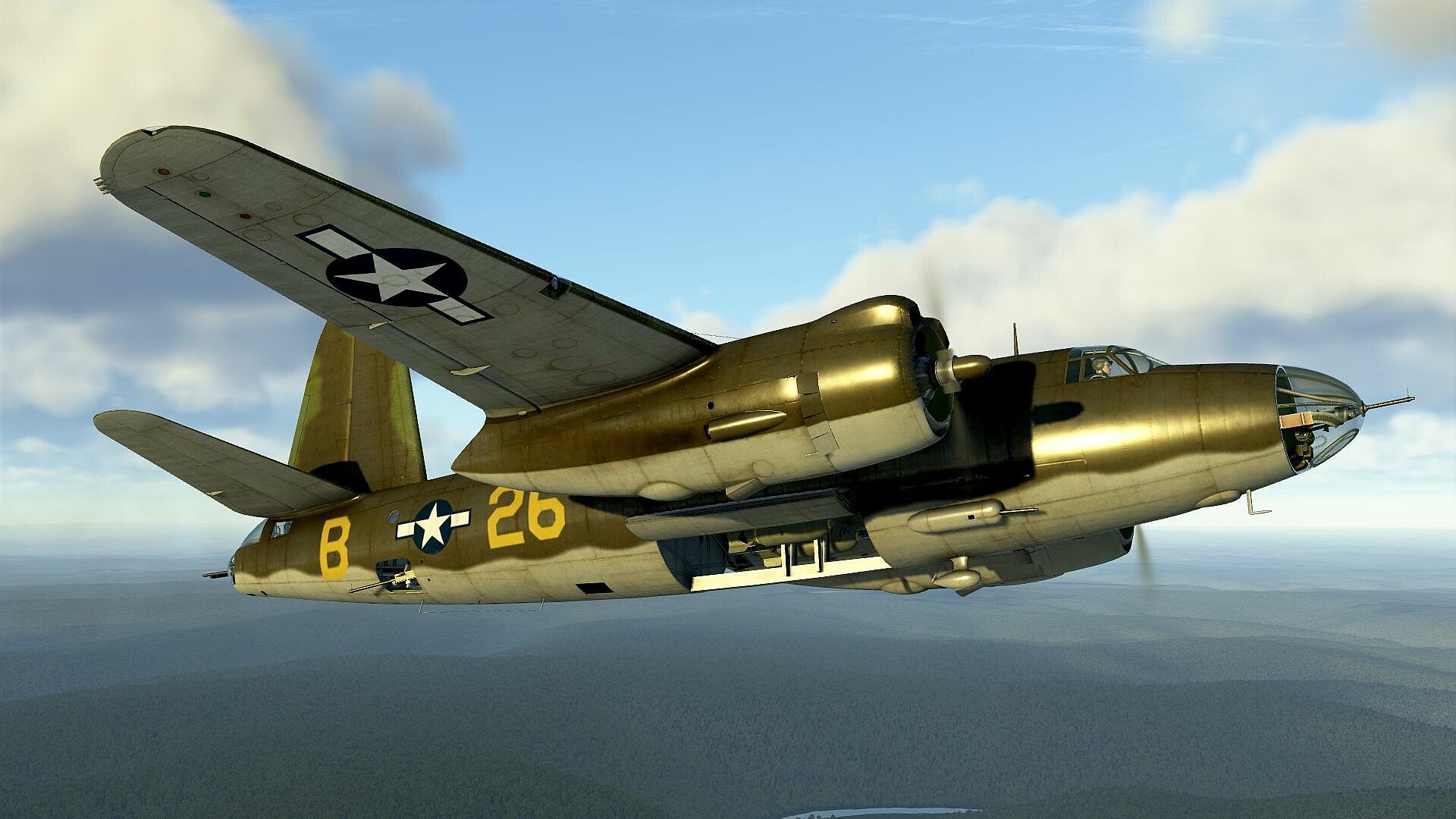
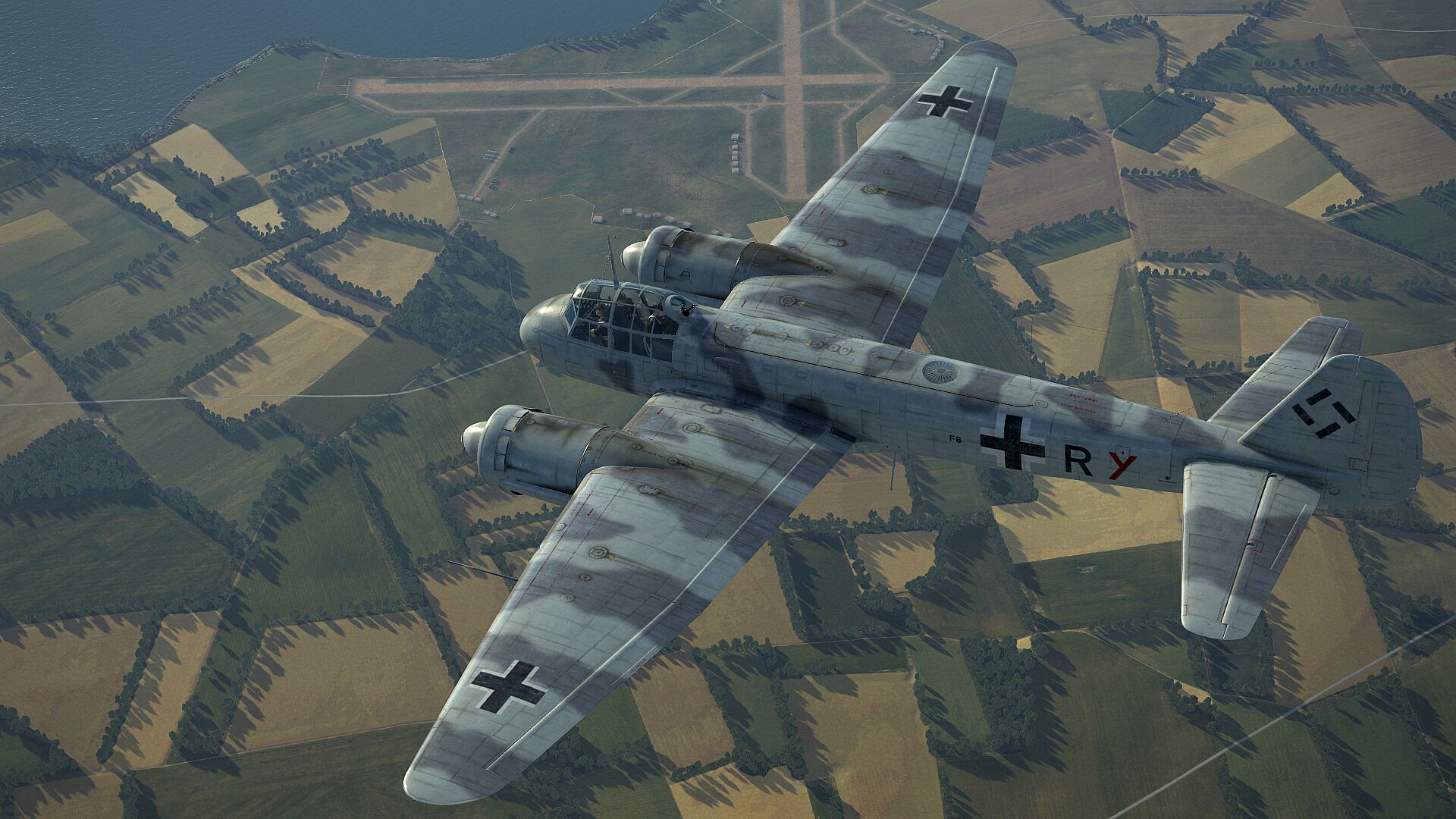
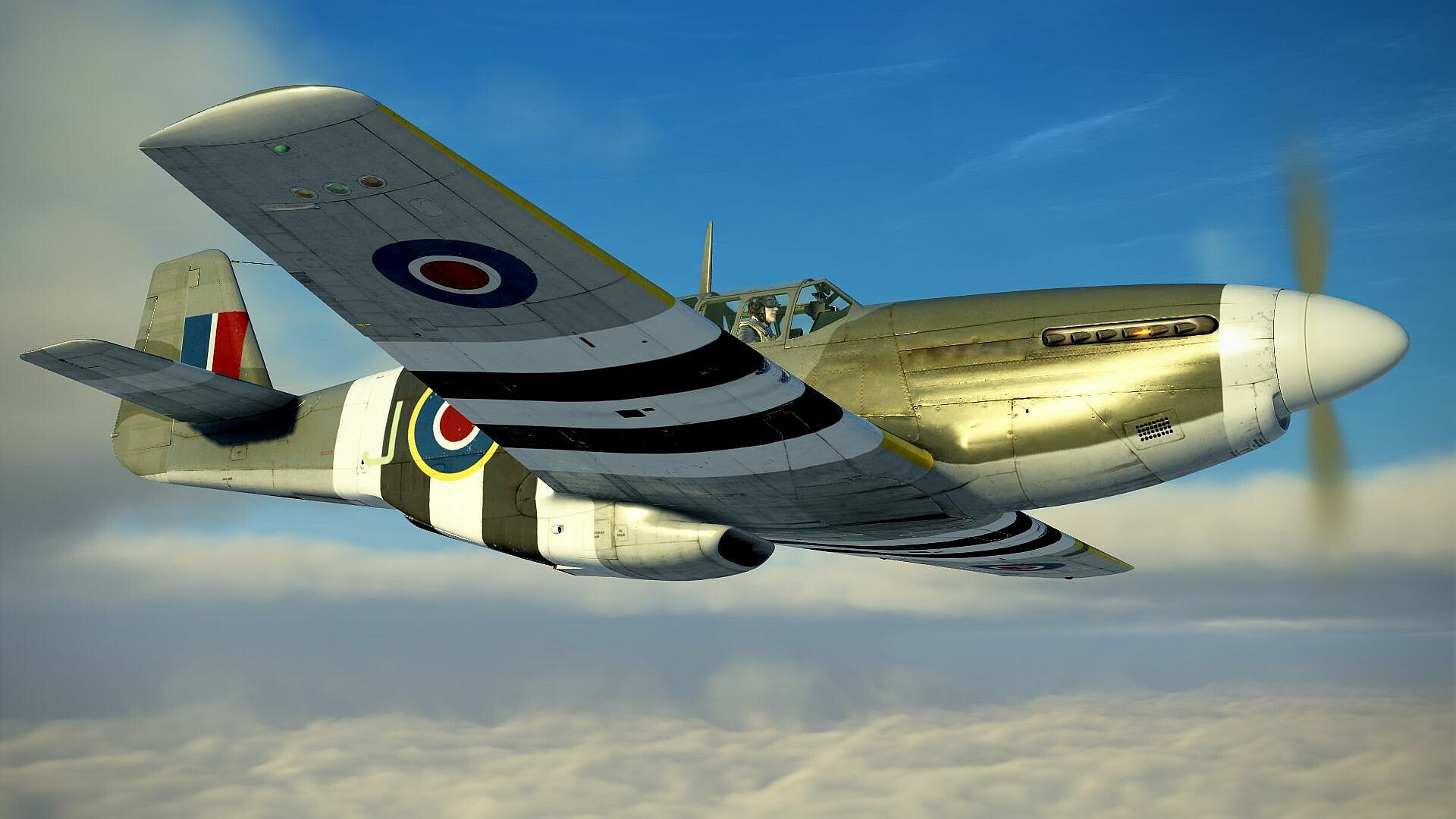
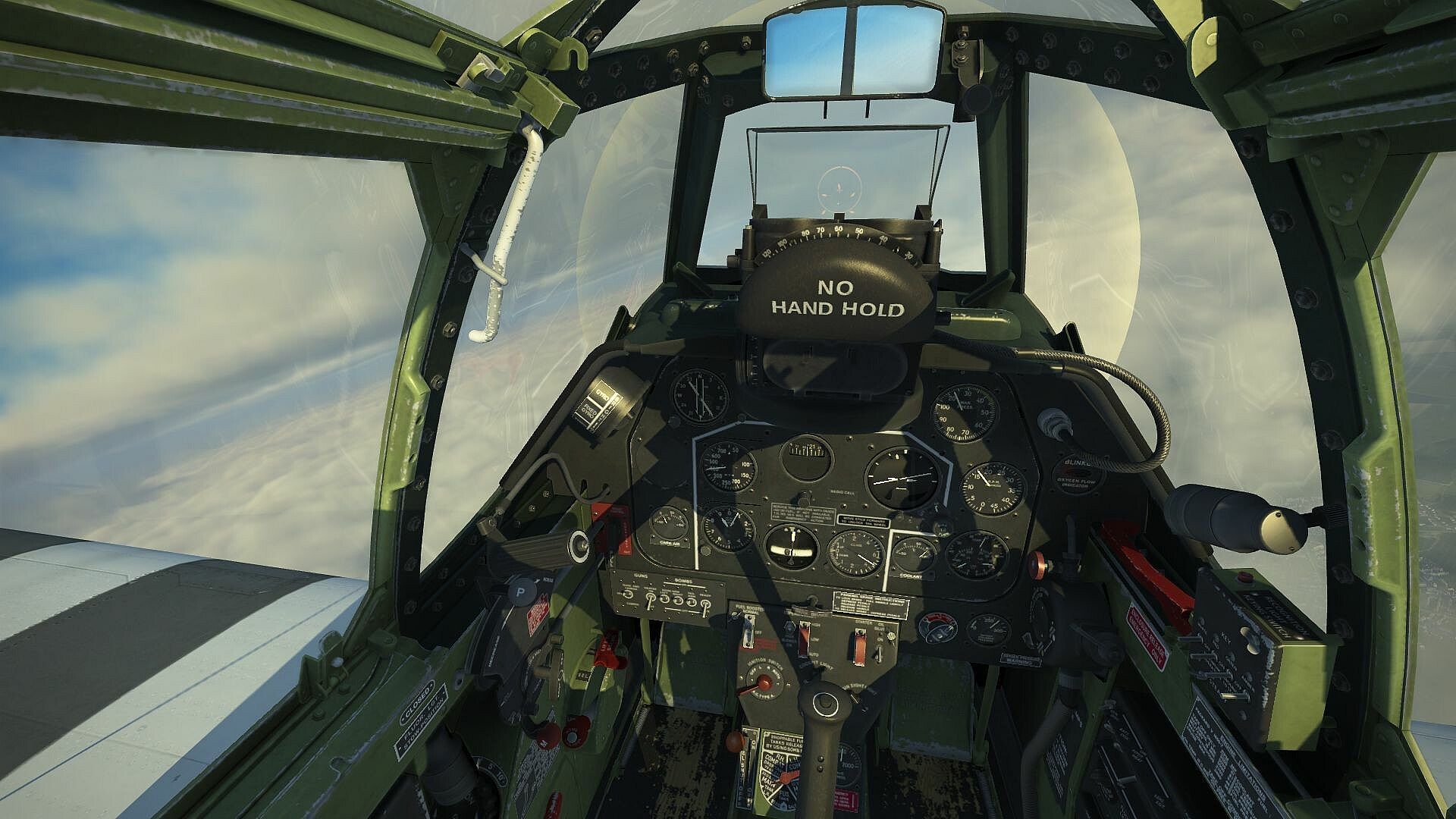
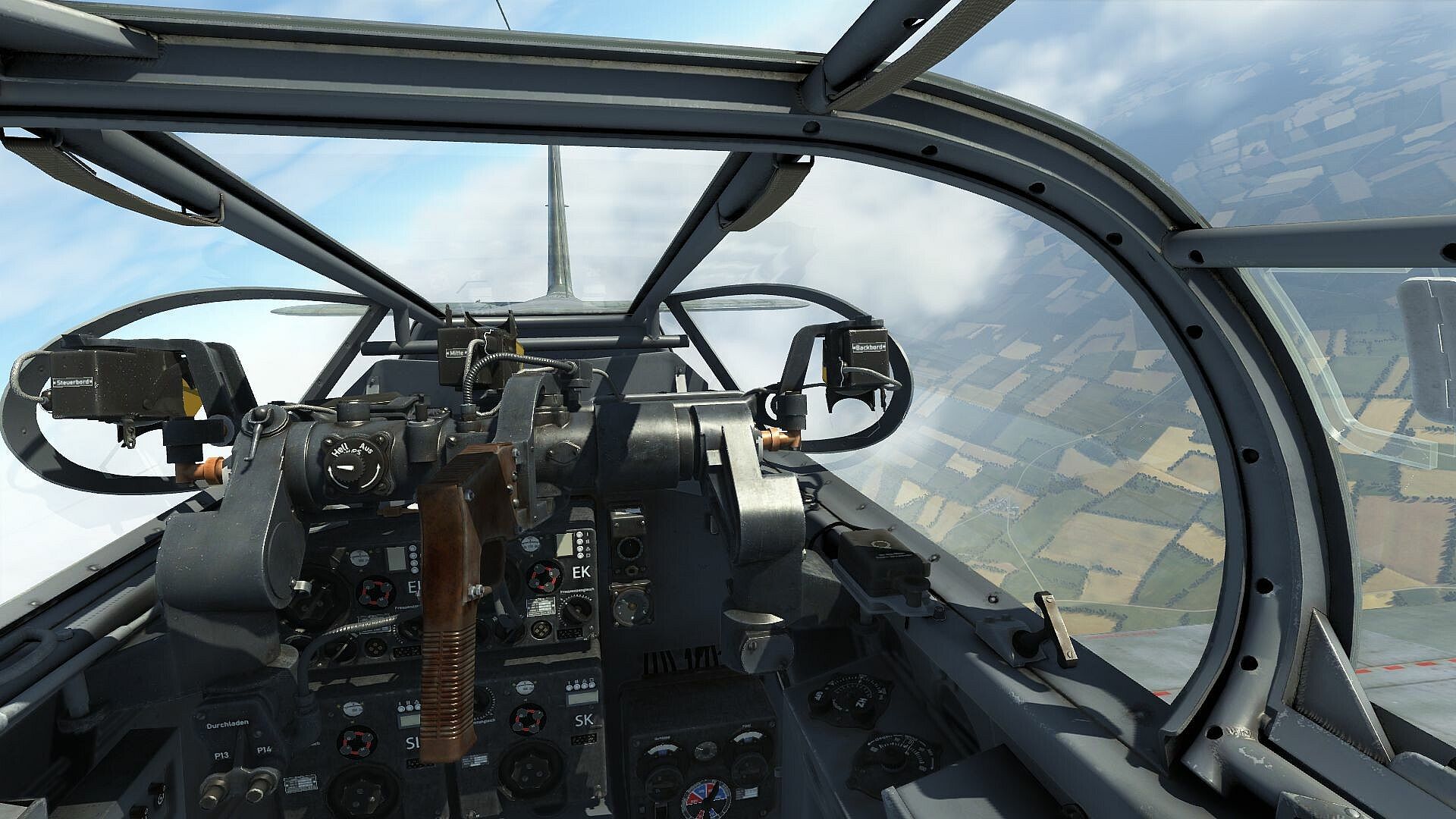
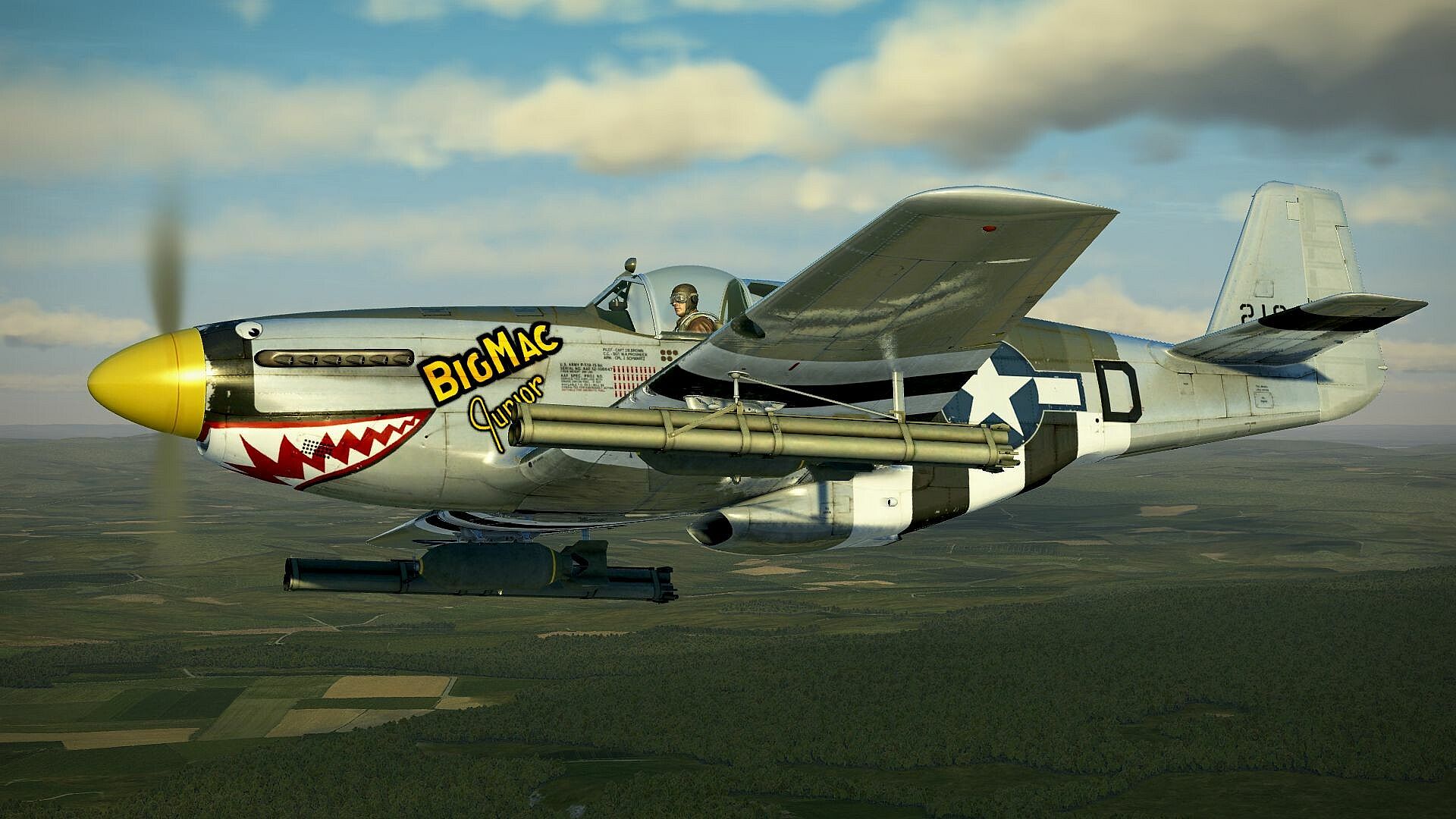
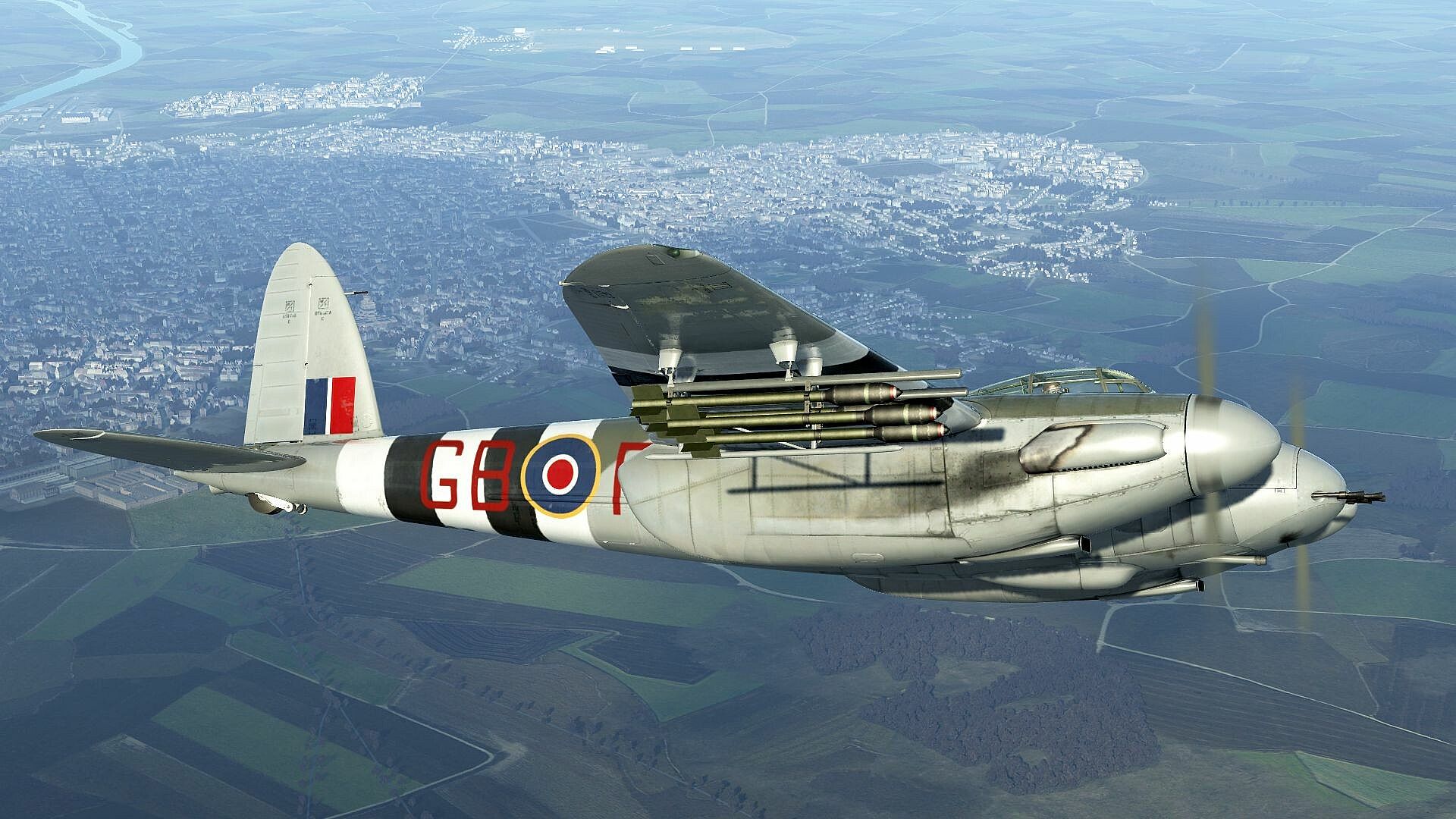
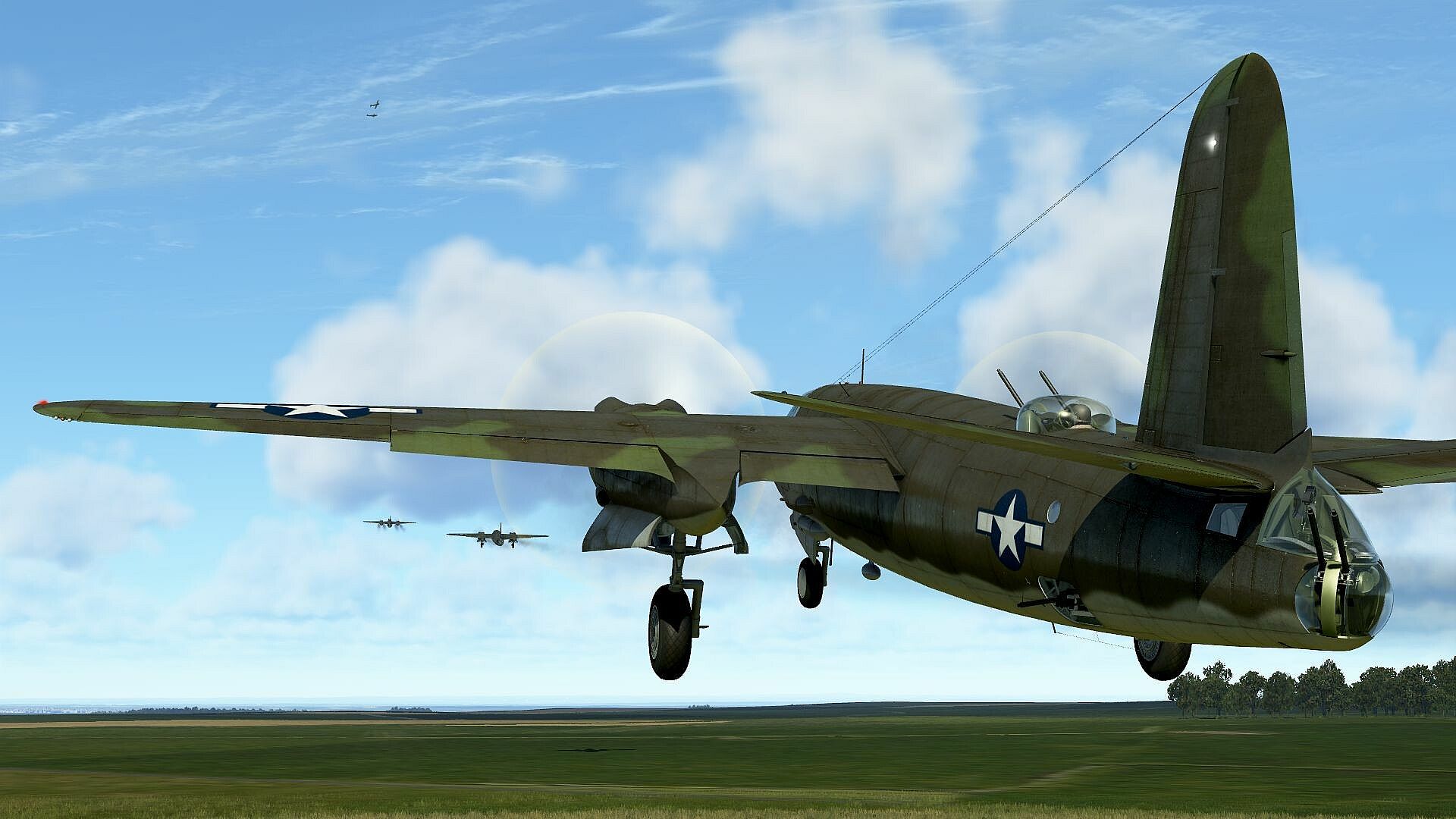
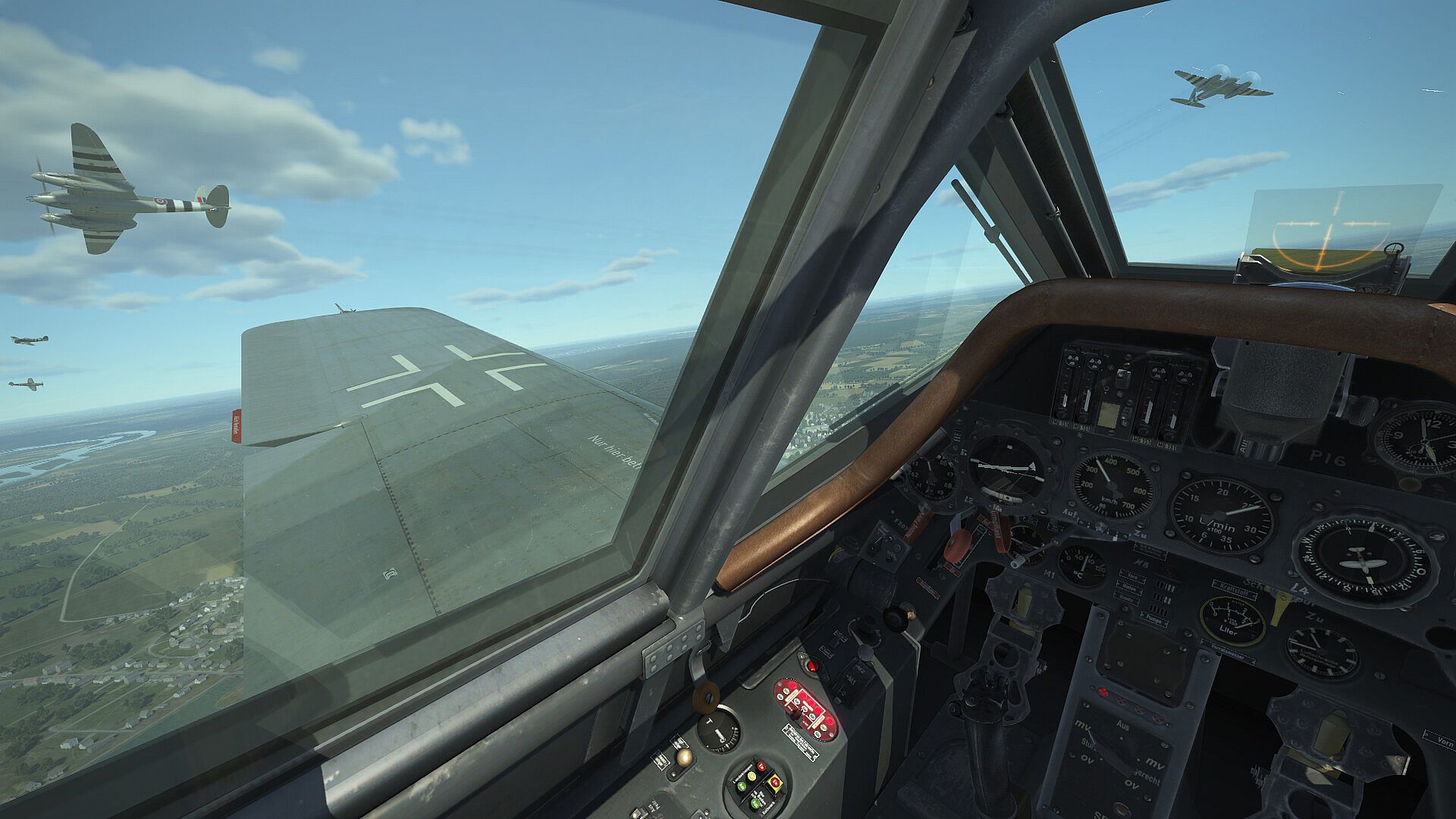
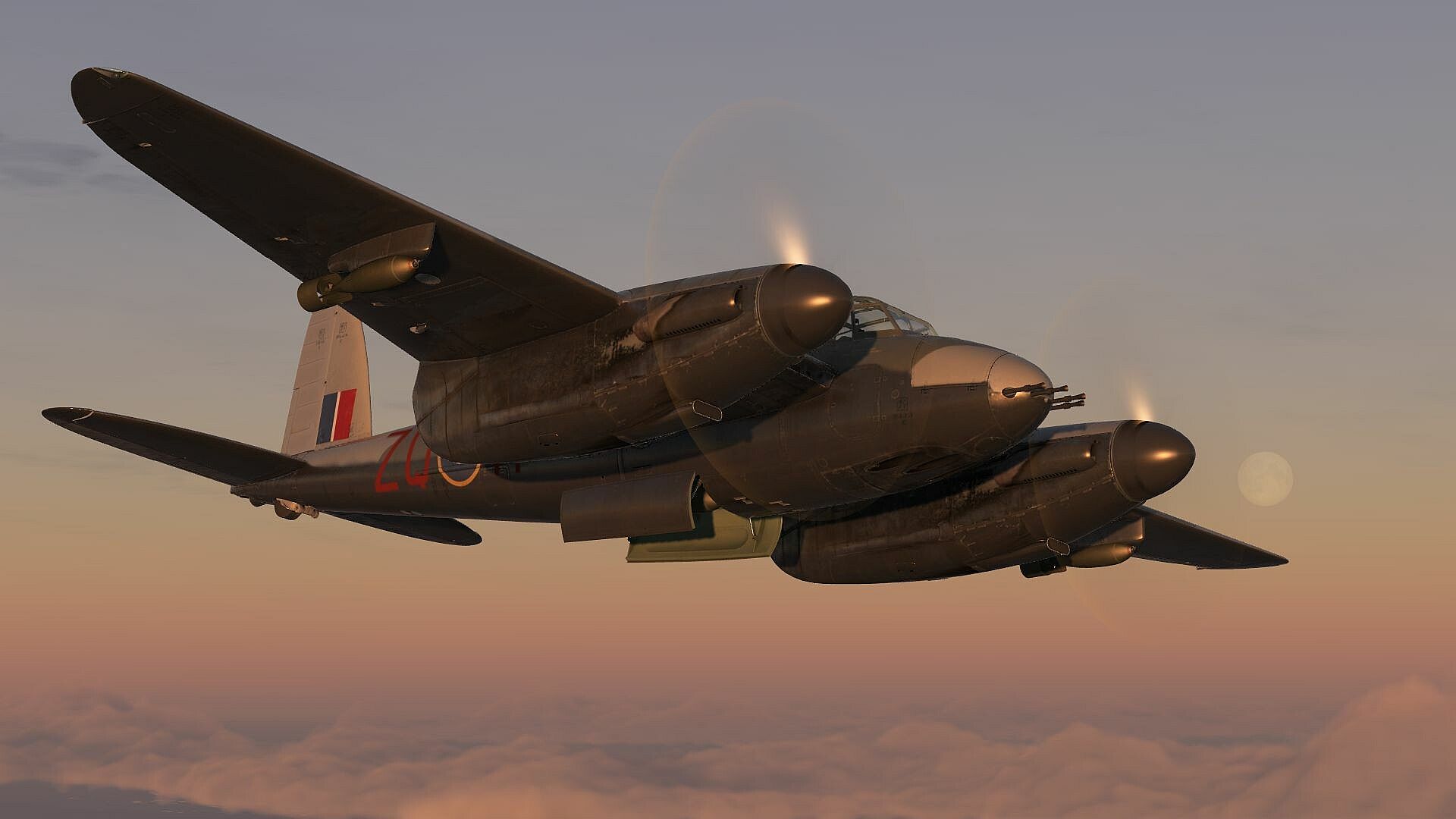
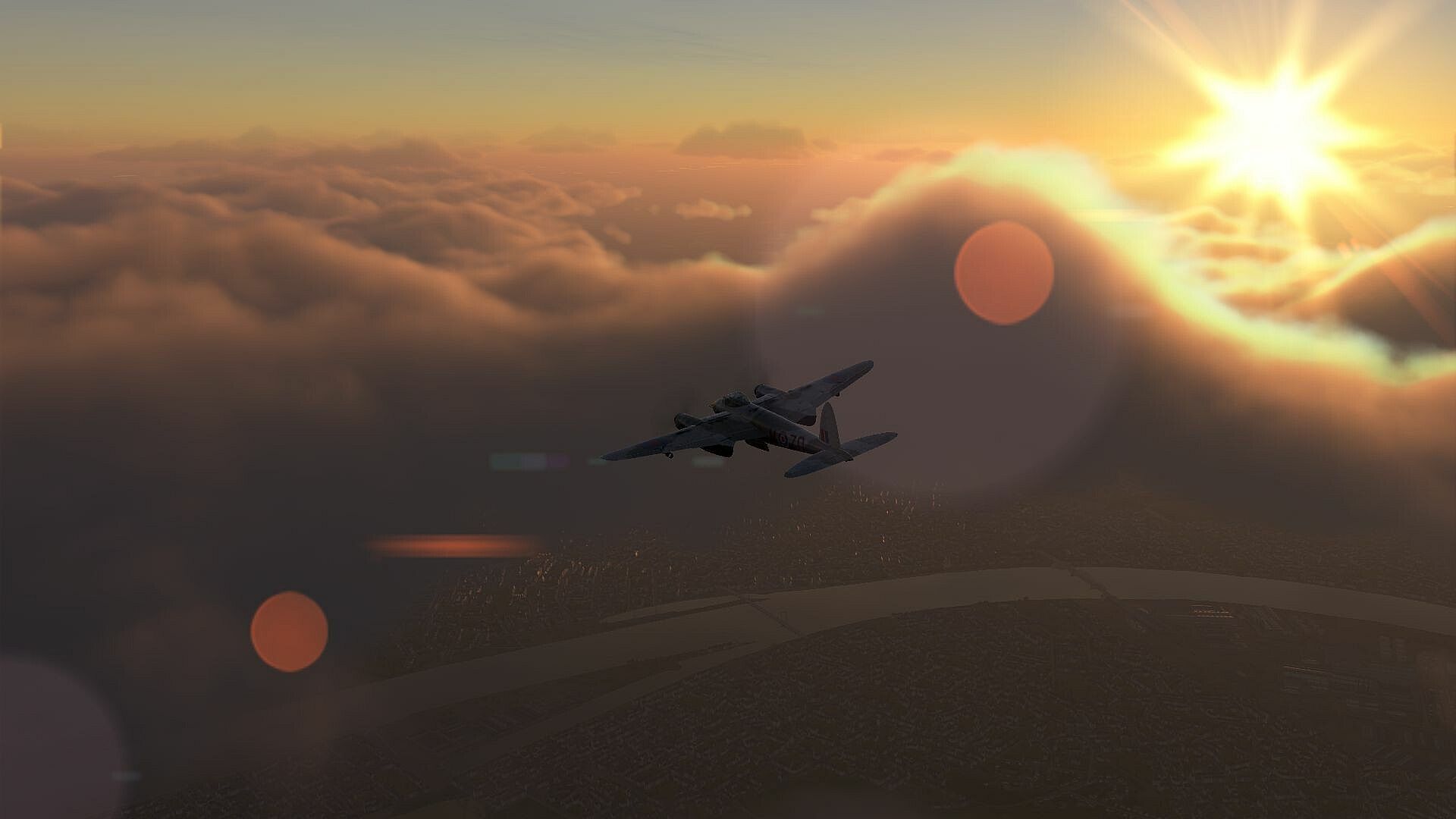
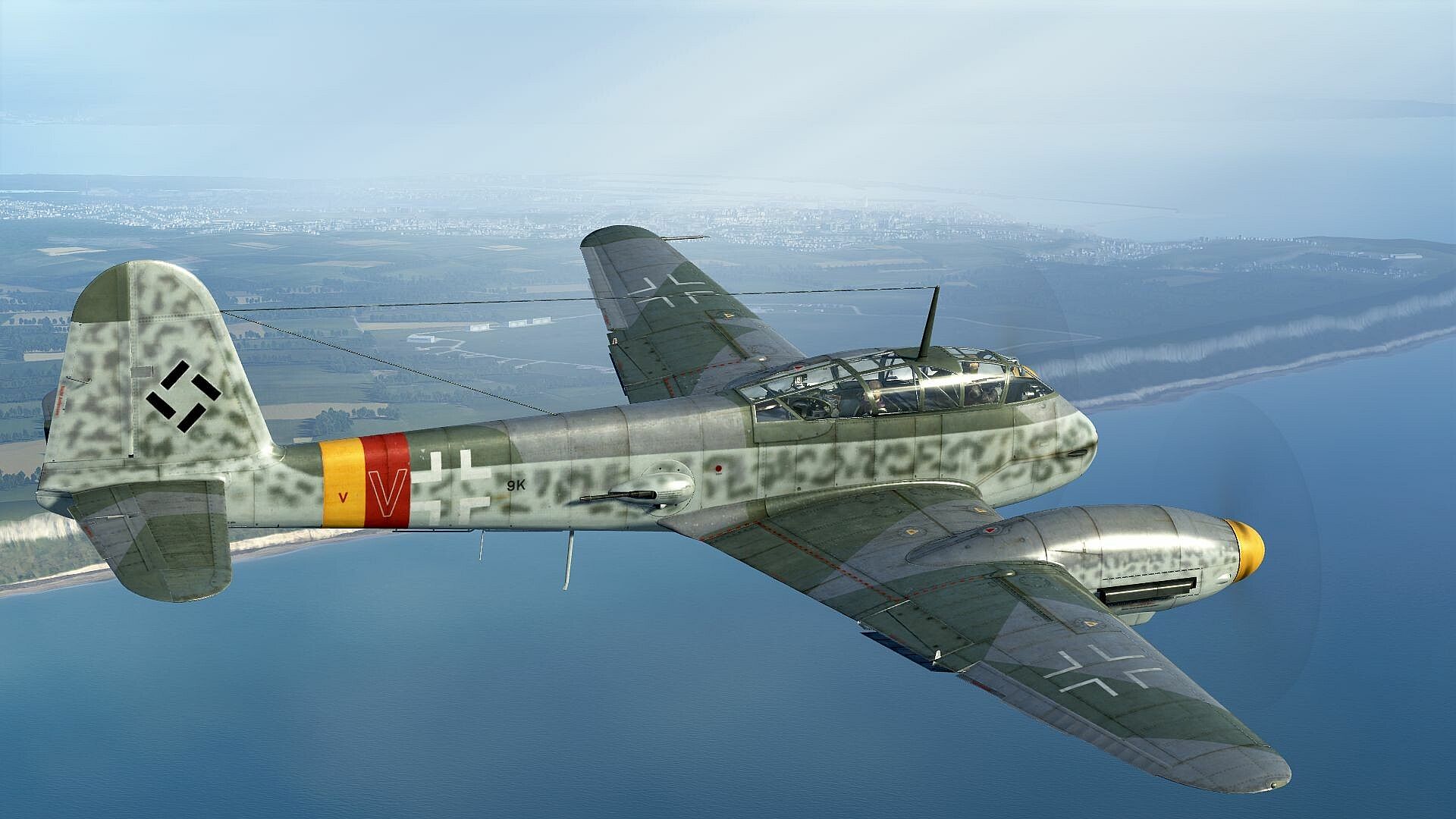
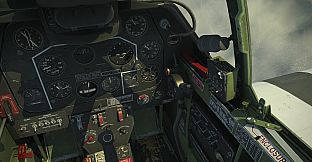
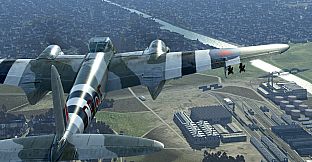
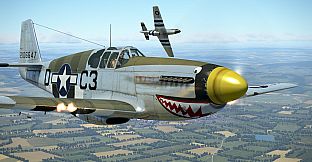
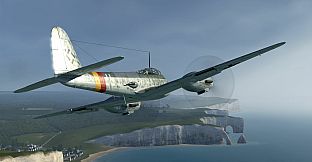
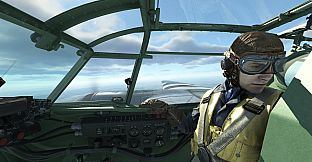
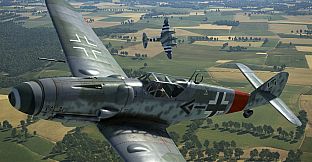
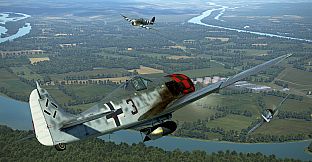
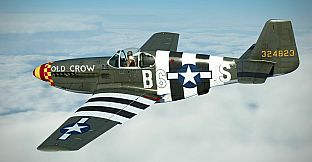
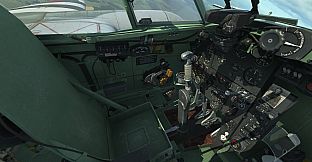
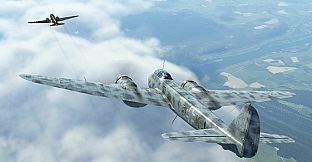
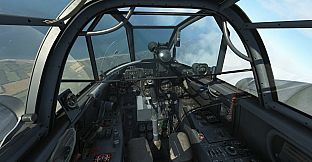
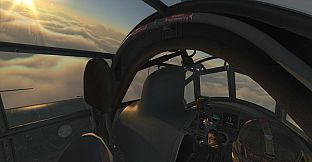
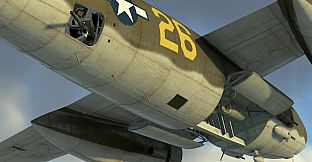
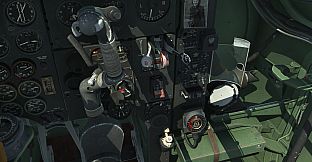
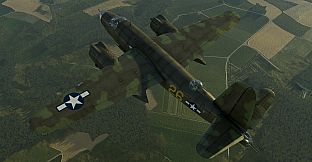
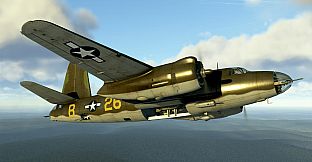
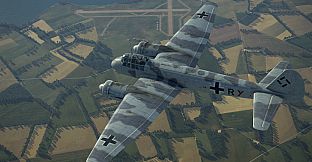
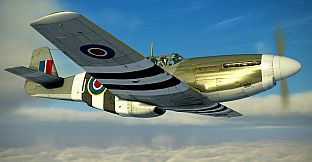
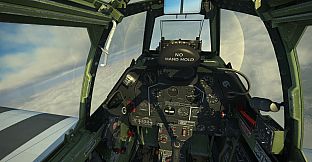
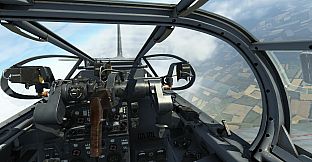
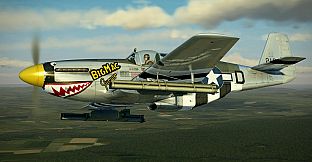
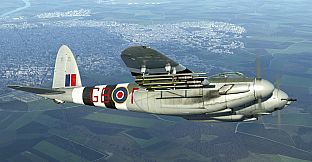
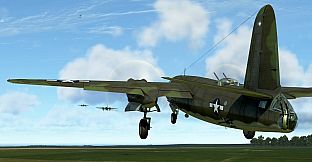
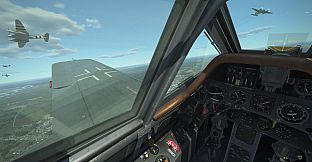
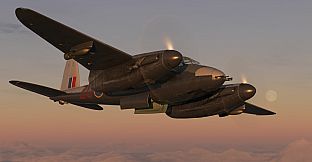
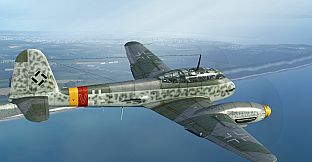
The core experience revolves around piloting nine flyable aircraft that represent the U.S. Army Air Force, Royal Air Force, and Luftwaffe. These include the P-51B/C Mustang, Spitfire Mk.IXc, P-47D-22 Thunderbolt, Typhoon Mk.Ib, Mosquito F.B. Mk.VI, Bf 109 G-6 late variant, FW 190 A-6, Ju 88 C-6a, and Me 410 A-1. An AI-controlled B-26B-55 medium bomber also appears in missions. Each aircraft features a full-scale 3D cockpit with realistic instruments, gunsights, and bombsights. Aerodynamics respond to real-world factors such as speed, altitude, and damage, while pilot fatigue builds during prolonged maneuvering and can lead to blackouts or redouts under high G-forces.
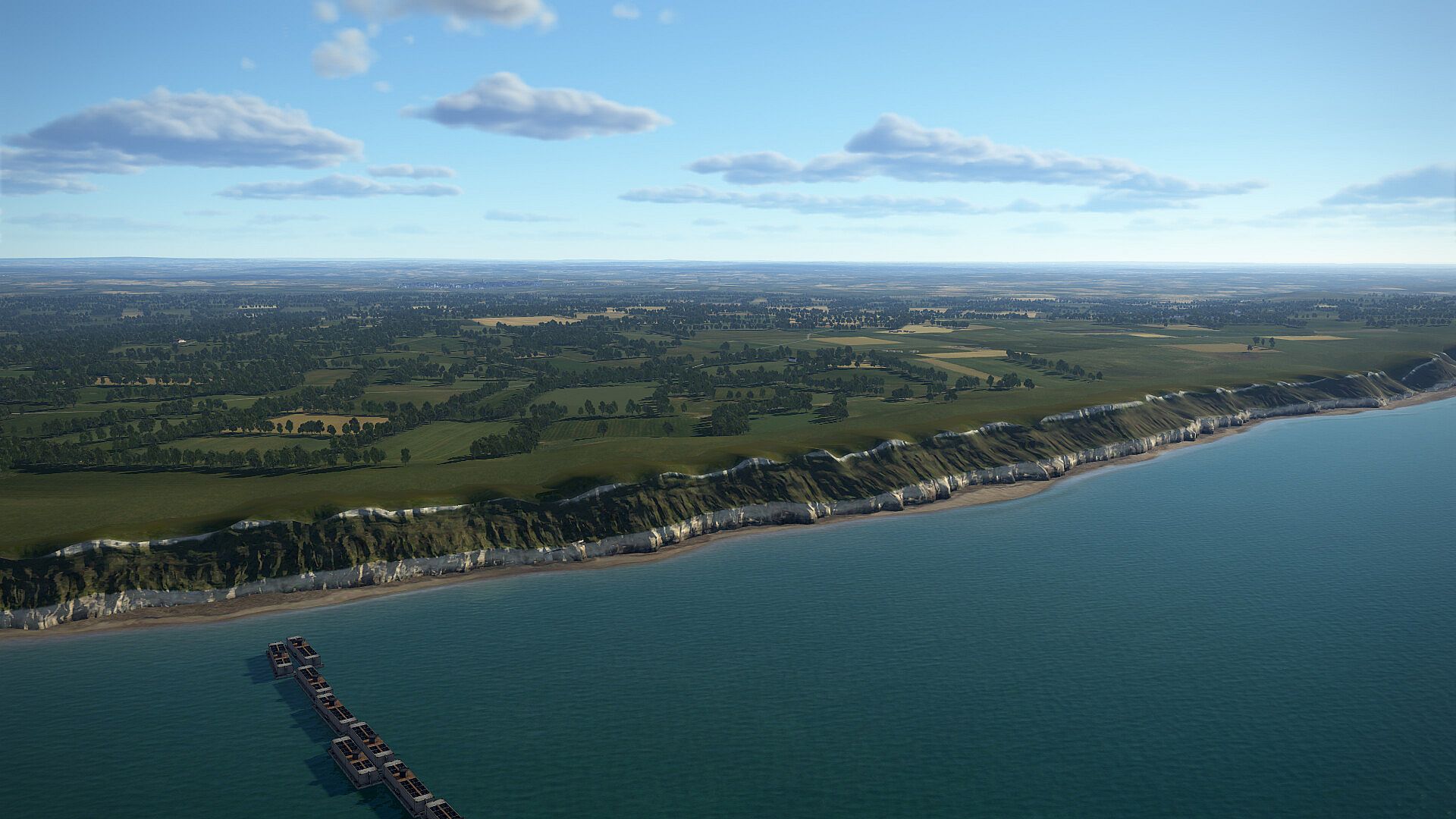
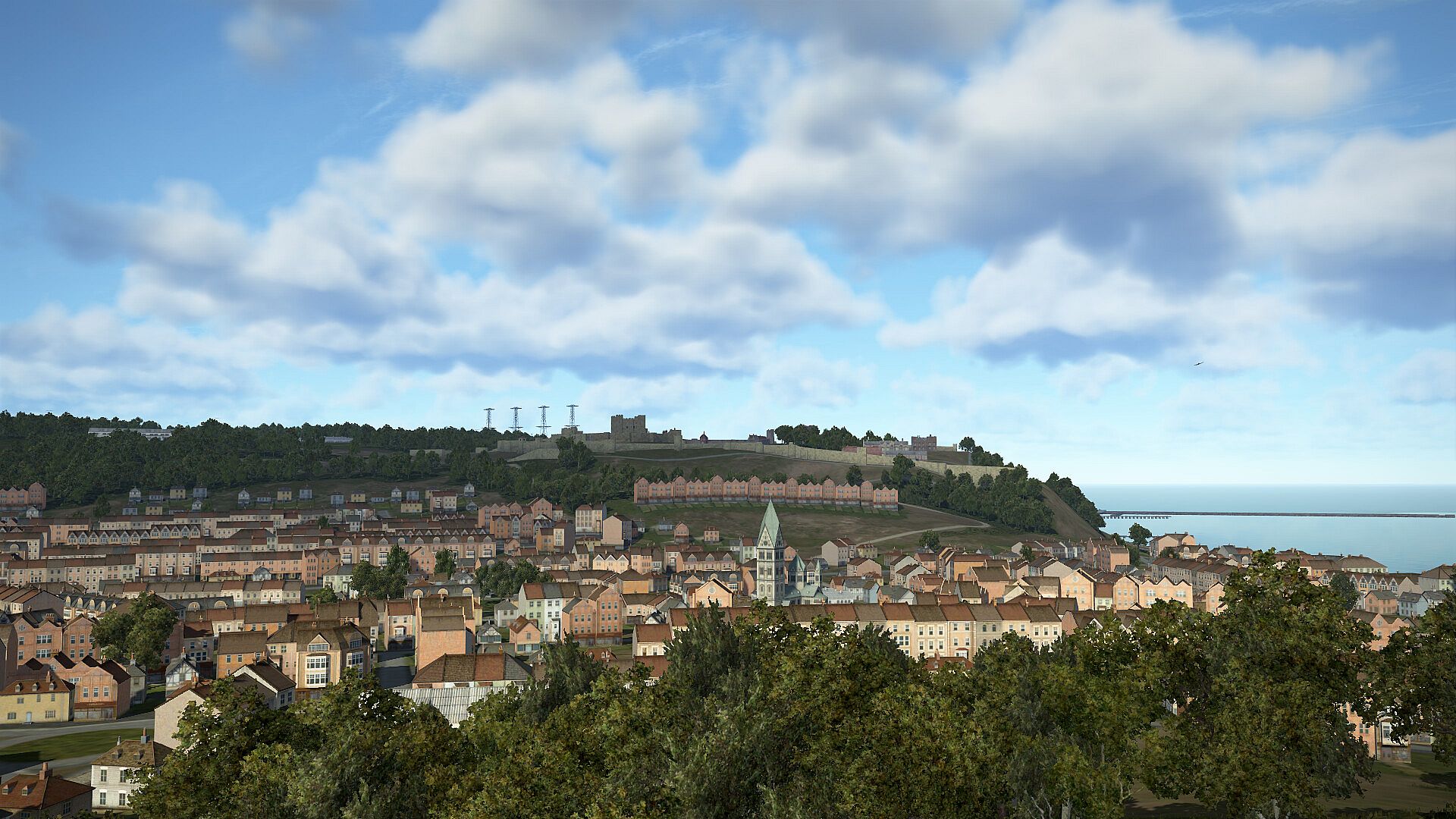
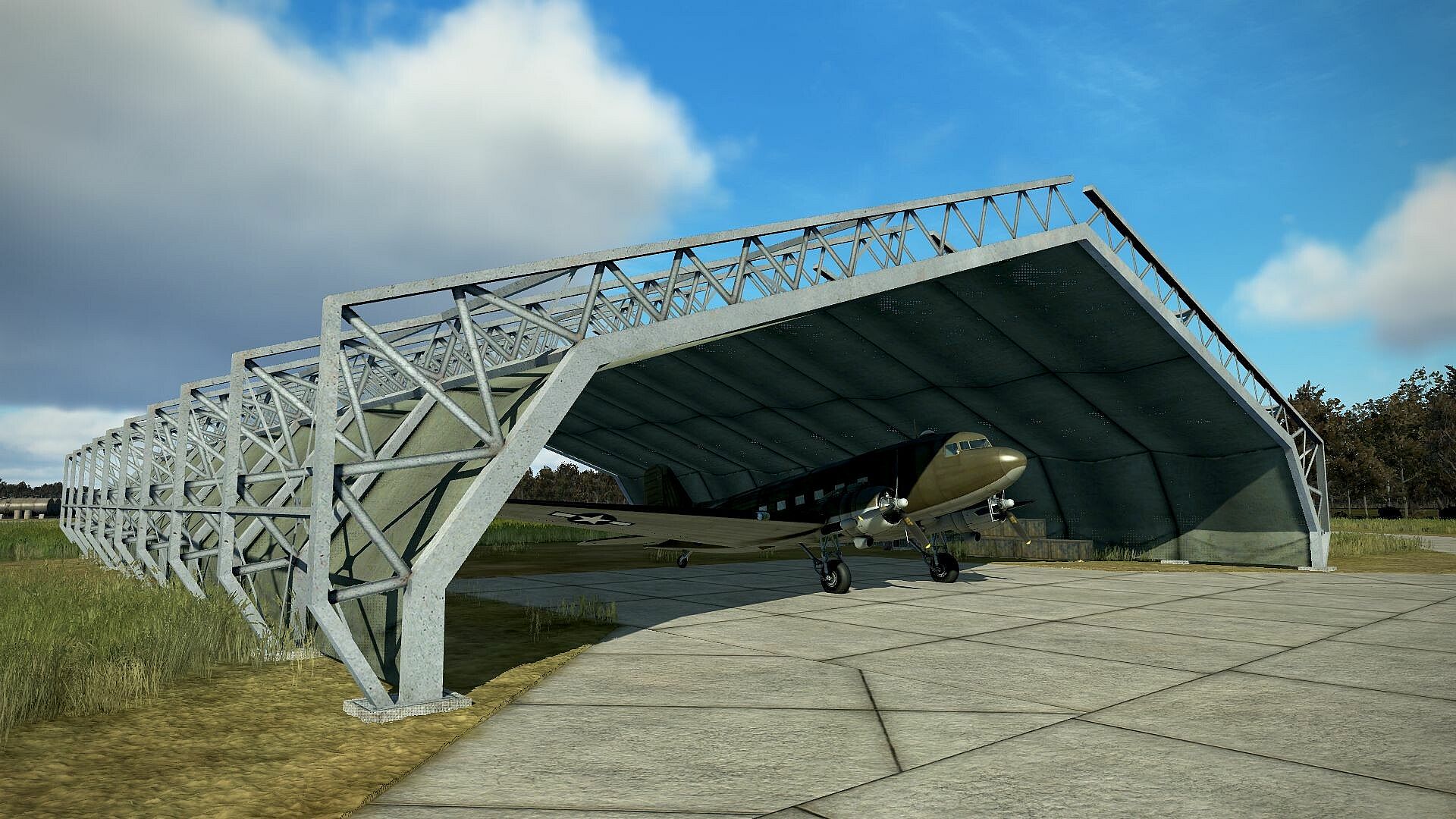
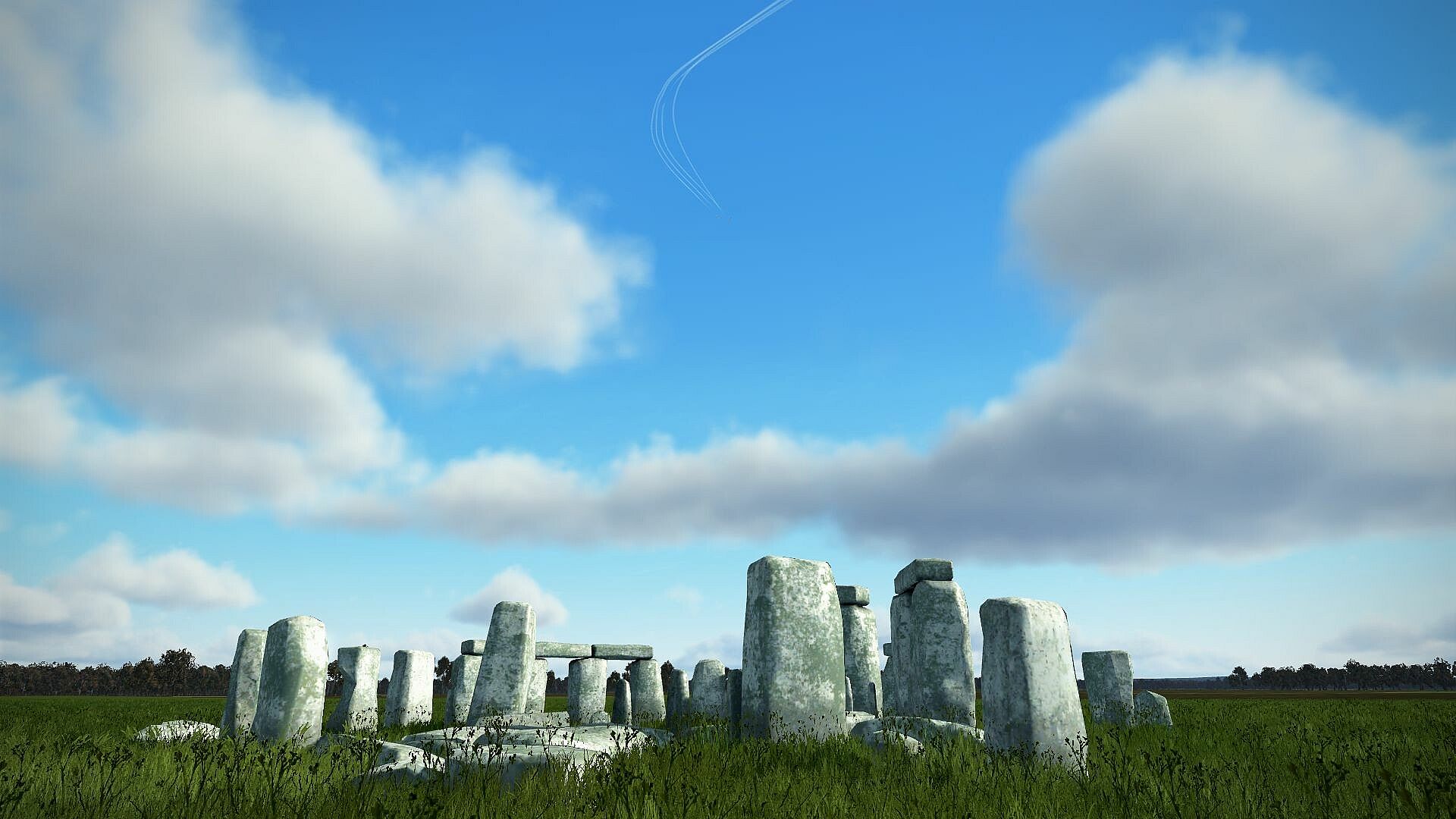
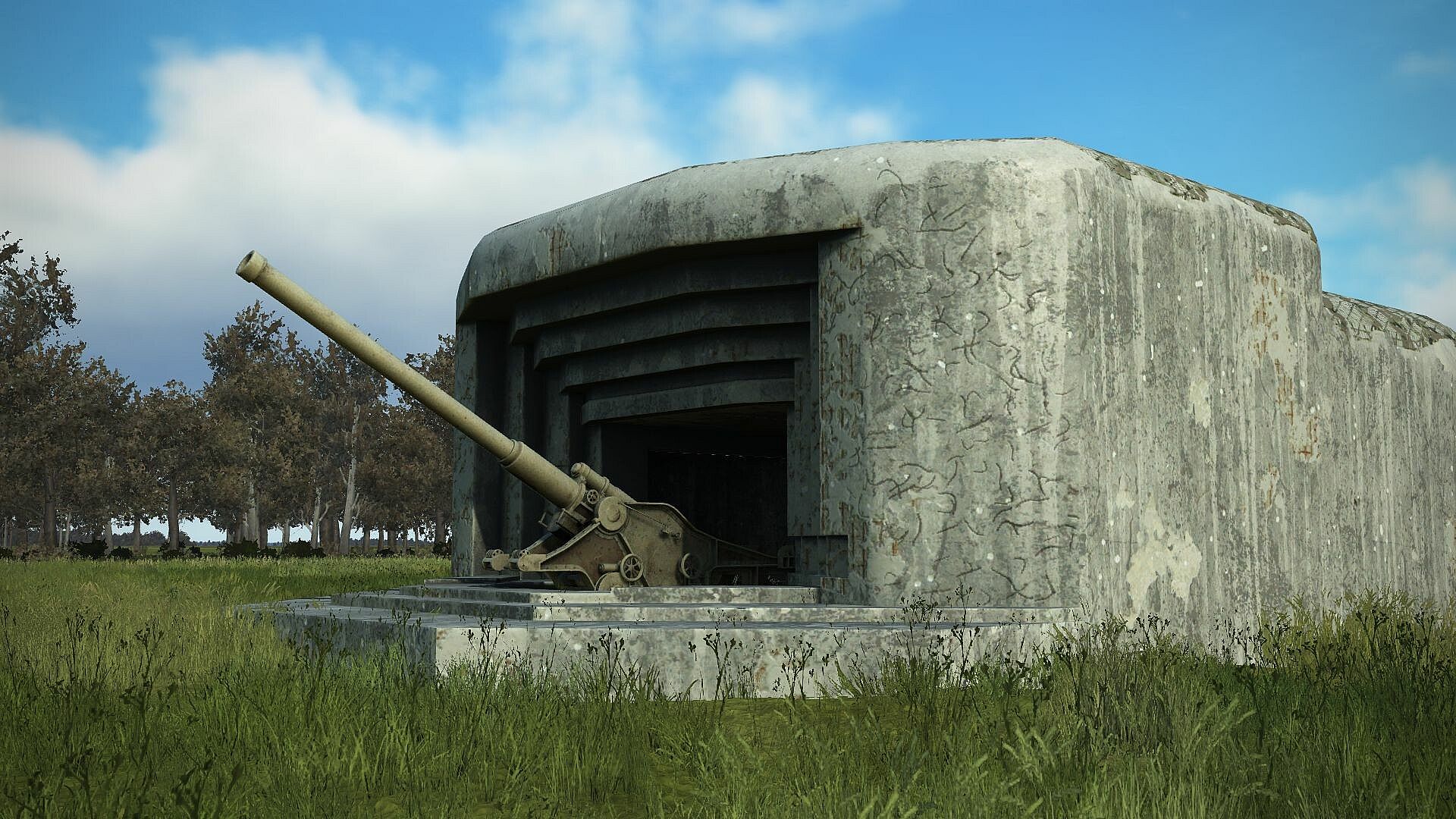
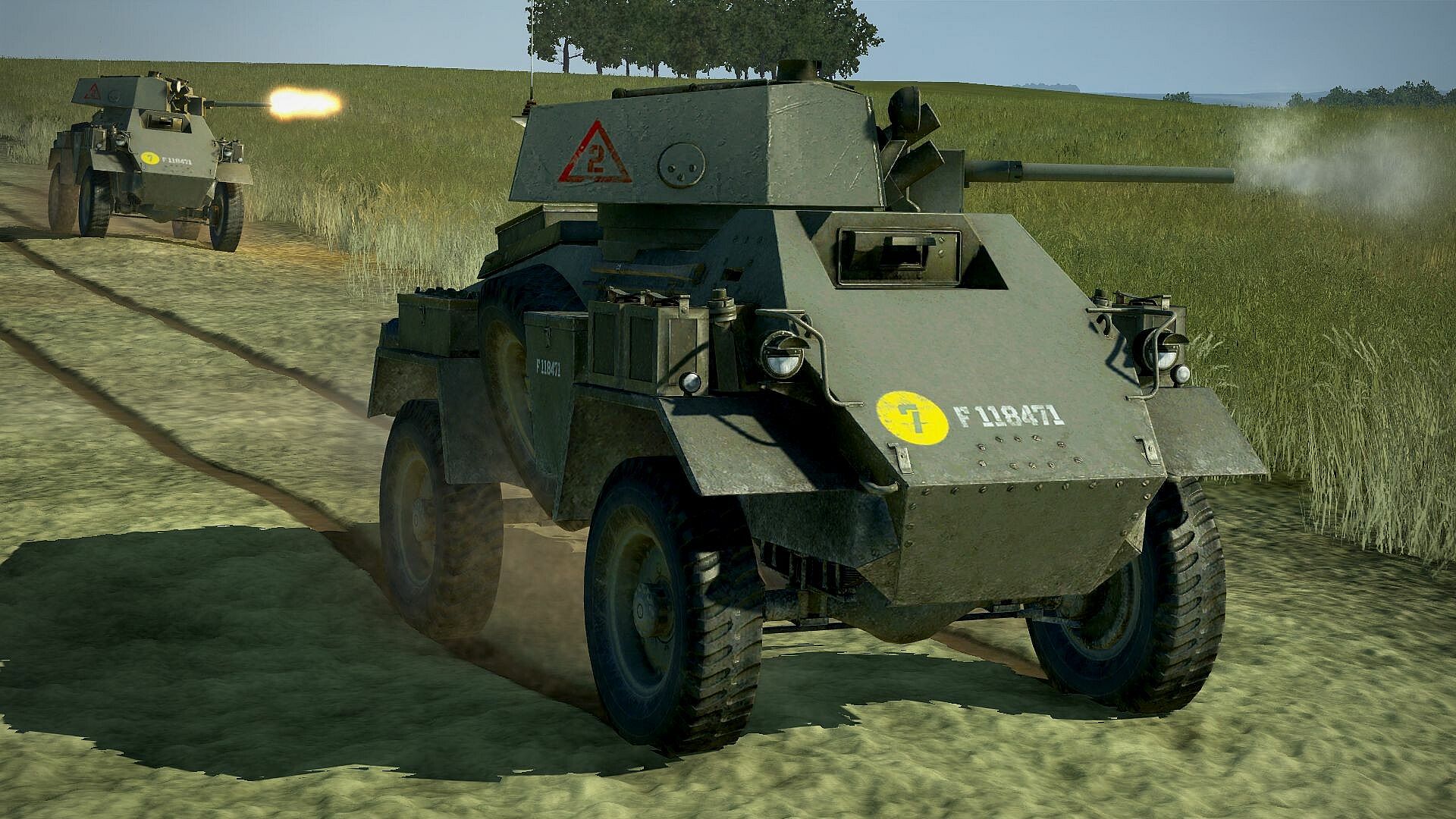
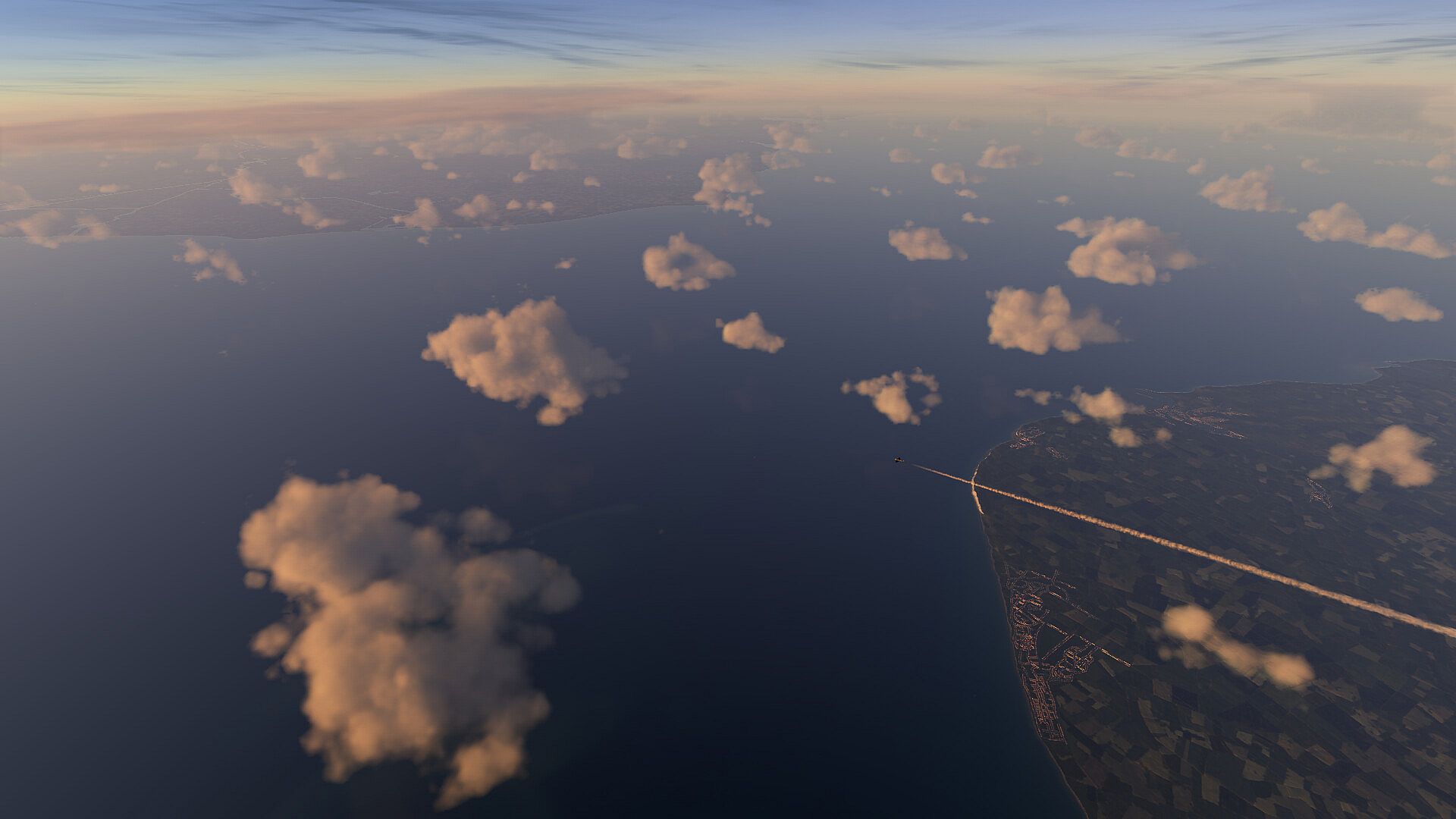
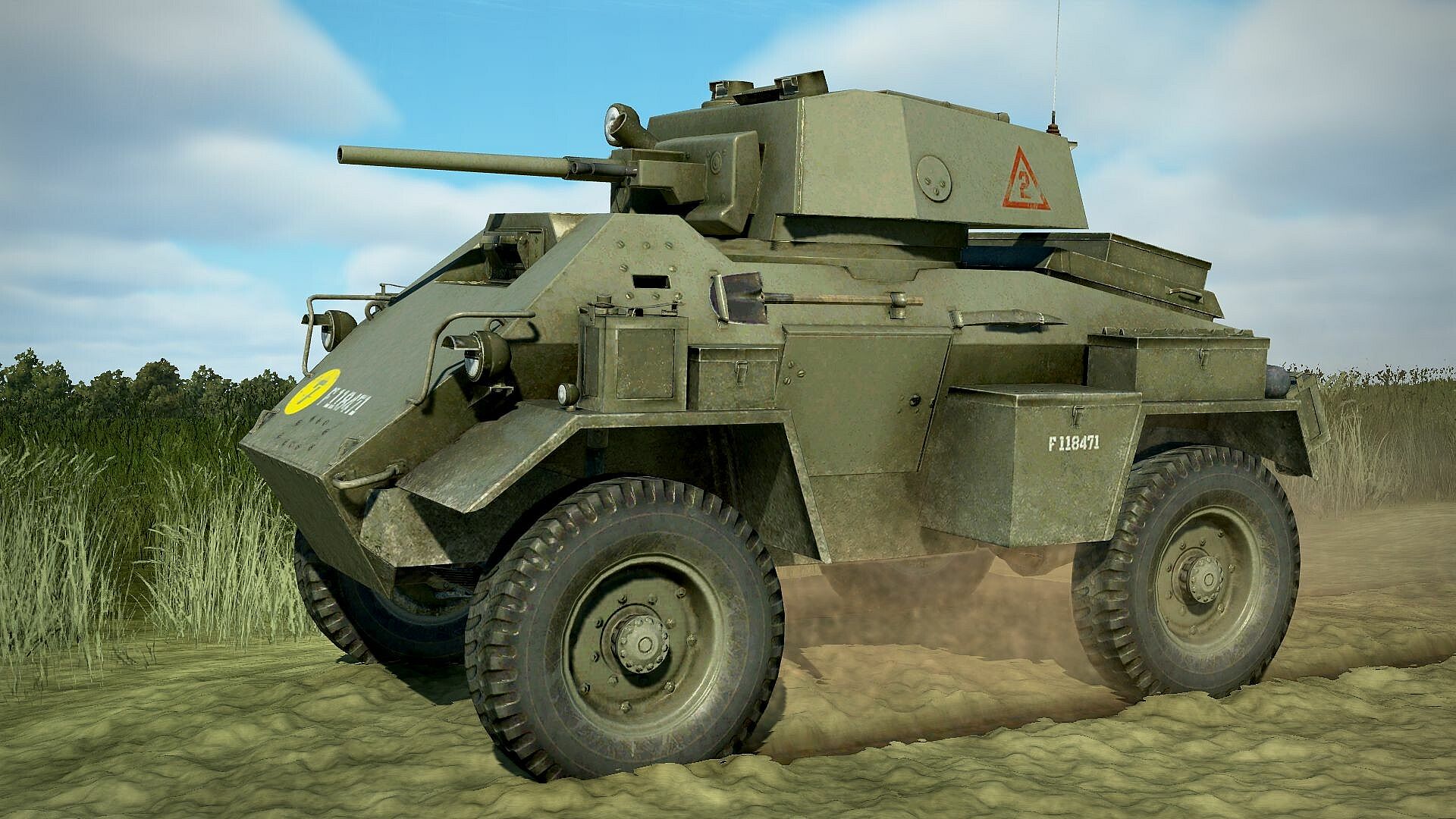
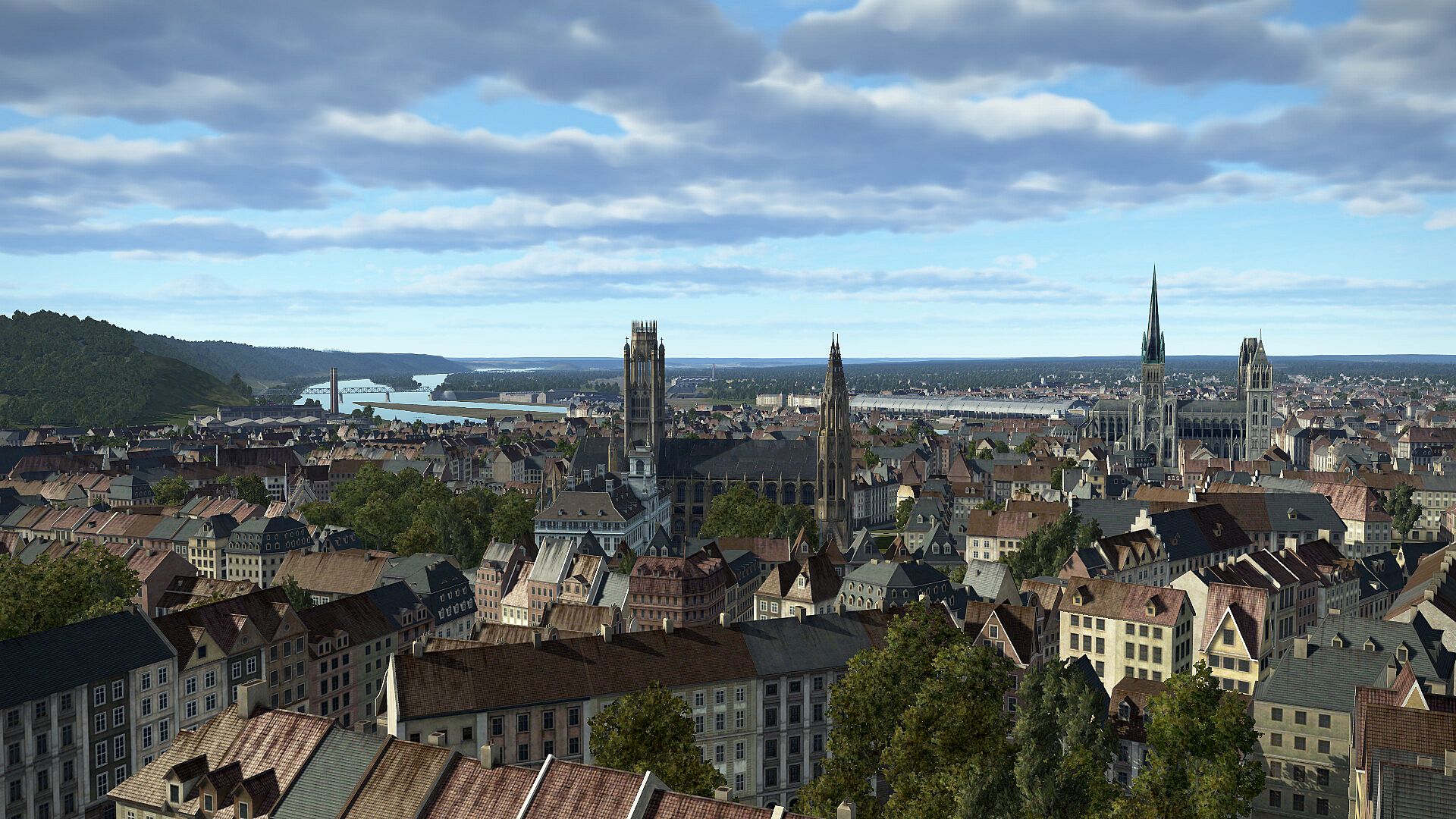
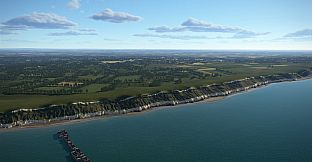
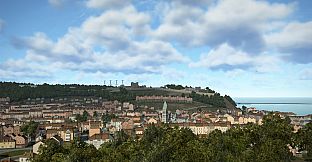
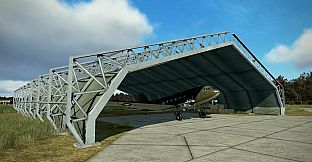
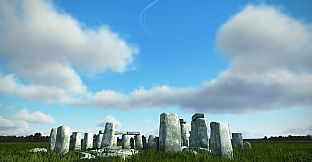
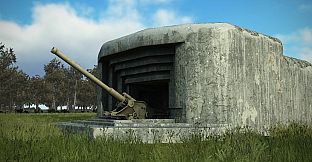
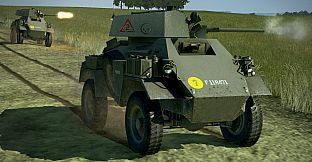
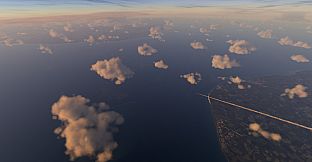
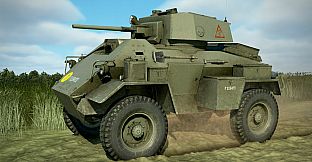
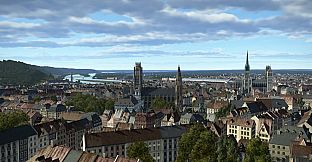
The 107,924 square kilometer map covers southern England and northwest France with 100 accurately placed historical airfields. Terrain reflects satellite data from mid-1944, showing both pre-invasion and post-invasion states. Ground objects include buildings, hangars, vehicles, and anti-aircraft positions that interact with the detailed ballistics and damage systems. Virtual reality support provides full cockpit visibility, and players can invite friends to occupy gunner or observer positions in compatible aircraft.
Game Modes
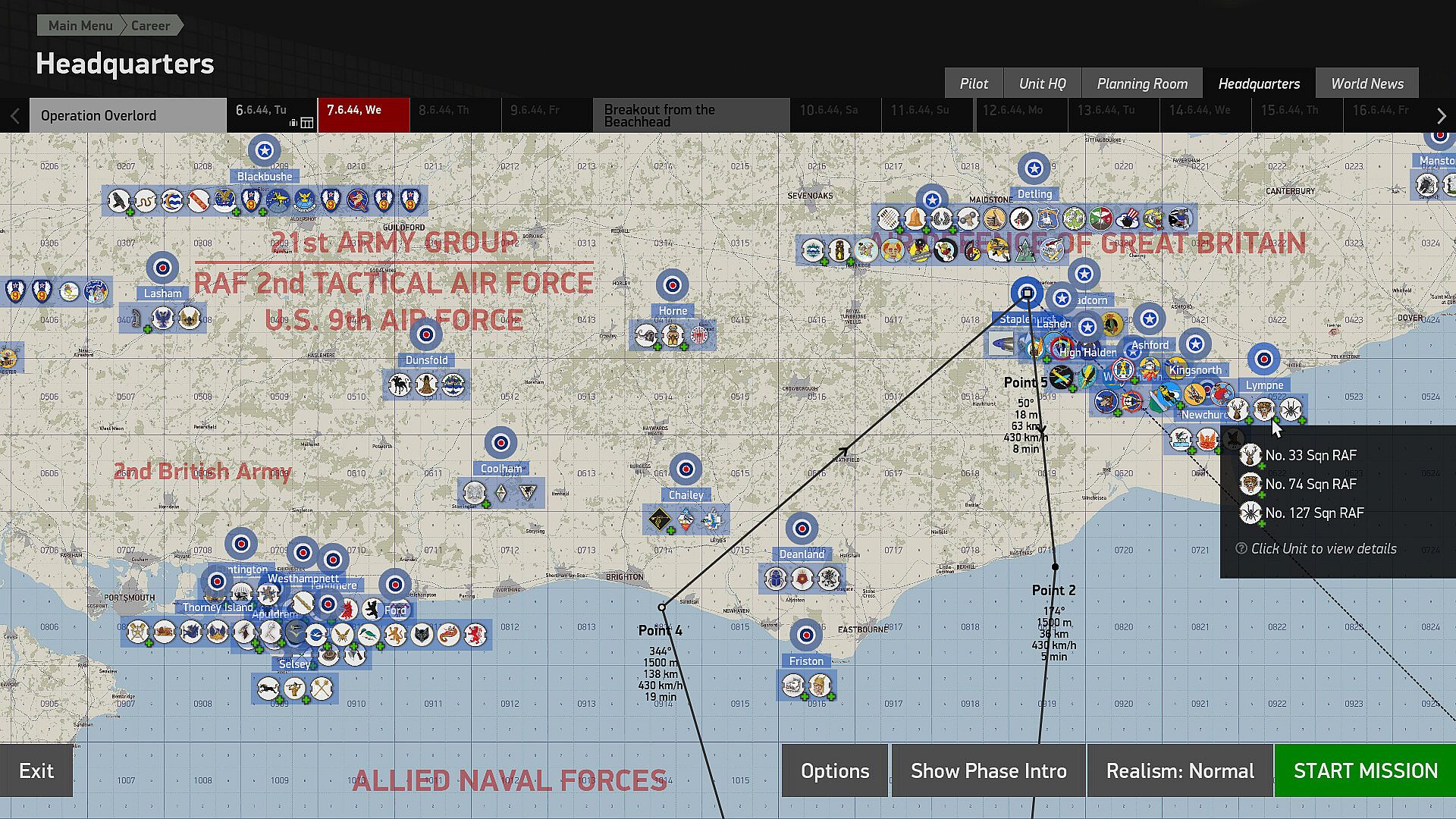
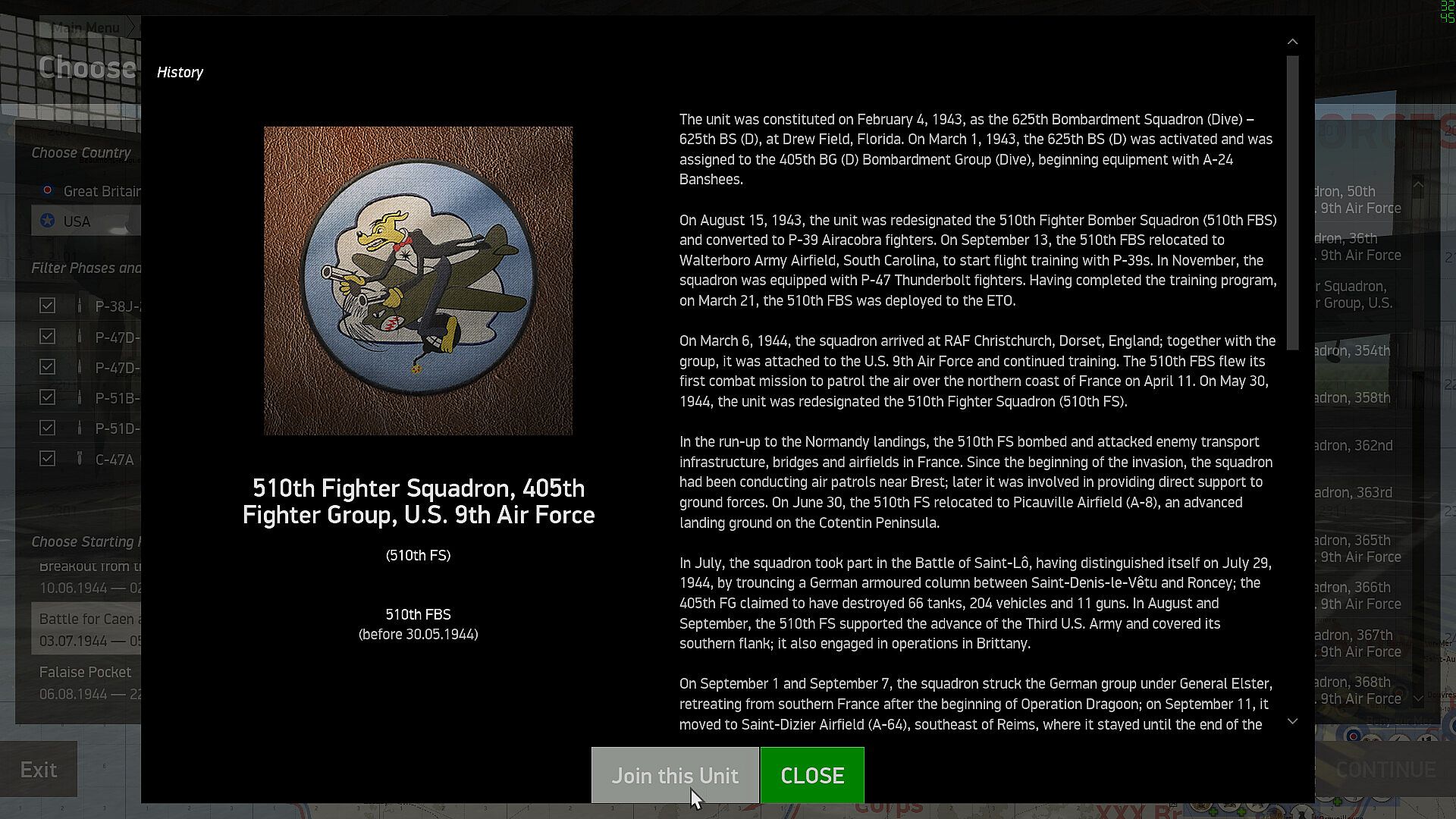
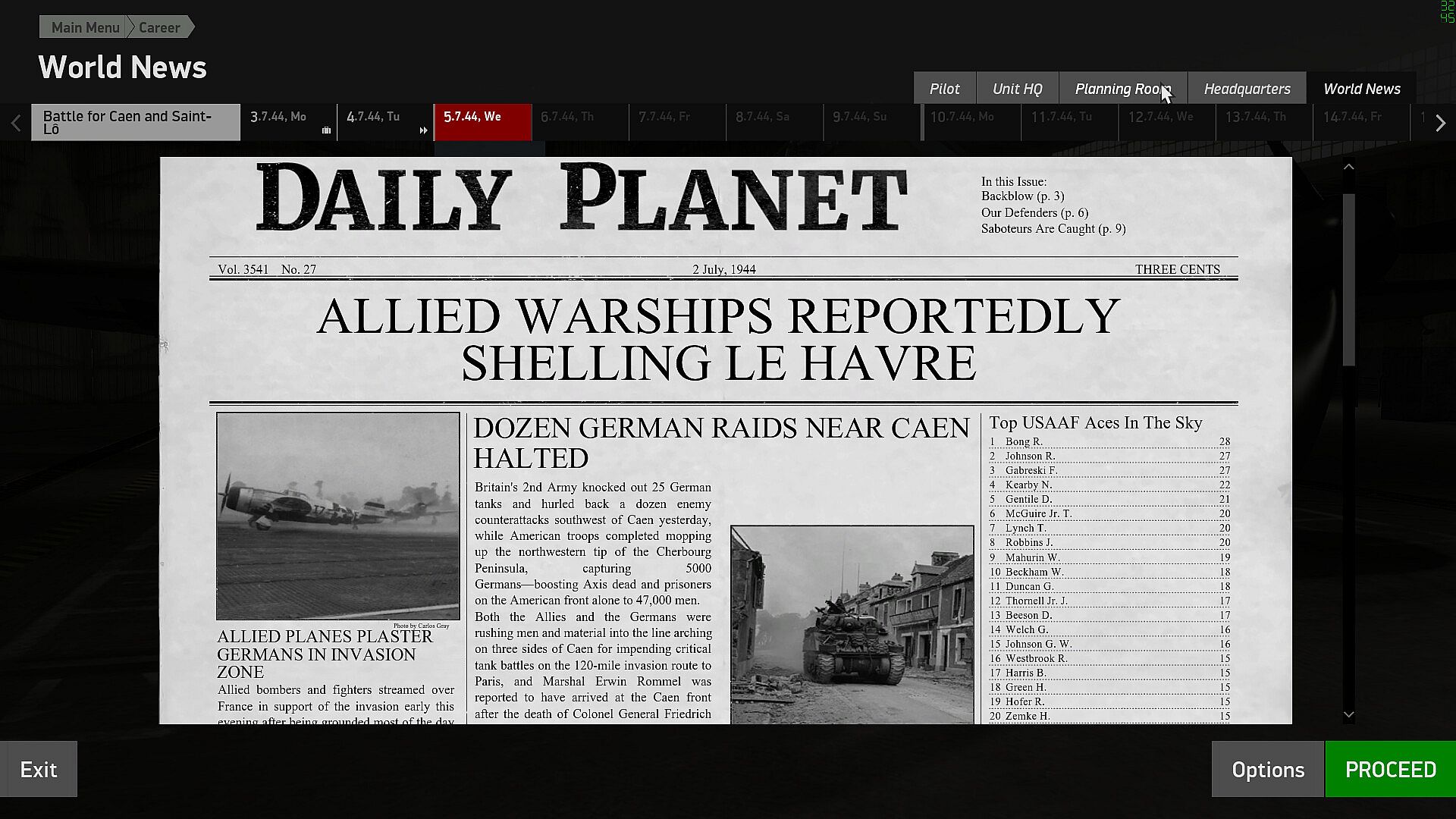
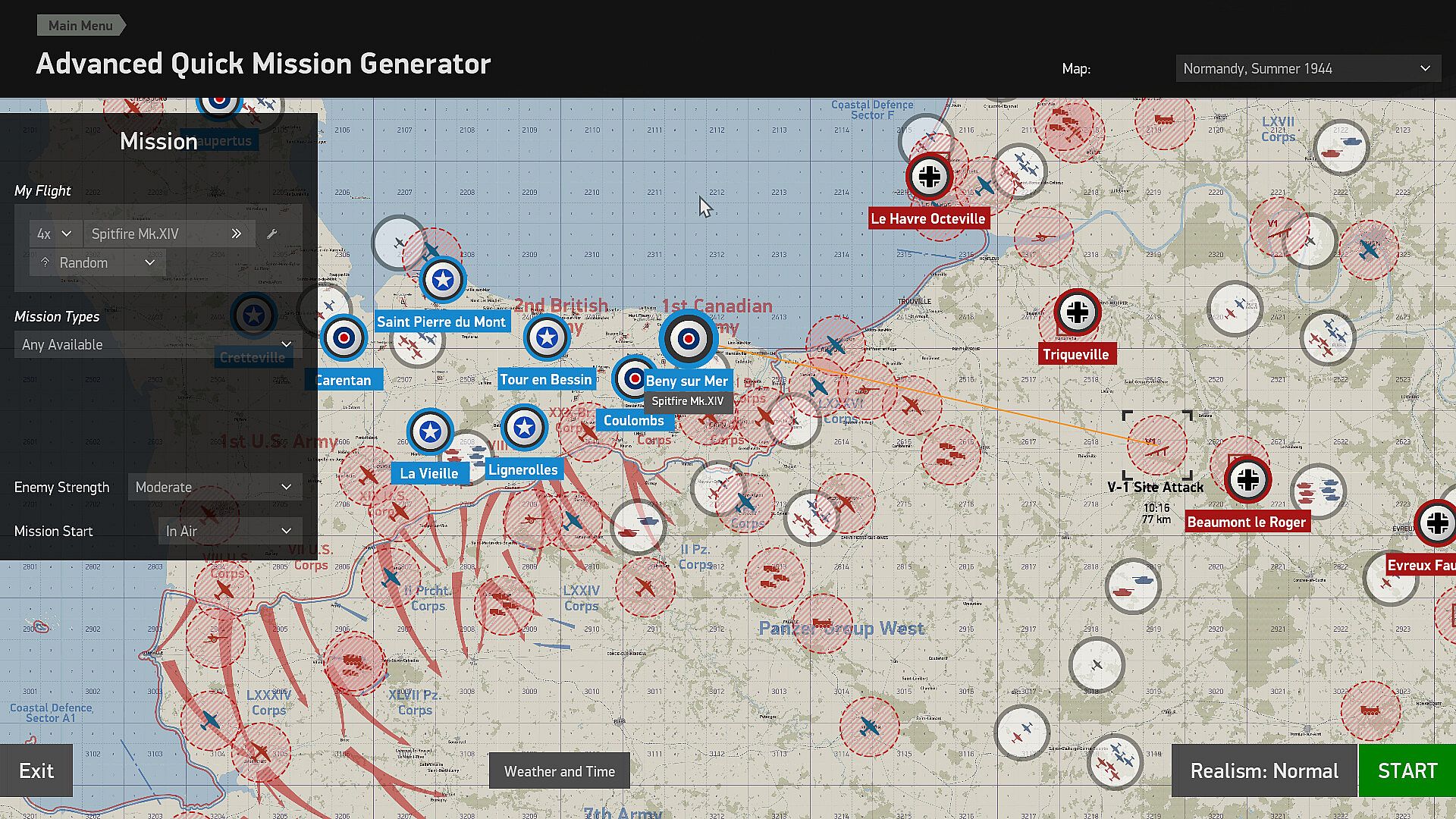
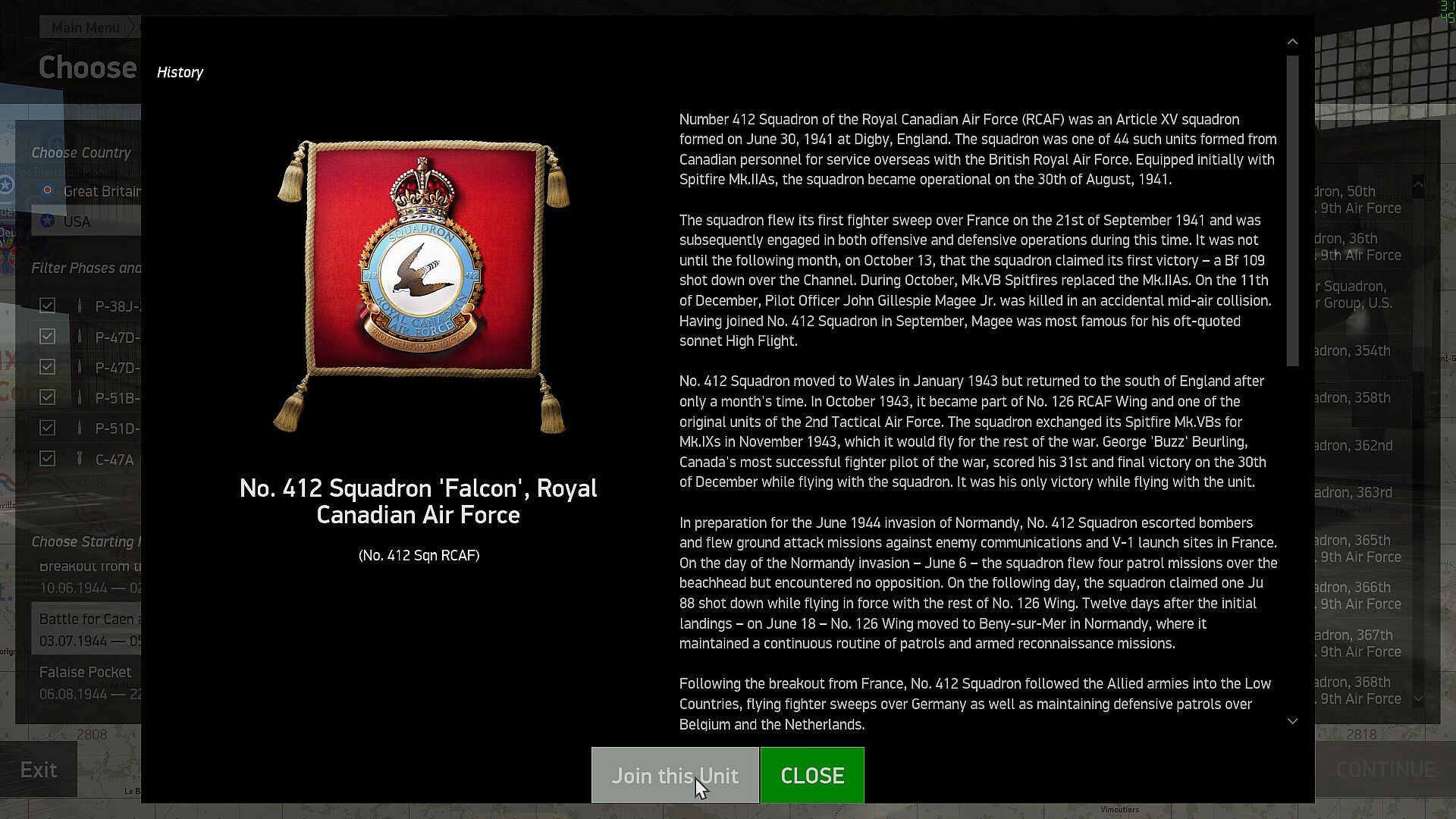
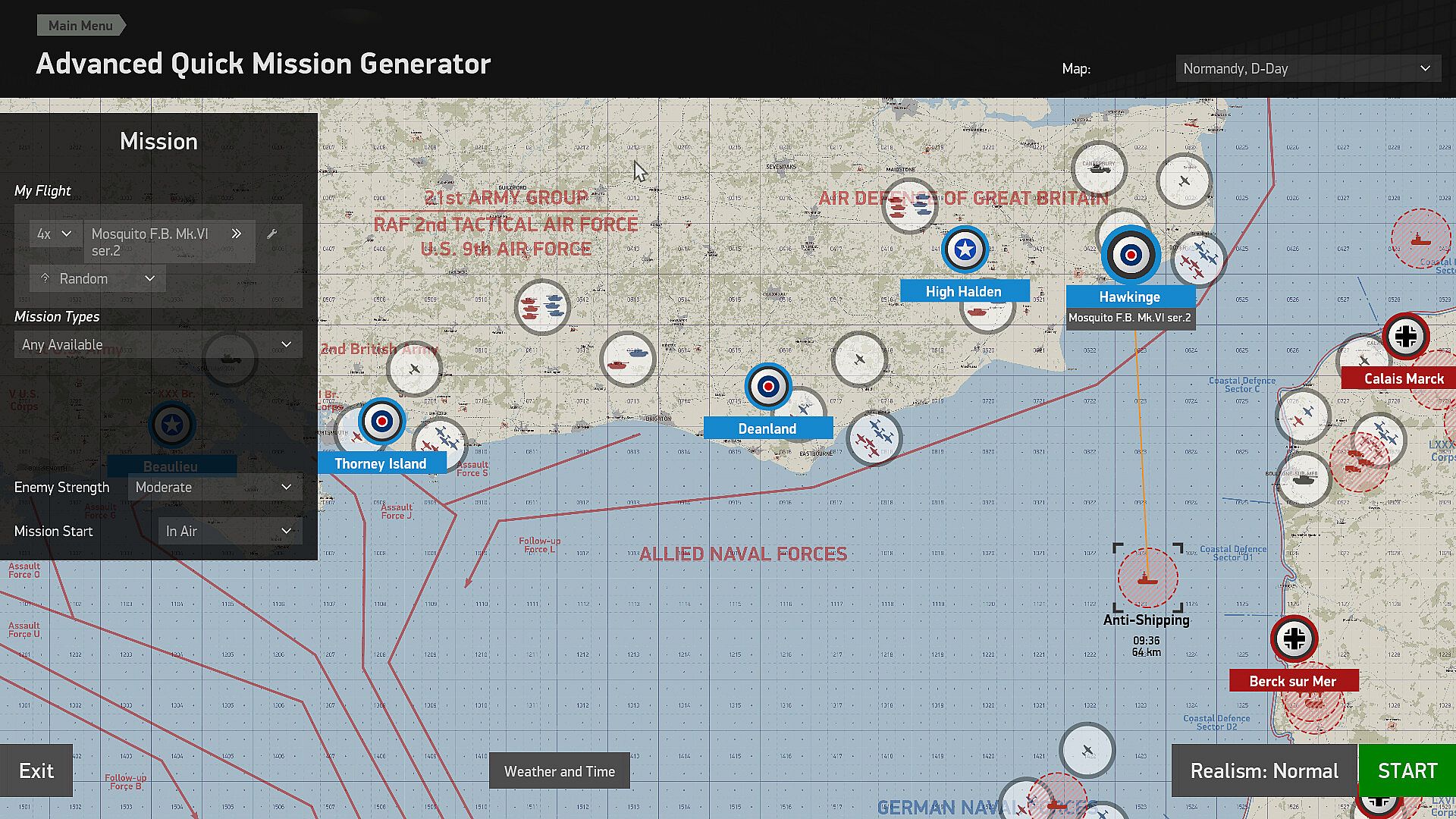
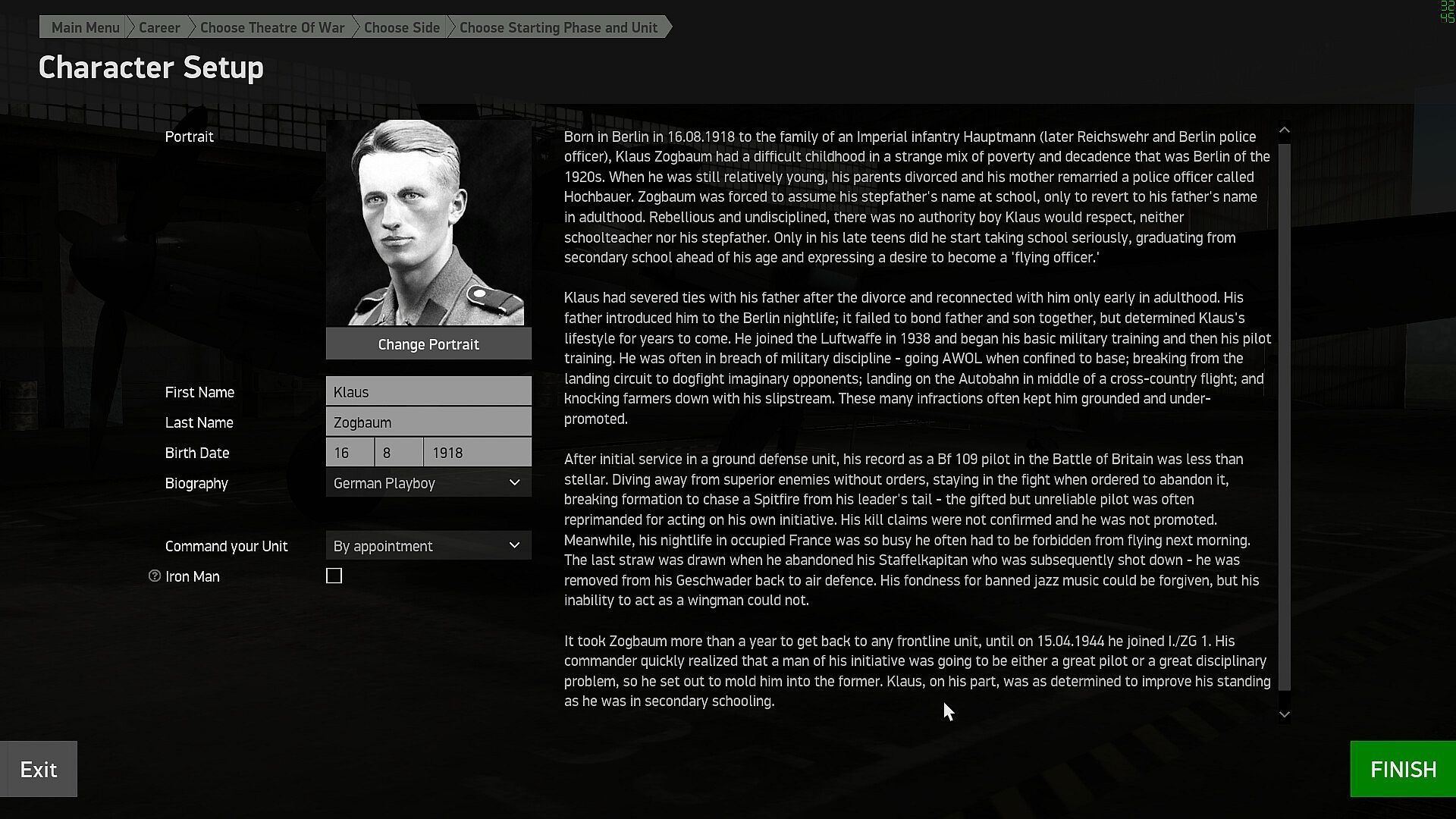
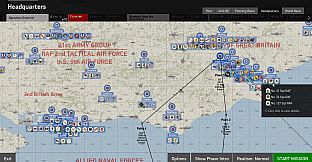
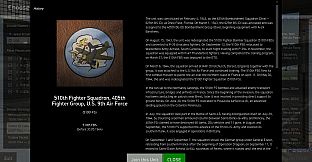
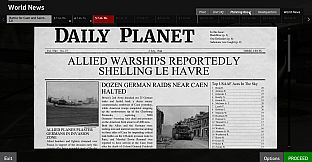
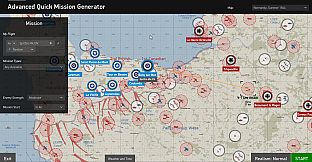
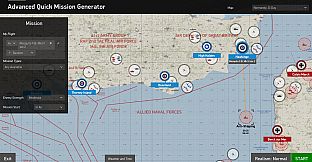
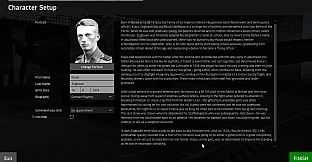
Quick Mission Builder offers instant access to dogfights, duels, and free flights for practicing basic handling and combat tactics. The Advanced Quick Mission Generator creates objective-based sorties by selecting an airfield, aircraft type, and mission parameters, producing varied results each time. Pilot Career mode lets players join one of more than 100 historical squadrons from American, British, or German forces. Daily missions follow historical patterns, with shifting front lines, weather, and airfield captures that affect available bases and objectives. Players earn awards, advance in rank, and eventually command subordinates while reviewing period newspapers for context.
Multiplayer supports both dogfight arenas and cooperative missions that can be hosted directly or run through a dedicated server application. Community-created content extends these options through custom skins, standalone scenario missions, and scripted campaigns that link multiple sorties into narrative sequences. The mission editor allows creation of custom single-player or multiplayer content, and compatibility with other titles in the Great Battles series permits cross-map use of Normandy aircraft.
Historical Context and Aircraft
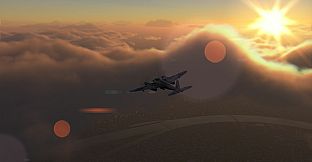
The simulation focuses on the air operations surrounding Operation Overlord, from pre-invasion strikes to the push inland after the June 6 landings. Allied forces operate with growing numerical superiority while Luftwaffe pilots face increasing pressure to disrupt beachhead security and bomber streams. Mission variety includes fighter sweeps, bomber escorts, ground attack runs, and defensive intercepts that mirror documented squadron activities from the period. The large map supports extended flights between English bases and French targets, with realistic navigation and rearming procedures at captured or purpose-built airfields.
Is It Worth Playing?
This title suits players who seek a demanding simulation of late-war Western Front air combat rather than arcade-style action. Its combination of career progression, generated missions, and multiplayer options provides long-term engagement for those interested in historical accuracy and tactical depth. The game remains actively supported through community missions and campaigns years after its 2022 release, with strong compatibility across the broader Great Battles series. Those who enjoy managing aircraft systems, coordinating with AI wingmen, and adapting to dynamic weather and frontline changes will find substantial replay value in its structured single-player paths and competitive online servers.