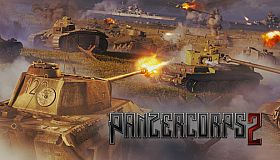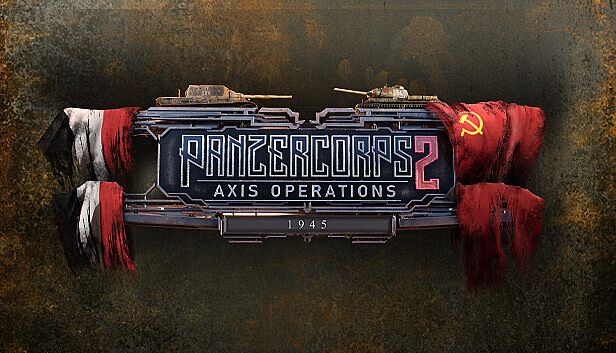


















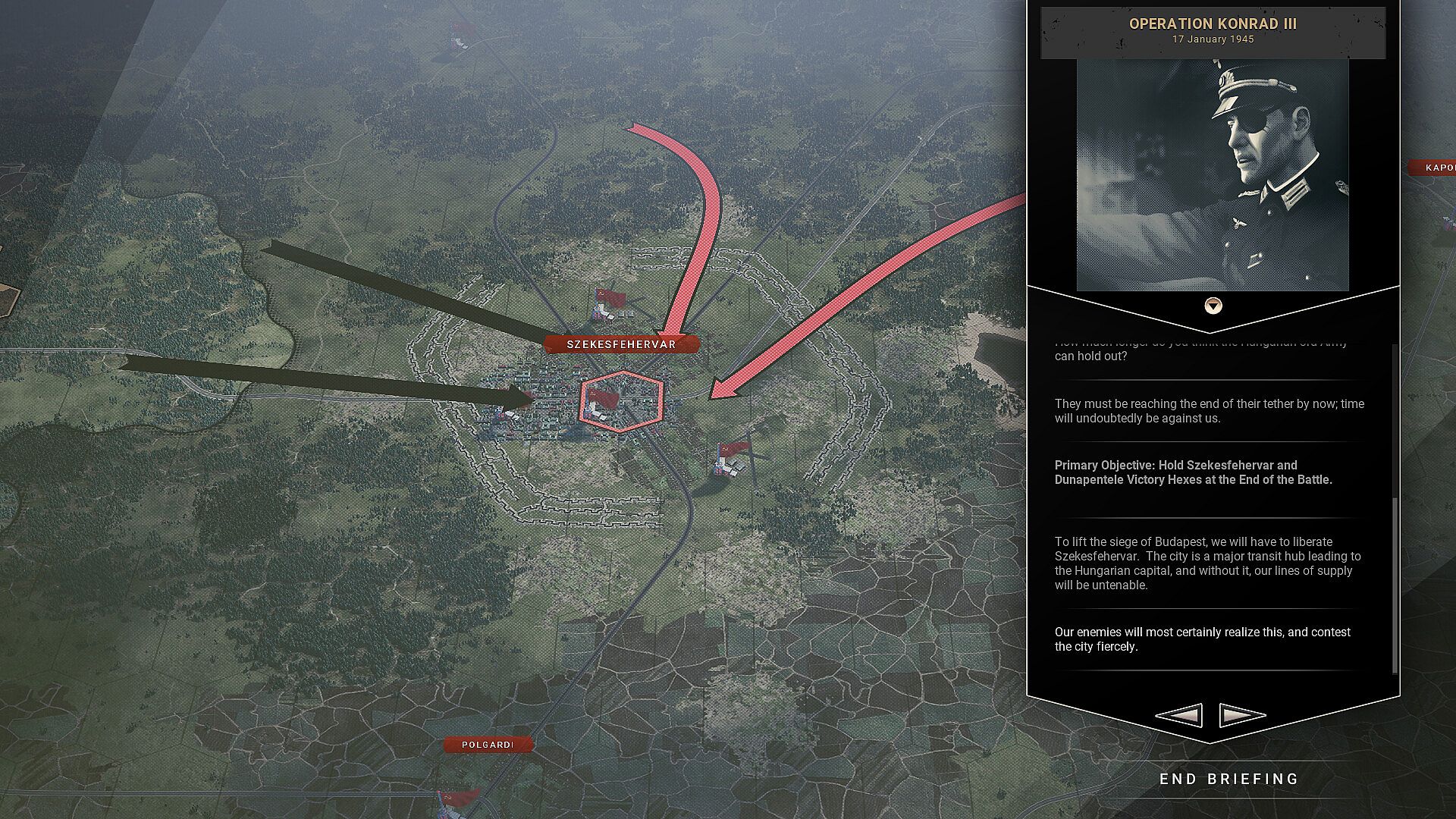
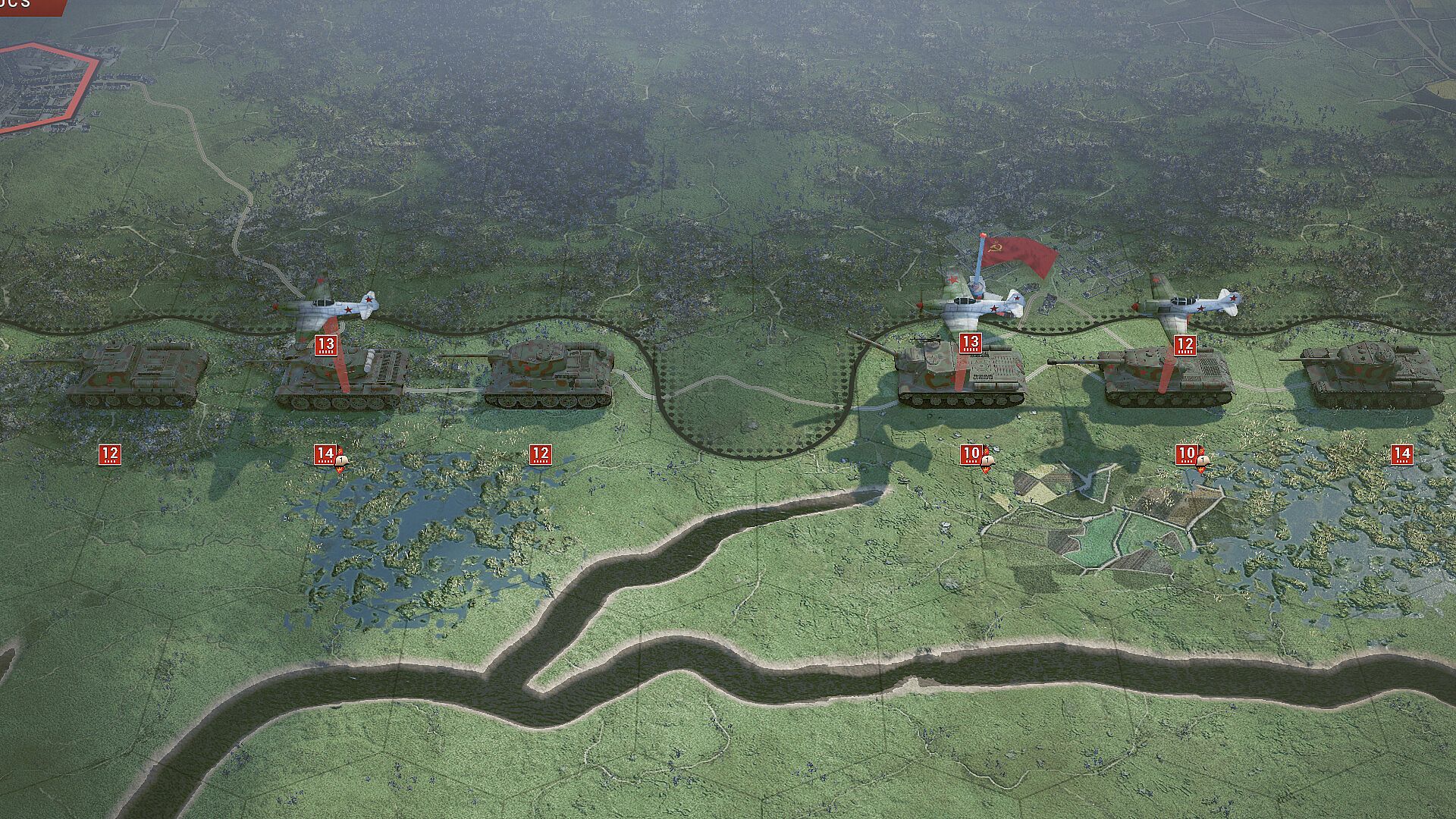
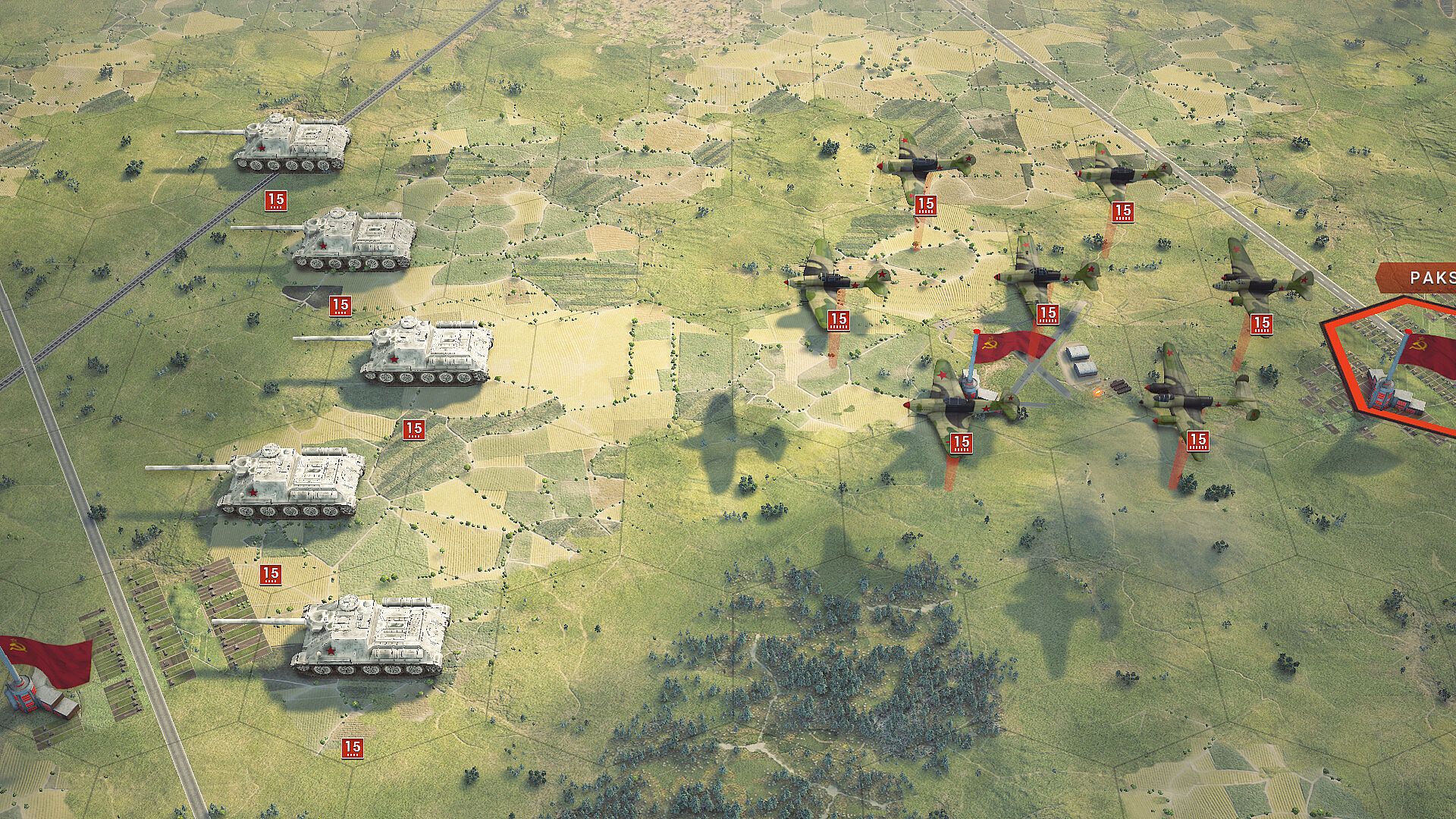
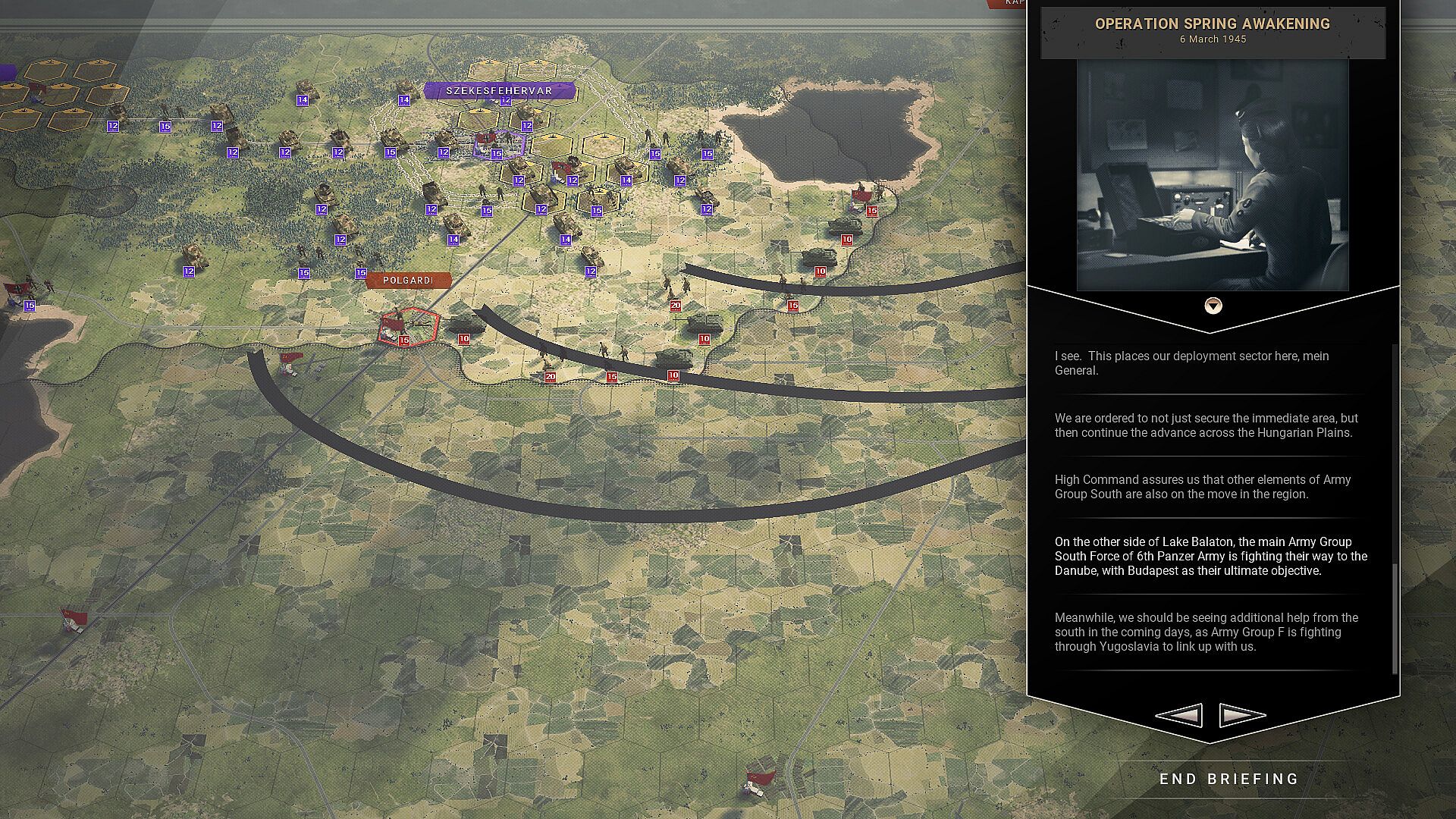
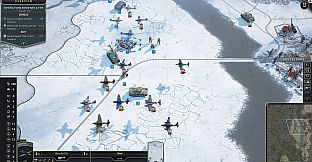
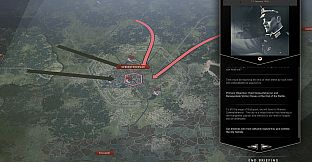
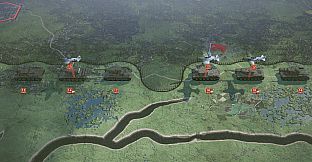
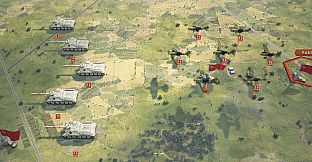
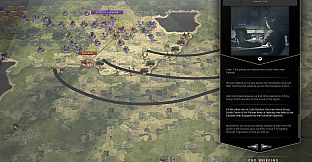
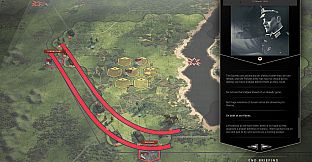
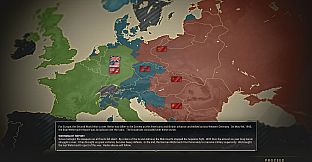
Panzer Corps 2: Axis Operations - 1945 is a strategy game that places players in command of German forces during the closing months of the Second World War. The title continues the Axis Operations series by shifting focus to 1945, where the German Reich faces simultaneous pressure from multiple fronts amid relentless Allied bombing campaigns. Players direct Wehrmacht units through a series of connected scenarios that emphasize both historical events and alternate paths, with the ability to carry forward core forces from earlier entries in the campaign chain.
Gameplay
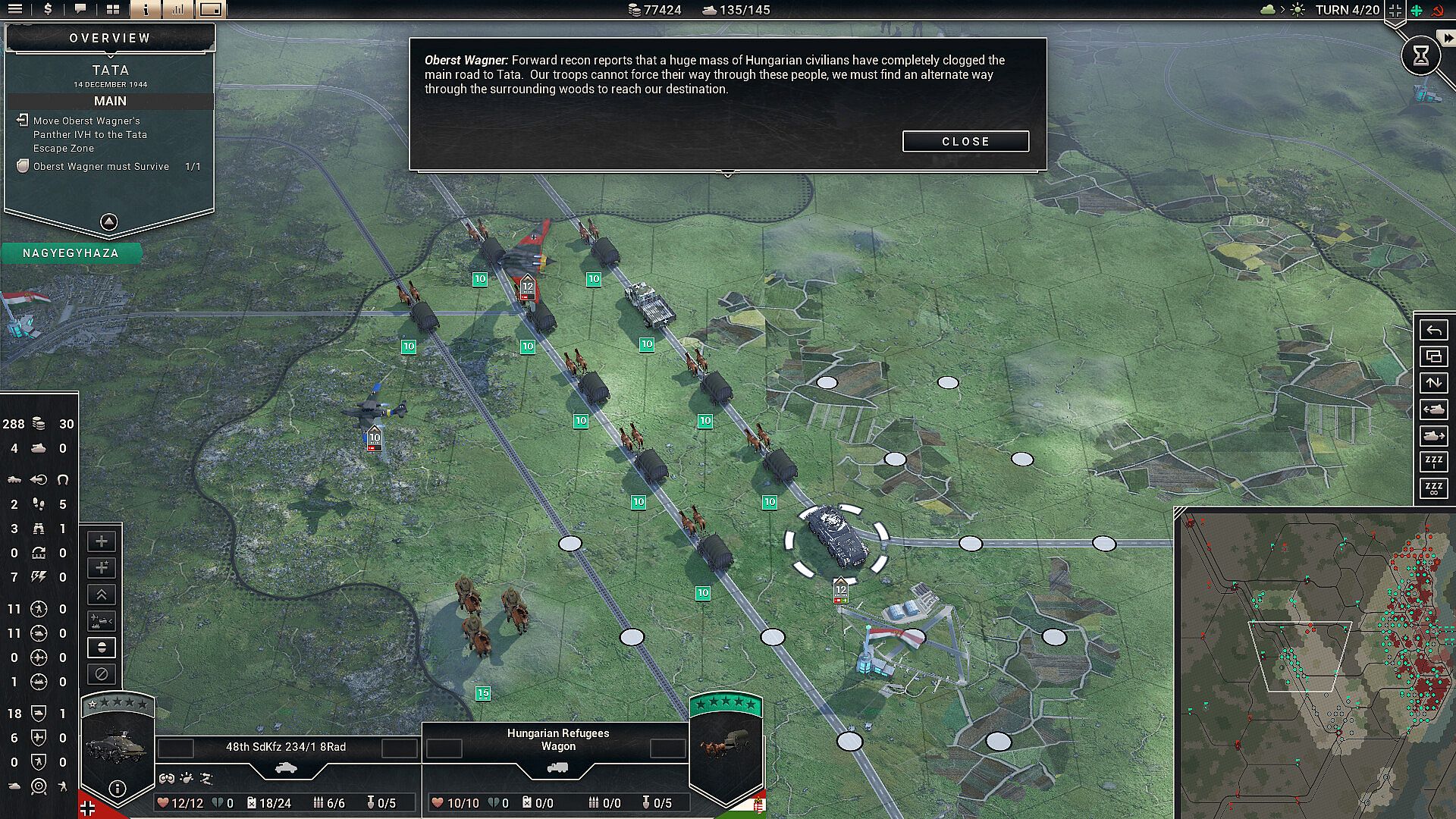
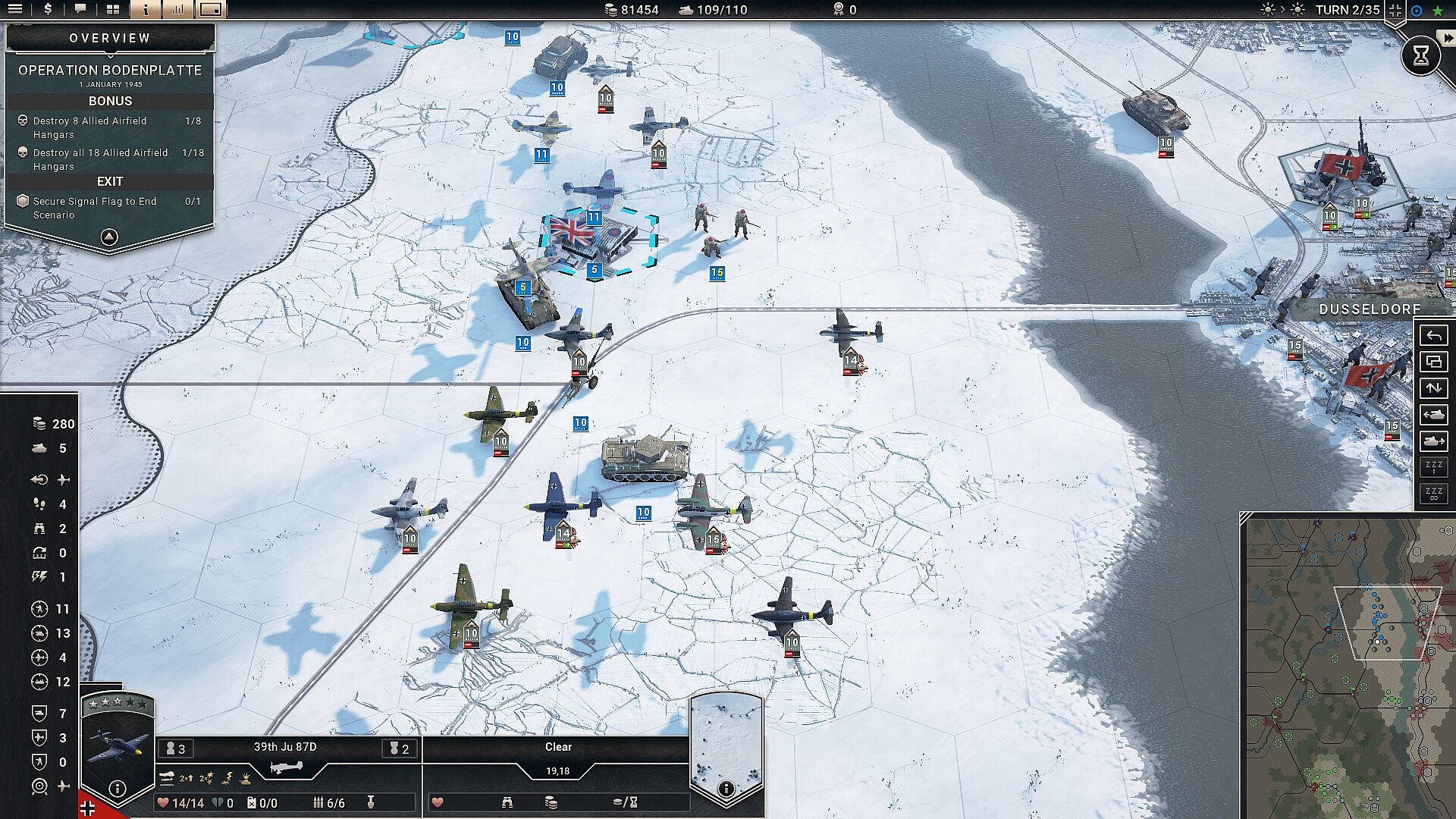
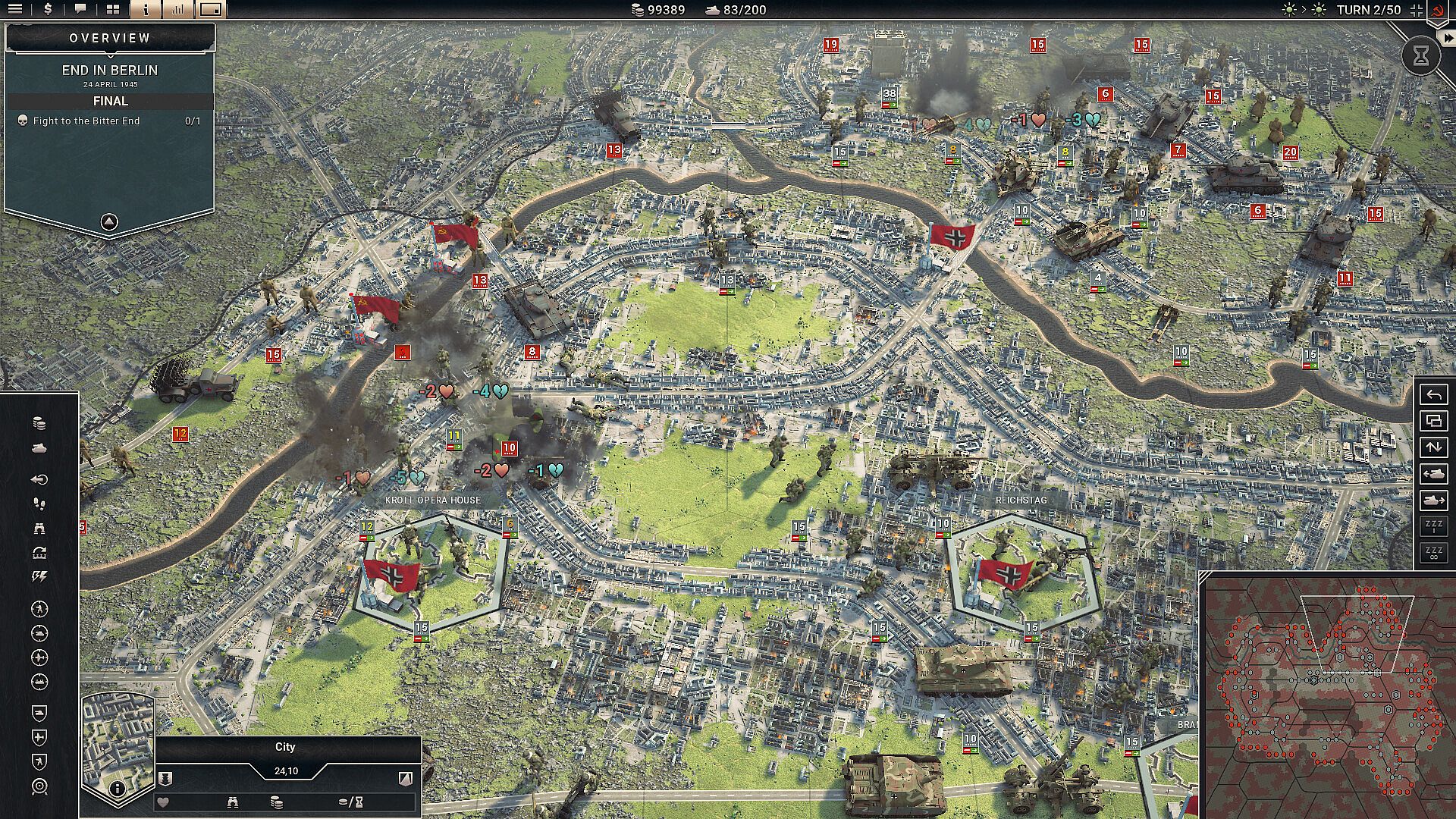
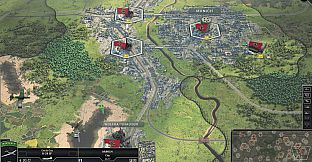
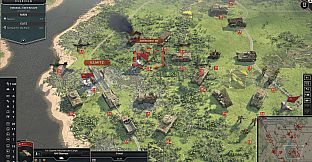
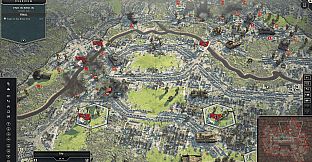
The core loop revolves around turn-based command of armored and infantry formations across detailed maps representing the Eastern Front and related theaters. Each scenario requires careful management of limited resources, unit positioning, and objective completion while accounting for terrain, supply lines, and enemy resistance. Imported core forces from prior campaigns retain experience and upgrades, allowing progression across multiple installments, while preset forces provide a balanced starting point for new players.
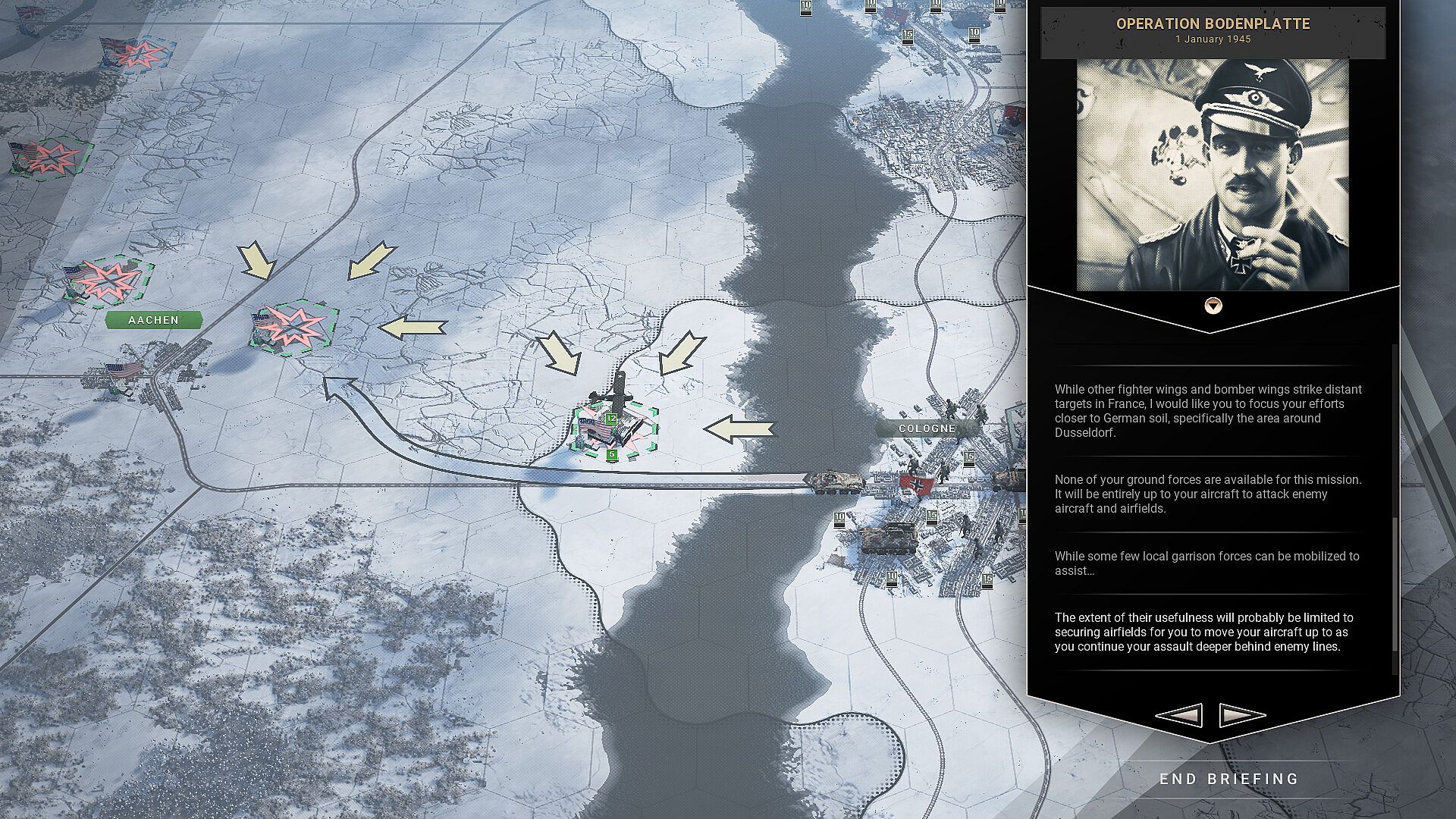
Attention to historical context shapes decision-making. Players examine the outcomes of operations such as Bodenplatte and Spring Awakening, weighing tactical gains against mounting costs in manpower and equipment. Character narratives and the fates of both real historical figures and campaign-specific individuals add layers to the strategic choices, illustrating the pressures that kept German units engaged even as overall prospects dimmed.
Mechanics support varied approaches to each engagement. Difficulty settings and elite objectives provide additional challenges for experienced commanders, while the system tracks unit performance across battles to reward consistent performance with growth opportunities.
Game Modes
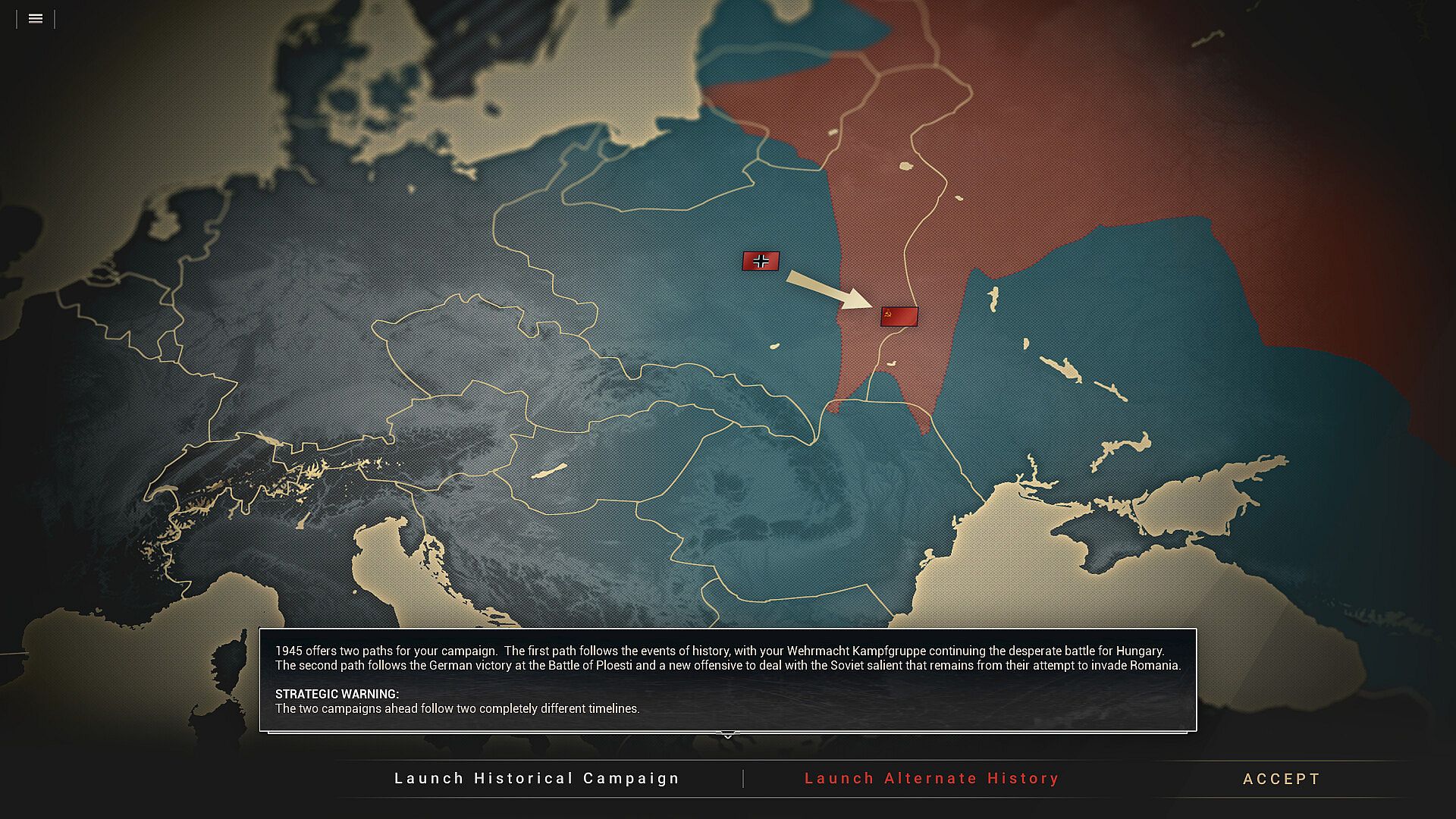
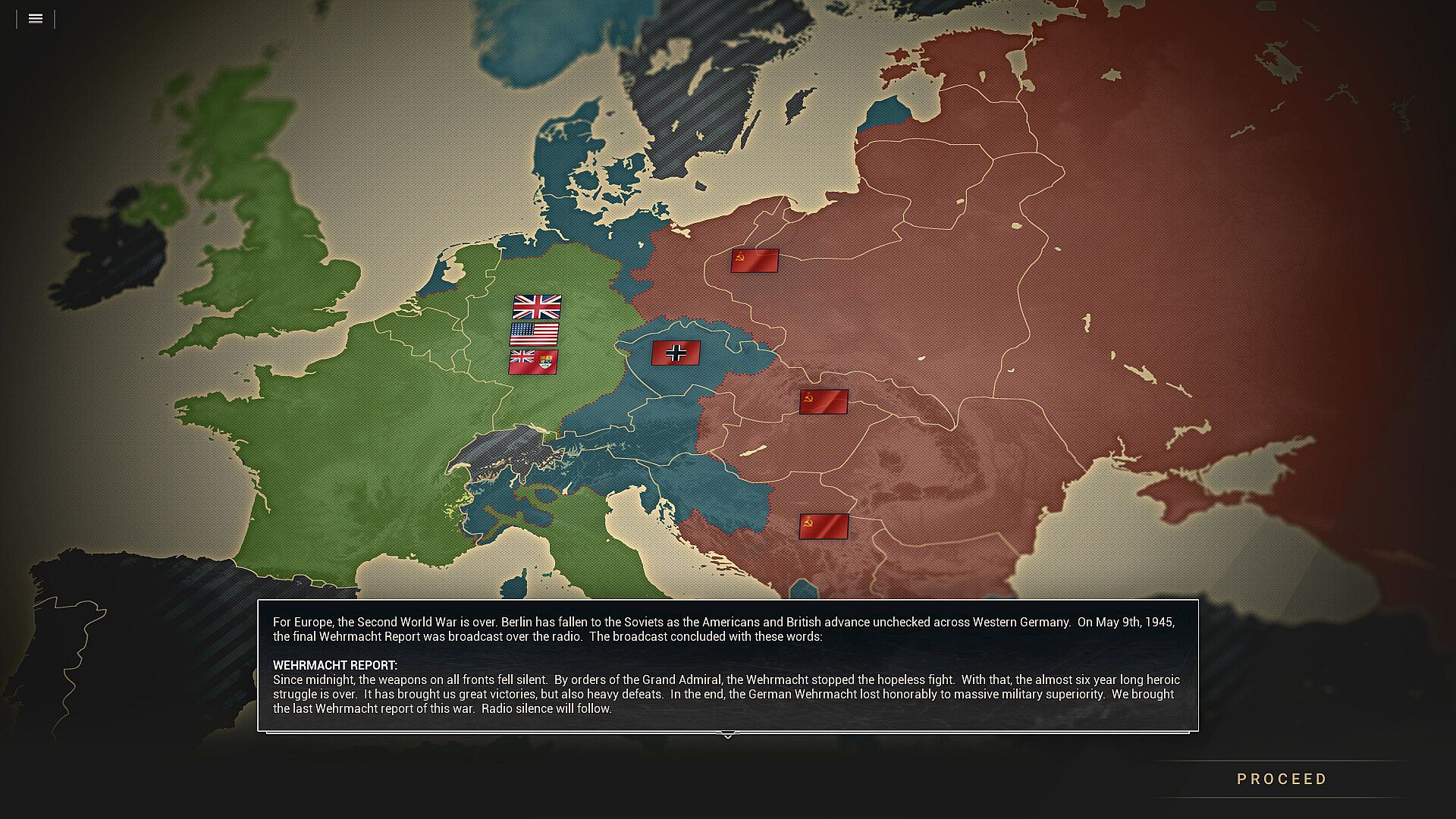
Two distinct campaigns launch immediately without prerequisites. The Historical Campaign of 1945 East follows the documented final offensives and defensive stands on the Eastern Front, incorporating surrounding events to provide broader context on the war's conclusion. The Ahistorical campaign continues directly from the alternate 1944 path, exploring what might follow a successful defense of key positions such as Ploesti and Normandy.
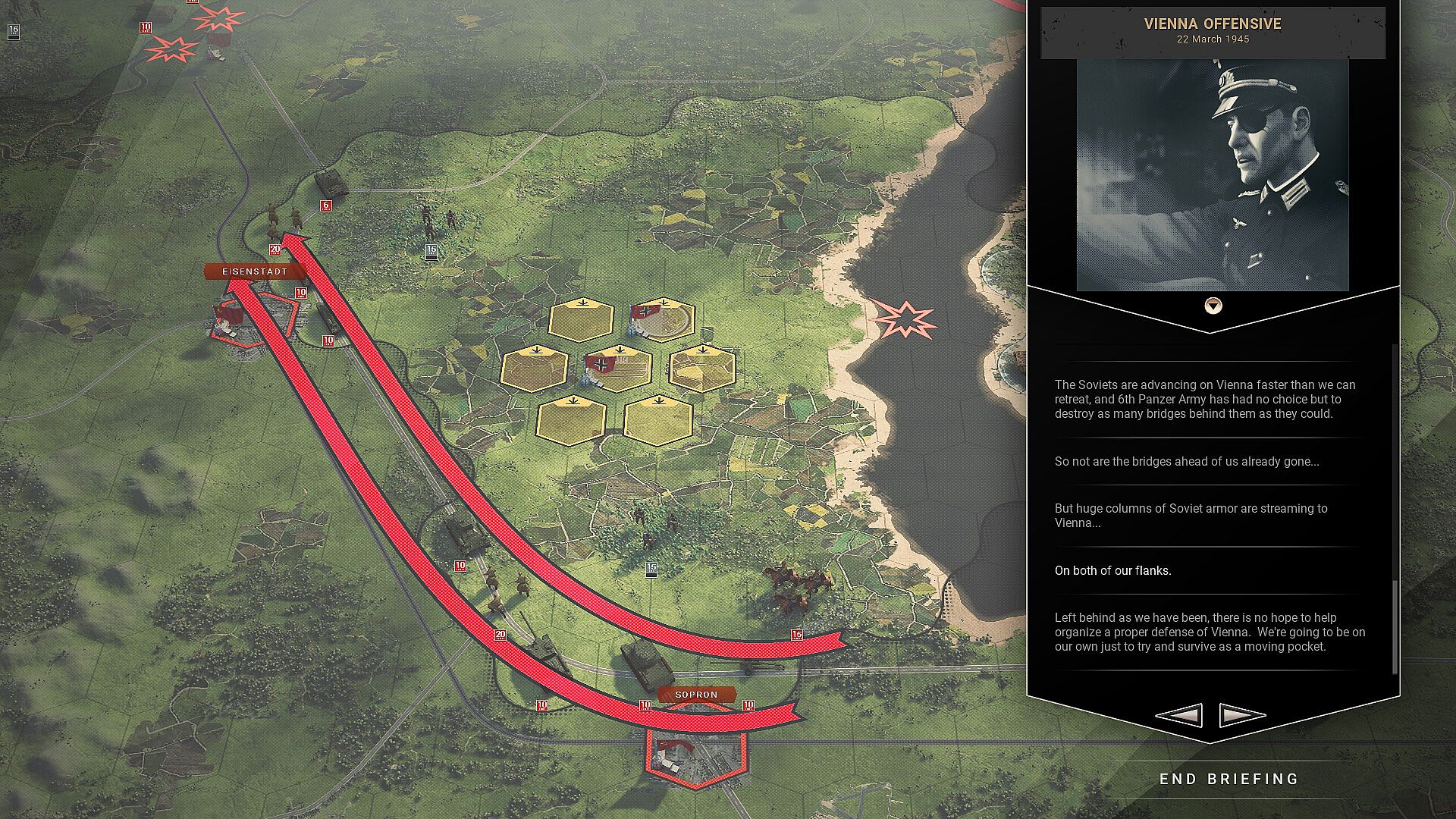
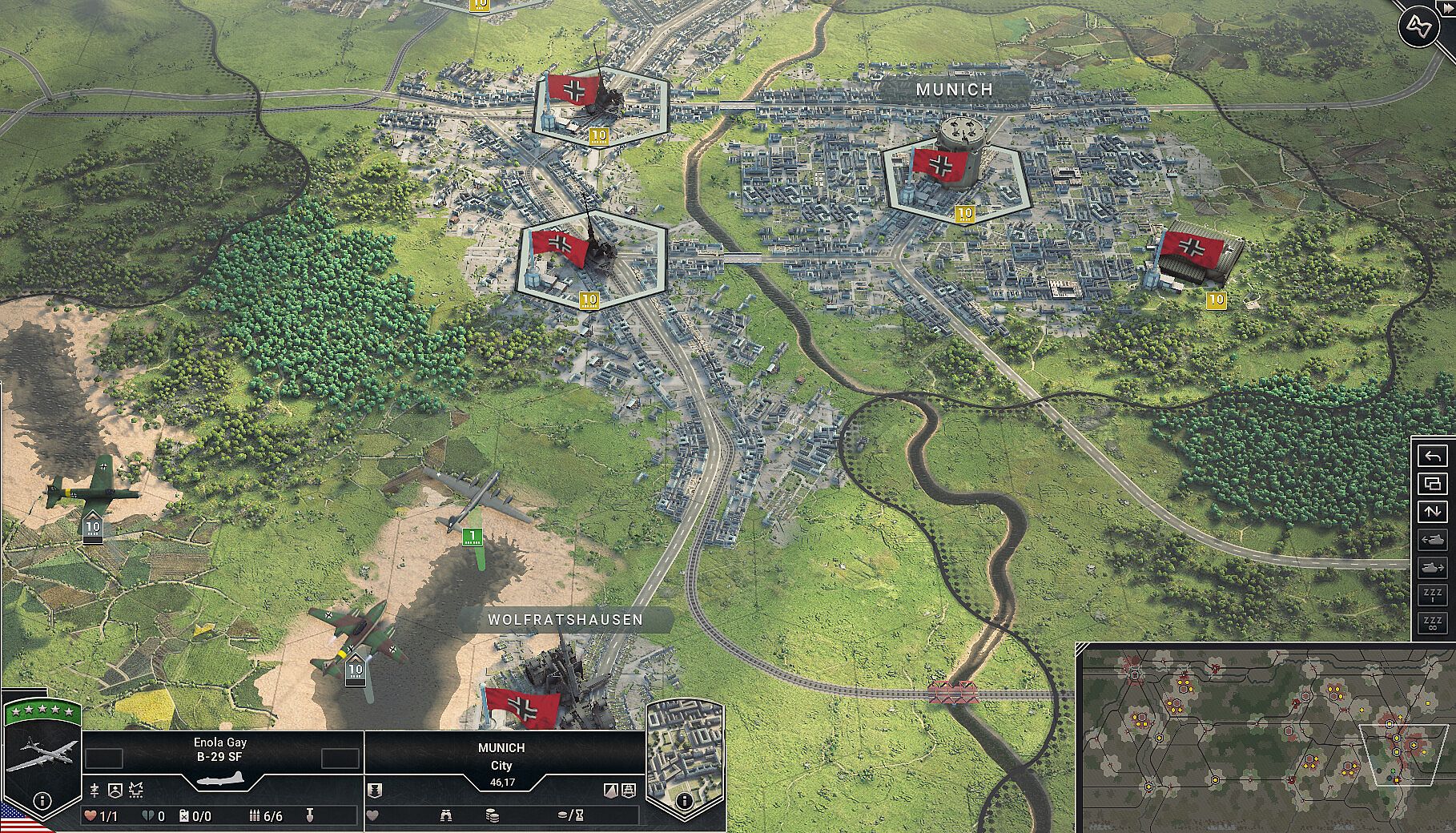
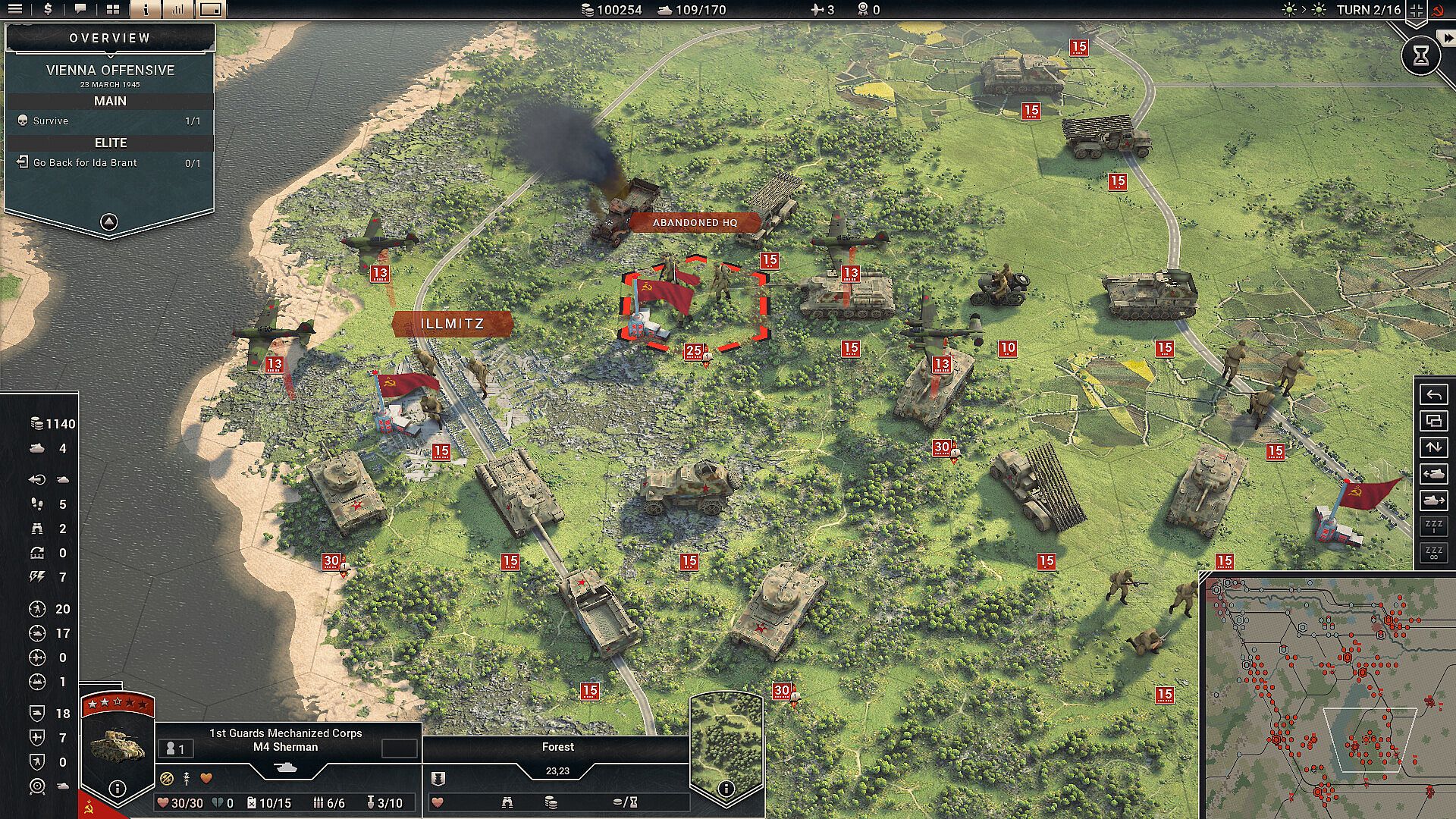
Both campaigns consist of eighteen scenarios that cover operations including Operation Puma, Operation Wagtail, Operation Barca, Munich, Operation Feuerkartoffel, Reichstag, Zahidan, Operation Hydra, Case Bruno, Tata, Operation Bodenplatte, Operation Konrad III, Operation Southwind, Operation Spring Awakening, Vienna Offensive, Battle of Seelow Heights, End in Berlin, and End in Salzburg. Players may select either path at the start and switch focus between them as desired.
Core force continuity serves as a persistent element across modes. Forces that complete one campaign can be saved for potential future use, though each campaign functions independently as a standalone experience.
Campaign Structure and Progression
Scenarios are designed for sequential play within each campaign, with outcomes influencing available forces and narrative branches. The structure allows imported units to gain further experience through repeated engagements, while new players receive sufficient experienced units and heroes in preset forces to handle the challenges ahead. No barriers prevent starting either campaign, supporting flexible entry points for different player backgrounds.
Advanced options expand replay value. Increased difficulty levels and specialized objectives encourage multiple runs, particularly for those who have already completed earlier Axis Operations content. The system preserves the option to export completed forces at the end of 1945 East, maintaining continuity for any subsequent releases.
Is It Worth Playing?
This release suits players who prefer detailed, campaign-driven strategy experiences centered on World War II ground operations. The emphasis on force continuity and dual historical-alternate narratives rewards those who value long-term progression and contextual storytelling alongside tactical combat. Availability of both campaign paths from the outset removes any need to complete prior content first, making the package accessible to newcomers while offering depth for series veterans.
Current support centers on the provided scenarios and import features, with no additional seasons or major updates confirmed beyond the core content. The game appeals most to enthusiasts of turn-based wargaming who enjoy managing persistent units through extended campaigns rather than quick matches or large-scale multiplayer. Those seeking a focused examination of late-war German operations from both documented and speculative angles will find the structure and mechanics align closely with that interest.