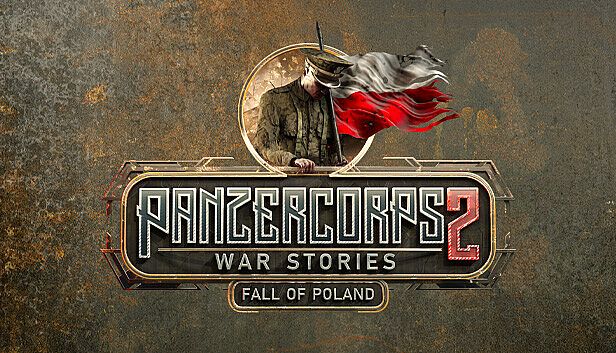
















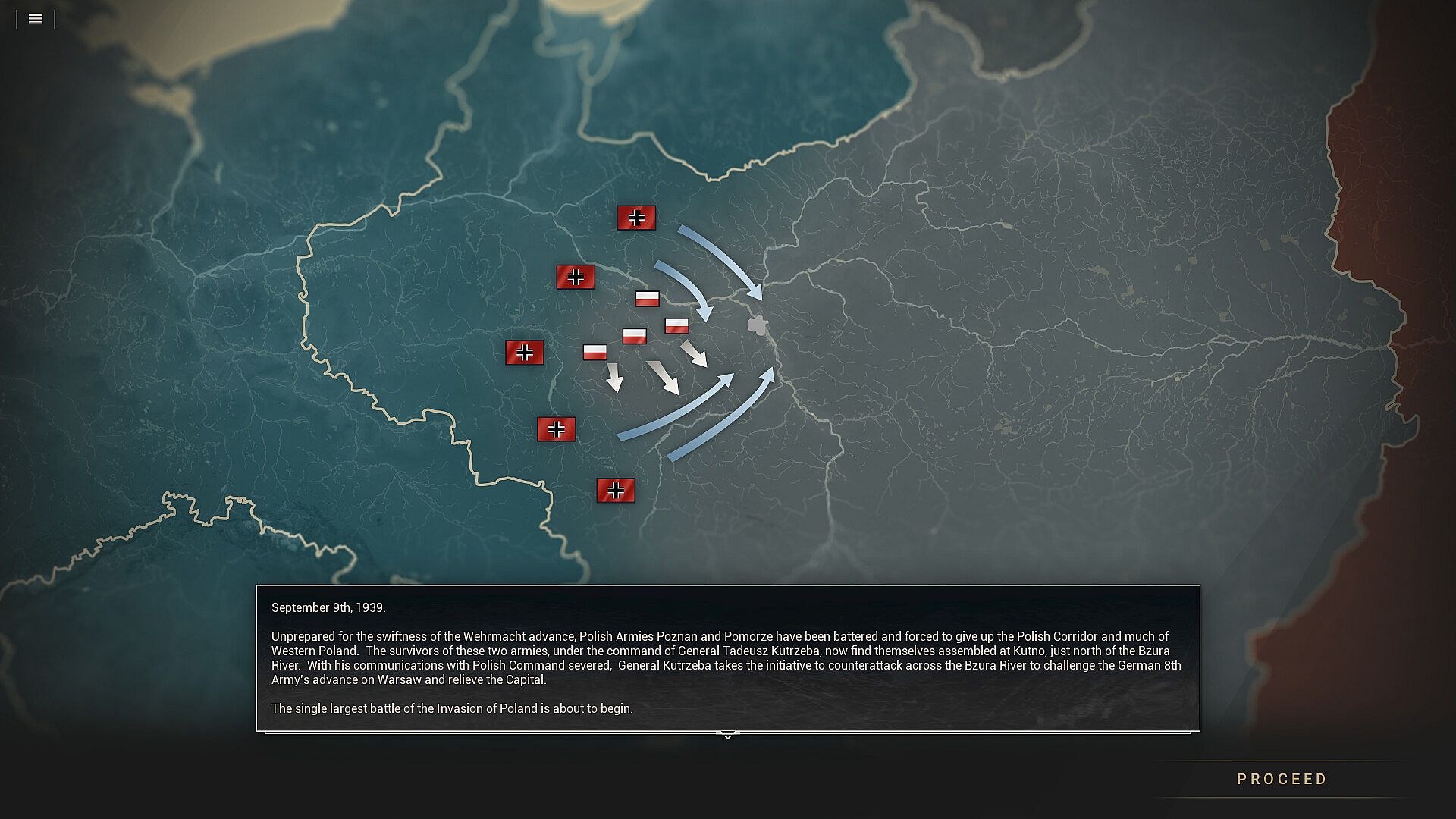
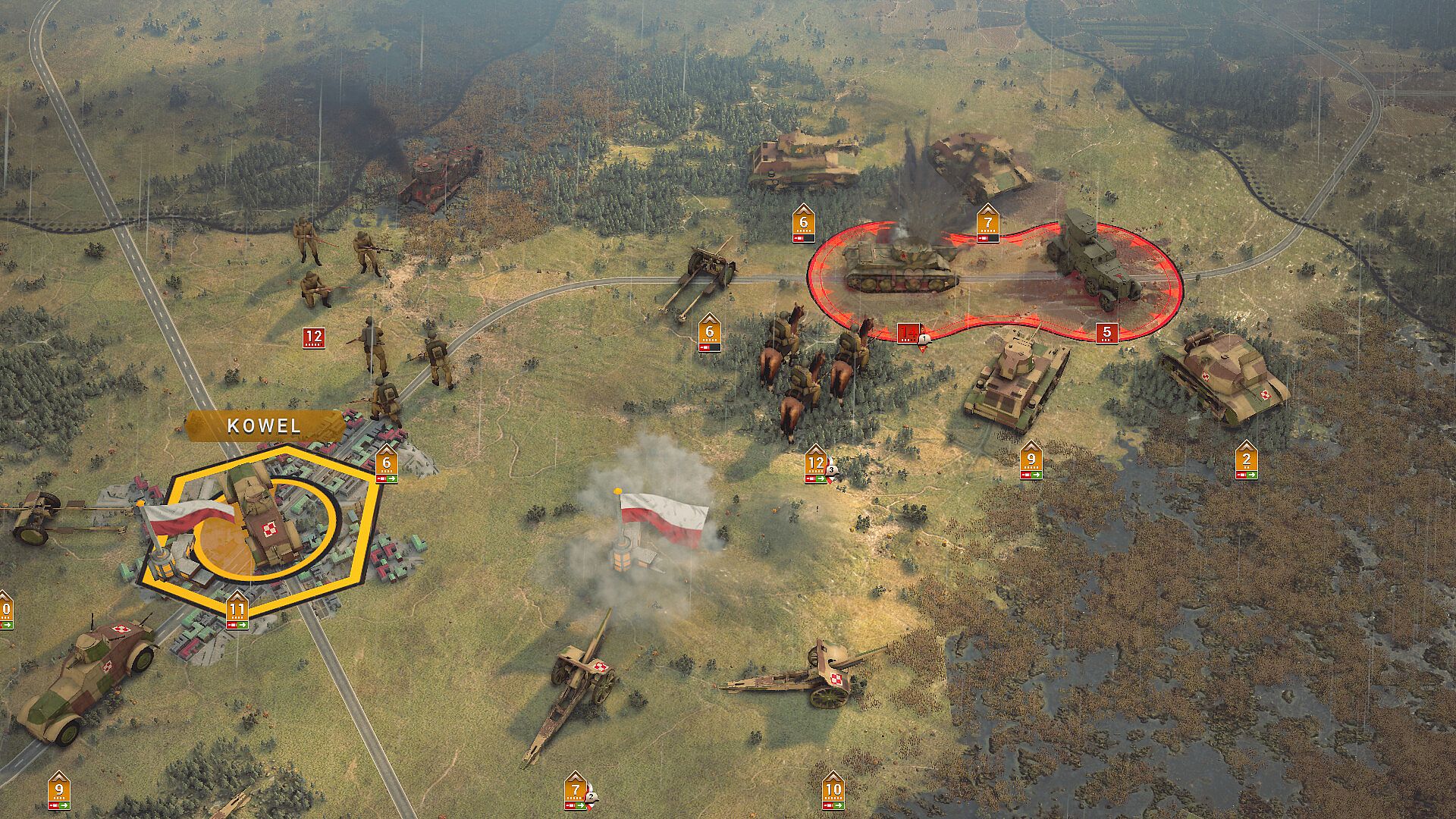
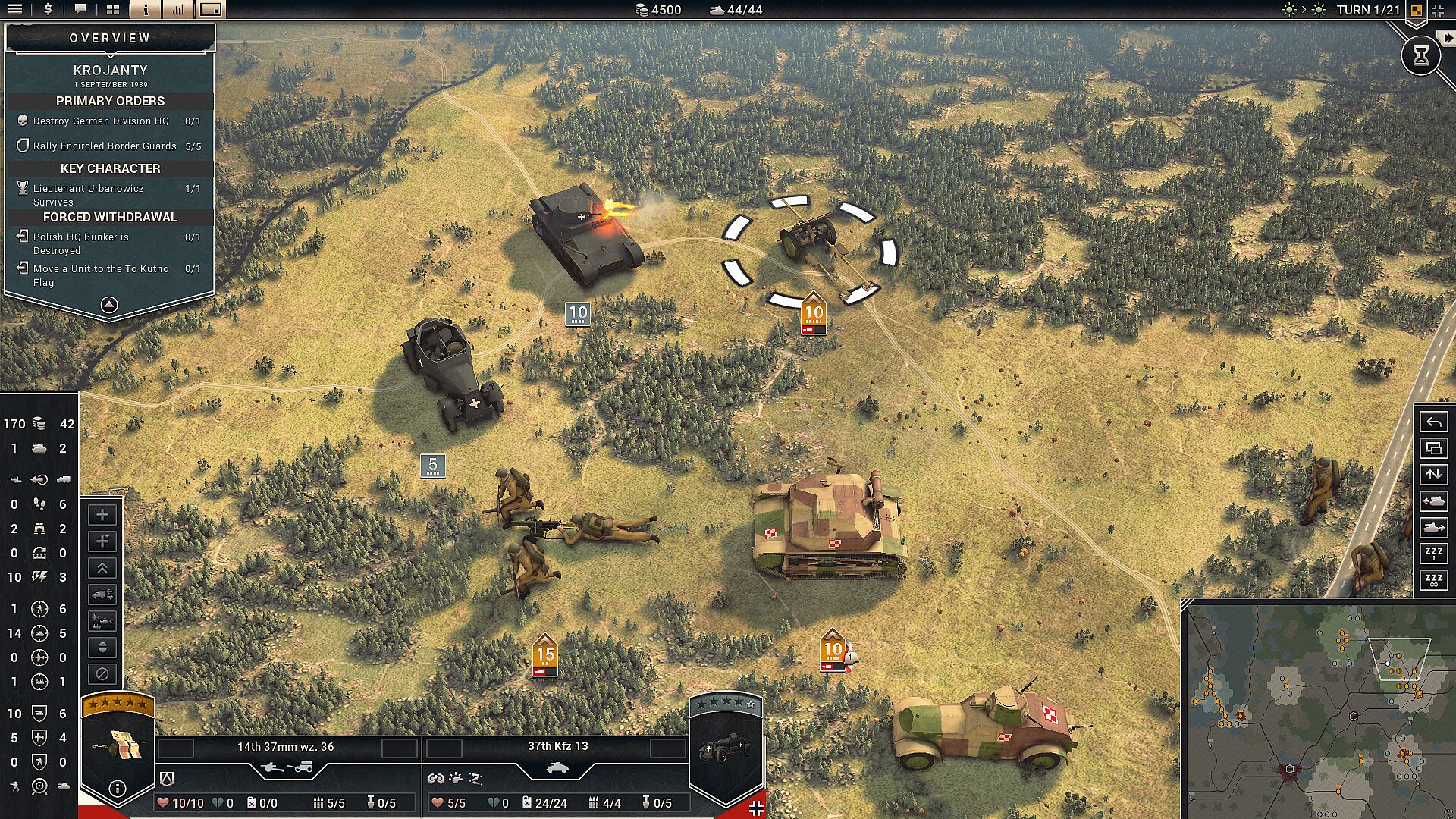
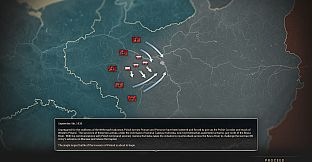
Panzer Corps 2: War Stories - Fall of Poland is a turn-based strategy game that places players in command of Polish forces during the 1939 German invasion. This campaign shifts the perspective away from the usual Wehrmacht viewpoint and focuses instead on defending Polish territory against attacks from multiple directions. The experience centers on resource management, unit progression, and tactical decisions in a series of linked scenarios set against the backdrop of early World War II.
Gameplay
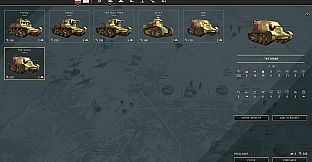
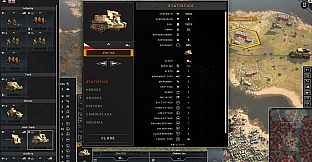
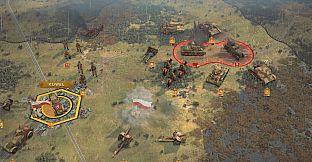
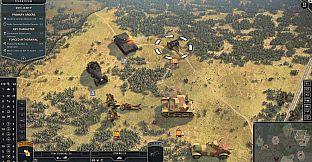
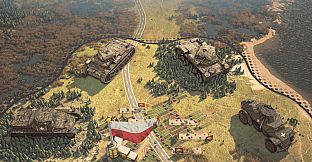
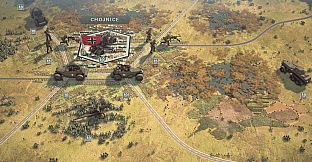
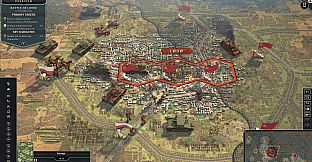
The core loop involves overseeing a growing roster of core units that carry over between scenarios when they survive. Players handle army composition, equipment upgrades, and hero assignments before each engagement. Combat unfolds on a hex-based map where positioning, terrain, and unit types determine outcomes in turn-based exchanges. Support elements remain minimal, limited mainly to minefields and fixed fortifications that players can deploy or encounter.
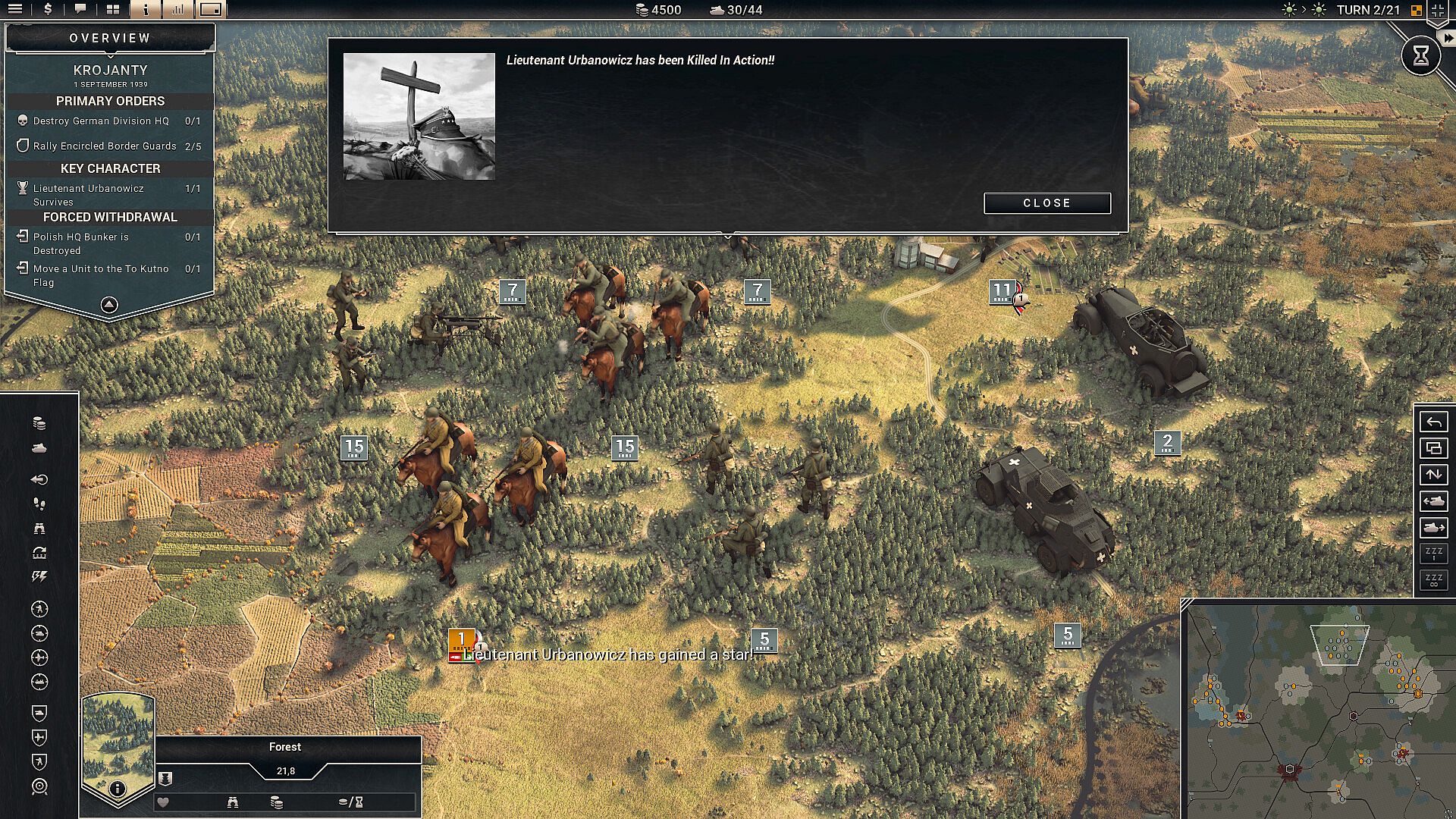
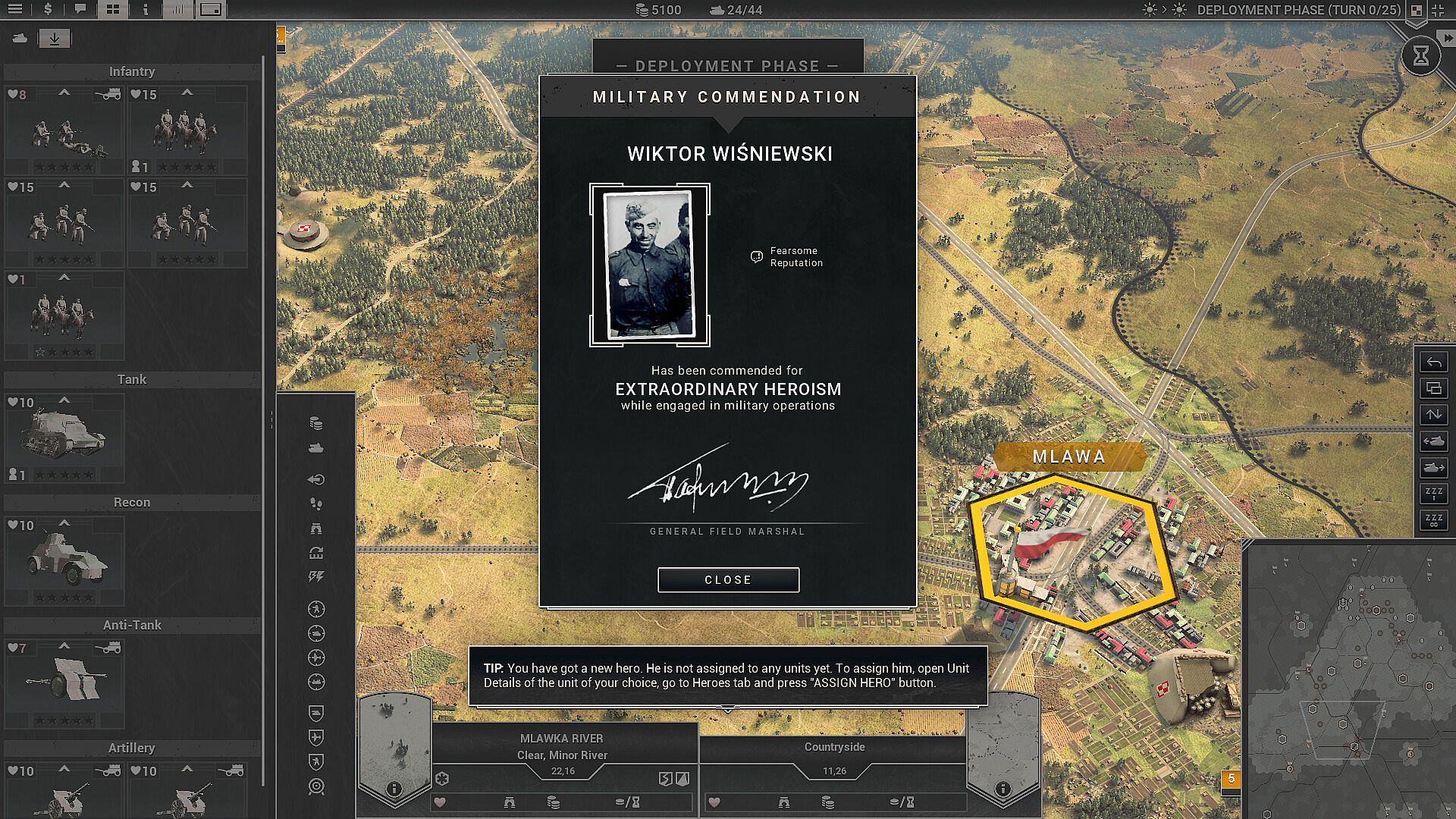
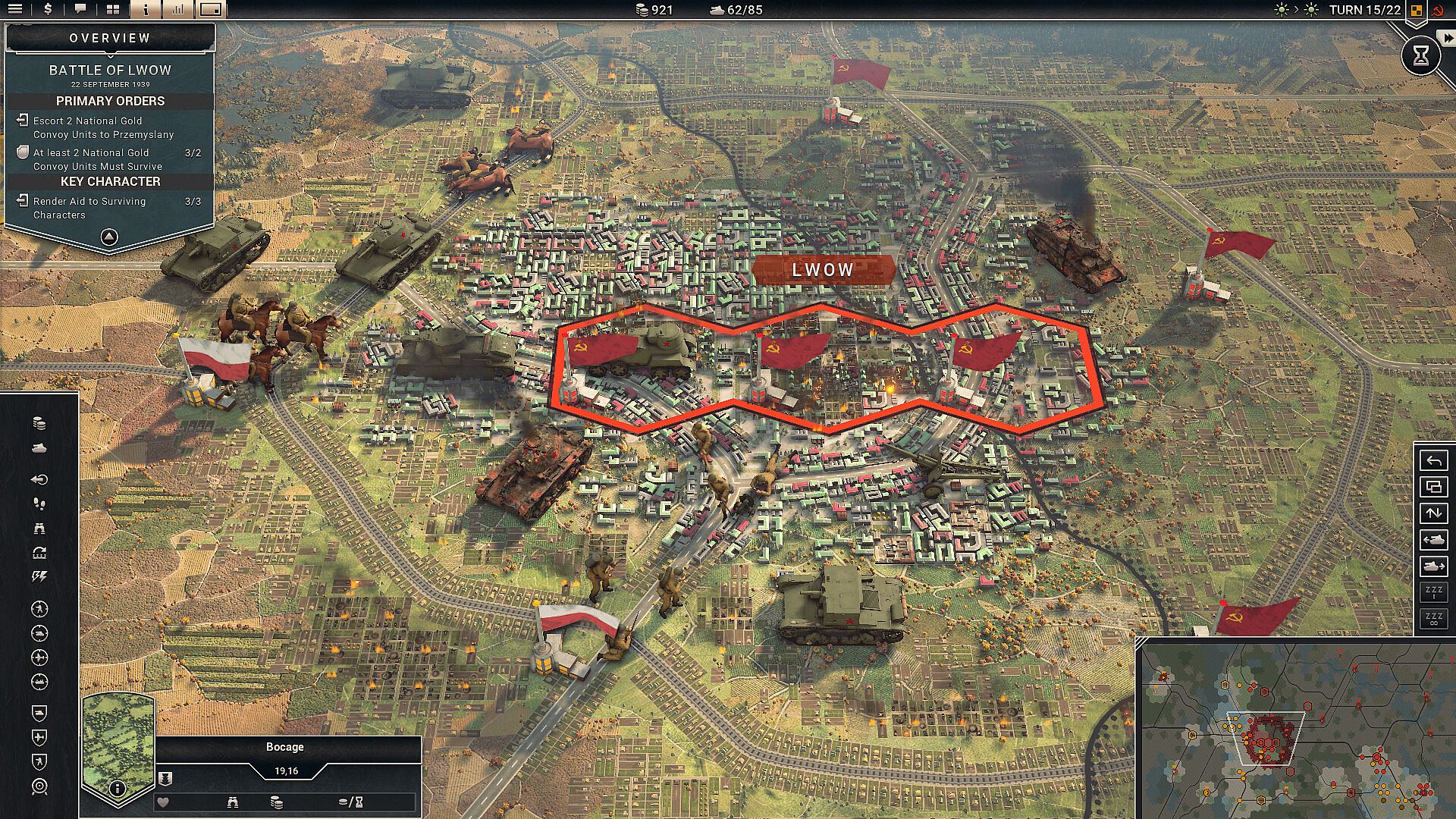
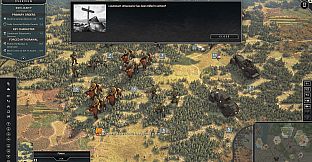
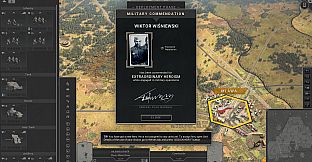
A distinctive element involves key characters who appear directly on the battlefield rather than only in briefings. These individuals advance alongside regular forces, and their survival influences the narrative thread without halting progress if they fall. Mid-scenario messages can now include images to convey events or objectives more clearly. The Polish faction receives dedicated assets such as general portraits, hero images, and unit medals that reflect national identity during play.
Turn limits can be toggled off entirely, allowing sessions to proceed at a deliberate pace without external pressure. Every available unit functions as a core asset that gains experience and carries forward, emphasizing careful preservation over expendable reinforcements.
Game Modes
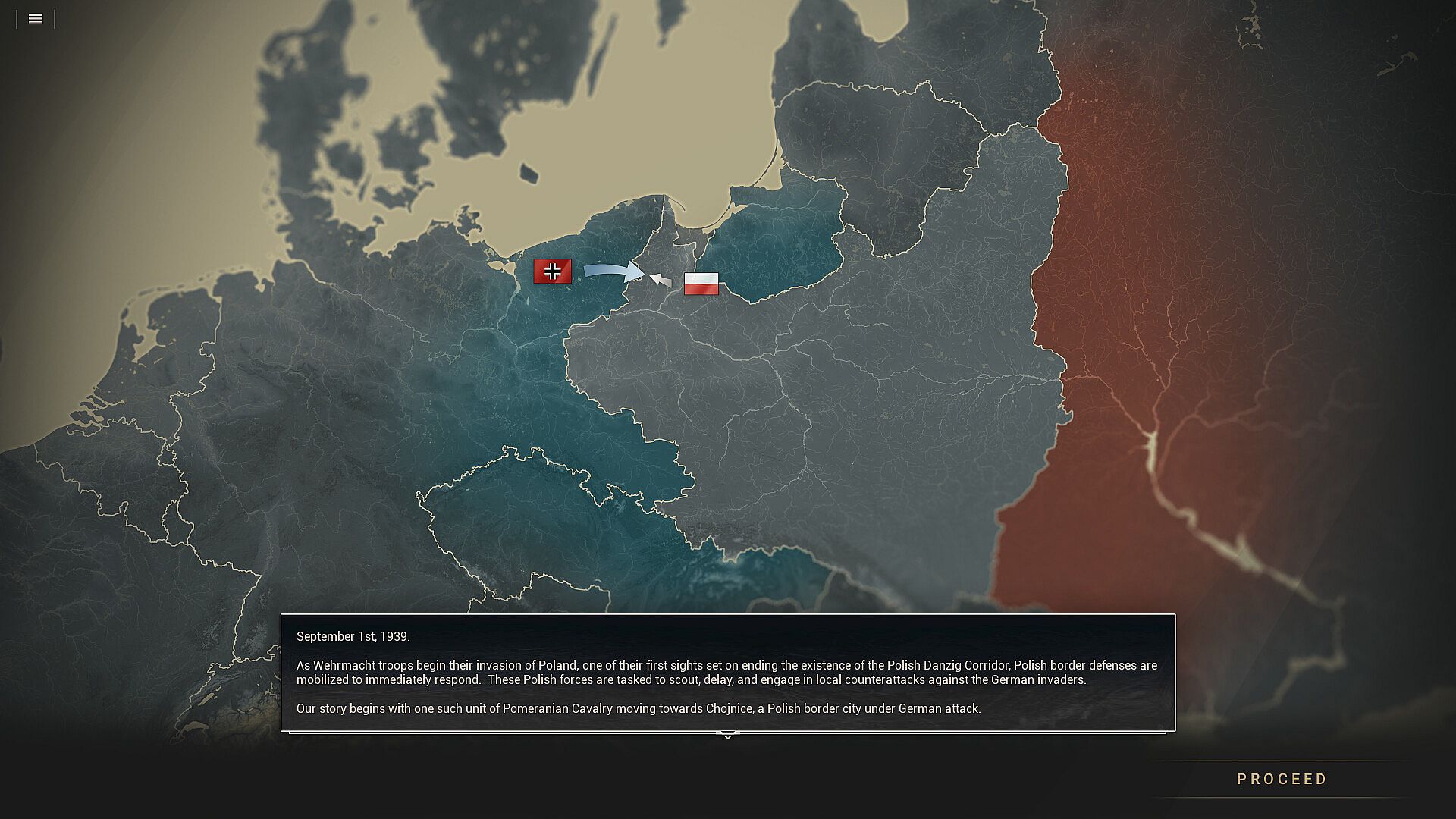
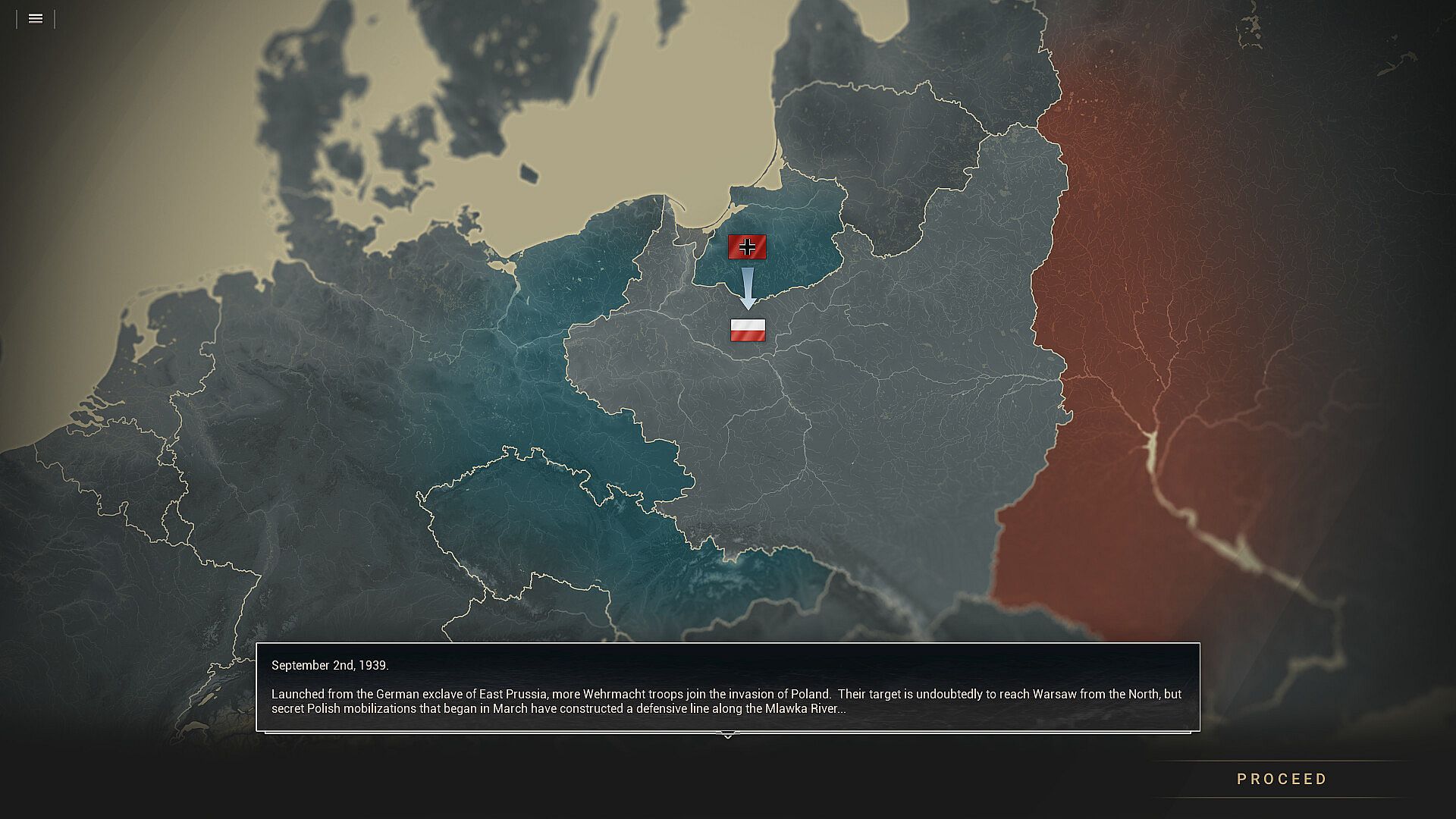
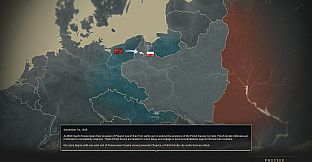
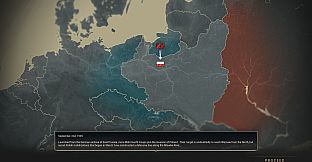
The title consists of a single-player campaign structured around fourteen scenarios that trace the course of the Polish defense. These include Krojanty, Battle of Mlawa, Battle of Westerplatte, Bydgoszcz, Early Warsaw, Kutno Camp, Strykow, Lowicz, Kampinoska Forest, Escape from Warsaw, Kowel, Battle of Lwow, Tomaszow Lubelski, and Cernauti 1939. Each scenario builds on the previous one through persistent forces and character tracking.
No separate multiplayer or skirmish options appear in this release. The focus stays on the sequential campaign experience where decisions about unit allocation and character protection shape the overall outcome across the full set of missions.
Units and Factions
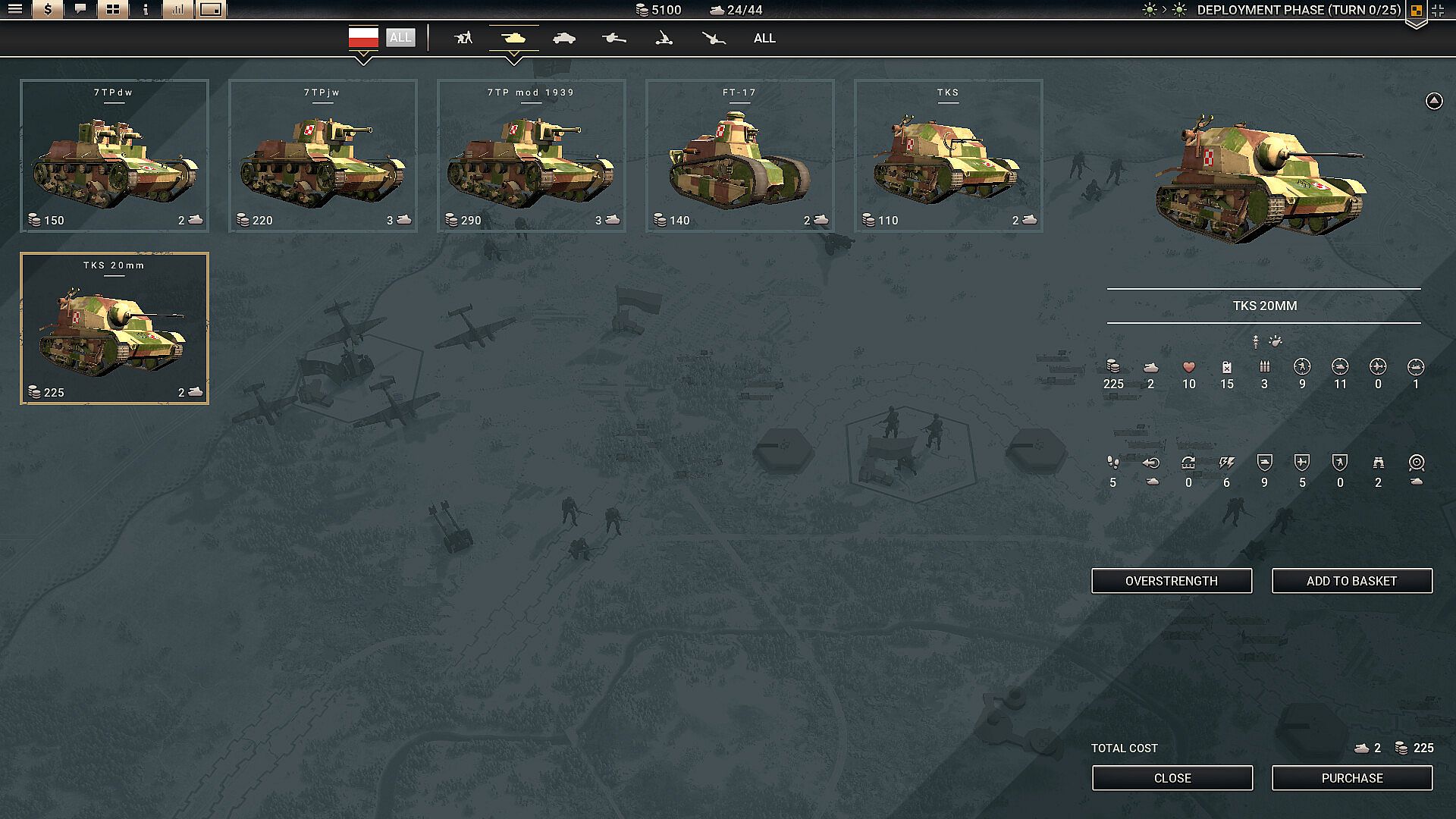
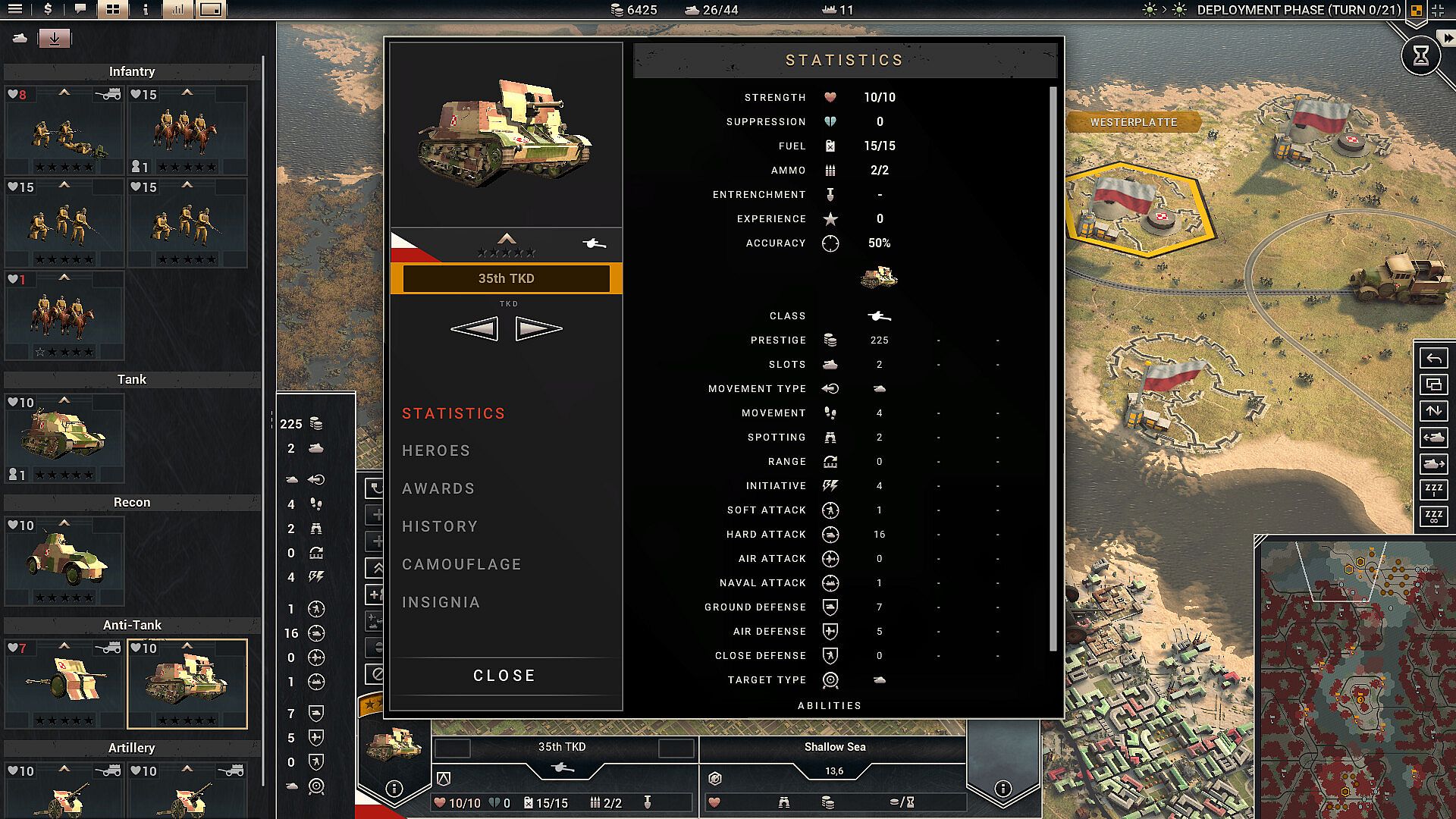
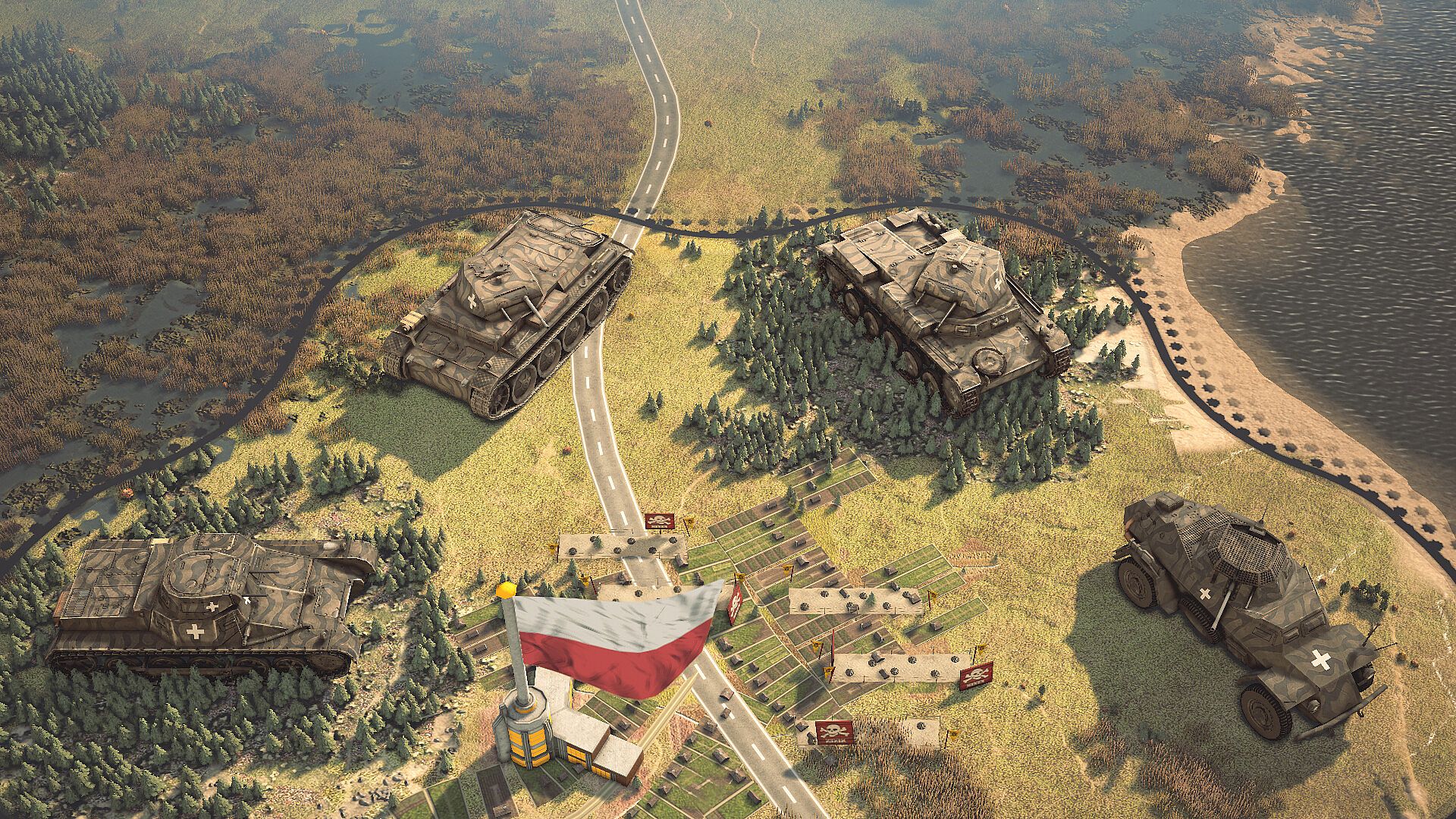
Twenty-one new units expand the available roster for both Polish and German sides. Examples range from modified vehicles such as the Panzer IID and TKS 20mm to distinctive Polish elements including Uhlan Cavalry and rare prototype aircraft. The Polish side gains additional visual and mechanical support through custom portraits and medals that integrate into the existing Panzer Corps 2 framework.
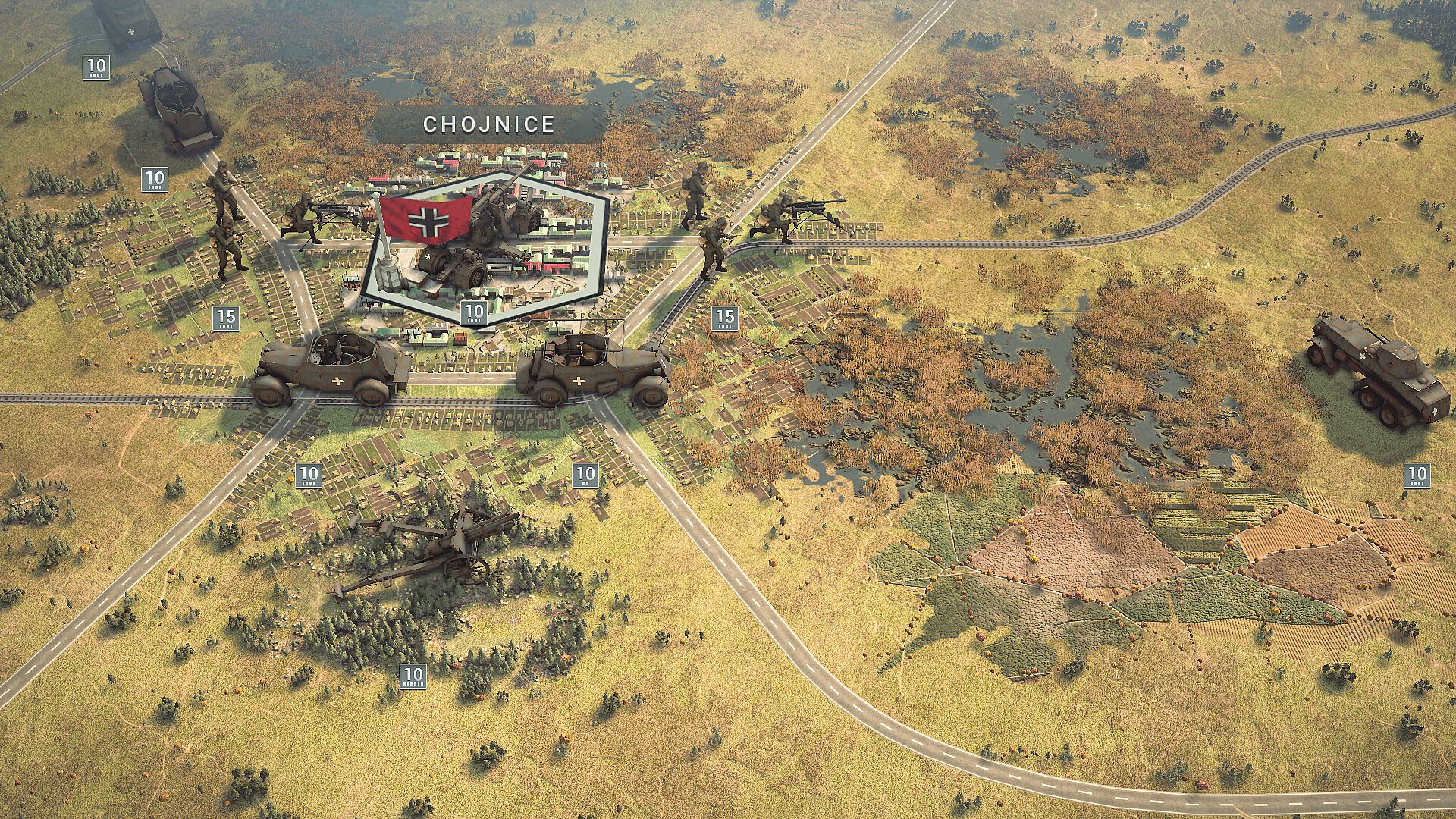
German forces appear as the primary opposition, often with numerical or equipment advantages that require methodical responses. Players must coordinate infantry, cavalry, armor, and artillery while accounting for the limited auxiliary options on the map.
Is It Worth Playing?
This campaign suits players who enjoy detailed turn-based strategy with persistent unit progression and narrative elements tied to character survival. The emphasis on full control without AI allies creates a focused defensive challenge across the fourteen scenarios. Reviews highlight strong scenario design that balances difficulty with fairness, noting that missions reward careful planning rather than overwhelming force.
Those familiar with the Panzer Corps 2 base game will find familiar systems enhanced by the key character mechanics and expanded Polish content. The option to remove turn limits further accommodates different play styles. Overall, the release delivers a self-contained campaign that stands on its own merits for strategy enthusiasts interested in the 1939 Polish theater.