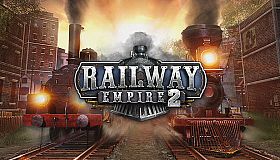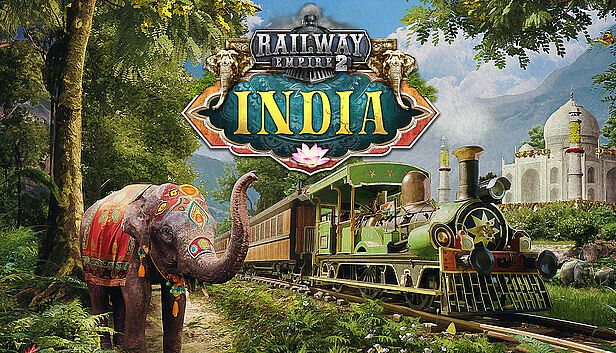













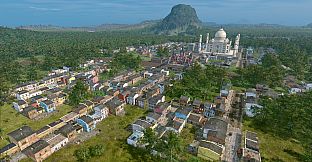
Railway Empire 2 - India is a strategy simulation game that places players in charge of expanding rail infrastructure across the Indian subcontinent during the 19th century. The experience centers on economic development through transportation networks, with a focus on connecting cities, managing supply chains, and adapting to shifting historical conditions from the era of the East India Company onward.
Gameplay
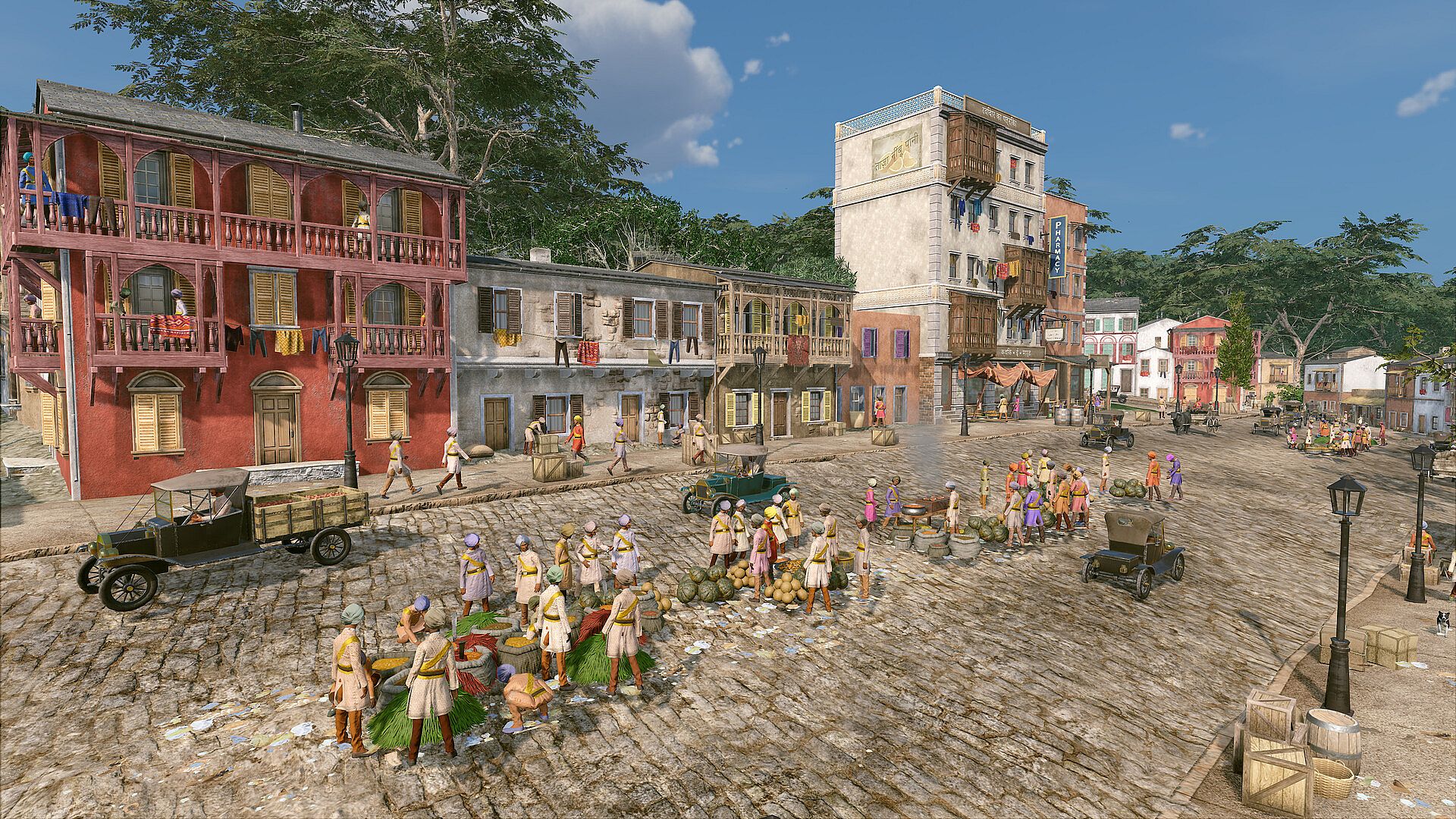
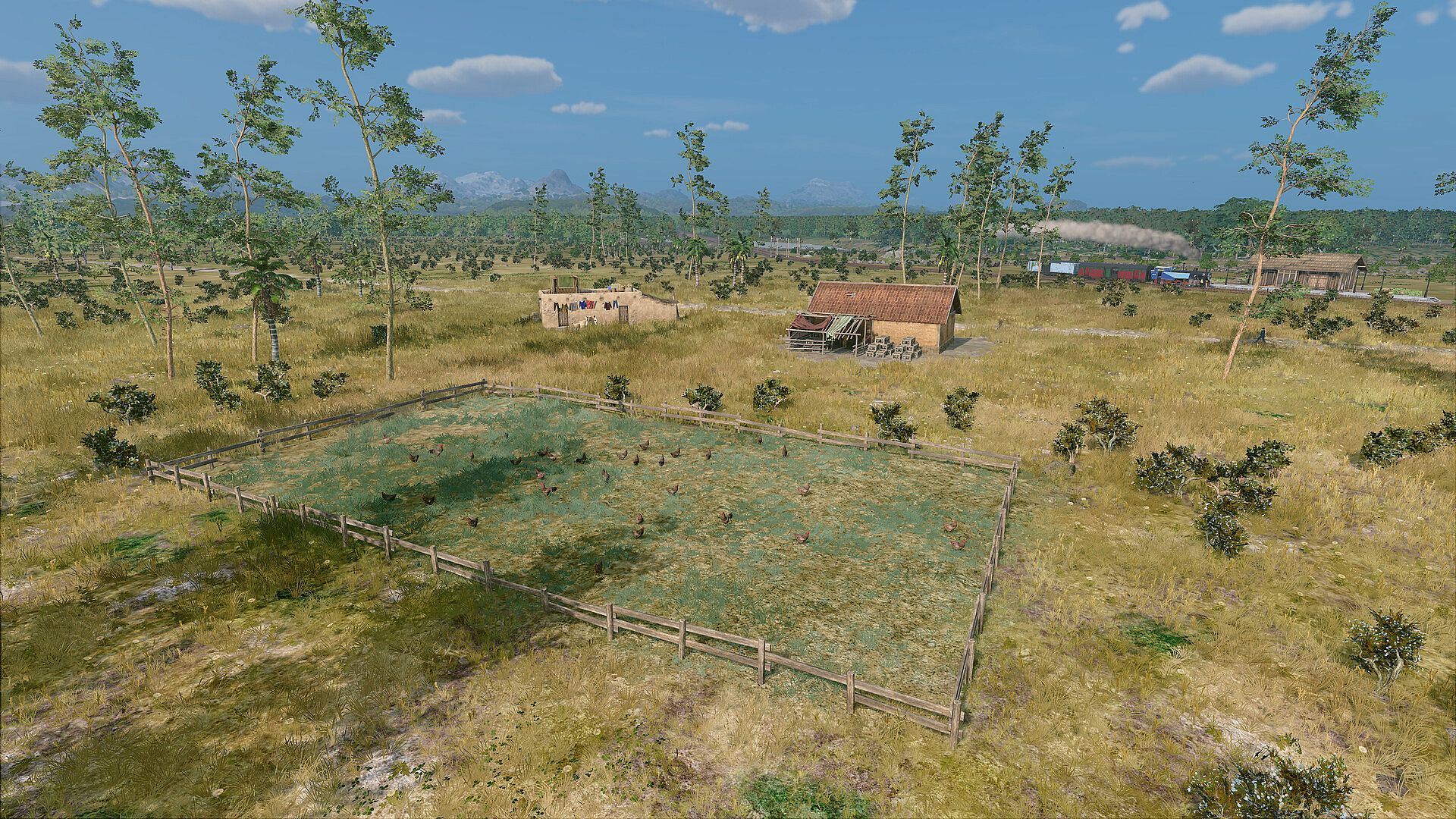
Core play revolves around laying tracks across expansive plains and around major urban centers while transporting goods that drive city growth and trade. Players handle route planning, station placement, and locomotive selection to optimize delivery of regional items such as raw silk, naan bread, and chai tea. Certain production sites offer flexibility to switch between two output options, letting the economy evolve based on player choices.
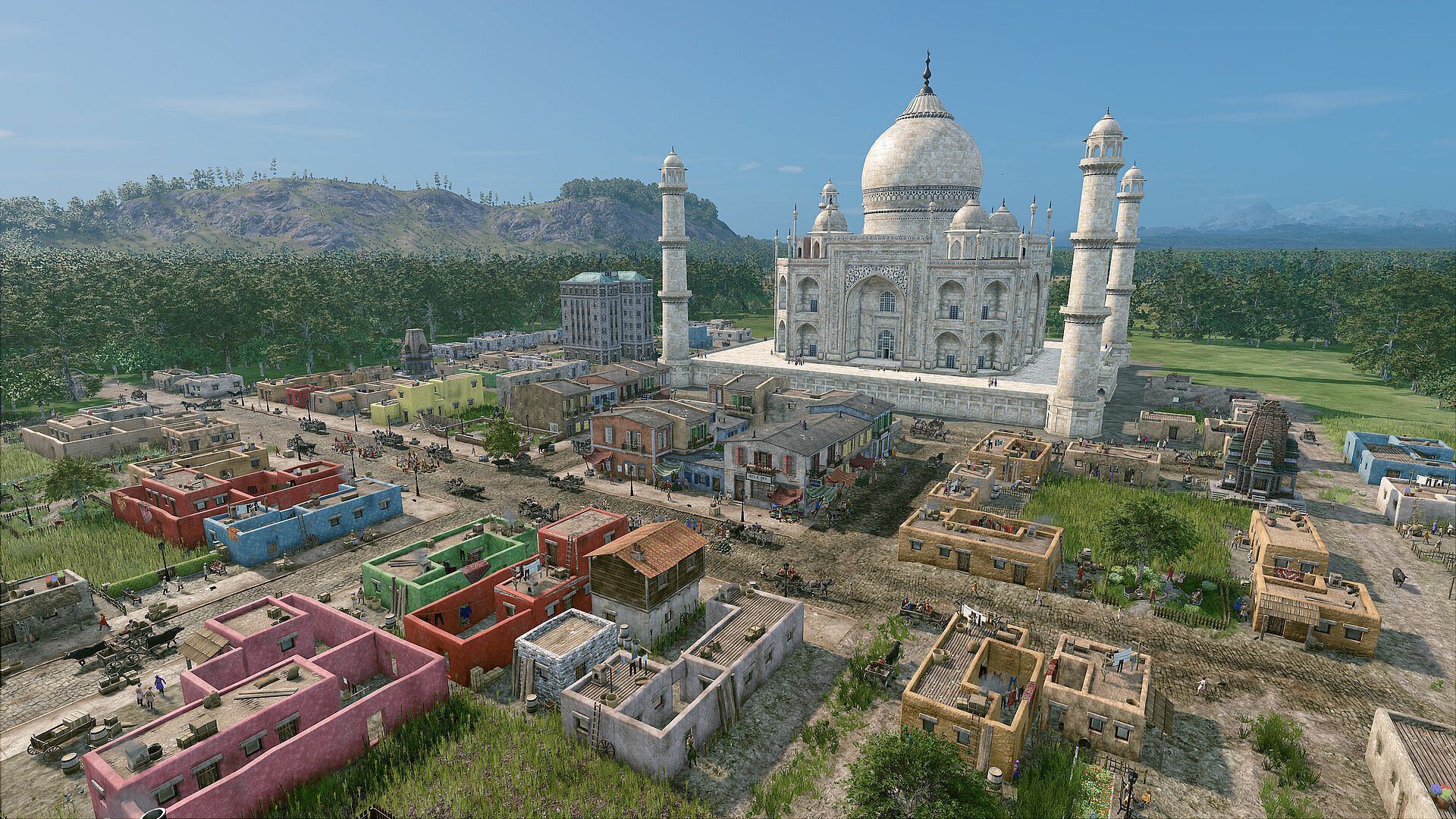
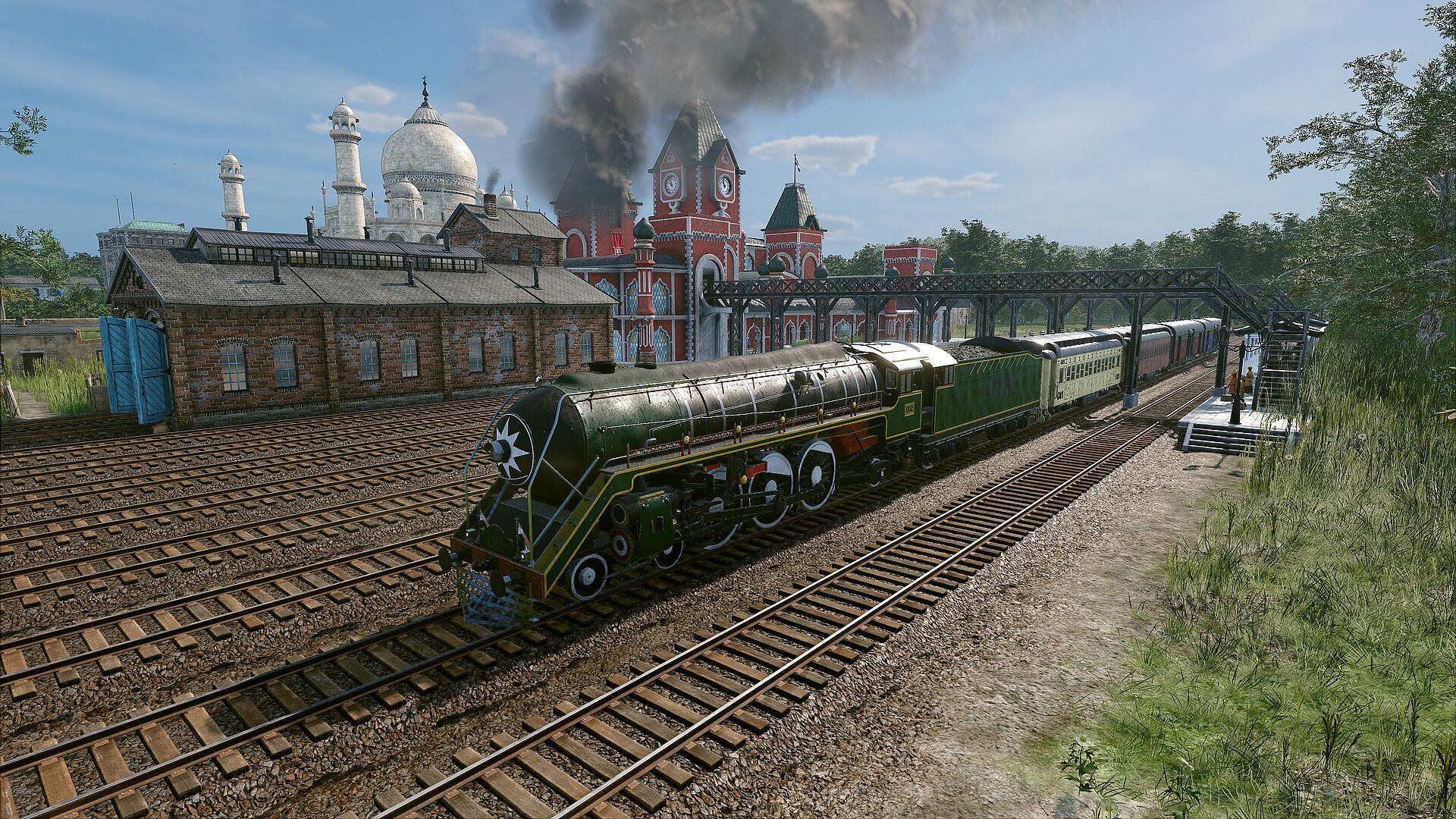
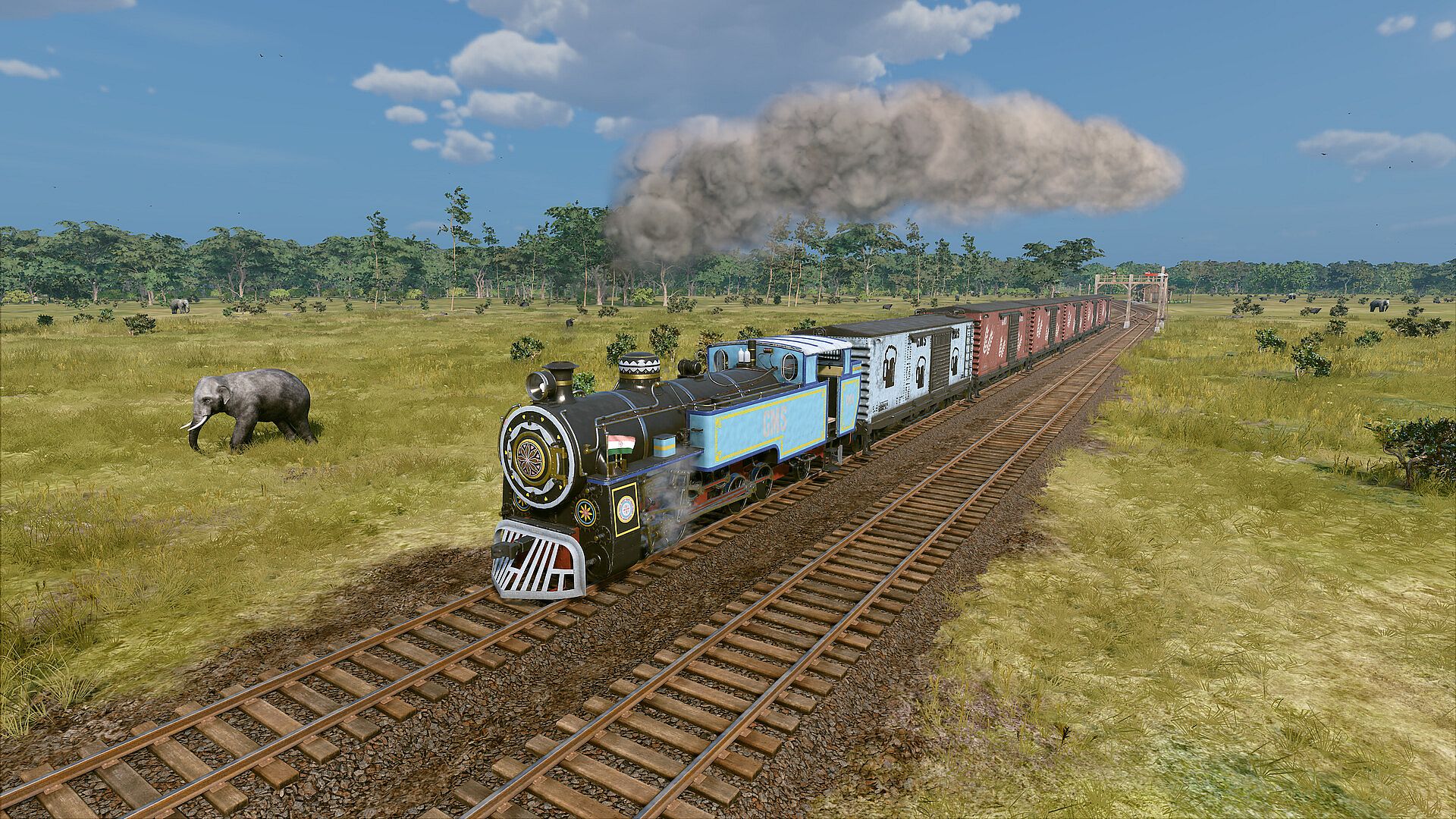
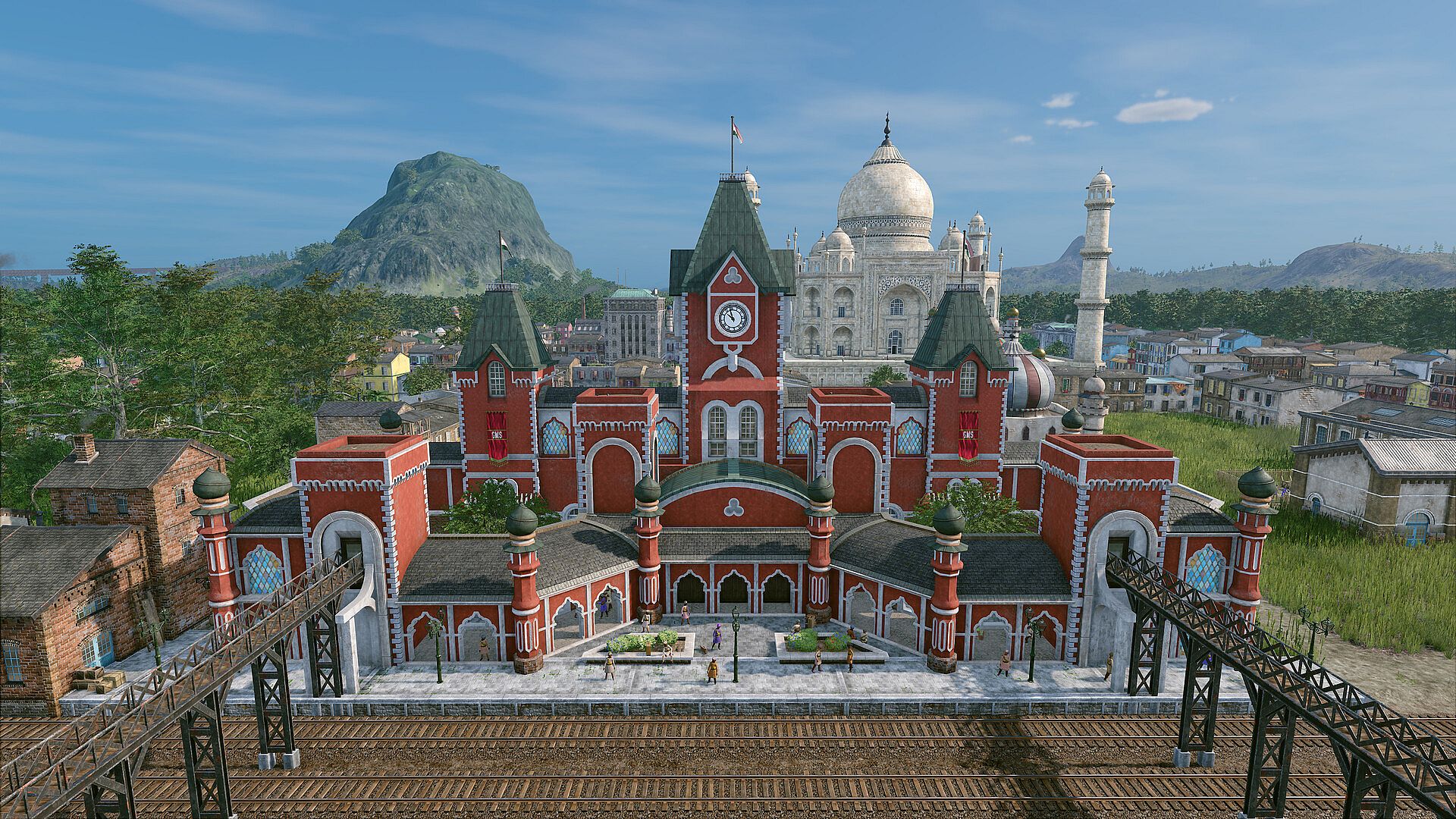
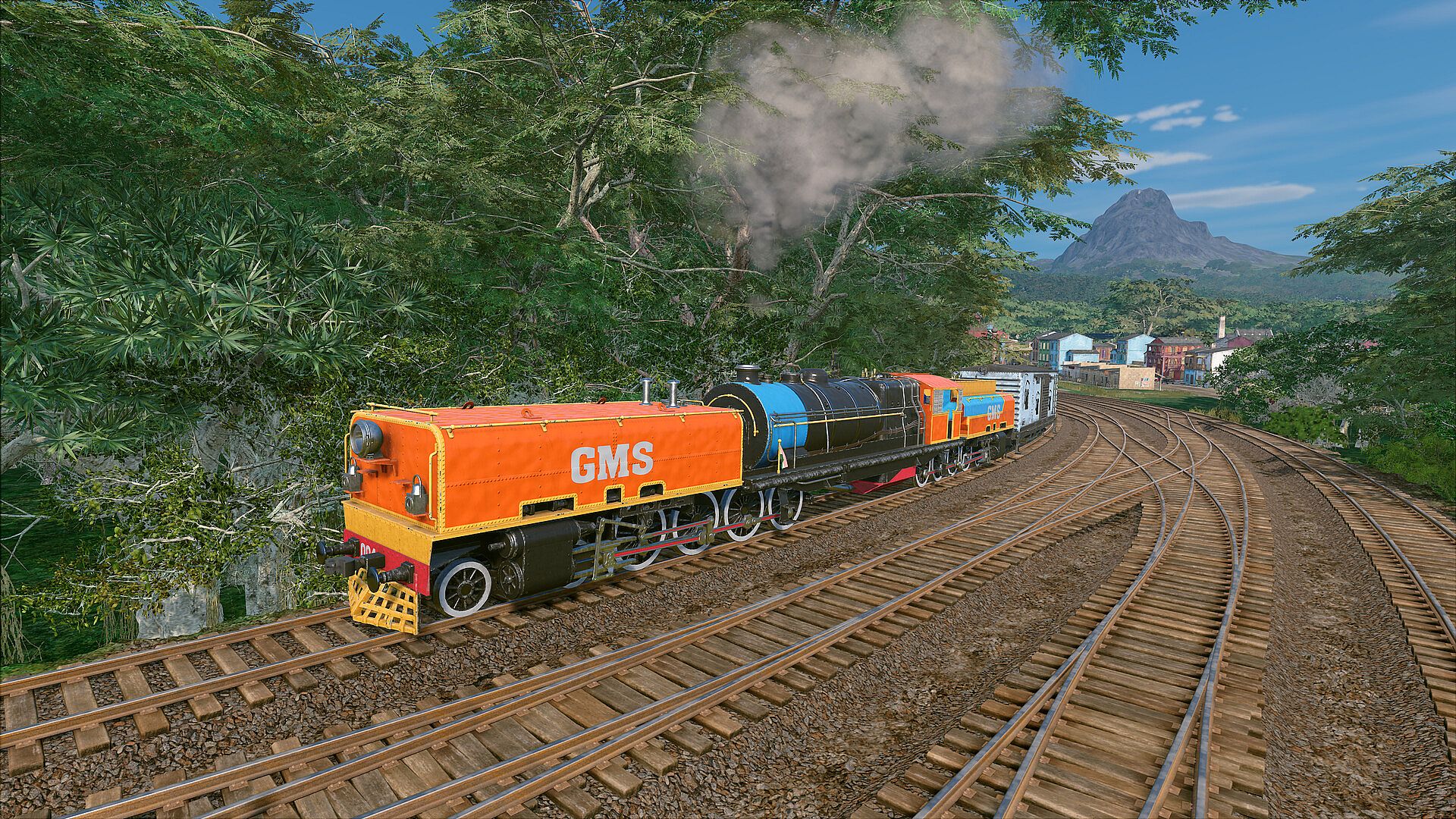
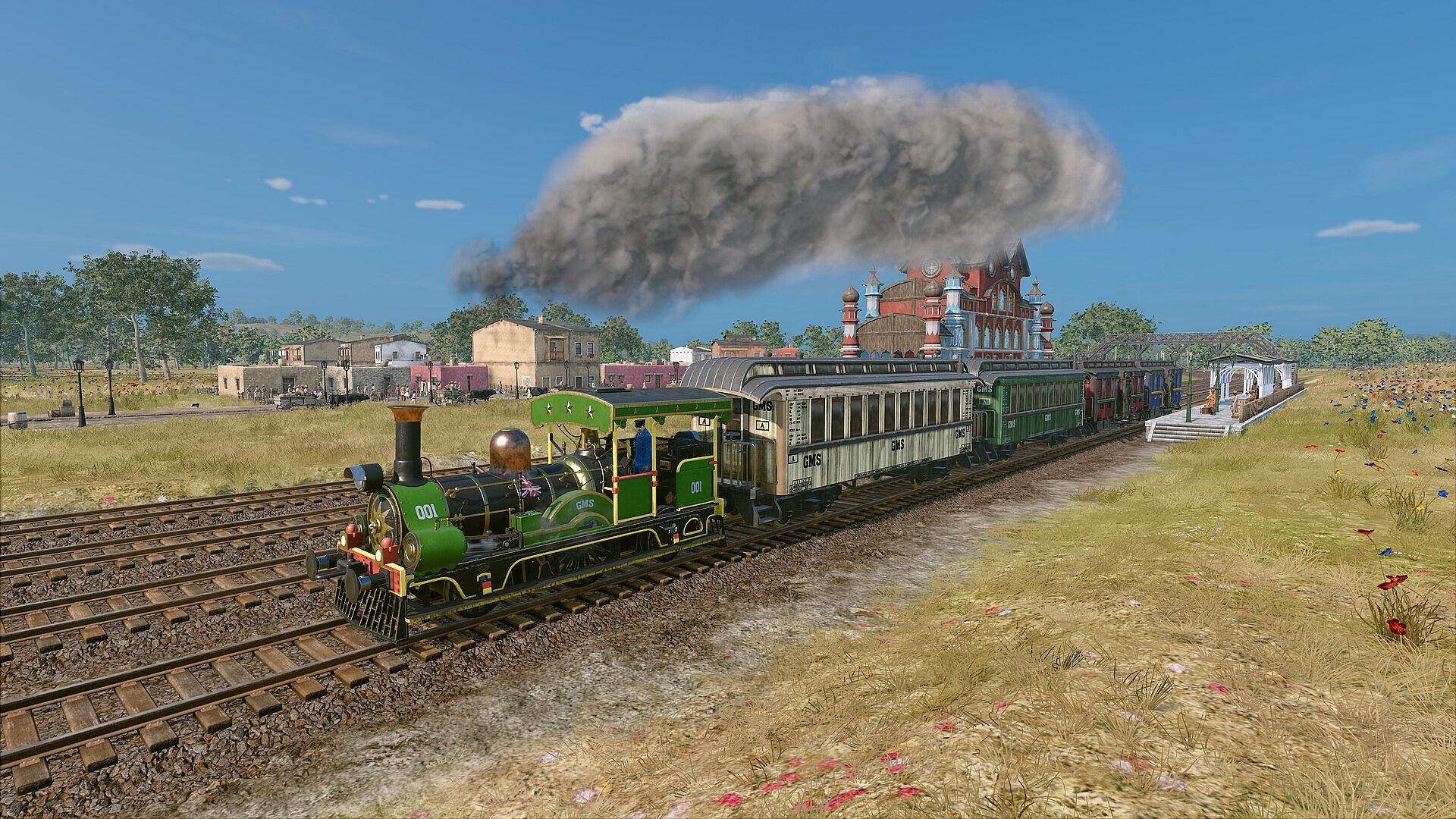
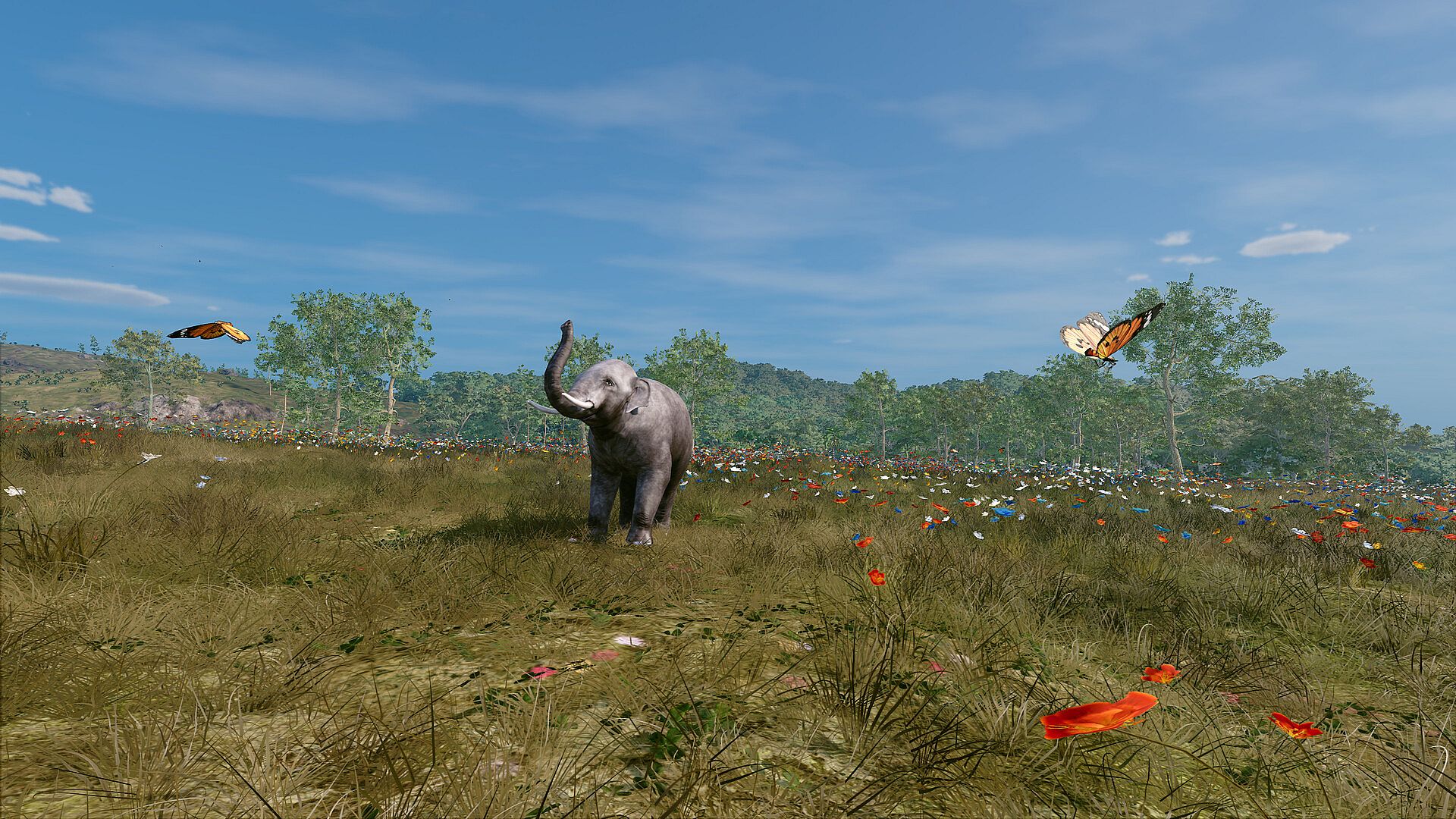
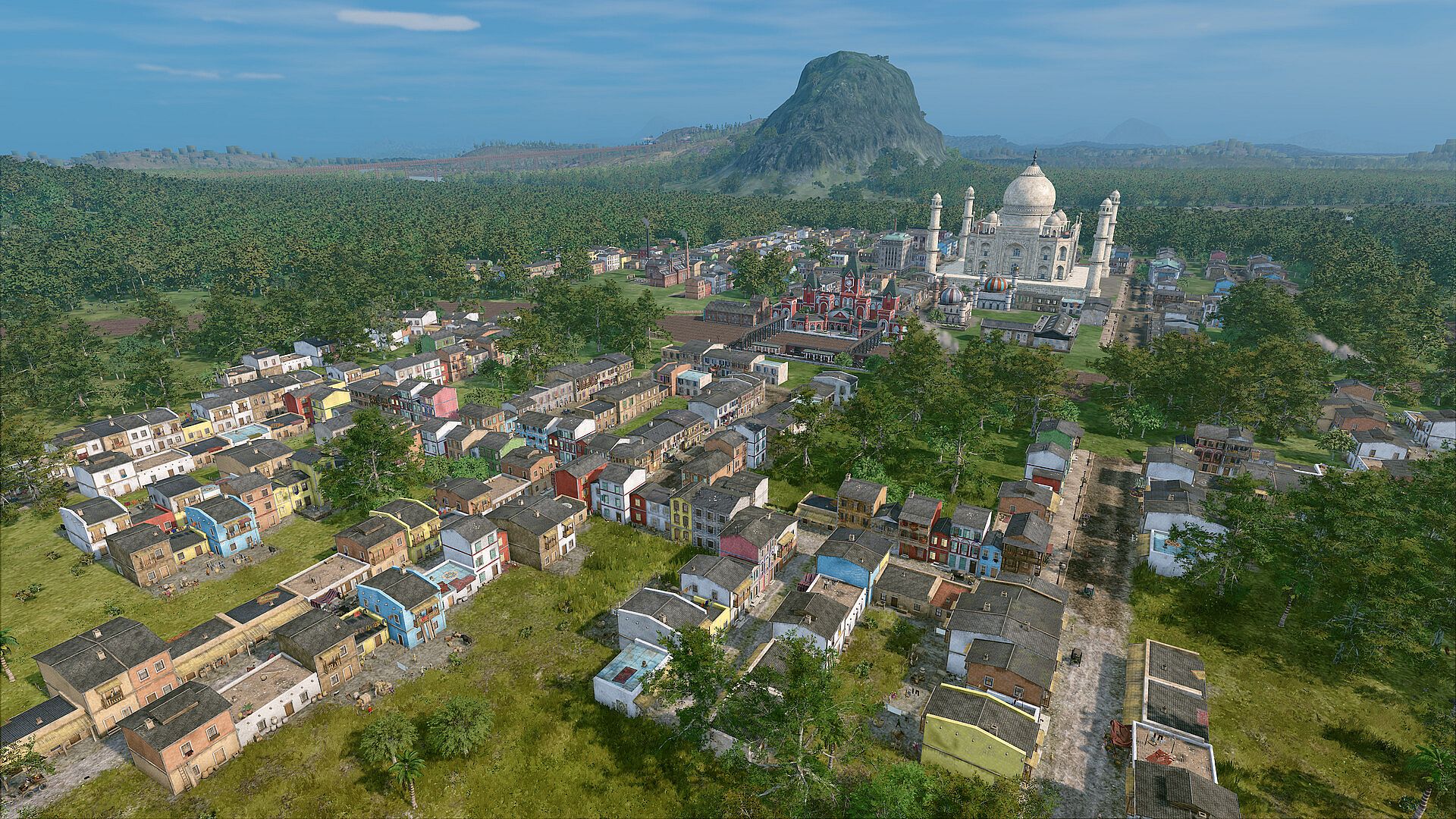
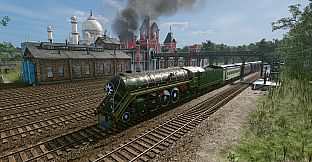
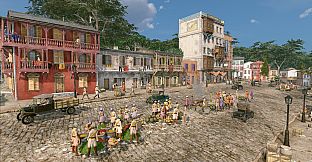
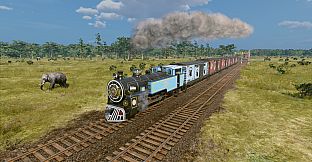
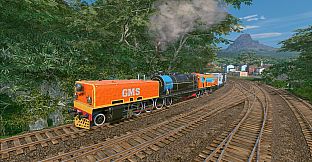
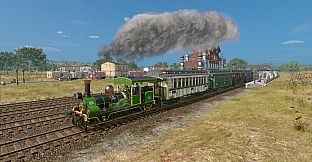
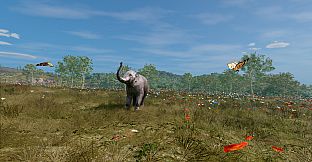
The setting introduces visual and audio elements tailored to the region, including roaming wildlife and bustling cityscapes. Locomotives include four new authentic Indian models such as the Fairy Queen and the BNR class N, alongside five imported engines adjusted for local use. Sound design features twenty additional music tracks and jingles that match the environment.
Game Modes
Three fully voiced scenarios provide structured campaigns set in specific time periods. Foreign Regency begins in 1840 during the height of the East India Company influence. Karmic Justice starts in 1854 as political changes unfold. Colours of India opens in 1865 amid further transitions in administration and infrastructure priorities.
The full India map supports open-ended play as one large area or divided into four detailed sections. This layout integrates with the base game's free play and construction options, allowing players to build networks without scenario constraints while incorporating the new products and locomotives.
Historical Context and Map Design
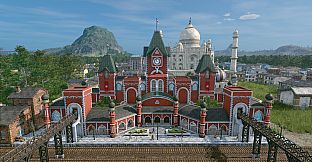
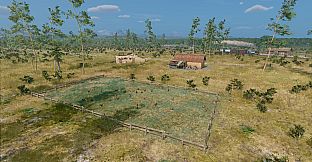
The narrative spans decades of transition, beginning with cooperation under the East India Company and shifting toward alignment with the British Crown in western areas. Success in building connections influences trade, administration, and control across the subcontinent. The map covers vast countryside alongside dense urban zones like Bangalore, Calcutta, and Bombay, with terrain that accommodates bridges, tunnels, and multi-track stations.
Players navigate challenges tied to the period, such as balancing growth in rural industries with city expansion. The design emphasizes long-term network development over short bursts of activity.
Is It Worth Playing?
Reception for the India content stands at mixed levels based on available user feedback, with praise directed at the volume of new scenarios, products, and the distinctive map. The three campaigns deliver voiced storytelling that spans historical shifts, while the sandbox-compatible map extends replay value for those who enjoy unrestricted railway construction.
This DLC suits players who prefer deliberate management of supply lines and economic systems in a strategy simulation format. Those seeking focused campaigns with regional flavor will find the scenarios engaging, whereas open builders can experiment with production swaps and new locomotives on the expansive India layout. Updates have addressed minor visual issues since release, maintaining stable performance for the added content.