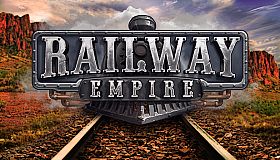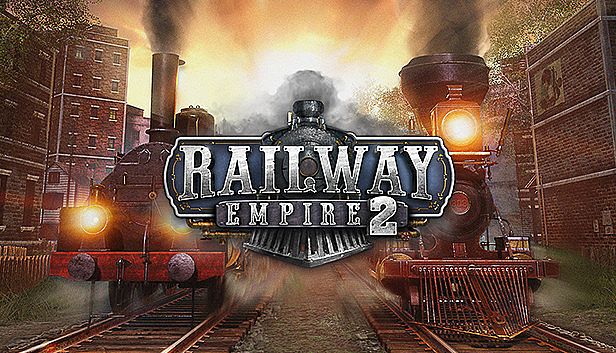




























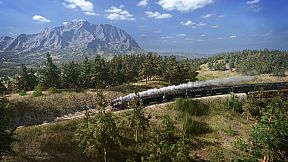
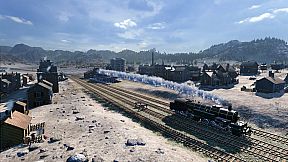
Railway Empire 2 stands out as a strategy simulation game where you build and manage a vast railway network during the Industrial Revolution. Set in the early 1800s, it puts you in charge of a fledgling railway company, tasking you with expanding operations across continents through smart economic decisions and infrastructure development. This title appeals to those who enjoy deep management mechanics tied to historical themes, blending business strategy with the thrill of connecting cities and driving industrial growth.
Gameplay
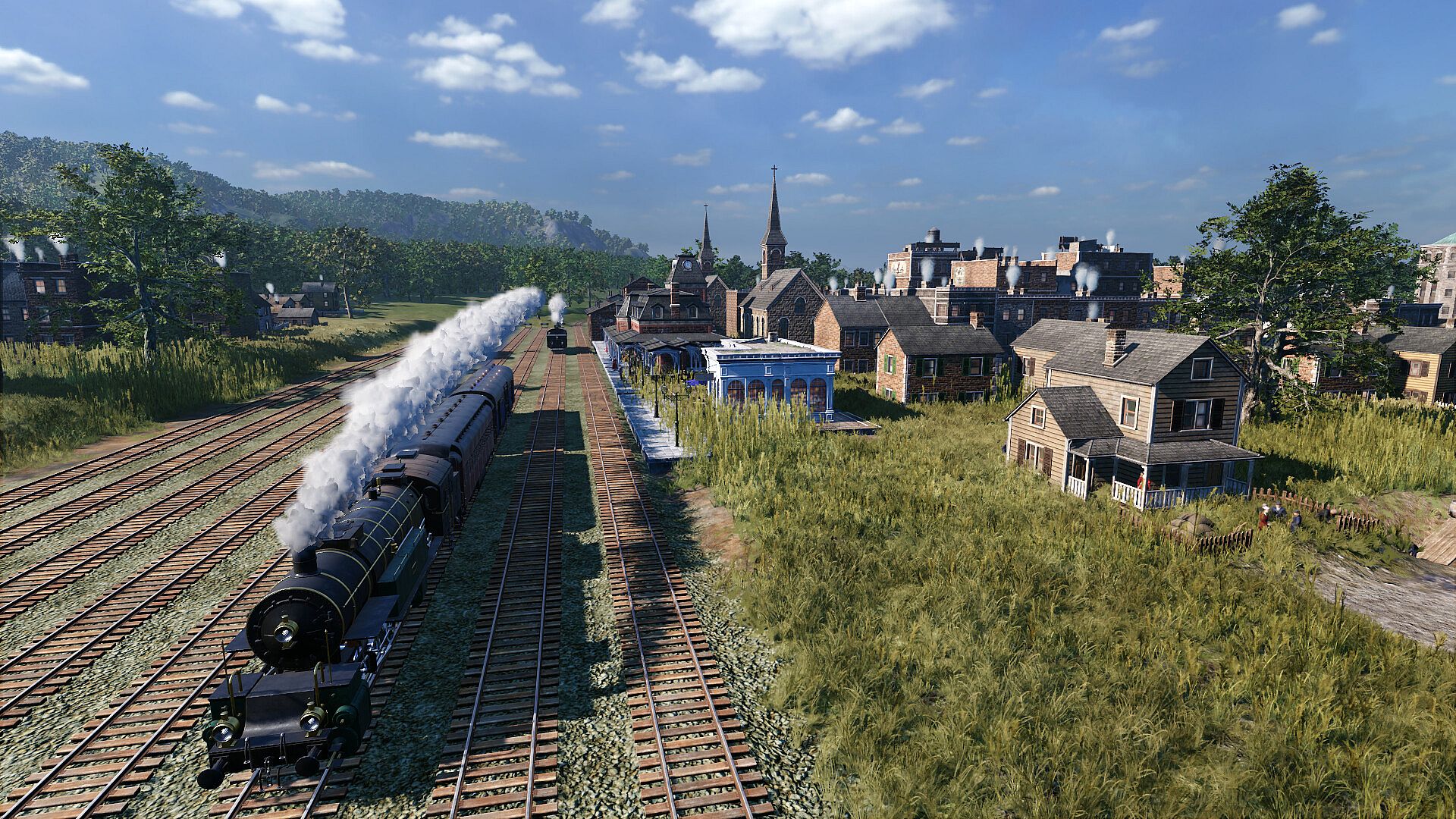
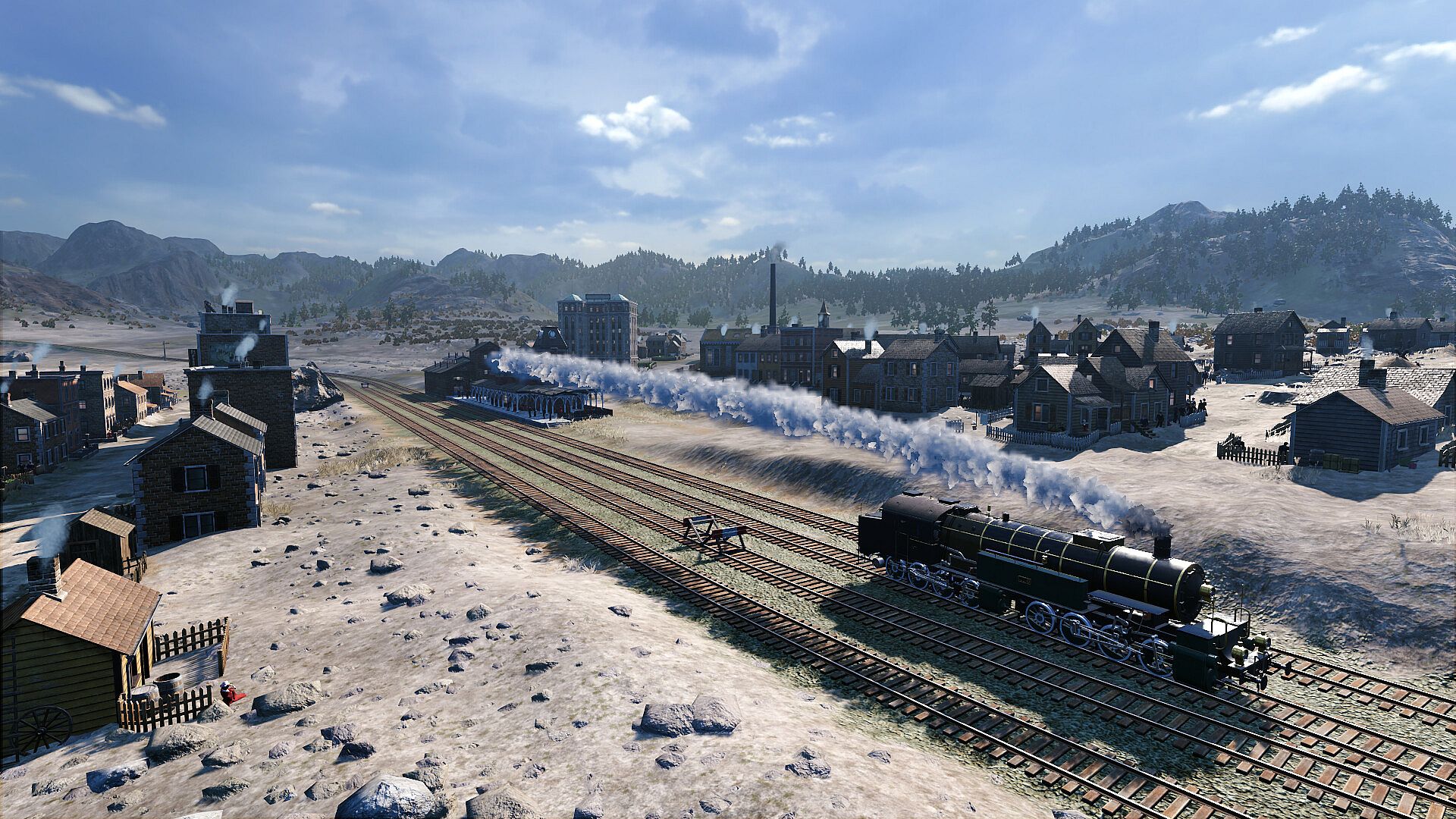
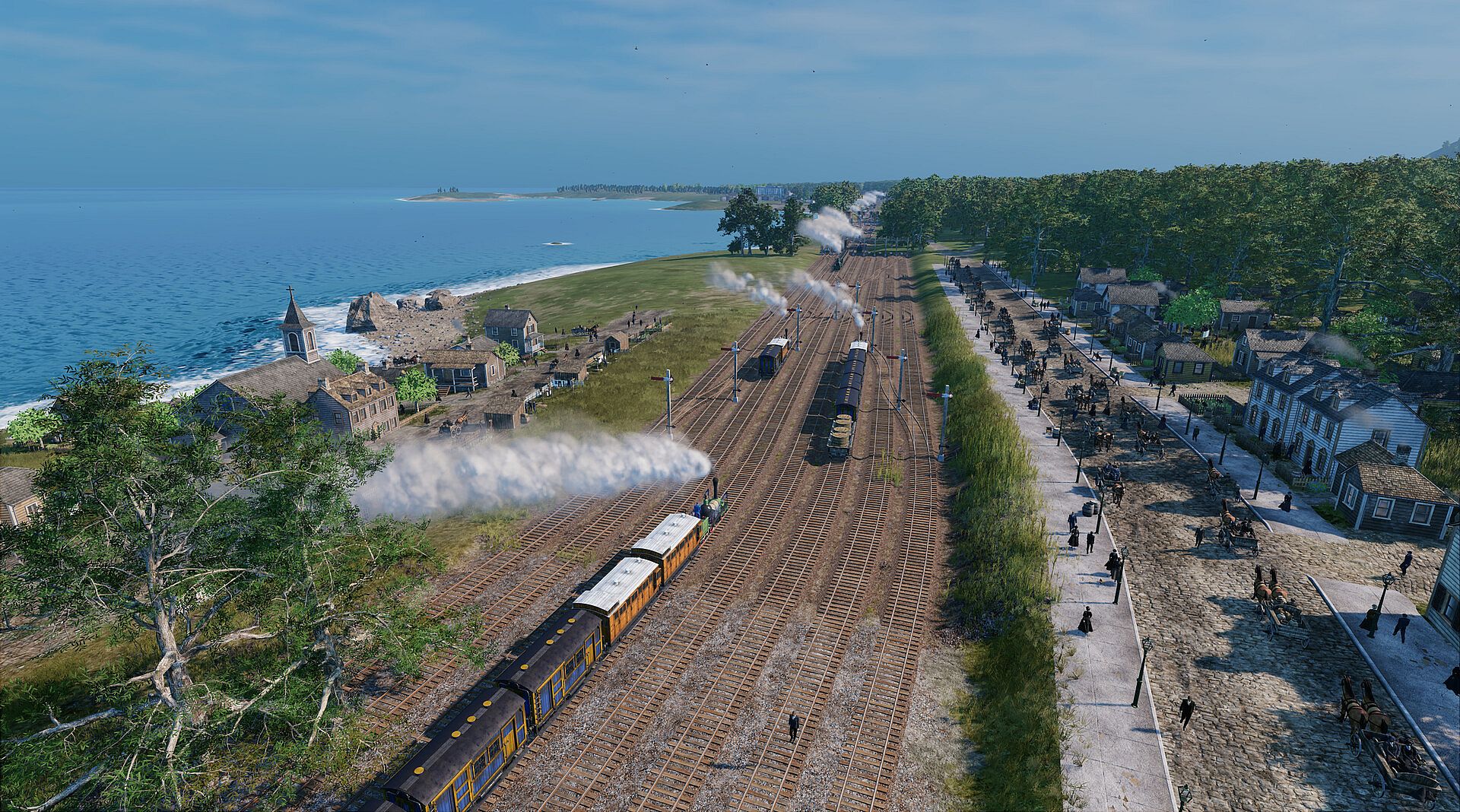
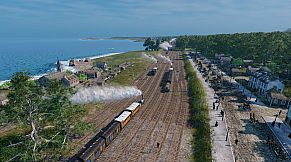
In Railway Empire 2, the core loop revolves around establishing and optimizing a railway empire. You start by acquiring locomotives and setting up routes to transport goods and passengers between cities. Resource management plays a key role, as you connect supply chains for raw materials and finished products, ensuring efficient delivery to meet demand. Track building has been refined, with automatic signal placement and the ability to construct bridges that support up to four tracks, allowing for complex networks without excessive micromanagement.
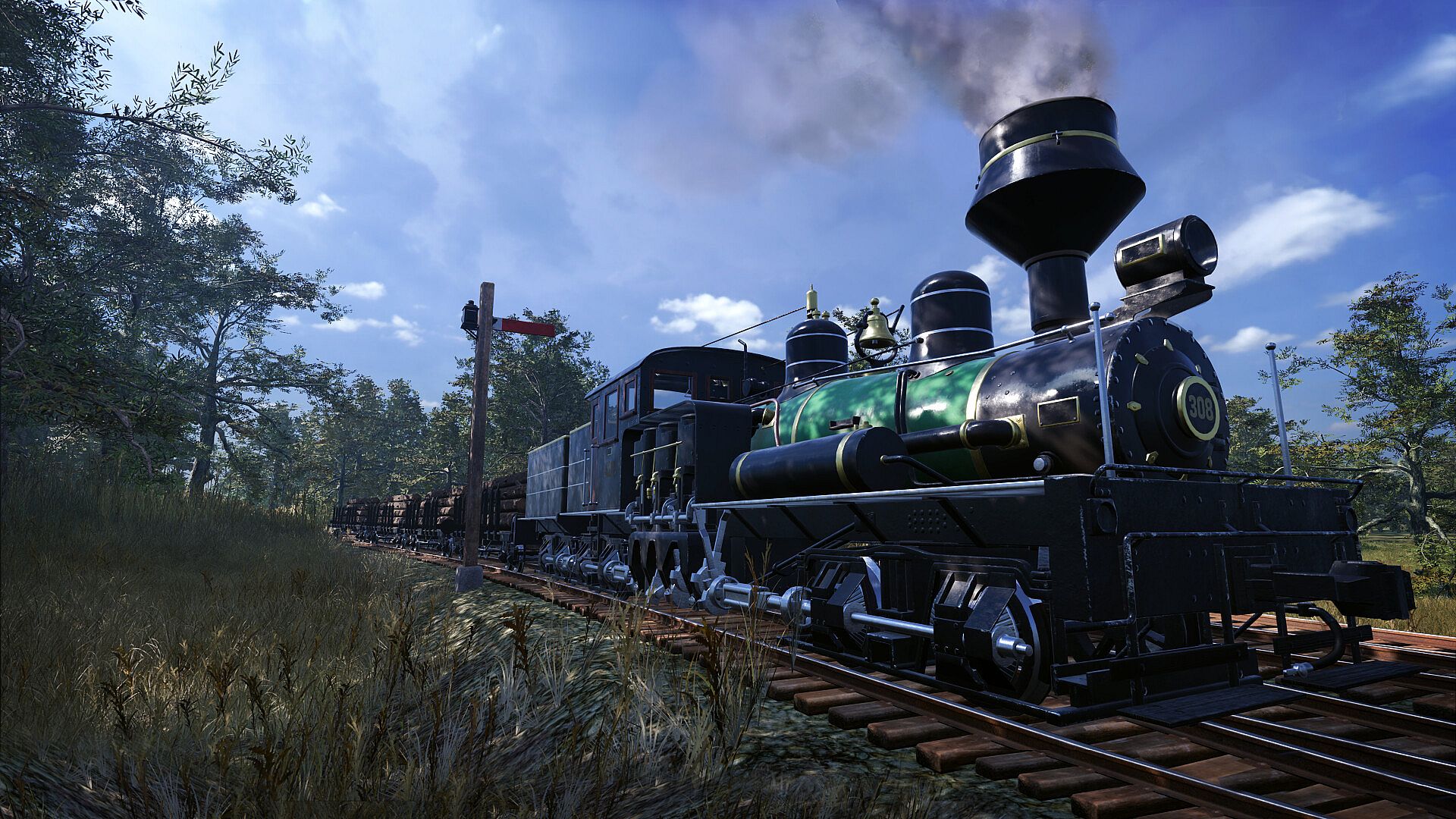
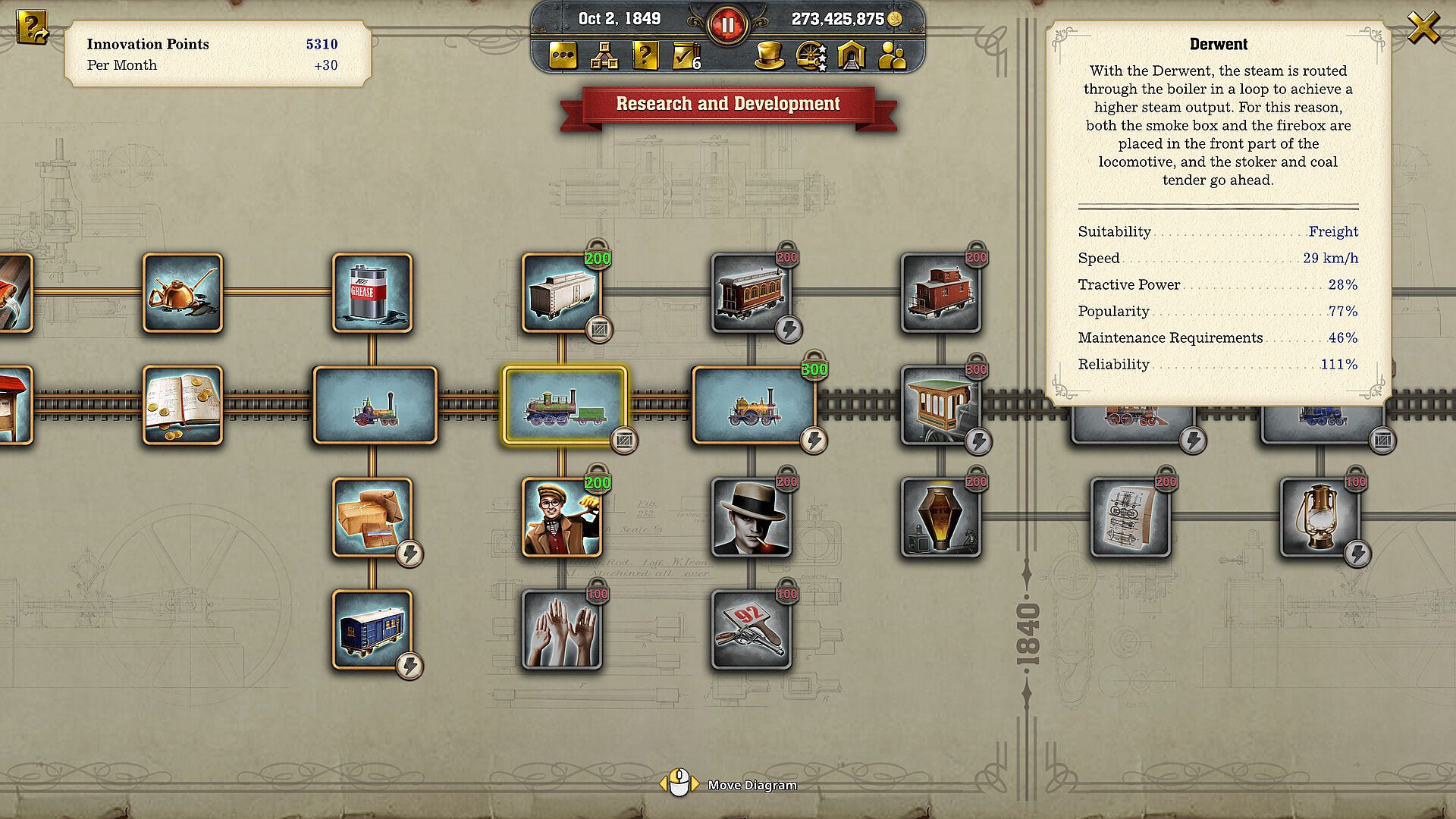
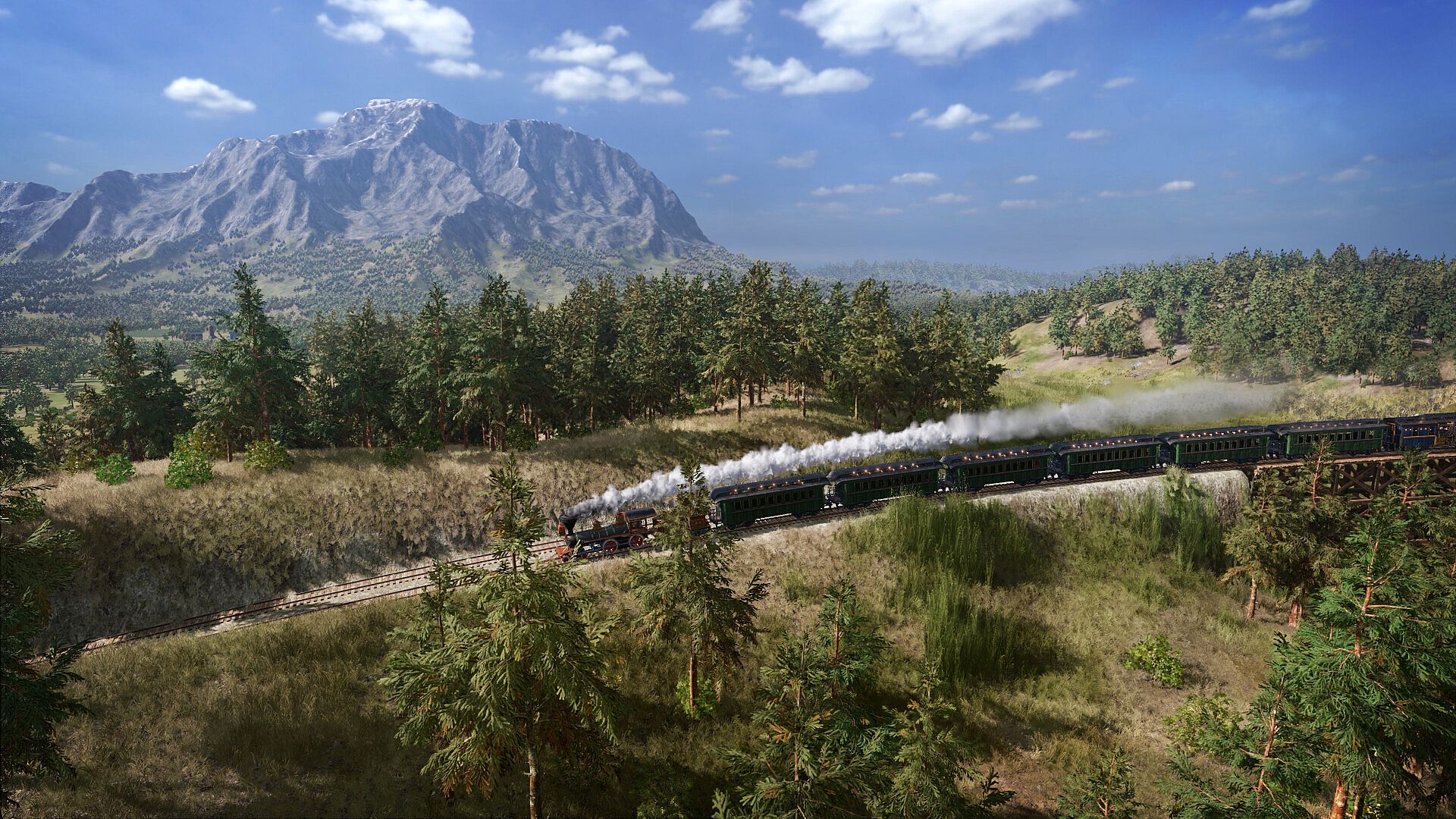
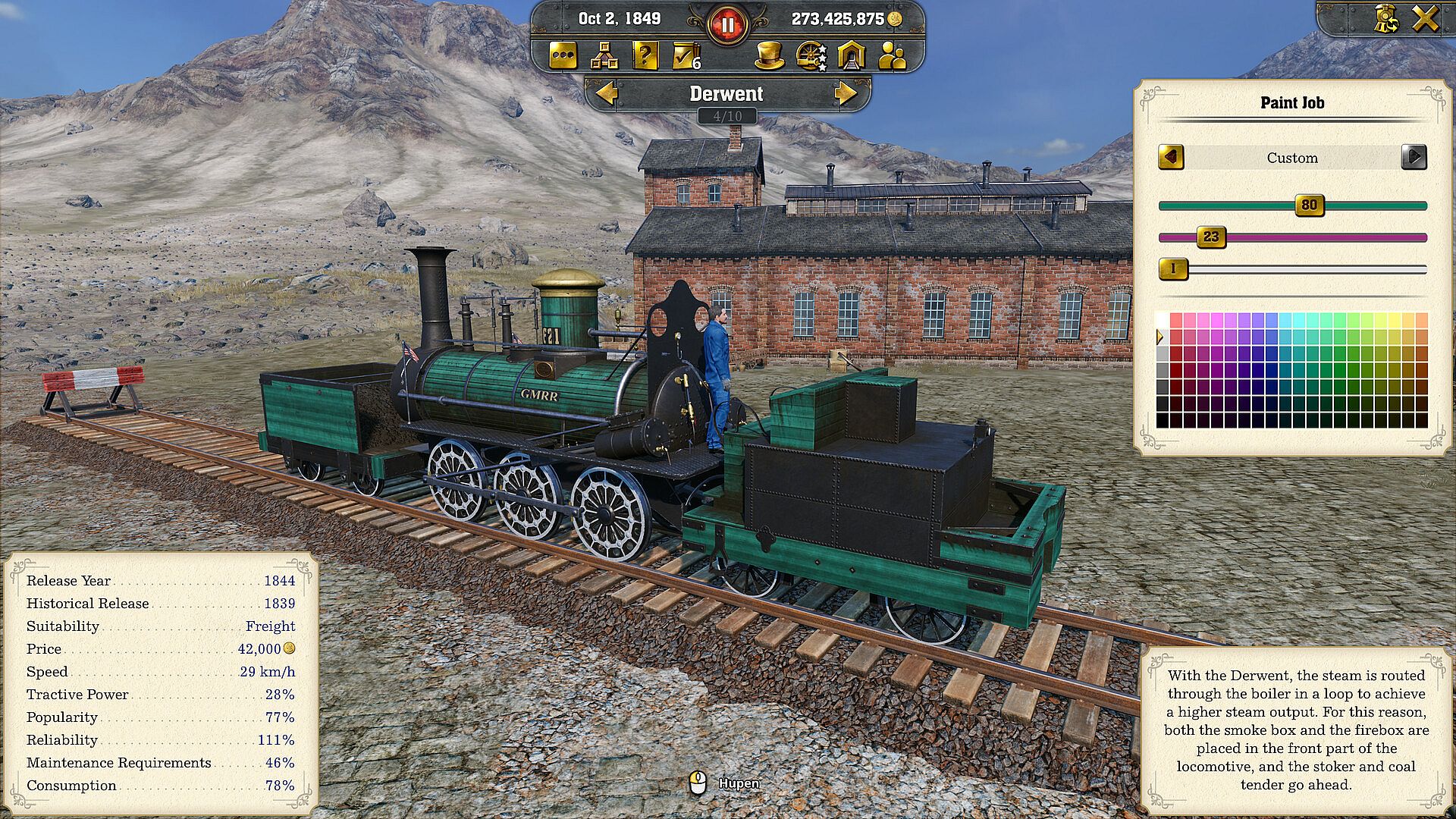
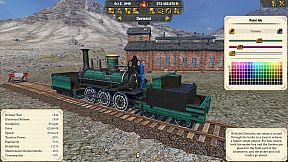
Competition adds tension, as rival companies vie for the same routes and markets. You must outmaneuver them by expanding quickly, investing in technology, and choosing from 60 historical locomotives that vary in speed, capacity, and efficiency. Stations can expand to handle up to eight tracks, and you can add attachments like inns to boost passenger traffic. The game also includes terrain adaptation, where landscapes adjust to your track layouts, and a first-person view lets you ride along your trains to inspect the scenery.
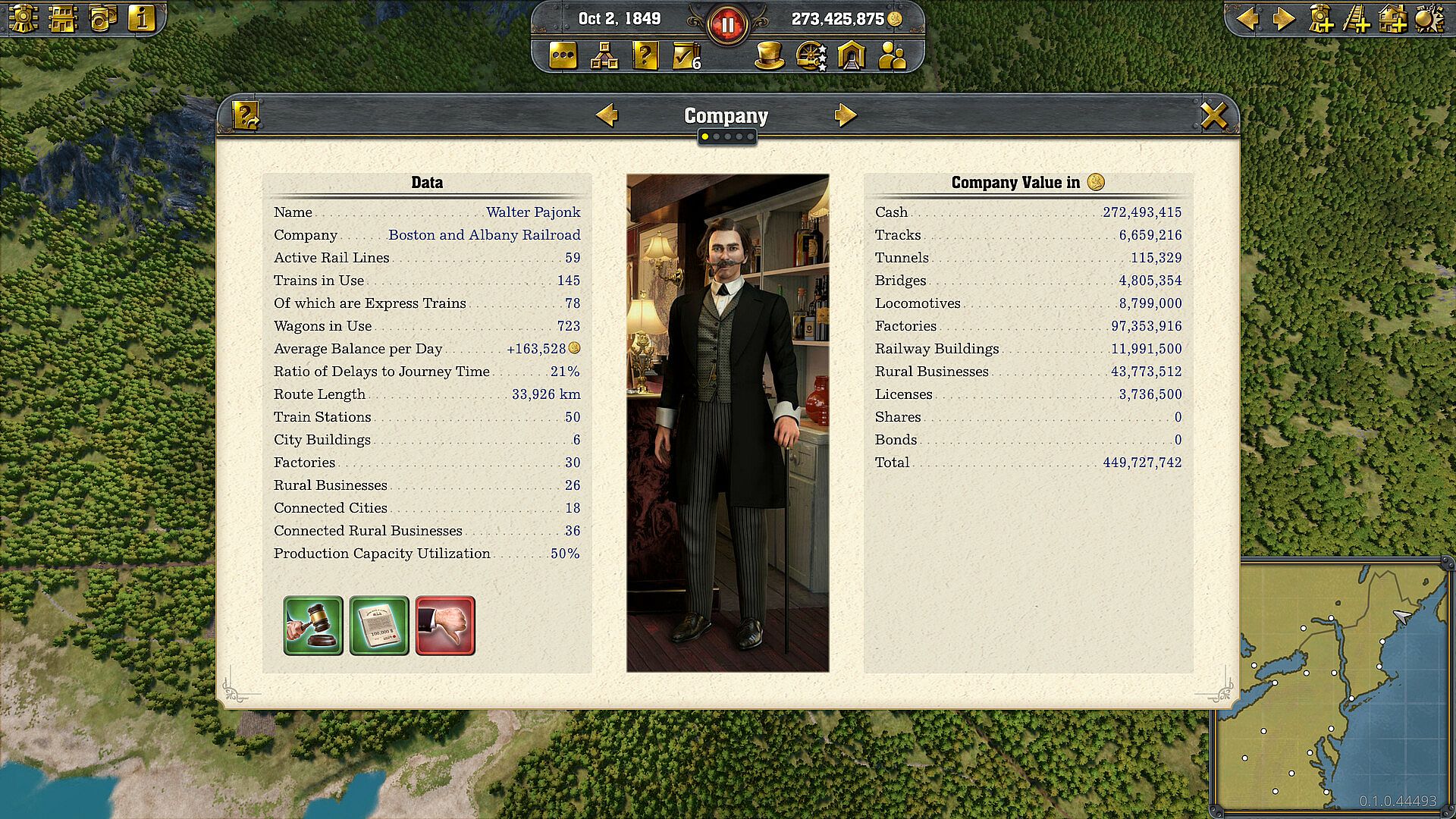
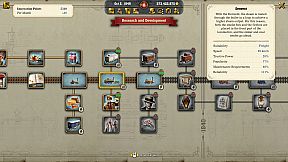
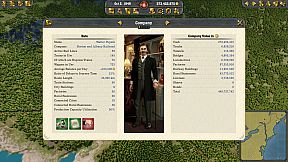
Economic decisions extend to personnel and research, where selecting one of six characters influences your company's strengths, such as better negotiation skills or faster construction. Balancing budgets, handling maintenance, and responding to events like market shifts keep the simulation engaging and challenging.
Game Modes
Railway Empire 2 offers several ways to experience its railway management. The campaign mode spans five chapters, guiding you through historical events in regions across the US and Europe, with objectives focused on building empires in specific eras.
Scenario mode provides 14 distinct challenges, each set in unique historical contexts with predefined goals, such as dominating a particular market or overcoming logistical hurdles. Free play mode allows full customization, where you set difficulty levels and rules to create your ideal simulation without strict objectives.
Construction mode emphasizes creative building, letting you design rail networks freely without economic pressures. Co-op multiplayer supports up to four players working together on the same company, sharing tasks like route planning and expansion in real-time sessions.
Key Features and Mechanics
Beyond basic building, the game incorporates advanced mechanics like optional warehouse systems for detailed logistics control. Trains operate on lines rather than individual schedules, streamlining management while allowing automation for loading and routing. Terraforming tools help shape the environment, enabling tunnels and elevated tracks to navigate tough terrain.
The simulation covers a timeline from 1830 to 1930, with era-specific technologies unlocking as you progress. Multiplayer integration ensures cooperative play feels seamless, with shared control over company assets. These elements create a layered experience that rewards strategic planning and adaptation.
Is It Worth Playing?
For fans of strategy simulation games that demand careful planning and economic oversight, Railway Empire 2 delivers a satisfying experience. Player reception has been mostly positive, with 72% of 1,841 reviews favorable overall, though recent feedback is mixed at 66% positive from 21 reviews. The game receives ongoing support through expansions that add new regions and locomotives, keeping content fresh.
If you thrive on building systems from the ground up and enjoy historical settings, this title offers substantial replay value through its varied modes and customization. Those seeking quick action might find the pace deliberate, but for dedicated simulators, it provides a robust platform to craft and manage intricate railway networks. Overall, it suits players who appreciate depth in management over fast-paced gameplay.