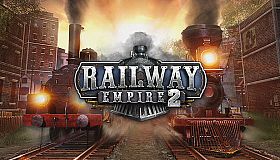



















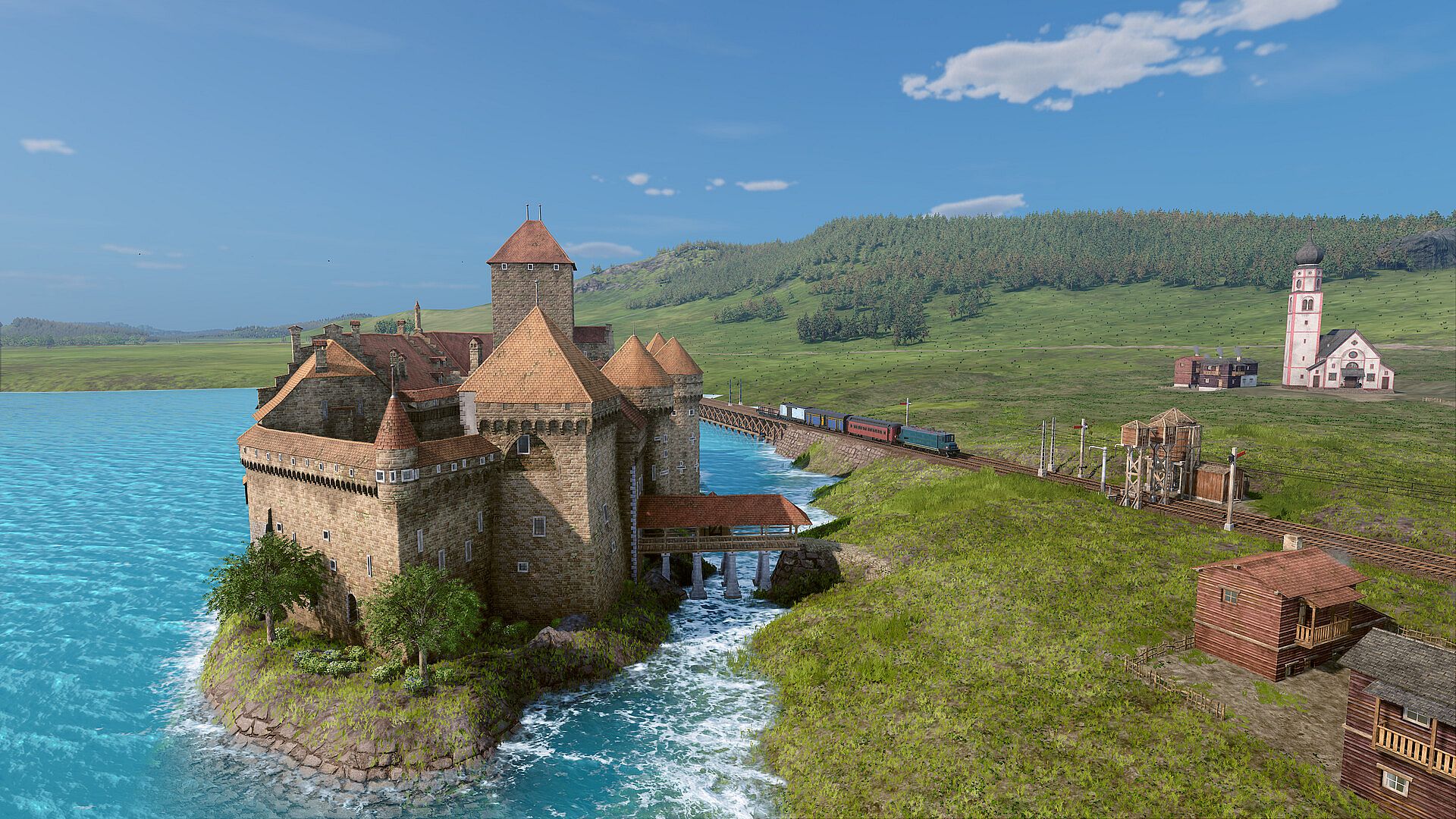
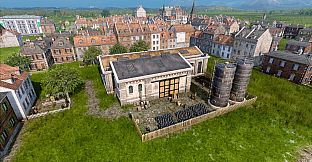
Railway Empire 2 - High Voltage is a strategy and simulation expansion that shifts focus to the transition from steam to electric power in railway operations. Players manage expanding rail networks across challenging terrain while introducing new locomotive technology and regional goods transport. The core experience centers on economic planning, route construction, and adapting to the demands of electrification in a European setting.
Gameplay
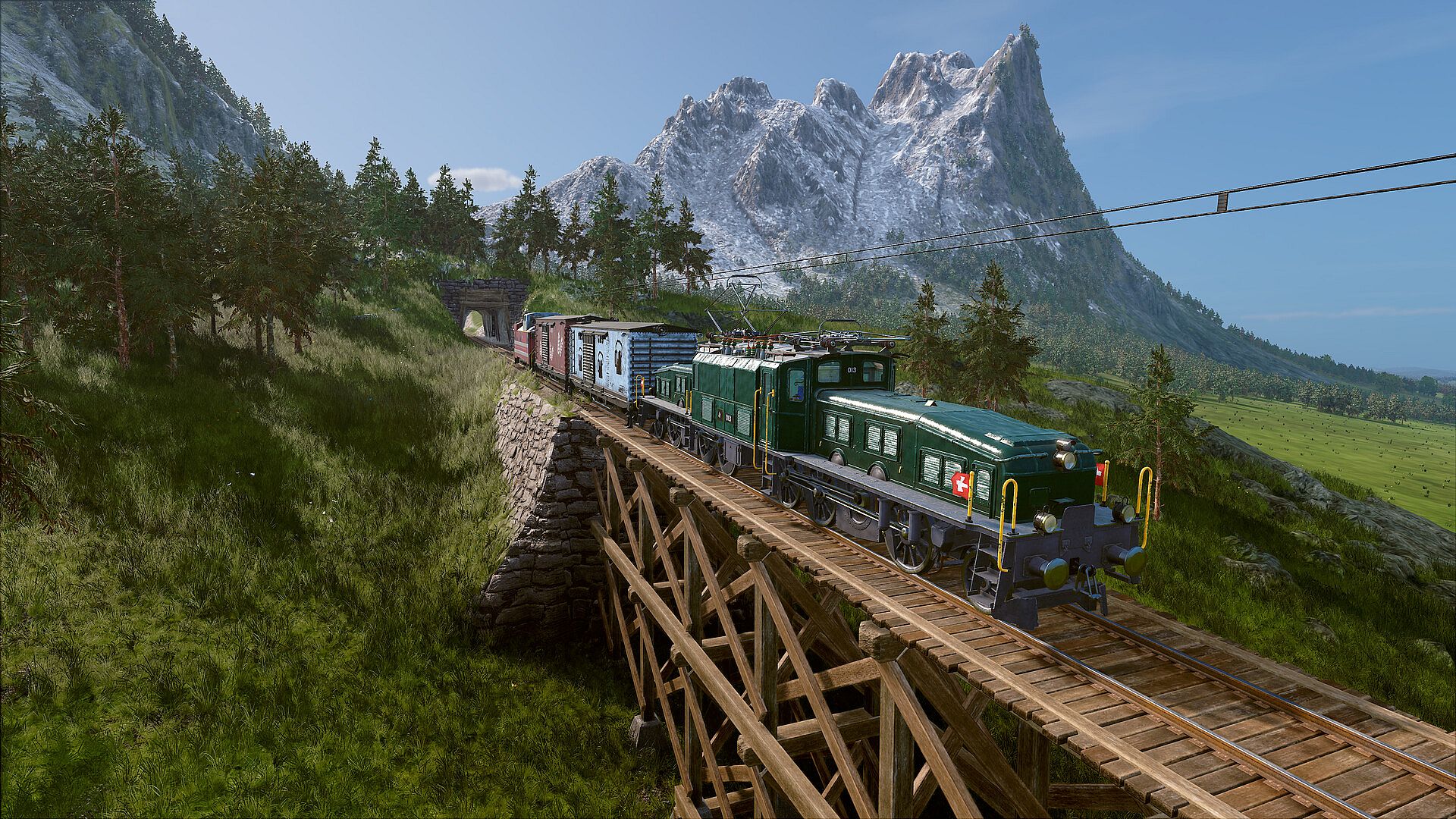
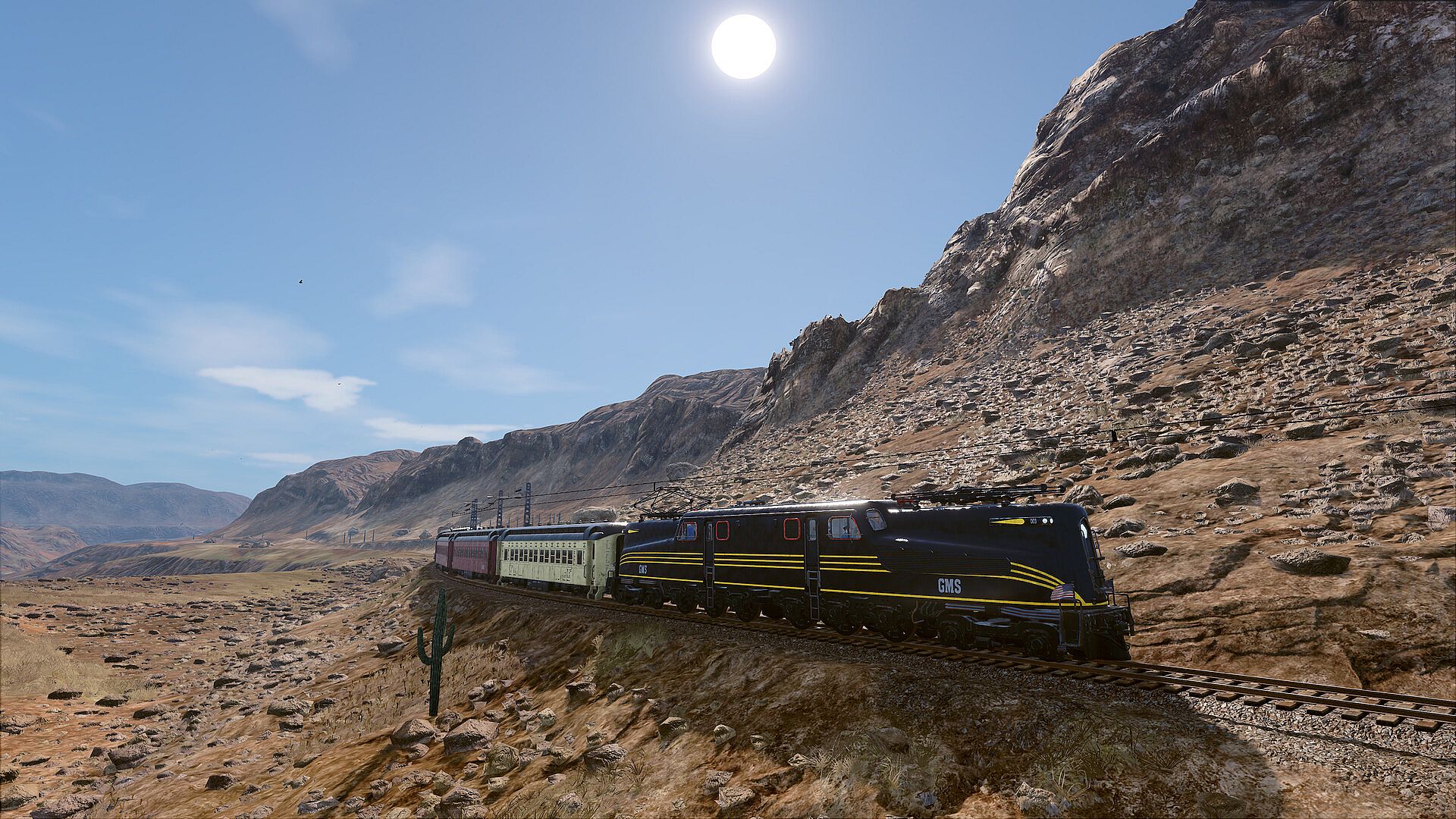
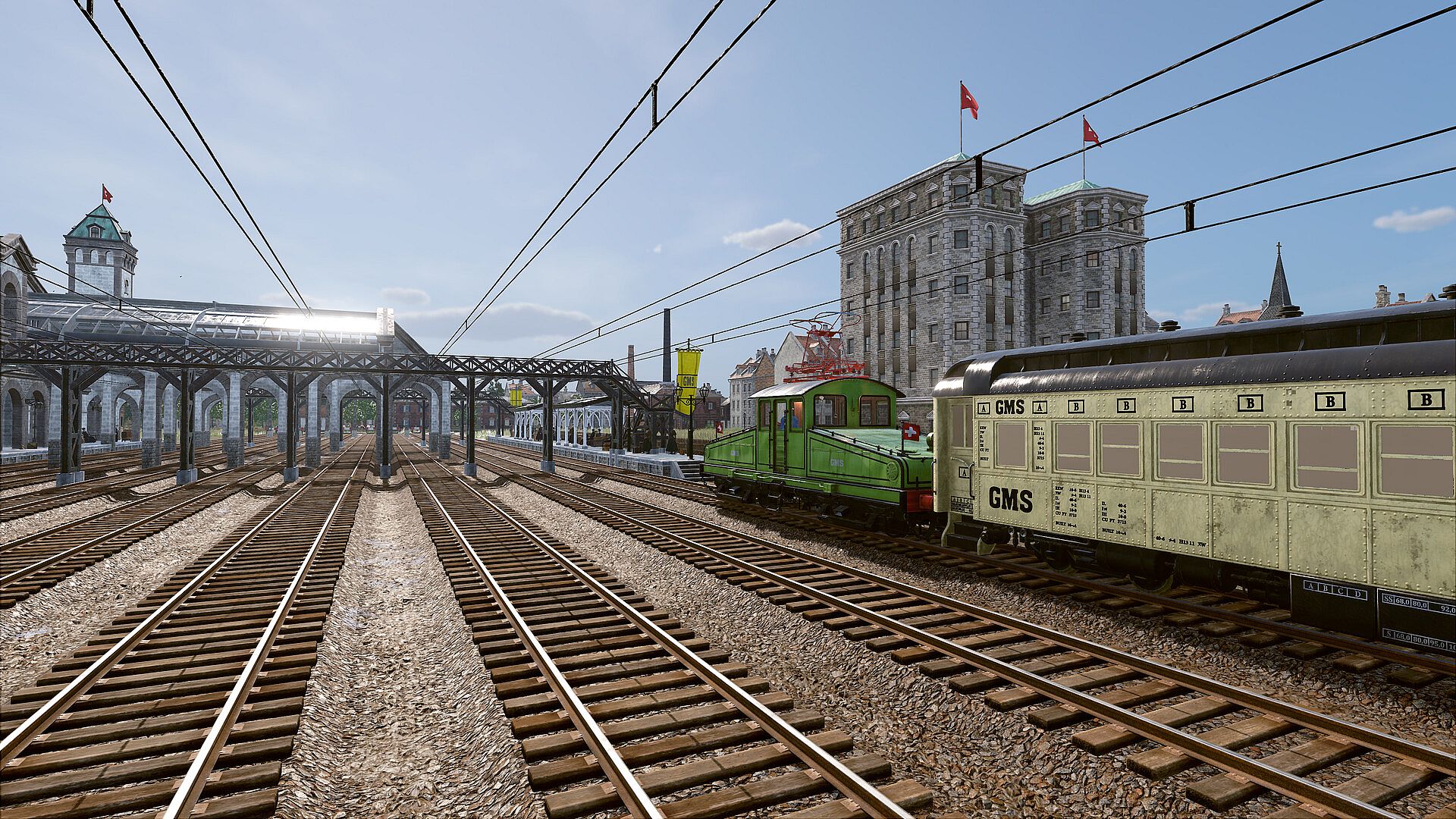
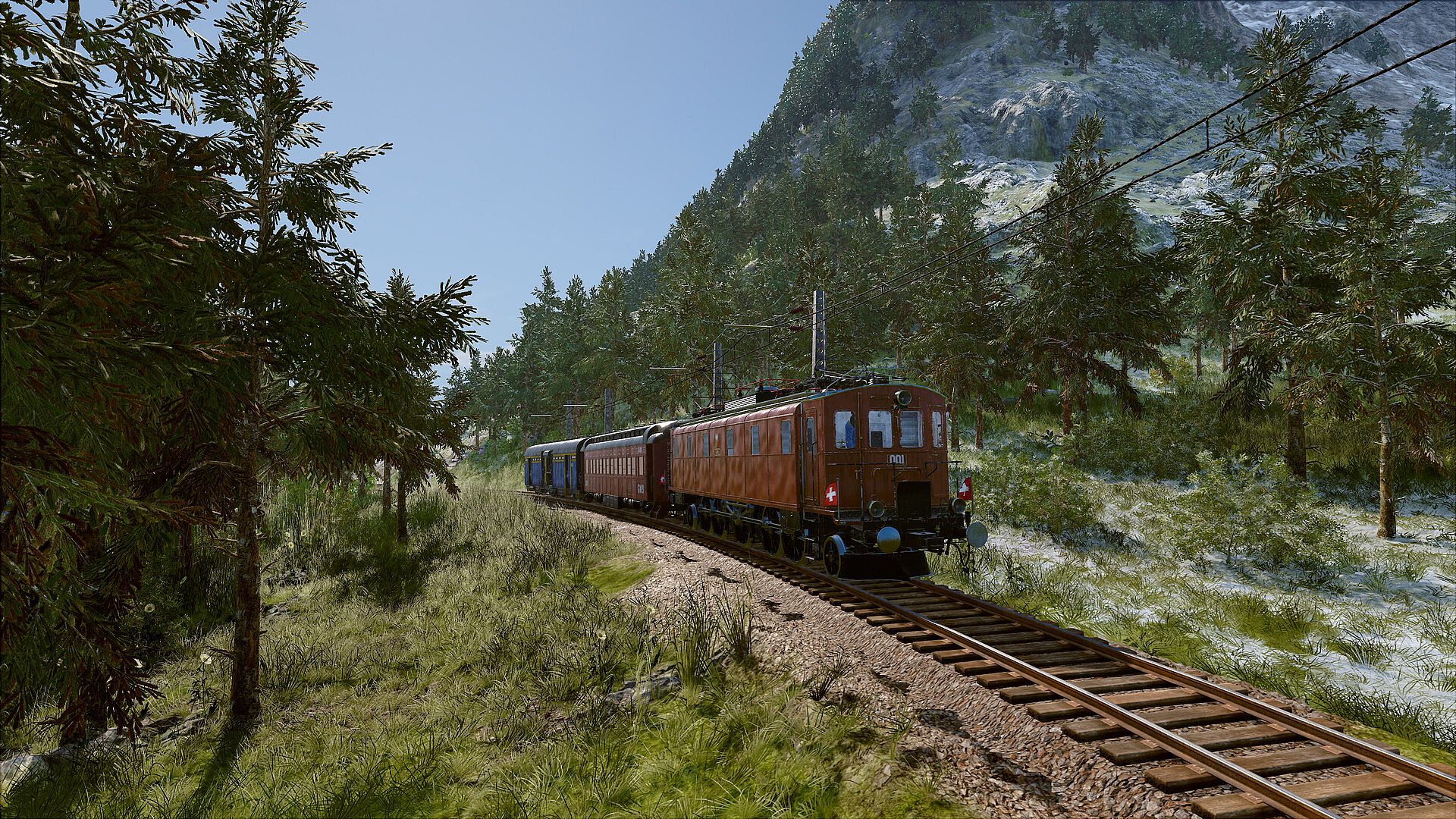
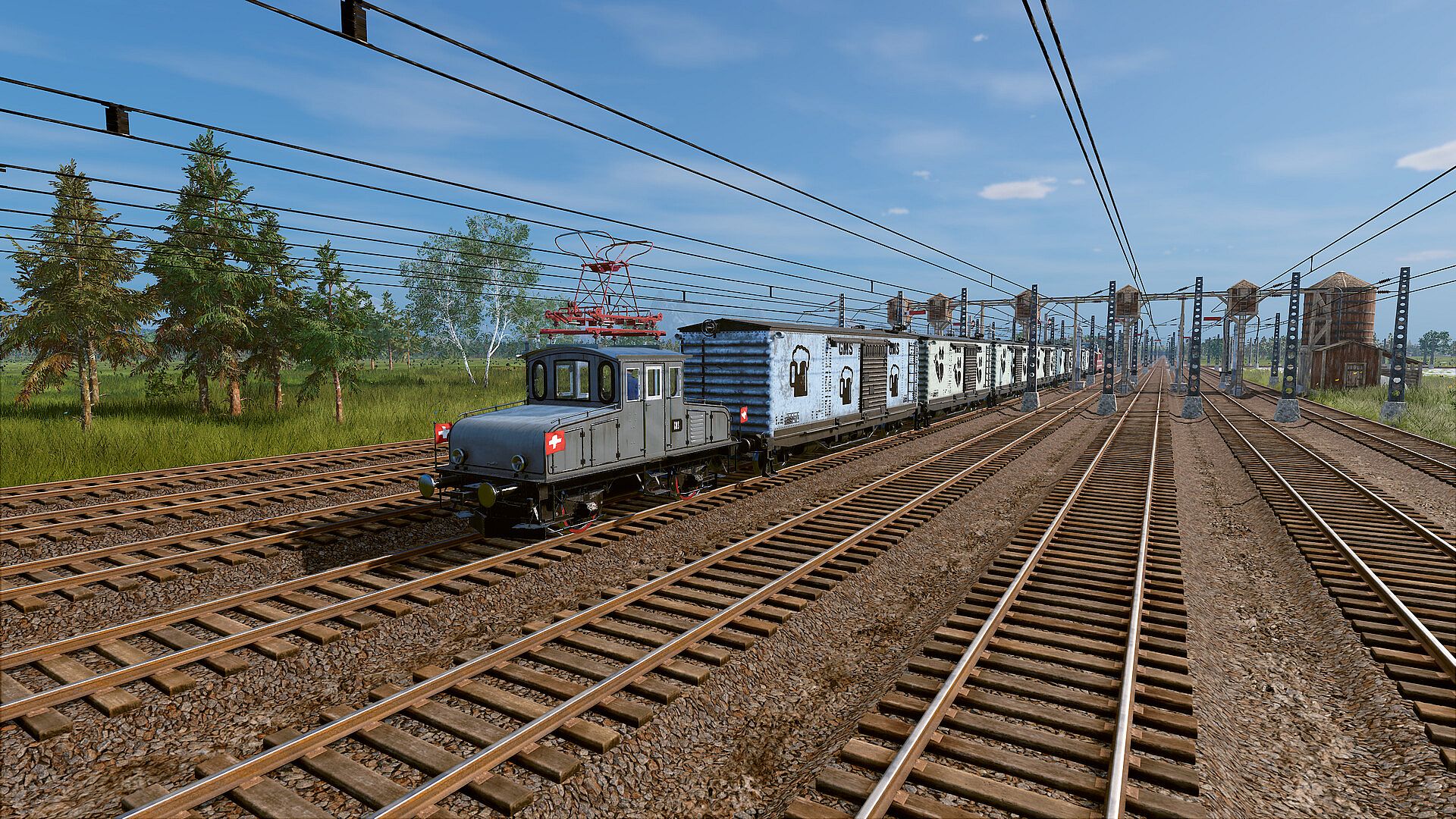
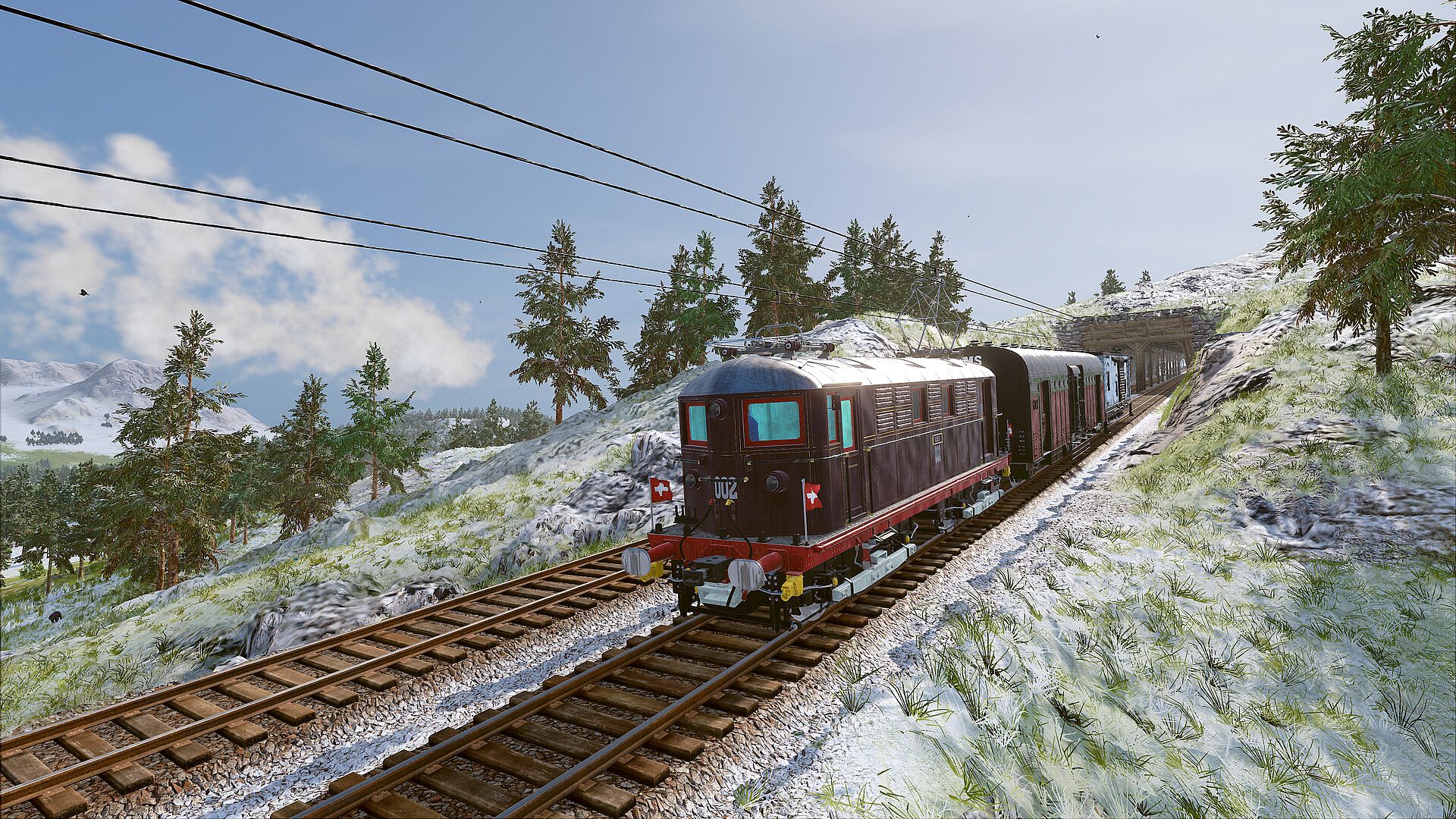
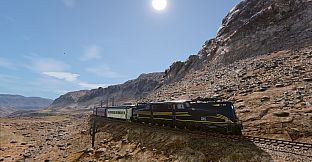
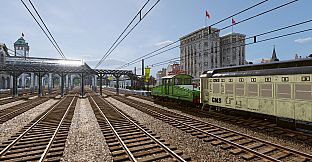
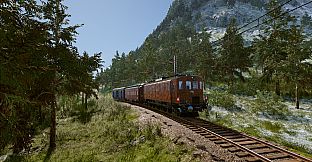
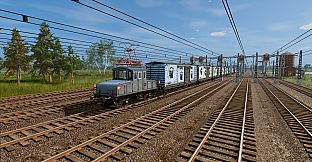
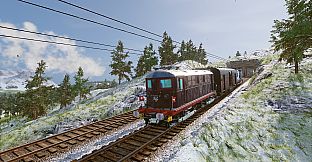
The expansion emphasizes the shift to electric locomotives for handling steep gradients and narrow passes. Ten new electric engines, including detailed models like the Ce 6/8 III Krokodil and the PRR GG1, replace or supplement steam power in key routes. These machines come with distinct audio profiles that reflect their mechanical operation. Players must first demonstrate the practical benefits of electrification to overcome resistance from traditional operators before rolling out widespread infrastructure upgrades.
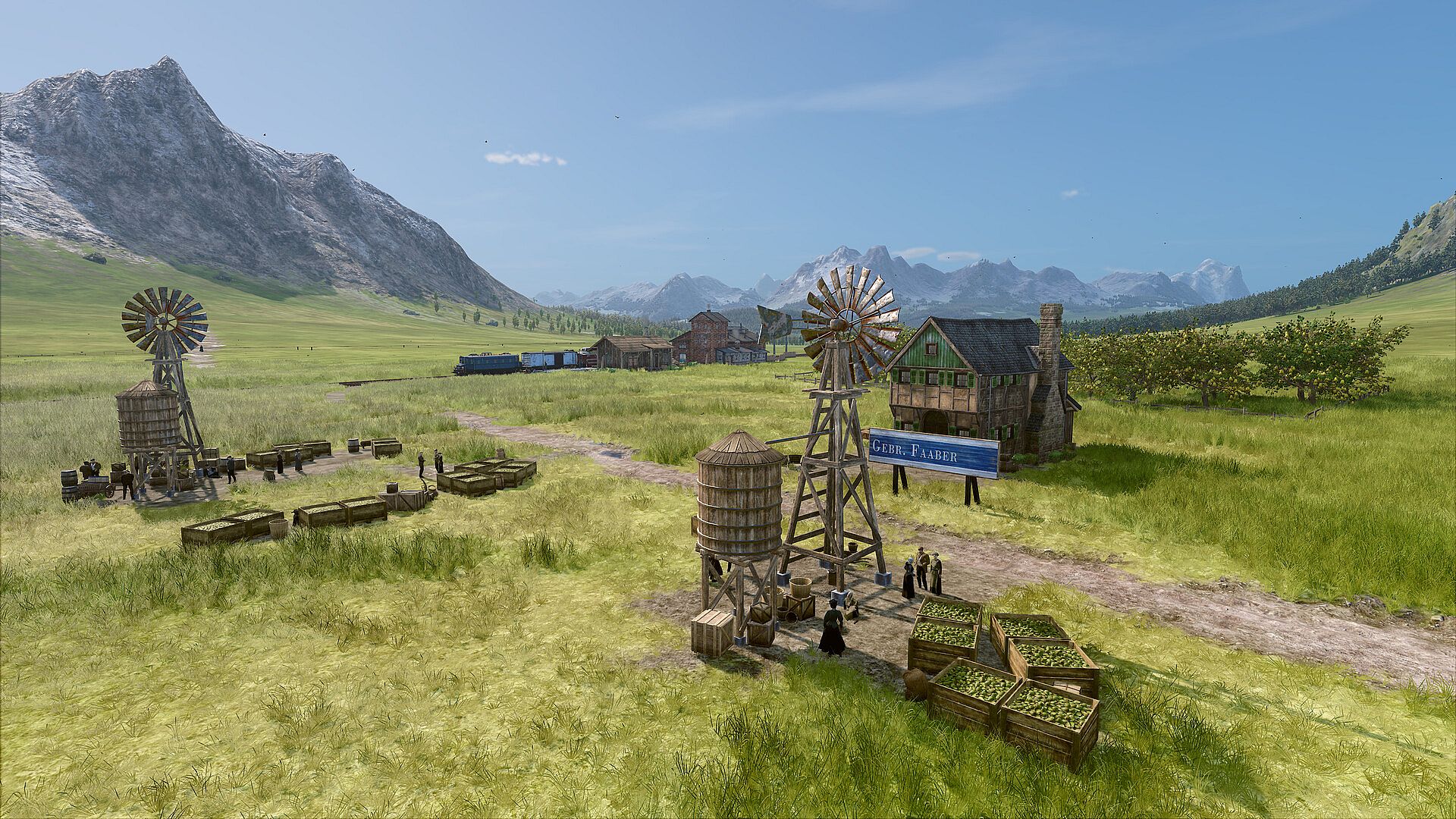
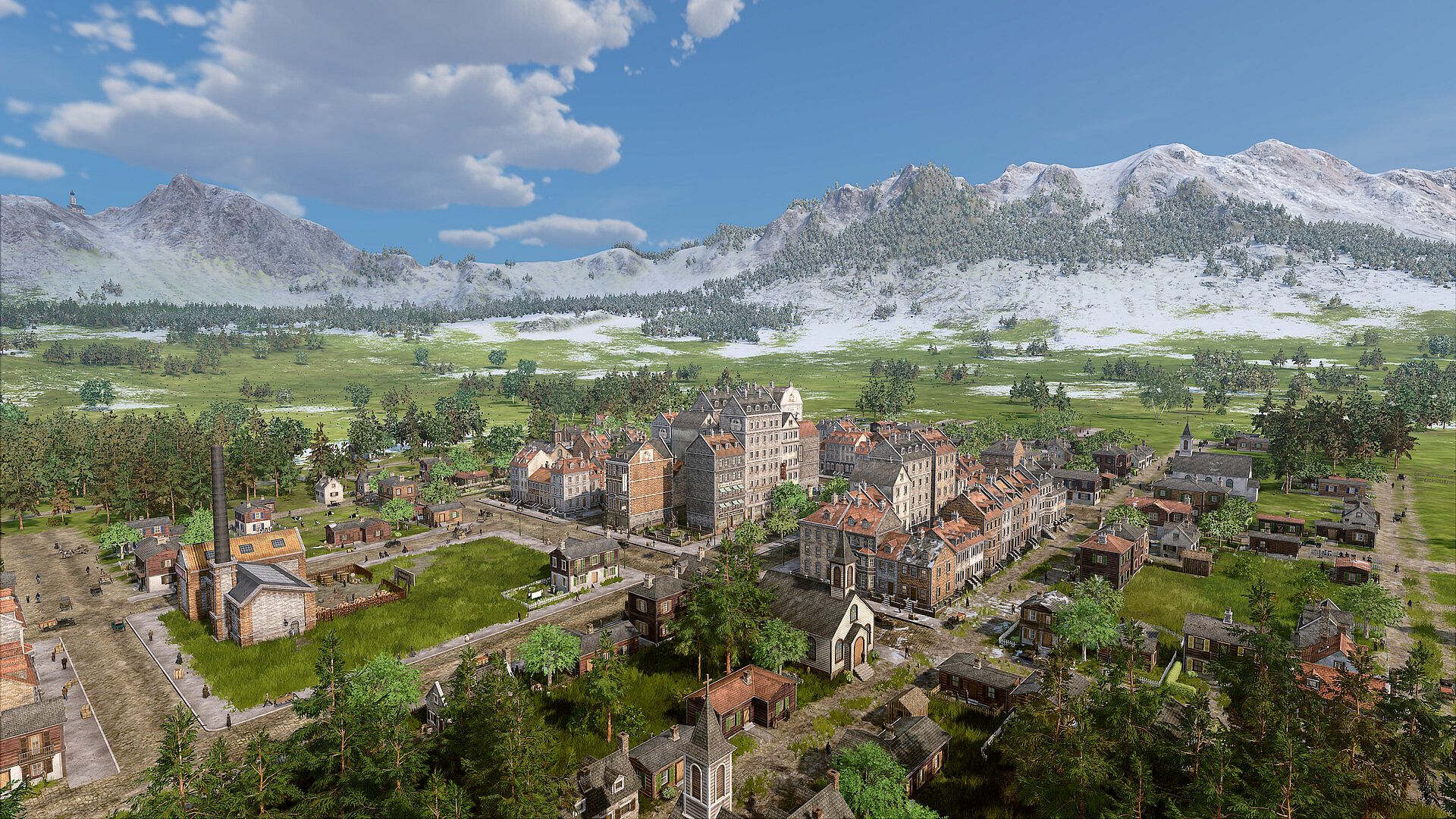
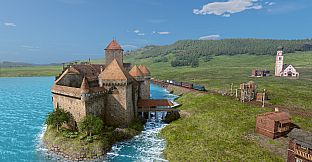
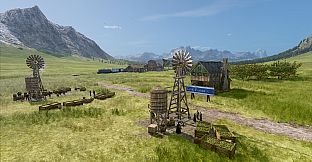
Network building involves laying tracks through the Swiss Alps region, where elevation changes and gorges require careful engineering. The addition of ten new regional products, such as pocket knives, herbal candies, and cheese fondue, creates fresh transport chains that tie into local industries. These goods integrate into existing supply lines, encouraging players to balance passenger services with specialized freight demands. Twenty new music tracks and jingles provide atmospheric support tailored to the electrified era and alpine environment.
Game Modes
Two fully voiced scenarios form the main structured content. The first, High Voltage, begins in 1914 and guides players through the initial adoption of electric power. The second, Power to the People, starts in 1920 and focuses on broader national electrification efforts. Both scenarios incorporate the new Swiss regional map, which supports play as a single large area or divided into five detailed sections for more targeted management.
These scenarios blend narrative progression with open-ended network development. Players handle objectives tied to electrification milestones while scaling operations across the middle of Europe. The map design highlights mountainous challenges that reward efficient use of the new electric fleet.
New Regional Map and Features
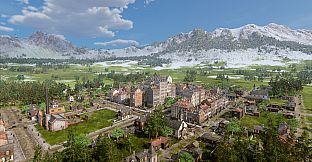
The Switzerland map serves as the central stage for expansion. It allows construction across varied alpine landscapes, with options to zoom between overview and sectional views for precise track placement. Electrification mechanics require investment in supporting systems before full benefits appear in speed and capacity on demanding routes. New locomotive sounds enhance the sense of technological progress during operations.
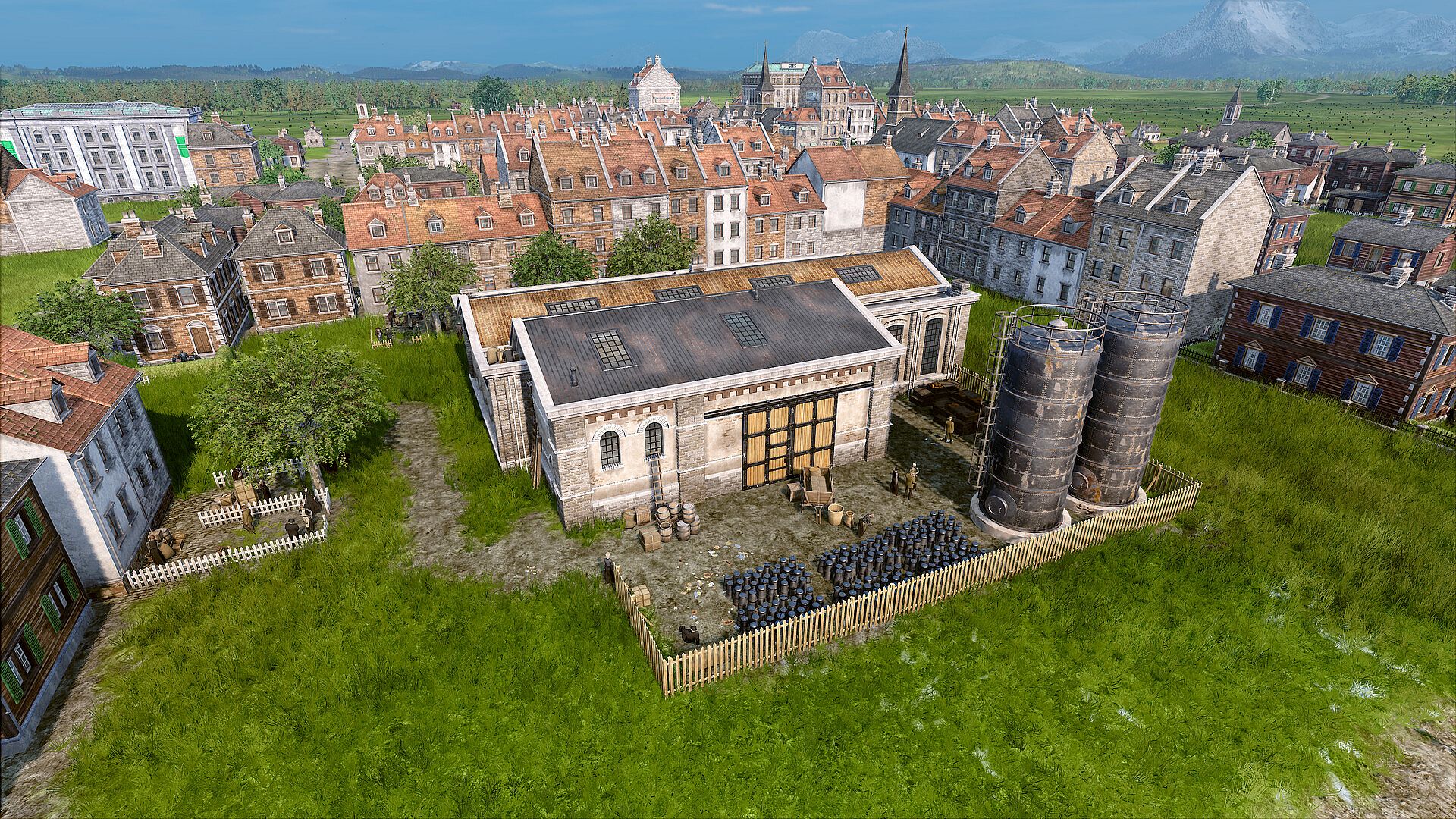
Transport of the added Swiss products adds variety to cargo management. Each item connects to specific production sites and markets, creating opportunities for optimized routing that maximizes revenue from both traditional and novel goods. The overall loop rewards long-term planning around power infrastructure alongside standard rail economics.
Is It Worth Playing?
Player feedback on the expansion has been mostly positive, with 77 percent of reviews rating it favorably. Those who enjoy detailed railway management and economic simulation find value in the new locomotives, map, and scenarios. The content extends the base game with focused additions that highlight a specific historical transition without overhauling core systems.
It suits players interested in gradual technological upgrades and regional specialization. The scenarios provide clear entry points for structured play, while the map supports extended freeform building. Availability on PC makes it accessible for those already invested in the series or seeking a fresh alpine challenge within established mechanics.