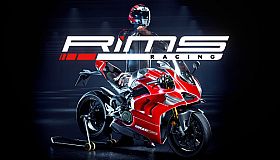

















RiMS Racing is a motorcycle simulation racing game that places equal emphasis on on-track performance and off-track engineering decisions. Players take control of powerful motorbikes and must tune them through part swaps and setup adjustments to match track conditions and riding style. The experience centers on realistic physics modeling where factors such as traction, braking, torque delivery, and cornering angles directly influence lap times and bike behavior.
Gameplay
The core loop revolves around riding, data analysis, and mechanical work in the workshop. Riders complete laps while monitoring real-time telemetry, then return to the garage to replace worn or damaged components. Parts degrade naturally over multiple events, and any crash damage persists until repaired or swapped. Credits earned from race finishes fund new equipment purchases, creating a constant need to balance spending against performance gains.
Team management adds another layer. Players allocate resources to research and development categories that improve overall team capabilities without directly altering bike handling. This system encourages long-term planning across a series of events rather than isolated races. The starter pack provides an immediate boost of 10 team points and 50,000 credits, allowing quicker access to upgrades and staff improvements at the beginning of a new career.
Setup work requires attention to specific components such as brake pads, tires, and suspension settings. Players perform manual fitting sequences that simulate real maintenance tasks, adding a tactile element to preparation. Multiplayer support exists alongside the single-player focus, including local split-screen options for head-to-head competition.
Game Modes
Career mode forms the primary structured experience. Players manage a full team, select and maintain a bike across an entire season, and handle scheduling decisions that affect progression. Success opens opportunities with different manufacturers as performance and team development improve.
Individual events include races and challenges that test both riding skill and preparation quality. Parts wear and carry-over damage mean every outing requires fresh evaluation of the bike's condition. Research investments in the dedicated section enhance team efficiency over time, supporting sustained progress through the calendar.
Free practice and testing sessions allow experimentation with setups before committing to competitive events. These sessions provide data collection opportunities without the pressure of results, helping refine configurations for upcoming races.
Team and Progression Systems
Team points function as a separate currency from credits. They are spent on personnel upgrades and research branches that improve workshop efficiency and long-term development options. The starter pack accelerates this process by granting an initial allocation of points and funds.
Progression ties directly to race results and smart resource allocation. Consistent finishes generate the income needed for part replacements, while strategic research choices unlock better team performance across multiple seasons. Damage persistence and part degradation force ongoing attention to maintenance rather than one-time purchases.
Is It Worth Playing?
RiMS Racing appeals most to players who enjoy detailed motorcycle simulation combined with career and management elements. The emphasis on mechanical work and data-driven setup changes distinguishes it from arcade-style racers. Those seeking pure track action without the workshop layer may find the preparation requirements slower paced.
Current player numbers remain low, which limits online matchmaking activity. Single-player career progression and local multiplayer provide the main avenues for engagement. The game suits enthusiasts comfortable with simulation depth and willing to invest time in learning part interactions and team upgrades.
Availability on PC makes it accessible for those with interest in realistic two-wheeled engineering challenges. The starter pack content directly supports faster entry into meaningful career decisions without altering the underlying systems.