
















Rule the Waves 3: Expanded Battles is a strategy and simulation game for PC that focuses on naval warfare across the period from 1890 to 1970. Players design ships, manage fleets, and command forces in tactical engagements set against historical and hypothetical backdrops. The title builds on a core loop of long-term naval planning paired with detailed combat resolution, emphasizing realistic ship performance, technology progression, and geographic factors that influence outcomes at sea.
Gameplay
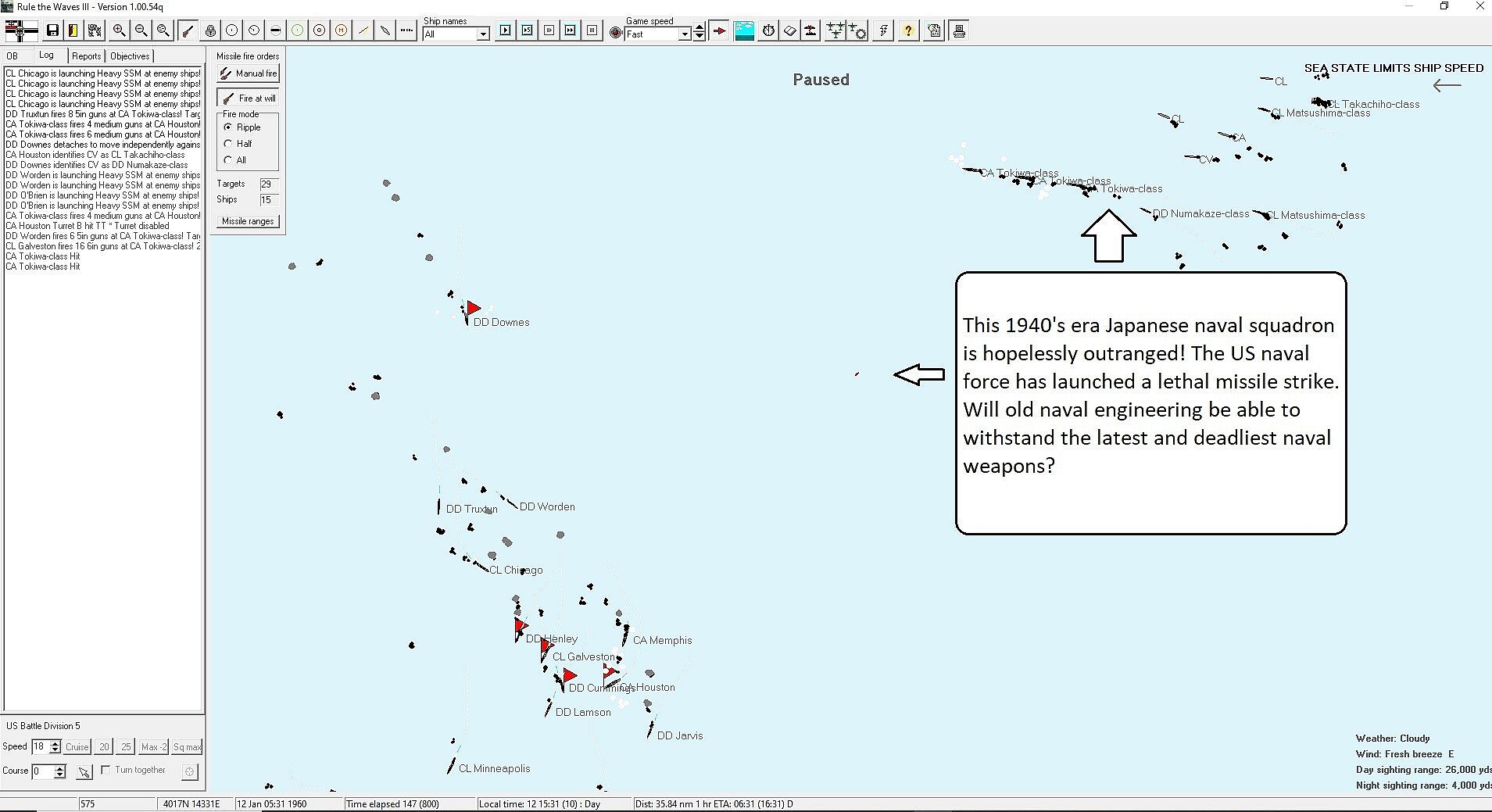
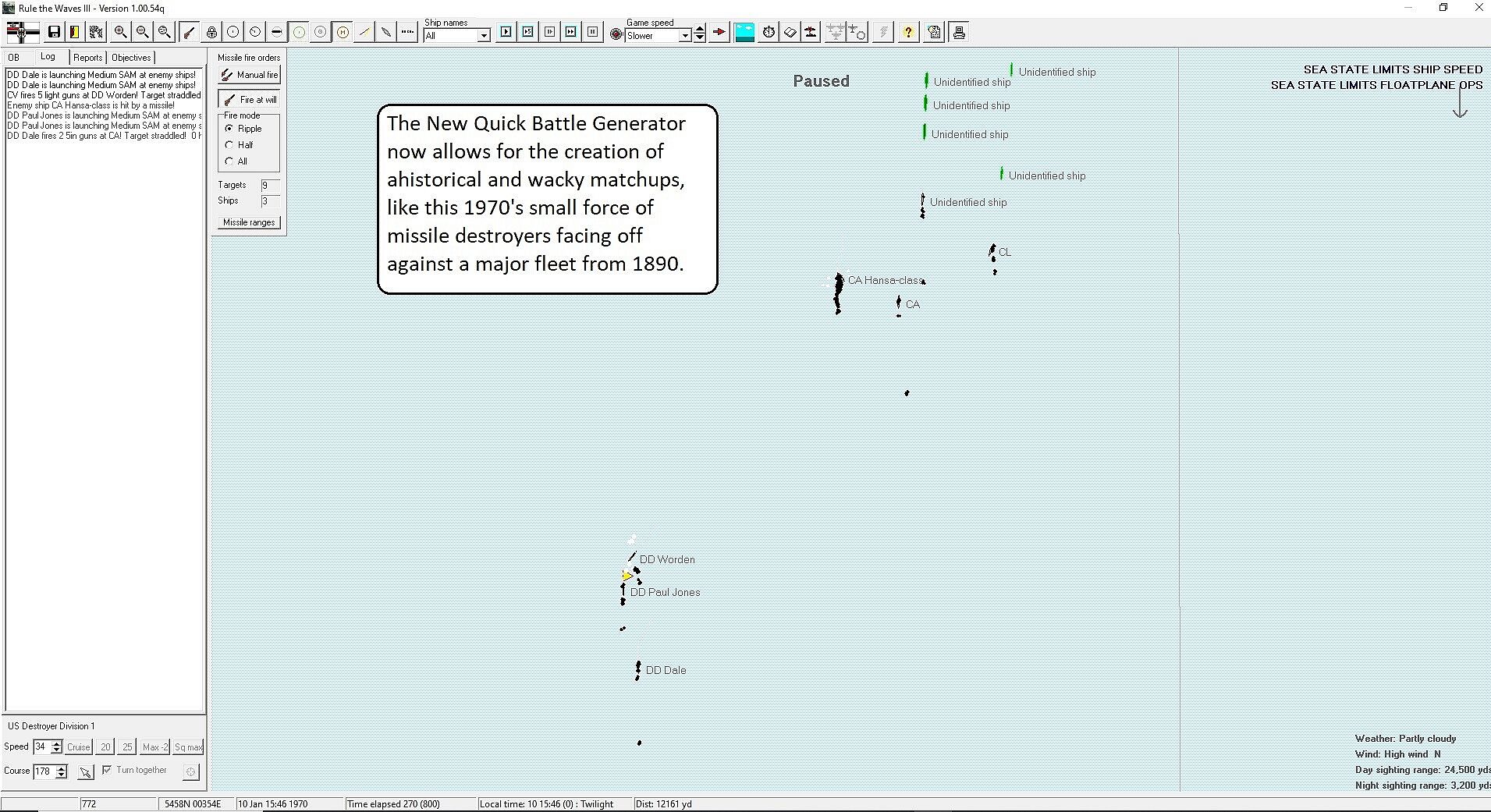
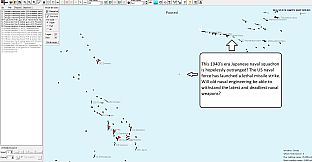
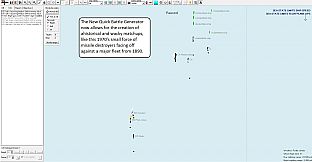
The experience centers on ship design and fleet construction tools that let users specify hulls, armament, propulsion, and other components for vessels ranging from small escorts to large carriers. Designs feed into fleet composition decisions where players balance speed, firepower, and durability against expected opponents. Battles unfold on a tactical layer with pausable real-time movement, where formations, gunnery accuracy, torpedo runs, and air operations play out according to the era's technology. Weather, sea state, and map geography alter visibility, maneuver options, and weapon effectiveness. The expansion extends these systems with flexible parameters for technology levels and years, allowing direct comparison of early 20th-century battleships against later missile-era ships in the same engagement.
Game Modes
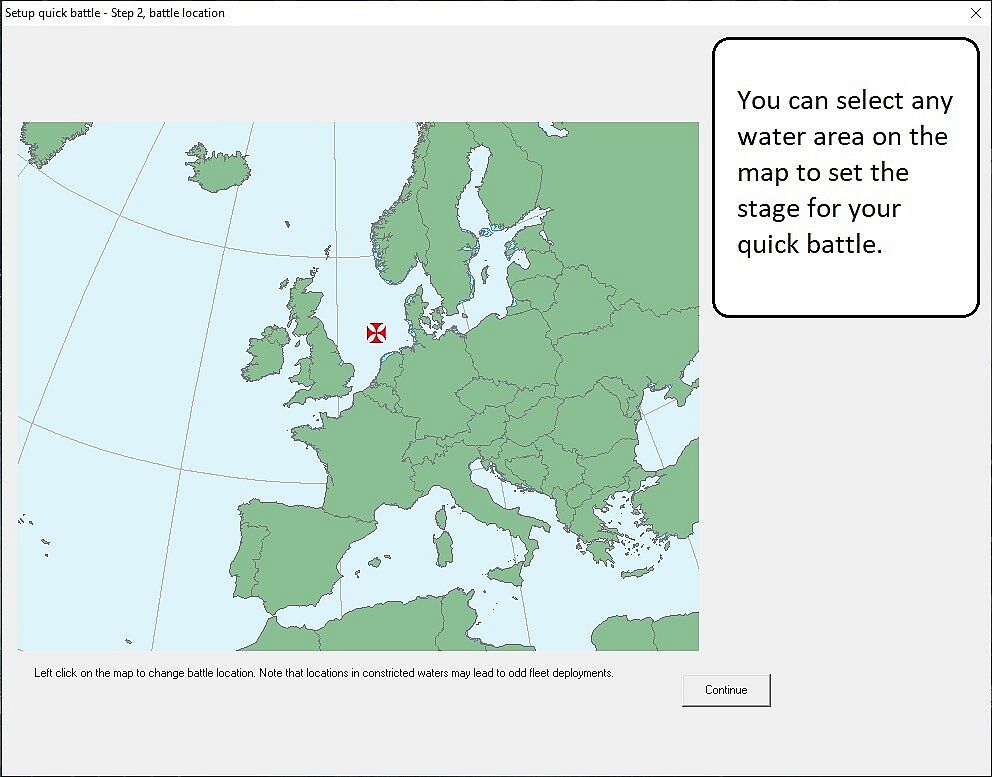
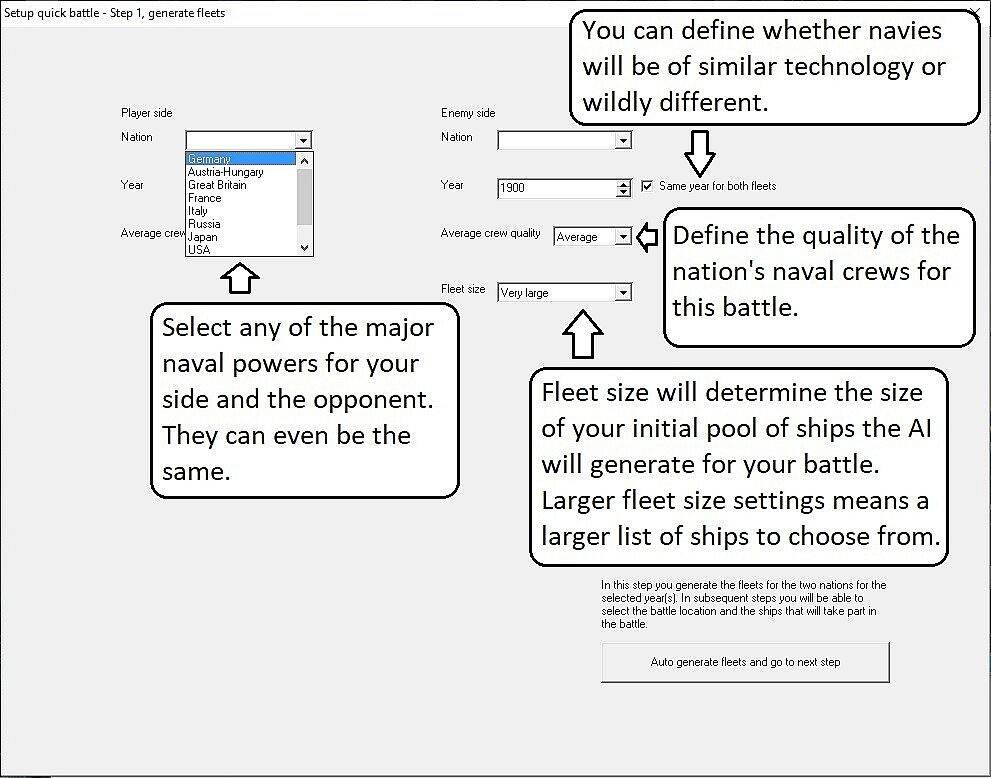
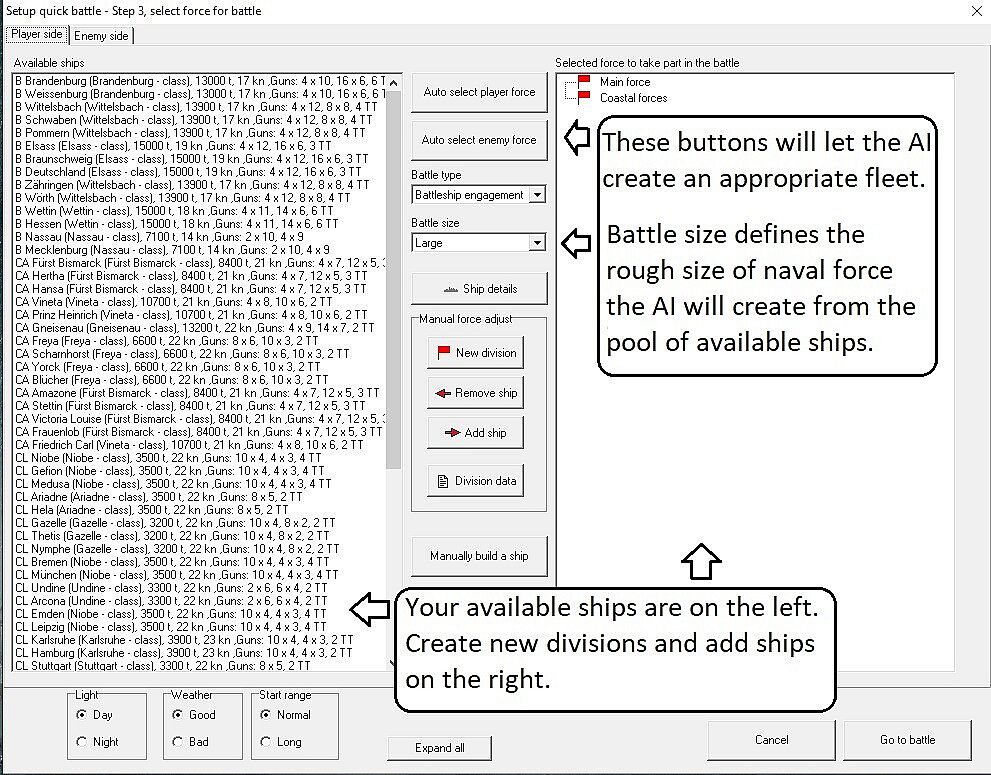
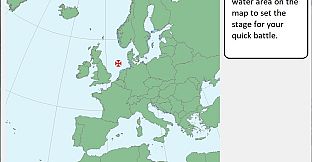
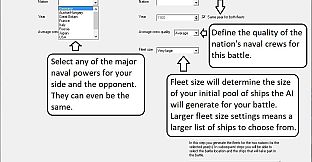
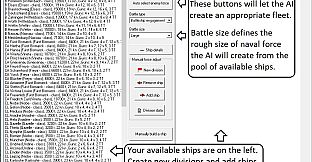
Quick Battles serve as the primary new entry point. Users set belligerent nations, battle size and type, weather conditions, year range, and technology balance before the system generates a suitable engagement. Results vary with each generation, supporting repeated playthroughs of small skirmishes or large fleet actions. Historical scenarios provide fixed setups drawn from real events, including the Battle of the Yellow Sea in 1904, the Battle of Dogger Bank in 1915, the Battle of the Denmark Strait in 1941, Operation Rheinubung in 1941, the Second Naval Battle of Guadalcanal in 1942, and the Battle of the Eastern Solomons in 1942. Two hypothetical additions expand the 1941 Rheinubung operation with extra forces and introduce a 1970 Cold War clash in the Mediterranean between Soviet and NATO fleets. The scenario editor allows creation of custom battles with defined waypoints, AI behavior paths, aircraft data, national doctrines, experience levels, and ammunition types. A ship editor supports saving and sharing individual vessel designs for use across modes.
Singleplayer Focus and Depth
All content remains confined to singleplayer sessions. The base campaign structure supplies the strategic context of fleet building over monthly turns, while the expansion prioritizes standalone tactical fights. Editors enable community sharing of ships and full scenarios, extending replay value without requiring external matchmaking. Technology settings can enforce era-appropriate limits or permit cross-period matchups, such as World War II capital ships facing early missile threats. Location selection covers global waters, where coastlines, straits, and open ocean conditions affect line-of-sight and retreat options.
Is It Worth Playing?
Recent user reviews for the expansion stand at 84 percent positive from a modest sample of 13 ratings. The title appeals most to players who enjoy detailed naval simulations, historical what-if scenarios, and iterative ship design. Those seeking quick tactical resolution without long campaigns can rely on the Quick Battles generator and premade scenarios. Individuals interested in creating and testing their own engagements gain substantial tools through the editors. The game suits dedicated fans of 20th-century naval history who value mechanical accuracy over broad accessibility. Updates continue to address stability and refine core systems, indicating ongoing support for the singleplayer experience.