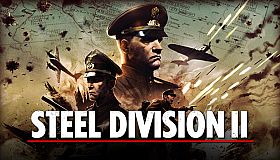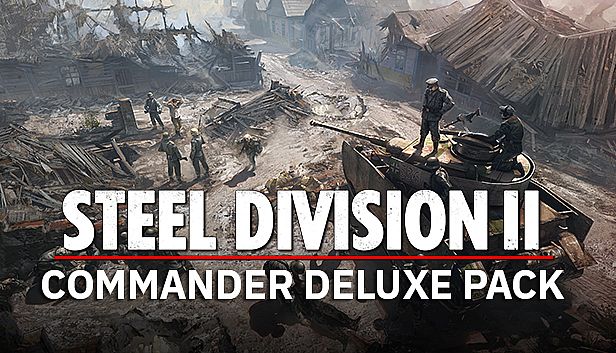

















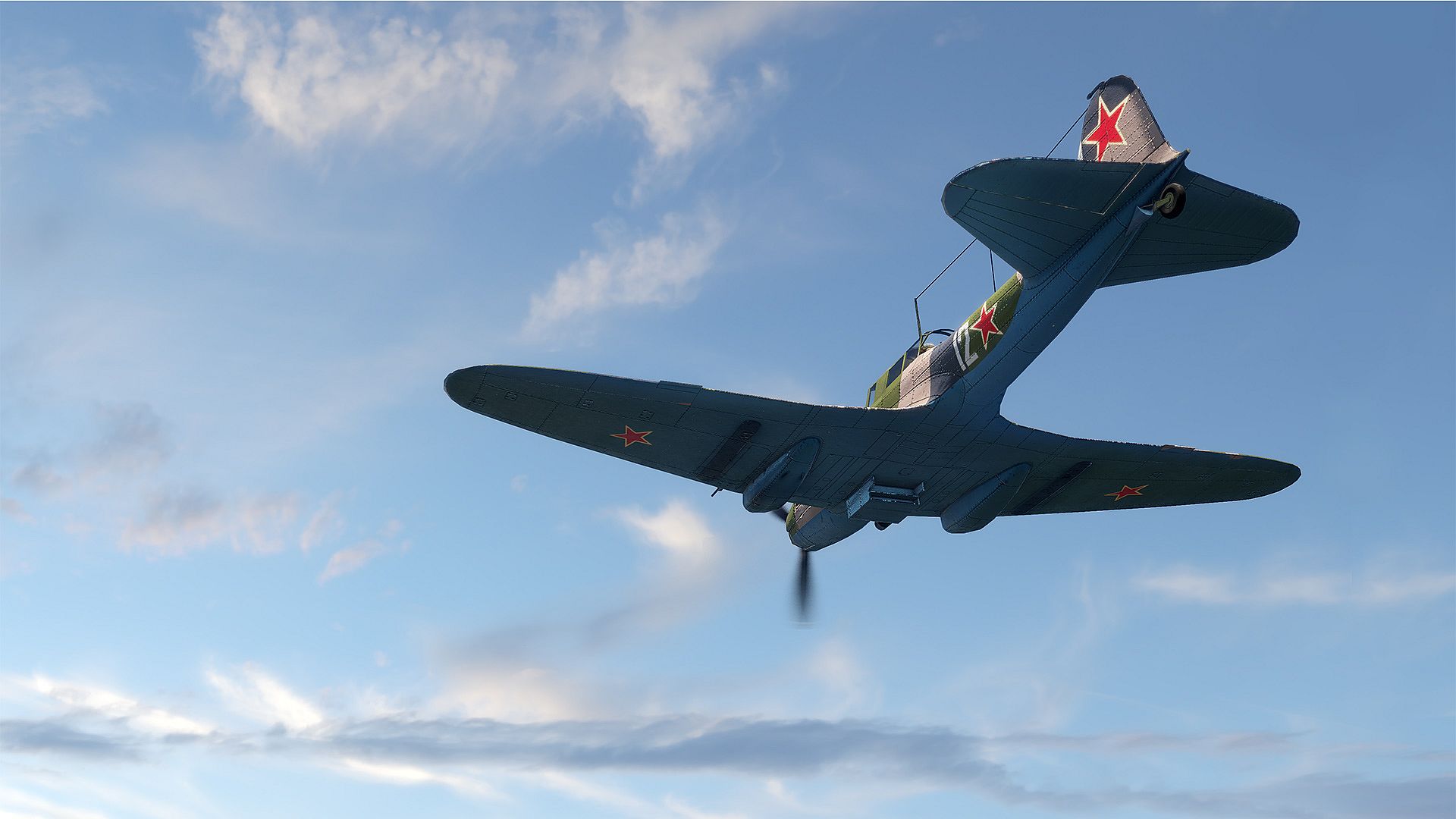
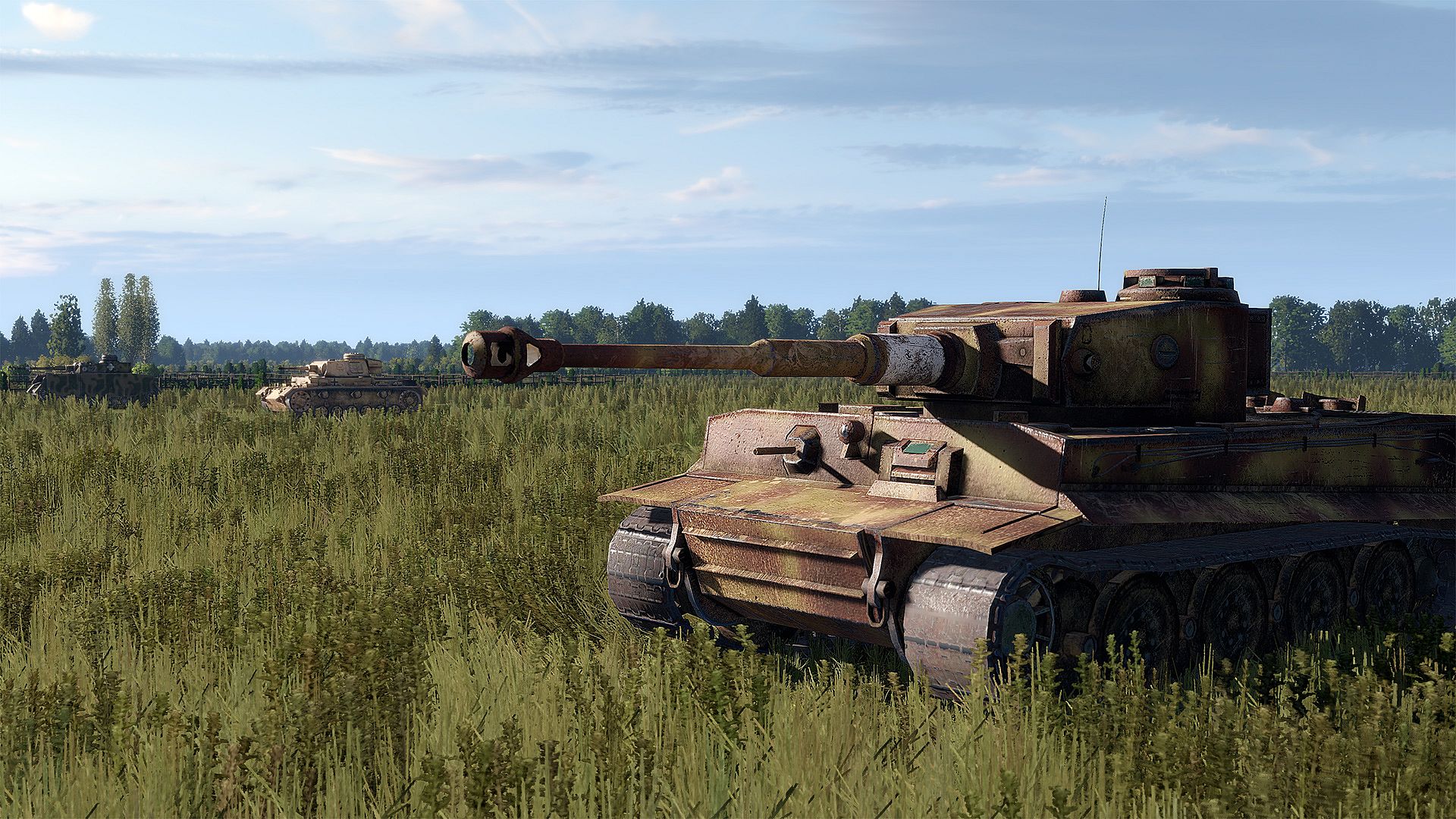
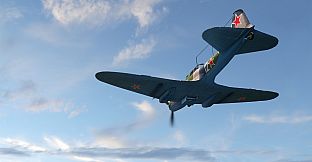
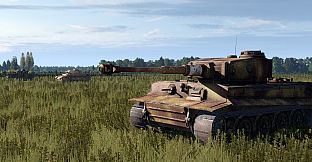
Steel Division 2 is a strategy game that blends turn-based army management with real-time tactical combat set during World War II. Players command forces in historically grounded scenarios centered on the Eastern Front, particularly around Operation Bagration. The experience emphasizes precise unit control, supply lines, and large-scale engagements across expansive maps.
Gameplay
The core loop revolves around preparing forces through a deck-building system before deploying them into battles. In the strategic layer, commanders oversee battalion movements on maps that can span up to 150 by 100 kilometers. Supply management and phased planning occur in a turn-based format that simulates week-long campaigns.
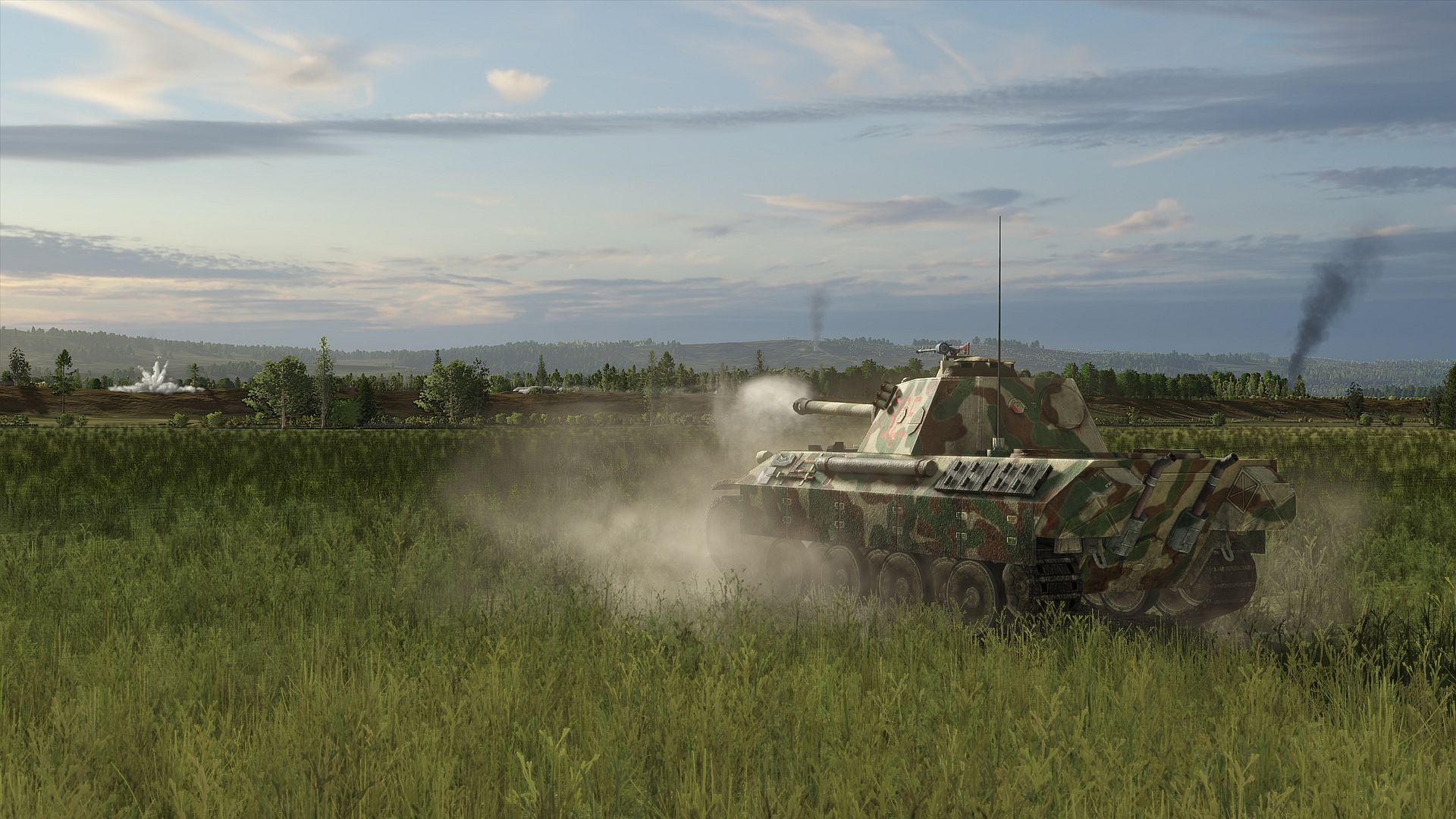
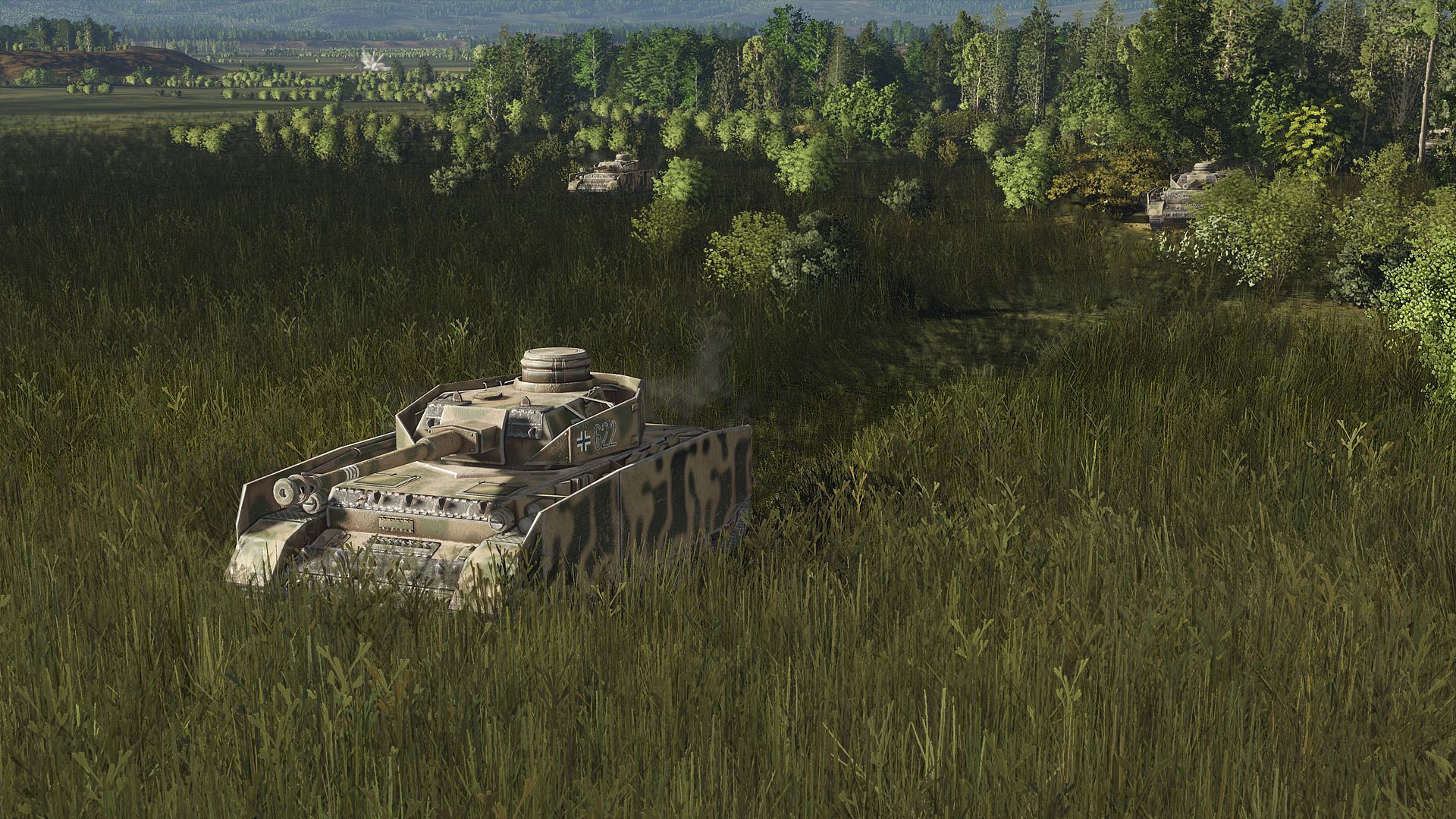
Once combat begins, the game shifts to real-time control where players direct hundreds of individual units. Over 600 distinct units appear across the roster, each with authentic capabilities drawn from 1944 equipment. Terrain, line of sight, and morale factors influence outcomes in these engagements, rewarding careful positioning over brute force.
Deck construction allows customization of available forces, letting players tailor compositions to preferred playstyles. This system supports both offensive pushes and defensive setups while maintaining balance through historical constraints on availability and performance.
Game Modes
Steel Division 2 features several distinct modes that accommodate different session lengths and group sizes. Single-player options include dynamic strategic campaigns that unfold over multiple turns on large maps, alongside shorter skirmishes and scenario-based encounters.
Multiplayer supports cooperative play and competitive matches. Conquest awards victory points for holding ground over time. Destruction focuses on eliminating enemy units to accumulate points. Close Combat narrows deployment zones for faster, more intense clashes. Breakthrough introduces objectives that require coordinated advances through defended lines.
Matches scale up to 10 versus 10 in larger battles, with options for smaller team sizes or solo practice against AI. These modes run in both offline and online environments, providing flexibility for solo sessions or group coordination.
Mechanics and Factions
Unit interactions follow detailed simulation rules that account for armor penetration, ammunition types, and crew experience. Players must manage reinforcement waves and adapt to changing battlefield conditions such as weather or reinforcements arriving at specific times.
Factions draw from historical orders of battle, including Soviet and German formations prominent in the 1944 campaigns. Each side brings unique unit strengths and limitations that encourage varied tactical approaches rather than mirror matches.
The game supports persistent progression through repeated play, where experience with specific units refines command decisions across multiple sessions.
Is It Worth Playing?
Steel Division 2 suits players who enjoy detailed historical strategy titles with both solo depth and multiplayer competition. The combination of large-scale campaigns and tactical battles provides hundreds of hours across single-player, cooperative, and versus formats. Those interested in realistic WWII command simulations will find the unit variety and map scale rewarding for repeated sessions.
Support continues with ongoing multiplayer lobbies and scenario variety that keeps the experience active for dedicated communities. Newcomers benefit from skirmish modes to learn systems before committing to full campaigns, while veterans can explore ranked or cooperative challenges.