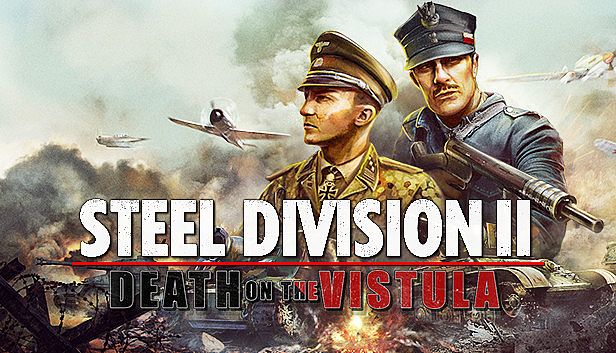


















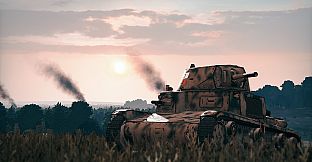
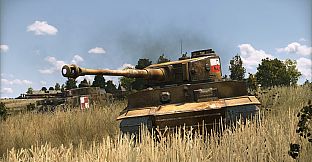
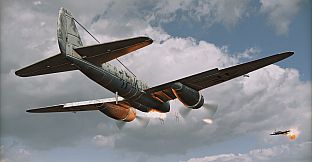
Steel Division 2 - Death on the Vistula serves as the initial History Pack expansion for the core WWII real-time strategy title Steel Division 2. Set during the closing stages of Operation Bagration on the Eastern Front, this content pack introduces a dedicated turn-based strategic layer alongside fresh tactical options for players interested in detailed command simulations on PC.
Gameplay
The core loop centers on constructing battlegroups from available divisions before committing them to engagements. Players select units to form decks that balance infantry, armor, artillery, and air support, then deploy them across maps that emphasize line-of-sight mechanics and phased reinforcement arrivals. Combat unfolds in real time with emphasis on positioning, suppression, and coordinated advances rather than simple unit spam.
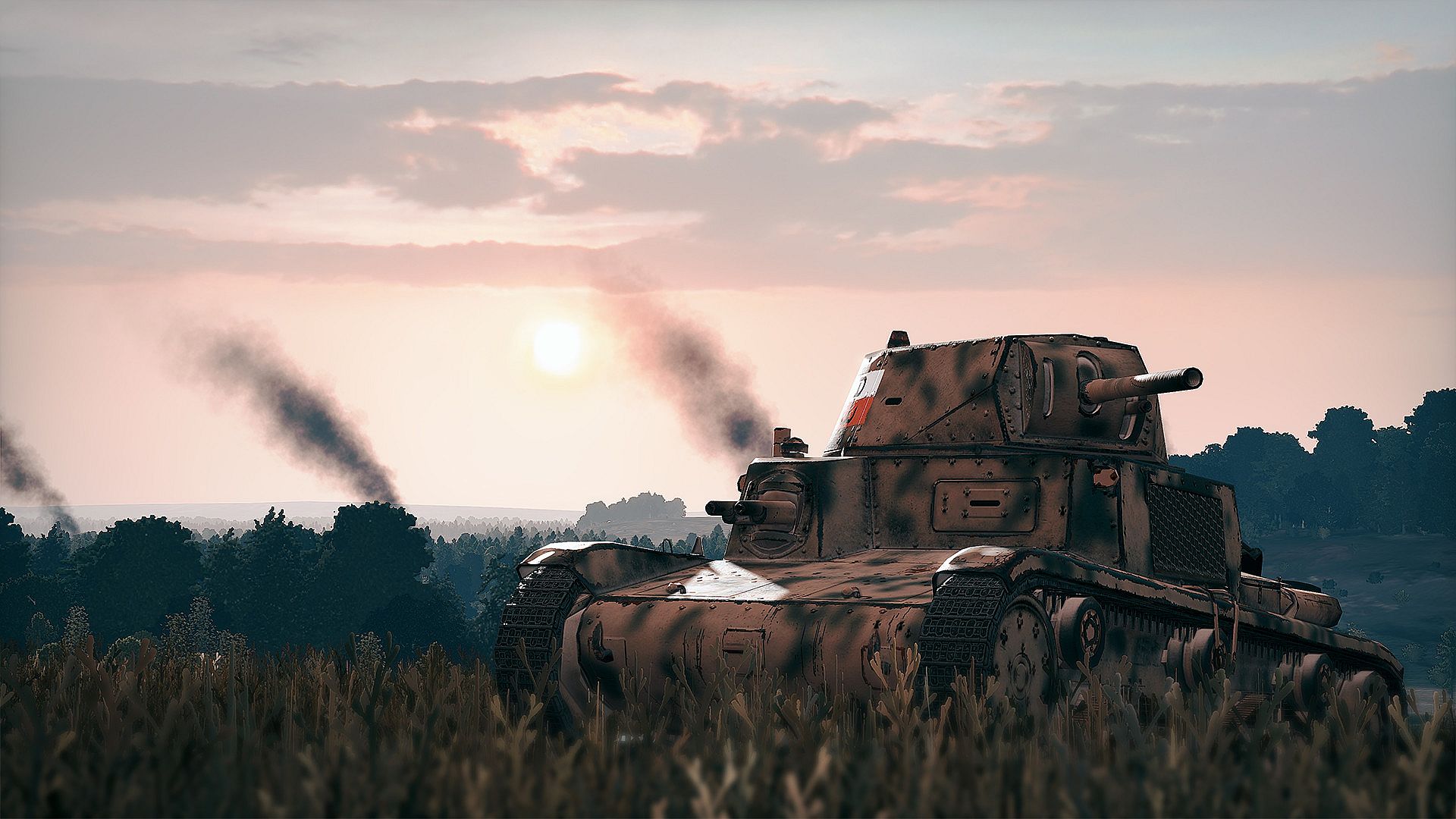
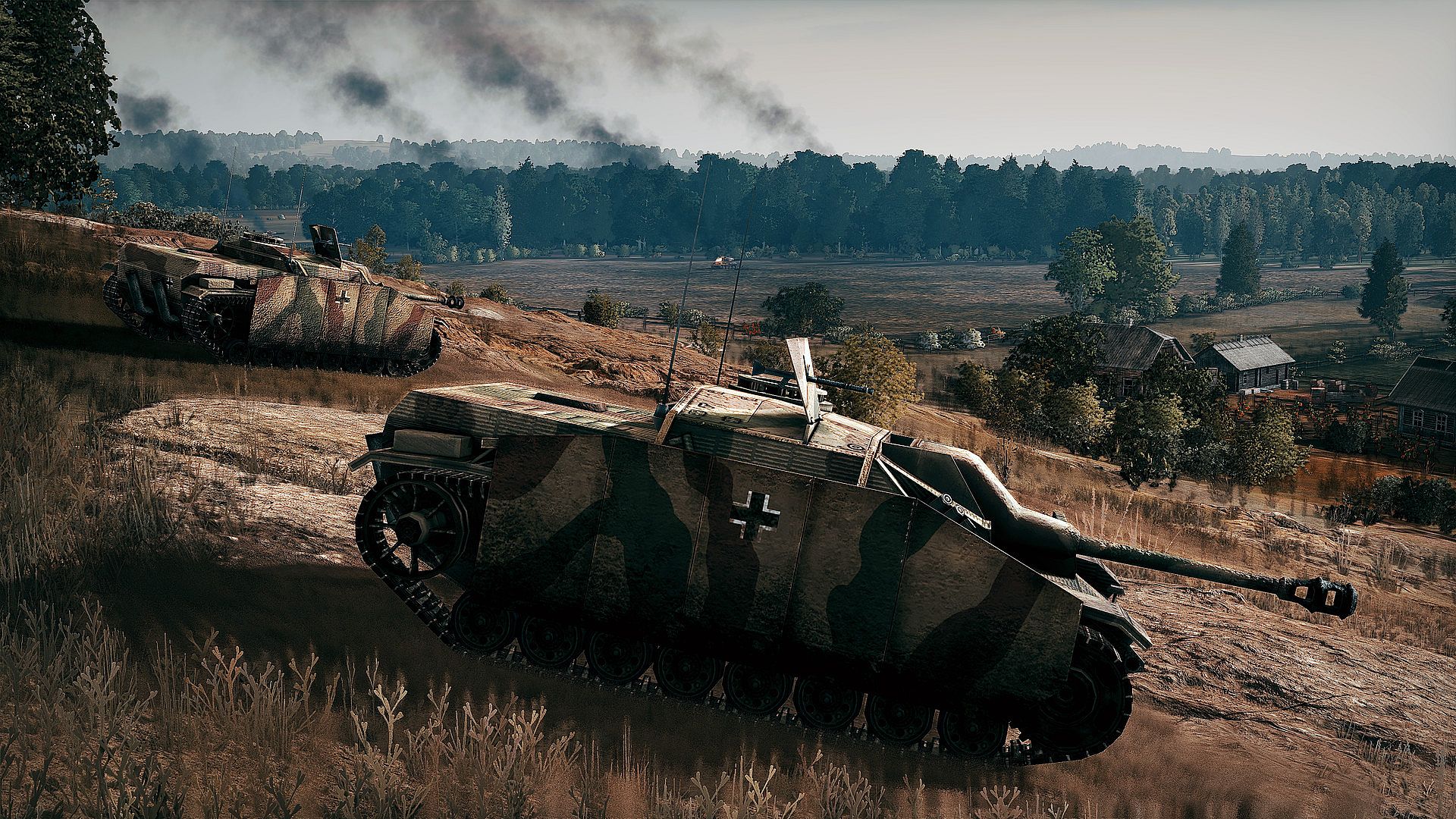
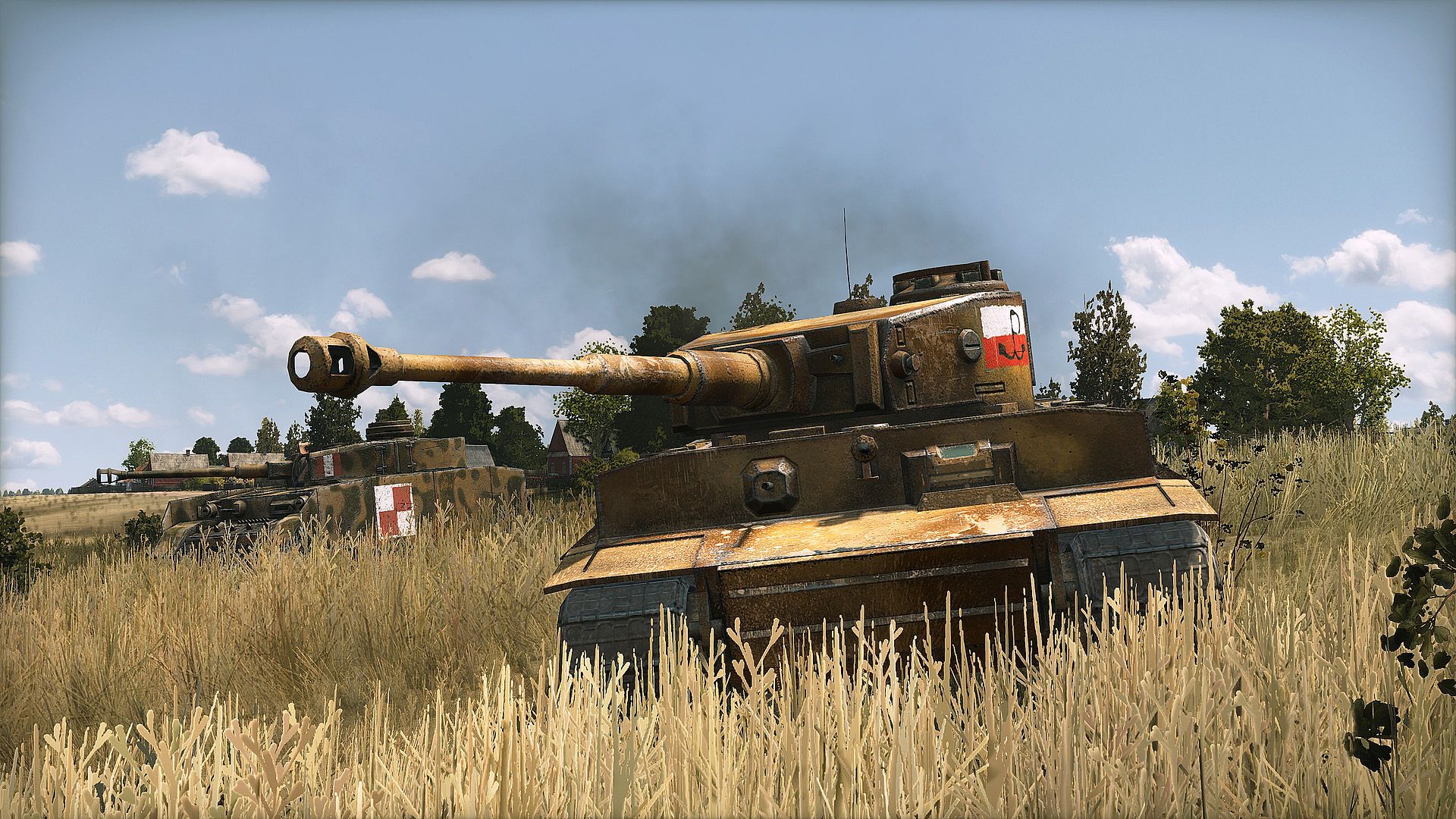
Division selection dictates available equipment and national doctrines. The expansion adds four new options that alter force composition significantly. German choices include the 5. SS-Panzerdivision Wiking and the Fallschirm-Panzerdivision Hermann Göring, both oriented toward armored and mechanized operations. Polish forces feature the Armia Krajowa resistance fighters and the 1st Polish Tadeusz Kościuszki Infantry Division, which bring distinct infantry and support profiles suited to defensive or partisan-style actions.
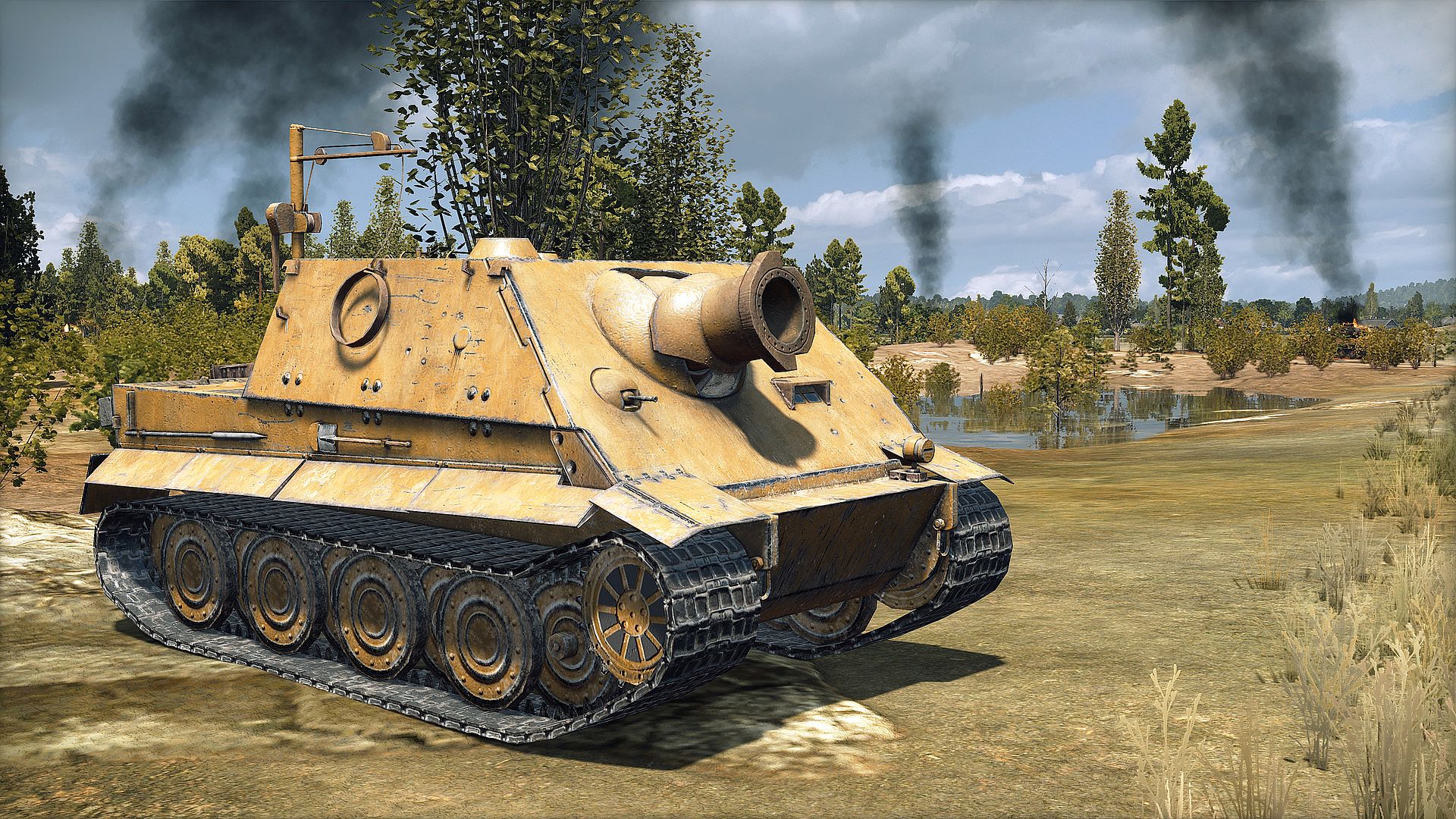
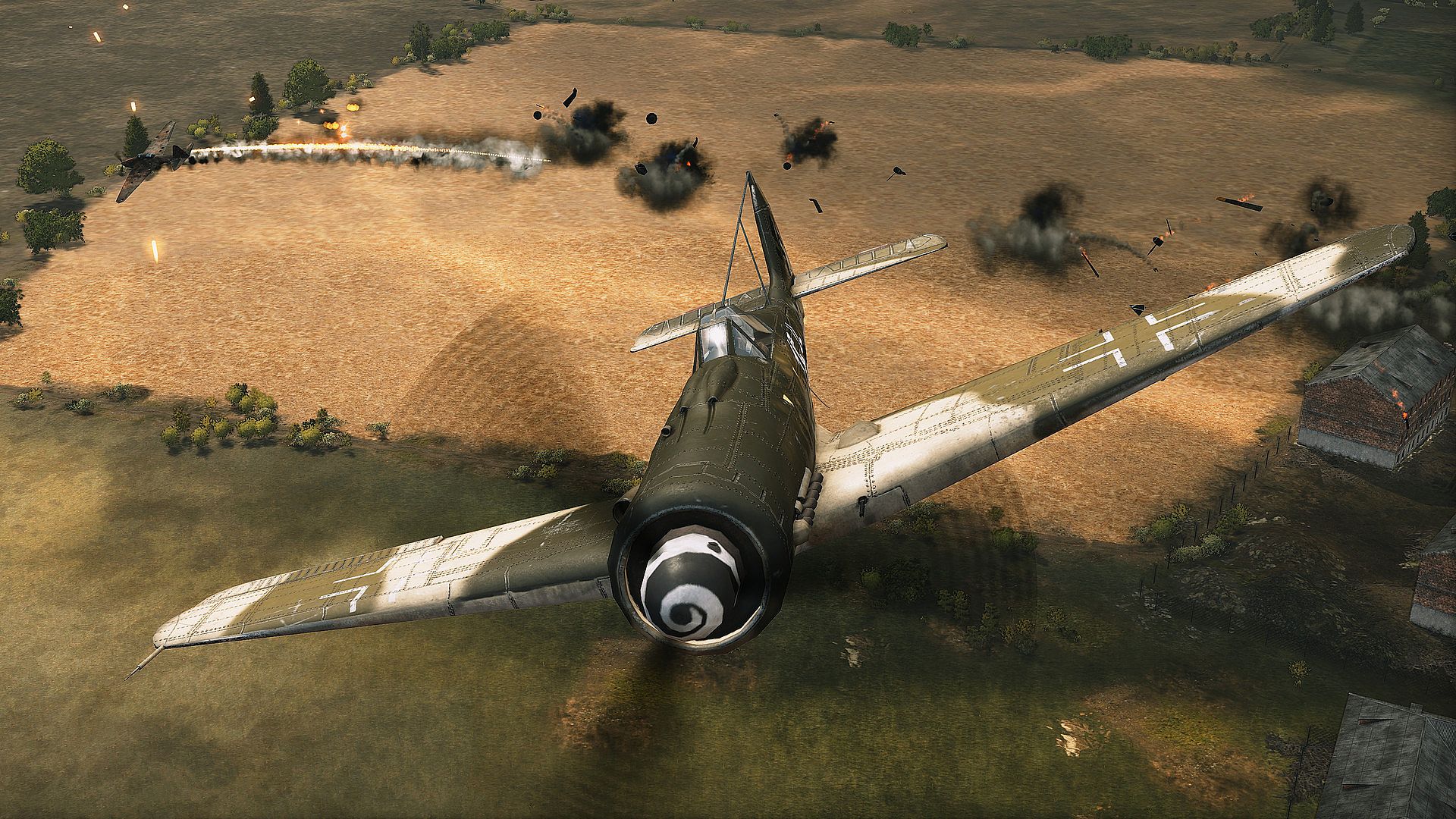
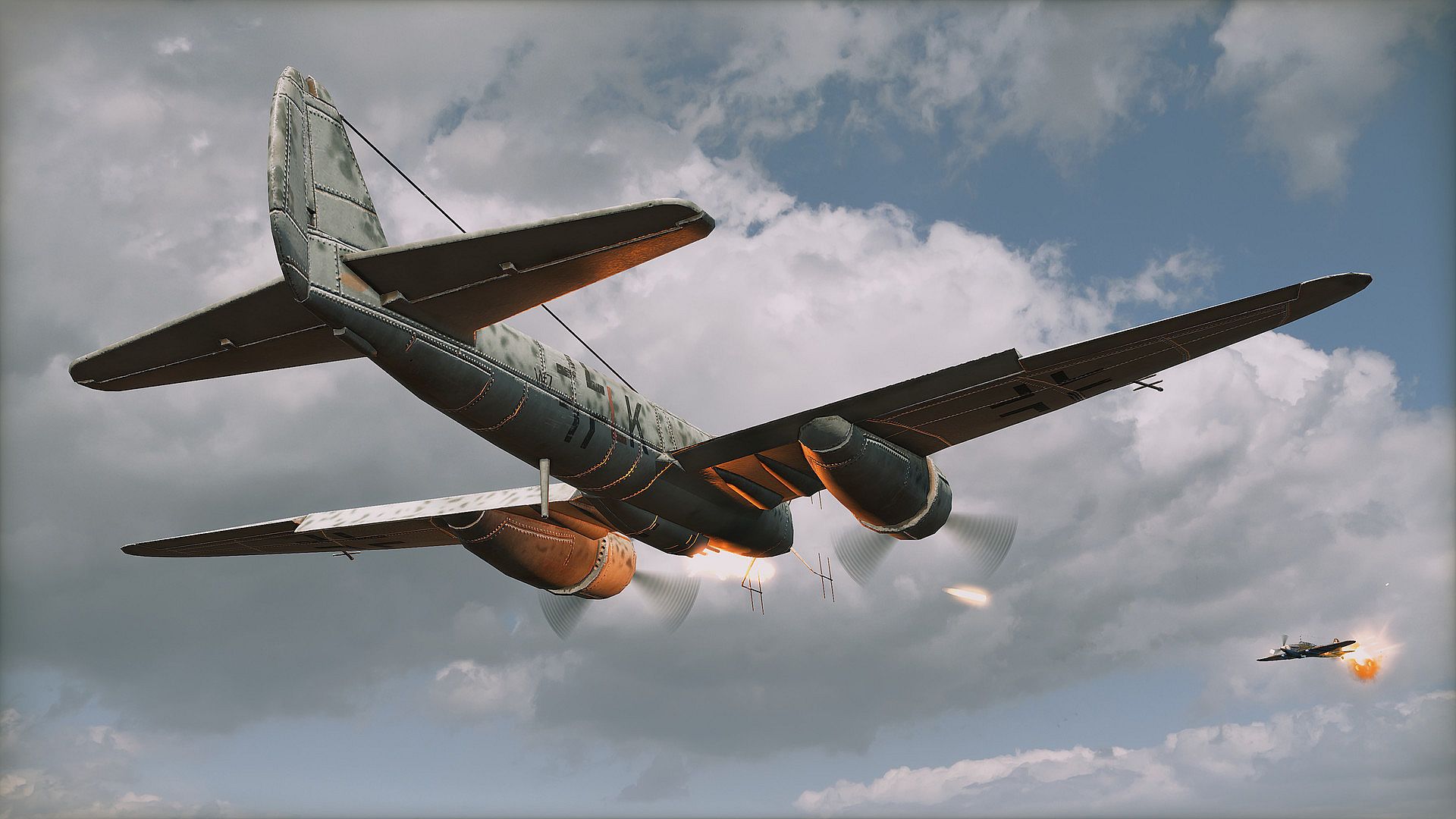
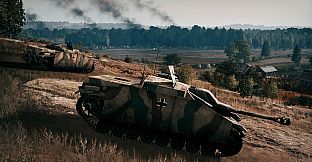
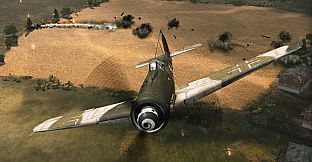
Over two hundred additional units expand tactical variety. Notable inclusions range from heavy assault vehicles such as the Sturmtiger to aircraft like the Fw 190 D9 Long Nose, recovery vehicles including the Bergepanther, and improvised weapons such as the Kubuś armored car. These assets integrate into existing command structures without altering fundamental control systems.
Game Modes
Army General functions as the primary strategic mode added by the expansion. This turn-based campaign places players in command of operational-level forces across a large map representing the Vistula sector. Movement, supply, and reinforcement decisions occur at the strategic layer, while individual clashes resolve either through direct real-time battles or an autoresolve option that factors in unit strength and positioning.
Four standalone historical battles provide focused tactical scenarios. River of Blood, Fighting Retreat, Escape from Brest, and Memento Mori each recreate specific late-Bagration actions with predefined force restrictions and victory conditions. These scenarios support single-player, cooperative, and competitive play.
Standard skirmish and multiplayer sessions incorporate the new divisions and units directly. Deck construction and battle pacing remain consistent with the base experience, allowing the added content to slot into existing match formats without requiring separate rulesets.
Divisions and Units
Each new division carries unique unit rosters that reward different playstyles. Wiking and Hermann Göring emphasize rapid armored thrusts and combined-arms coordination. The Polish divisions offer resilient infantry options and specialized anti-armor tools suited to holding ground against superior numbers. Two exclusive aces further personalize certain vehicles: Karl Nicolussi-Leck commands a Panther A, while the Chwat operates a Jagdpanzer 38(t).
Unit deployment follows the established phase system, where reinforcements arrive in timed waves. New assets such as the Sturmtiger provide short-range heavy firepower at the cost of mobility, while the Fw 190 D9 extends air superiority options during later phases of a match.
Is It Worth Playing?
Players who already enjoy the base Steel Division 2 experience will find the expansion extends strategic depth through the Vistula Army General campaign and increases variety with the new divisions and historical scenarios. The content integrates cleanly into skirmish and multiplayer without disrupting established mechanics.
Reception among owners of the History Pass or deluxe editions has been positive for the added campaign length and unit options. Those seeking operational-scale decision making alongside tactical battles gain the most from the package. Newcomers may prefer starting with the core game before adding this layer of content.