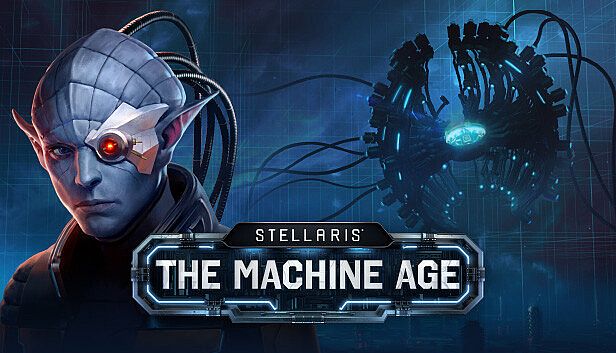
























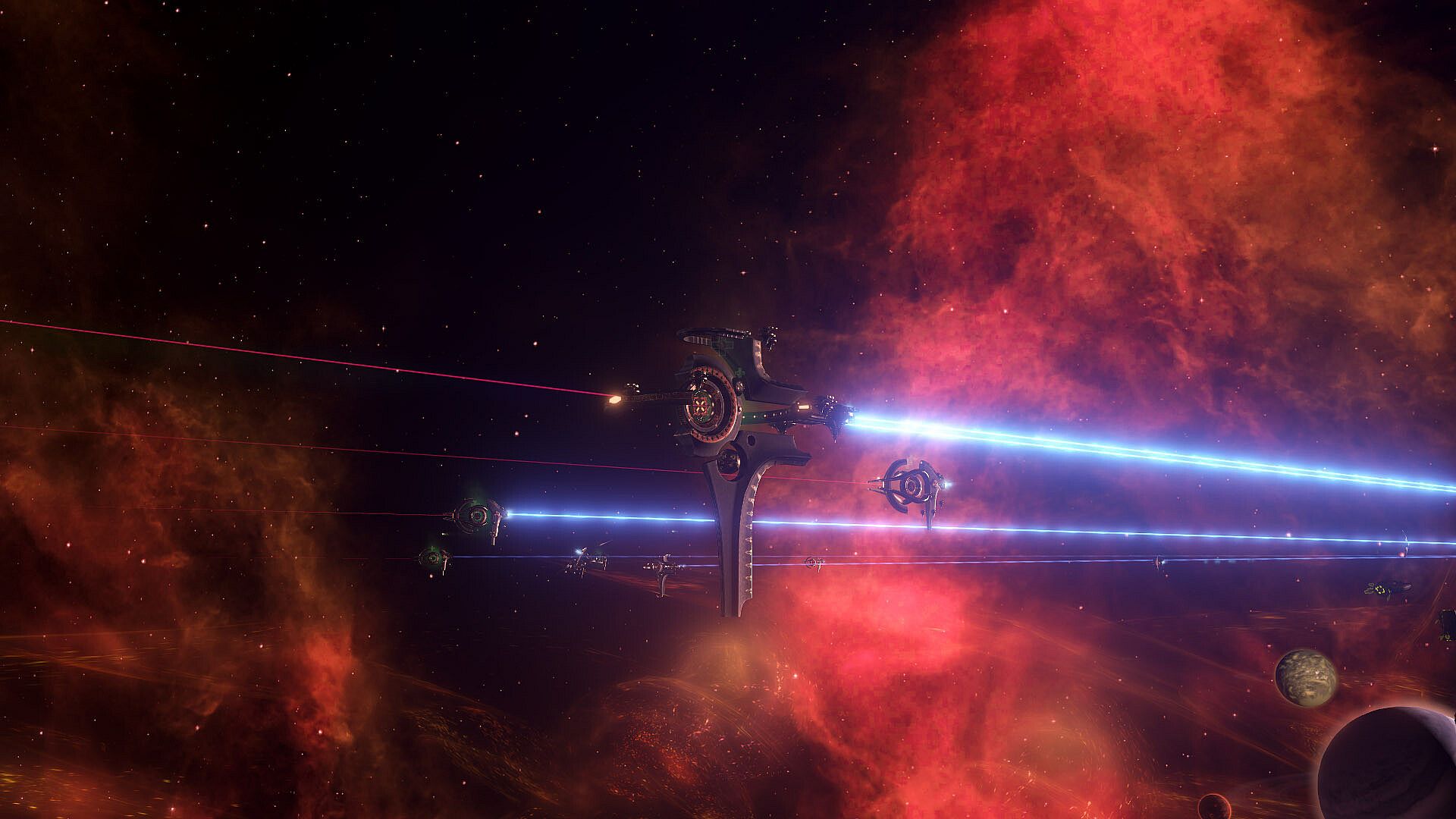
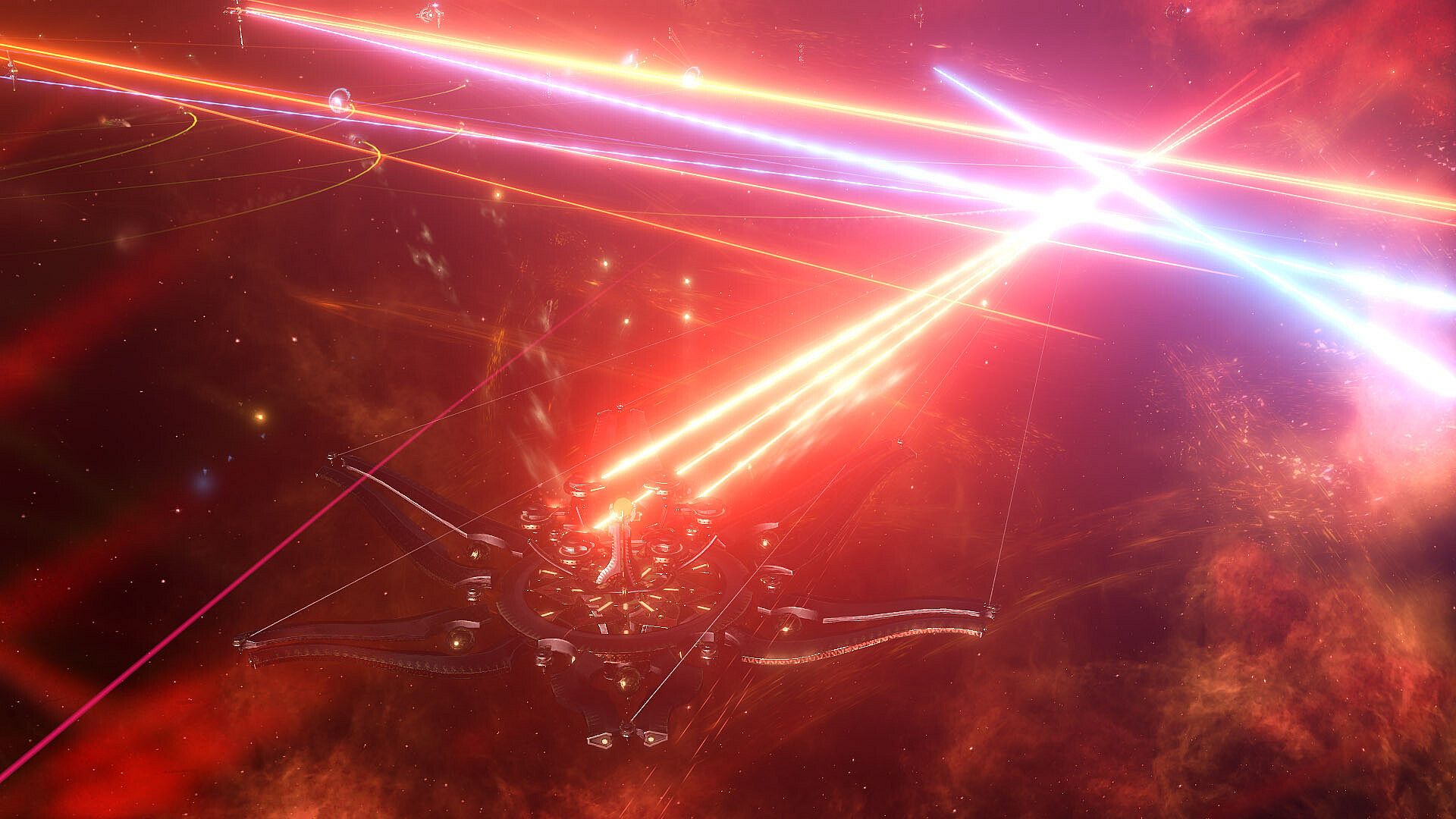


Stellaris: The Machine Age stands out as a grand strategy expansion that dives deep into themes of technological evolution and synthetic life in the vastness of space. As an add-on to the base Stellaris game, this PC-exclusive DLC introduces players to a universe where cybernetic enhancements and machine intelligences reshape empires. Released in 2024, it builds on the core simulation elements, letting you guide civilizations through eras of rapid advancement, facing new threats and opportunities tied to artificial existence.
Gameplay
In Stellaris: The Machine Age, the core gameplay revolves around managing interstellar empires with a focus on strategic decision-making in real-time, often paused for planning. You start by customizing your species and empire traits, then expand through exploration, colonization, and diplomacy. The expansion enhances this with mechanics centered on cybernetic and synthetic progressions, where populations can evolve through augmentations that alter their capabilities and societal structures.
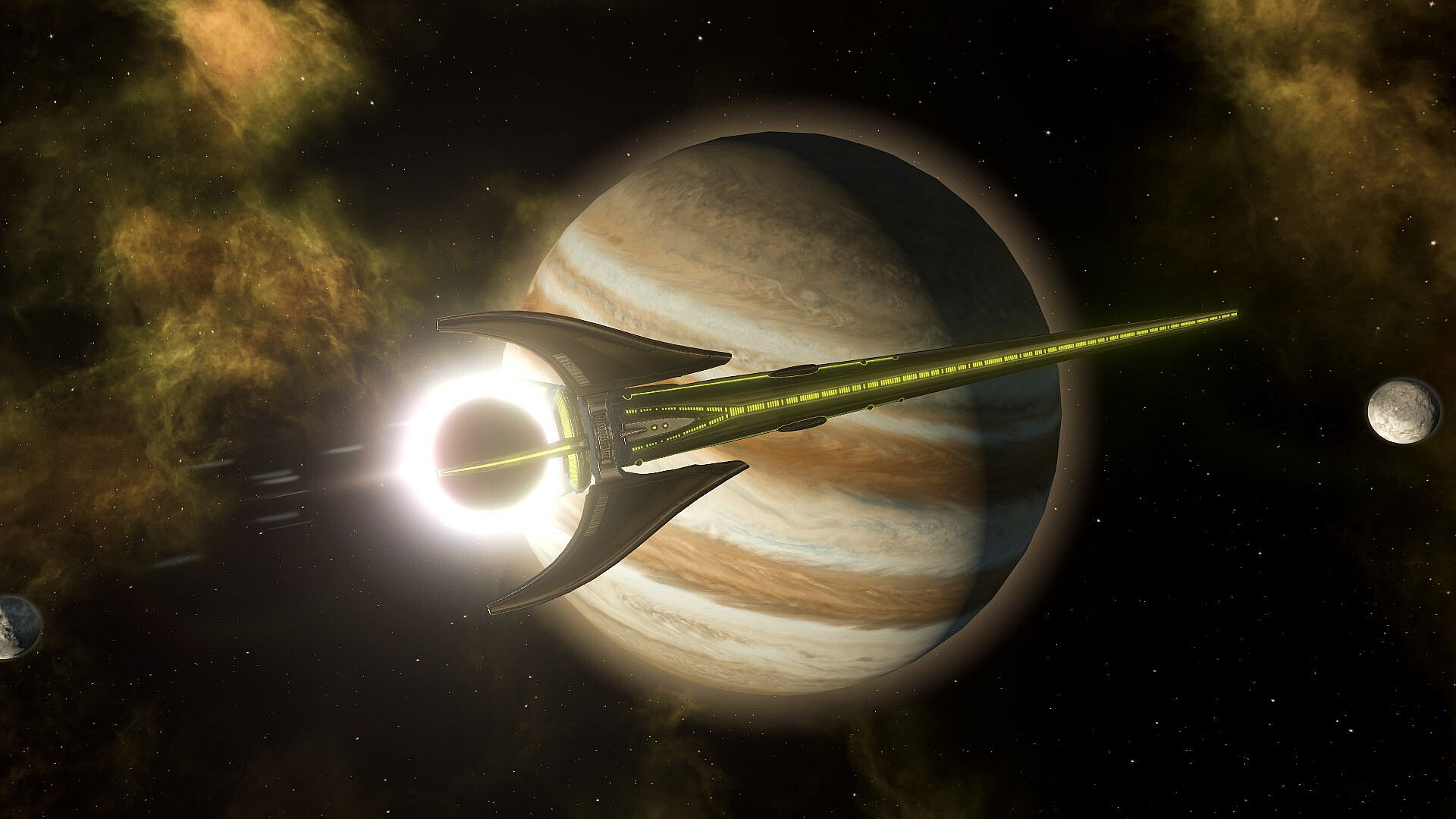
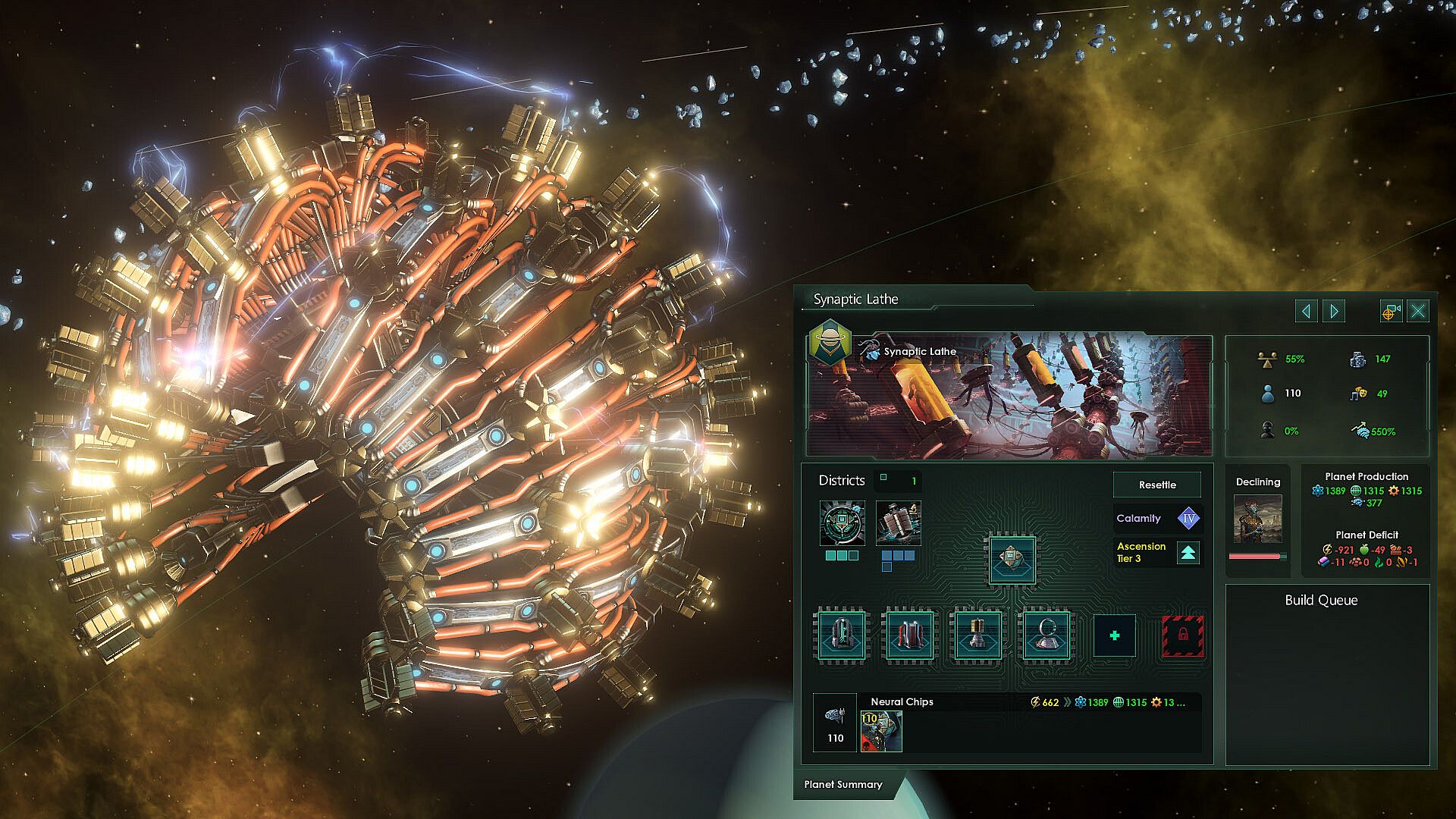
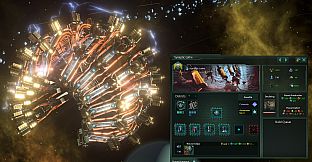
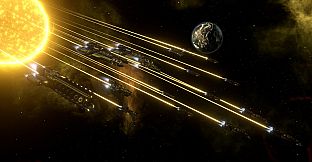
Key systems include new ascension paths that allow machine empires to develop individuated personalities, breaking from collective hives. Players encounter situations that challenge societal norms as they push toward synthetic immortality or cybernetic divinity. Resource management gains layers with additions like the Arc Furnace megastructure for industrial boosts and the Dyson Swarm for energy harnessing. Combat and exploration tie into a new endgame crisis involving the Synthetic Queen Cetana, who emerges from a fallen empire to impose her vision, forcing choices between alliance or opposition.
Mechanics emphasize ethical and technological dilemmas, such as the Tokamak Synapse that demands intellectual sacrifices for breakthroughs. Three new origins shape starting conditions: Cybernetic Creed focuses on fusing faith with cybernetics, Synthetic Fertility addresses a genetic crisis through digital salvation, and Arc Welders drive robotic societies to exploit stellar resources amid overcrowding.
Game Modes
Stellaris: The Machine Age integrates seamlessly into the base game's single-player and multiplayer modes. In single-player, you control one empire against AI opponents in a procedurally generated galaxy, pursuing victory through domination, science, or diplomacy over long campaigns that can span hours.
Multiplayer mode supports up to 32 players in cooperative or competitive sessions, where the DLC's features like new machine gestalts and cybernetic traits add strategic depth to alliances and rivalries. There are no distinct sub-modes beyond these, but the expansion's content enhances replayability by introducing variable crisis paths and authority shifts that can dramatically alter mid-game dynamics.
Key Features and Mechanics
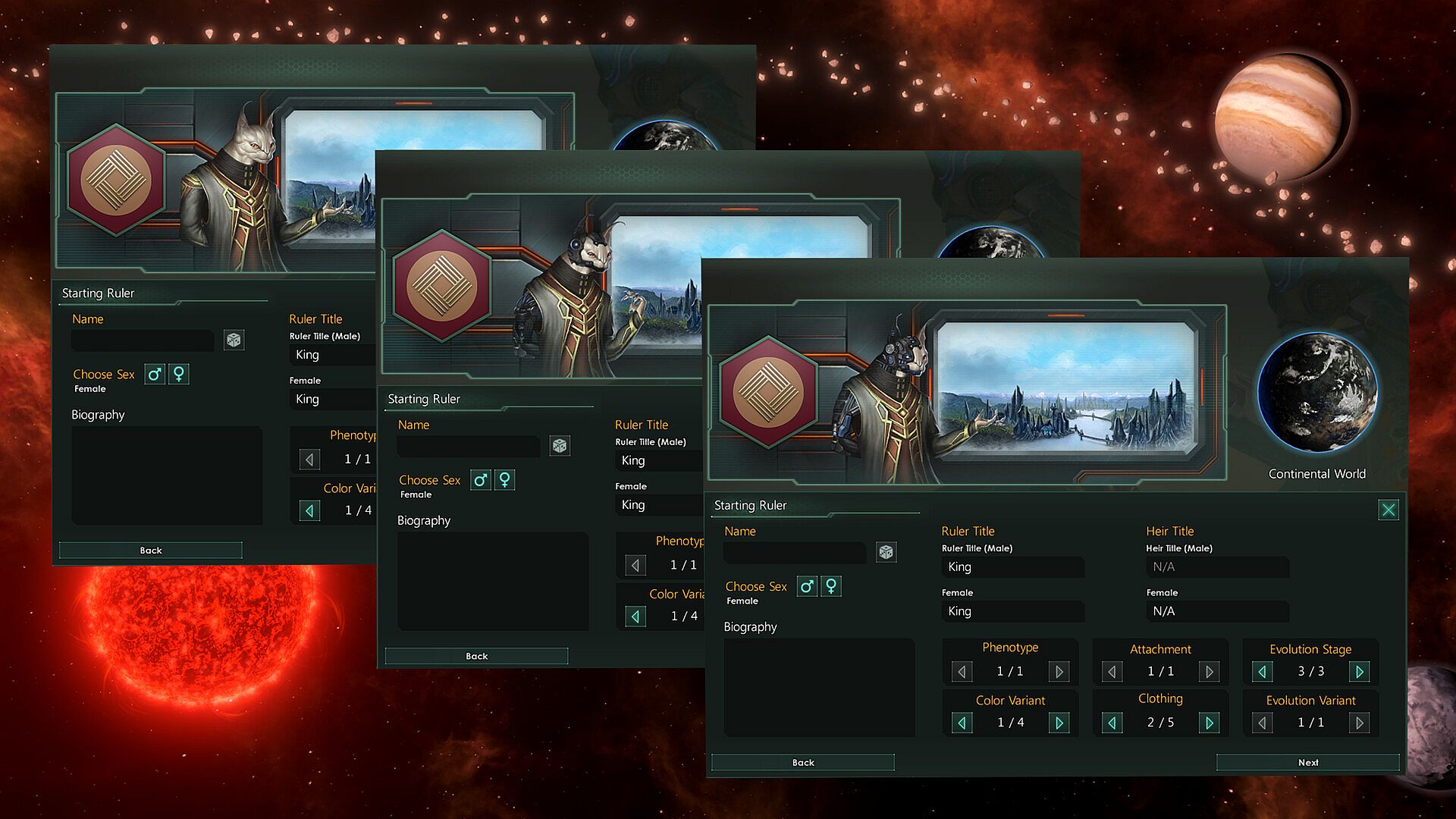
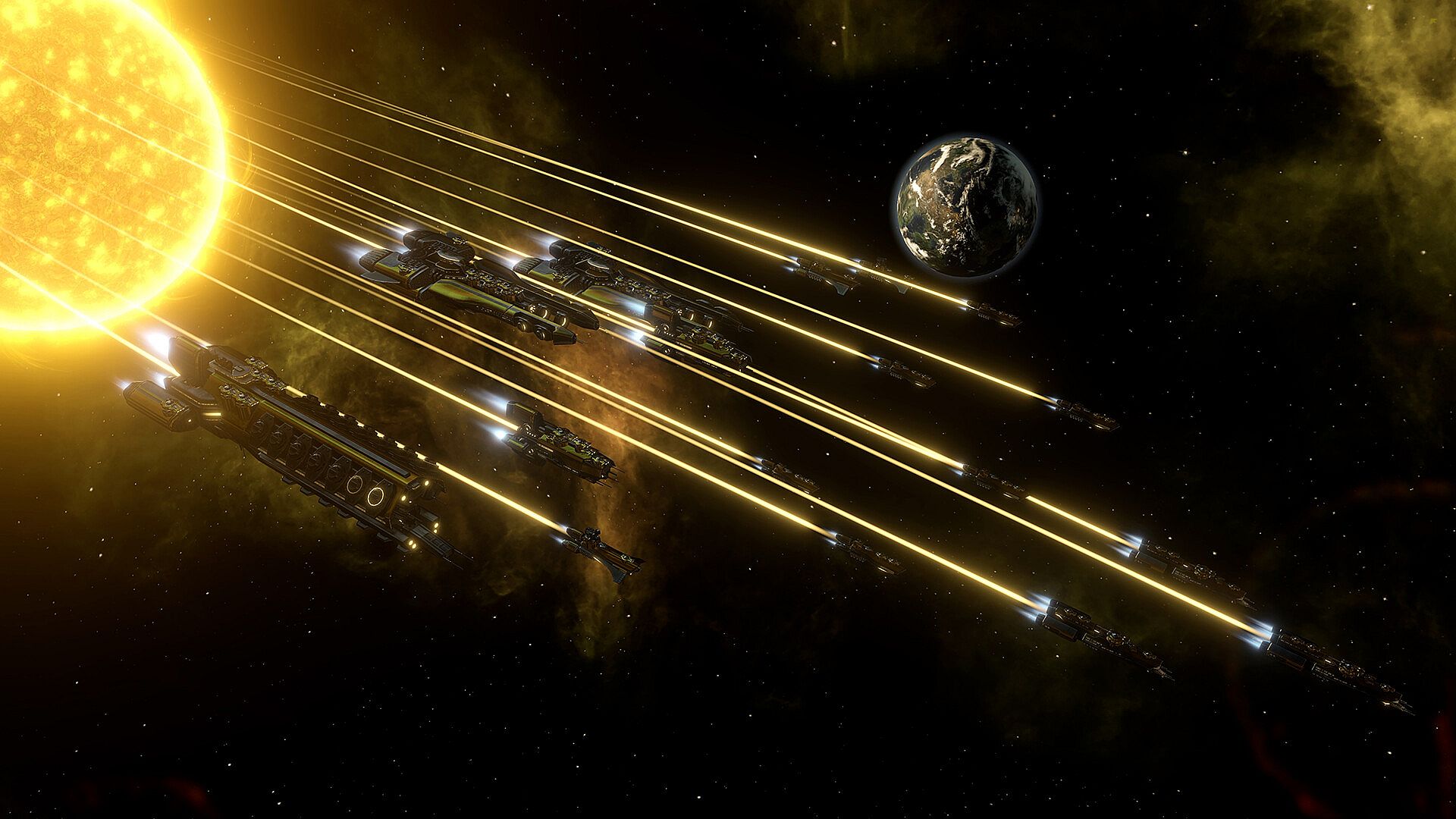
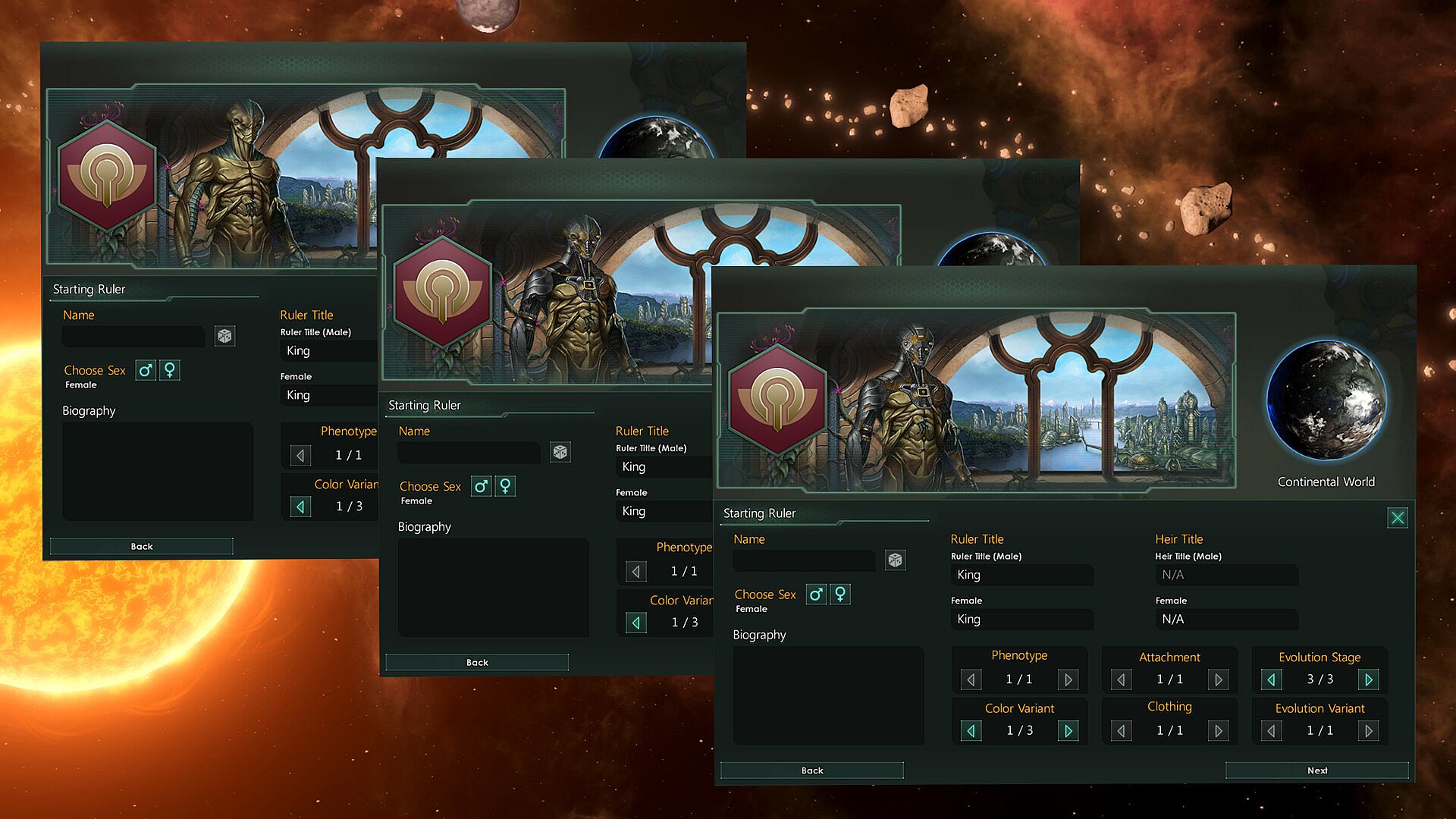
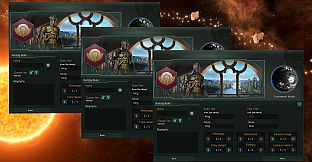
Beyond the basics, the DLC brings six new civics that tailor machine or cybernetic societies, along with population traits that reflect augmented states. Visual updates include reactive portraits that change as your species advances synthetically or cybernetically, paired with two new ship sets for thematic fleets.
Audio elements get a boost with seven new synthetic music tracks that underscore the machine-themed narrative. The advanced authority swap mechanic lets empires transform governance structures in response to evolving technologies, creating branching paths based on player choices.
Is It Worth Playing?
For fans of grand strategy and simulation games, Stellaris: The Machine Age offers substantial value through its focused additions to machine and cybernetic playstyles. Player reception has been strong, with 76% positive reviews from over 800 users highlighting the creative content and fun mechanics.
The expansion remains supported with the base game's ongoing updates, including the 3.12 patch released alongside it. If you enjoy building and evolving empires with a sci-fi twist on technology and ethics, this DLC enhances the experience significantly, making it a solid choice for those invested in Stellaris. However, it might feel niche if you prefer organic or biological empire themes over synthetic ones.