









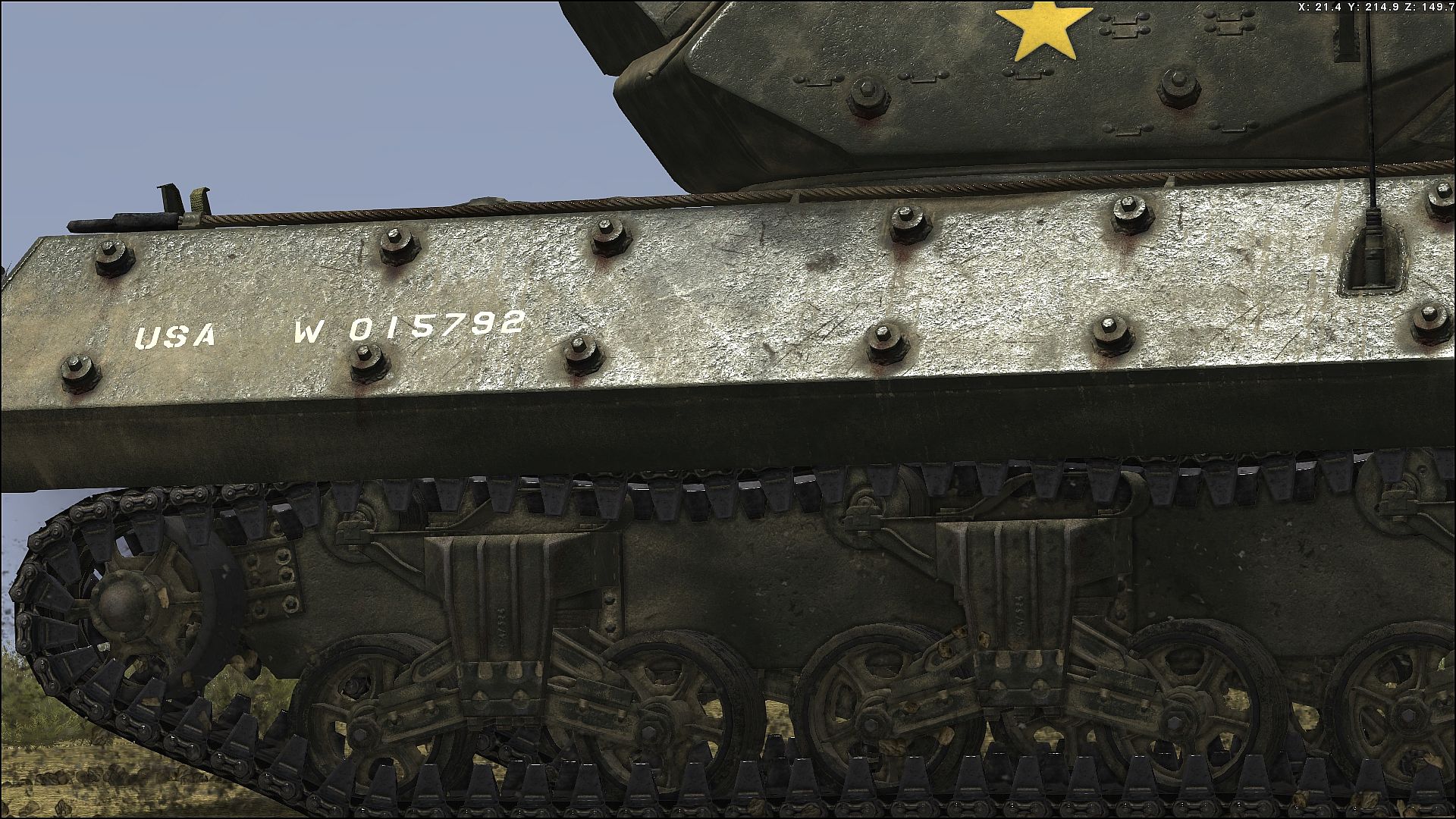
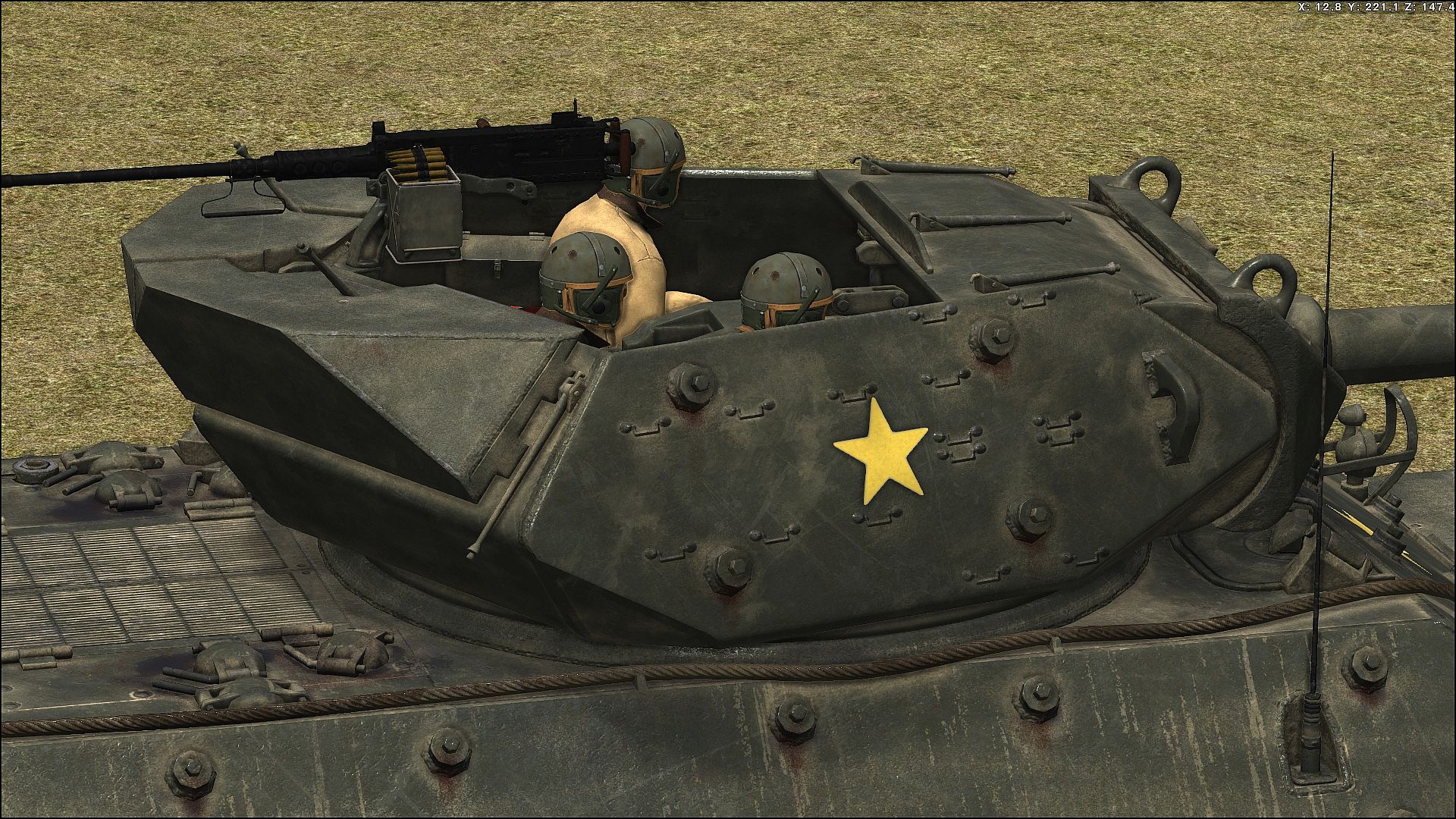
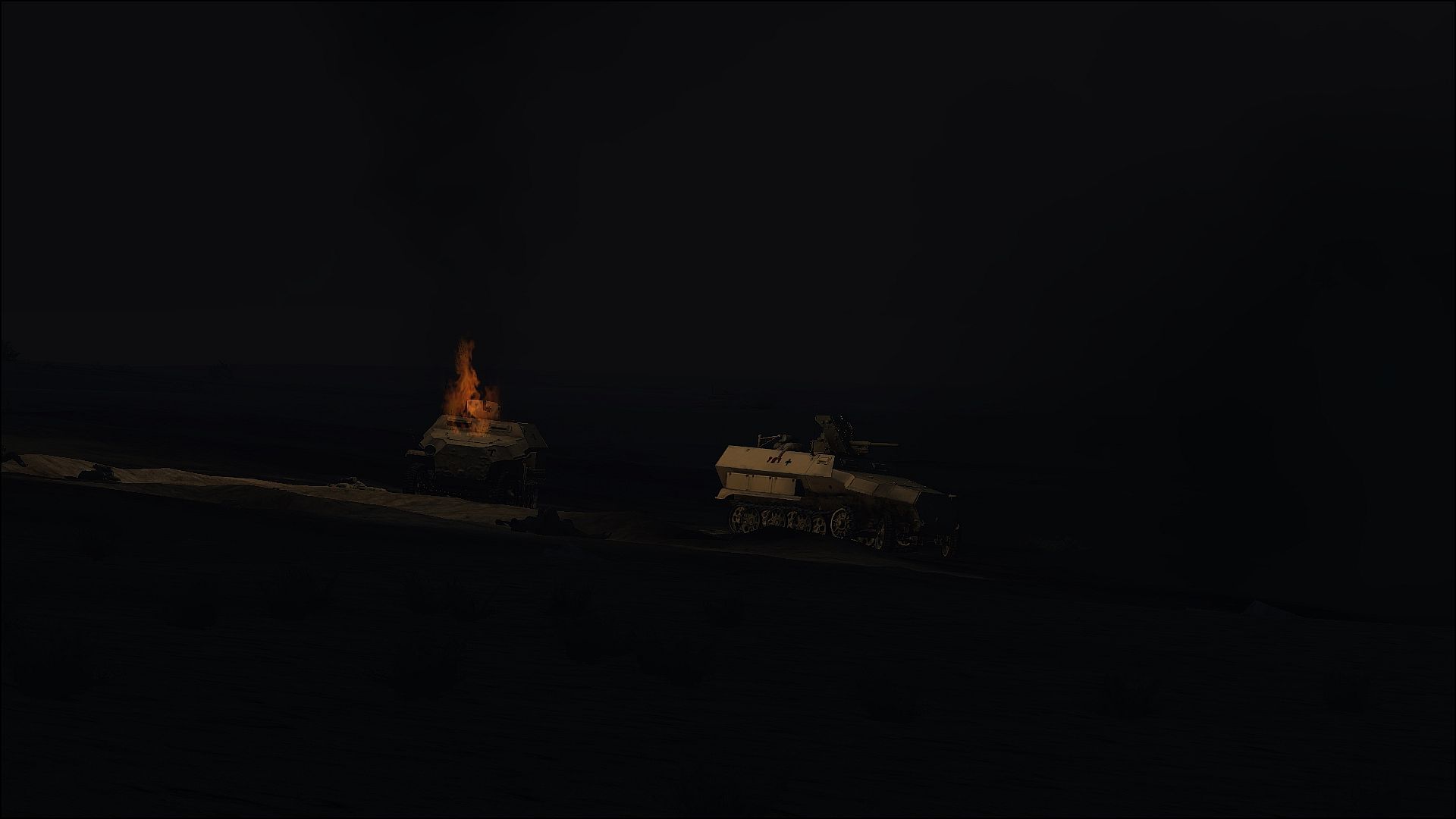
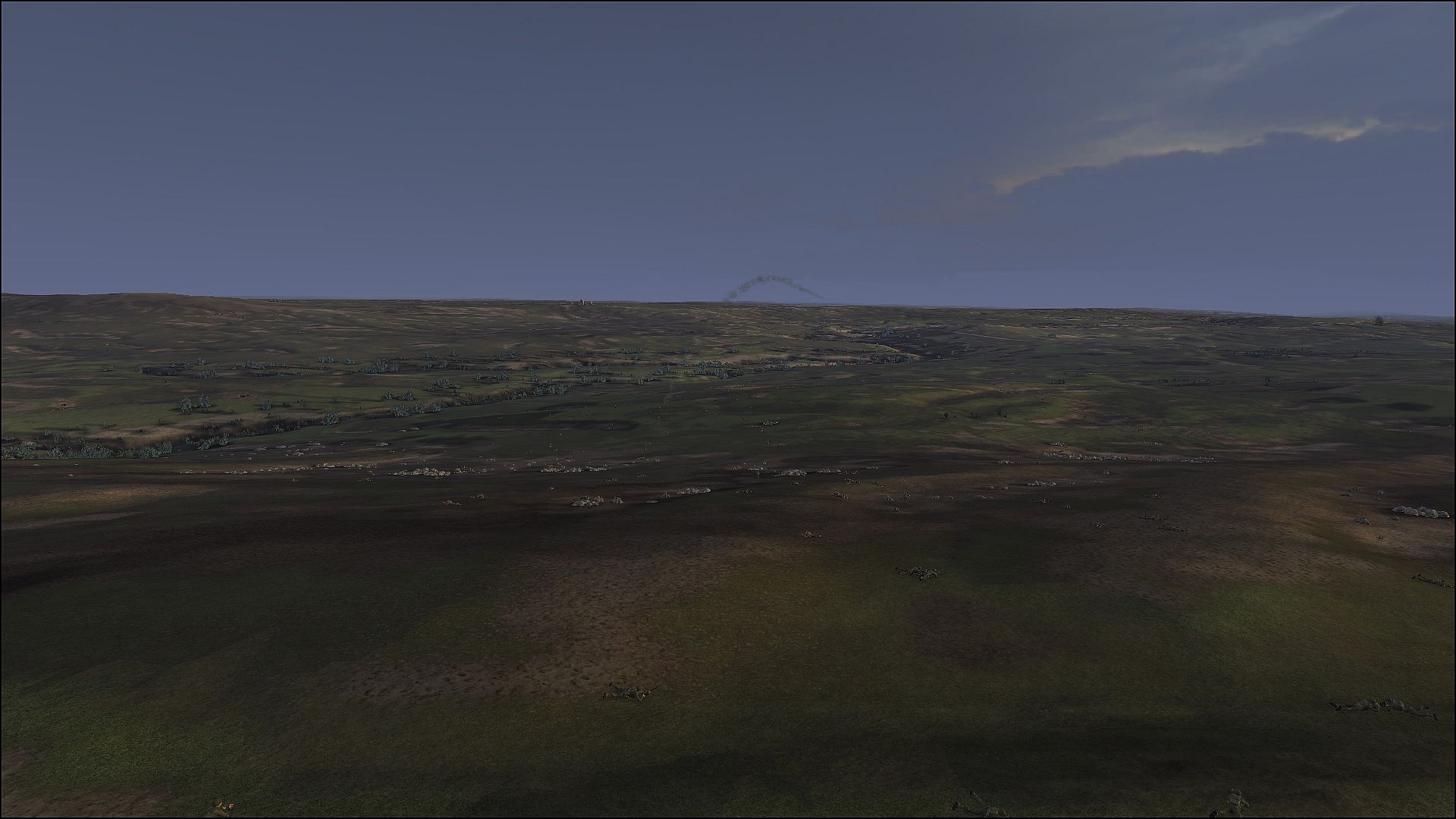
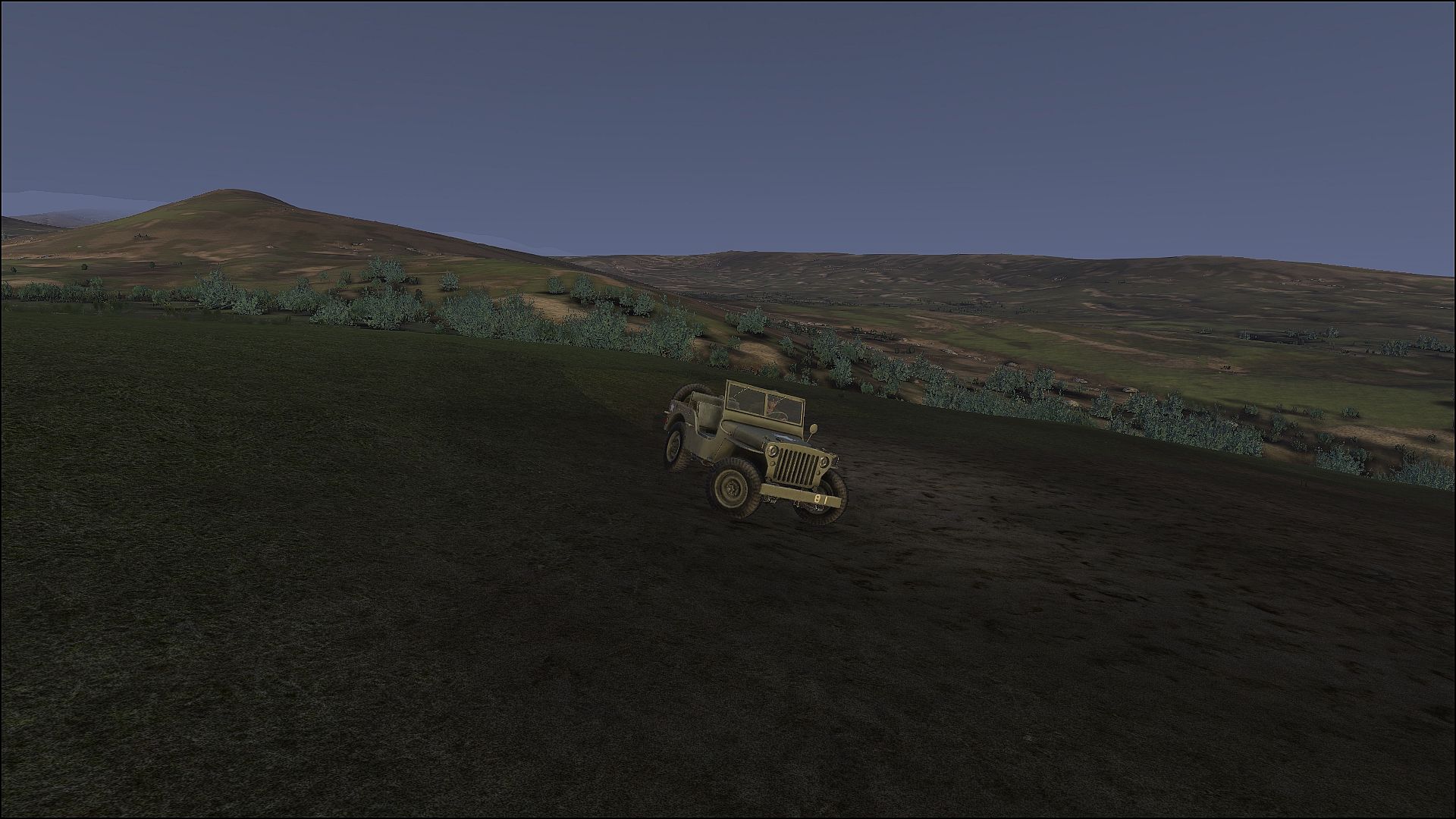
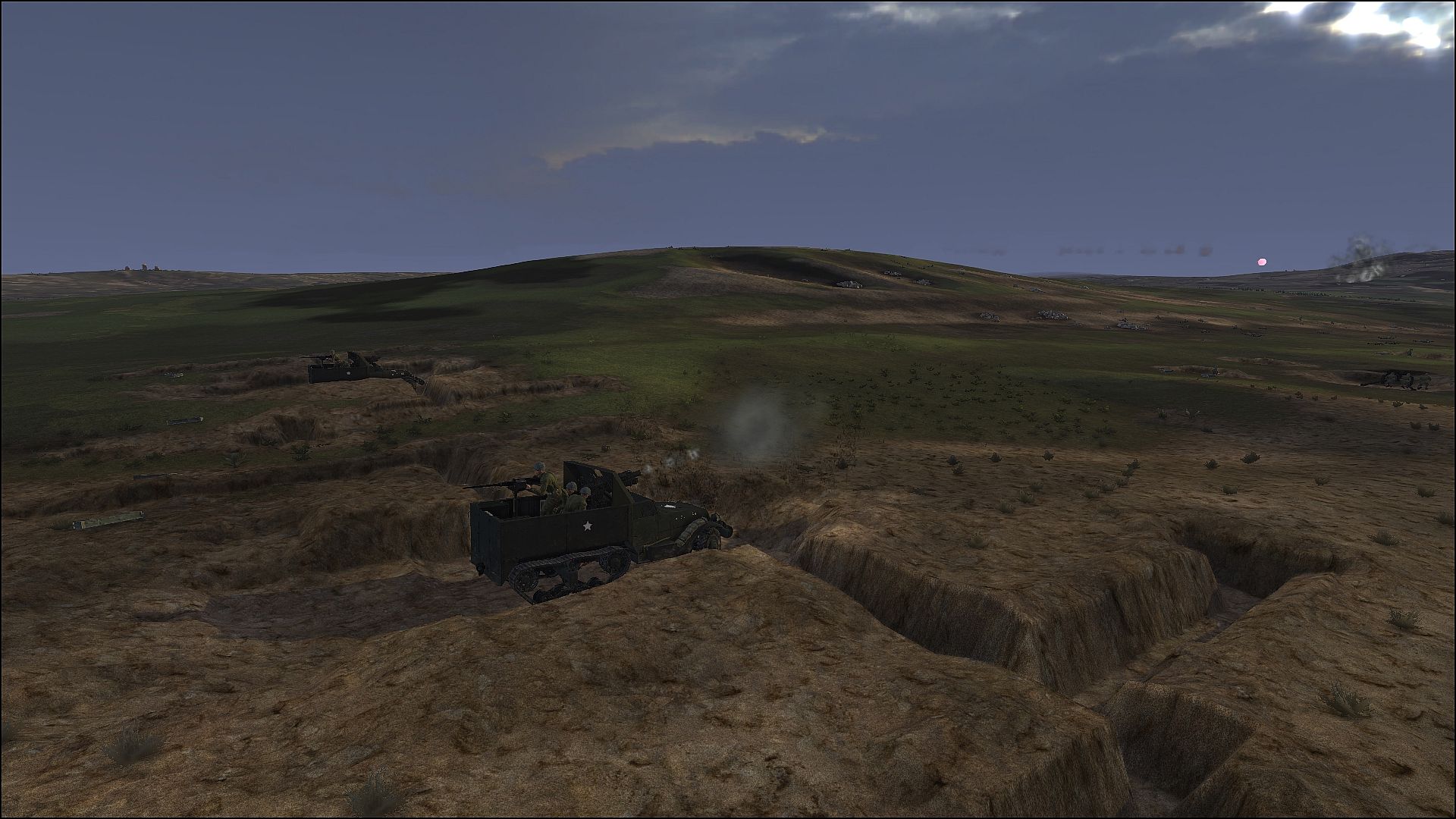
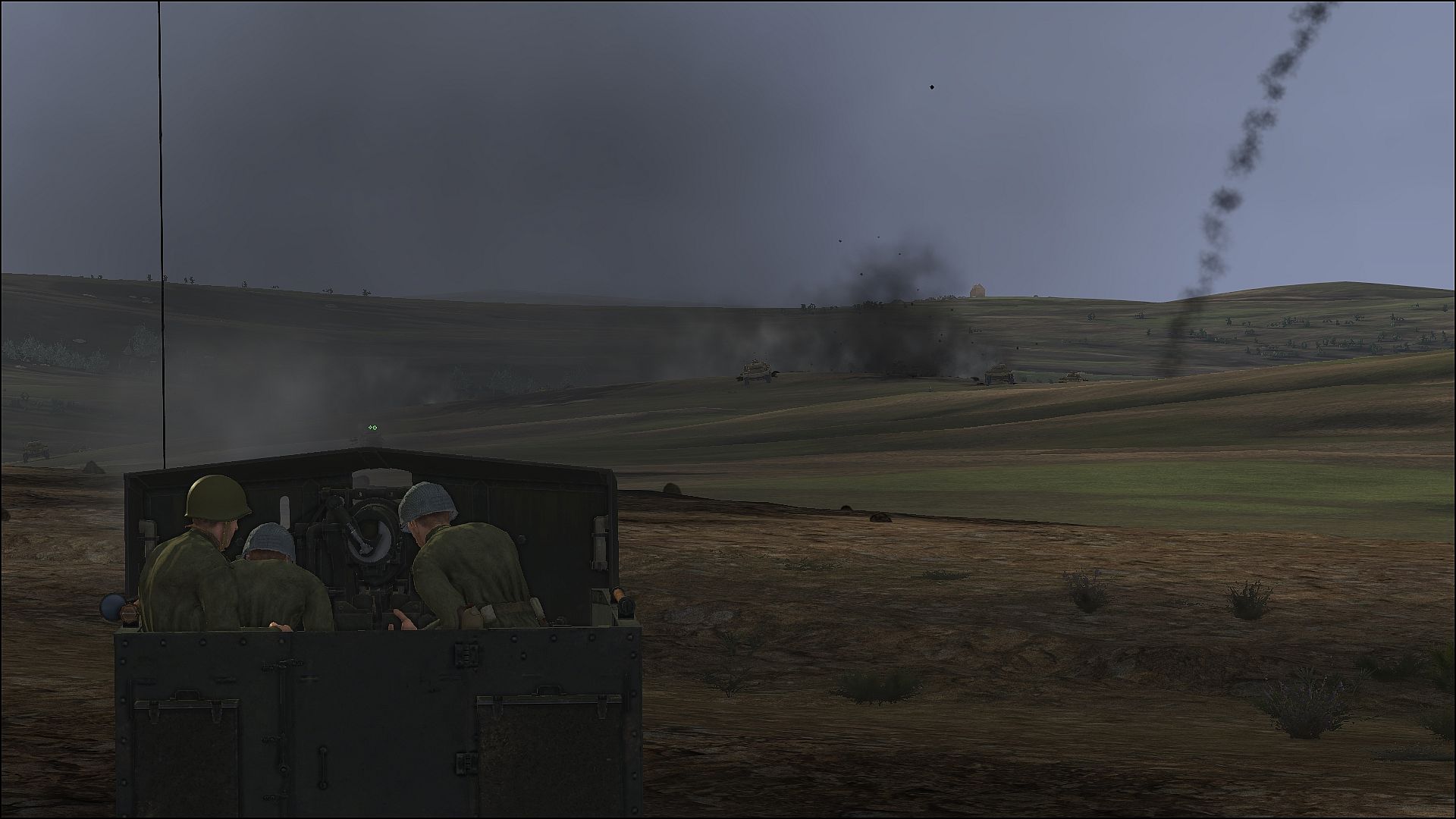
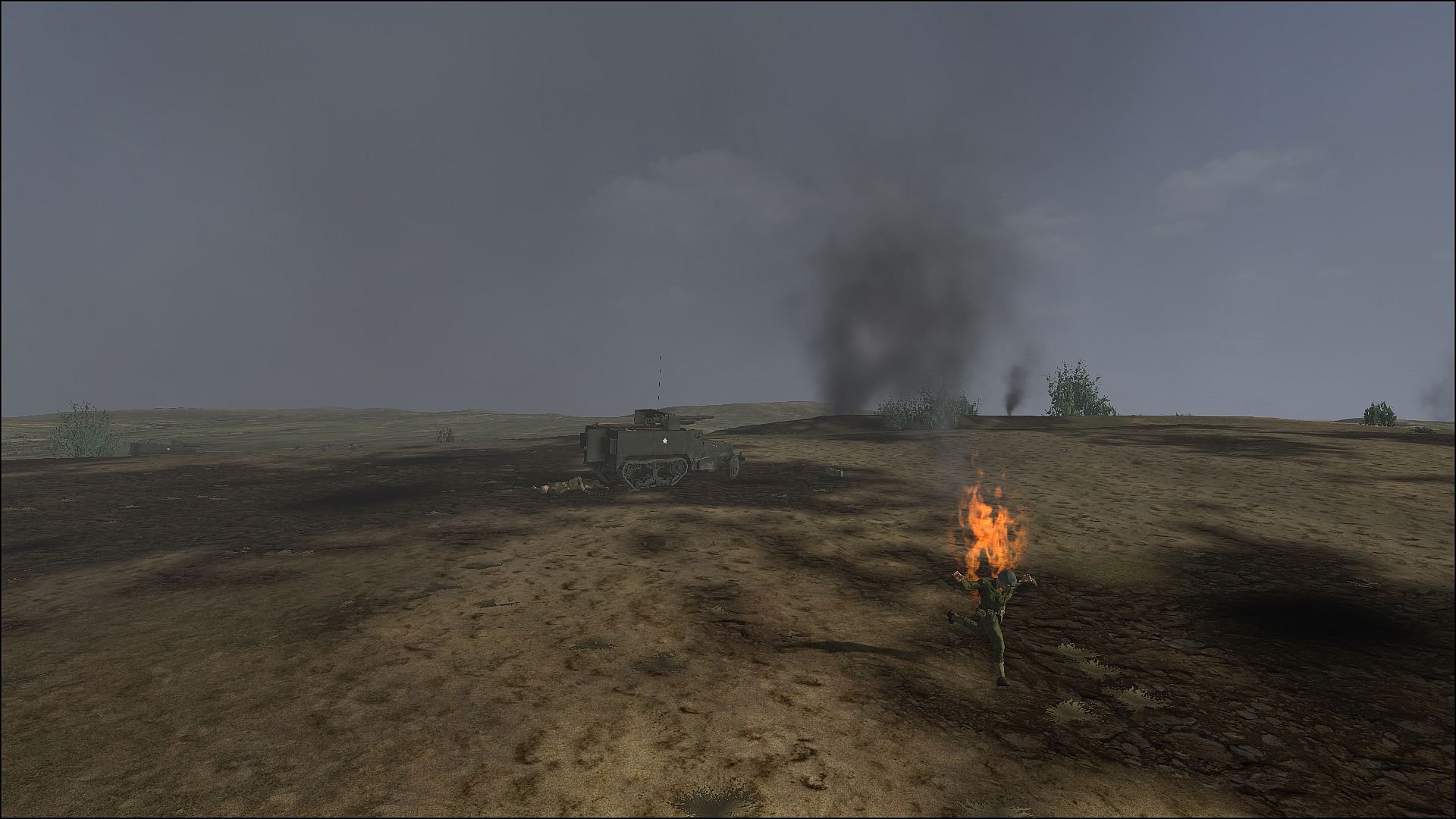
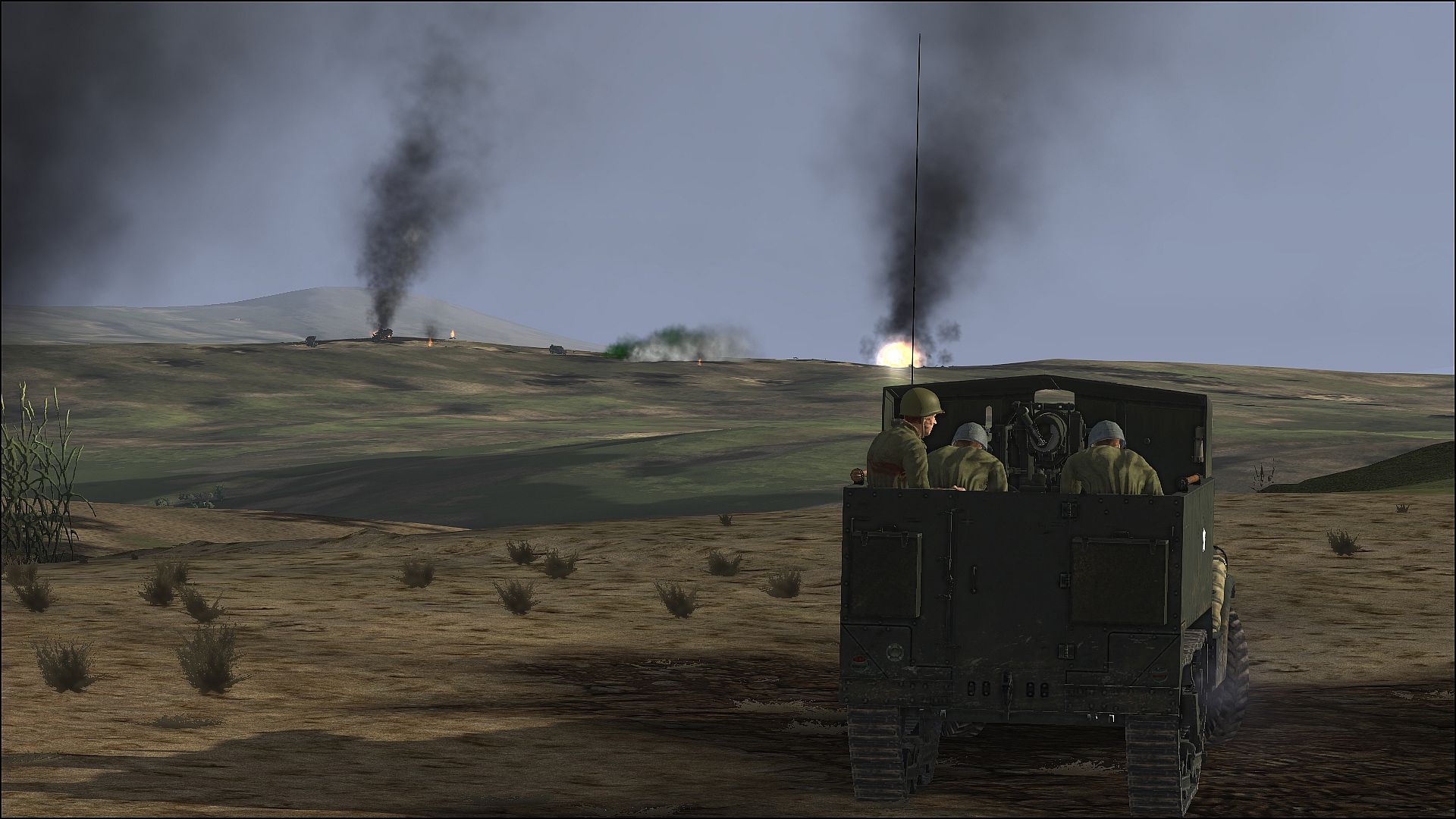
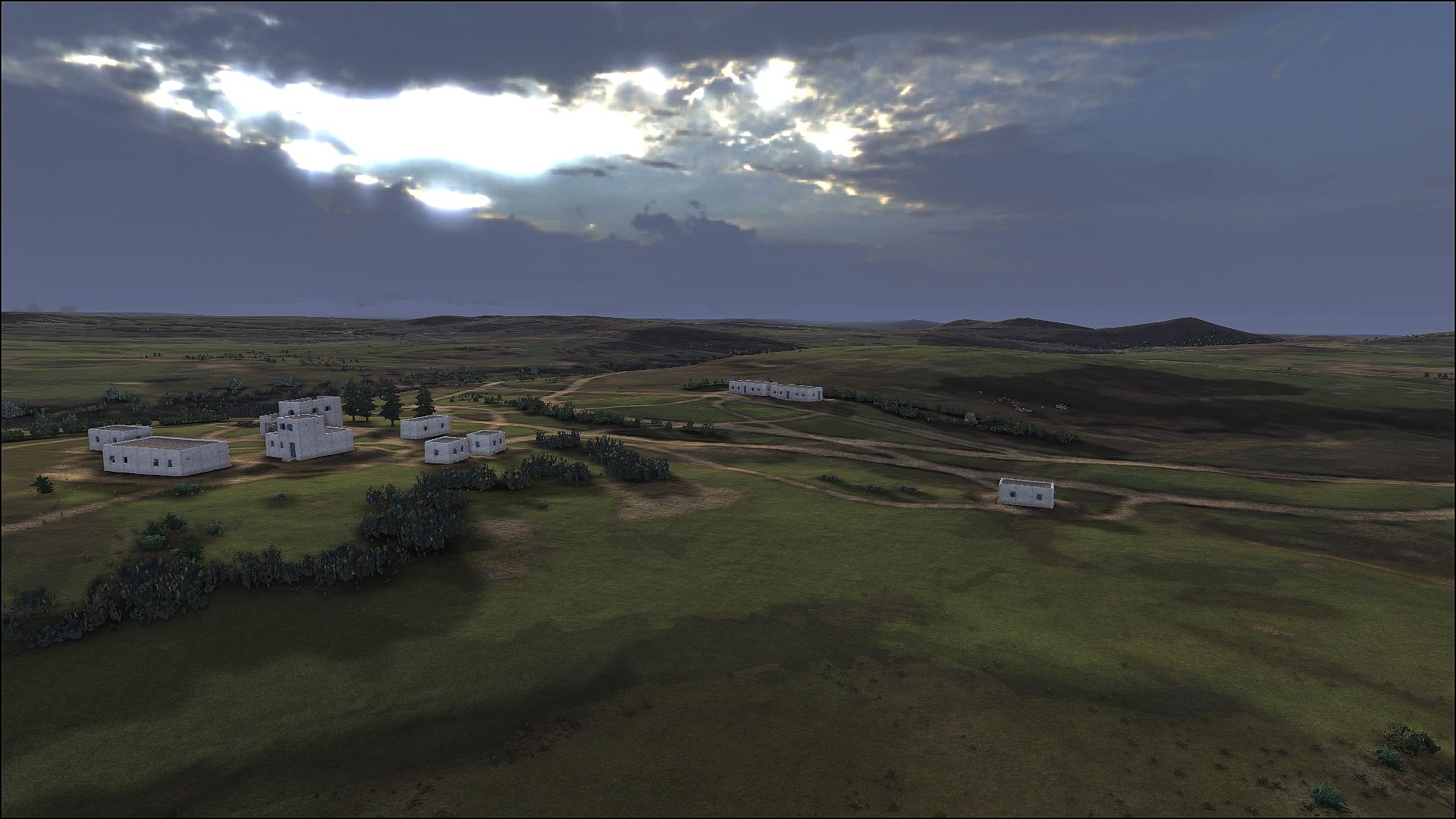
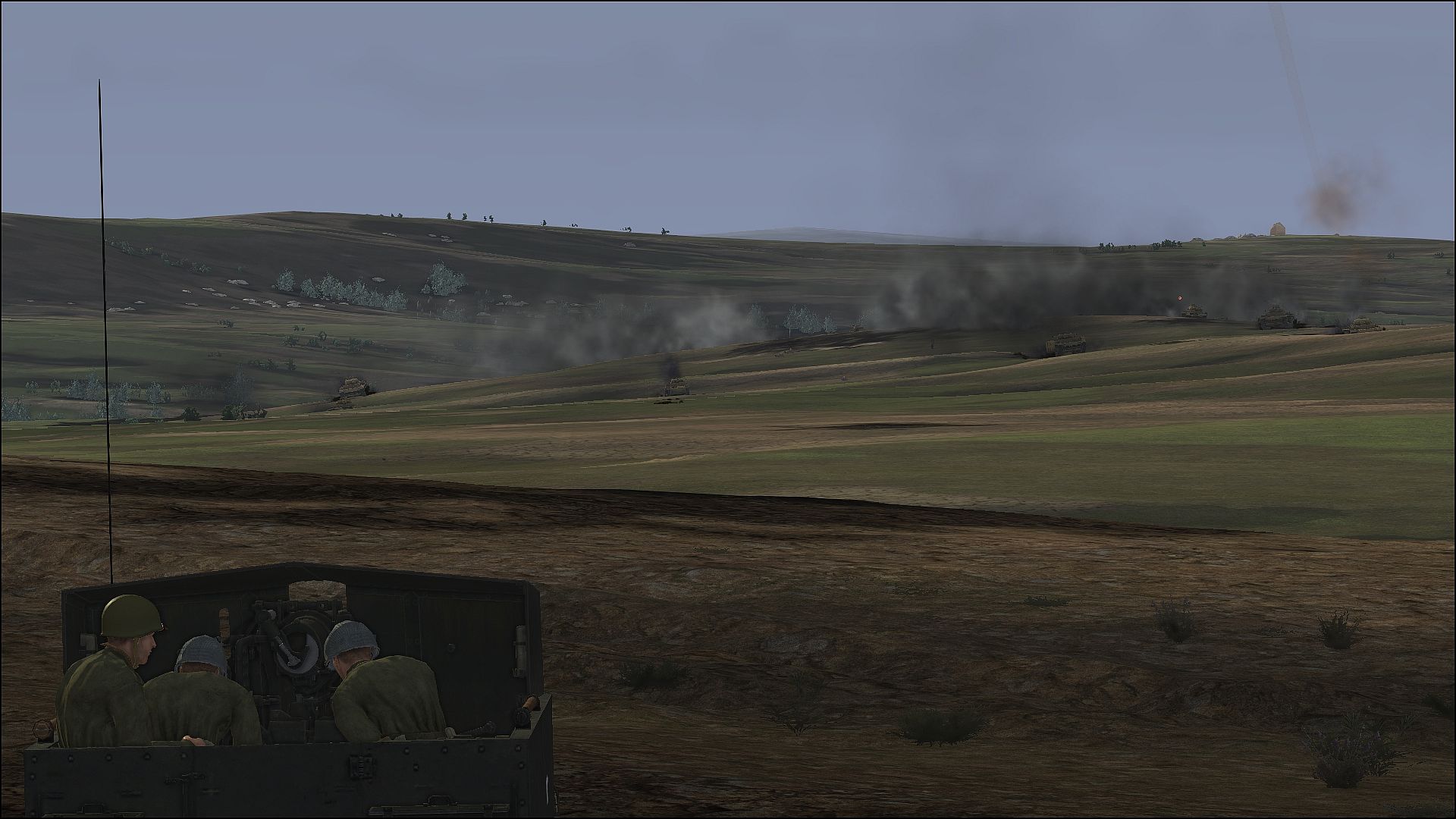
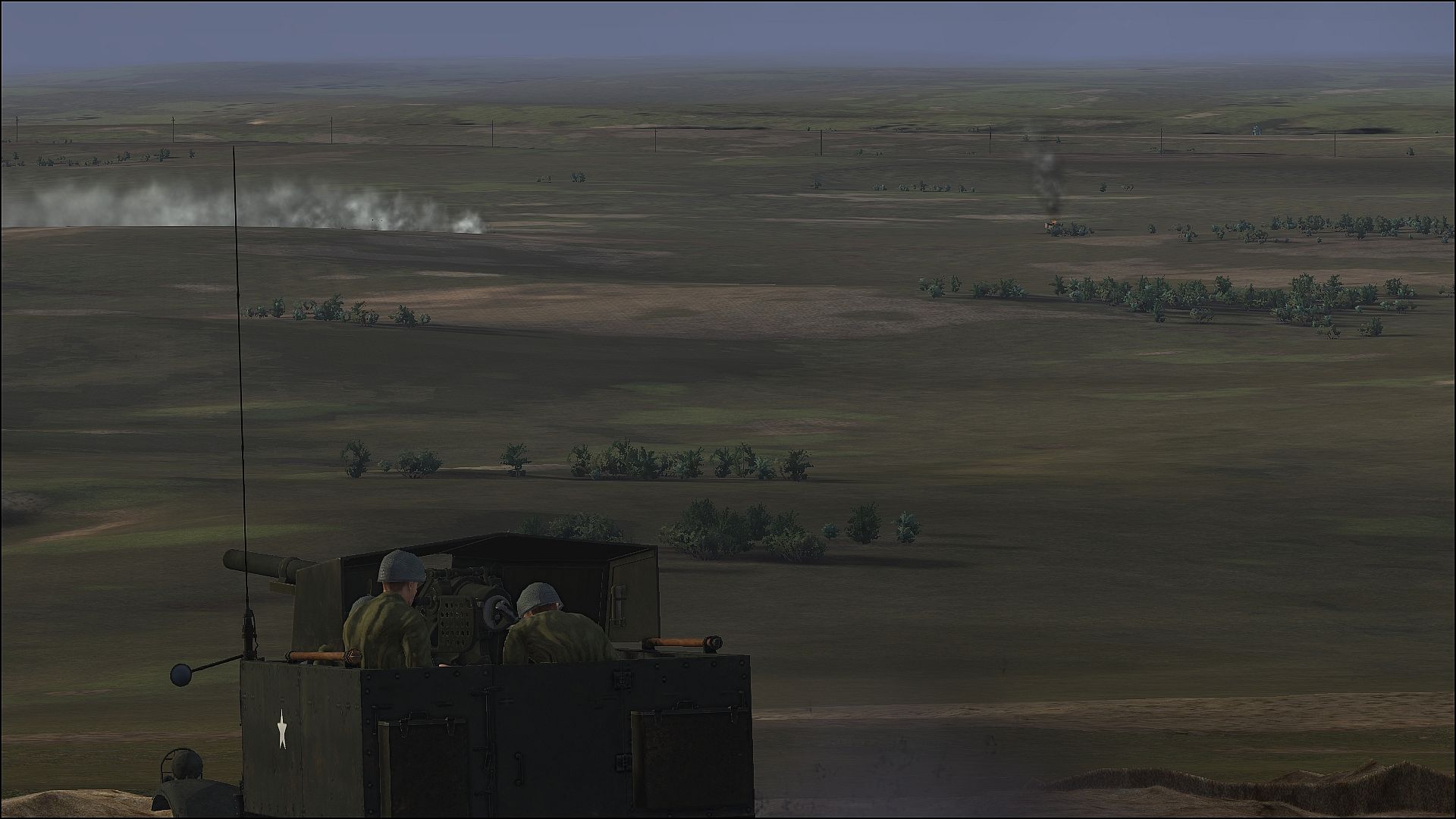
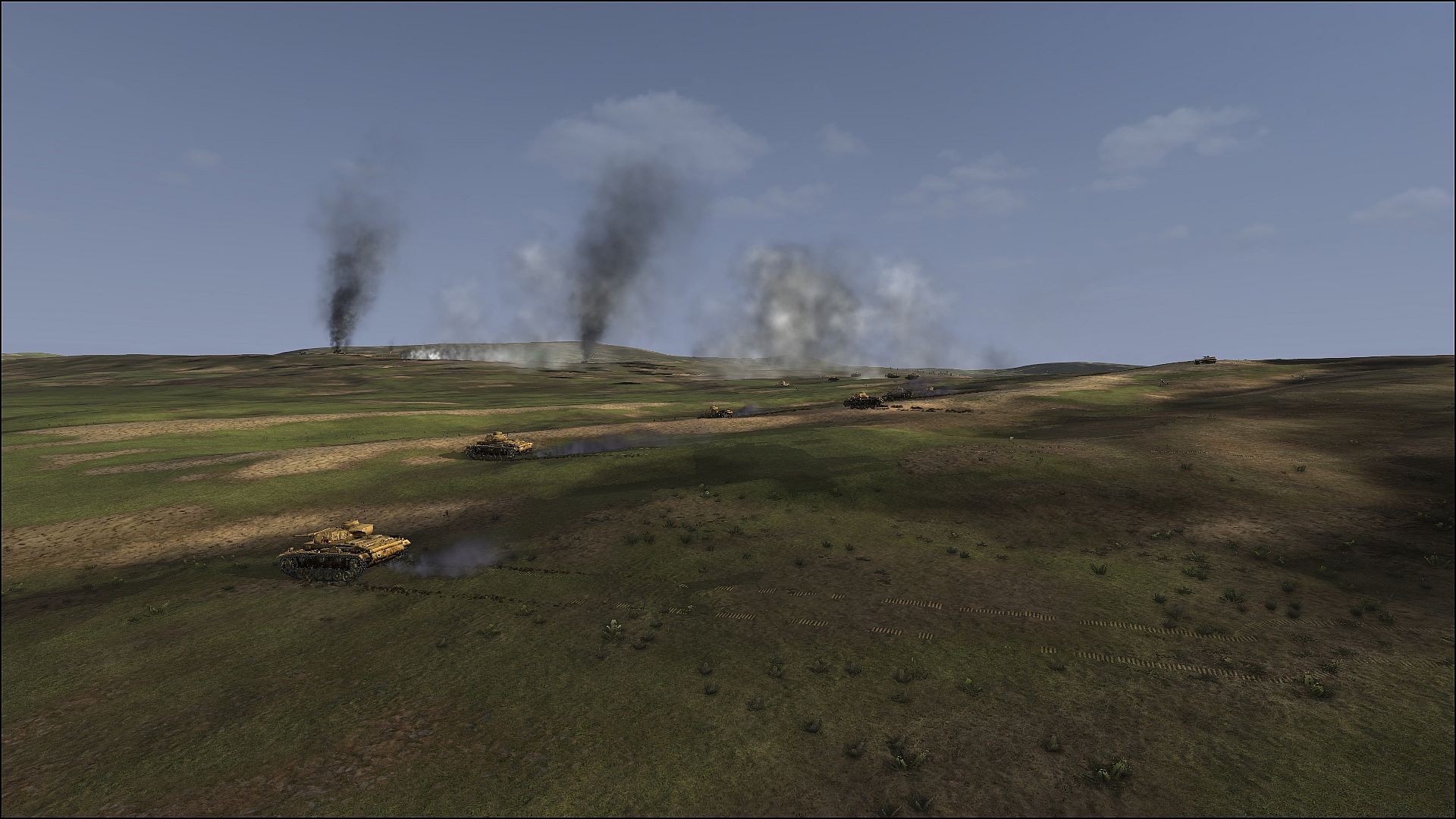
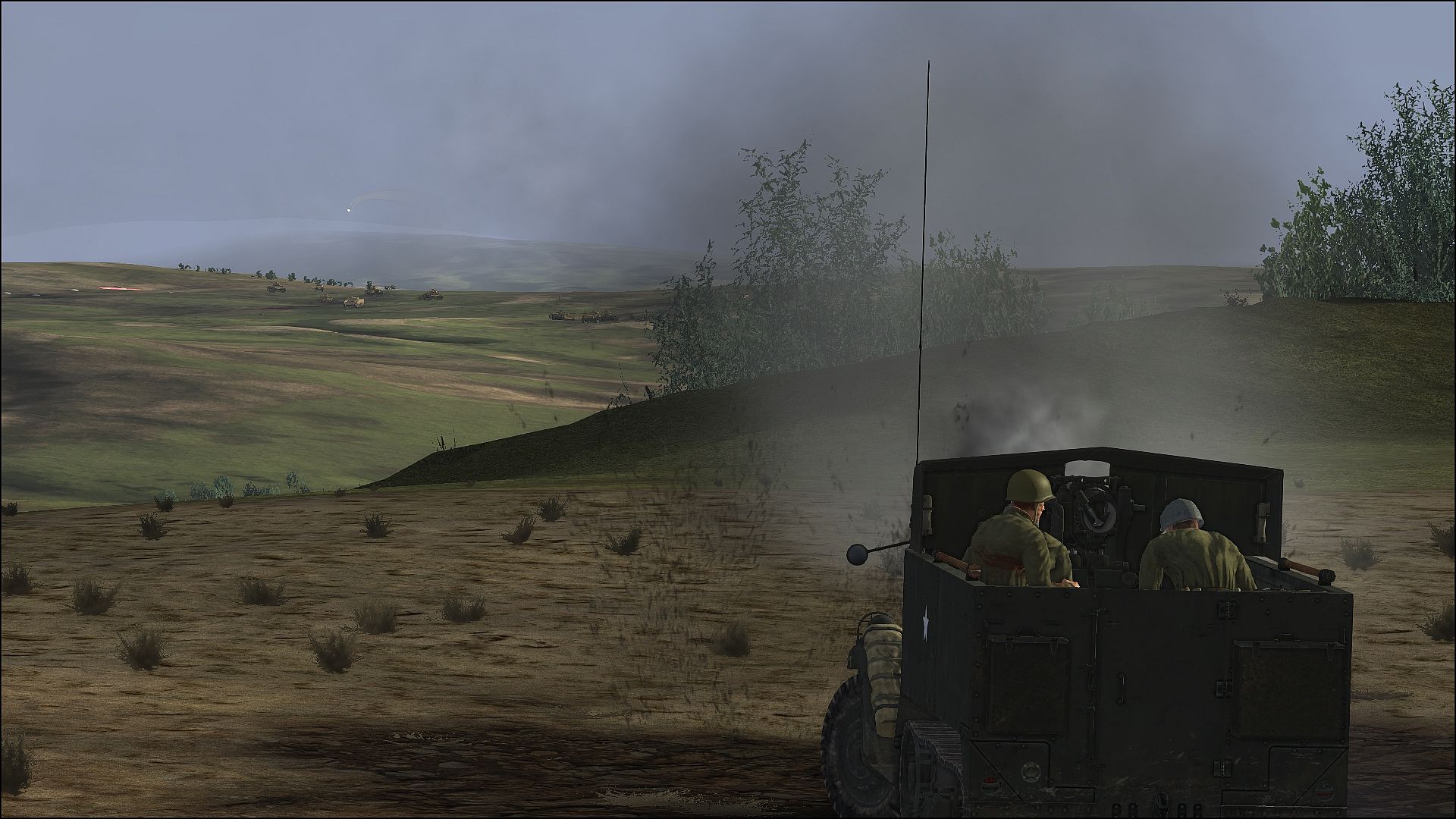
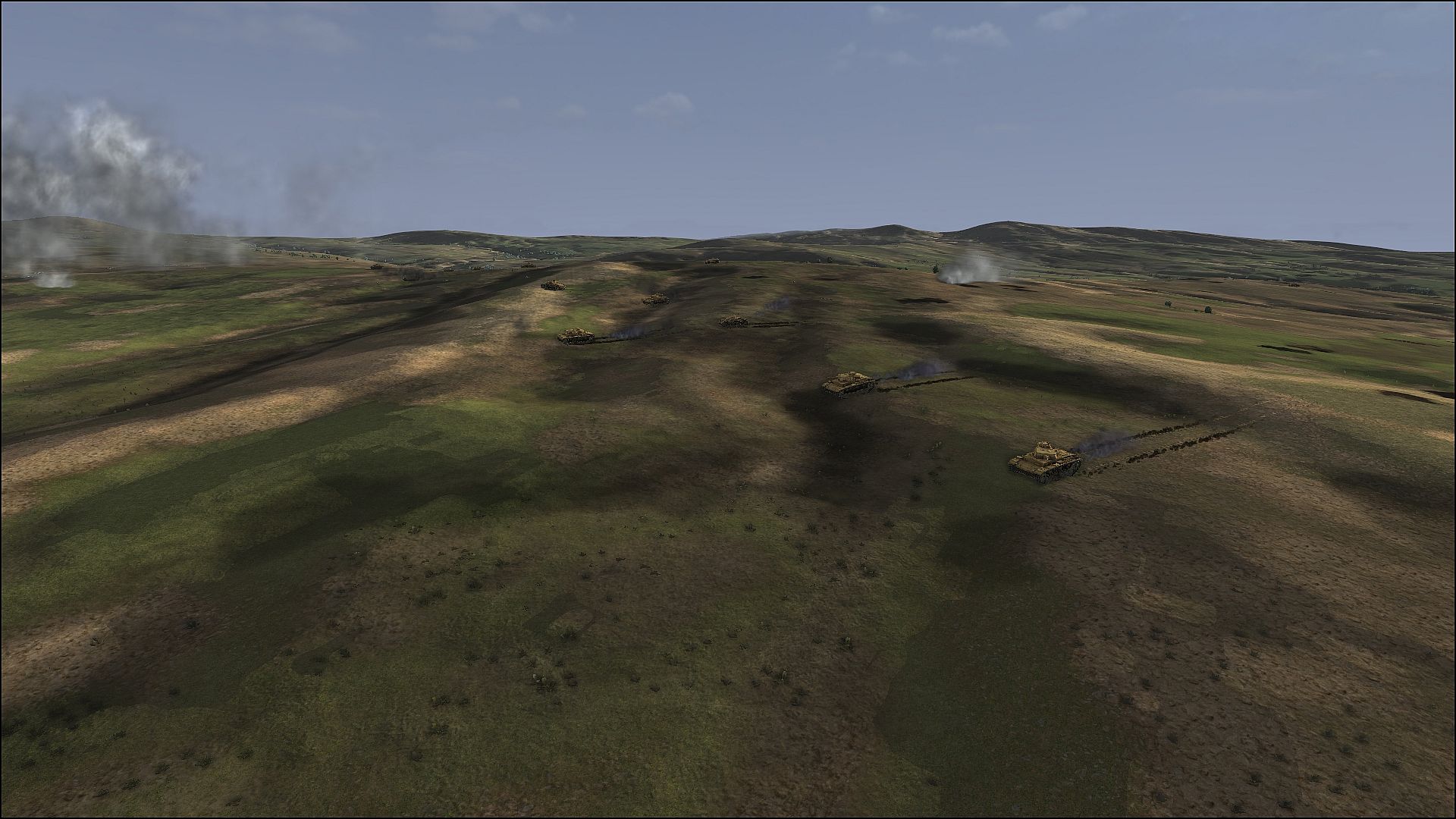
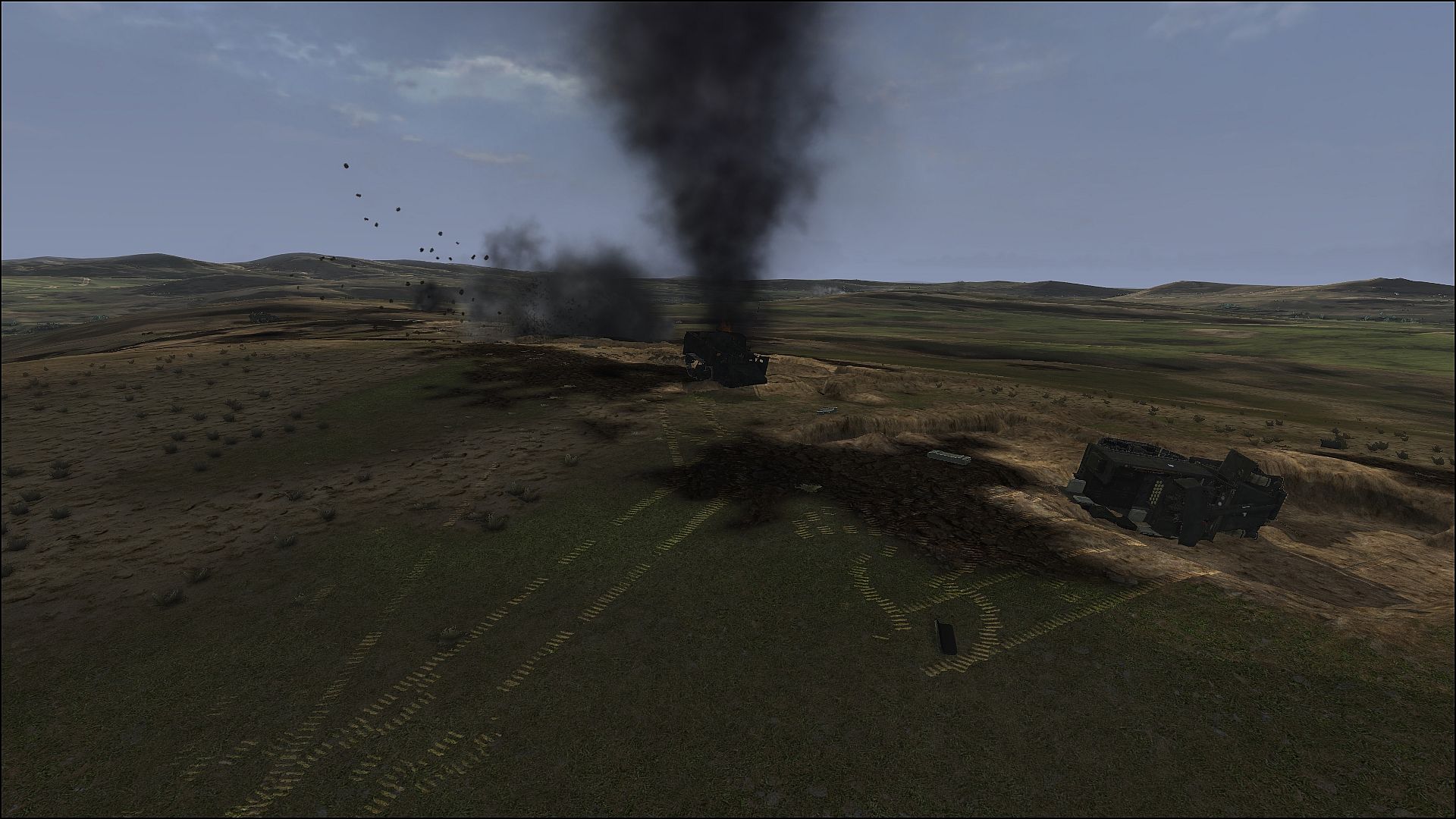
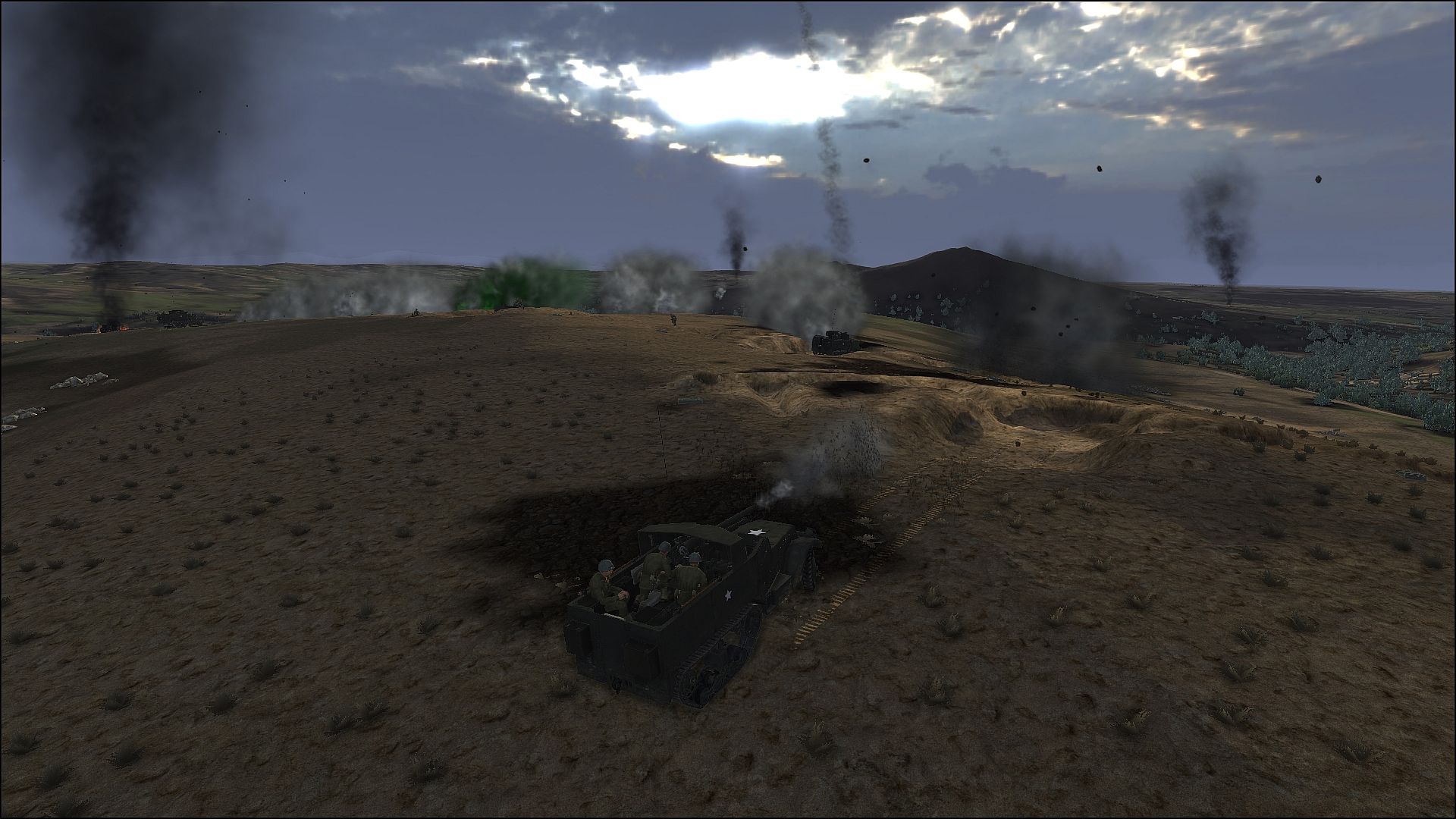
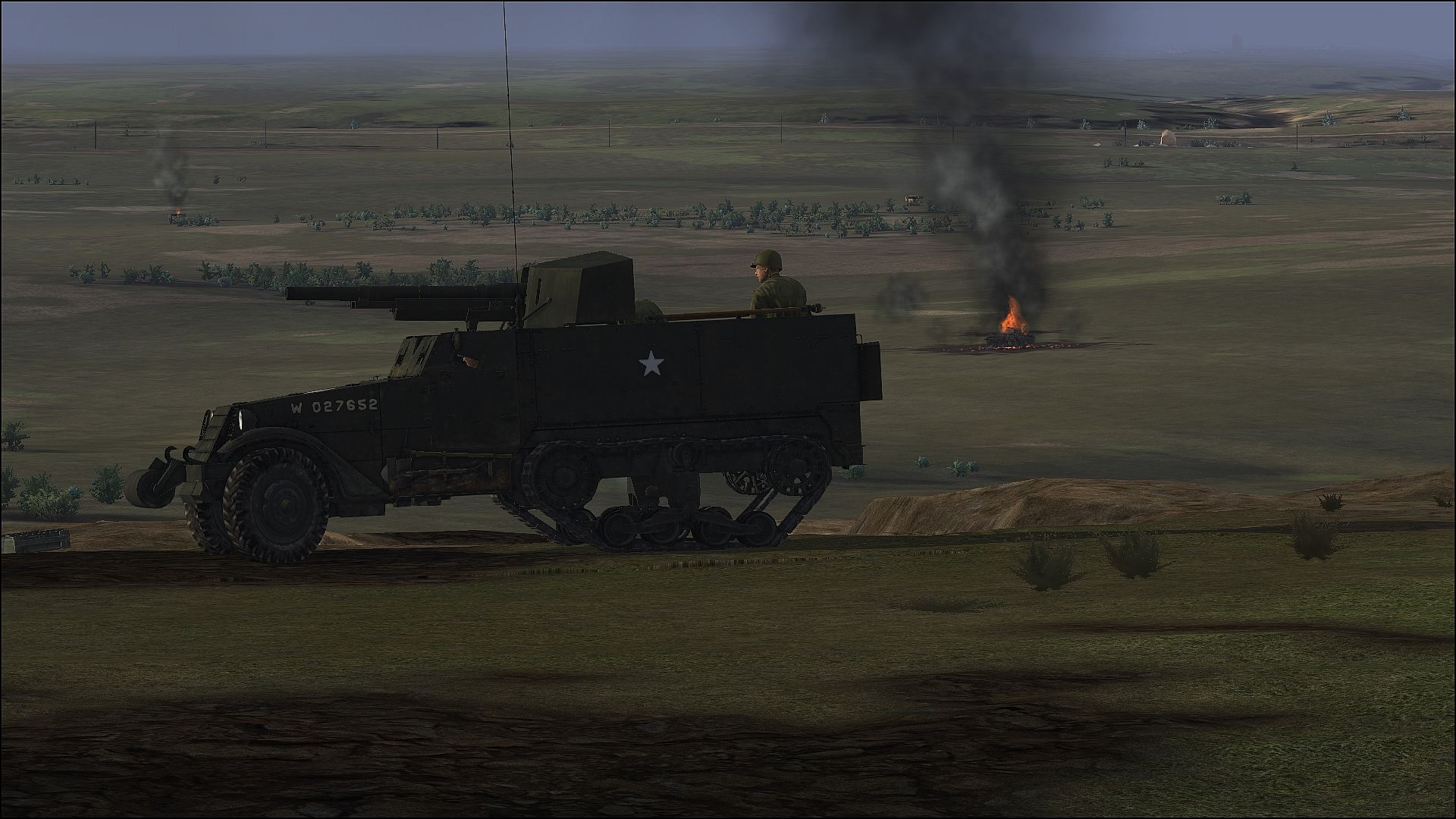
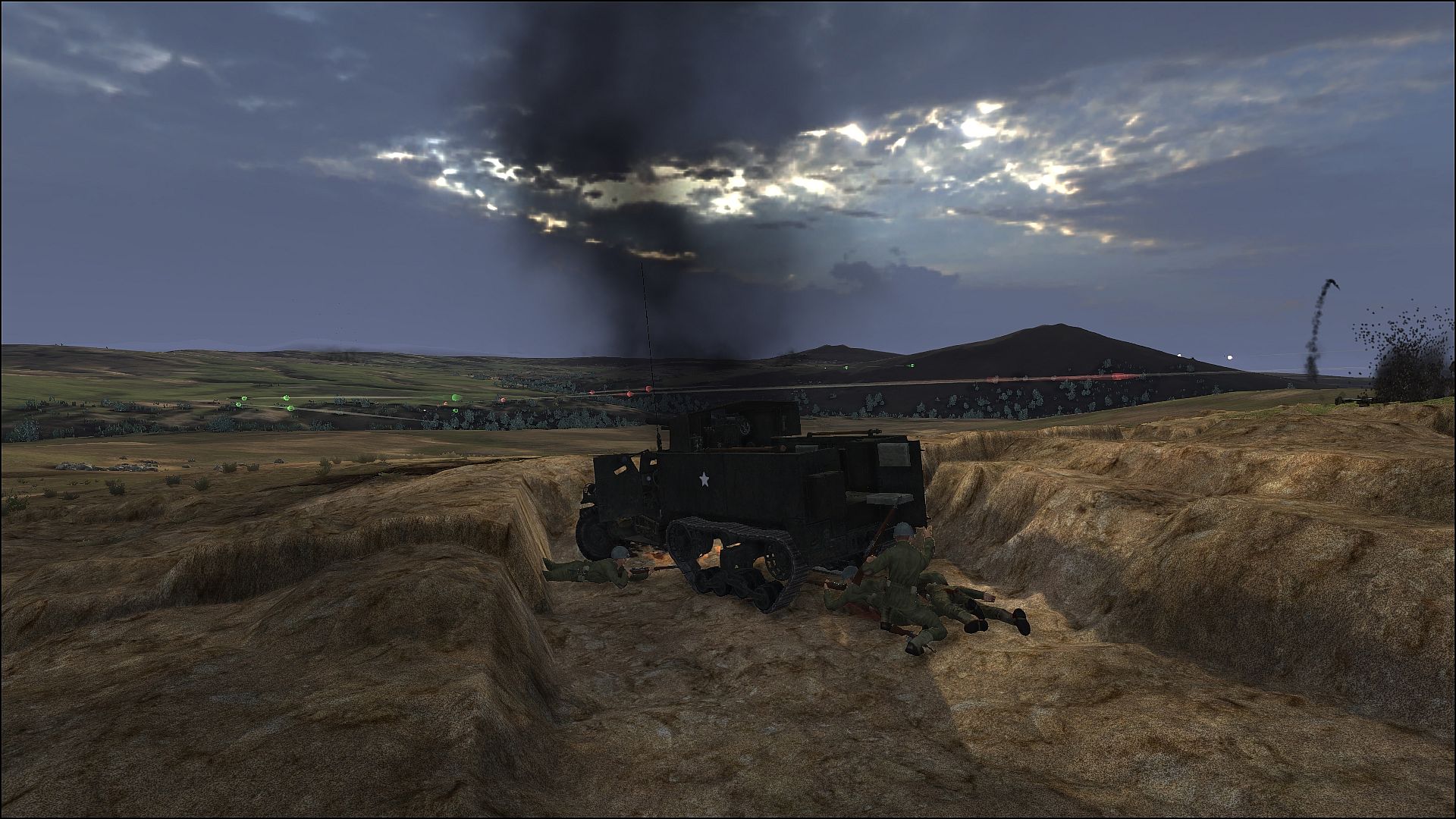
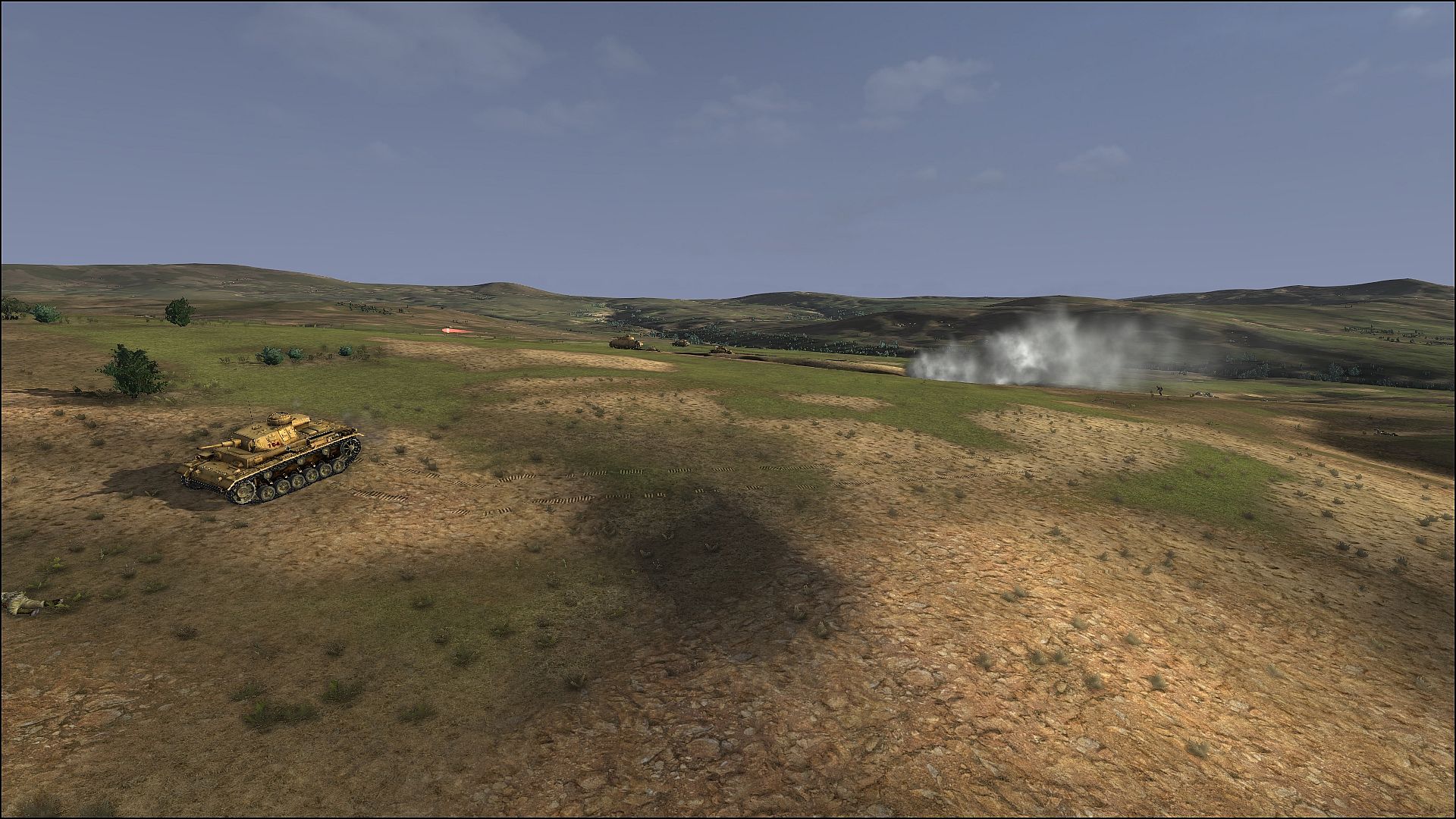
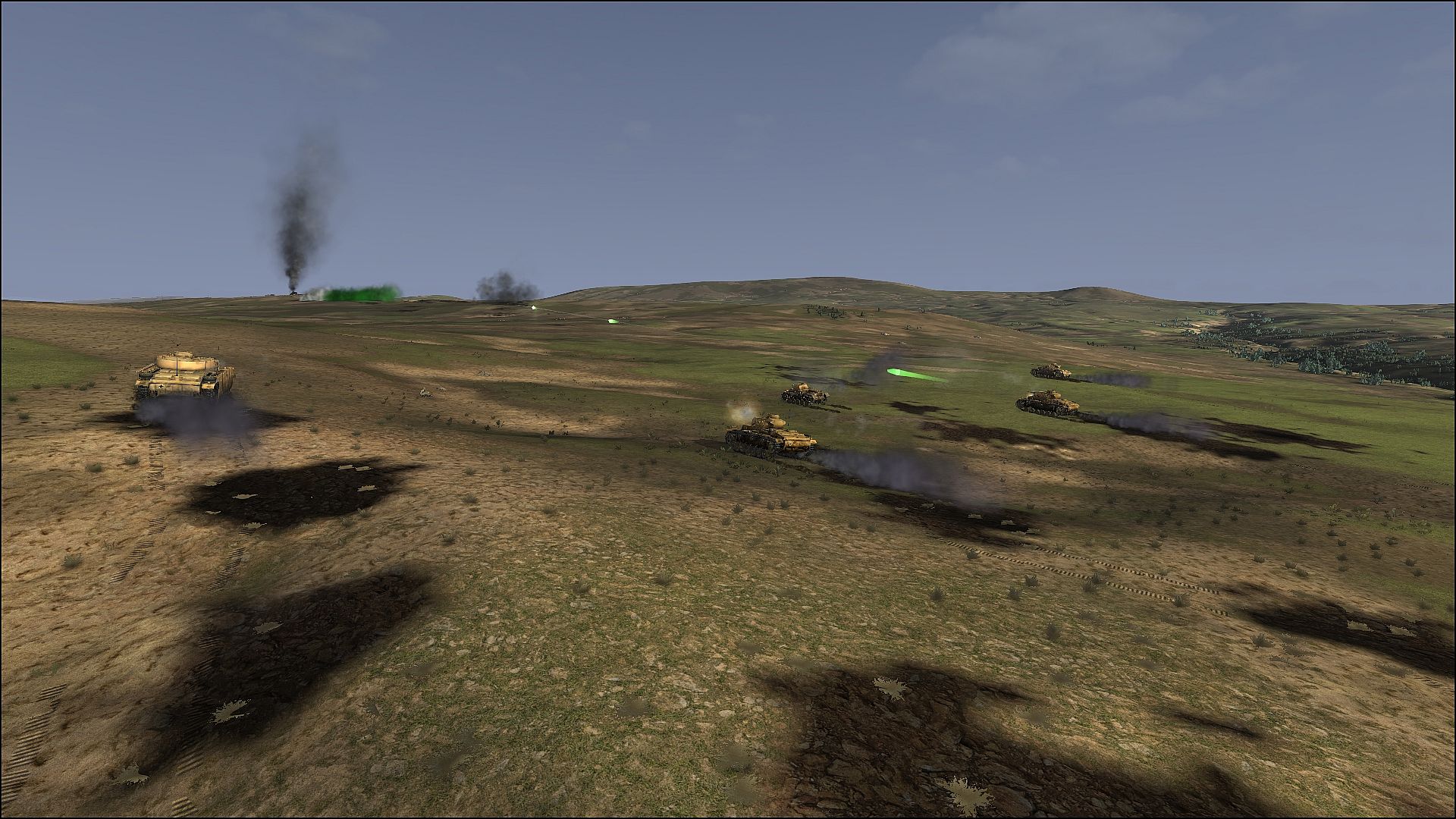
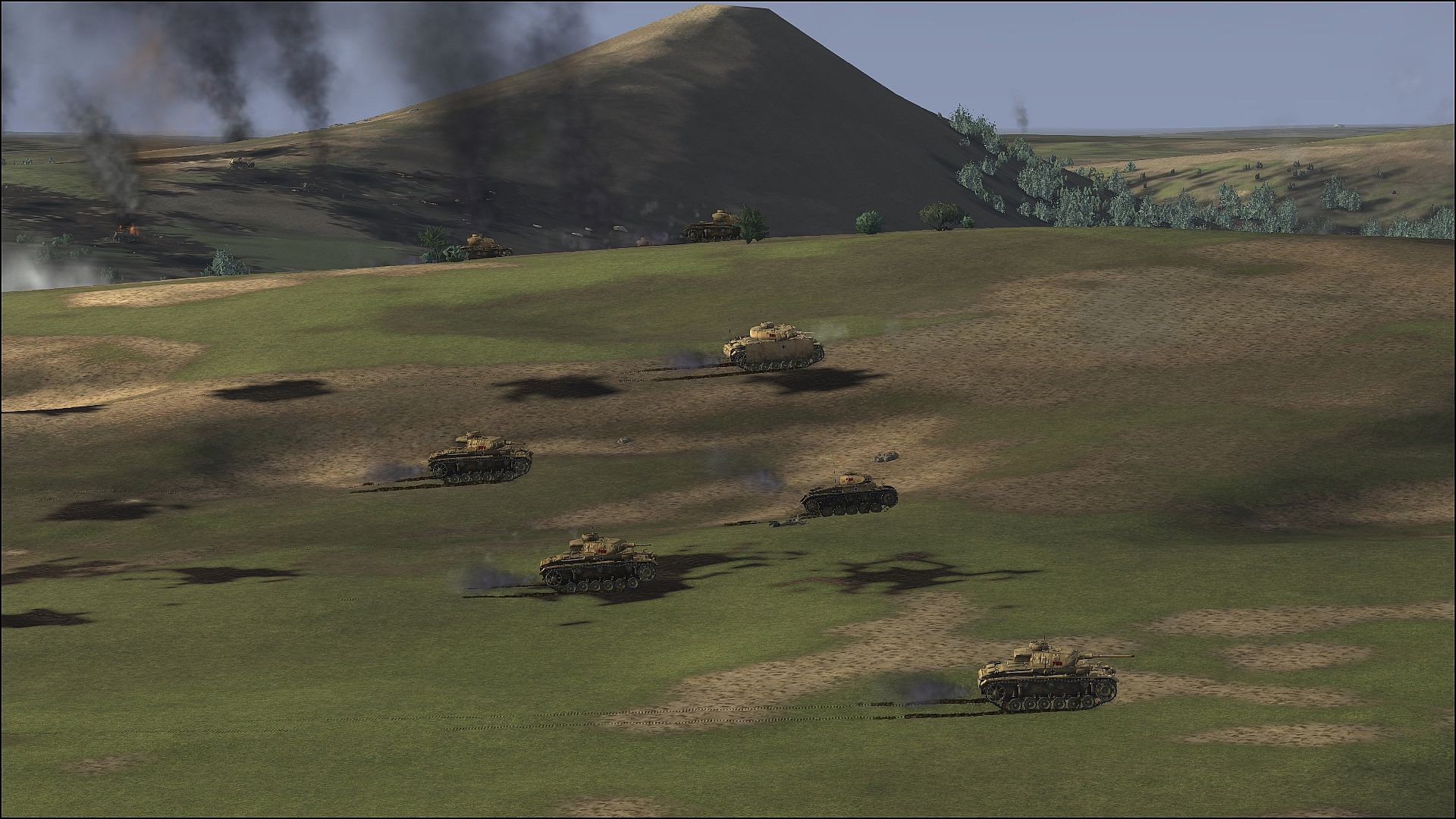
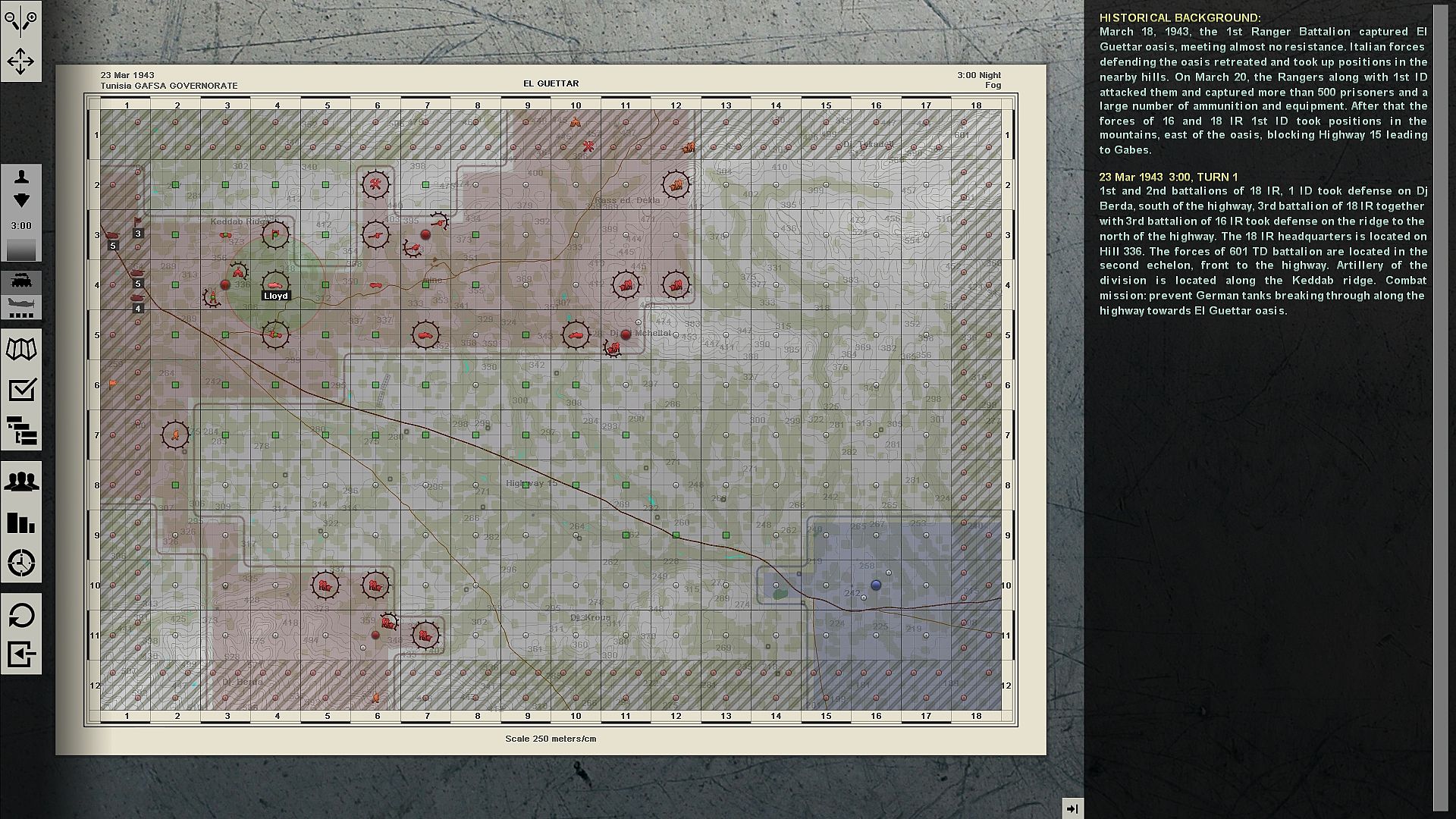
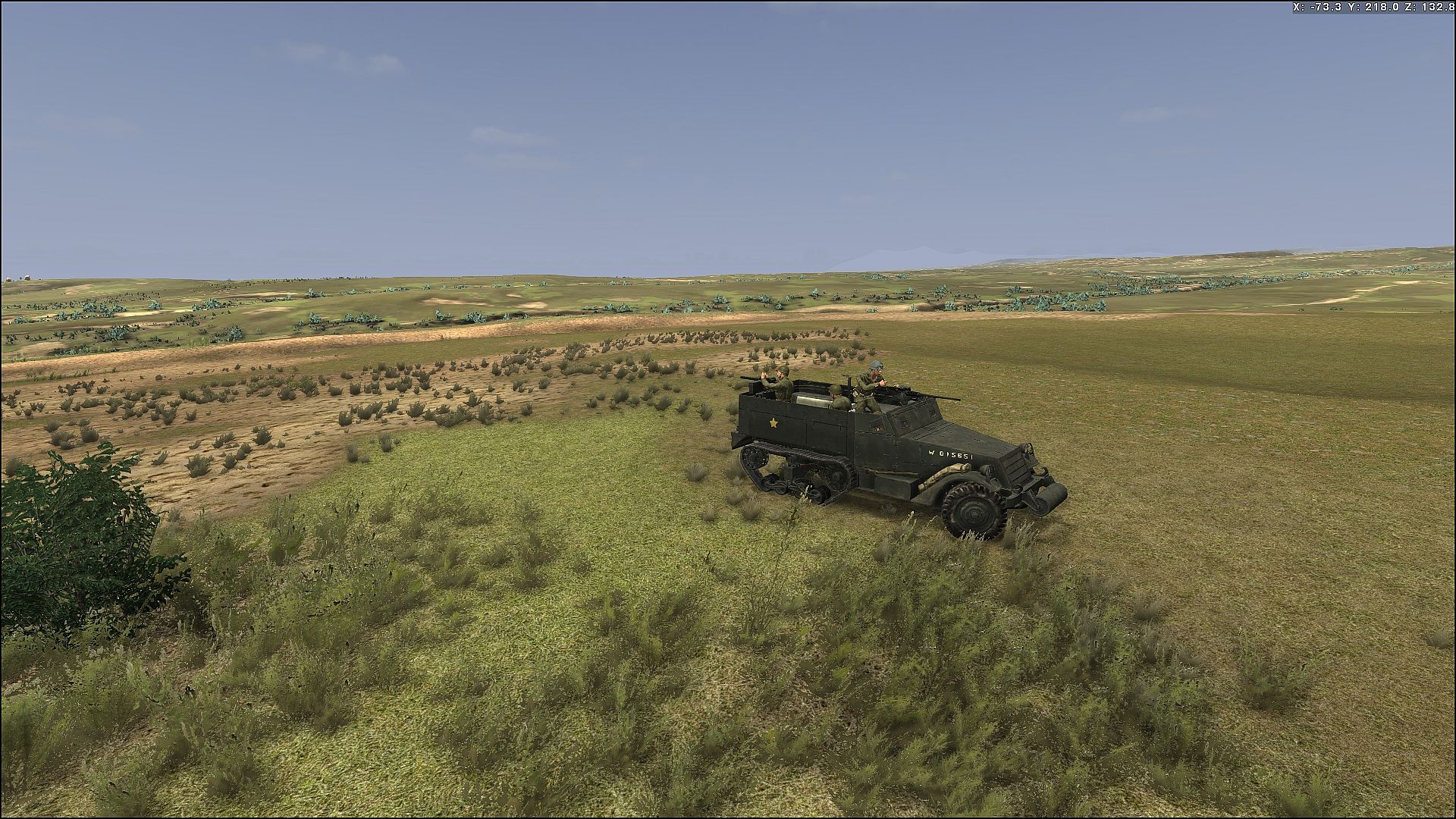
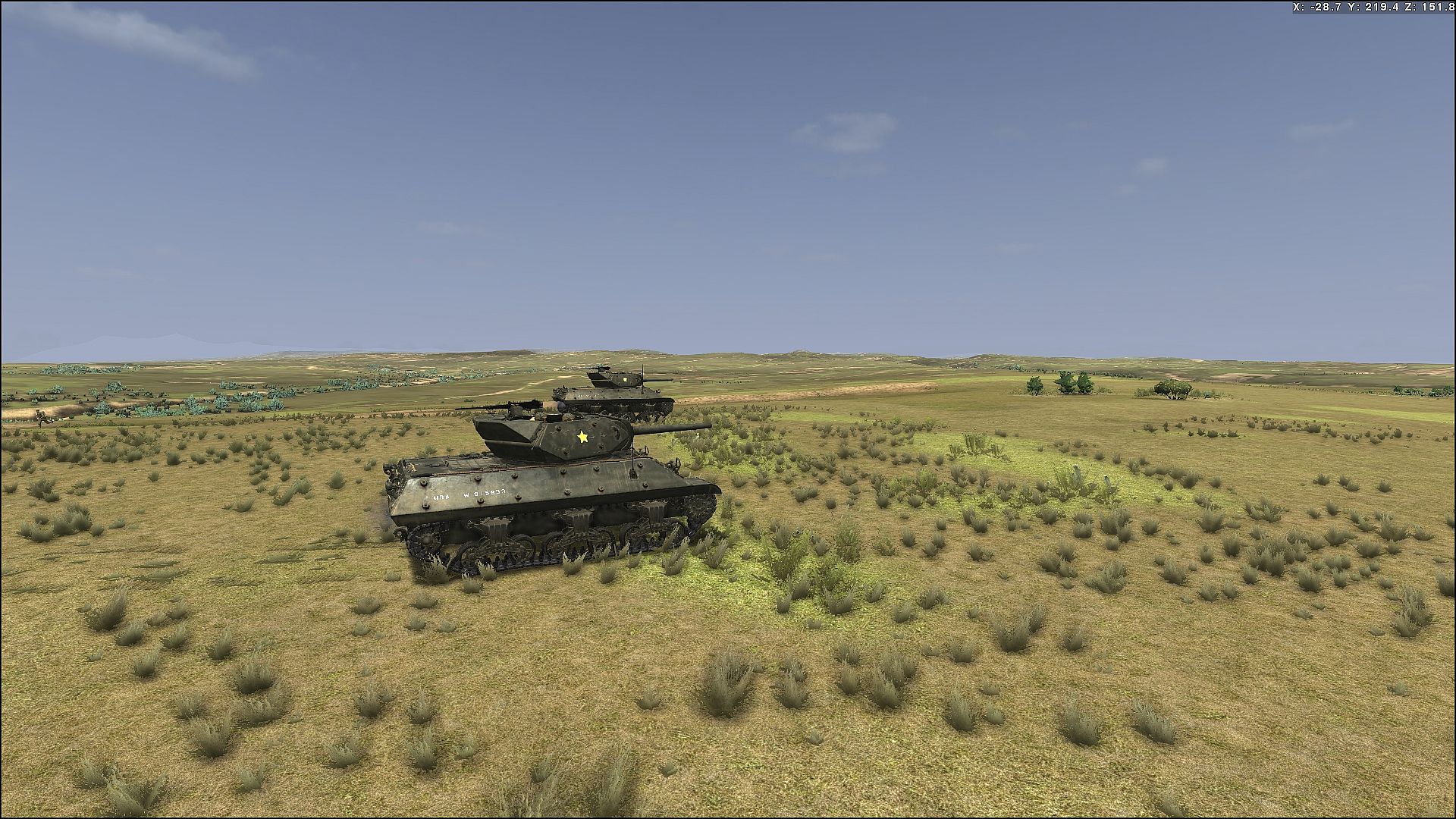
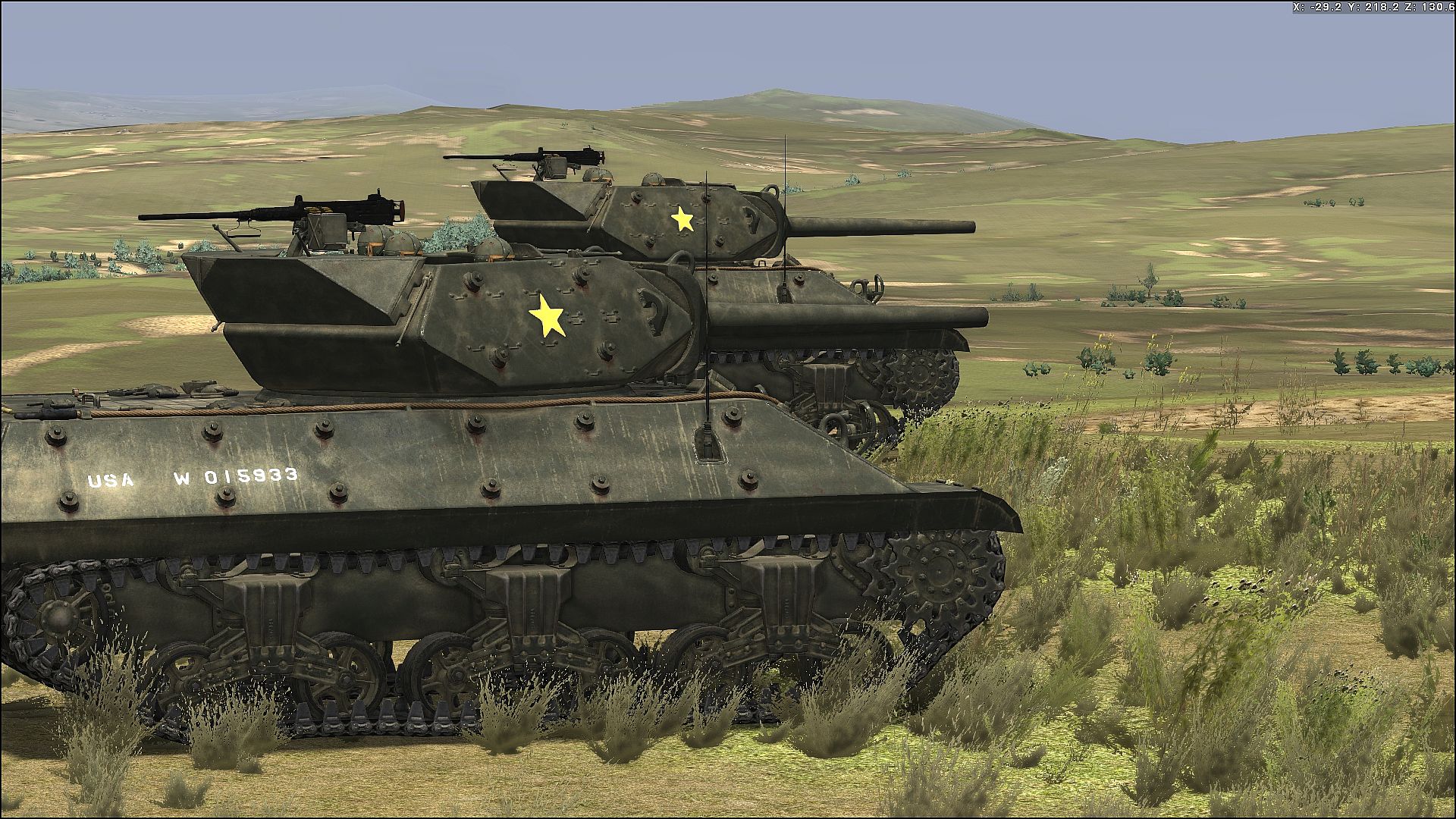
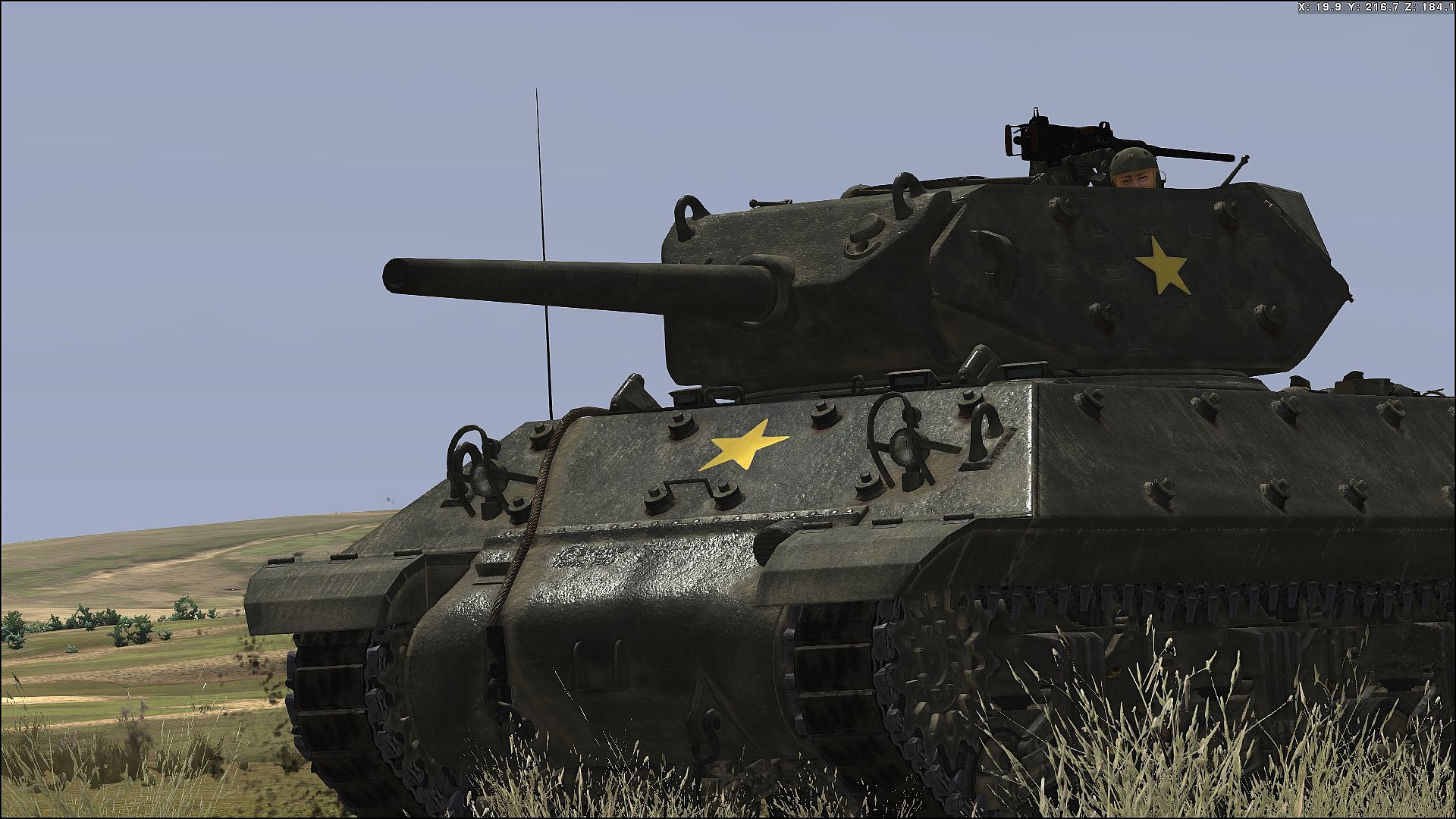
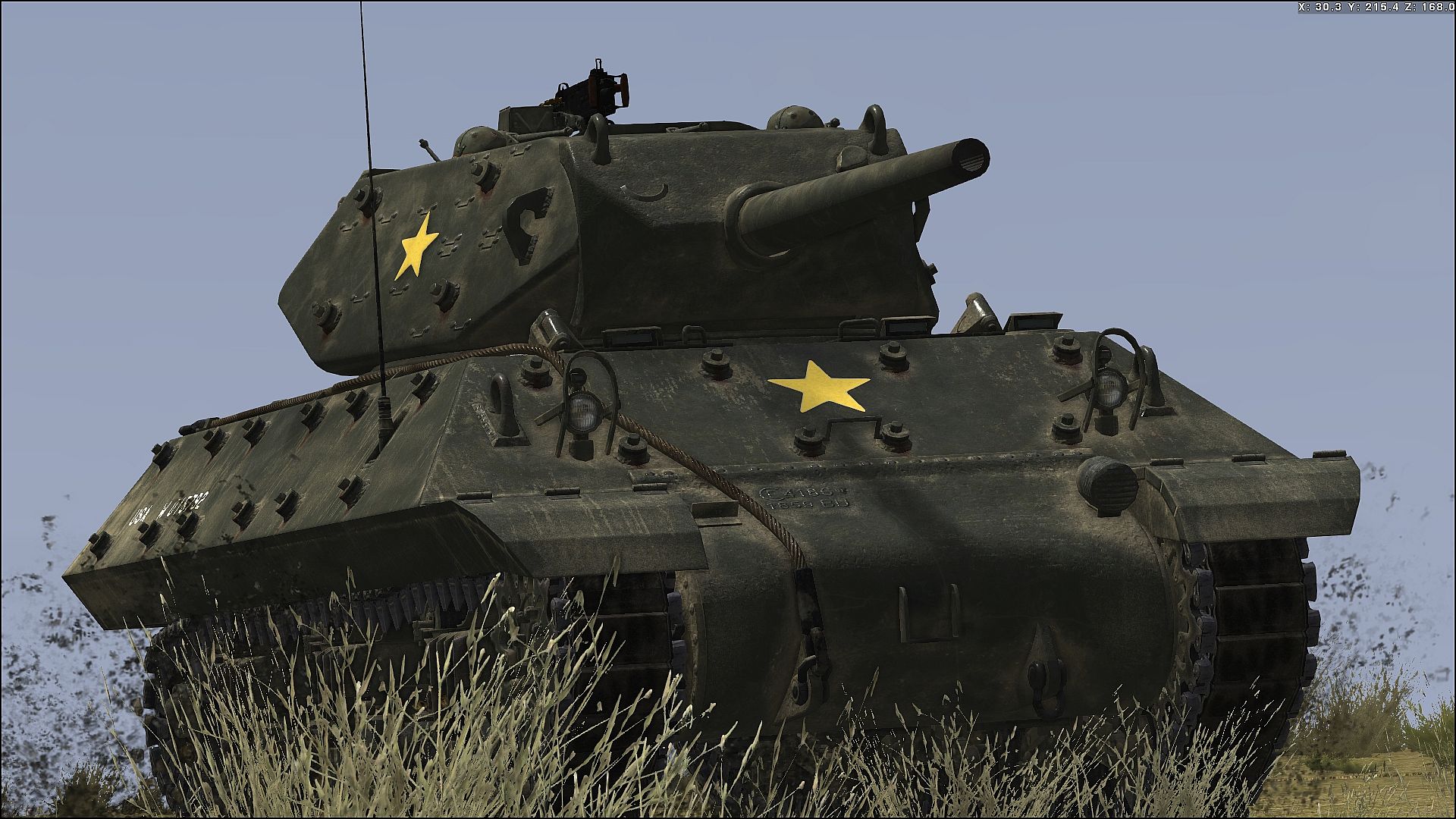
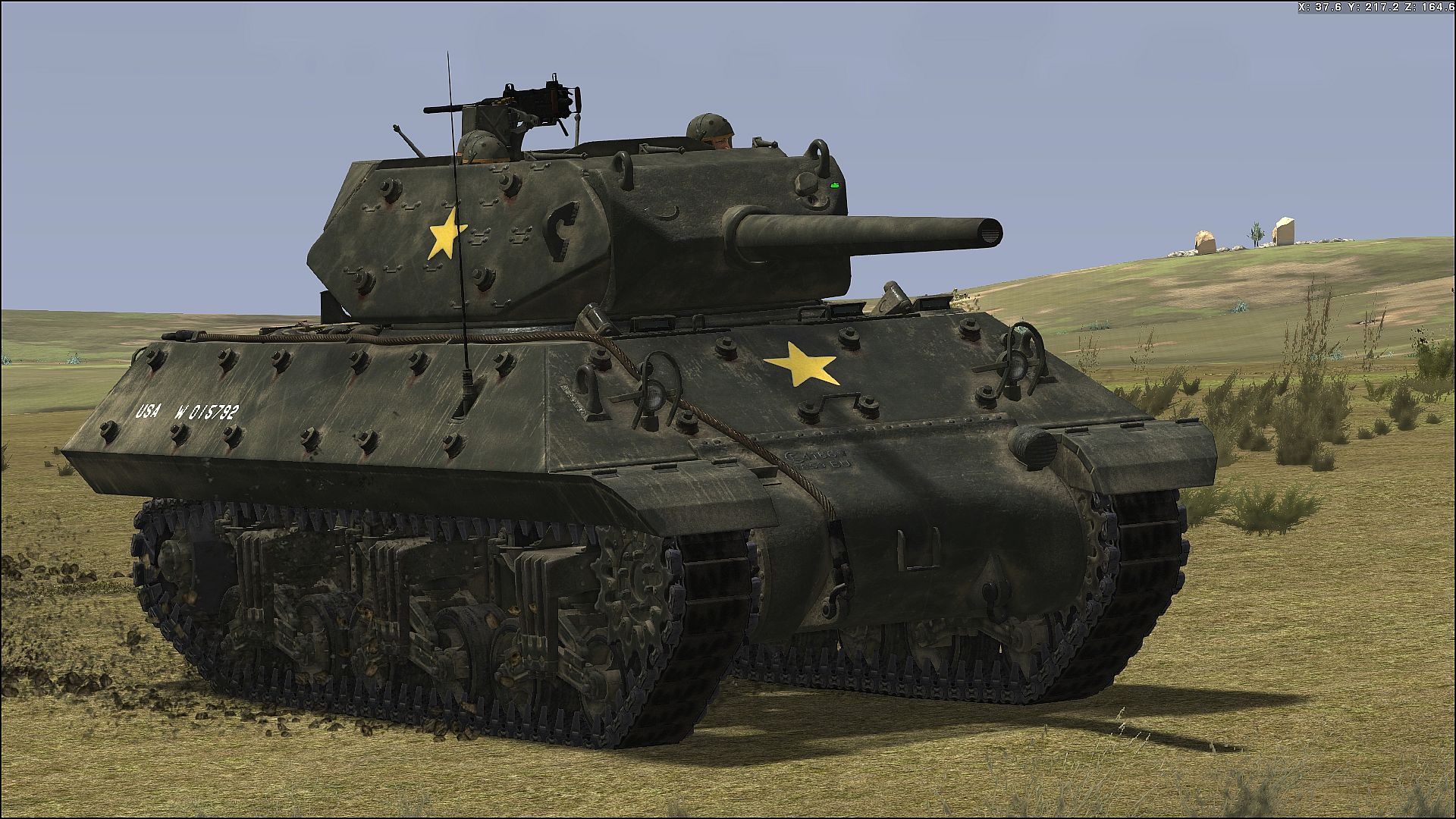
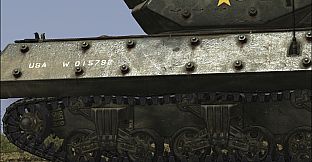
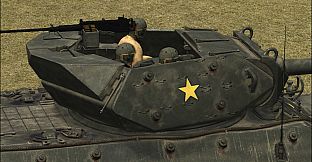
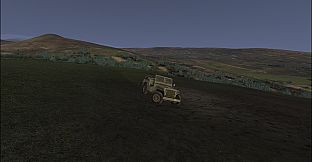
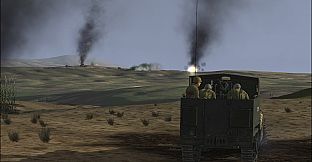
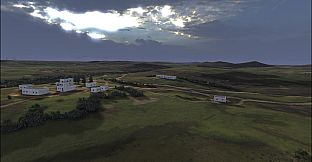
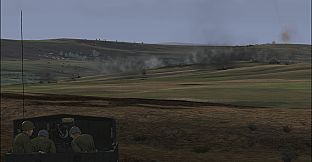
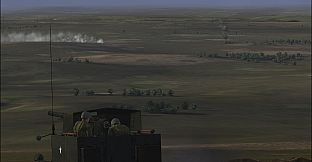
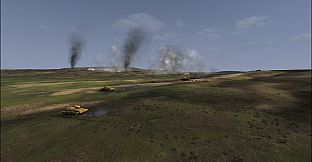
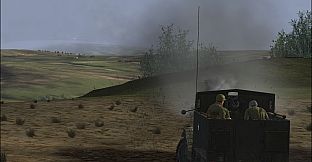
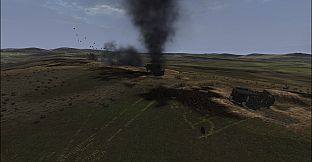
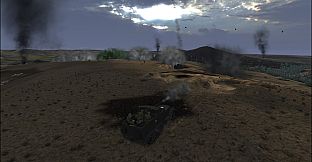
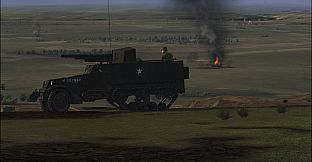
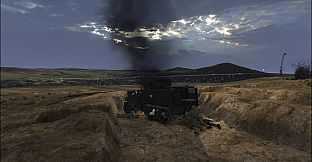
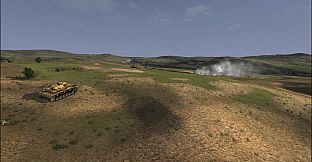
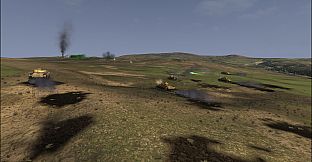
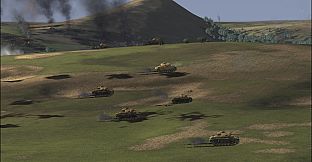
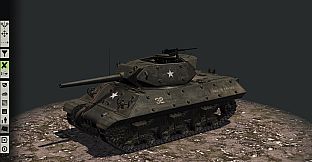
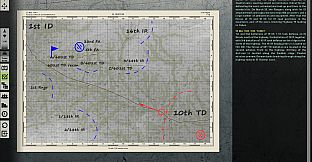
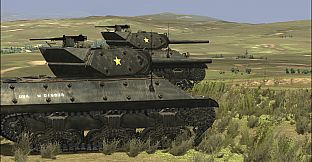
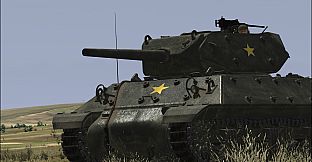
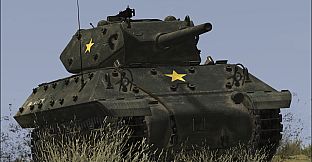
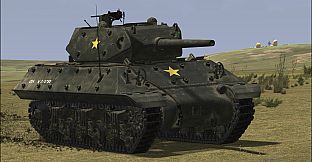
Tank Warfare: El Guettar is a strategy simulation game that recreates a specific engagement from the Tunisia campaign of World War II. Set in March 1943, it places players in command of forces around the El Guettar oasis, where Allied units including the 1st Ranger Battalion and elements of the 1st Infantry Division faced a German counteroffensive led by the 10th Panzer Division.
Gameplay
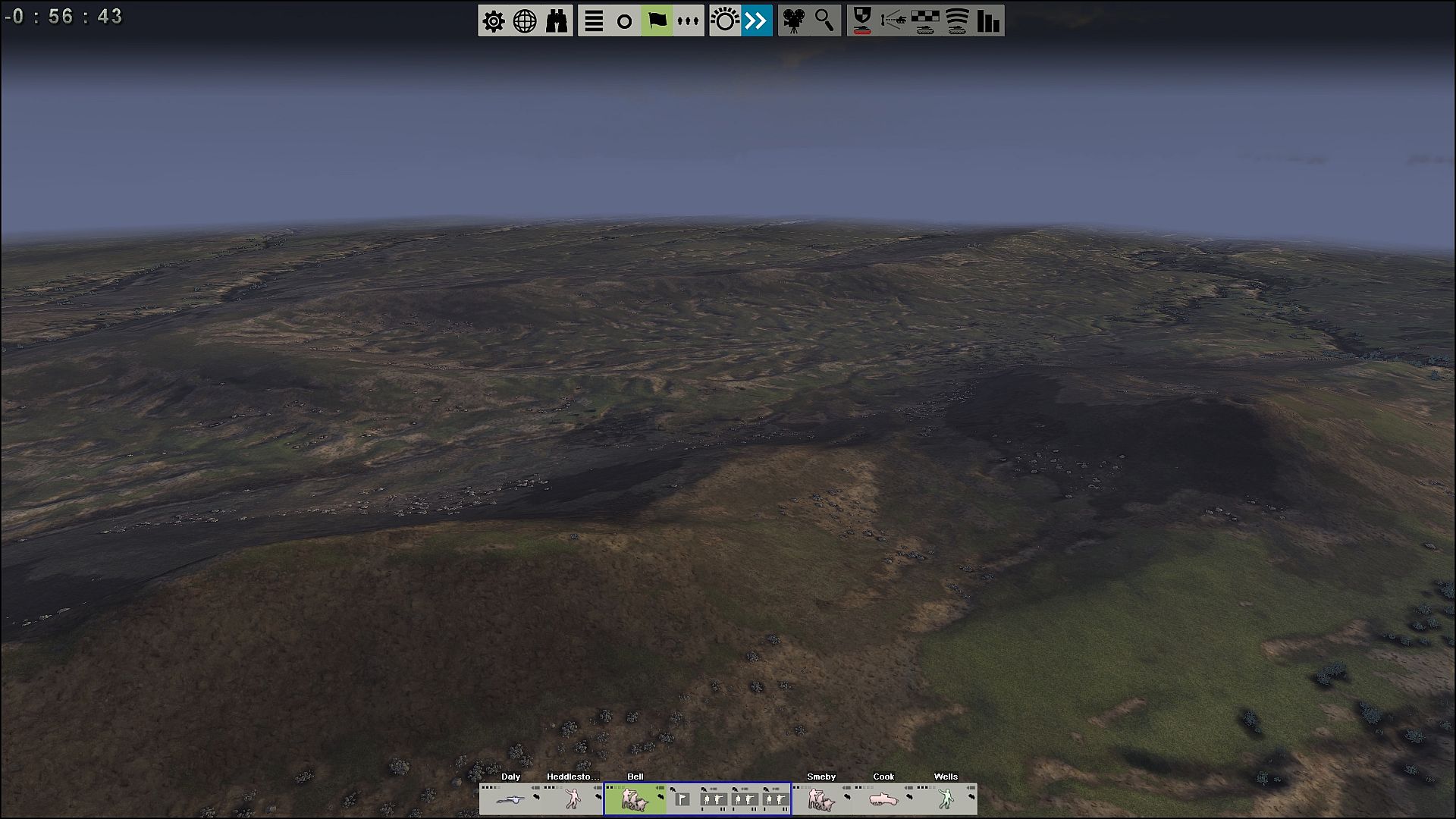
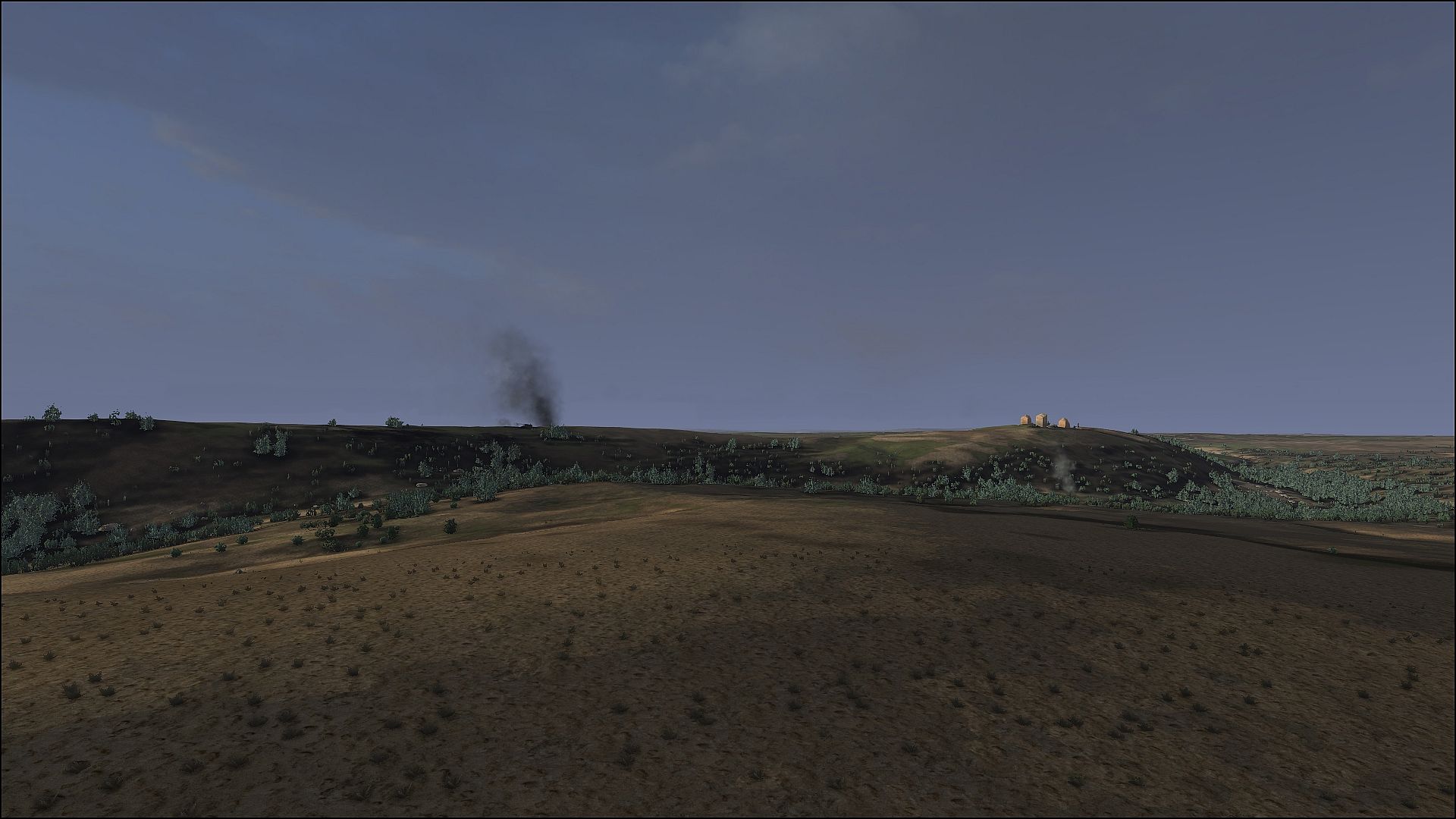
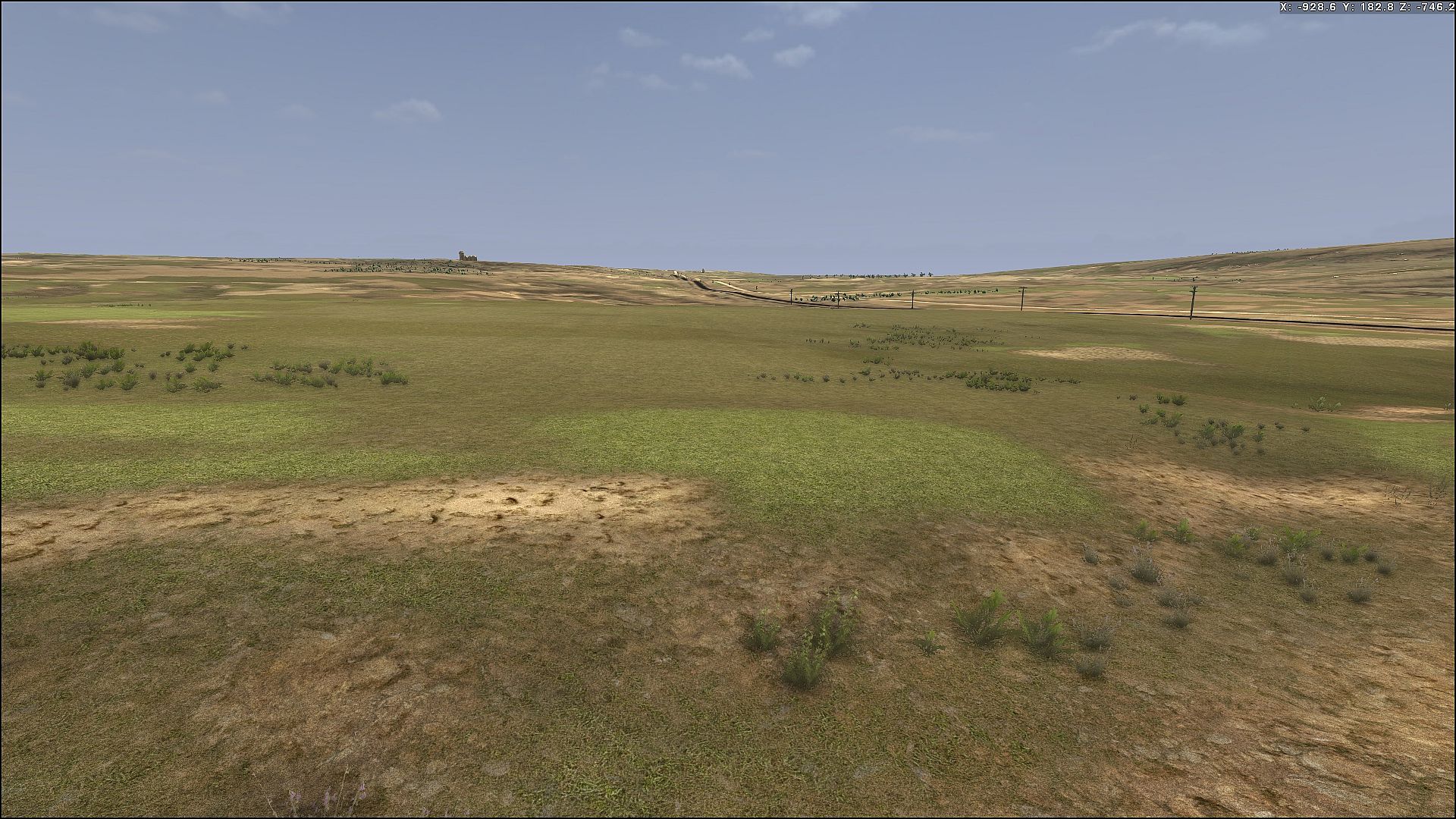
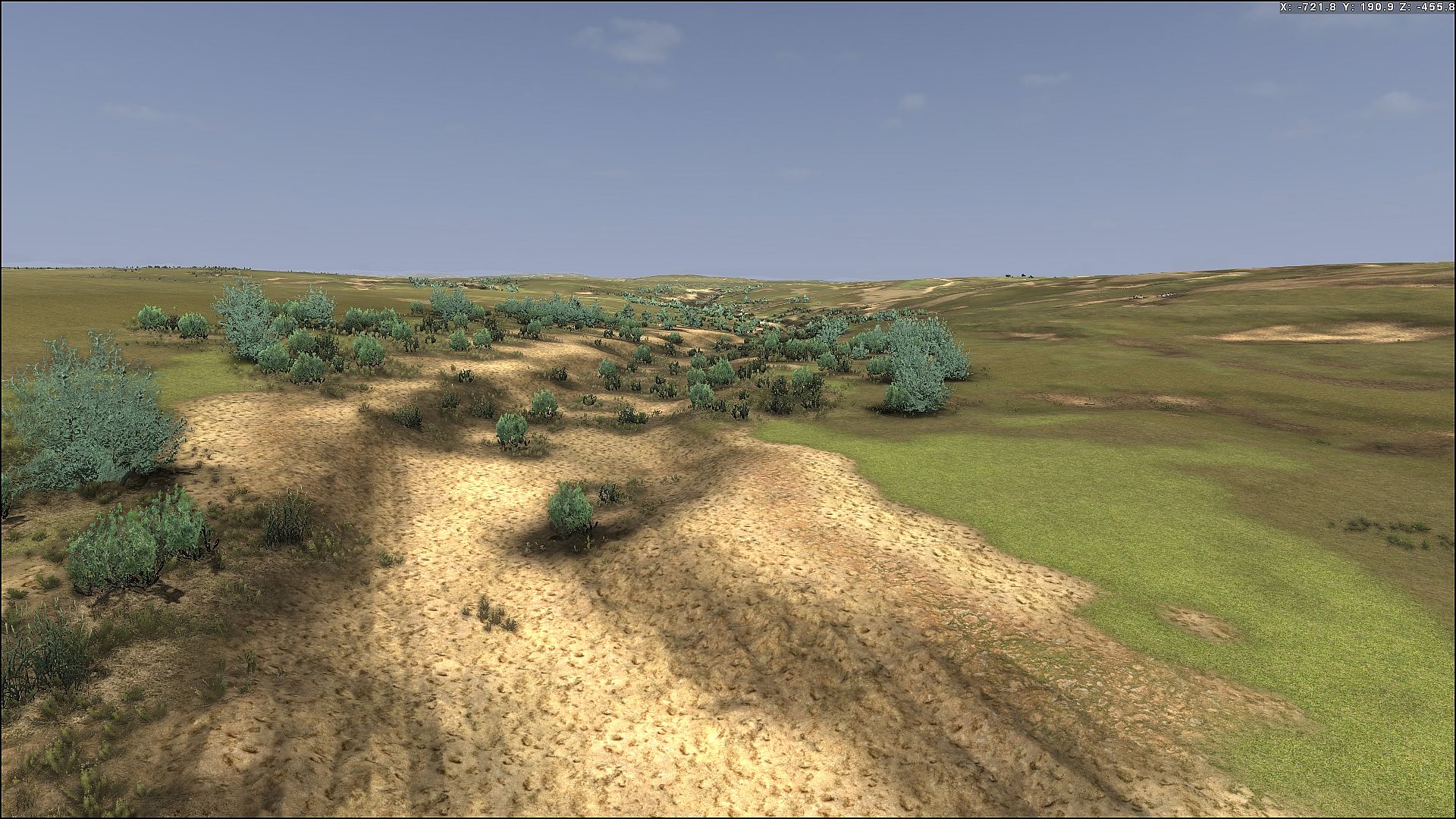
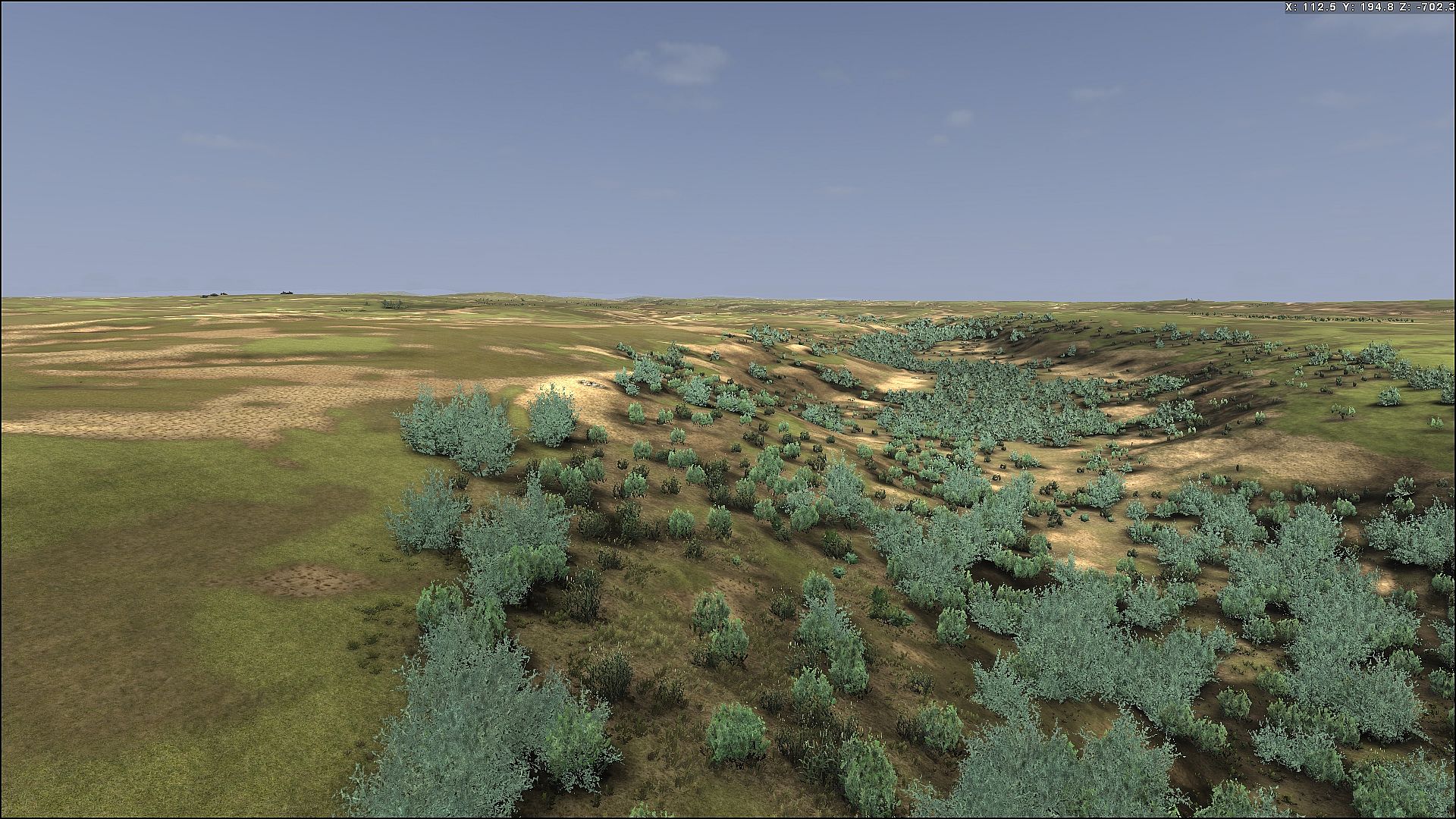
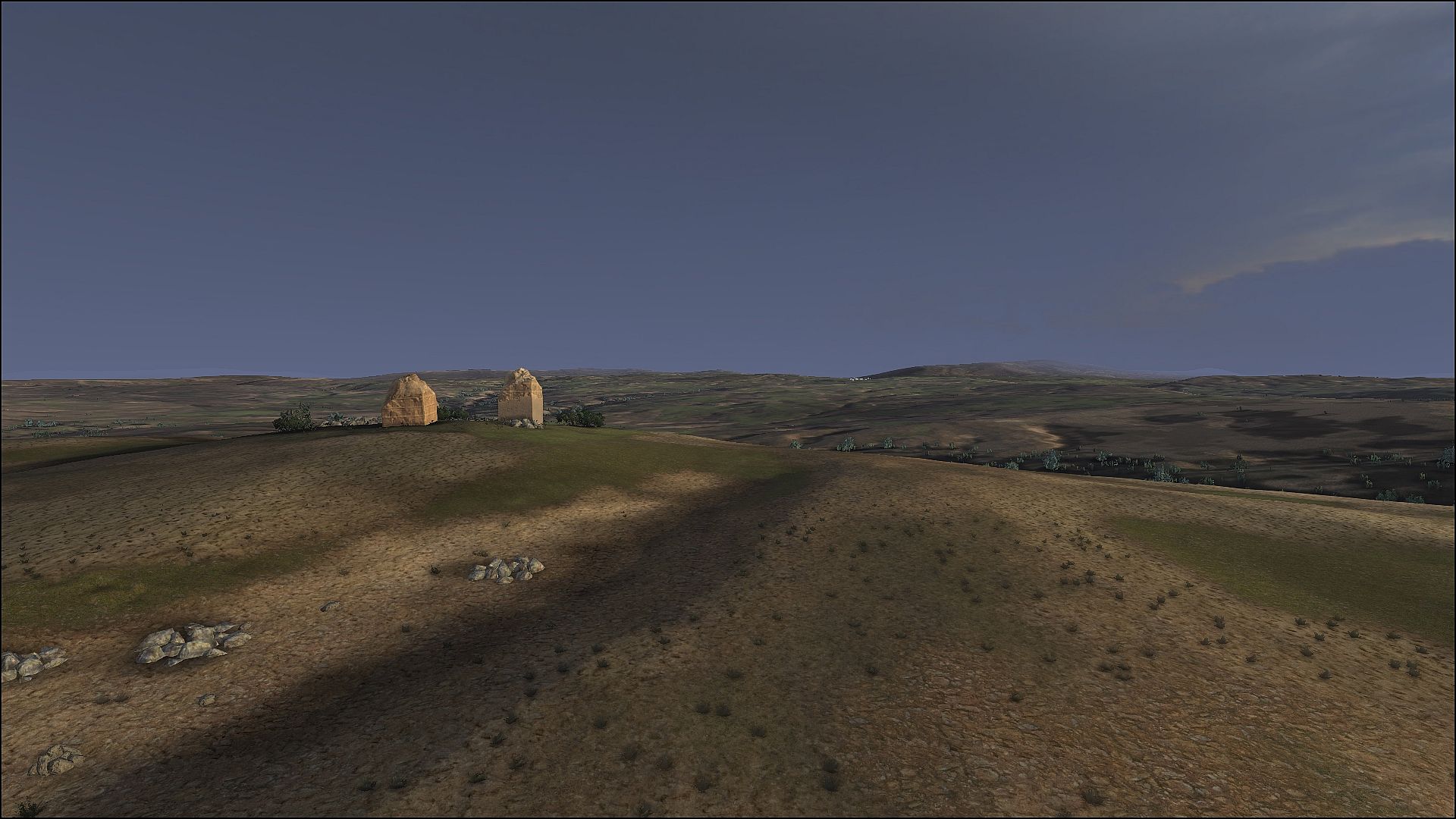
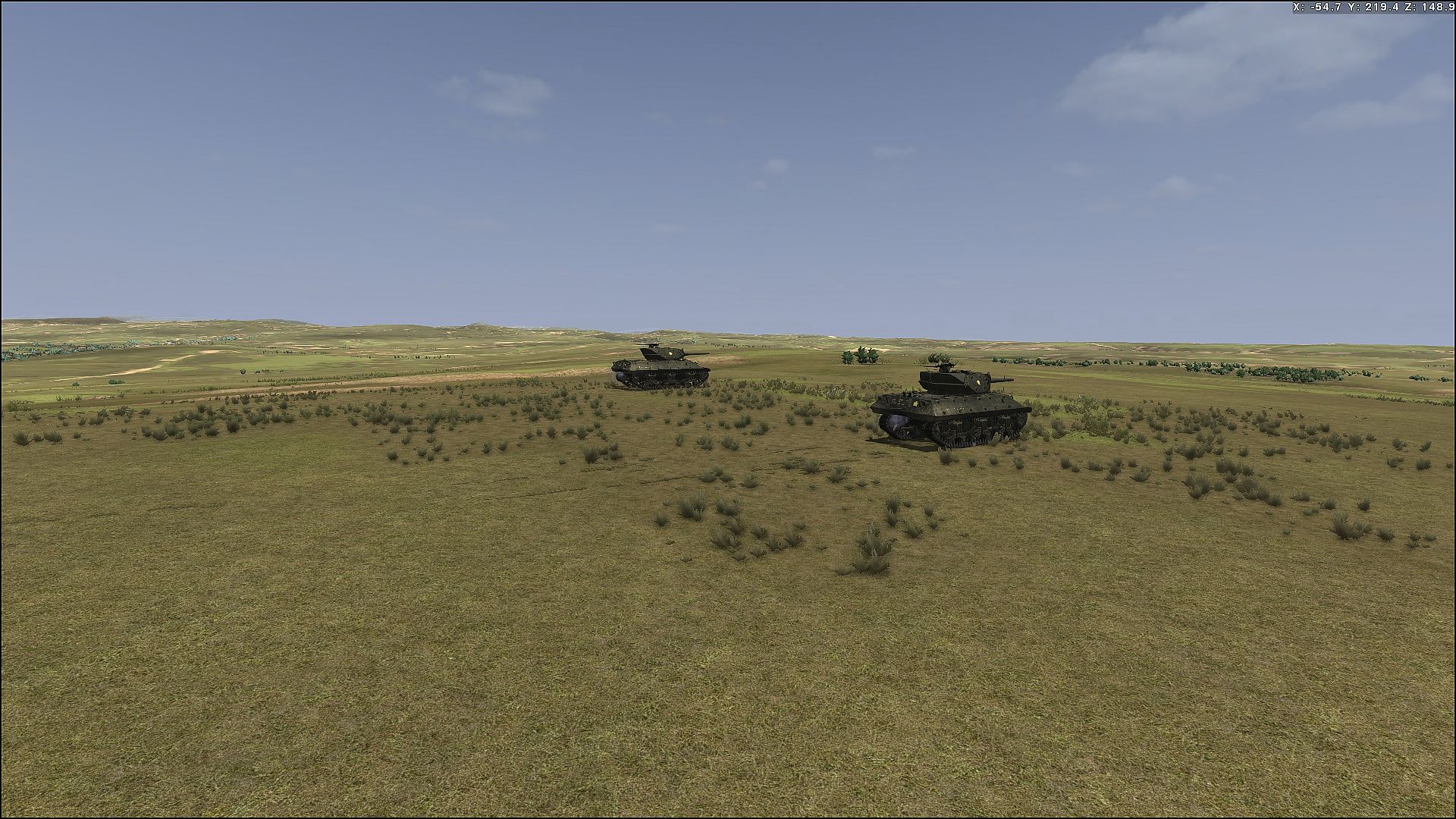
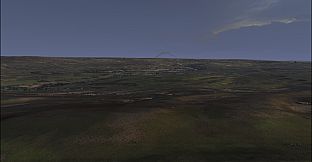
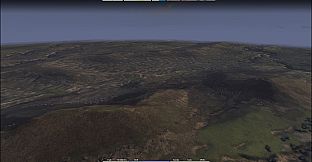
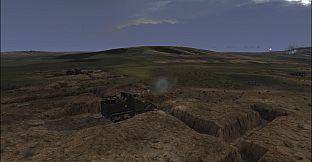
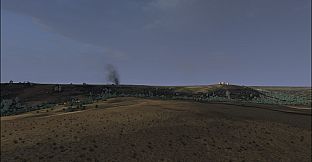
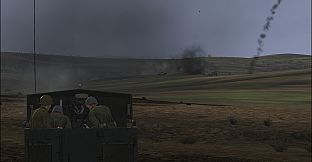
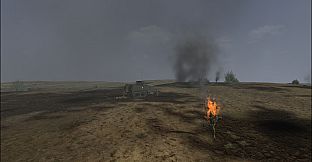
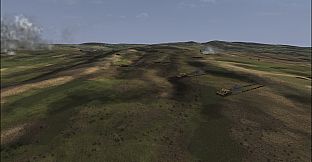
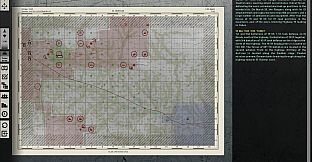
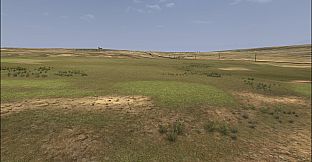
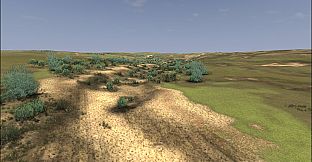
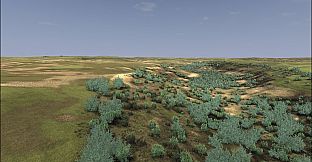
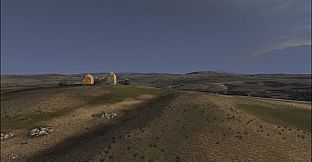
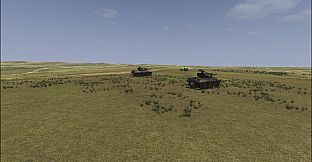
The core loop combines operational planning with tactical execution on a large, detailed map spanning more than 200 square kilometers. Players manage unit positioning across ridges, mountains, semi-desert terrain, marshes, and gullies that affect movement and line of sight. Historical organizational structures dictate available forces, with attention to how infantry, tanks, and artillery interact under the conditions of the period.
Formation options include lines and columns, with choices for road movement or covert approaches. Infantry can follow tanks, and players set delays or define fire sectors to control engagements. The system emphasizes realistic constraints on supply, positioning, and reinforcement during the course of operations.
Game Modes
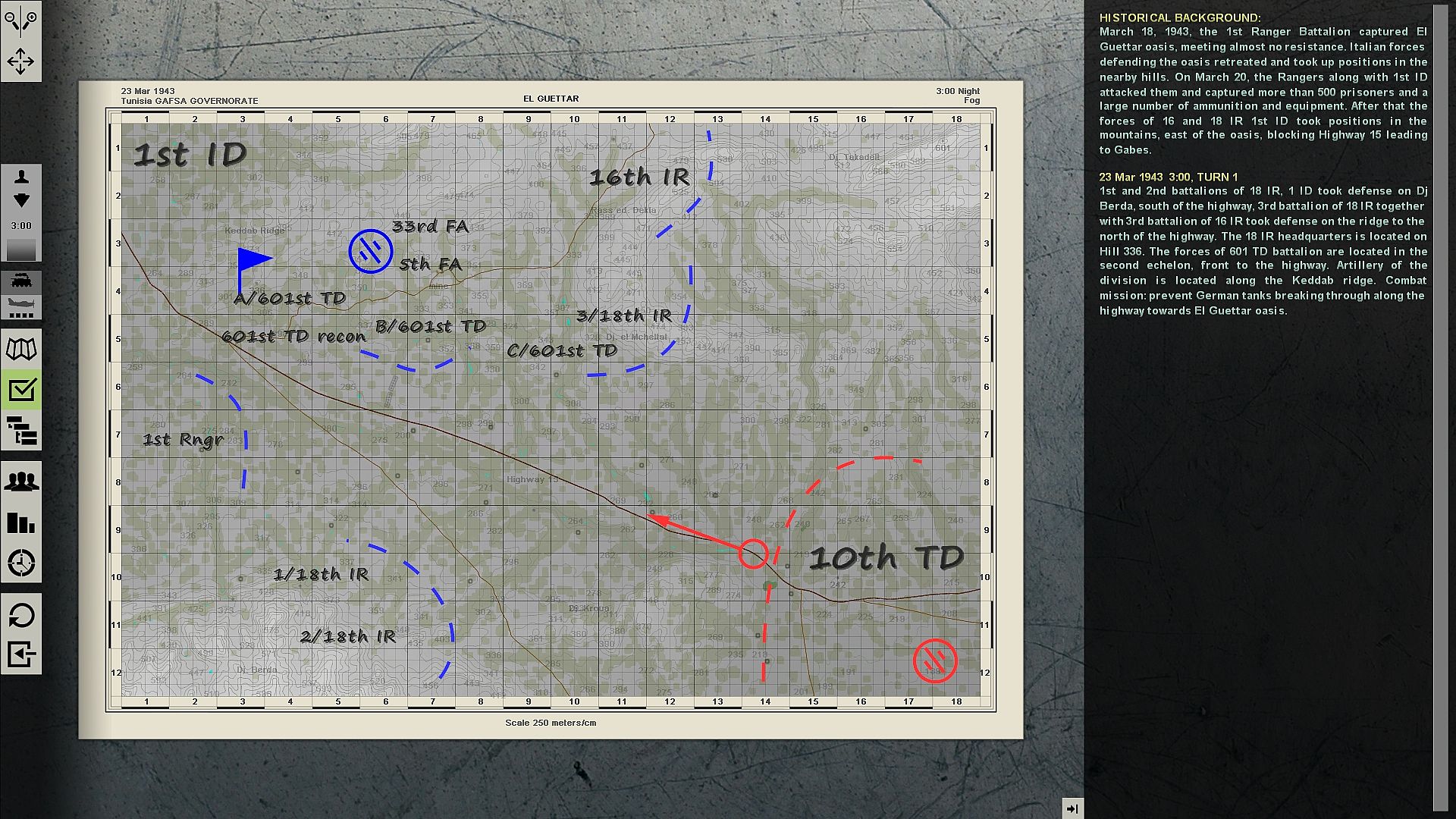
Two operations are available, each consisting of seven turns and playable from either the Allied or German perspective. One side begins with the capture and defense of the oasis area, while the opposing operation focuses on the planned counterattack along Highway 15. These scenarios run independently but share the same recreated battlefield and unit data from the historical event on March 23, 1943.
Progression through each operation involves sequential turns where forces are shifted, concentrated, resupplied, or replaced before tactical clashes occur. The structure rewards careful allocation of limited resources across the multi-turn campaign.
Historical Setting and Units
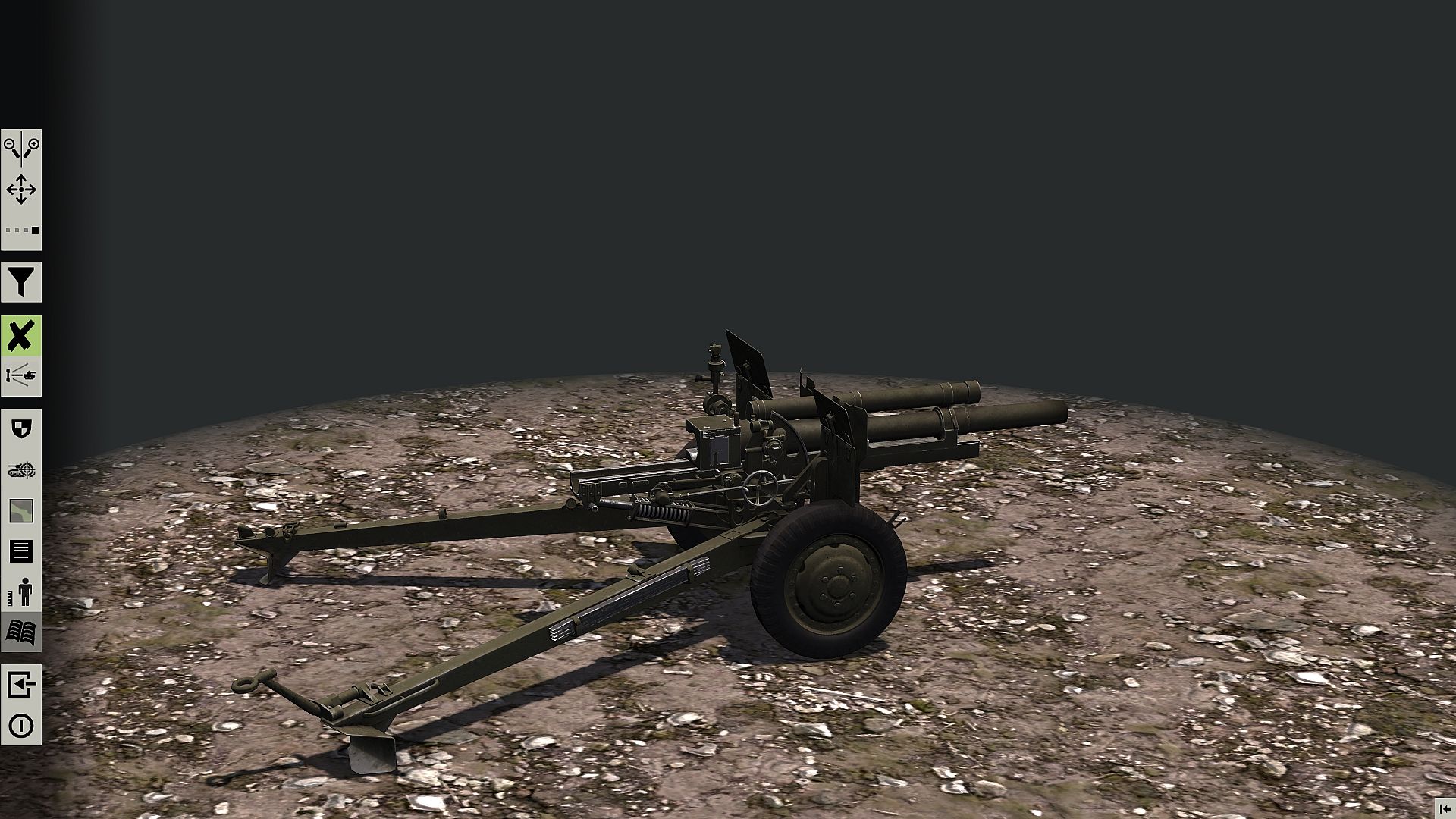
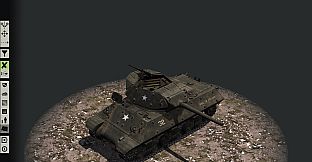
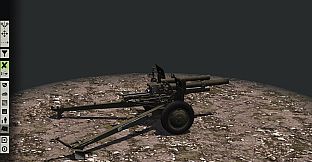
The game draws directly from documented events. After the Rangers secured the oasis with minimal initial resistance, Italian defenders withdrew to nearby hills. Subsequent Allied advances captured hundreds of prisoners along with equipment. German reinforcements then arrived to launch a counteroffensive aimed at retaking the position and opening the route toward Gabes. Artillery placements along the Keddab ridge and tank destroyer battalions in reserve form part of the recreated order of battle.
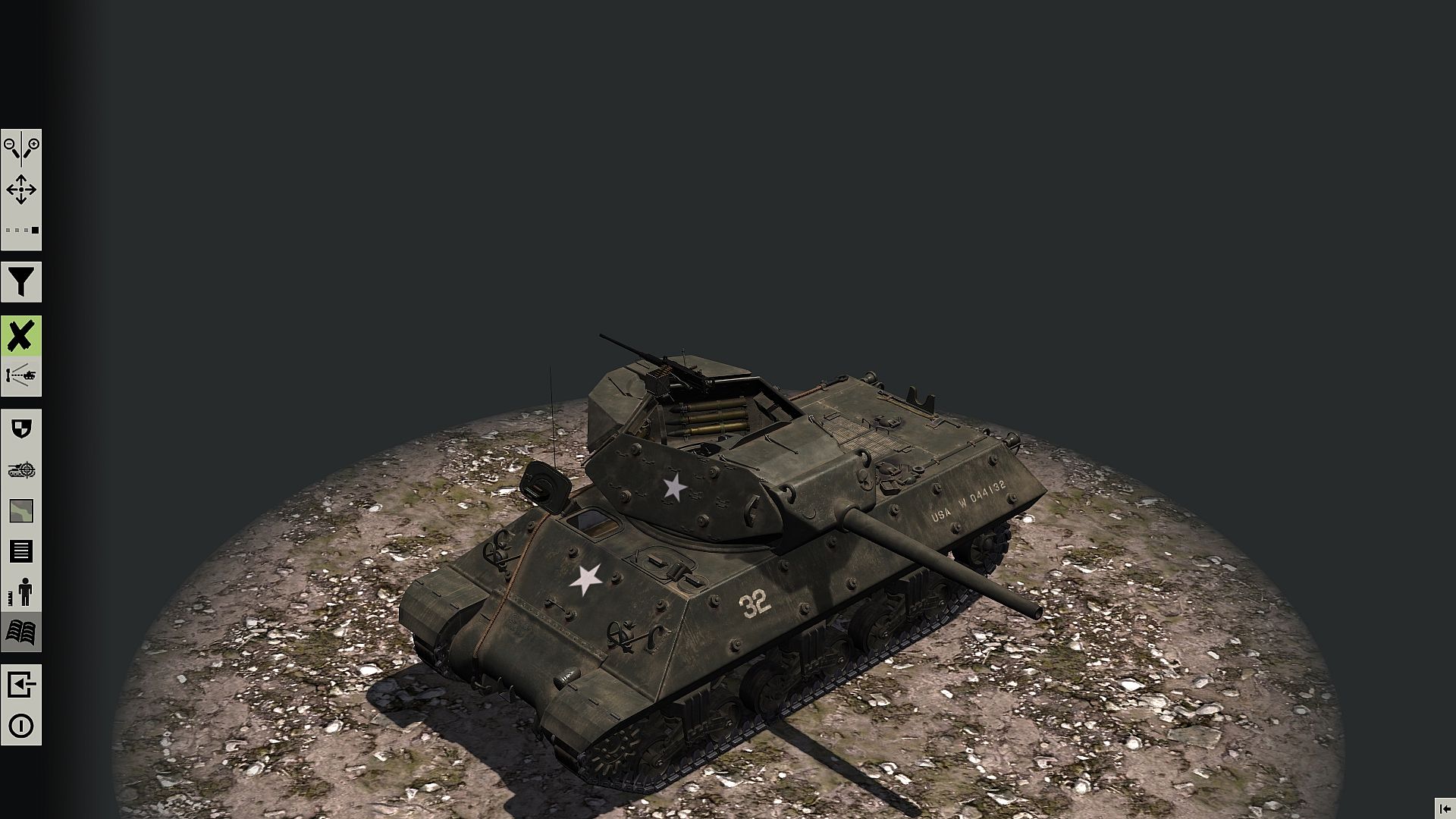
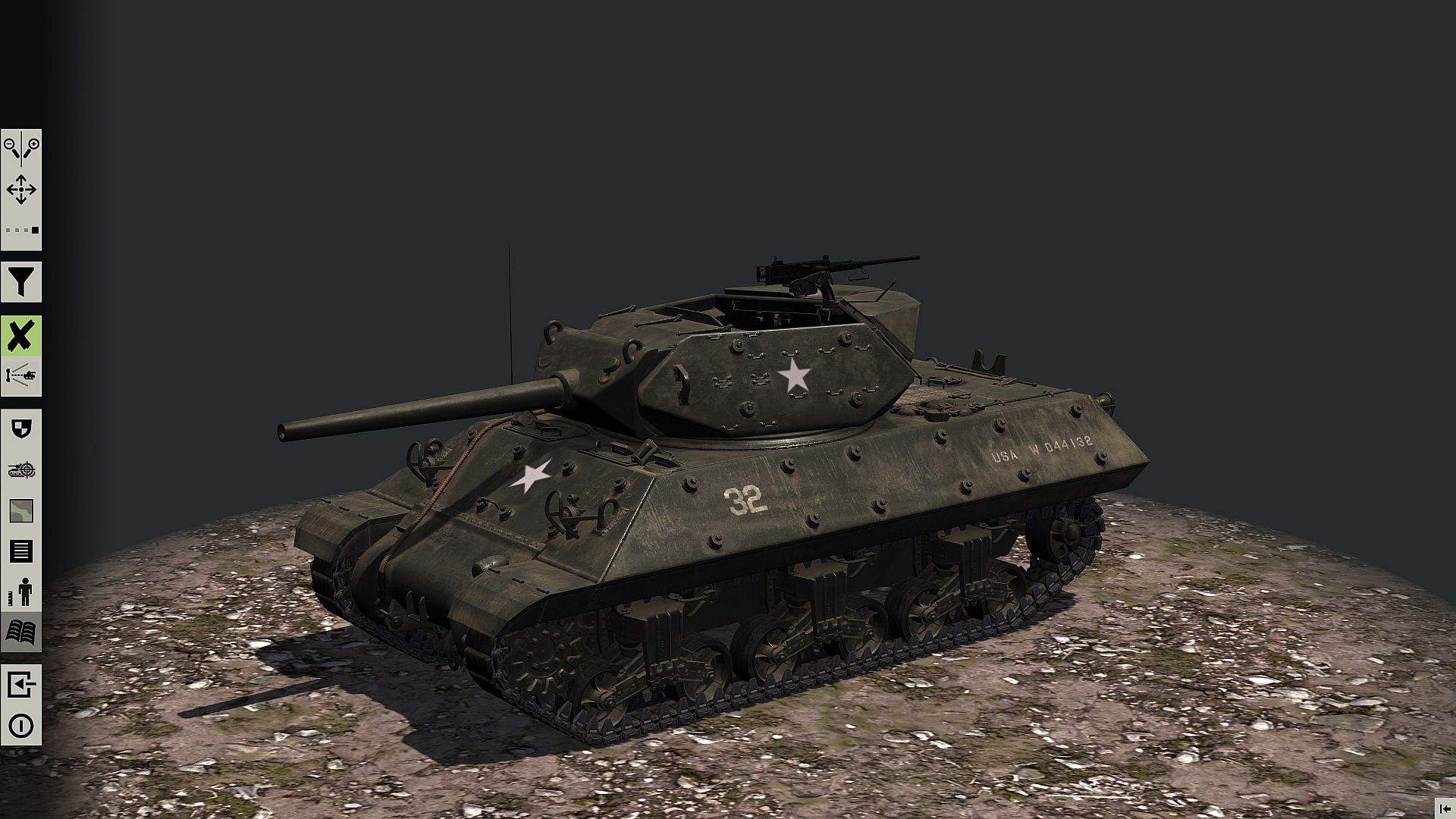
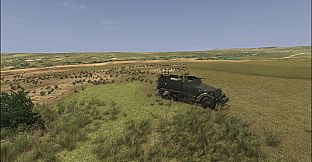
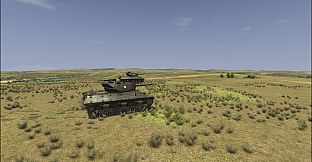
Unit data reflects the period, including the composition of the 10th Panzer Division with its tanks and armored personnel carriers. Terrain features influence how these forces can maneuver and engage.
Is It Worth Playing?
This title suits players who seek detailed historical wargaming rather than fast-paced action. The limited number of operations and focus on a single battle mean the experience centers on repeated playthroughs from both sides to explore different approaches. With only a small number of user reviews available, reception remains niche but centers on appreciation for the accurate recreation of the battlefield and unit structures.
Those interested in operational-level decision making combined with tactical detail will find the mechanics rewarding. Newer players may need time to learn the formation and movement systems before results improve. The game runs on modest hardware and has seen no major updates since its 2017 release, so expectations should align with a focused, single-campaign simulation rather than ongoing content additions.