












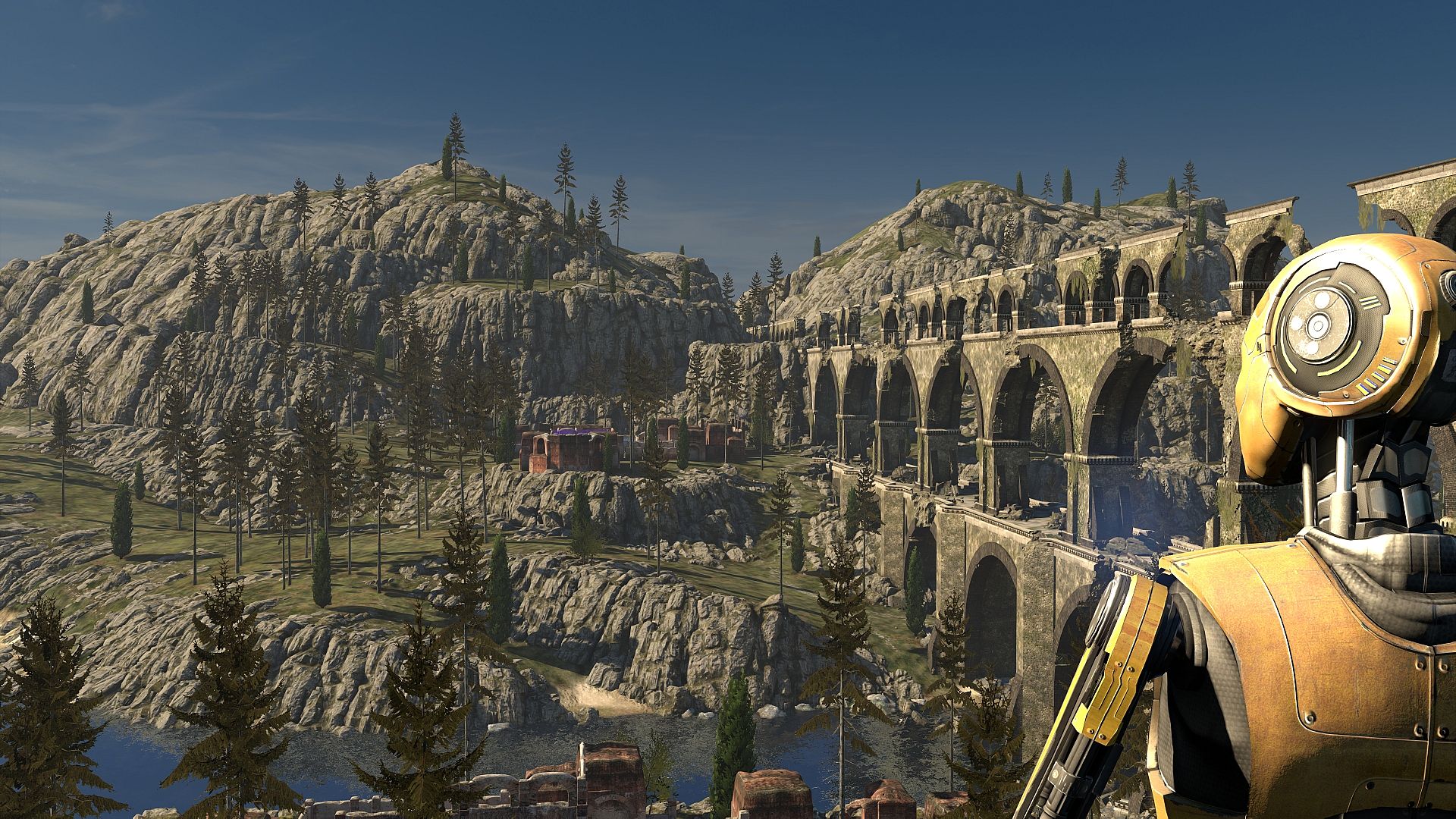
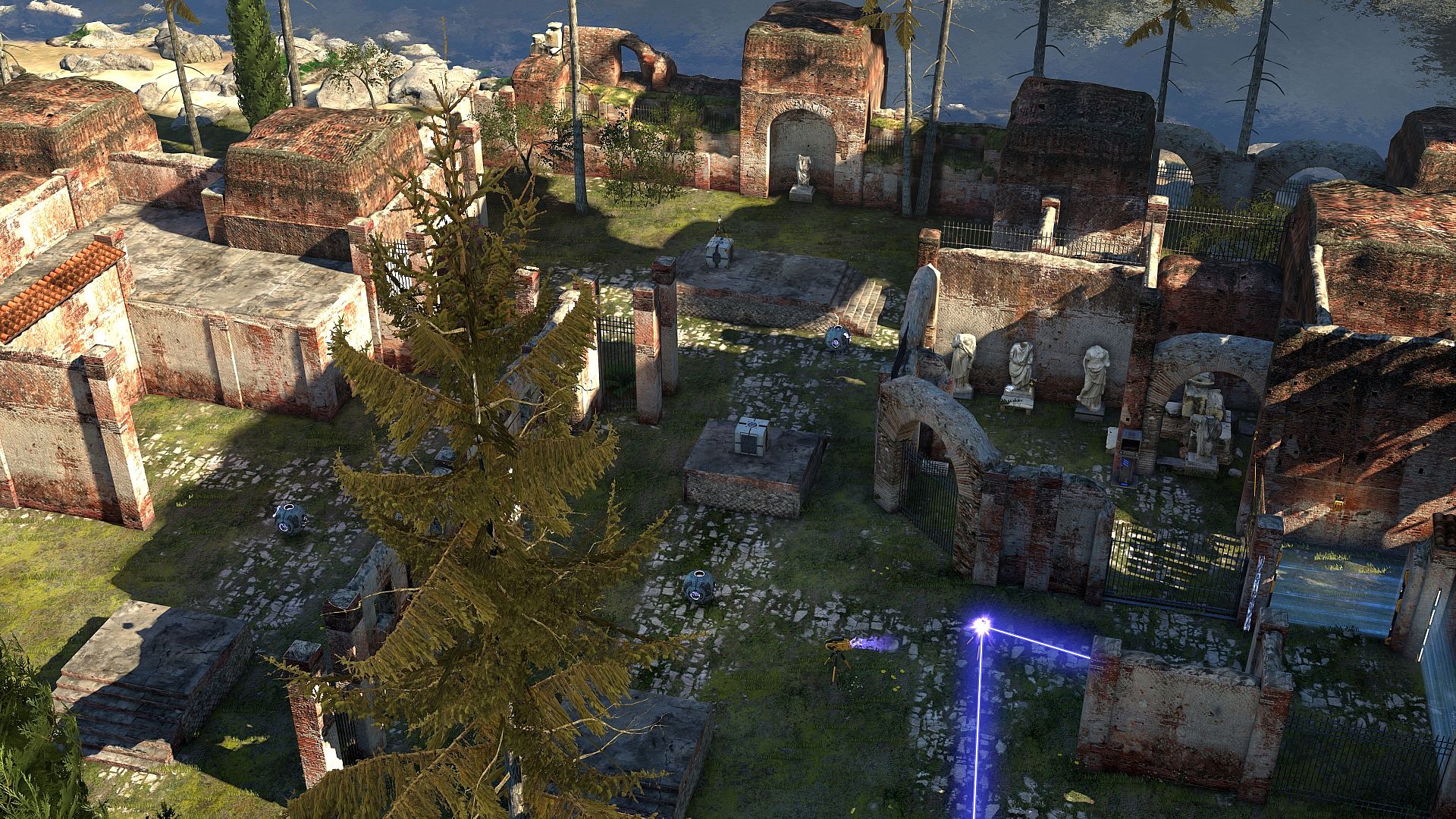
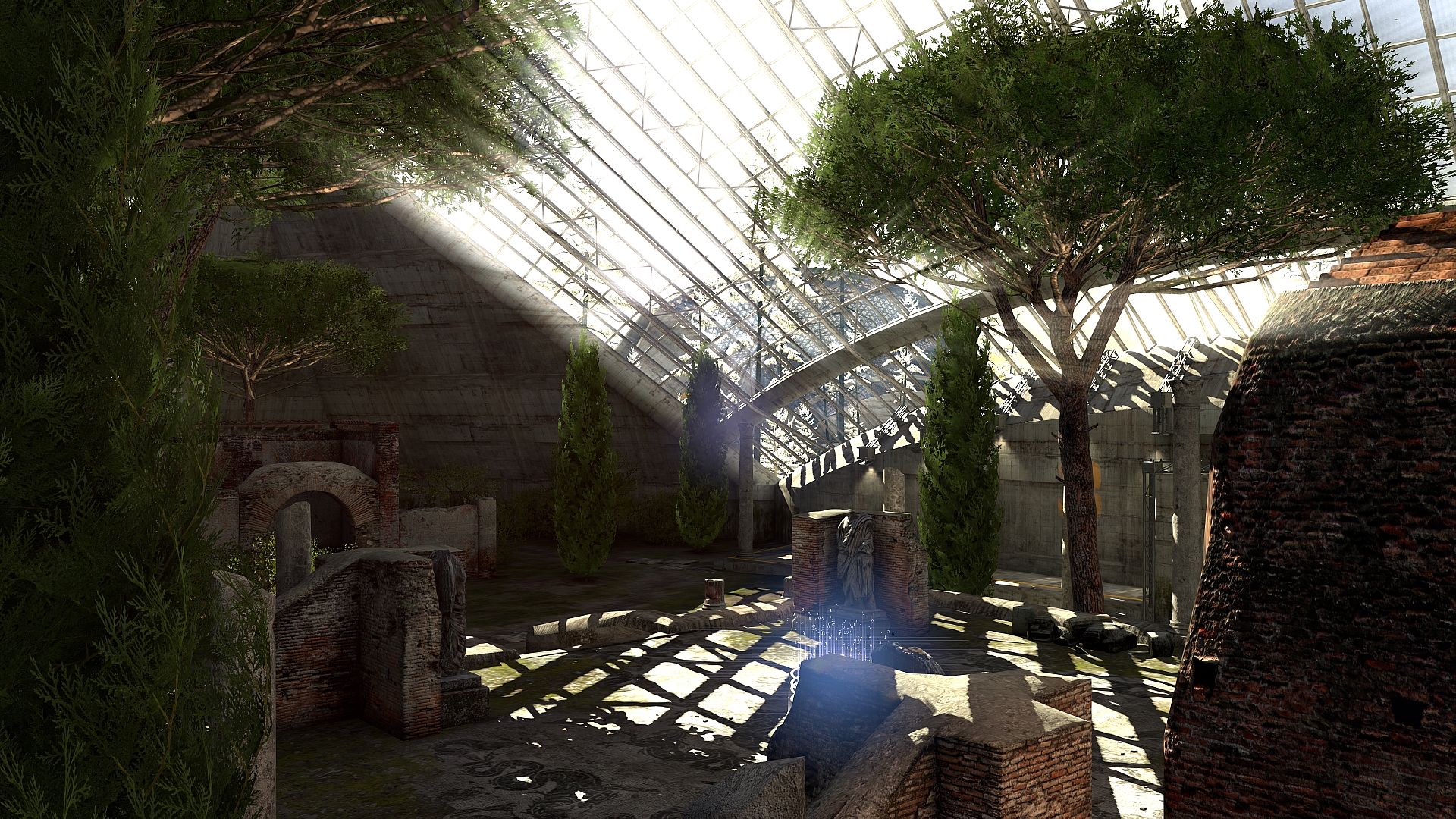
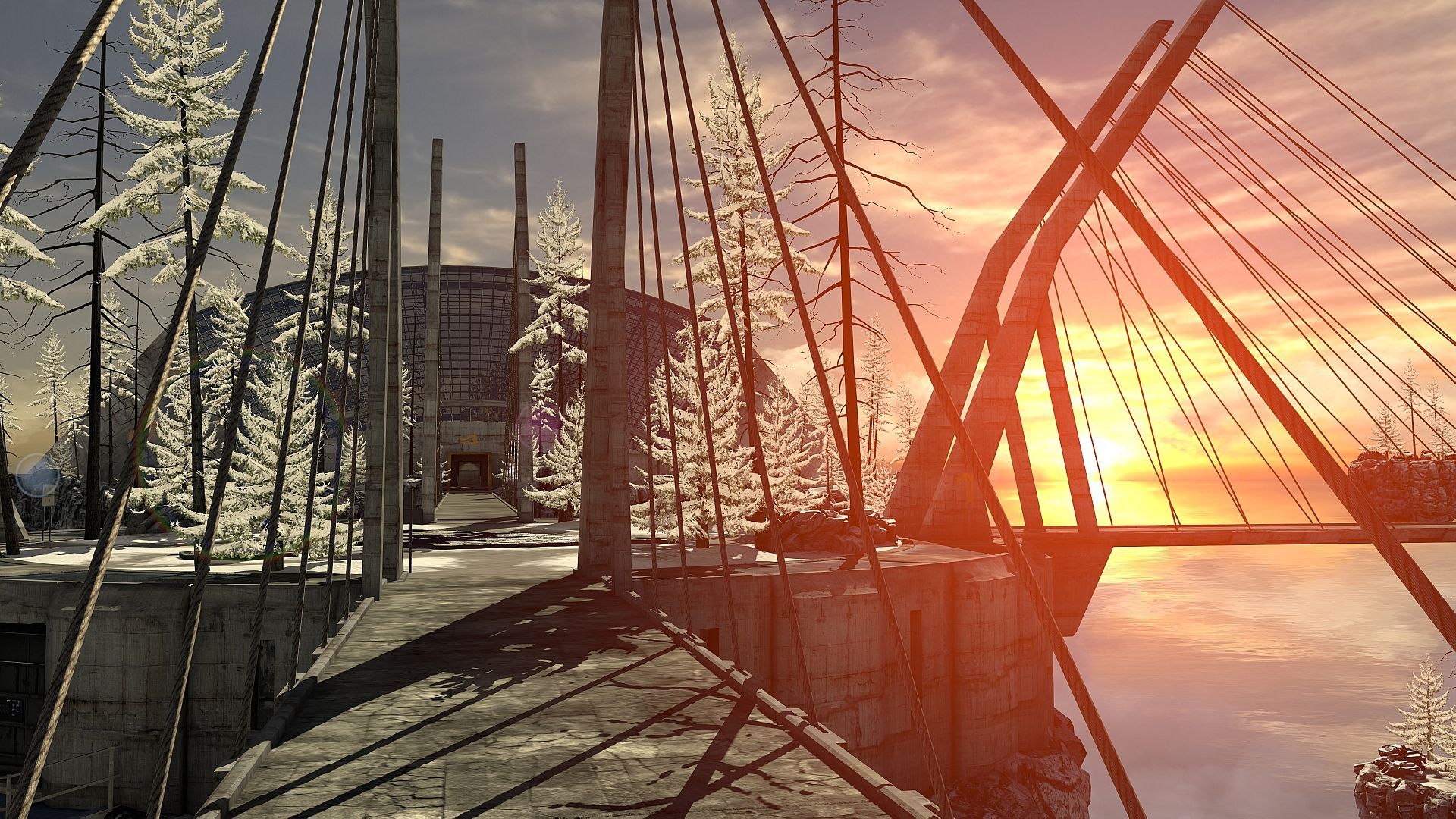
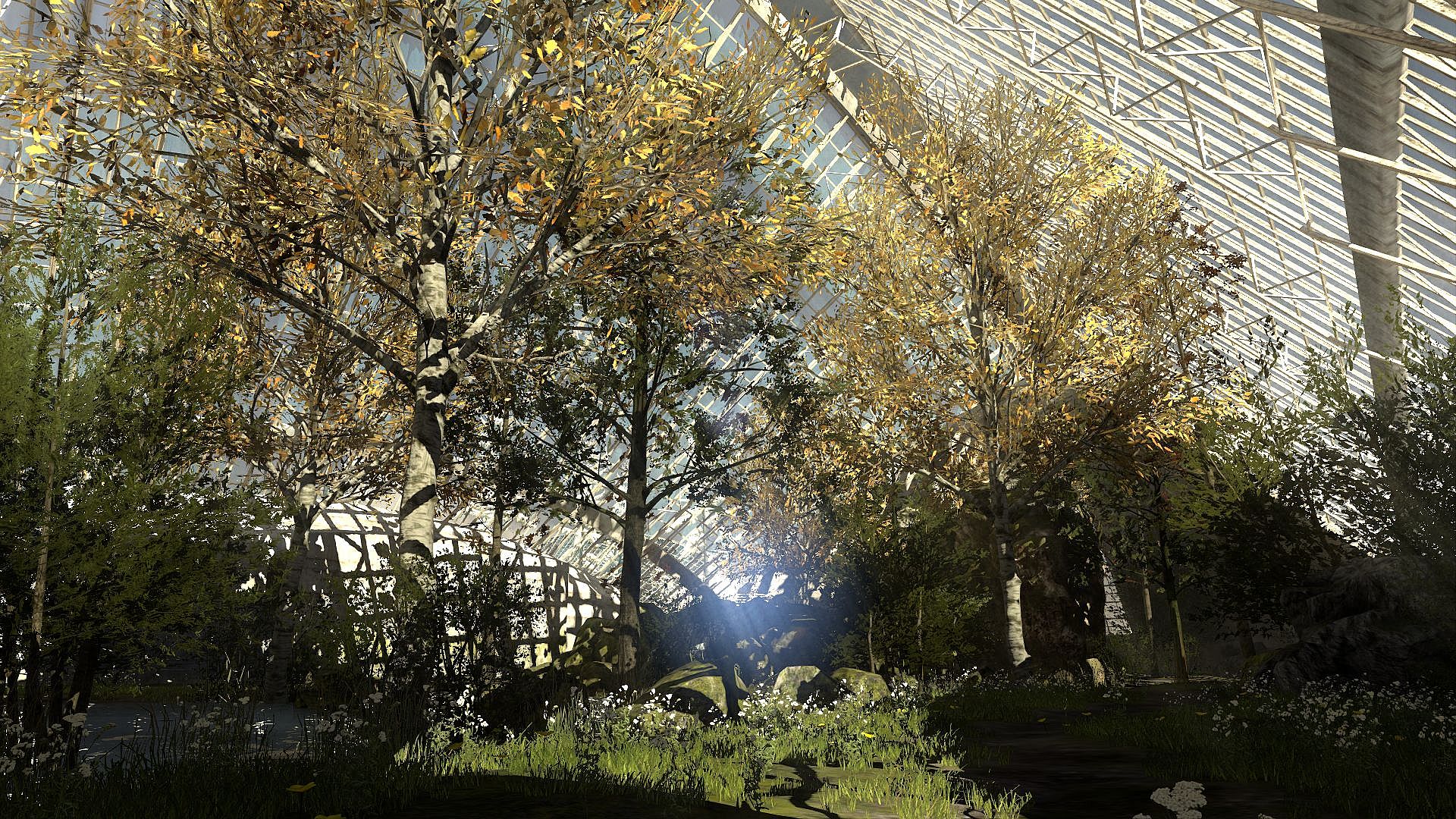
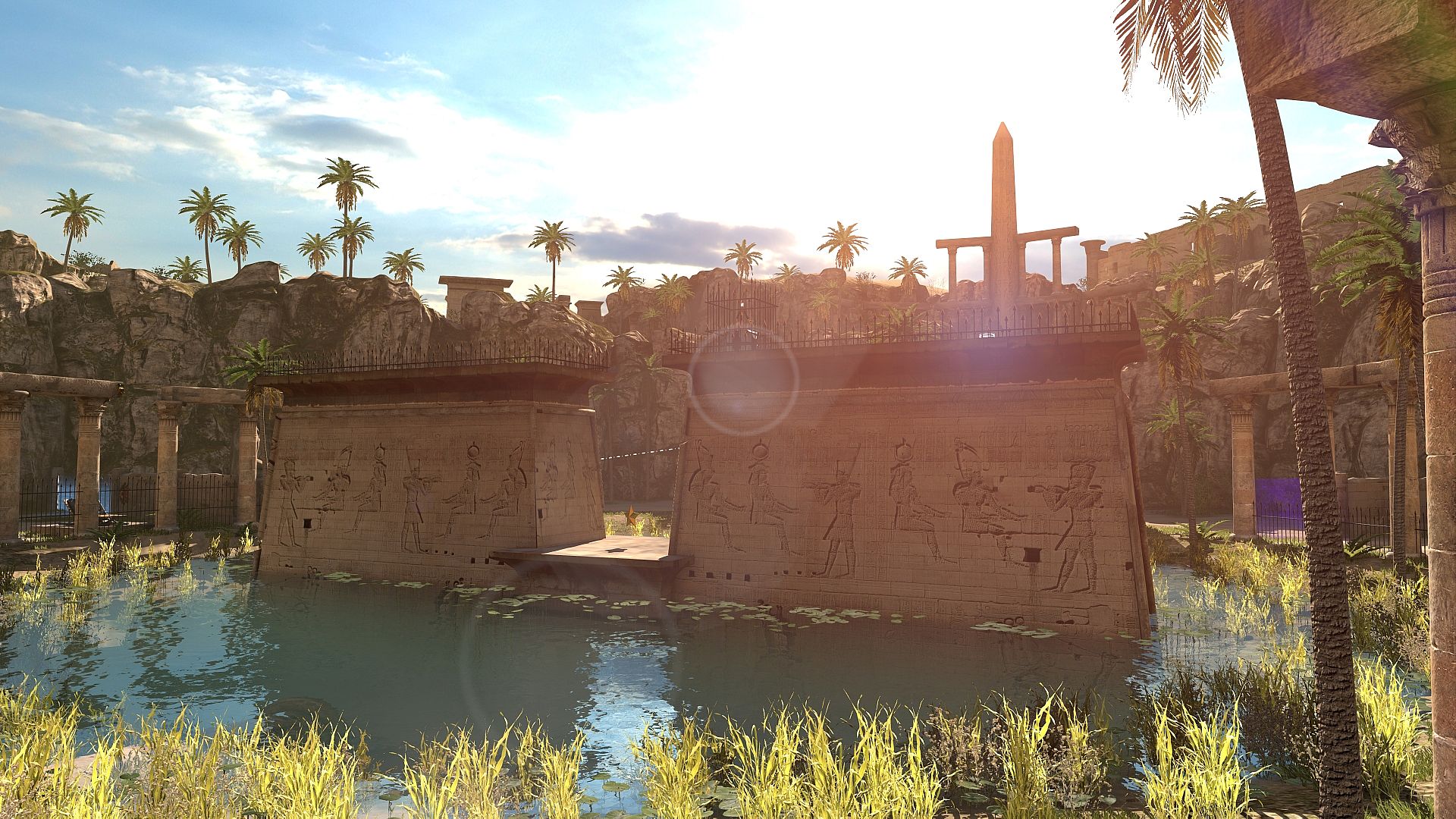
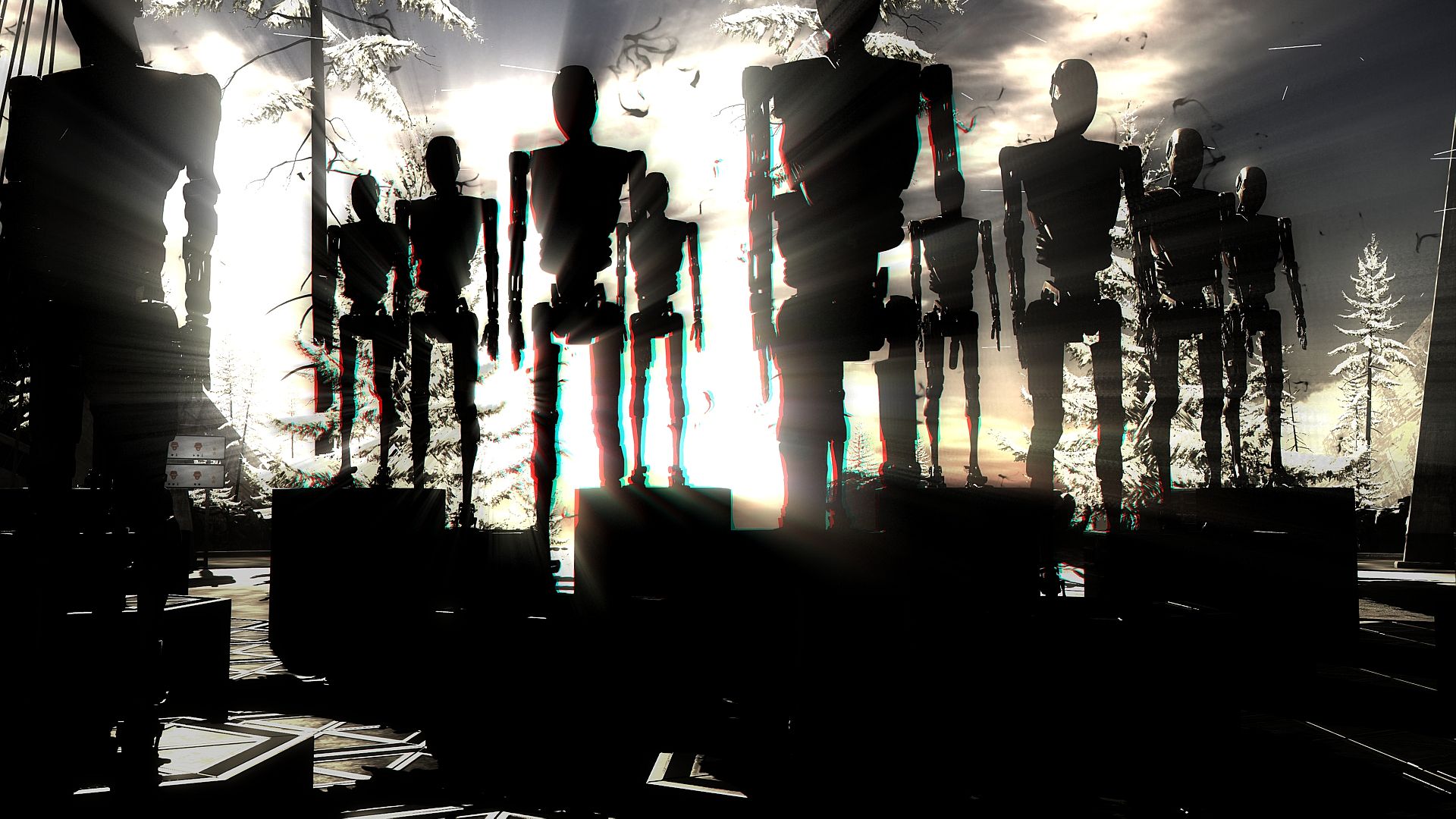
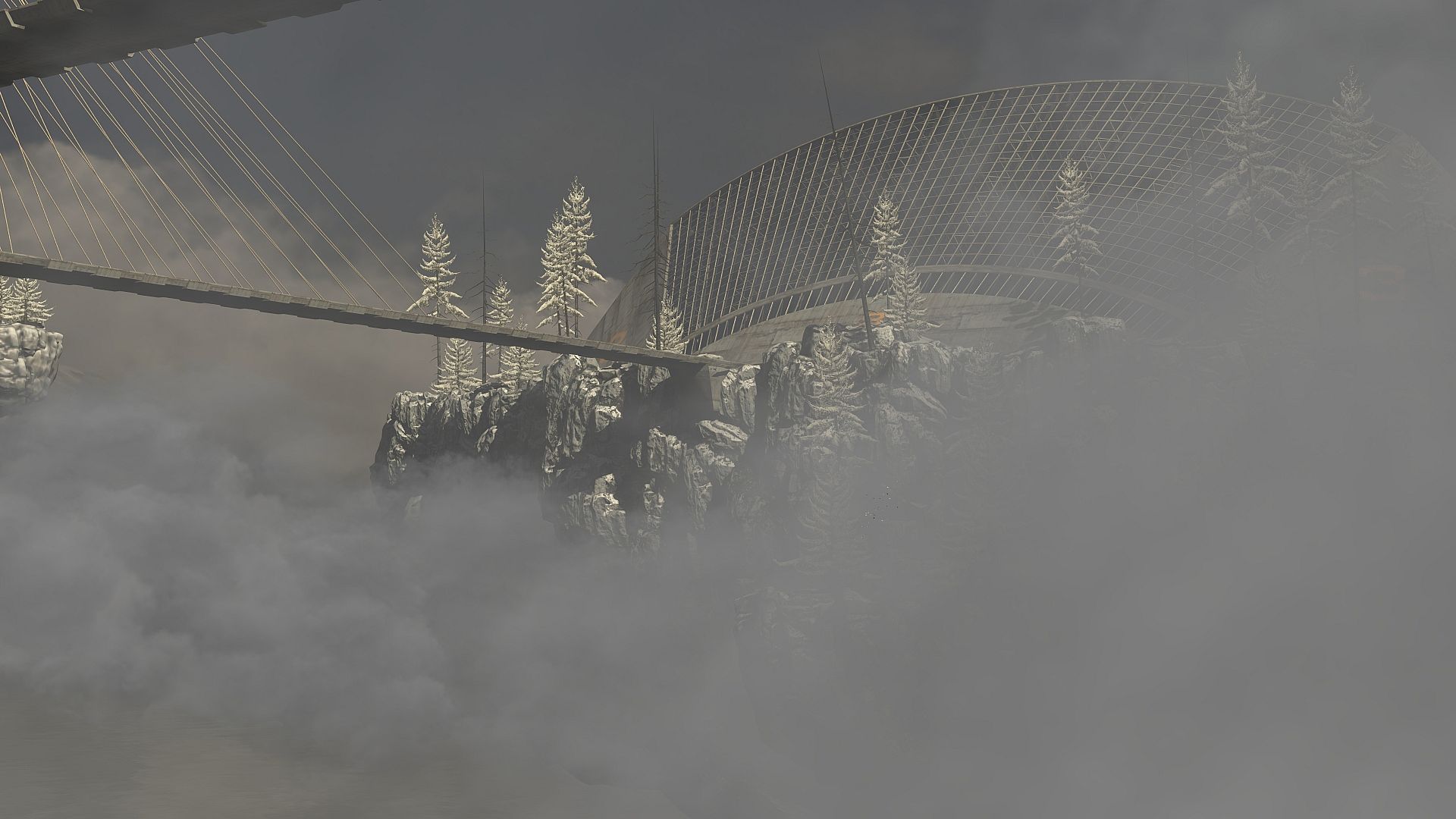
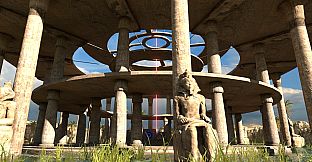
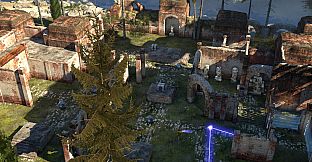
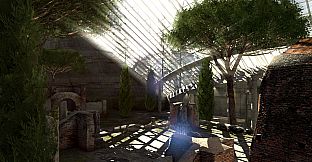


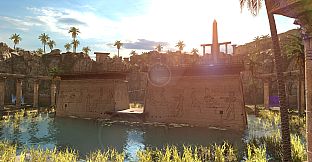
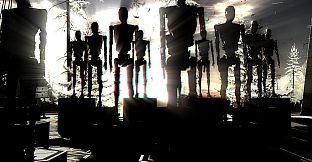

The Talos Principle: Road to Gehenna is a single-player puzzle adventure game released as a major expansion for the original The Talos Principle. Set within the same simulated world, it places players in the role of Uriel, a messenger tasked with exploring a concealed region of the environment. The experience centers on intricate environmental puzzles combined with a narrative focused on redemption and the fate of simulated entities.
Gameplay
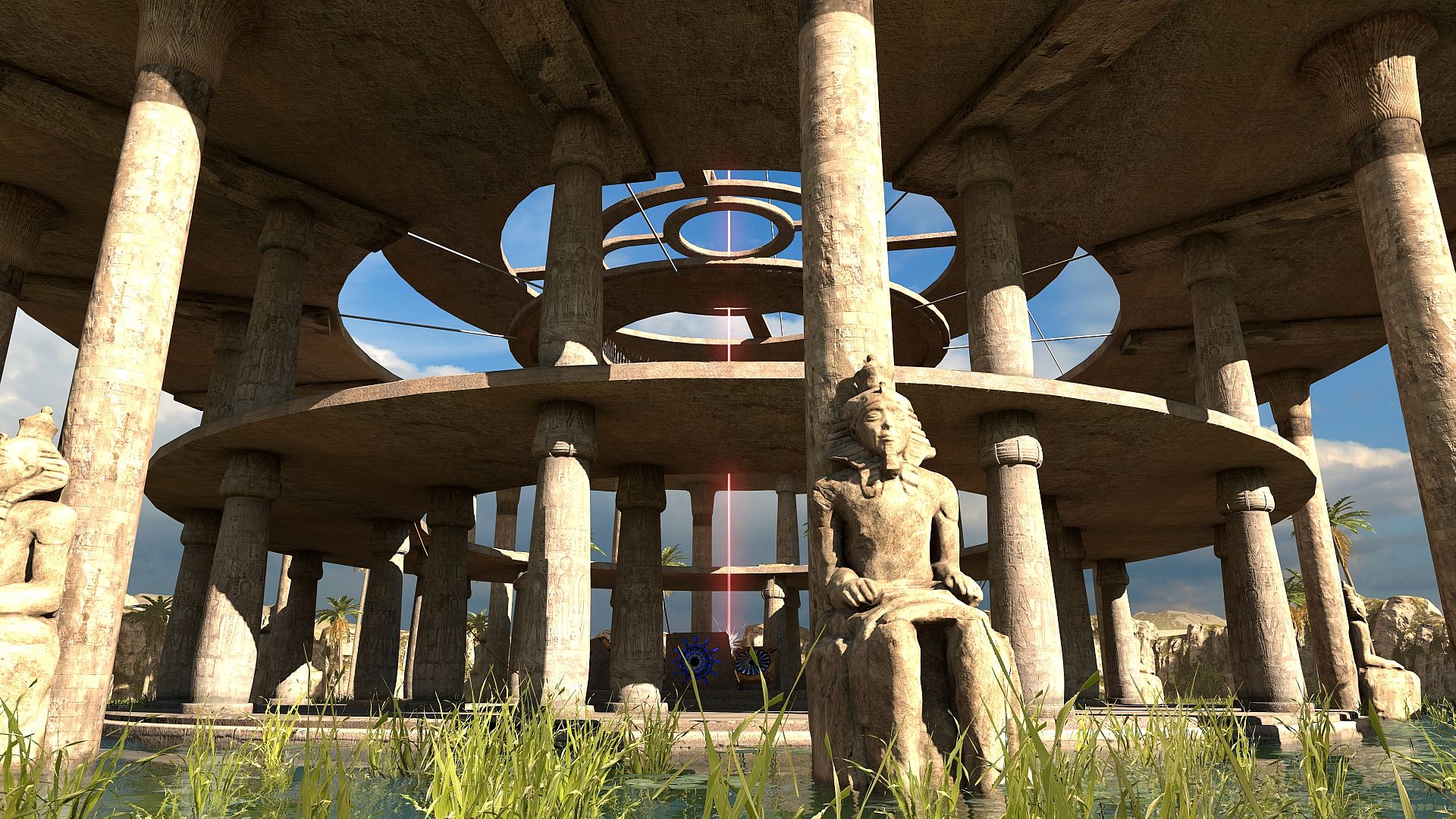
Core gameplay revolves around first-person puzzle solving in enclosed, carefully constructed areas. Players manipulate a consistent set of tools including laser emitters, connectors, jammers, movable boxes, fans, and platforms to redirect energy beams, disable security systems, and create pathways. Each puzzle demands precise spatial reasoning and experimentation, with solutions often requiring multiple steps that build on prior mechanics.
The expansion increases the complexity compared to earlier content, presenting denser arrangements of obstacles and fewer obvious entry points. Exploration remains limited to puzzle chambers and connecting corridors, where observation of environmental details and tool interactions drives progress. Sessions typically involve trial and error followed by moments of insight when connections between elements become clear.
Philosophical terminals and recorded messages appear throughout, providing context without interrupting the flow of puzzle work. The design assumes familiarity with the base mechanics, allowing immediate focus on advanced applications of the same systems.
Game Modes
The title offers a single-player campaign structured across four distinct episodes. Each episode presents a self-contained sequence of puzzles set in new environments that introduce variations in layout and thematic elements. There are no multiplayer options, competitive modes, or additional variants such as time trials or cooperative play.
Progression follows a linear path through the episodes, with each one expanding on the previous in terms of puzzle scale and integration of narrative elements. Completion involves solving every chamber within an episode before advancing, though individual puzzles can be revisited if needed.
Narrative and Setting
The story follows Uriel as he navigates a hidden section of the simulation on a mission involving mercy toward previously condemned entities. New characters and a distinct societal structure emerge, complete with its own recorded history and philosophical outlook that contrasts with the primary world.
Writers from the original game contributed to the script, delivering dialogue and terminal entries that explore themes of community, creation, and consequence. The four episodes unfold this journey gradually, revealing details about the new society's origins and internal dynamics through environmental storytelling and direct interactions.
Language support includes Russian, Italian, and Polish text alongside voice acting, expanding accessibility for those regions.
Is It Worth Playing?
Player reception remains strongly positive years after release. Steam user reviews stand at Overwhelmingly Positive based on more than one thousand submissions. Critic scores on Metacritic average 82 out of 100 from professional outlets.
The expansion suits individuals who completed the base game and seek additional challenging puzzles without new mechanical layers. Typical playtime for the full campaign falls around fourteen to fifteen hours for experienced solvers. Those who appreciate methodical environmental puzzles and layered philosophical undertones will find the content aligns closely with the strengths of the series.
Individuals new to the franchise should start with the original title first, as the expansion assumes prior knowledge of its systems and tone. The focused single-player structure delivers consistent depth without extraneous features or ongoing seasonal content.