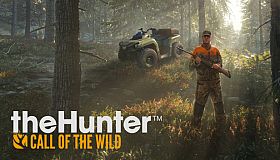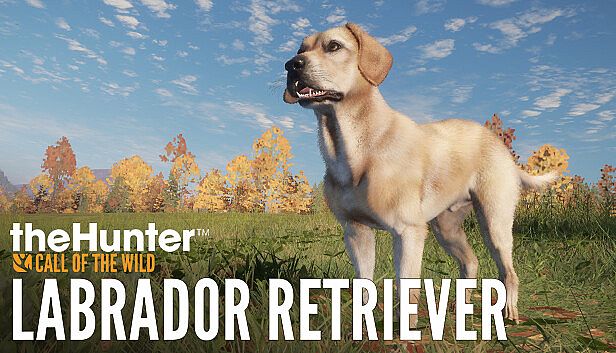












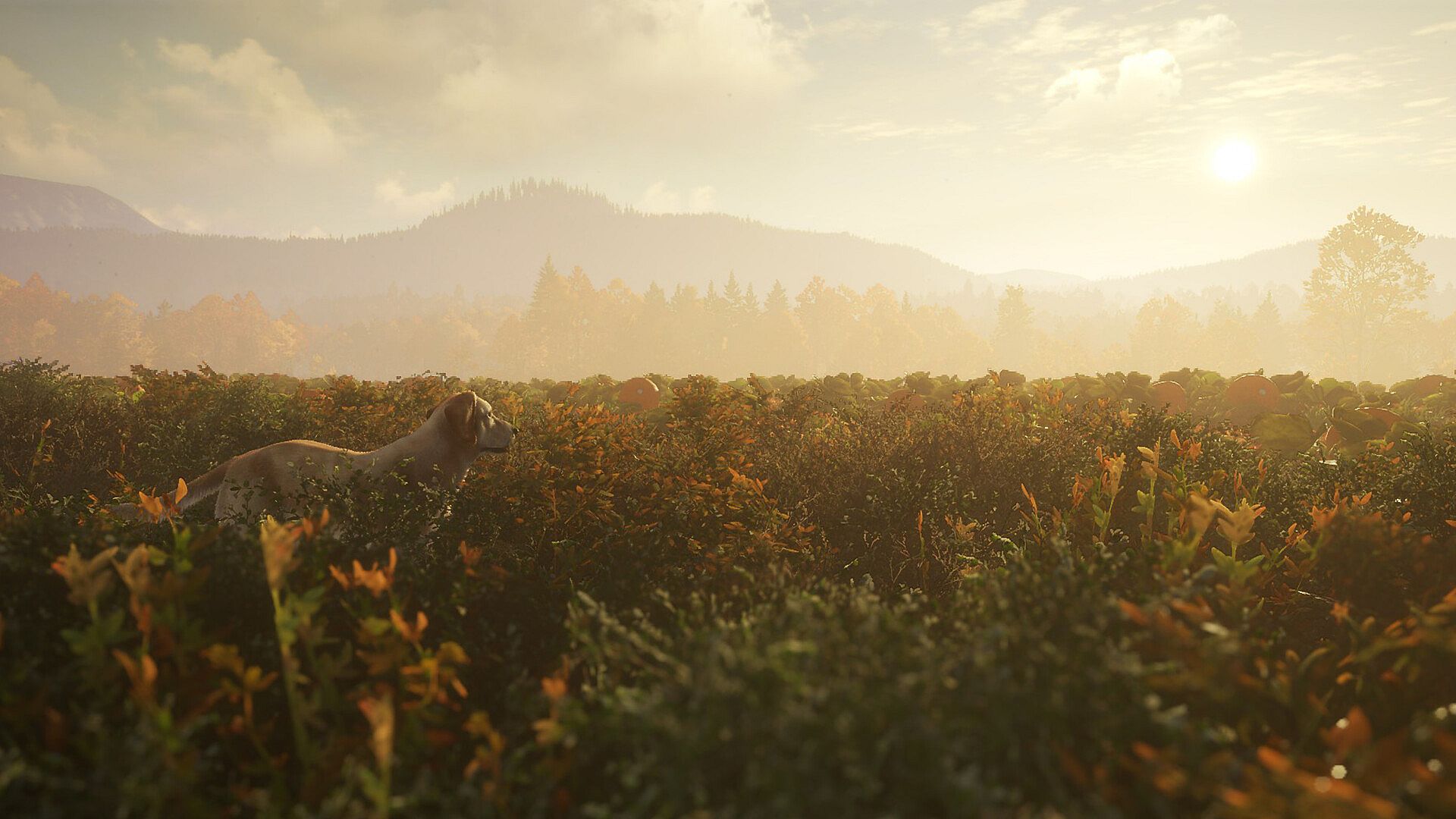
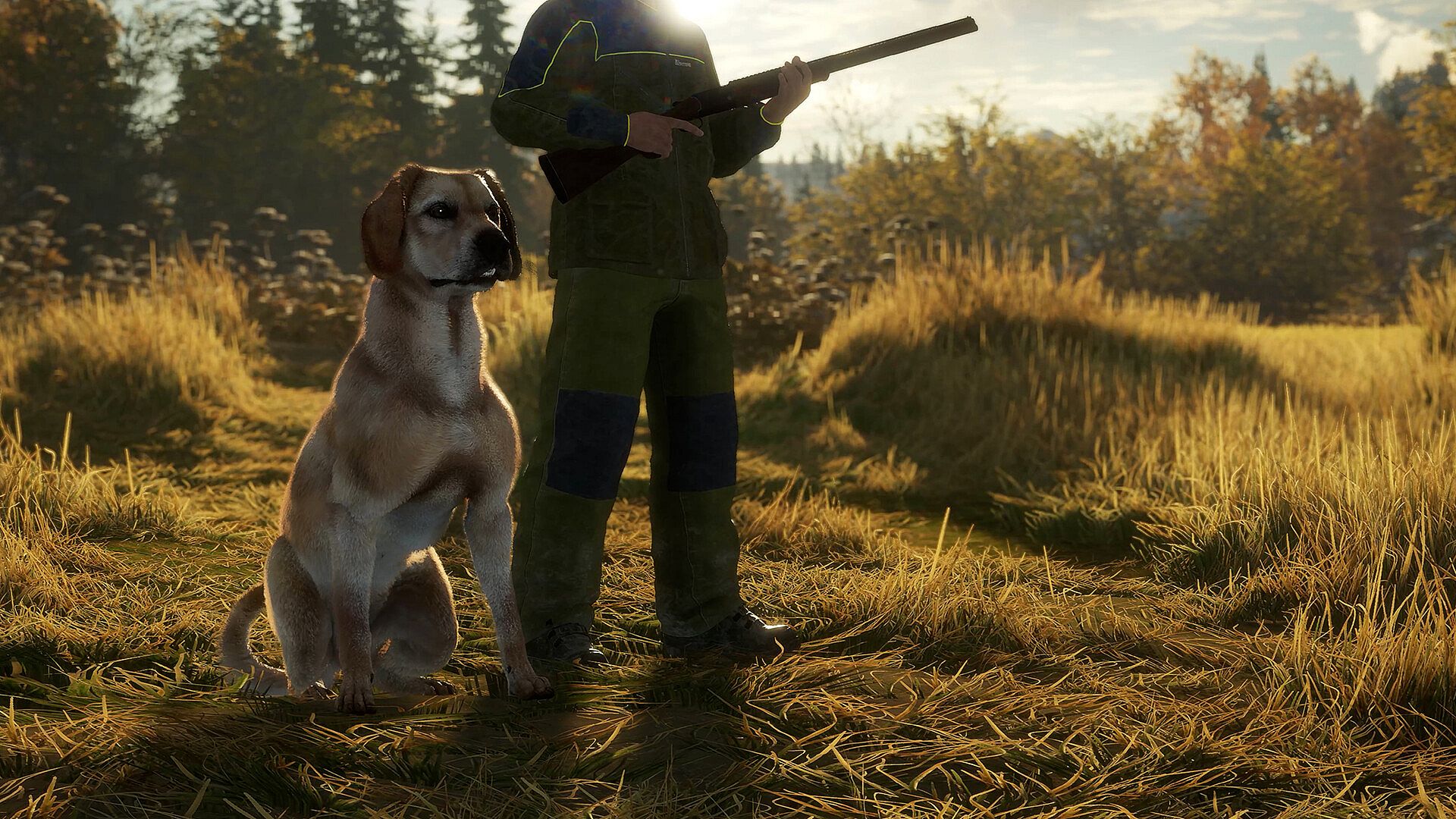
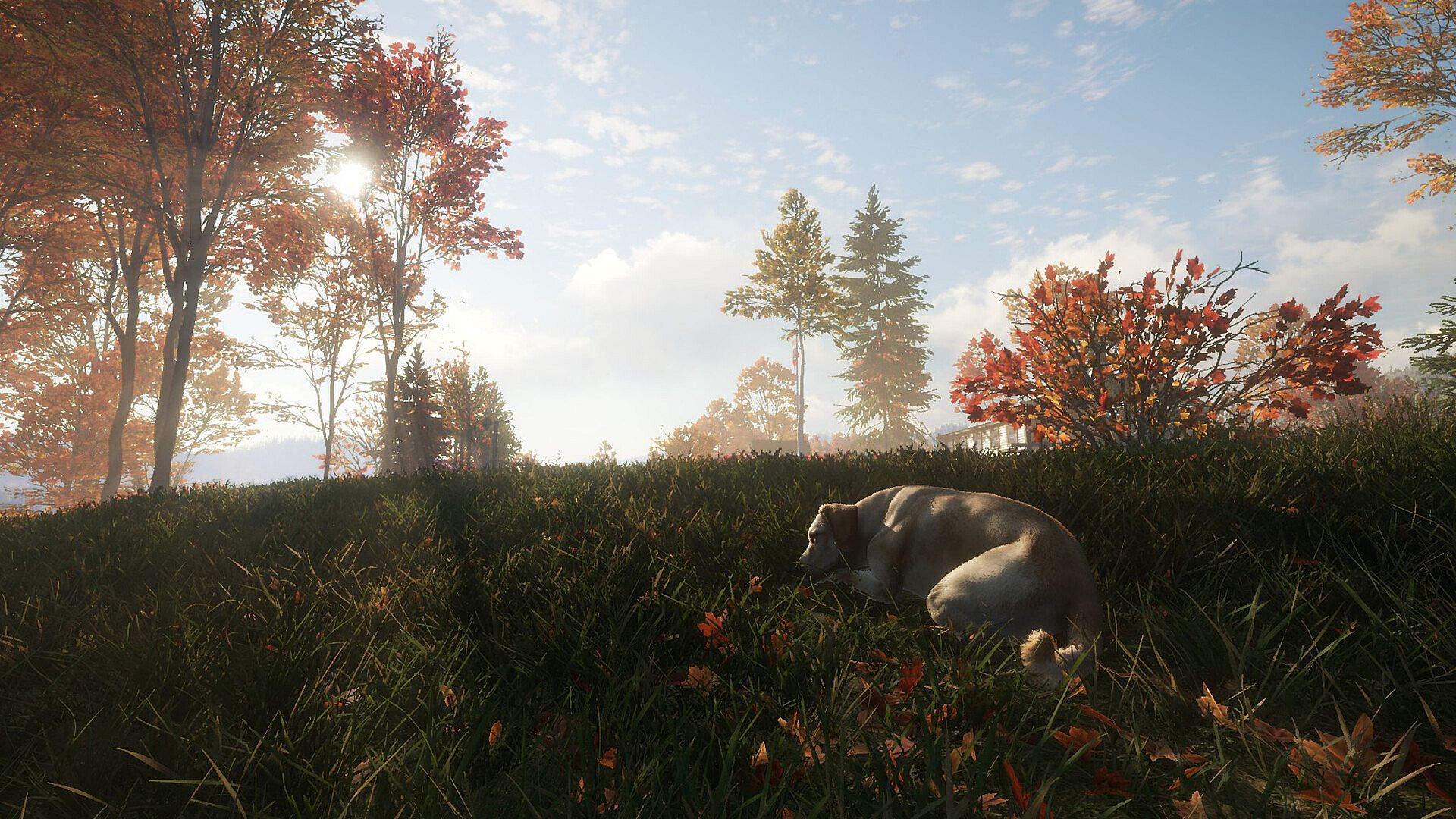
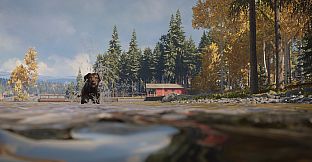
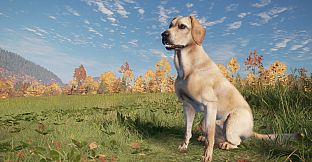
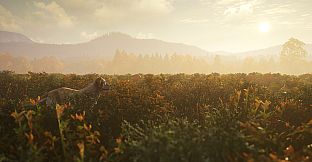
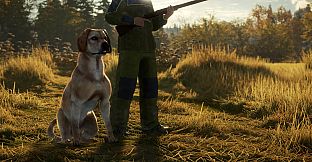

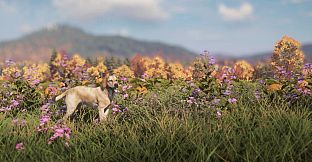
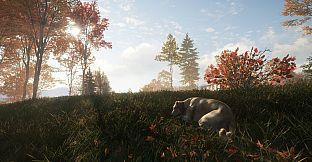
theHunter: Call of the Wild is a realistic hunting simulation game set across detailed open world reserves. The Labrador Retriever addition expands the experience by introducing a trainable canine companion that handles retrieval tasks for smaller game. Players explore reserves on foot or with vehicles, track animals using environmental cues, select appropriate weapons and ammunition, and manage harvests while the dog assists with collection duties.
Gameplay
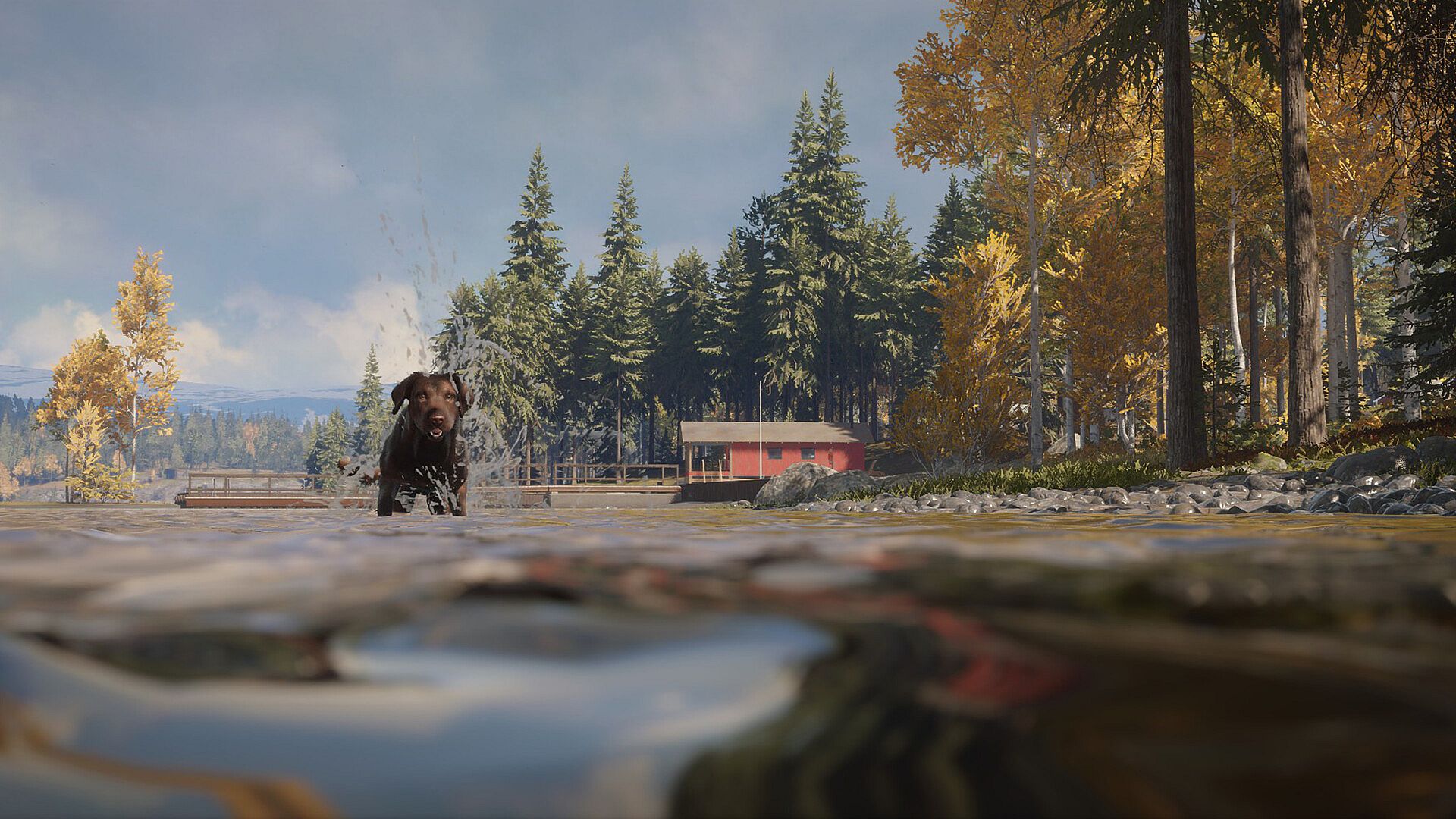
Hunting revolves around careful observation of animal behavior, wind direction, and terrain. The core loop involves locating species through calls, tracks, or sightings, then approaching within effective range for a clean shot. Success depends on weapon choice, shot placement, and ethical harvesting practices that align with the simulation focus. The Labrador Retriever integrates directly into this process by responding to commands to collect downed class 1 animals such as rabbits, hares, waterfowl, and upland birds. It works on land and in water, prioritizing the harvest the player is currently aiming at to keep the session moving without repeated trips back to pickups.
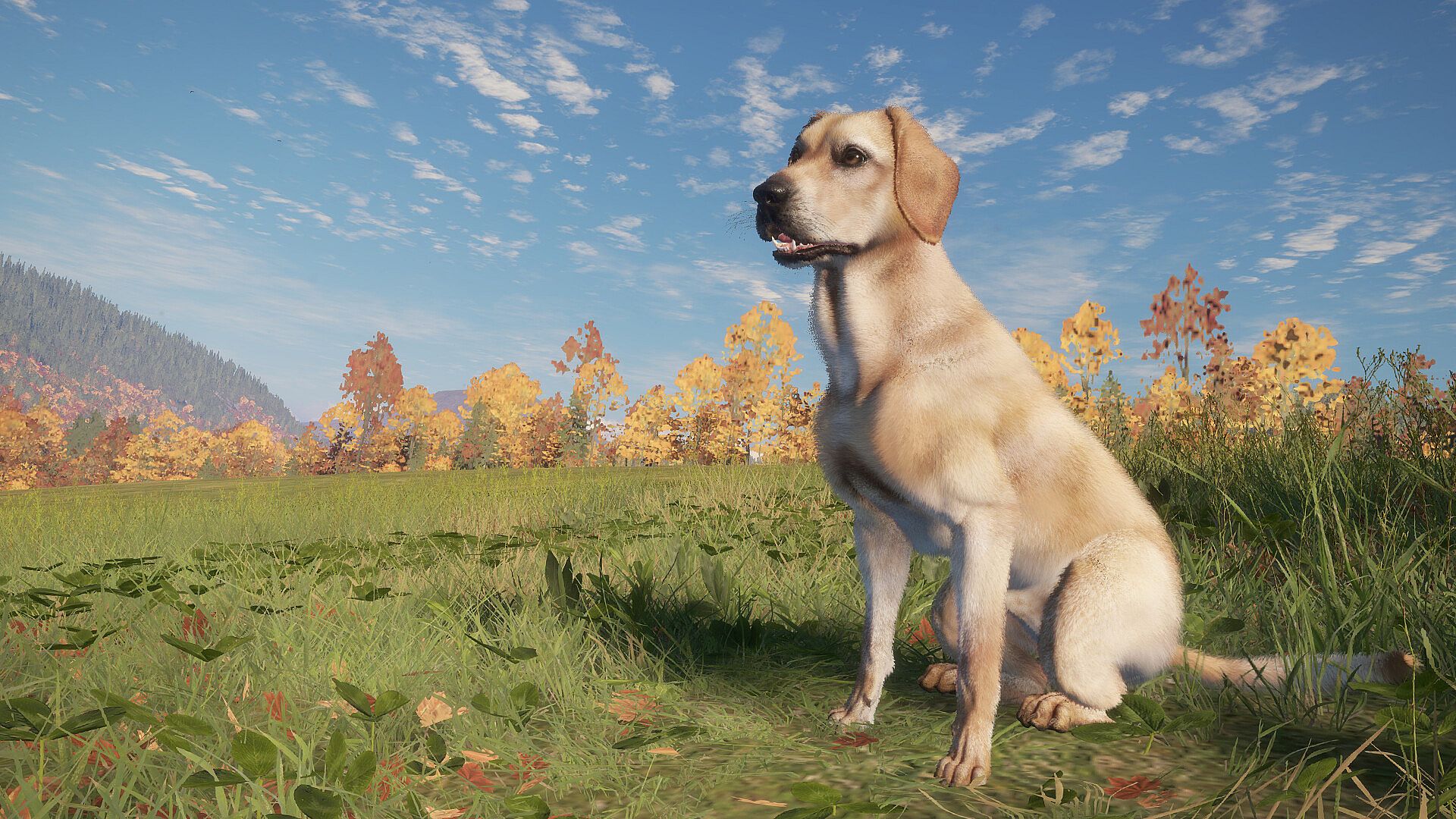
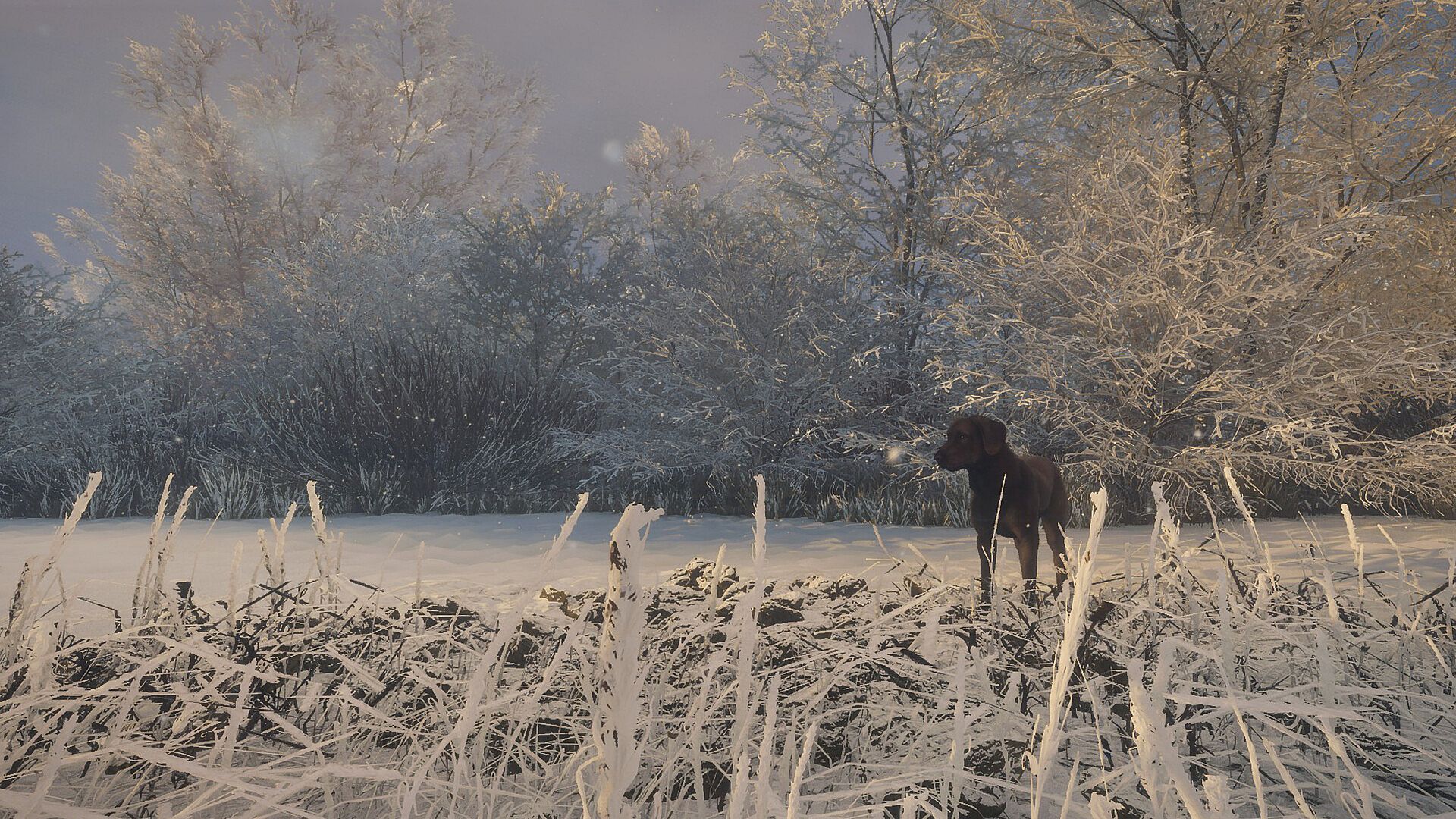
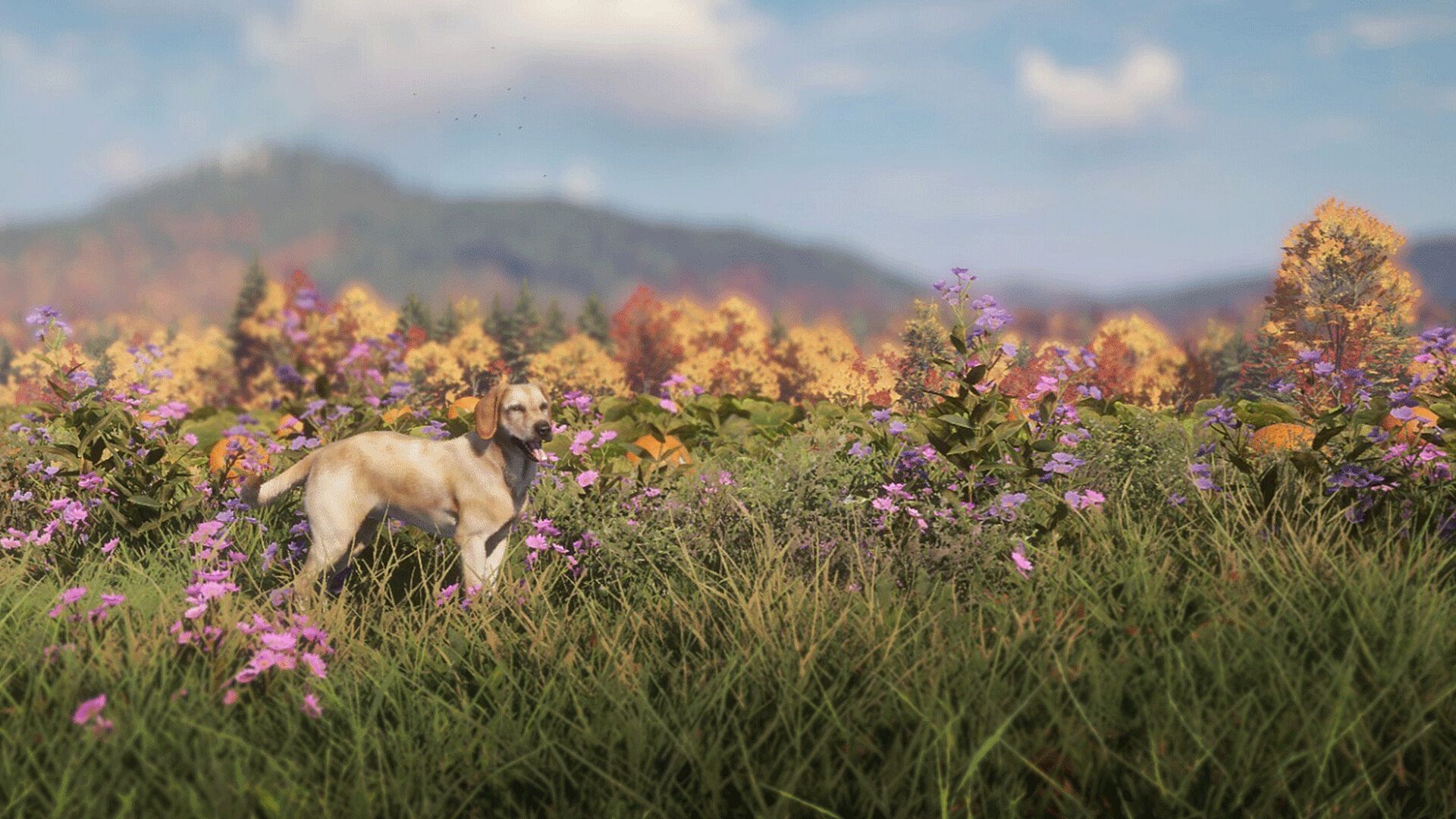
Bonding mechanics encourage regular interaction outside active hunts. Petting, offering treats, and playing with the dog raise its performance over time. Efficiency grows through repeated joint outings, and the companion remains available across multiple sessions. Customization options include selecting a name, gender, one of seven fur coat variations, and traits suited to different approaches. Owners can maintain a roster of several dogs and switch between them as needed for specific outings.
Game Modes
Singleplayer sessions center on an atmospheric campaign structure with optional missions tied to individual reserves. These tasks guide progression through varied objectives while allowing free exploration of the environment. Multiplayer sessions support shared hunts with others, where the mission system is disabled and the host instead activates challenges focused on harvest counts or specific methods. Indicators show other participants on the map, and the dog companion functions in both contexts to retrieve class 1 game without interrupting the group flow.
Additional activities include daily and weekly challenges introduced in recent updates. These provide targeted goals such as harvesting under time or equipment constraints or completing photography tasks, offering variety beyond standard reserve exploration.
The Labrador Retriever Companion
The dog serves as a practical extension of the hunter rather than a replacement for core skills. Its soft mouth and webbed paws suit retrieval of small game that would otherwise require manual collection. Commands direct it to specific harvests, and it operates independently once sent. Over time the bond level influences reliability and speed, rewarding consistent use. Multiple coat options and trait assignments let players tailor the companion to personal preferences without altering the underlying simulation rules.
Is It Worth Playing?
The base game delivers a methodical hunting simulation that rewards patience and attention to detail. The Labrador Retriever addition adds a layer of convenience for players who frequently target class 1 species, reducing downtime between shots and harvests. It suits those who value the realistic mechanics and want a persistent companion that improves alongside the player. The title maintains ongoing support through updates that introduce new challenges and refinements. Individuals drawn to simulation and sports genres focused on outdoor activities will find the combination of open world exploration, weapon handling, and now canine assistance a coherent fit for repeated sessions. Those seeking faster paced action or larger scale conflicts may prefer other experiences.