











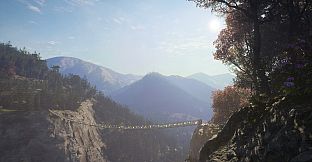
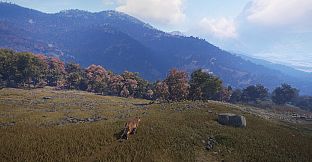
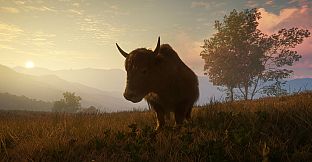
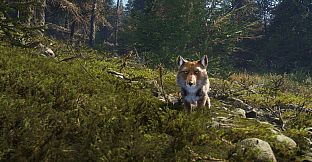
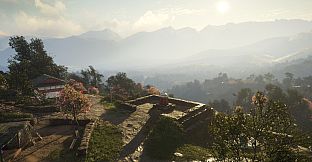
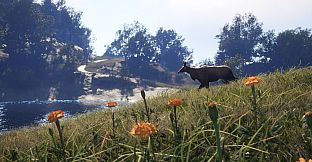
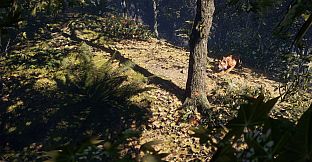
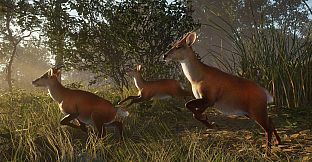
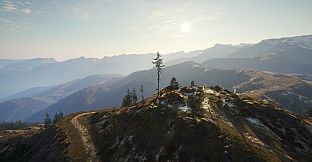
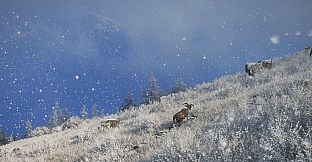
theHunter: Call of the Wild - Sundarpatan Nepal Hunting Reserve is a hunting simulation set in a vast Nepali landscape. Players explore three distinct climate zones while tracking and harvesting wildlife across mountains, hills, and lowlands. The experience emphasizes realistic animal behavior, terrain navigation, and careful shot placement with period-appropriate firearms.
Gameplay
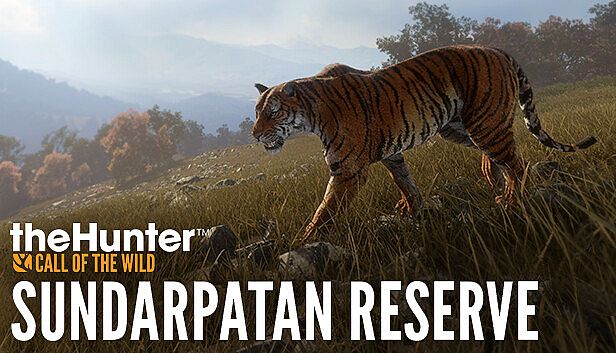
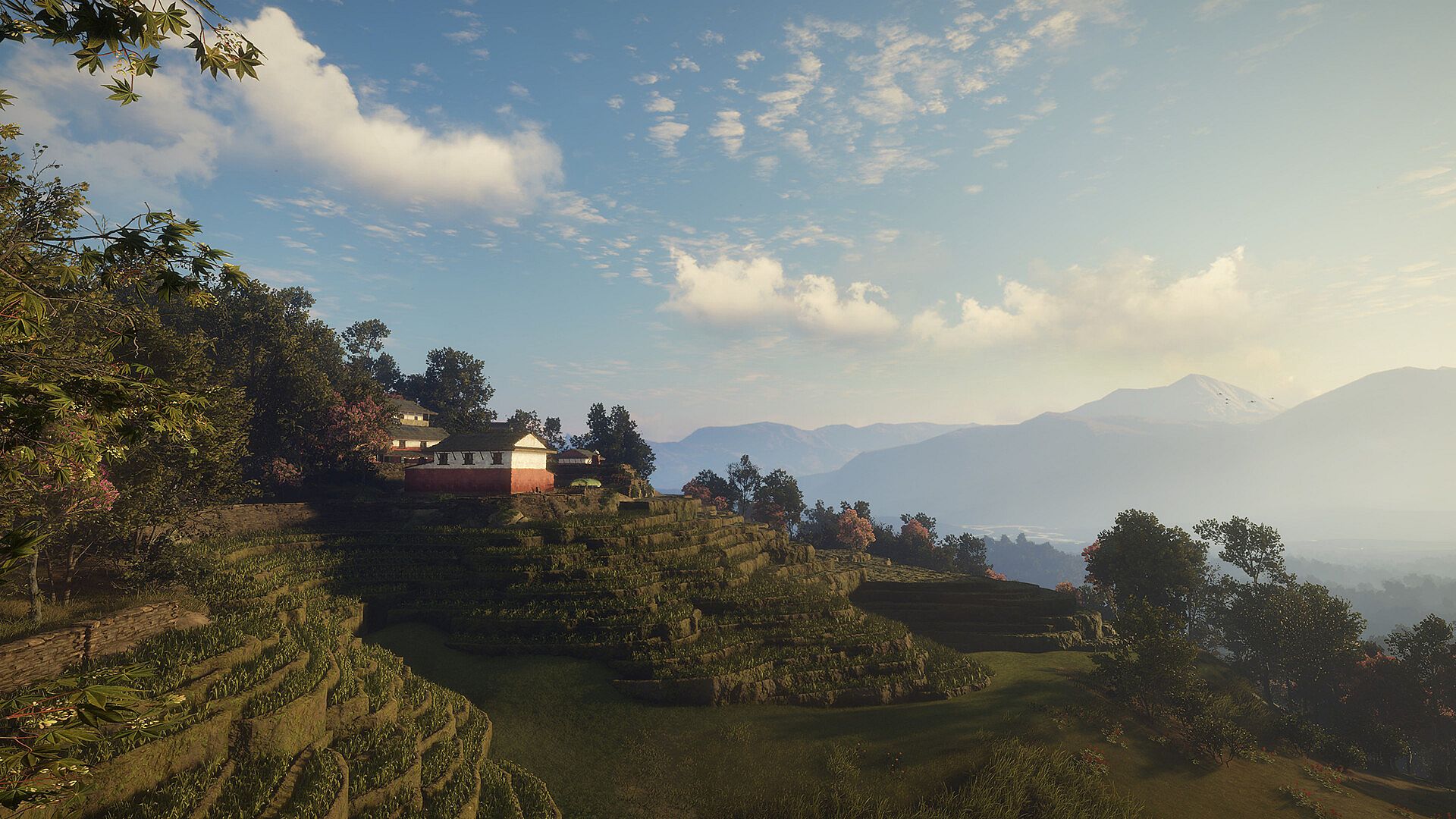
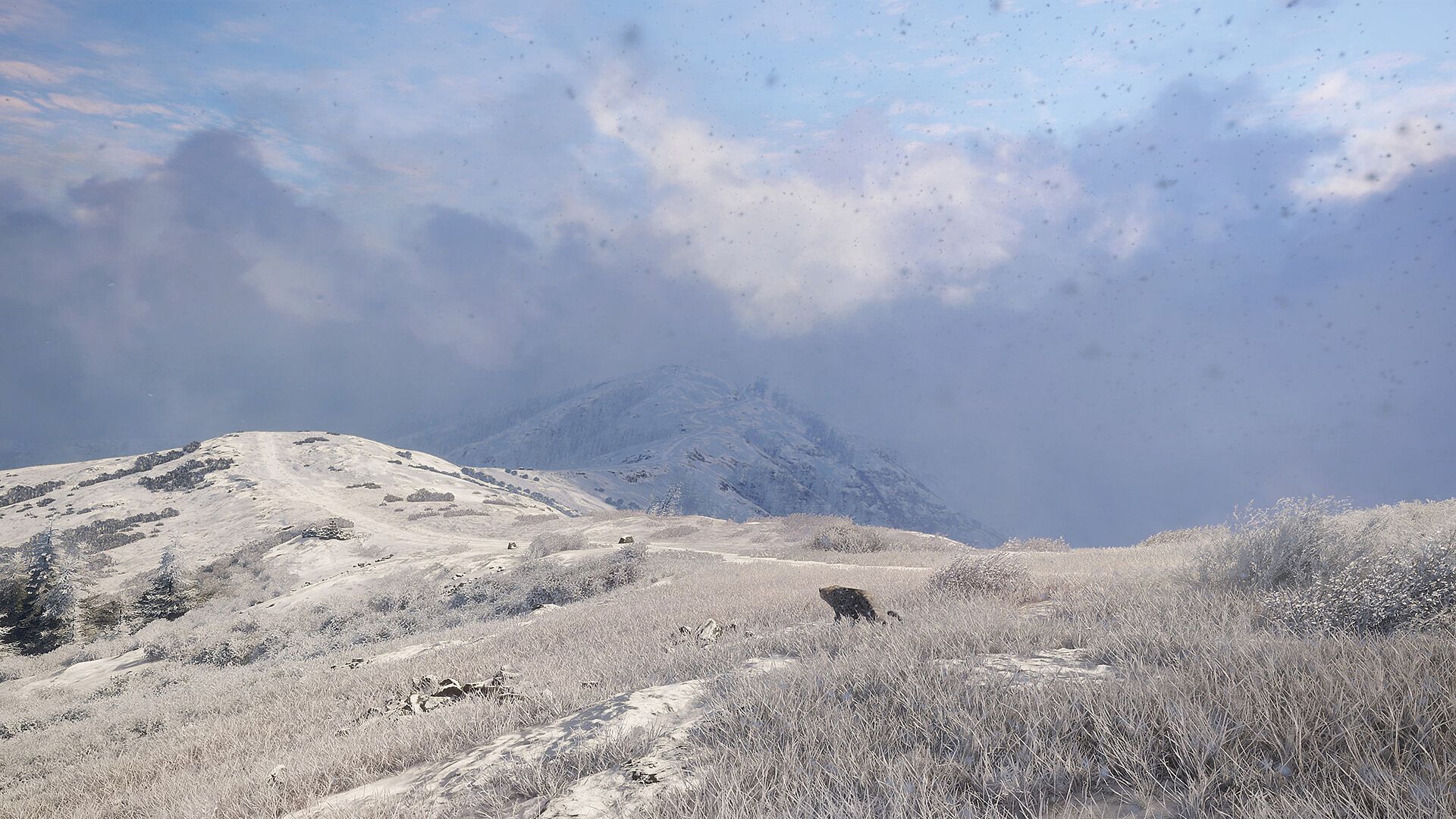
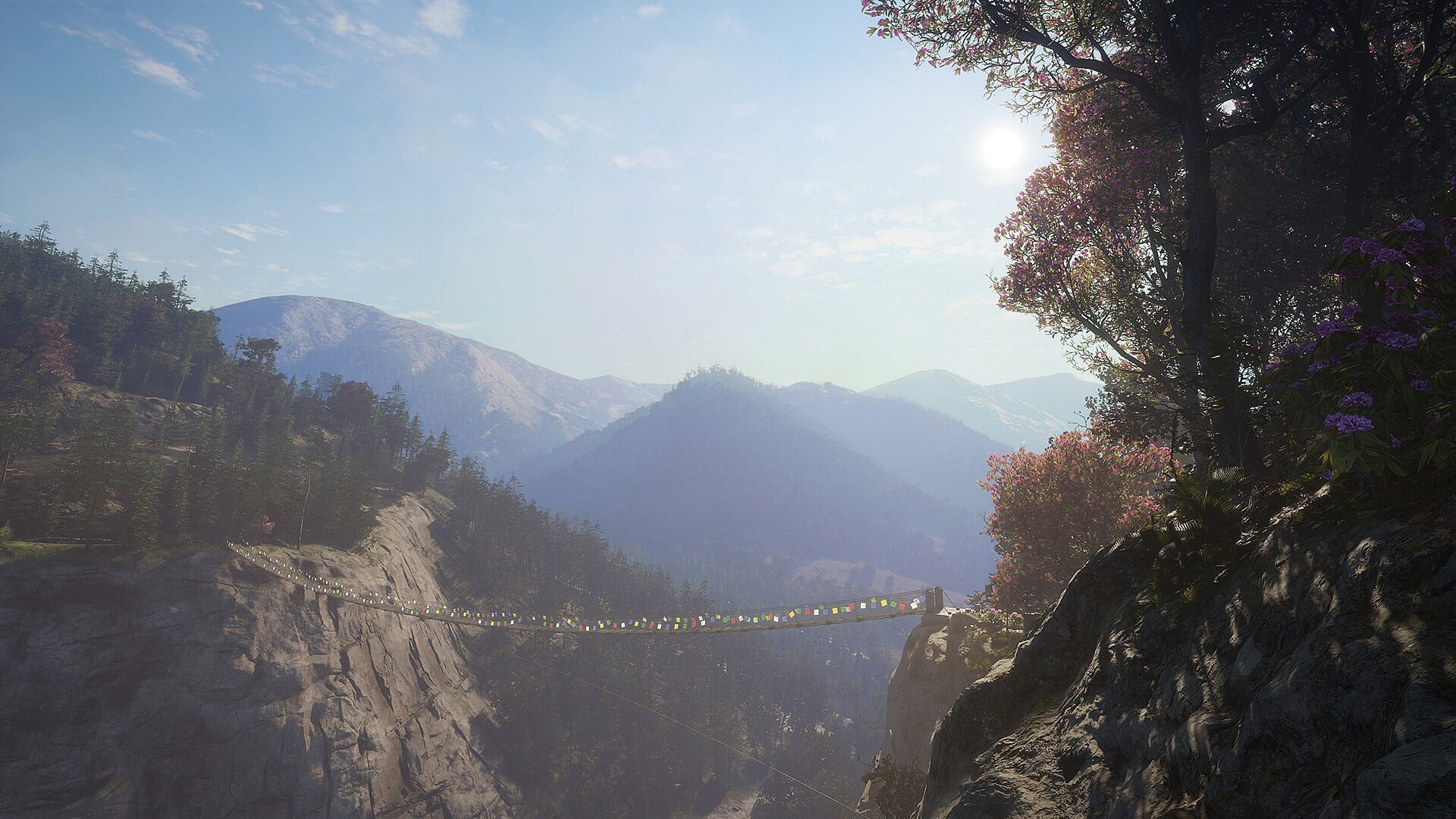
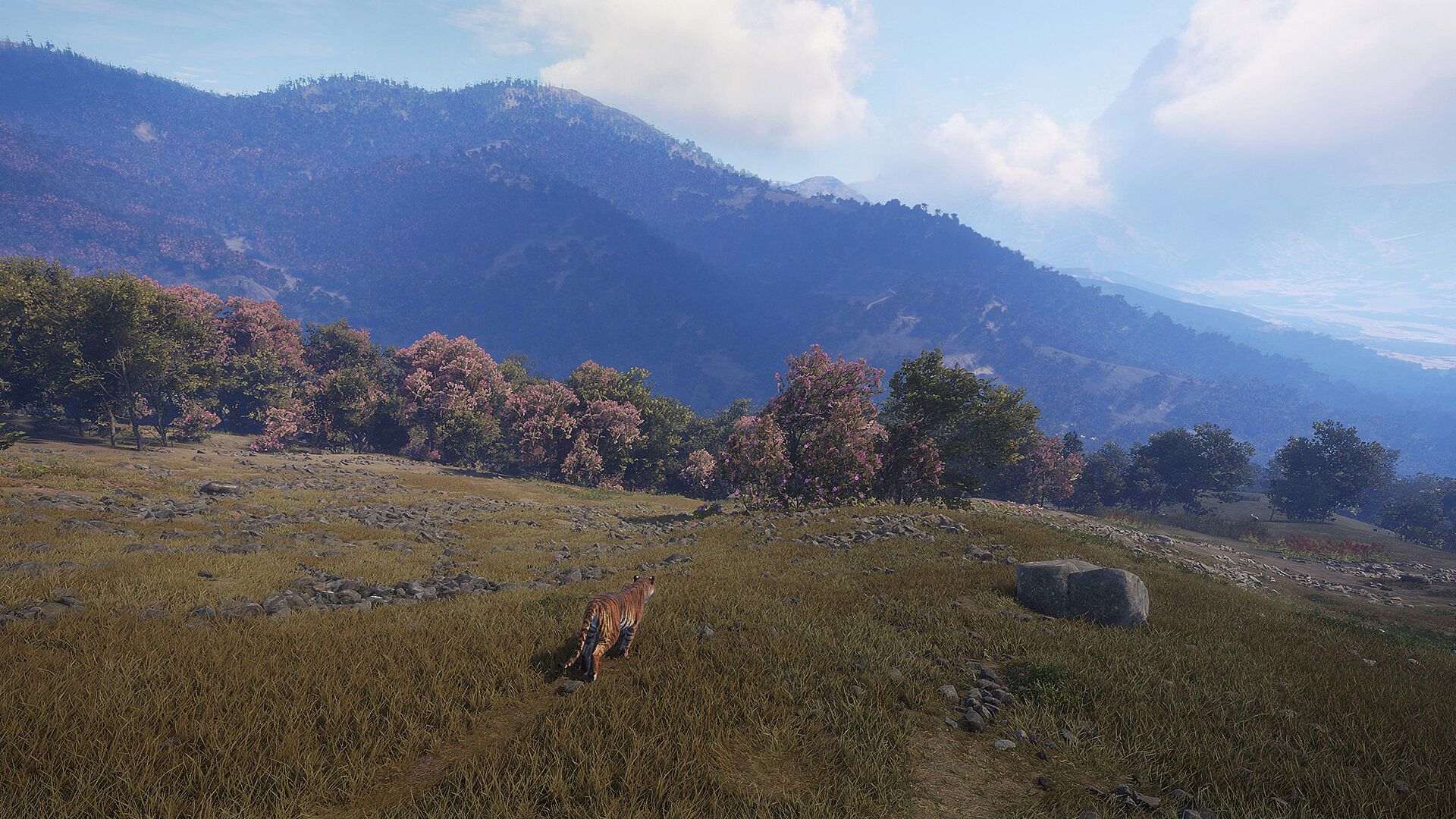
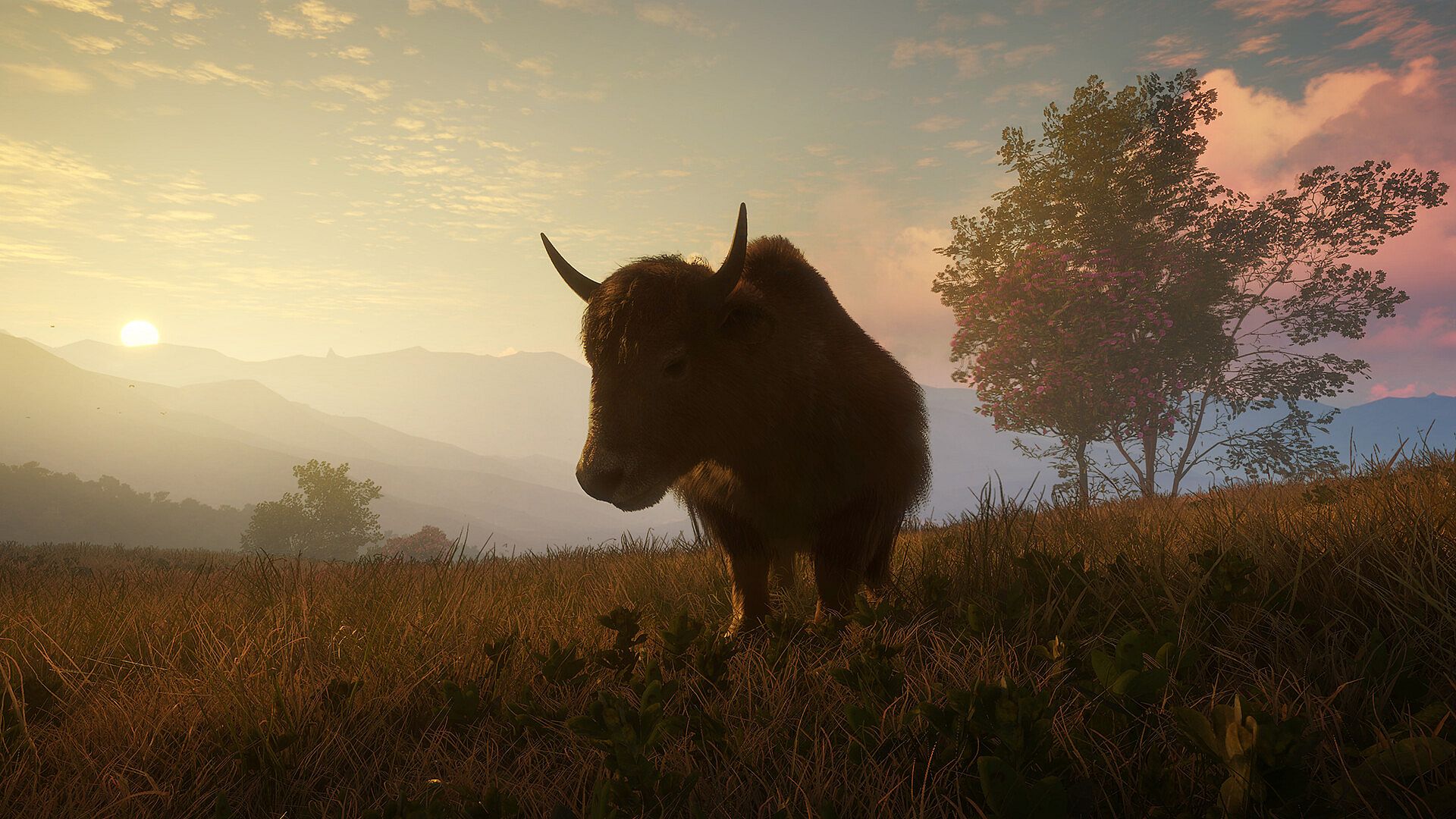
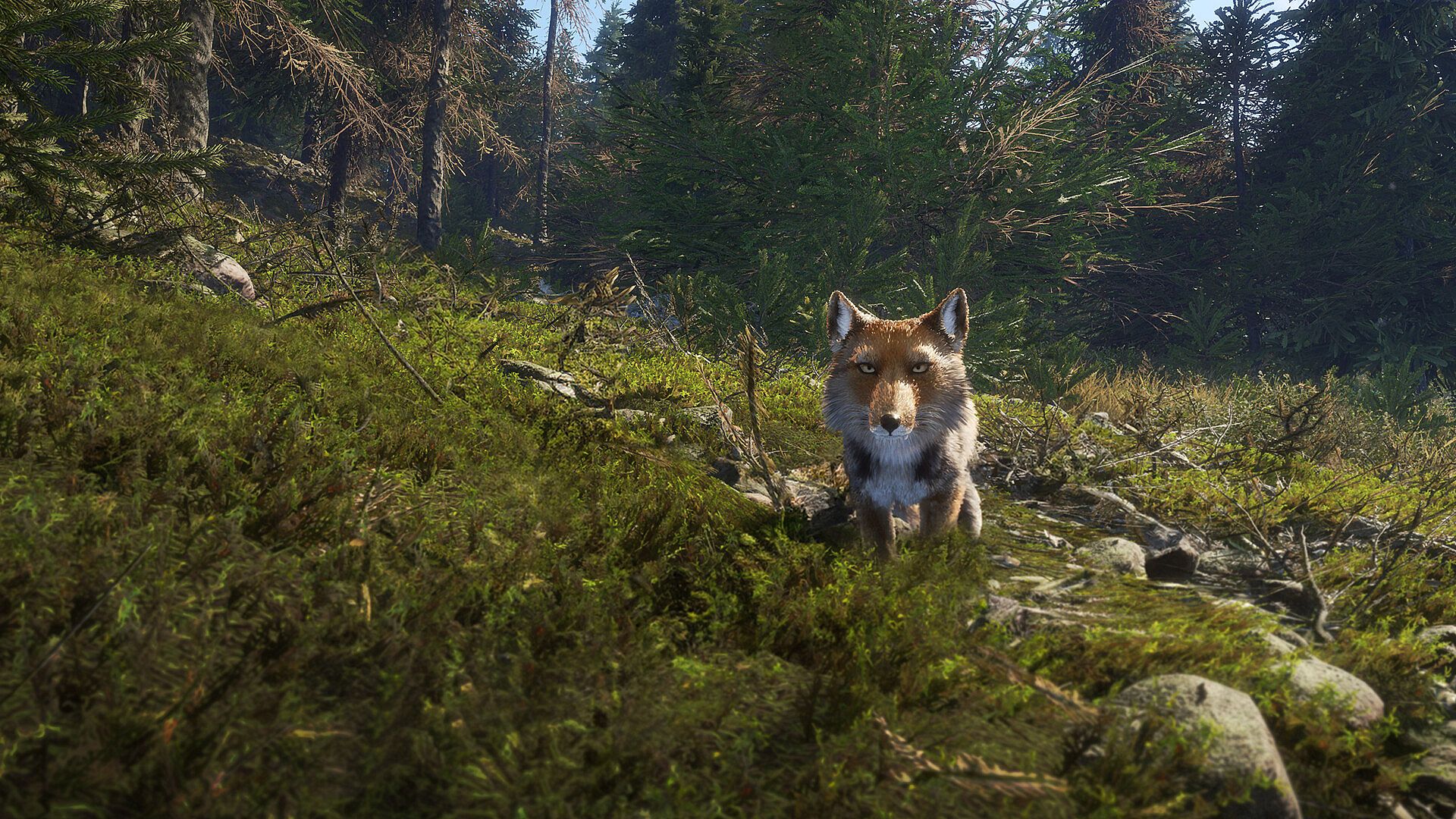
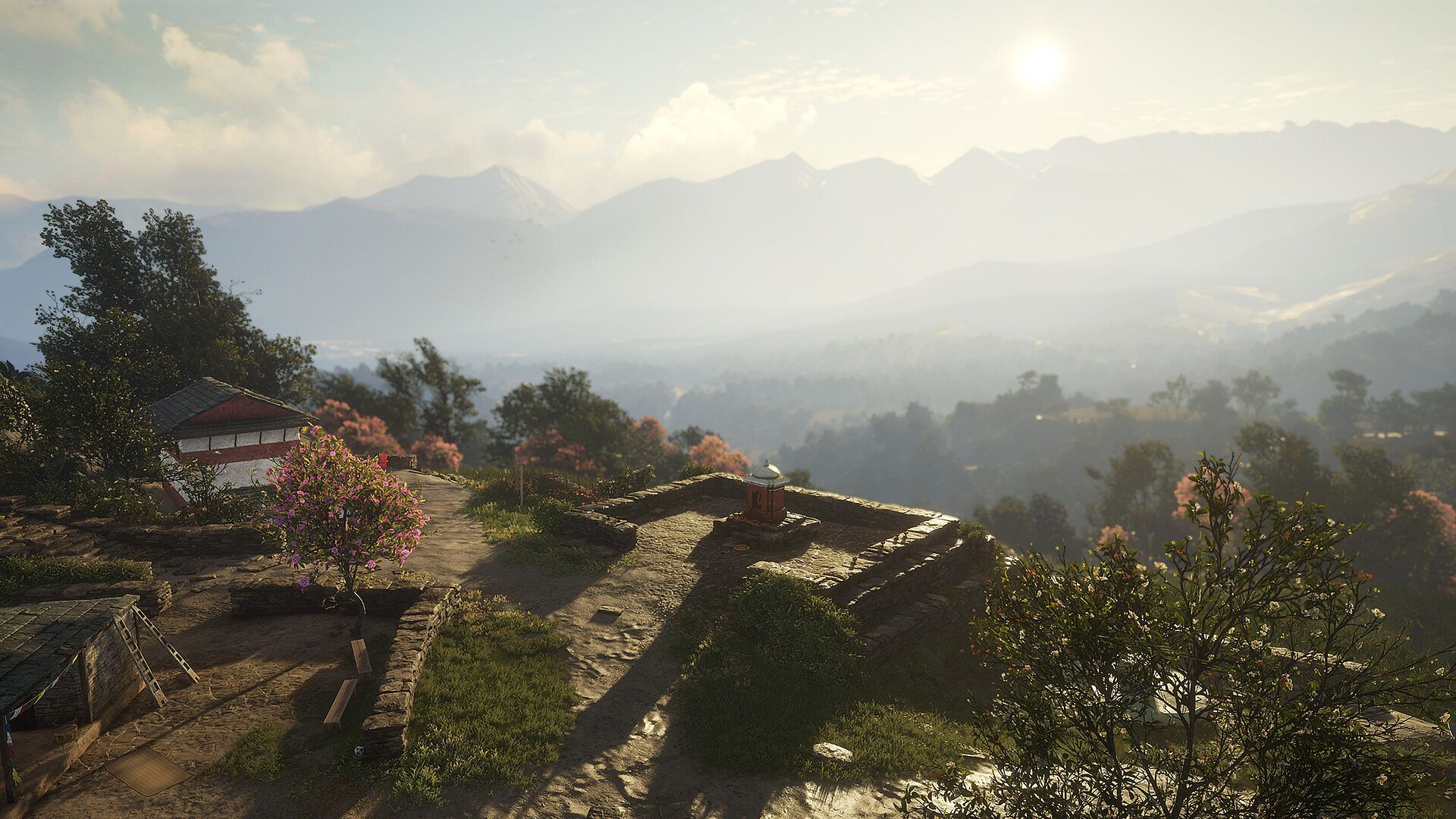
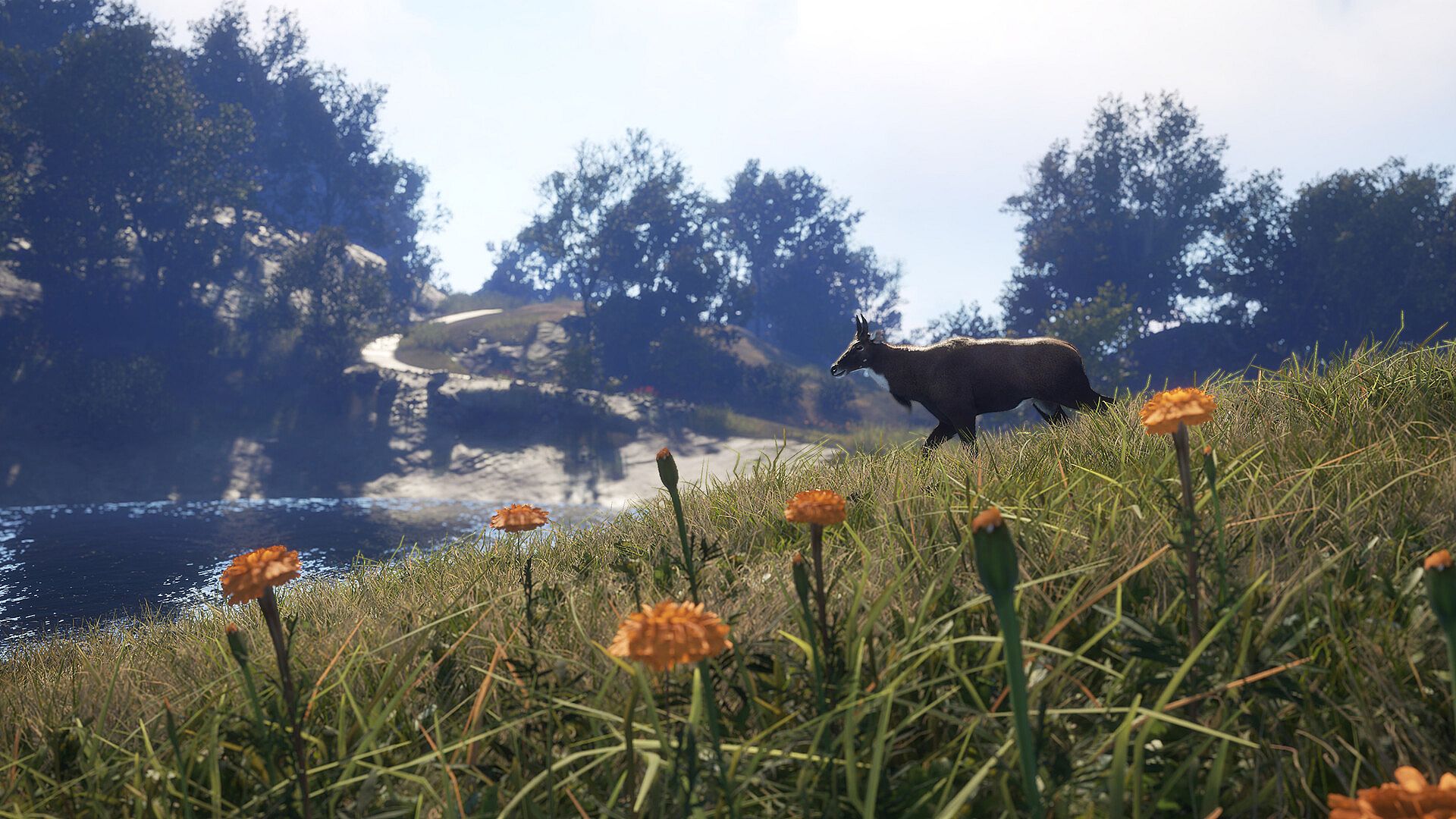
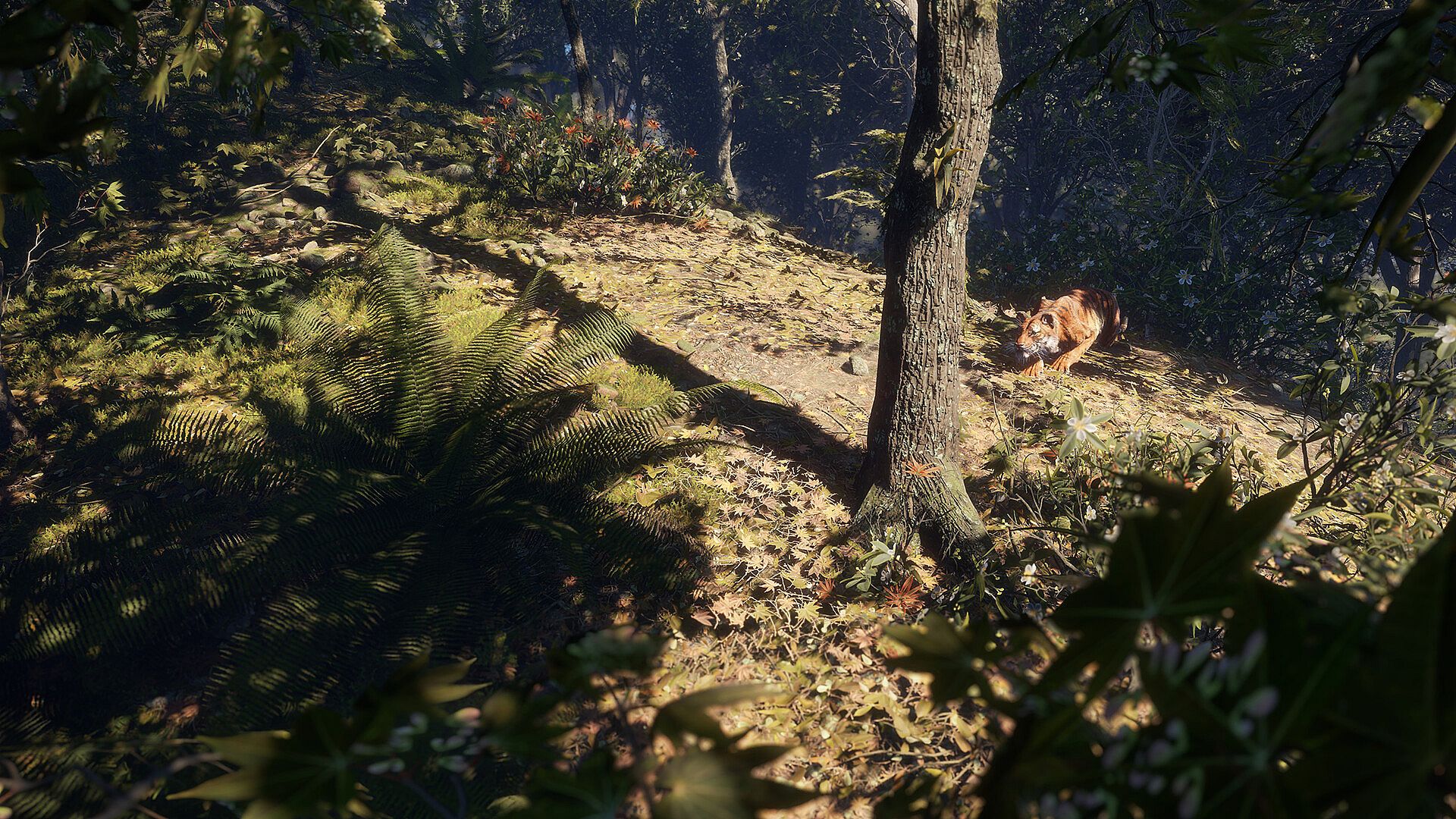
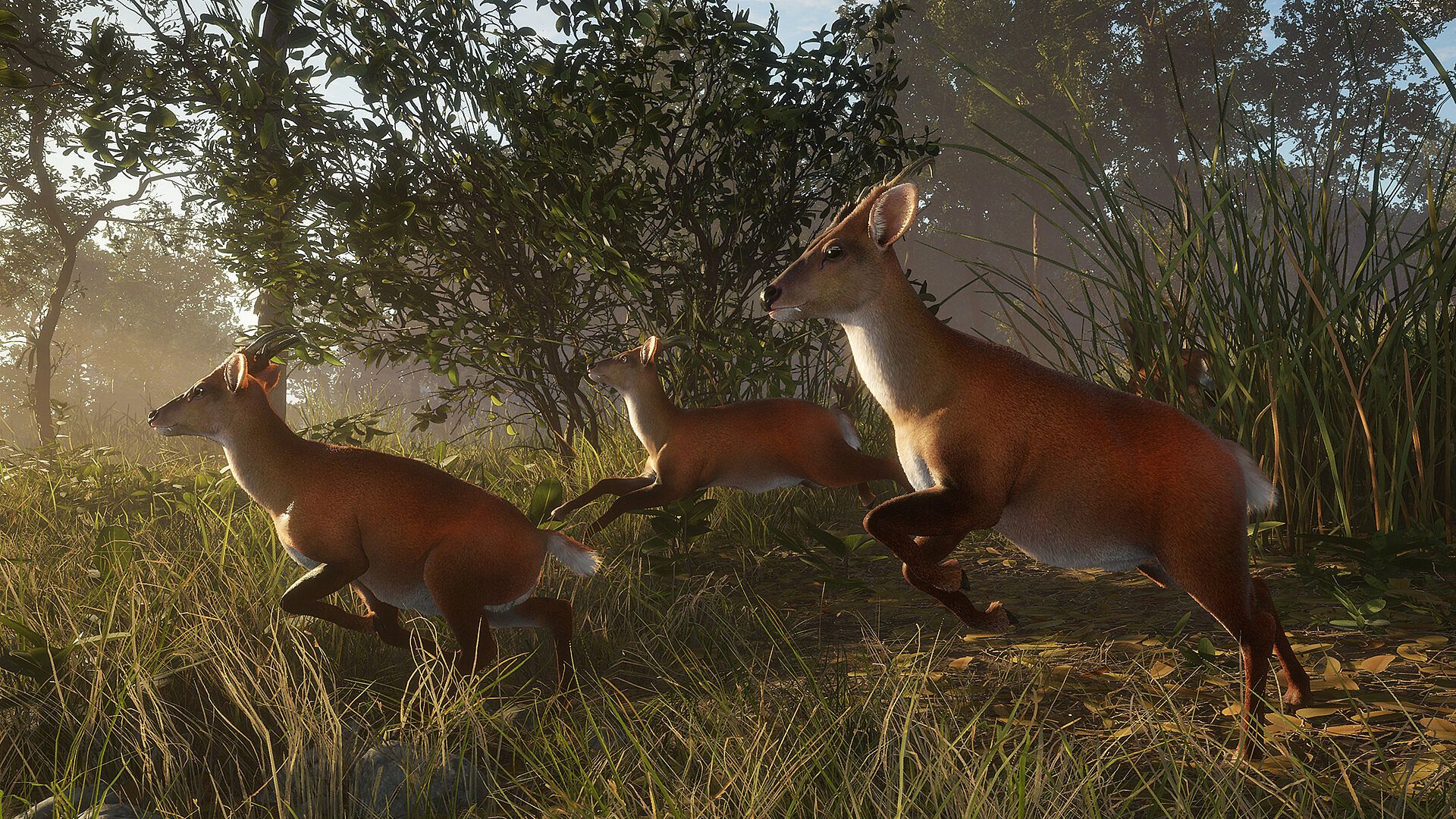
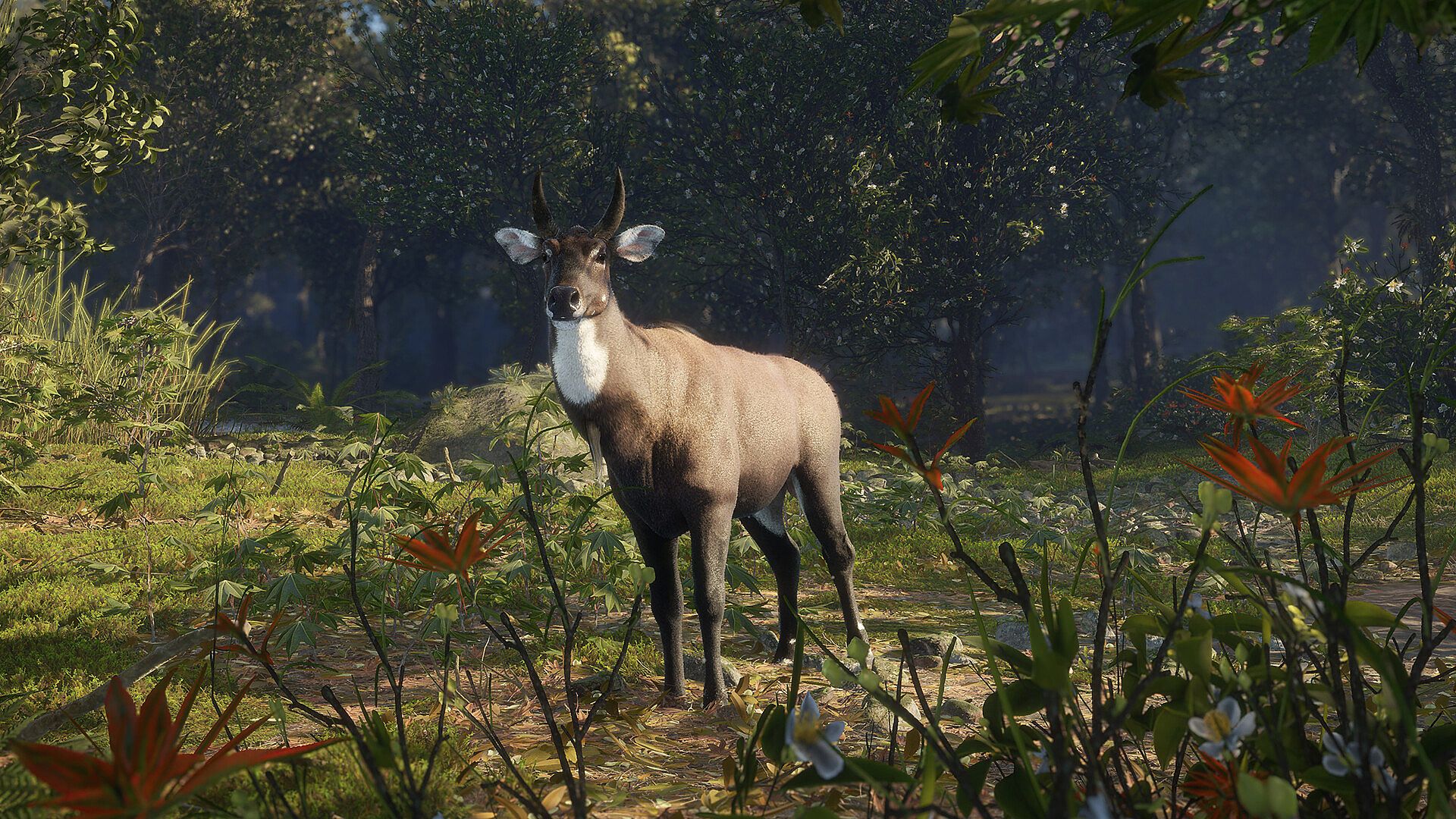
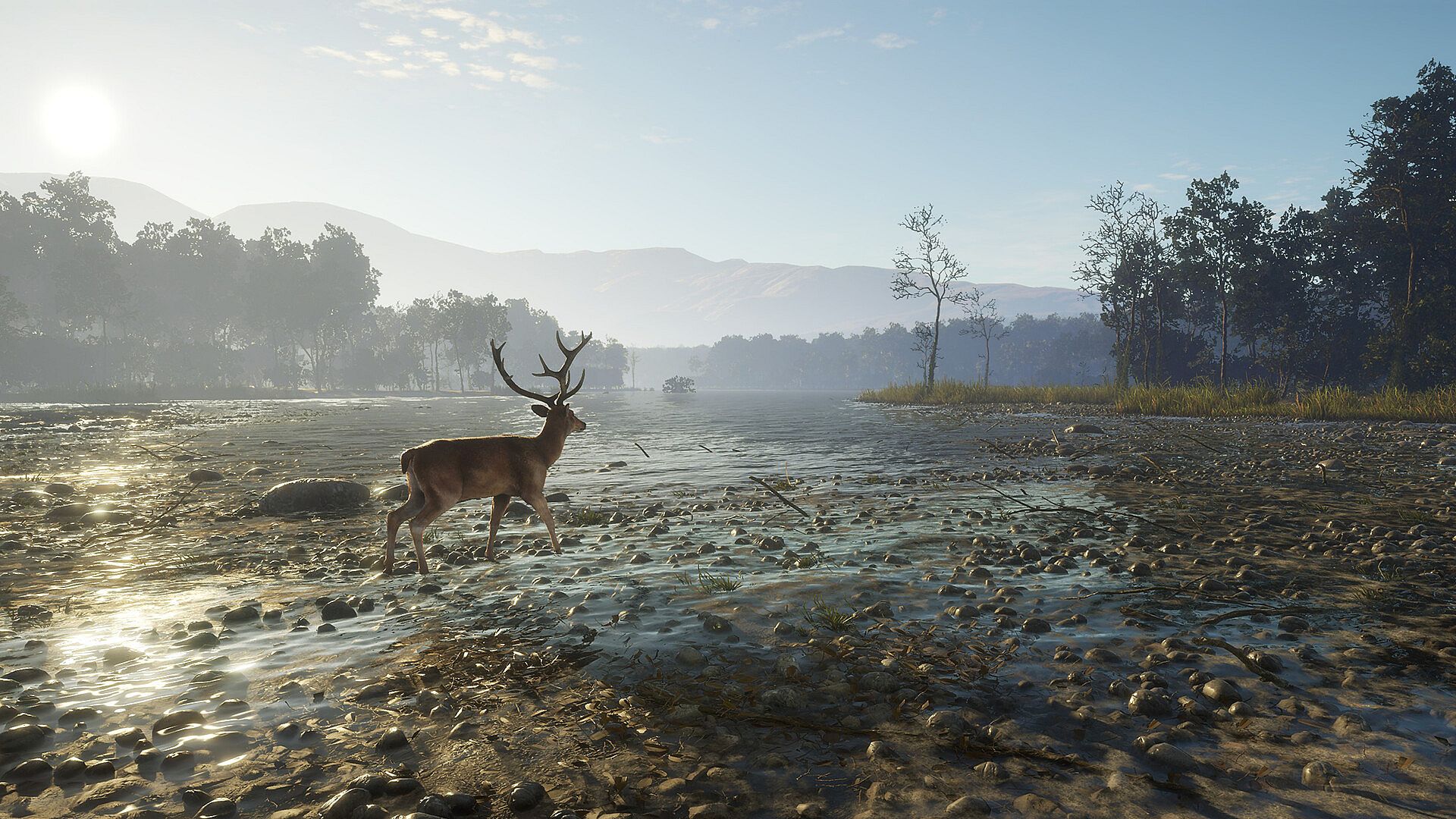
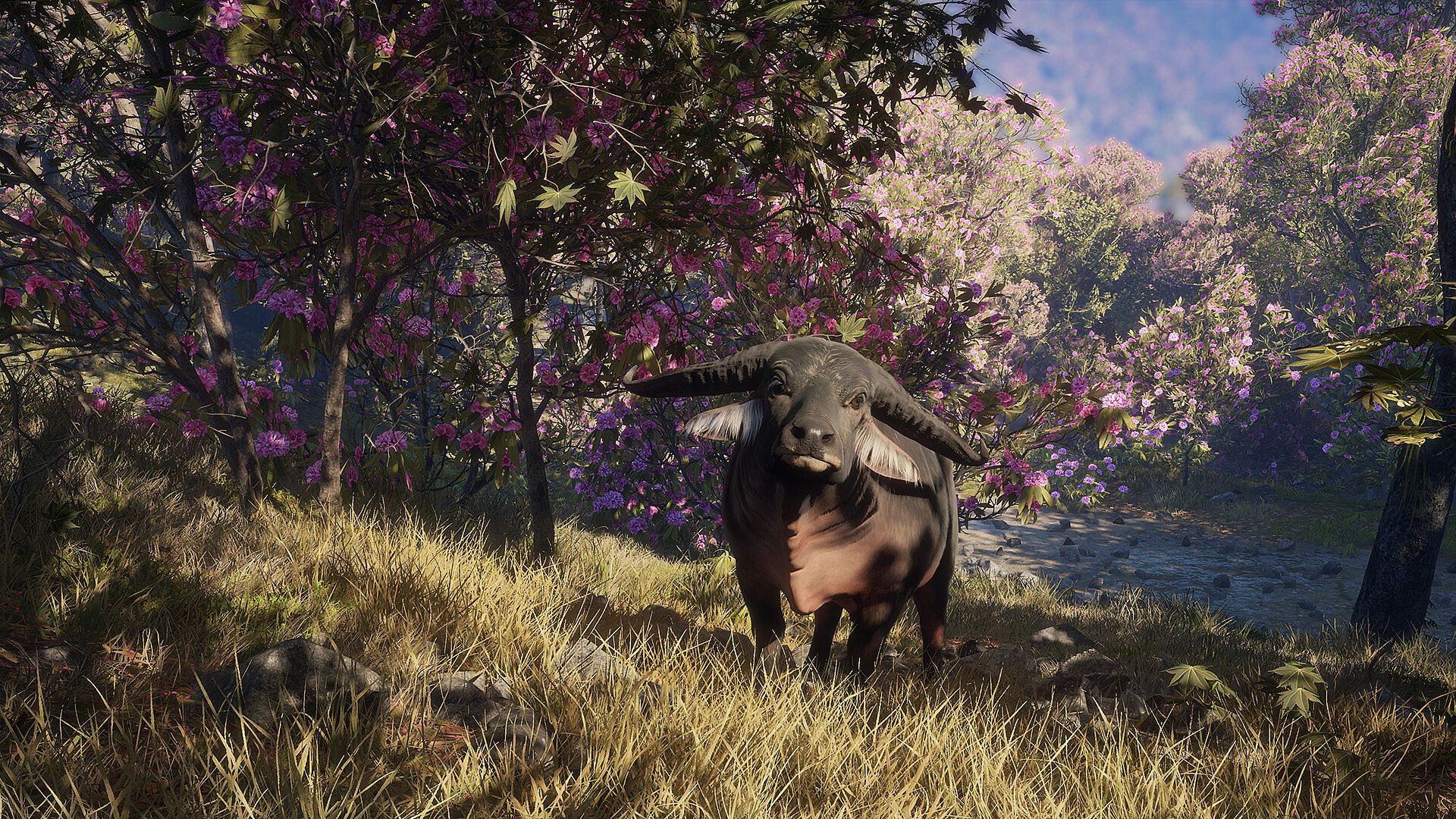
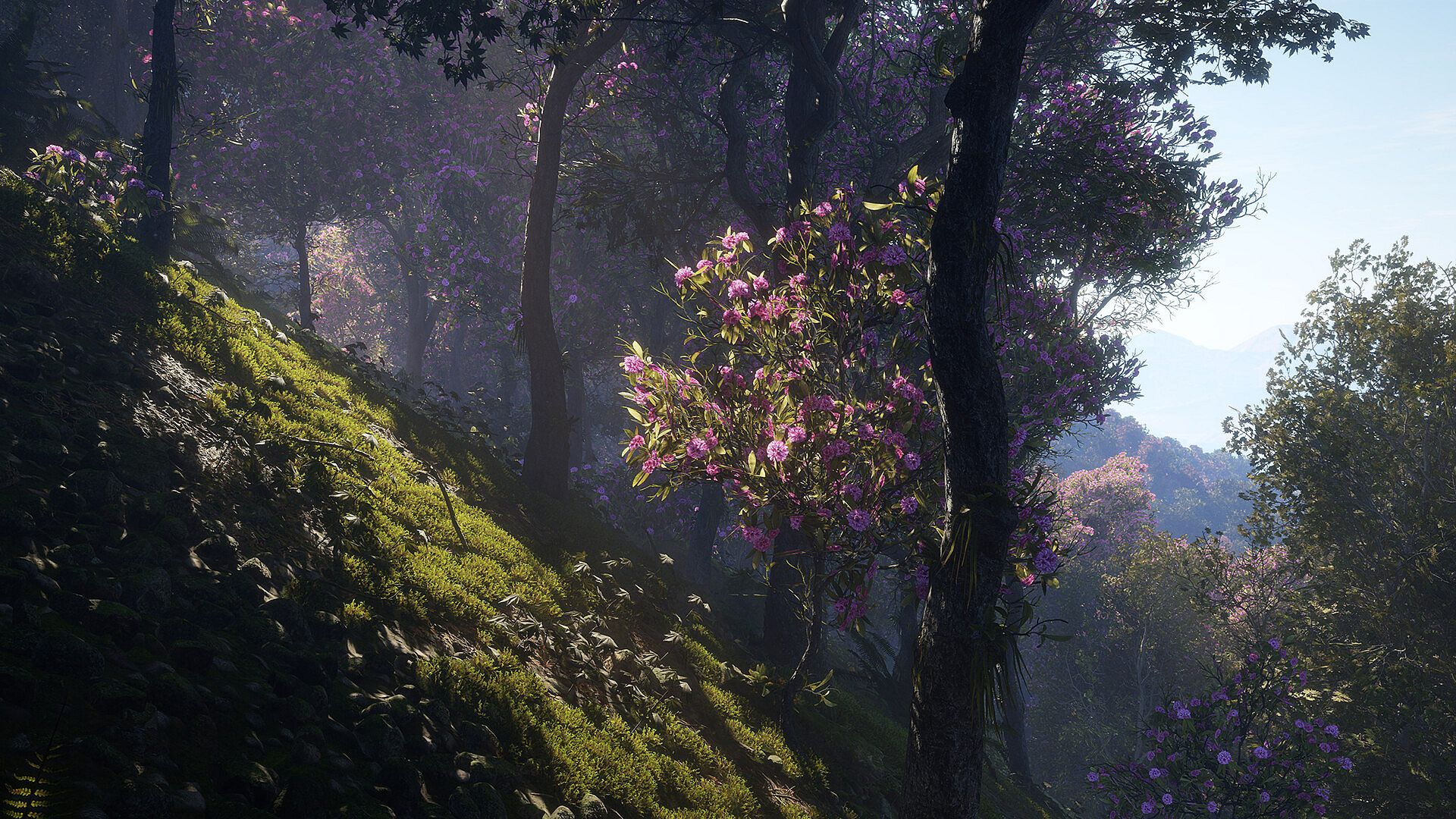
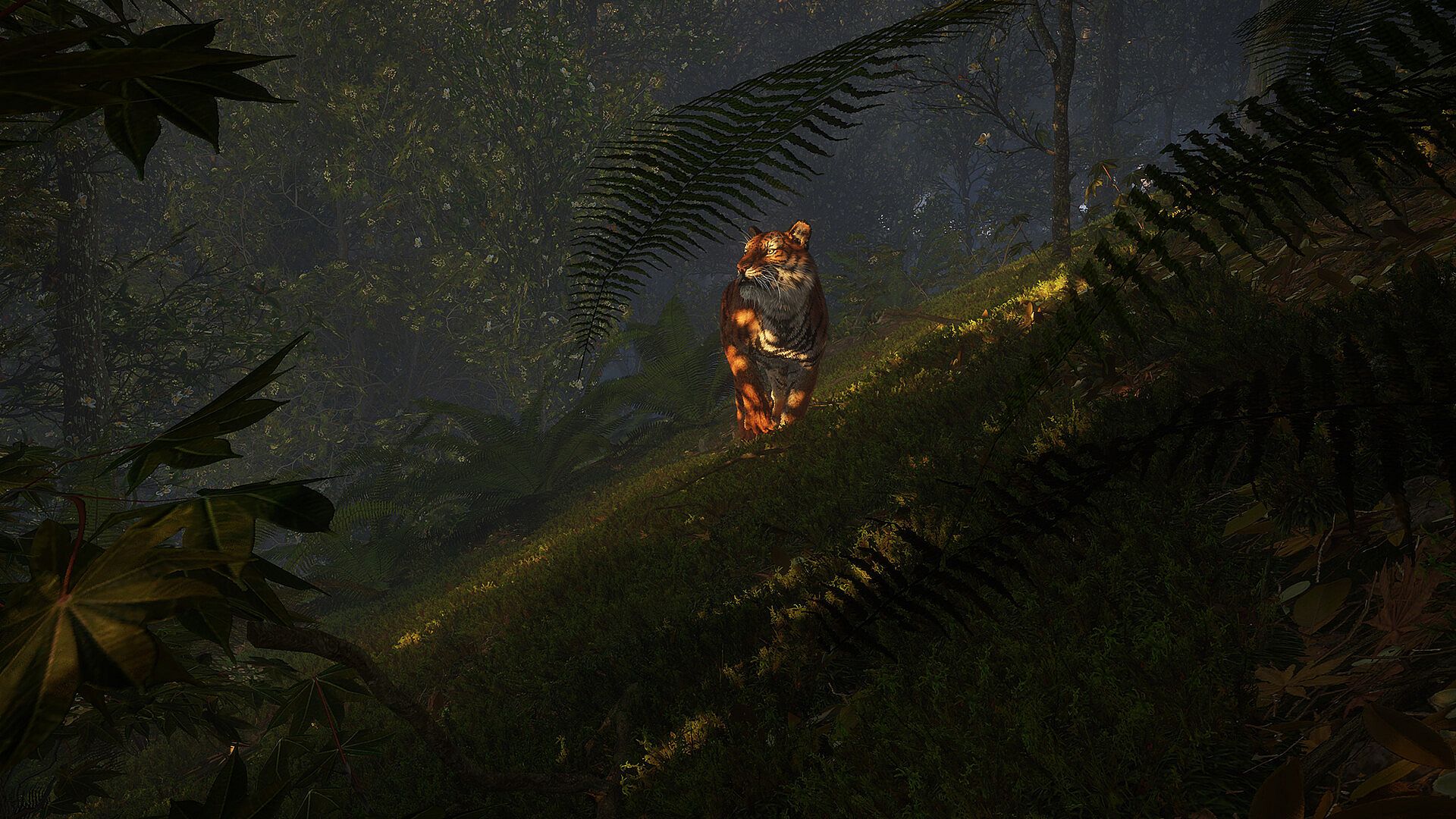
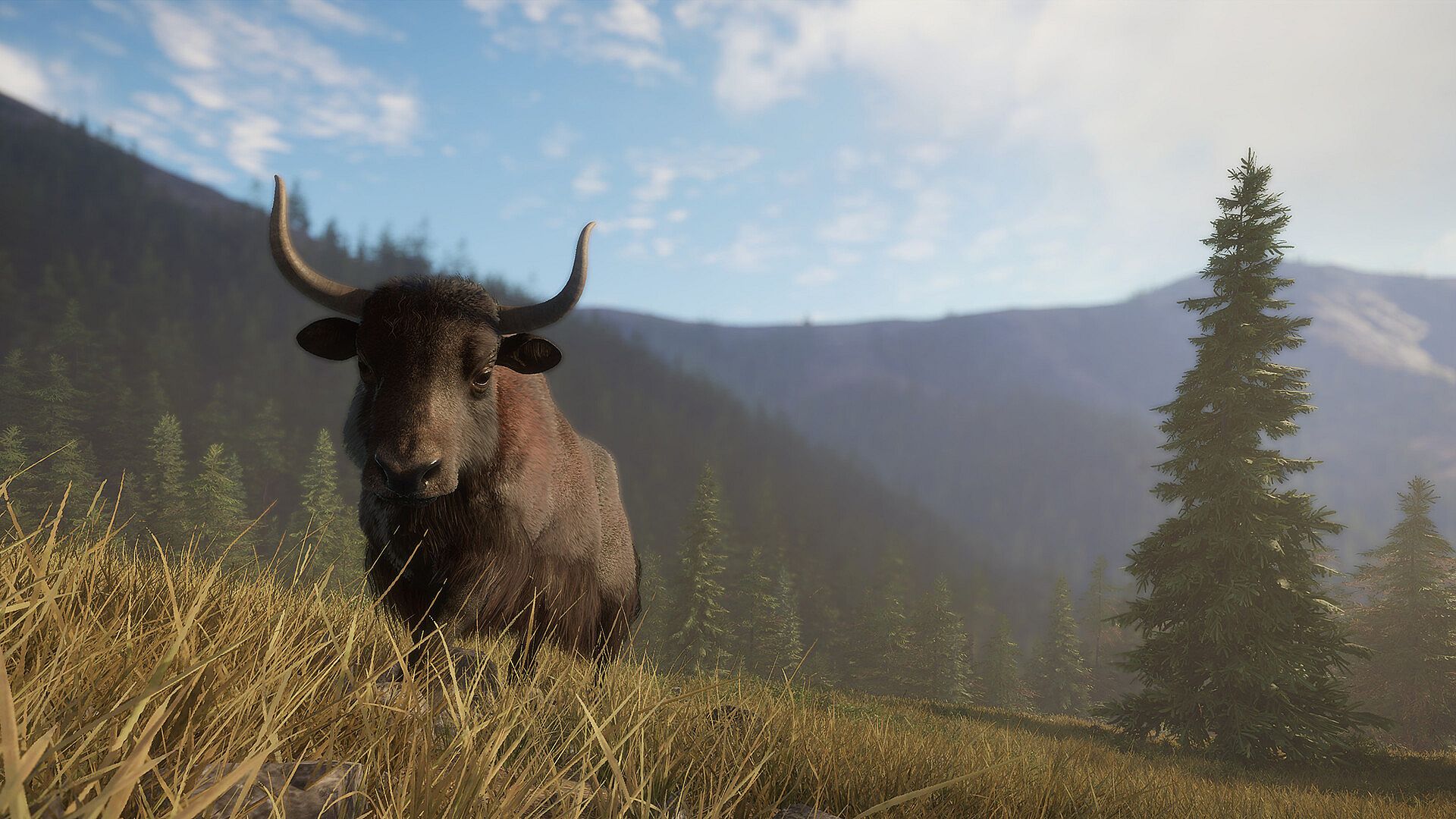
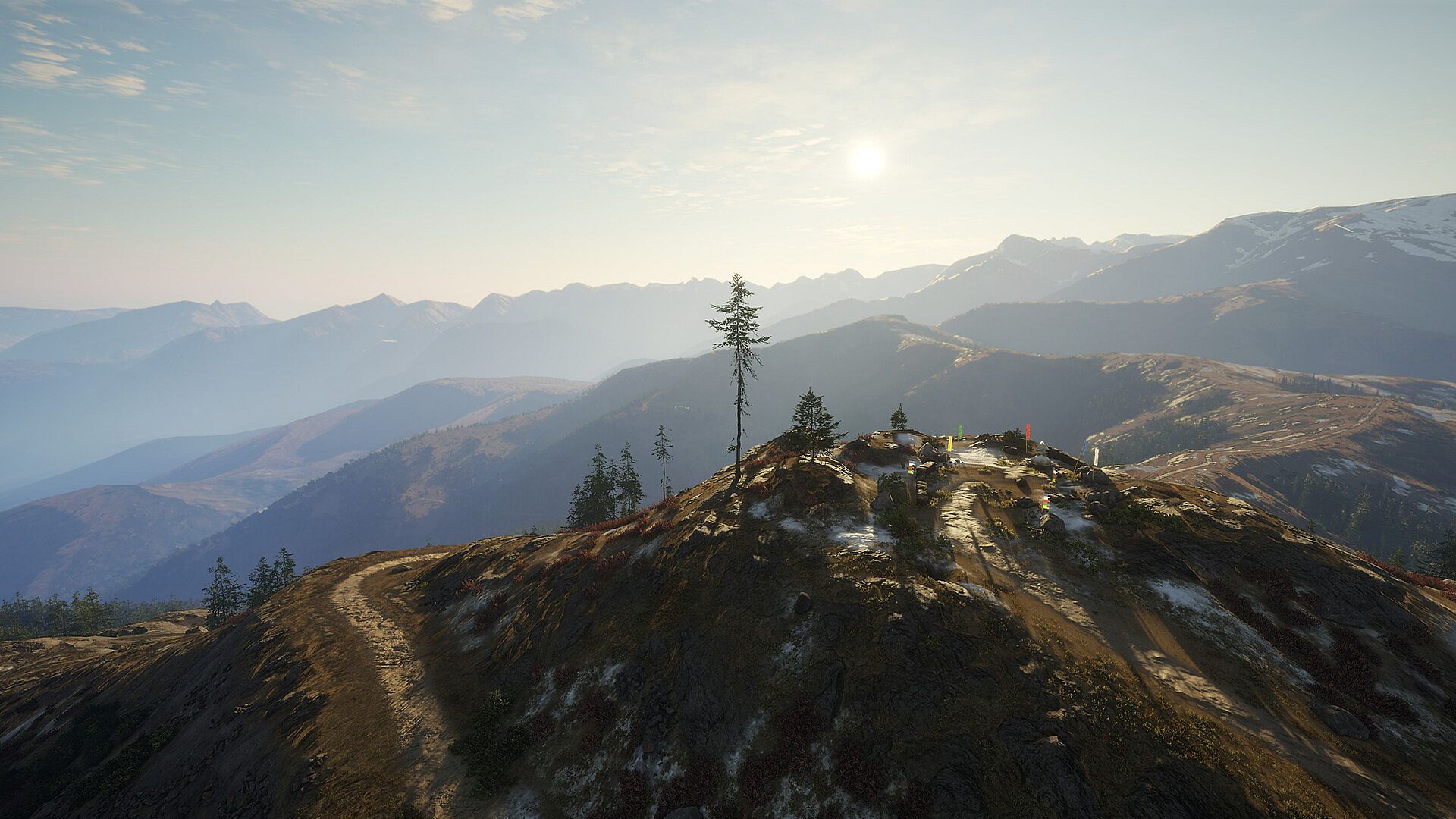
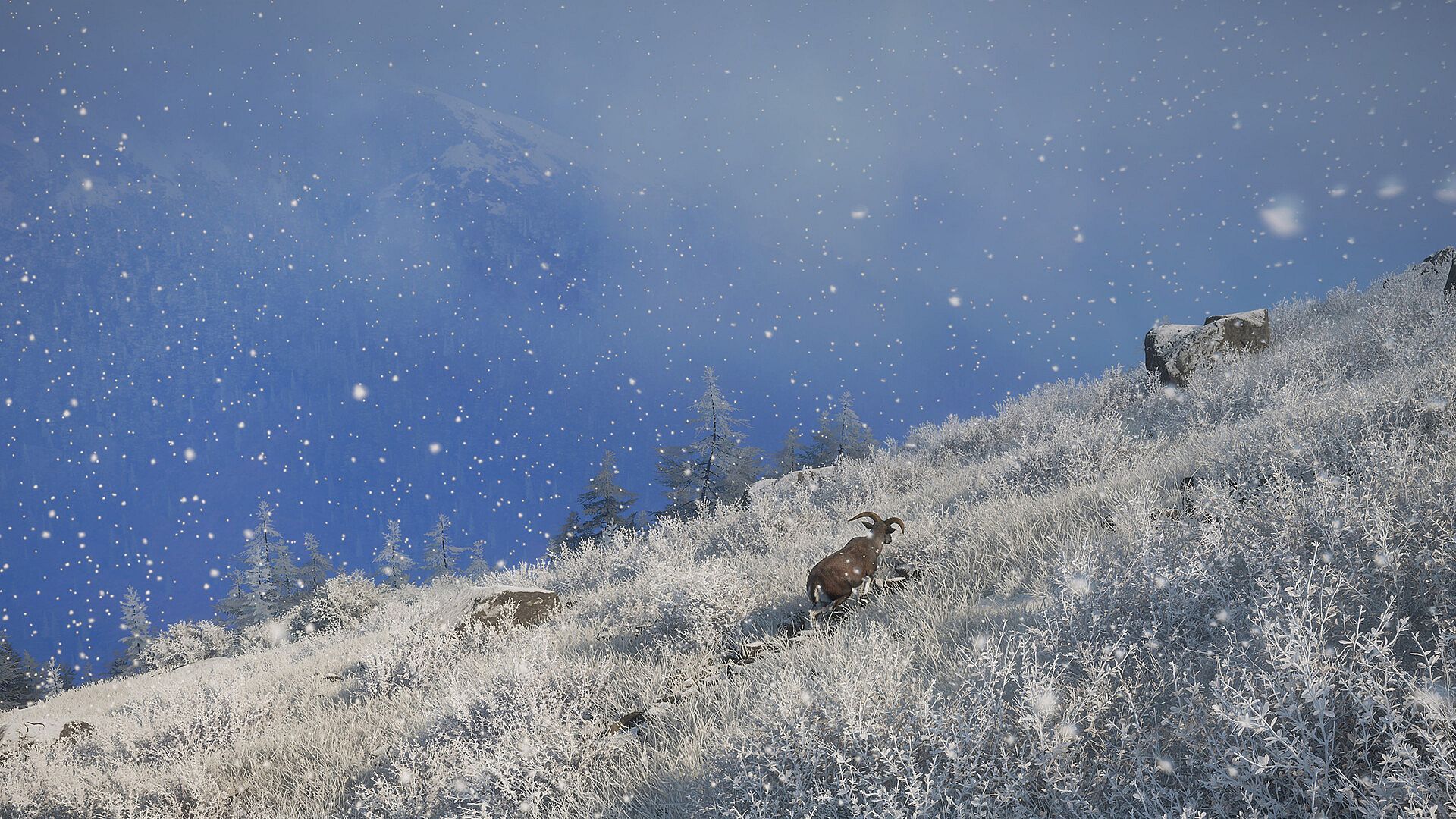
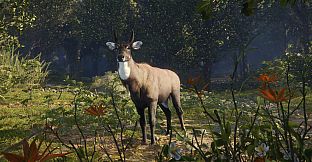
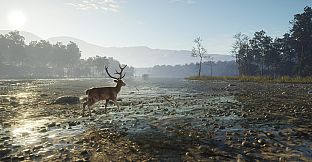
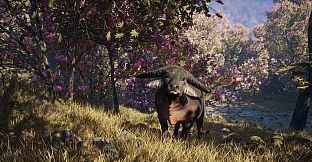
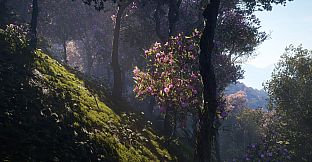
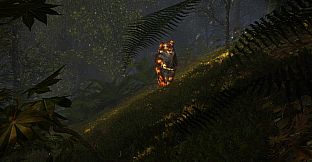
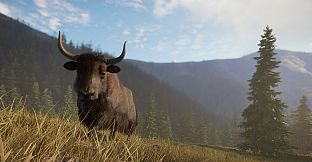
Hunters move through snow-covered ridges at high altitude, dense rhododendron forests in the mid-hills, and thick sal forests in the tropical lowlands. Each zone presents unique challenges for visibility, movement, and animal encounters. The reserve features 13 species total, with several found only here, including the barasingha, snow leopard, and the large tahr known locally as the Great One. In the lowlands the Bengal tiger requires constant vigilance because of its solitary and ambush-oriented habits.
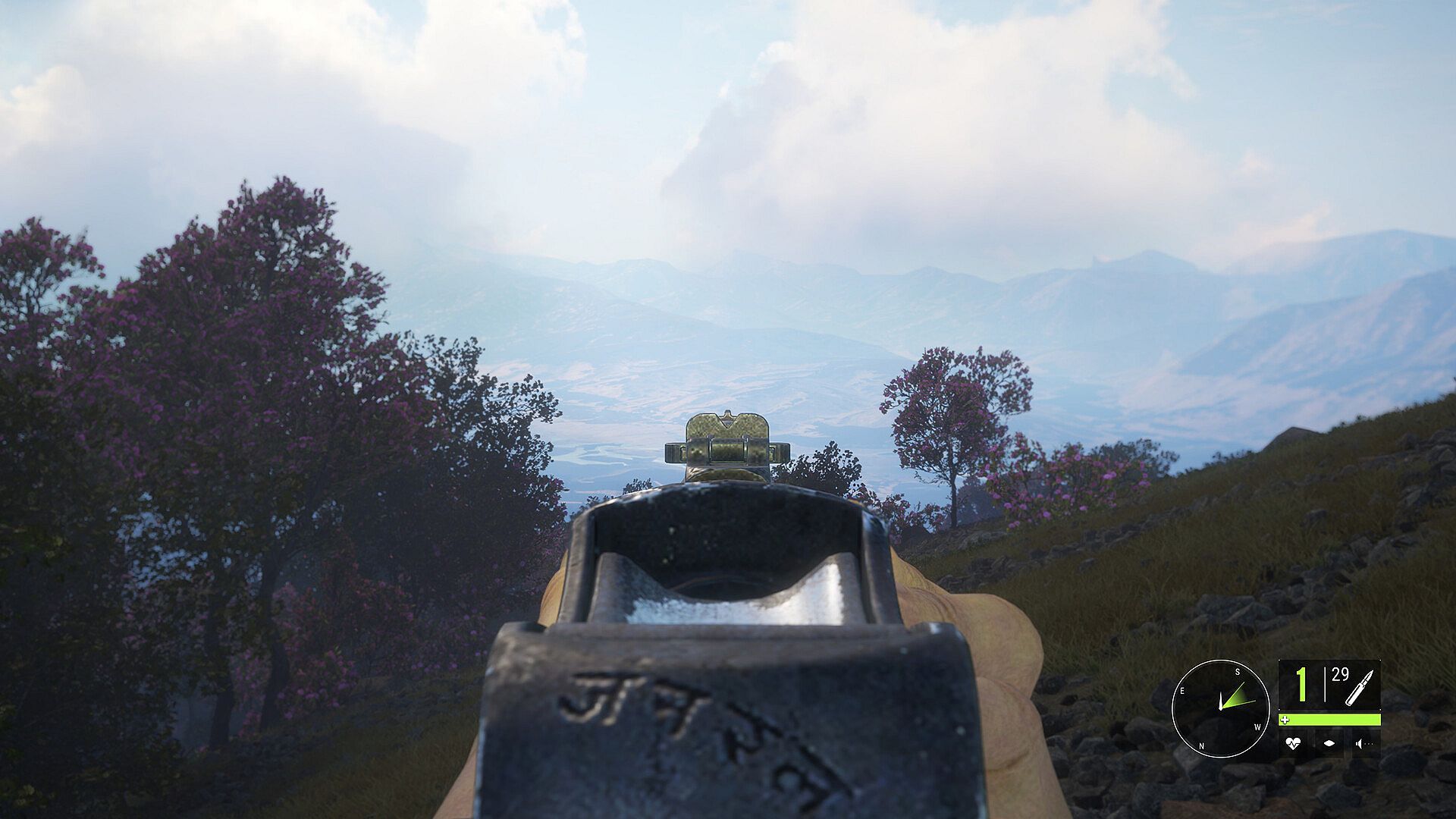
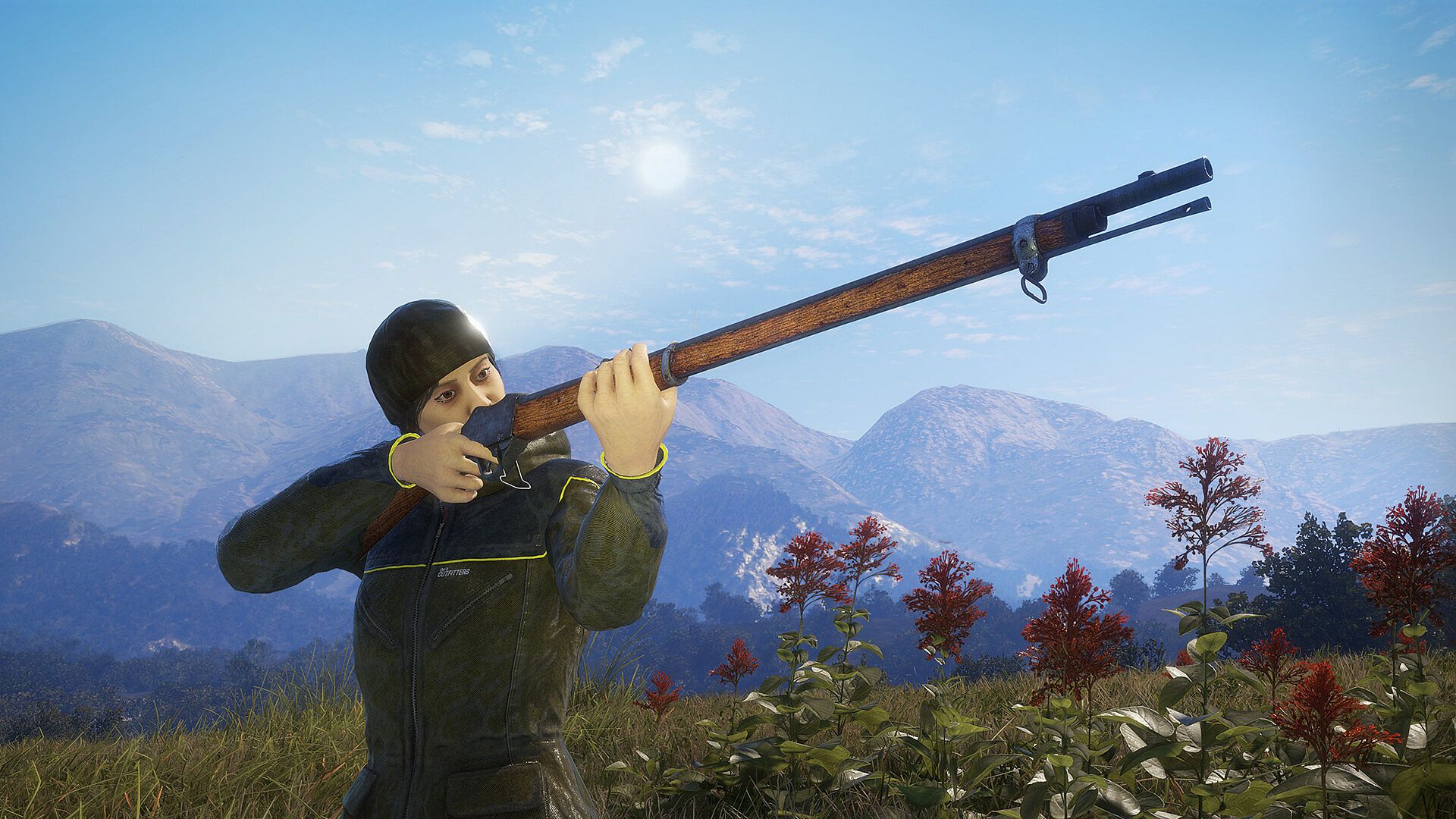
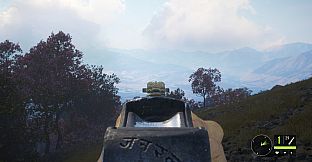
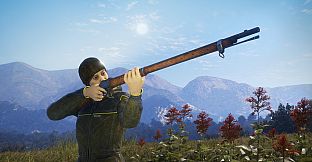
Tracking relies on reading signs, wind direction, and animal calls. Non-hunting tasks support reserve operations and include agriculture work, photography assignments, and equipment repairs. These objectives integrate with the core loop of locating, approaching, and ethically harvesting targets. The Gandhare Rifle, a single-shot breech-loading firearm from the late 19th century, serves as a high-caliber option for larger game and adds historical flavor to the arsenal.
Game Modes
The reserve operates as an open exploration area where players set their own pace between guided missions and free-form hunting. Story-driven tasks often involve local wardens and experts who provide context on Nepali wildlife and conservation efforts. Side objectives such as maintaining agricultural plots or documenting species through photography expand the available activities beyond direct pursuit of animals. All activities occur in the same continuous world, allowing seamless transitions between different biomes and mission types.
Exploration and Environment
The map spans the full range of Nepali terrain from high Himalayan ridges to lowland plains. Snow, dense vegetation, and varying elevations affect both hunter movement and animal distribution. Players encounter a mix of familiar and region-exclusive species while learning about the cultural and ecological significance of the area through interactions with reserve staff. The scale encourages repeated visits to discover new routes and animal patterns across the disparate landscapes.
Is It Worth Playing?
This reserve suits players who enjoy methodical, simulation-style hunting with a focus on realistic animal behavior and environmental variety. The addition of the Gandhare Rifle and the three distinct biomes provide fresh challenges for those already familiar with the series. Non-hunting missions add variety and tie into the setting's cultural elements. Reception highlights the visual beauty and new species roster, though some note dense foliage can affect performance on certain hardware. The DLC delivers a self-contained experience for anyone interested in Nepal's wildlife and terrain without requiring prior knowledge of other reserves.