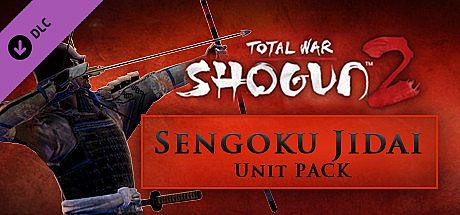












Total War: Shogun 2 places players in command of rival clans during Japan's Sengoku Jidai period, blending turn-based campaign strategy with large-scale real-time battles. The Sengoku Jidai Unit Pack expands the roster by introducing ten elite units, each tied to specific clans and available once the content is acquired. These additions integrate directly into existing systems, allowing commanders to field specialized forces that complement standard recruitment options in both single-player and multiplayer contexts.
Gameplay
Core gameplay revolves around managing a clan's territory, economy, and military on a campaign map through turn-based decisions. Players construct buildings to unlock units, assign agents for espionage or diplomacy, and position armies to capture provinces while balancing food, honor, and realm divide mechanics that increase difficulty as influence grows. Battles shift to real-time control where terrain, unit formations, and morale determine outcomes, with matchlock firearms, cavalry charges, and archery volleys playing key roles alongside traditional melee infantry.
The unit pack enhances these systems by providing clan-specific elites that require particular buildings or religious alignments for recruitment. For instance, certain units demand a gunsmith combined with an armoury, while others need temples or dojos. This encourages tailored army compositions that leverage each clan's strengths, such as improved missile defense or hidden deployment options, without altering base progression paths.
Game Modes
Single-player campaign mode forms the primary experience, where the new units appear in armies once construction requirements are met for the associated clan. Multiplayer campaign extends this to competitive or cooperative play with friends. Single-player battles allow direct testing of units in custom scenarios, while Avatar Conquest supports ongoing progression across matches using unlocked elites when the correct clan is selected.
These modes maintain consistent rules for unit availability, ensuring the additions function across different play styles. Hidden movement, morale effects, and vulnerability to specific counters remain tied to each unit's design, preserving tactical depth in every engagement.
Clan Specific Additions
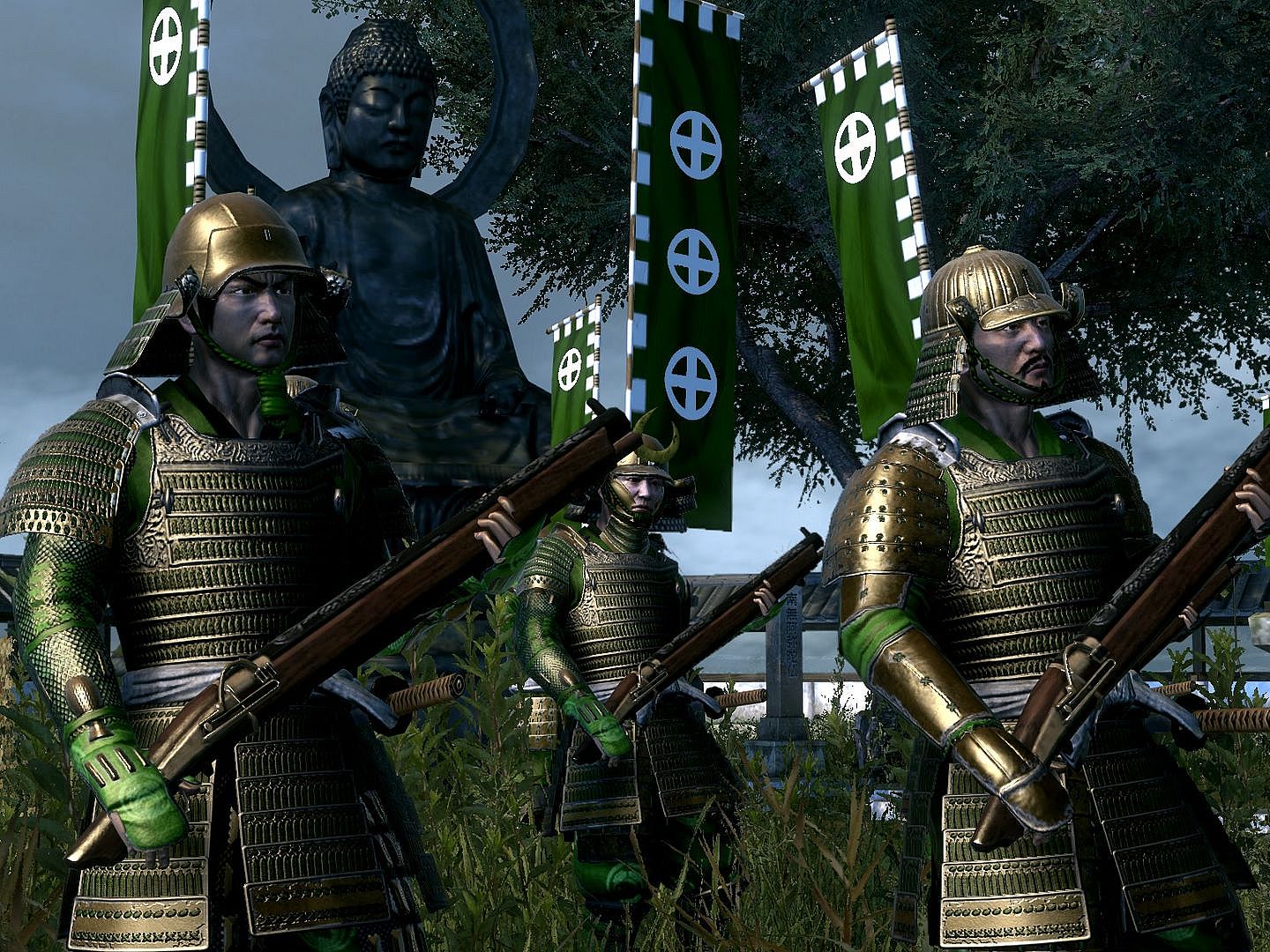
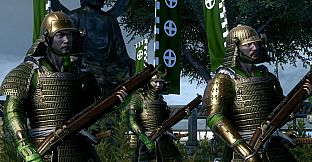
Each of the ten units carries distinct attributes suited to its clan. The Date clan's bulletproof samurai emphasize resilience against firearms through heavy armor, though their speed suffers. Uesugi or Ikko Ikki players gain access to fast, fatigue-resistant marathon monks effective against infantry and cavalry but exposed to missiles. Hojo forces receive hand mortar teams capable of indirect fire over obstacles, while Shimazu heavy gunners deliver high damage to units and structures at the cost of melee vulnerability.
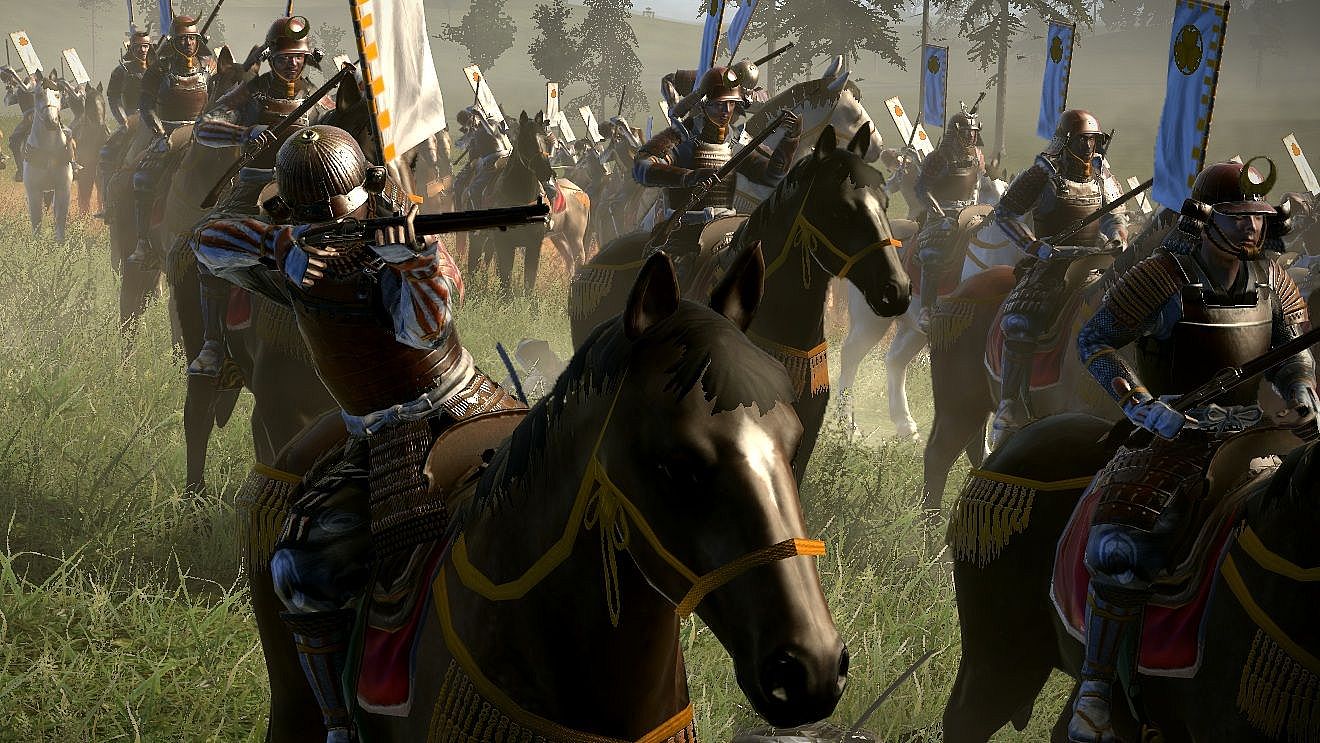
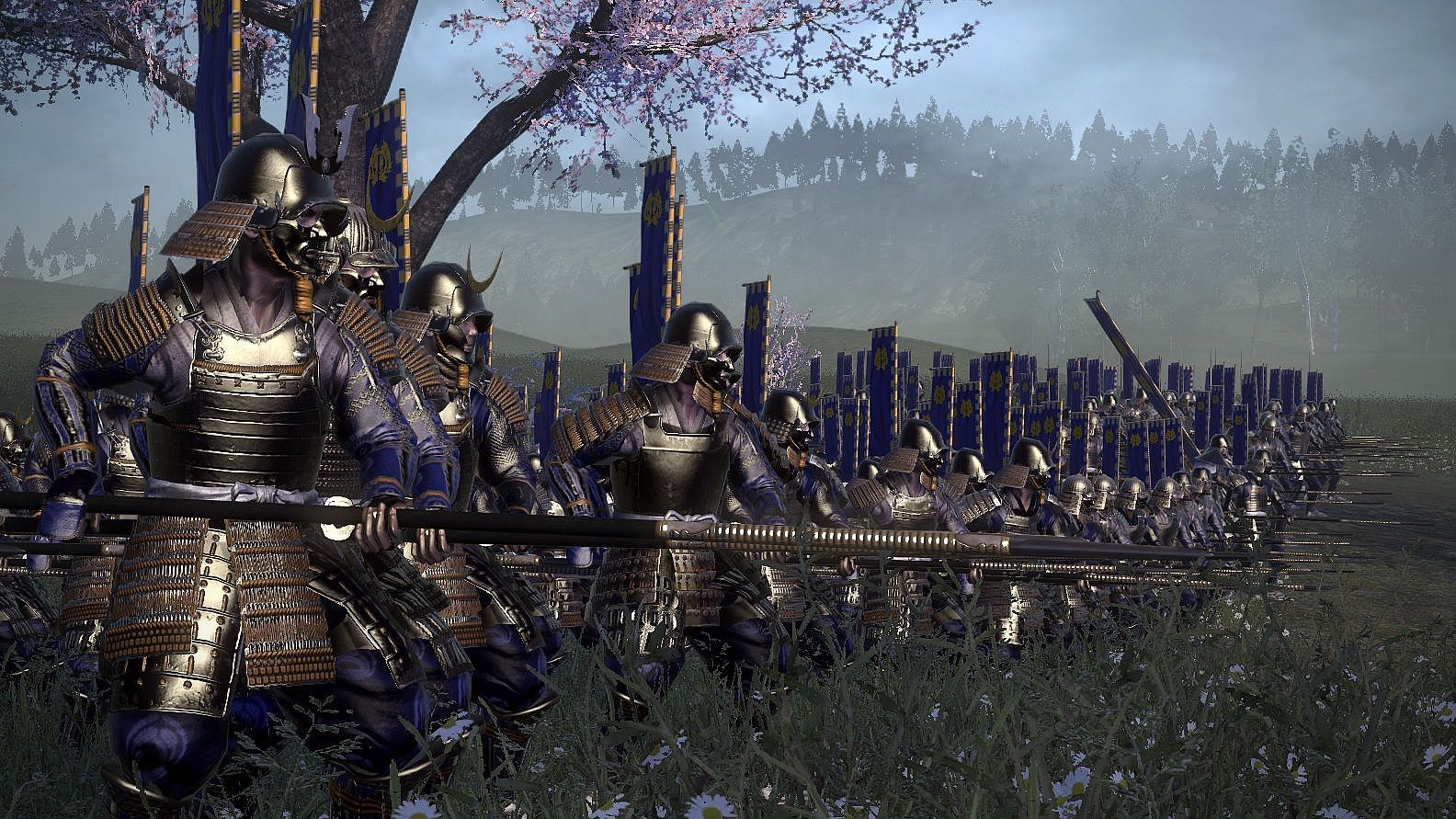
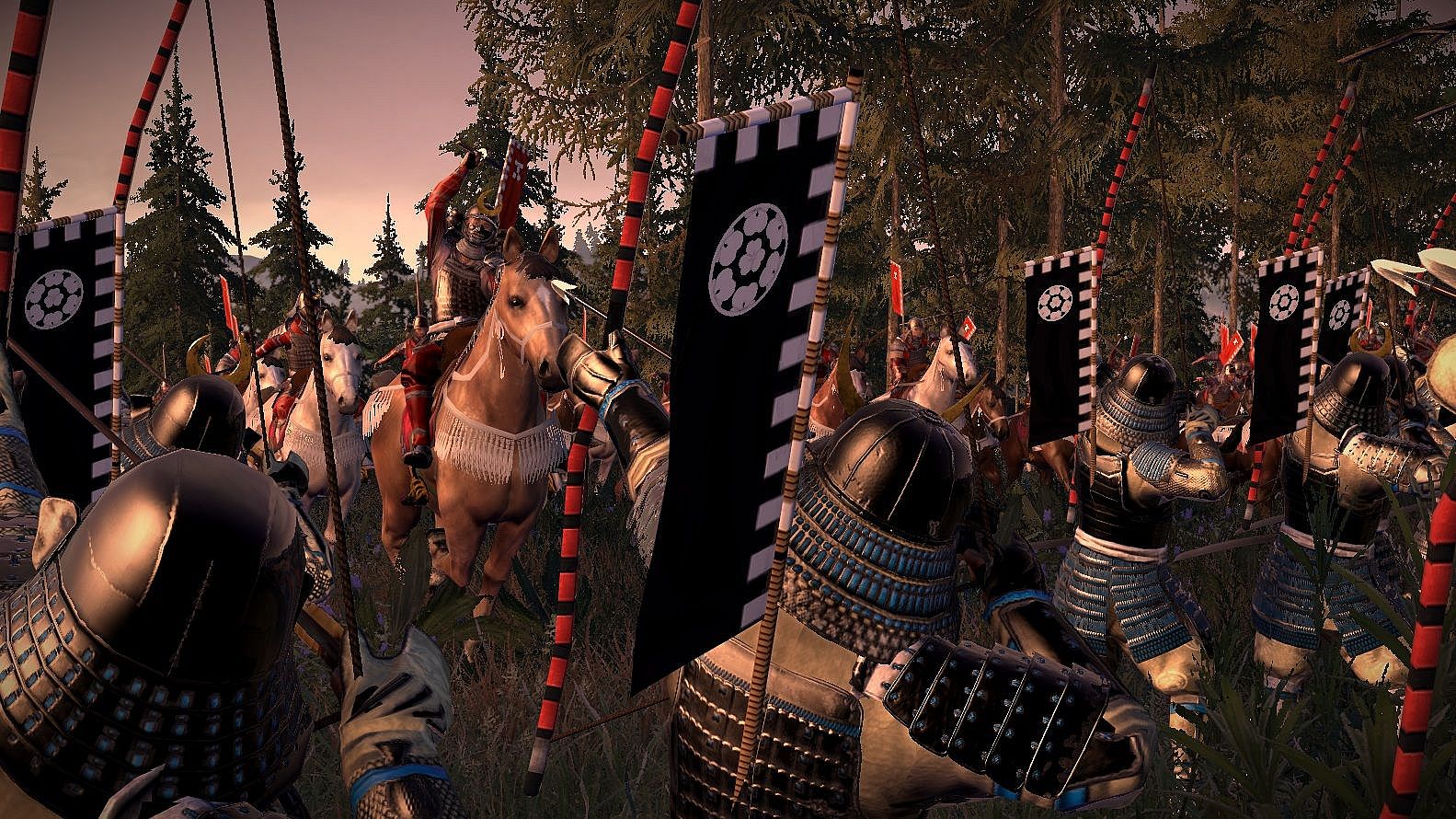
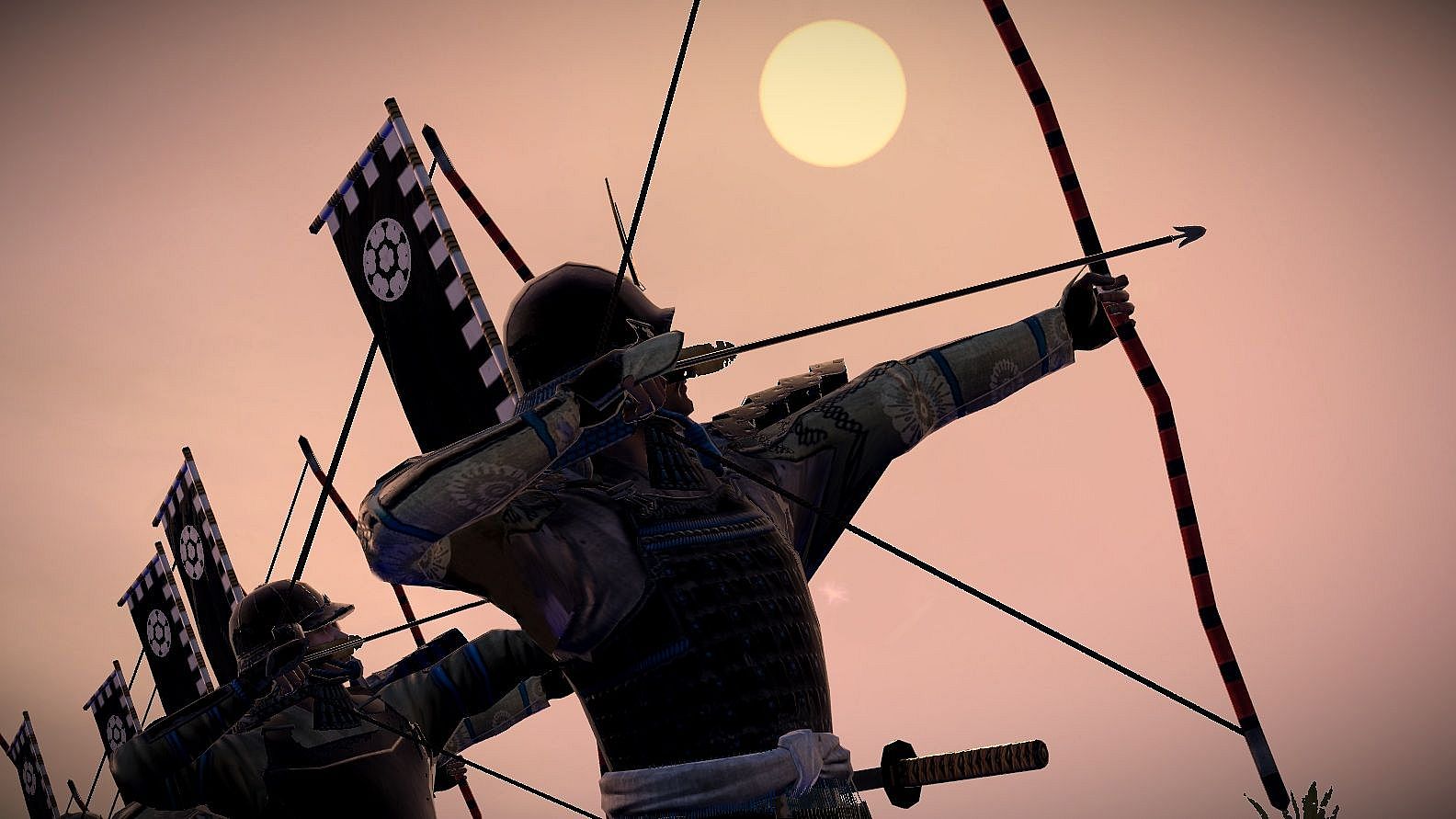
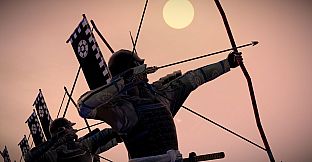
Mori wako raiders excel at flanking through hidden approaches and strong morale in close combat. Tokugawa mounted gunners combine mobility with matchlock volleys for hit-and-run tactics. Hattori bandits focus on stealth shooting from concealment. Oda long-yari ashigaru counter cavalry effectively with extended reach. Takeda fire cavalry provides versatile mounted charges against both infantry and horsemen. Chosokabe daikyu samurai extend archery range and accuracy for sustained missile superiority.
Is It Worth Playing?
Players seeking deeper tactical variety in clan-based campaigns will find value in these additions, as they reward specific building investments and clan choices with units that address common battlefield gaps. The pack integrates cleanly into established modes without requiring separate progression. Reception remains strong years after release, with consistent praise for the refined combat and strategic layers that keep the experience engaging for both new and returning commanders. Those who enjoy methodical army building and decisive real-time clashes will appreciate the expanded options, particularly when paired with the base game's emphasis on historical clan rivalries.