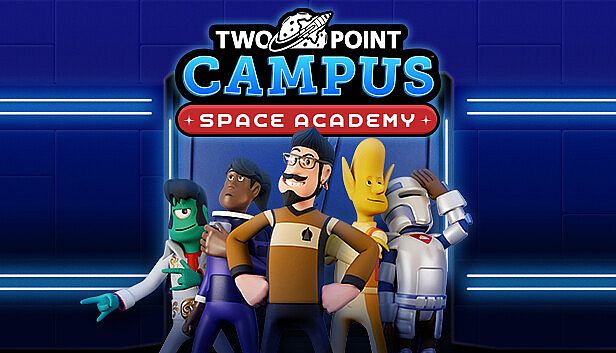




















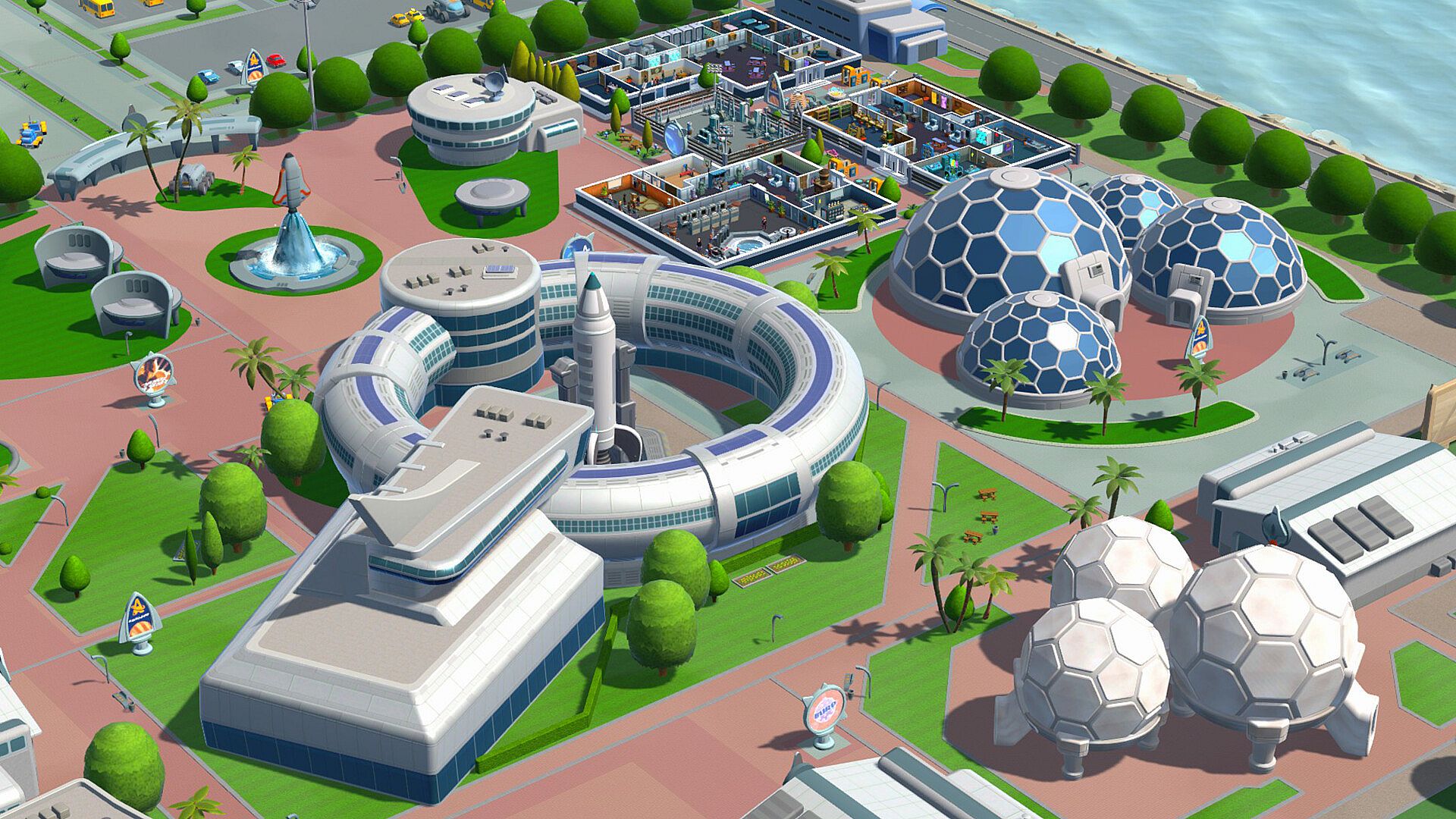
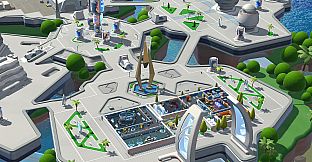
Two Point Campus: Space Academy is an indie simulation game that expands the campus management experience into outer space. Players take on the role of an administrator tasked with building and operating educational facilities in a sci-fi setting, attracting students from across the galaxy while balancing budgets, staff needs, and academic goals. The expansion introduces three distinct campus sites set against cosmic backdrops, along with themed courses and student types that shift the focus toward space exploration themes and alien interactions.
Gameplay
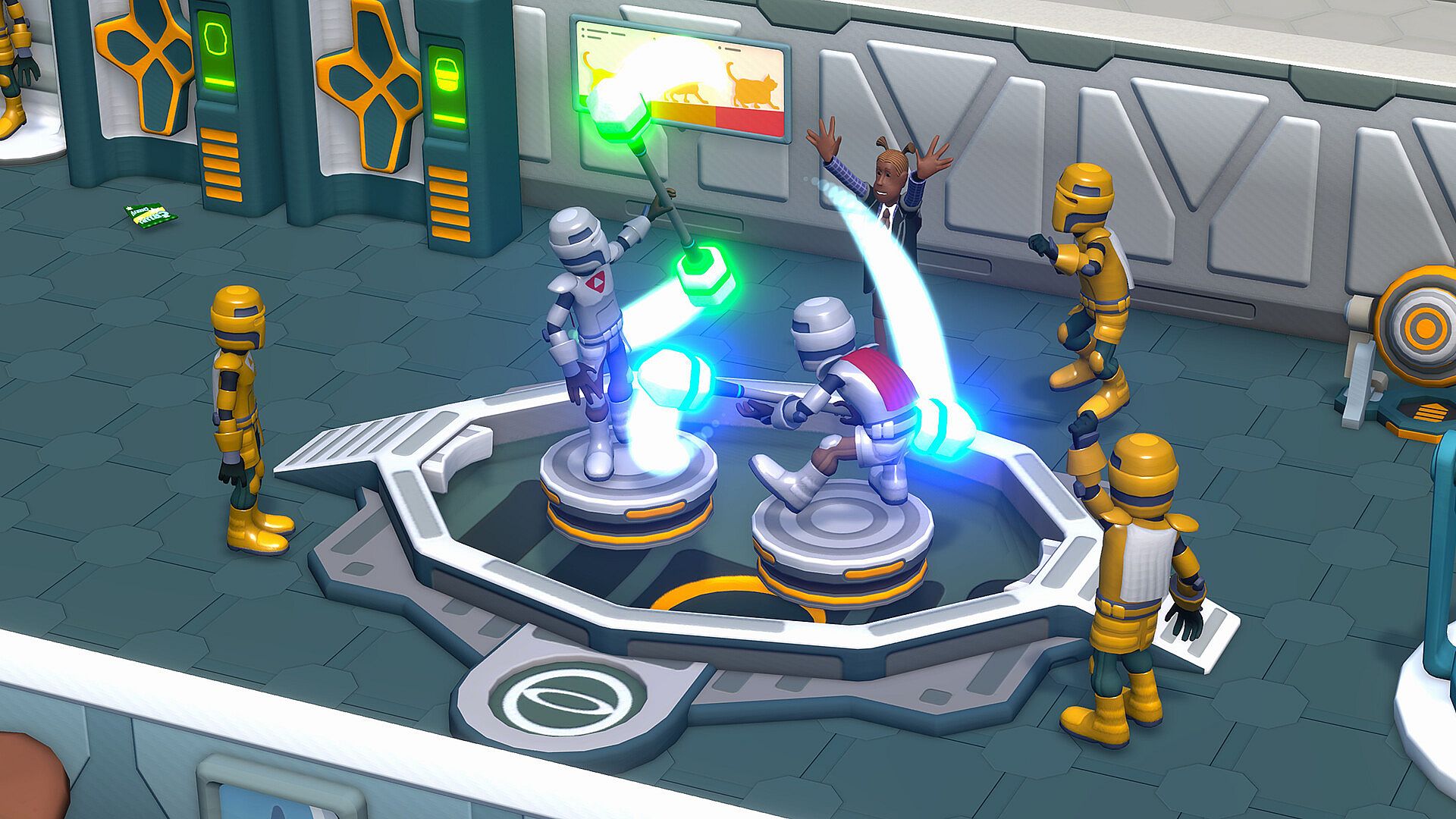
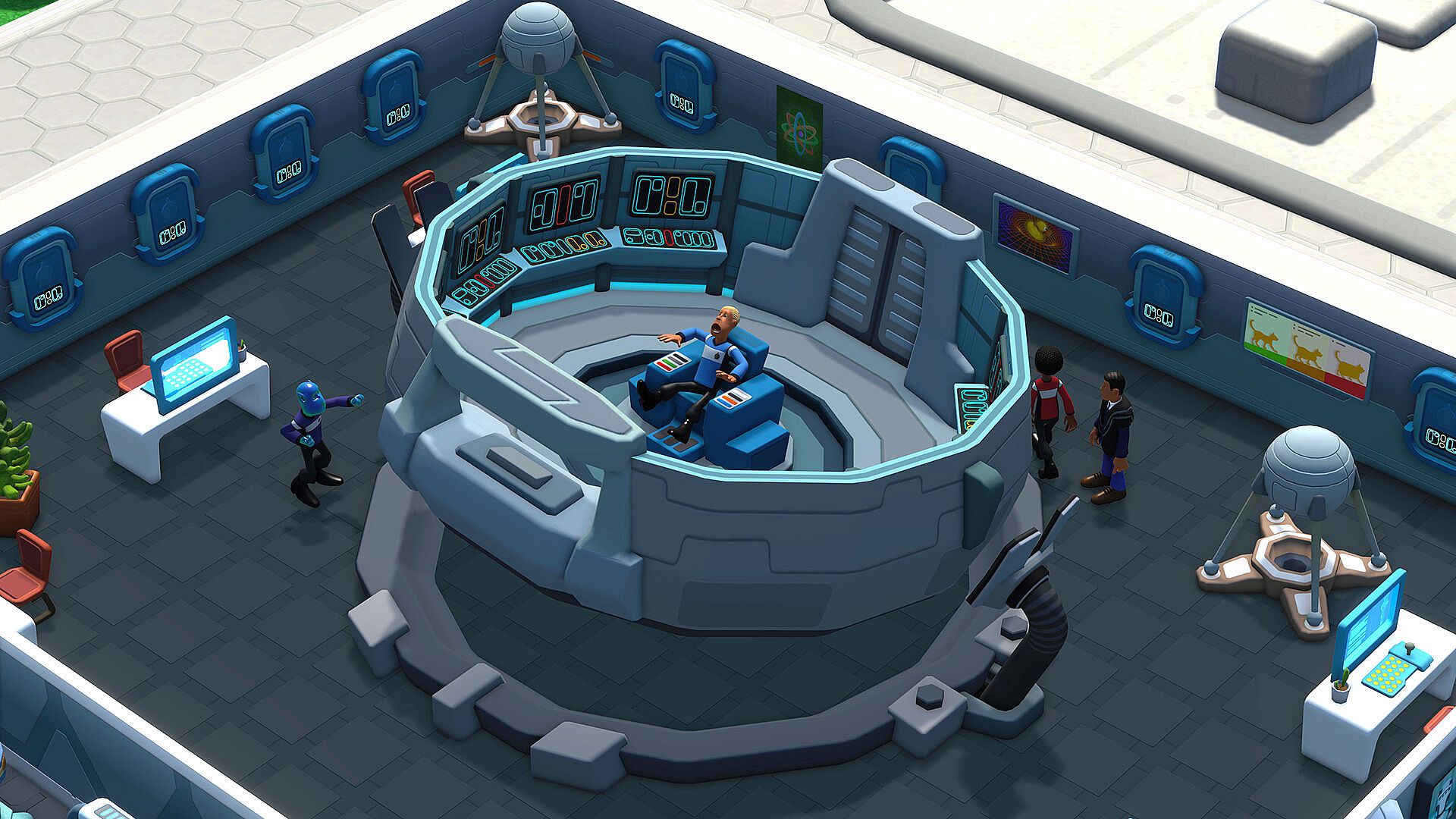
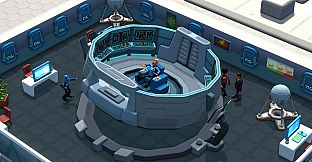
The core loop involves designing layouts for classrooms, dormitories, and support facilities on unconventional terrain such as orbiting rocks or launch sites. Administrators hire and train staff to deliver instruction in specialized subjects, maintain student satisfaction through amenities, and respond to events that test operational efficiency. New student archetypes bring varied needs and behaviors, requiring adjustments to housing, clubs, and daily schedules. Fully animated classrooms illustrate lectures in fields like cosmic studies and engineering, adding visual feedback during sessions. Items and decorations themed around space travel help boost campus prestige and revenue from tuition and events.
Harsh environmental conditions on certain sites demand careful placement of life support systems and protective structures. Alien enrollees introduce diplomatic elements, as their expectations differ from standard human students in areas like diet and social activities. The time tourism club offers quick excursions that provide entertainment without lengthy travel, integrating into the broader routine of campus life. Events such as conventions and simulated conflicts require on-the-spot decisions to keep operations running smoothly and grades high.
Game Modes
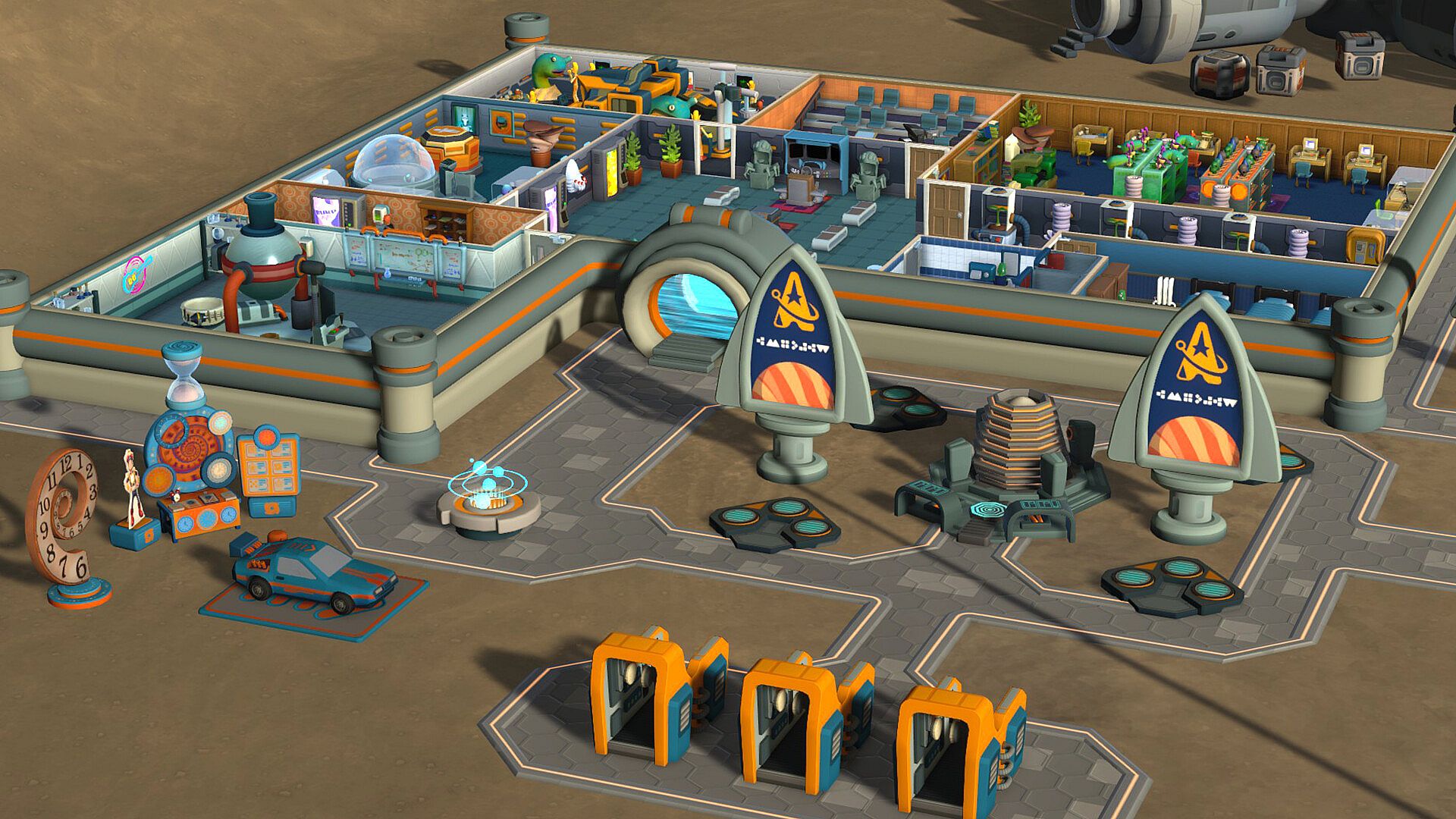
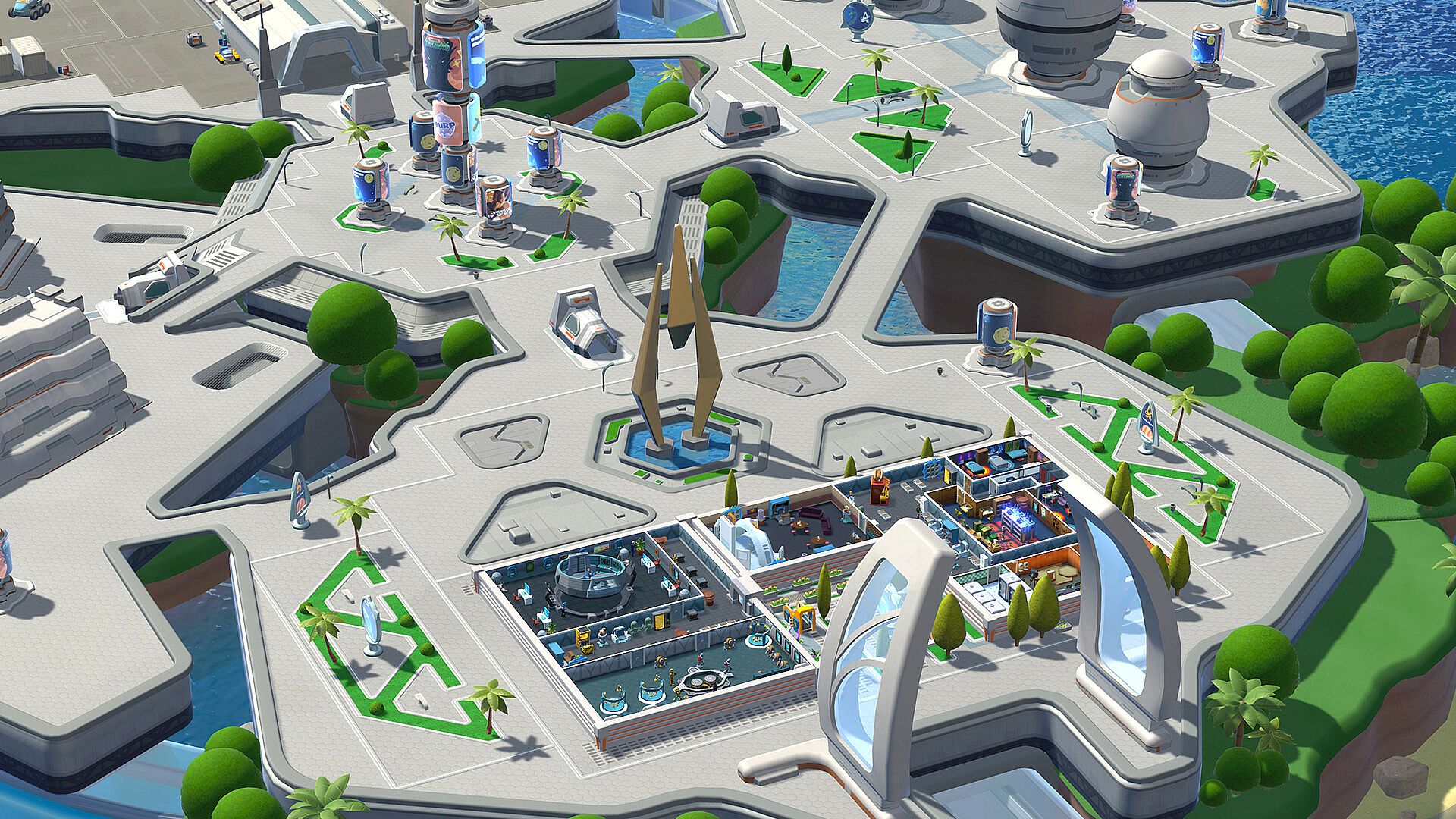
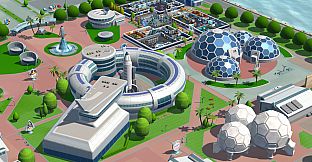
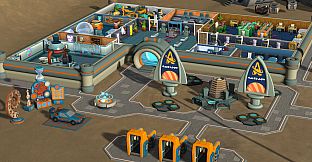
Progression centers on three dedicated campus locations that serve as structured challenges. Universe City emphasizes gradual revitalization of public interest in space through incremental facility upgrades. Cape Shrapnull focuses on preparing for external contact and defense protocols. Cheesy Heap operates on a large asteroid surface, drawing interstellar applicants and emphasizing resource extraction alongside education. Each site presents unique layout constraints and objectives tied to enrollment targets, course completion, and event success.
Beyond the main campuses, the expansion supports ongoing management through a new club and recurring events that can be incorporated into any play session. These elements allow for repeated visits to refine strategies, experiment with course combinations, and optimize for different student demographics. The overall structure remains single-player focused, with emphasis on long-term campus development rather than competitive or cooperative sessions.
Key Features and Content
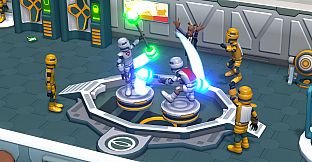
Six new courses expand the curriculum with subjects that blend science fiction concepts and practical training. Astrology explores unconventional theories, while Cosmic Expansion covers vehicle design and propulsion. Space Academy builds foundational knowledge for off-world living, Space Knight School adapts traditional combat training to zero-gravity environments, Cheese Moongery delves into specialized production techniques, and Humanities provides direct cultural education for non-human attendees. Each course features dedicated classroom animations that reflect the subject matter.
Additional items, student varieties, and one new club round out the additions, enabling greater customization of facilities and activities. The content integrates directly with existing campus tools, allowing players to mix space-themed elements with prior buildings and staff roles for hybrid designs.
Is It Worth Playing?
Reviews describe the expansion as a solid addition to the simulation genre, praising the humorous tone, clever objectives, and fresh visual variety brought by the space setting. Players who enjoy methodical building, resource allocation, and light narrative through events will find the new locations and courses engaging extensions of the base experience. The three campuses provide clear progression paths with distinct challenges, while the club and events add replayability through varied scheduling options.
Reception highlights the charm of managing alien students and the thematic consistency across new content. It suits those already familiar with campus management simulations who want expanded options without altering the fundamental loop. Availability on multiple platforms supports broad access, and the focused scope keeps sessions manageable for both short and extended play periods. Those seeking a lighthearted take on educational administration in an unconventional environment will likely appreciate the targeted additions.