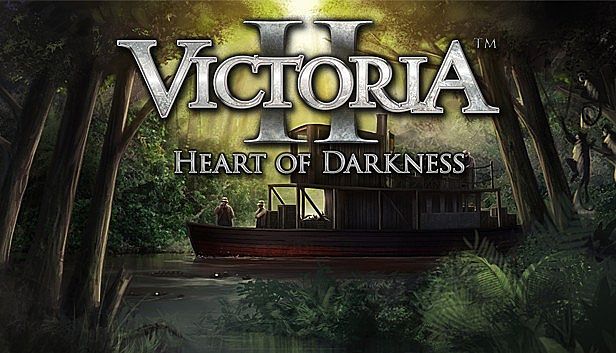



















Victoria II: Heart of Darkness serves as the second expansion for the grand strategy and political simulator Victoria II. Released in 2013, it centers on the Scramble for Africa and introduces systems that heighten competition among colonial powers while managing the risk of broader conflicts through diplomacy.
Gameplay
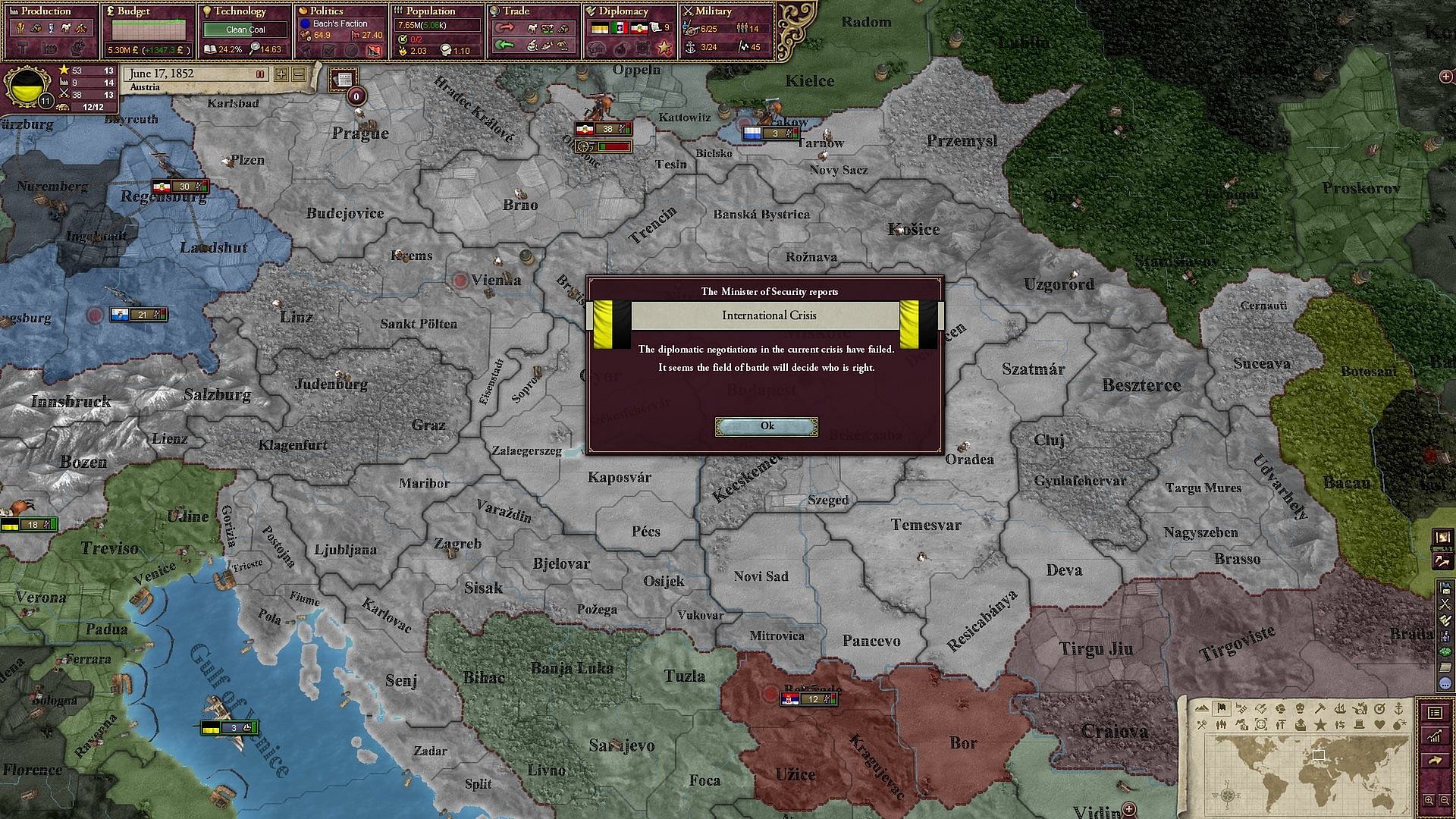
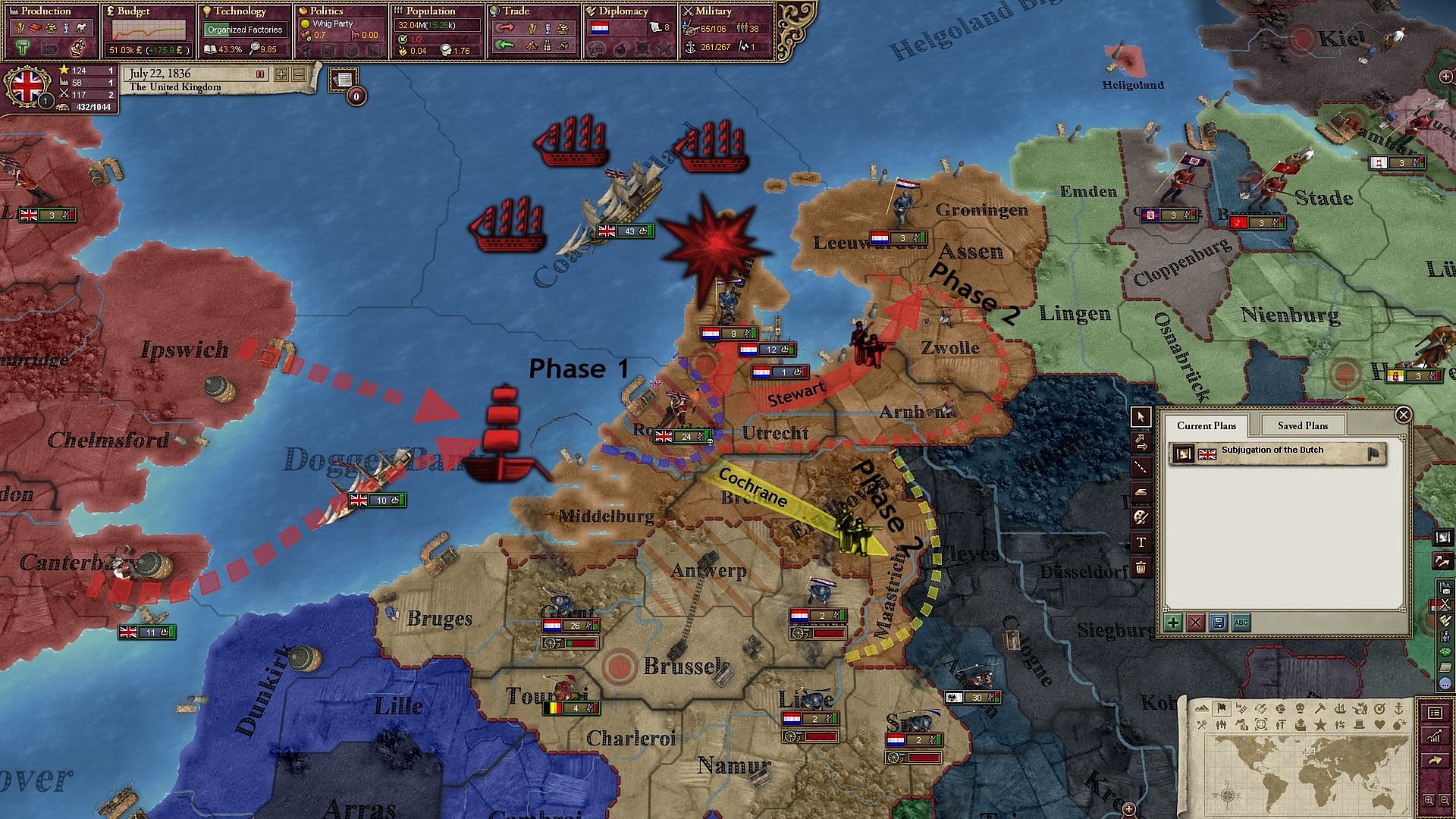
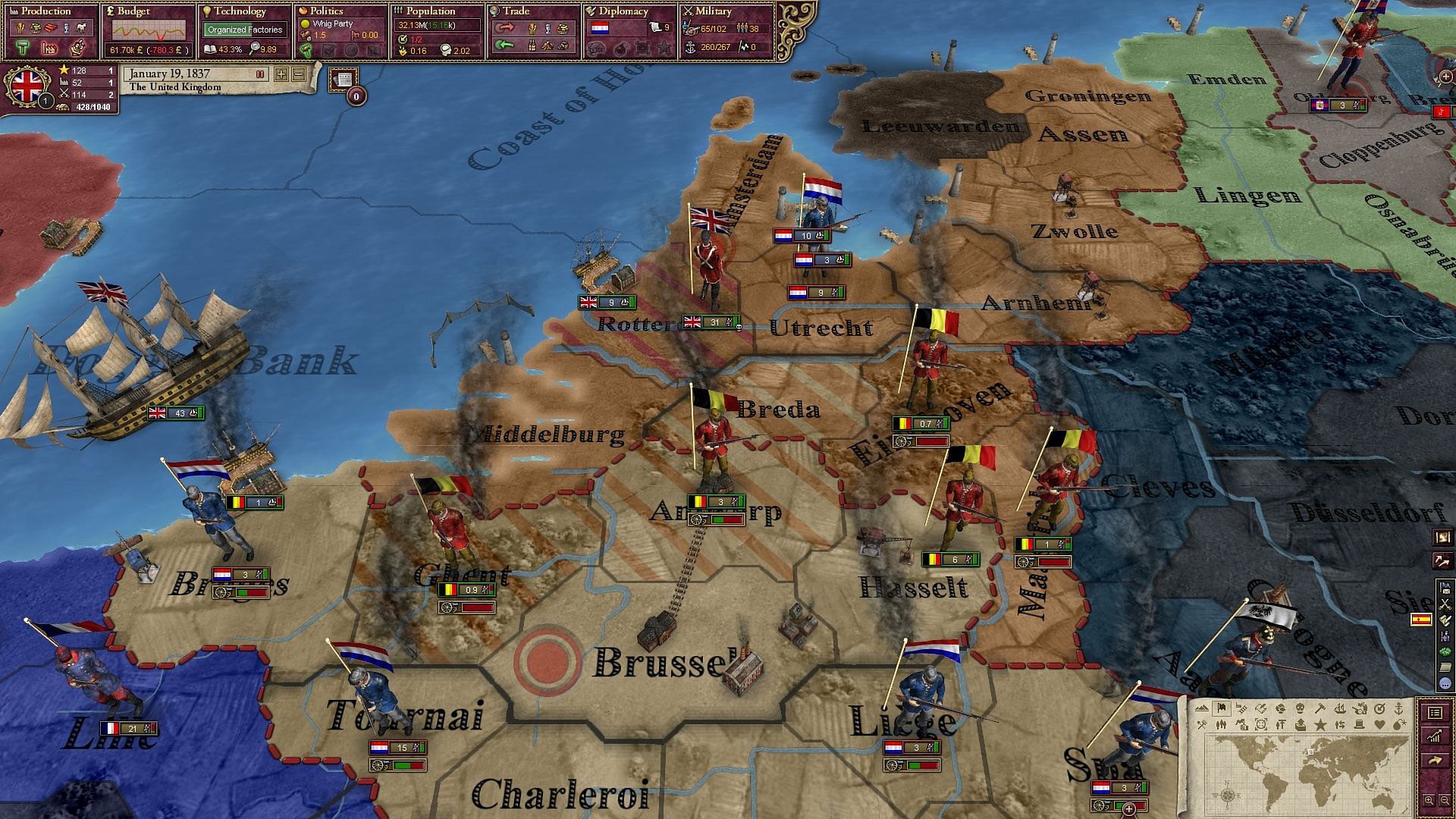
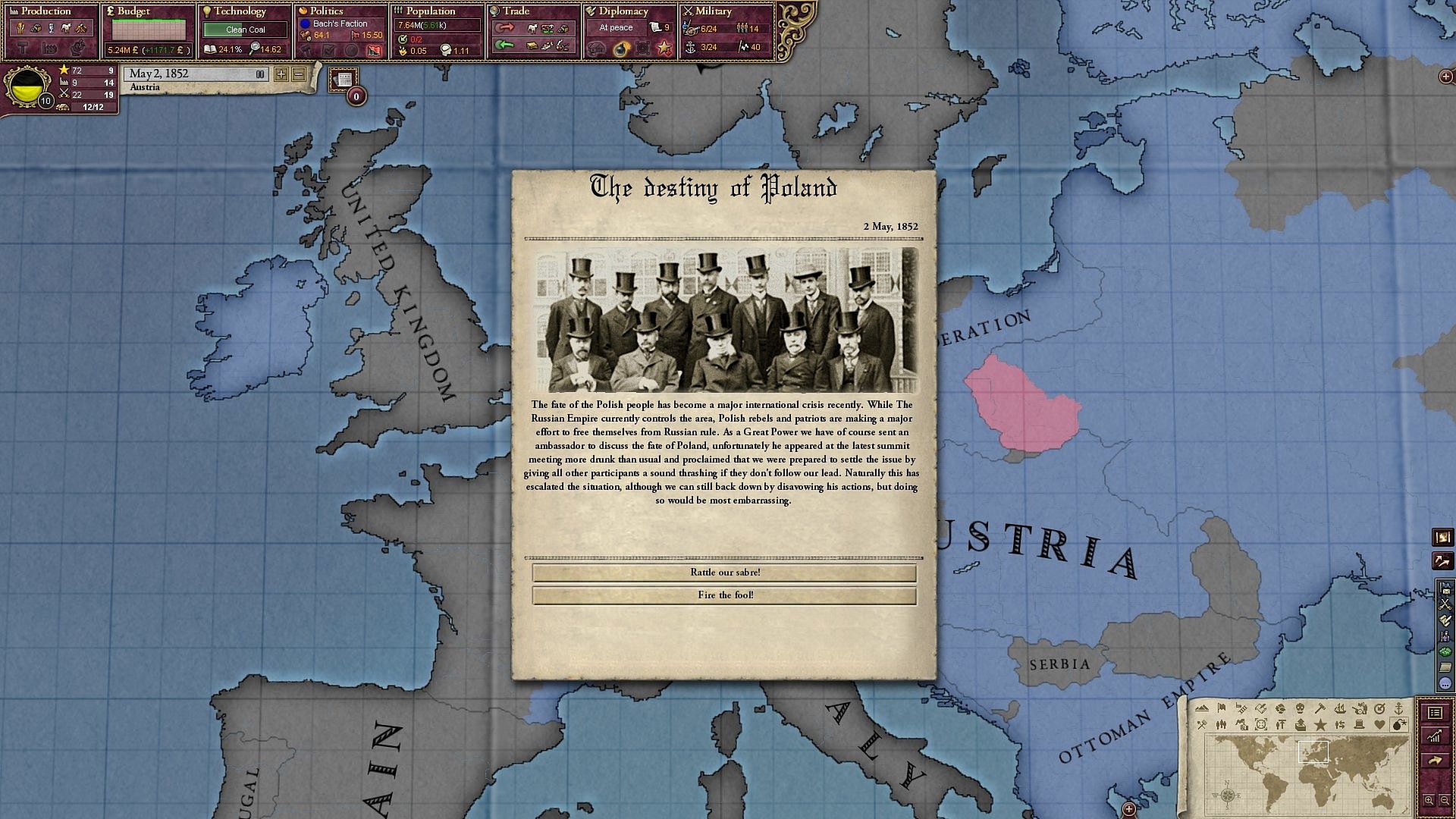
The expansion builds on the core loop of managing a nation across economic, political, and military dimensions during the Victorian era. Players direct colonization efforts primarily through naval power, sending fleets to claim territories in Africa and elsewhere while contending with rival empires for the same regions. Colonial disputes often escalate into international crises that demand intervention from major powers, where negotiation determines outcomes or leads to open warfare.
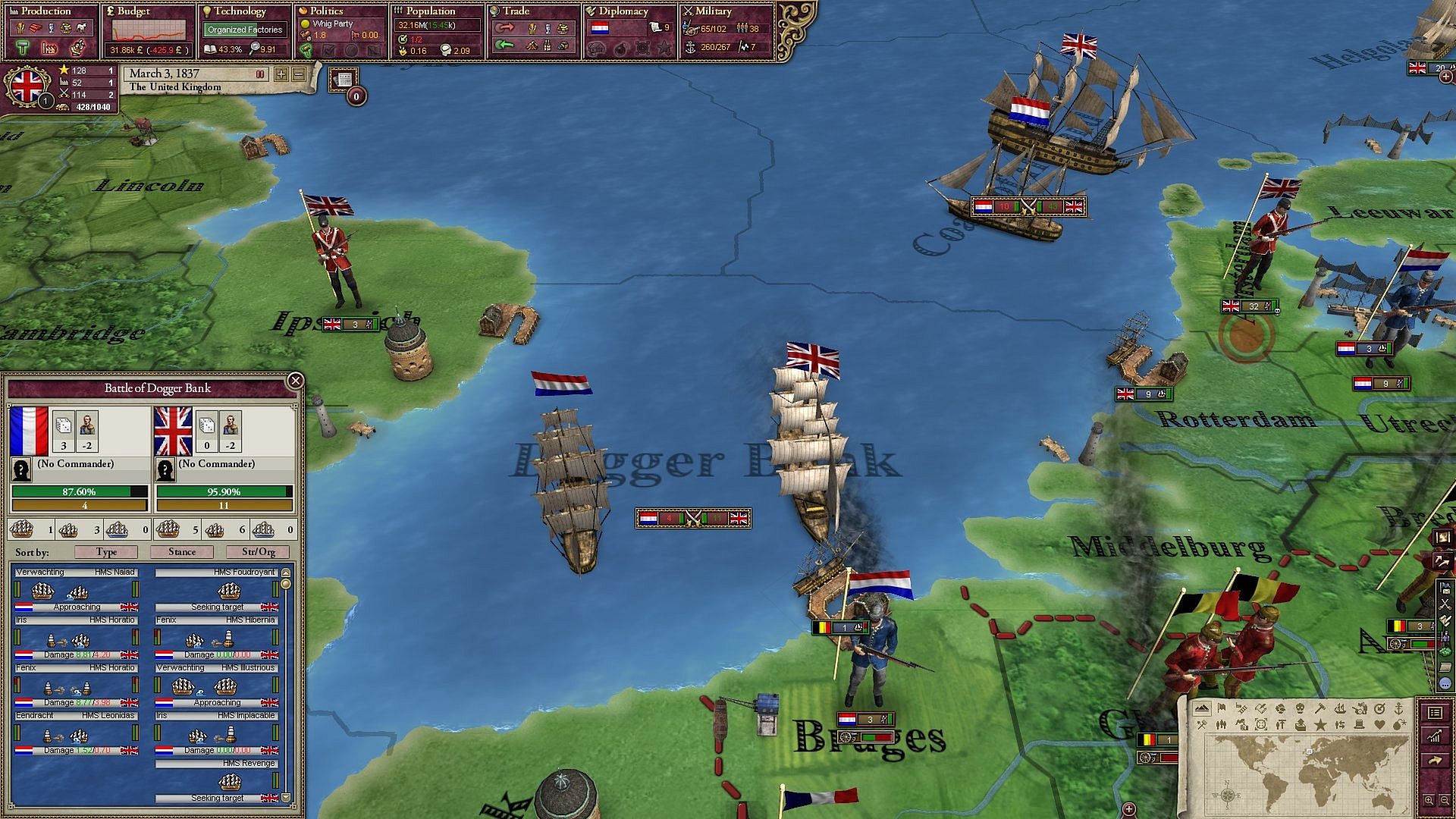
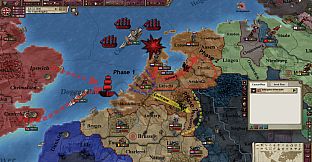
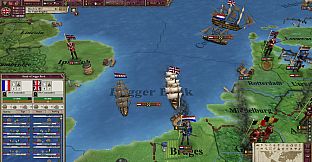
Naval engagements receive a dedicated overhaul with a gun range mechanic that adds tactical layers to sea battles. Different ship classes, including newly introduced battleships, operate at varying distances, encouraging players to position fleets strategically rather than relying on direct confrontations. These changes integrate directly with overseas expansion, making naval strength essential for securing and defending colonies.
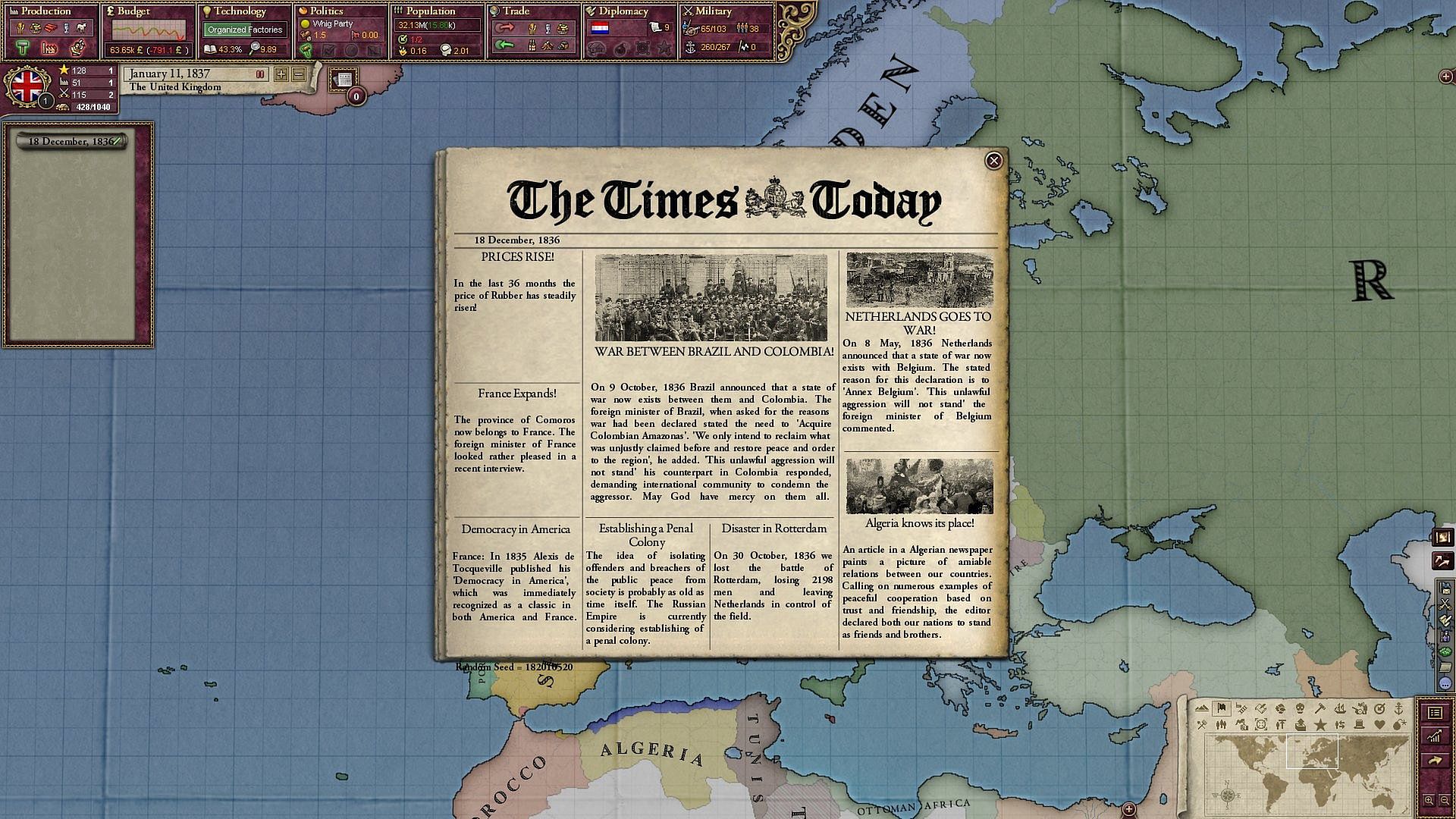
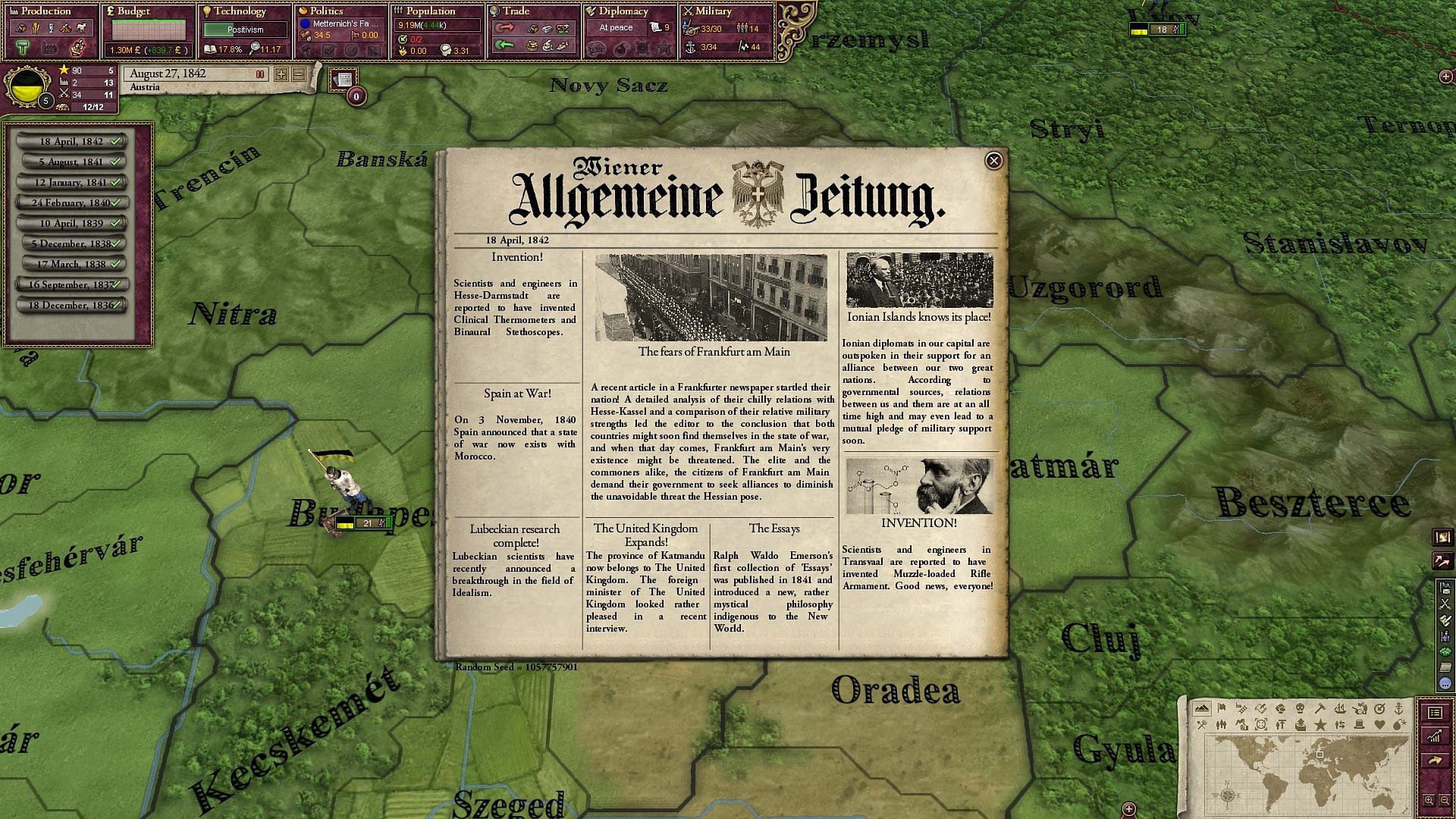
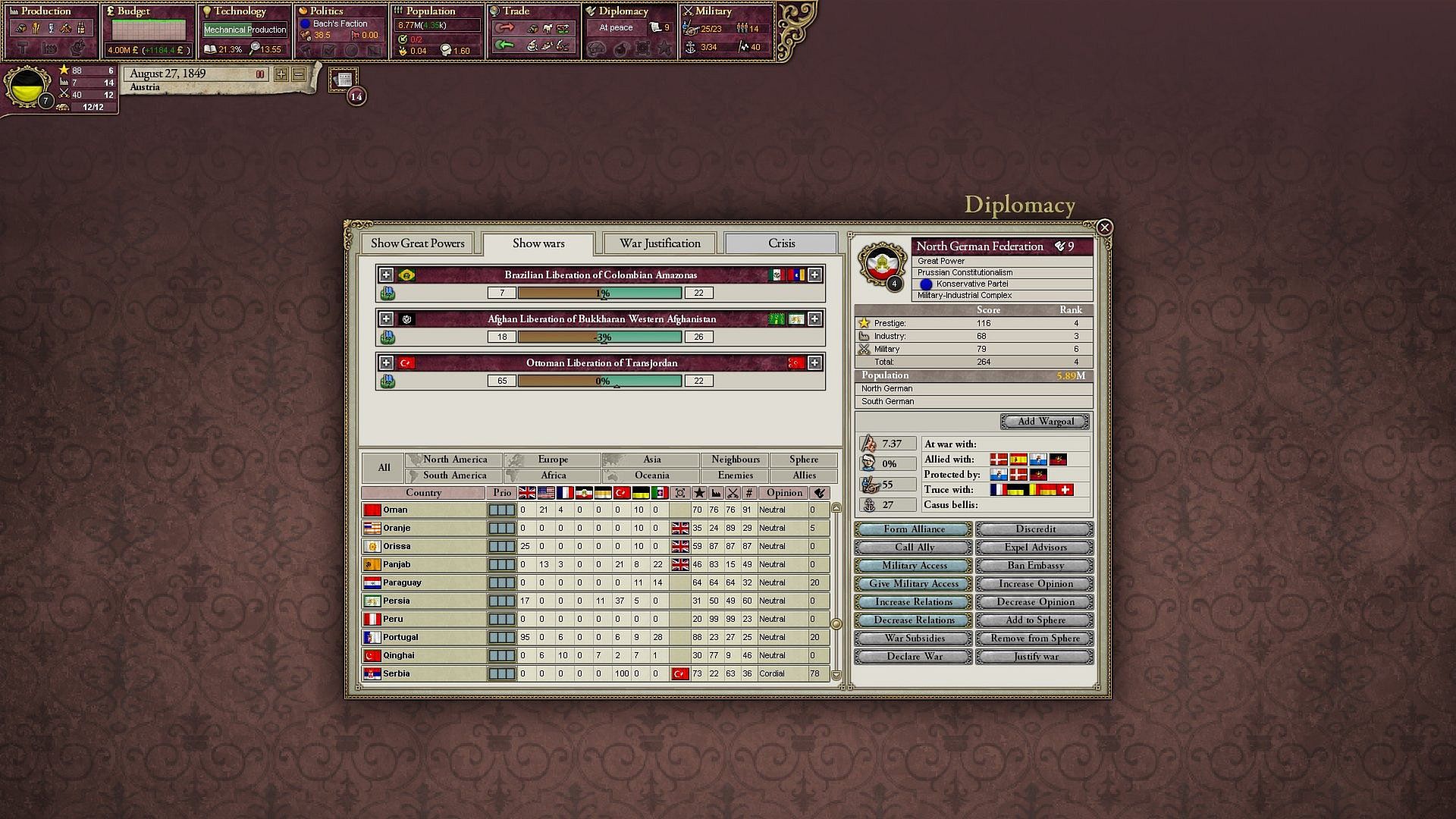
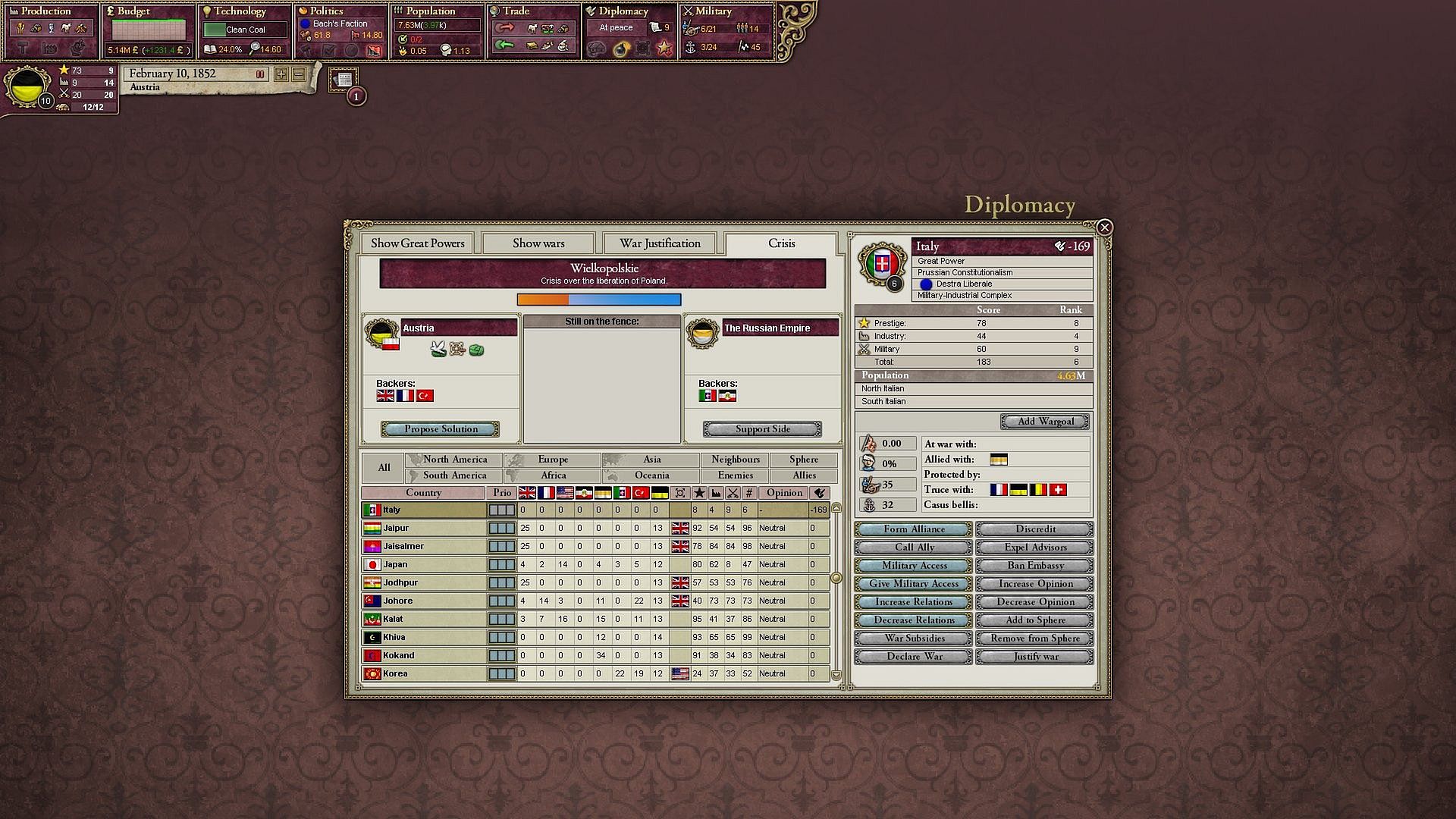
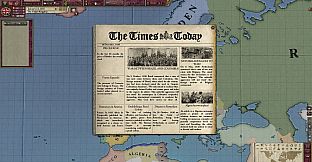
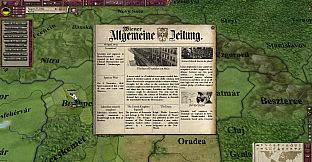
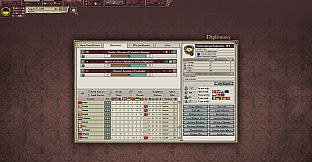
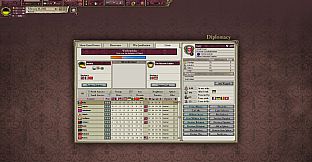
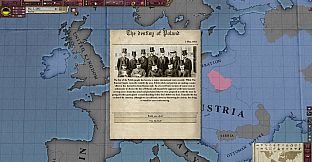
International crises function as recurring events that pull Great Powers into mediation roles. Lesser nations can influence these flashpoints through diplomatic actions, aiming to draw larger states into favorable resolutions without immediate military commitment. The newspaper system delivers periodic reports on wars, political developments, royal affairs, and other global incidents, providing contextual updates that reflect ongoing world events.
Game Modes
Victoria II: Heart of Darkness operates within the established framework of the base game as a singleplayer grand strategy experience focused on long-term nation building and crisis management. Multiplayer sessions allow multiple participants to engage in the same world, coordinating or competing over colonial claims and diplomatic resolutions in real time.
The new systems apply across these contexts, with colonization and naval combat shaping both solo campaigns and group play. Crises and newspaper reports add layers of immersion regardless of player count, tracking how individual decisions ripple into larger international tensions.
Key Systems and Mechanics
Colonization relies on naval projection to establish and hold overseas territories, with direct competition from other powers creating tension that can trigger crises. These events require careful balancing of influence and compromise to avoid escalation into costly wars.
The naval combat overhaul emphasizes positioning and ship capabilities, where gun ranges dictate engagement opportunities and battleships provide a bridge toward later technological advancements. This system ties closely to empire maintenance, as fleet strength determines success in distant holdings.
Diplomacy gains emphasis through crisis mediation, allowing smaller nations to leverage influence for advantageous outcomes. The newspaper feature supplies regular in-game reports drawn from over sixty publications, covering local and worldwide developments to inform player decisions.
Is It Worth Playing?
Steam user reviews rate Victoria II: Heart of Darkness as Very Positive, with 80 percent approval from 130 reviews. The expansion appeals to players who enjoy detailed grand strategy titles centered on political maneuvering, economic development, and measured military action rather than fast-paced combat.
Those interested in the Scramble for Africa period will find the focused colonization and crisis mechanics add meaningful depth to nation management. The title remains available as a standalone expansion that requires the base game and its prior expansion for full functionality, with no ongoing seasonal content or updates.
Players seeking a deliberate pace with emphasis on diplomacy and long-term planning over direct action will find the most value here. The combination of naval improvements and crisis handling creates a distinct layer of strategic consideration within the Victorian setting.