











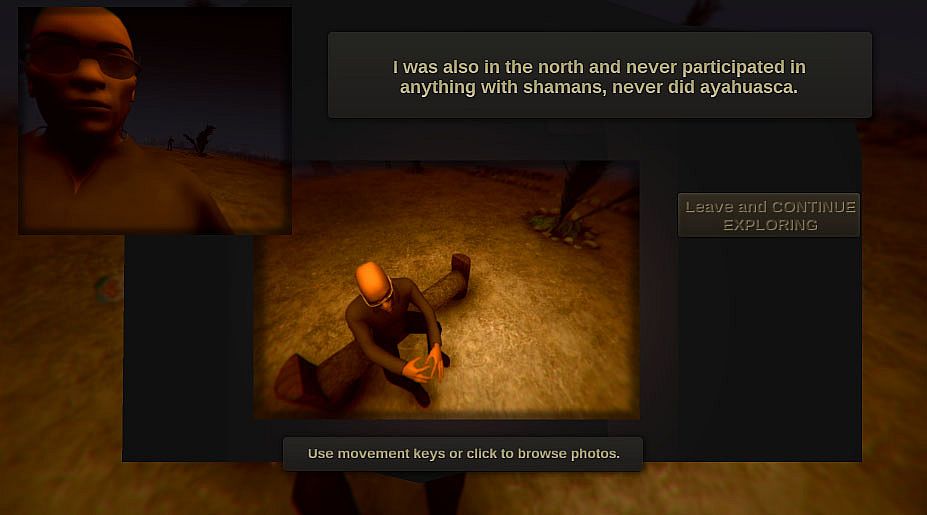

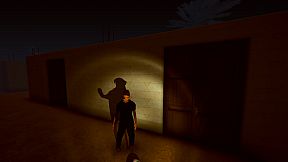
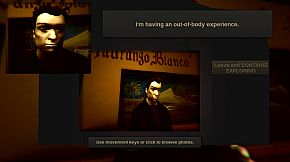
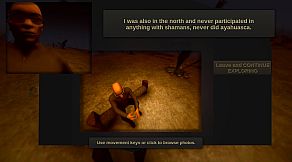

1,000 Heads Among the Trees is an indie single-player exploration game set on PC in which players wander a quiet Peruvian desert town at night as an outsider with a camera. The experience centers on searching for spirits through photography and using those images to spark conversations with local residents who offer free associations about what they perceive in the shots.
Gameplay
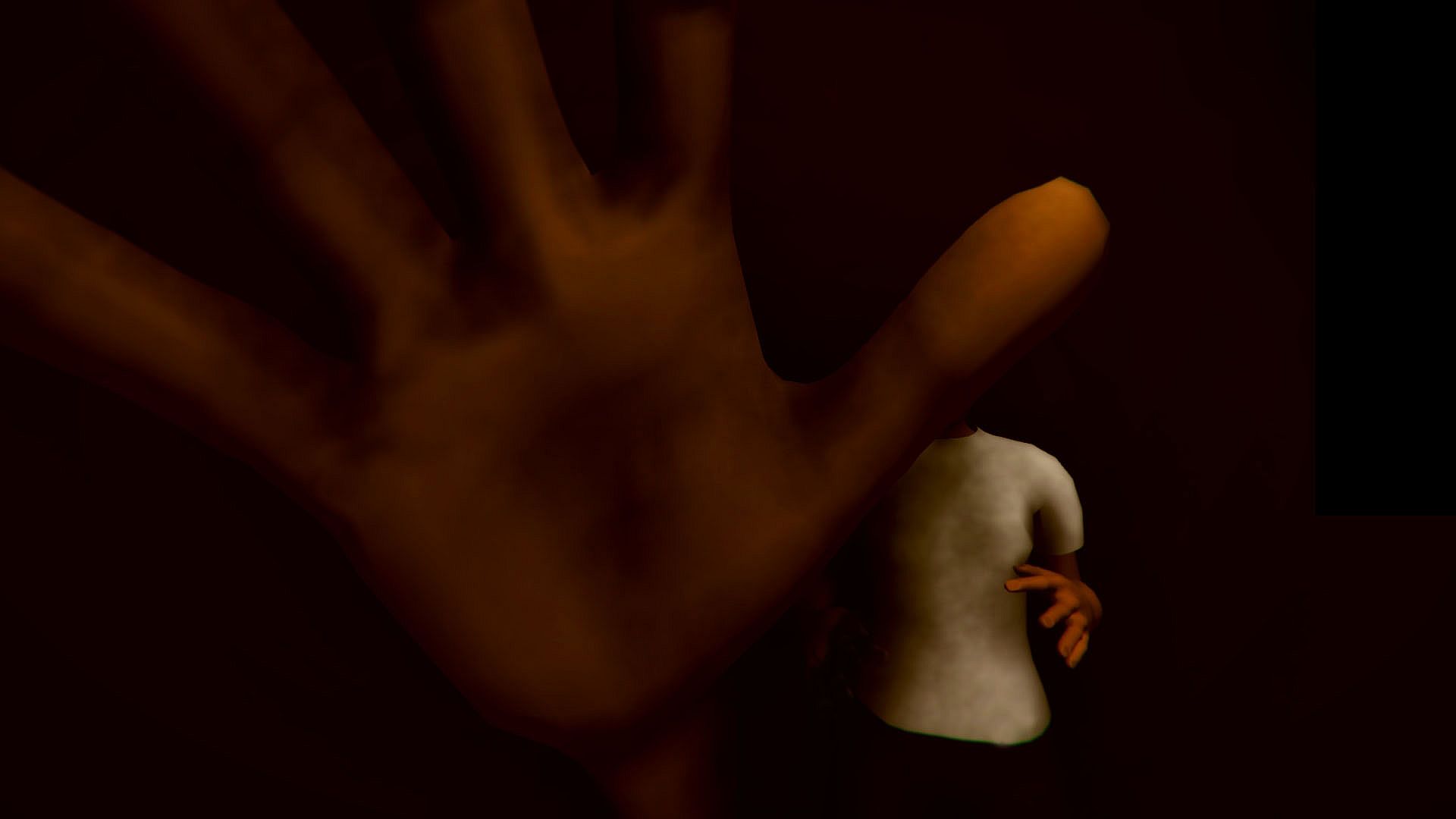
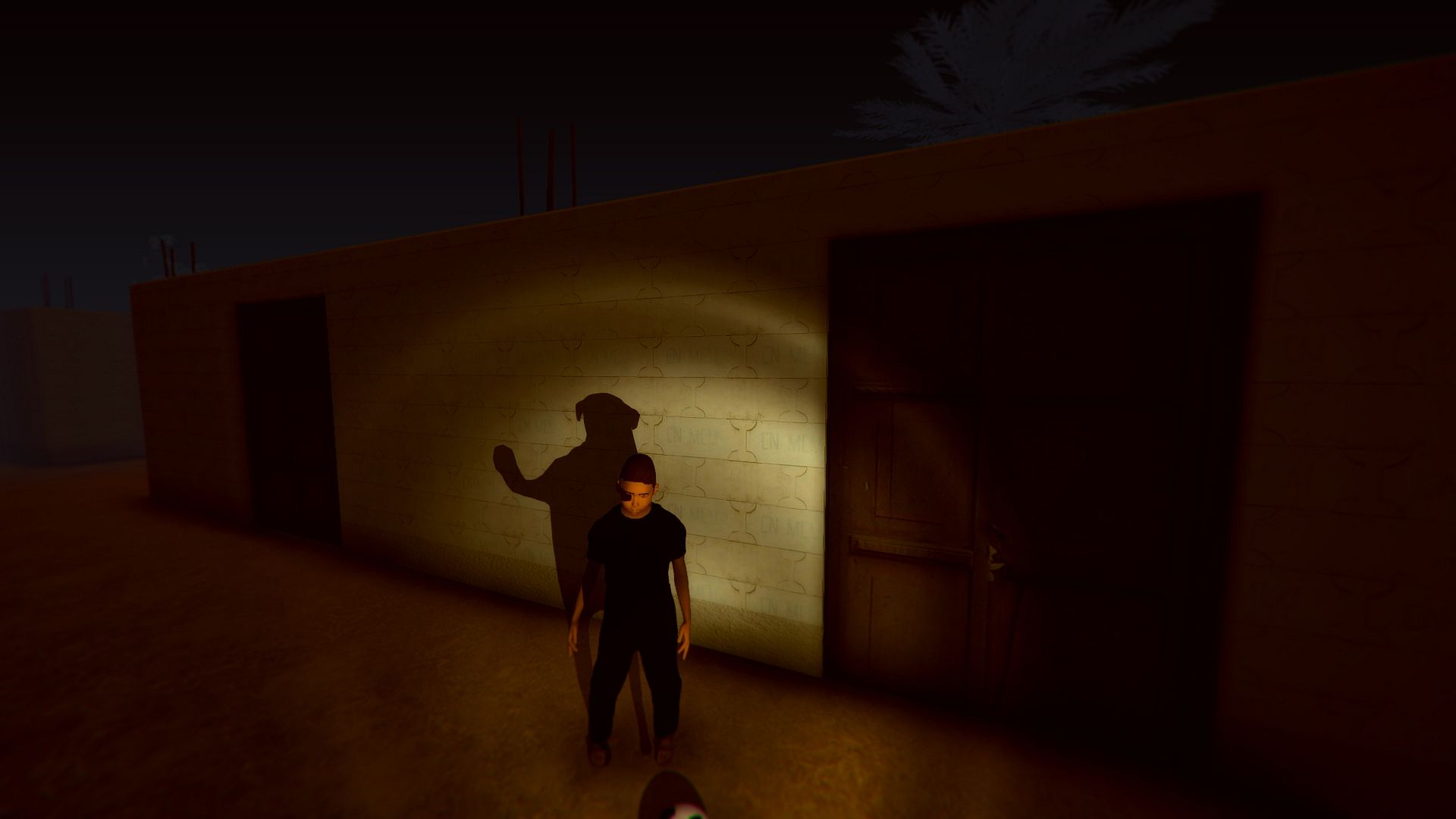
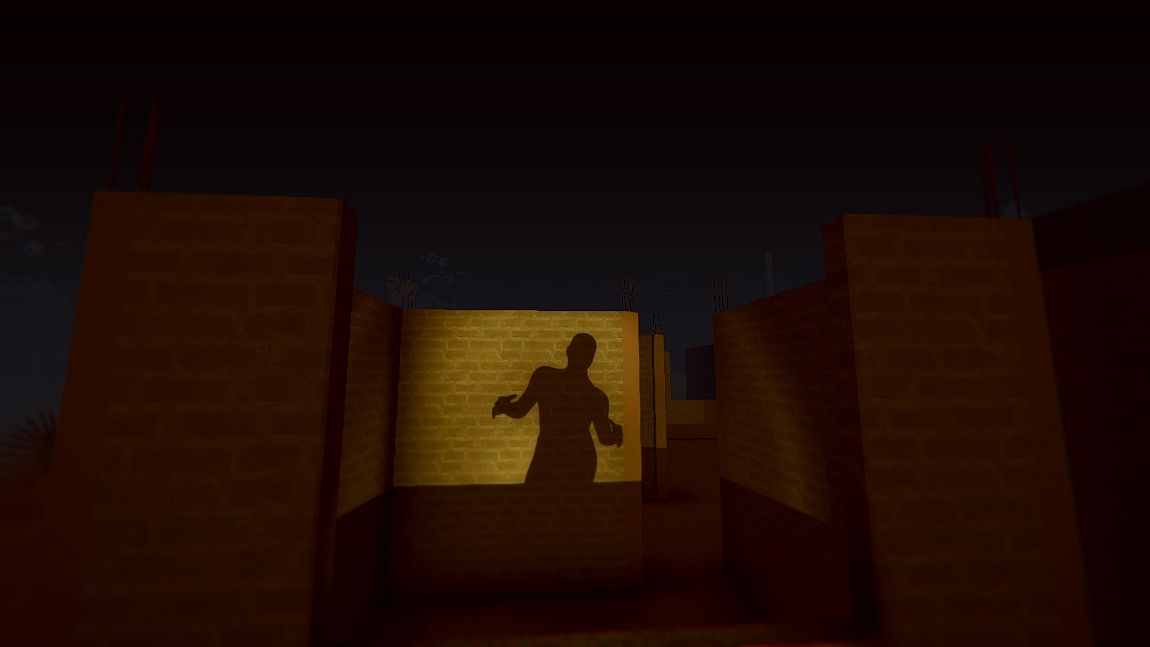
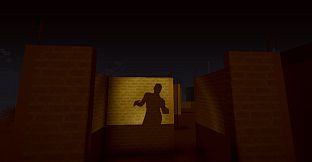
The core loop involves moving through a three-dimensional environment filled with ambient sounds, voices, and textures drawn from the Peruvian desert setting. Players navigate alleys and open areas at night, positioning themselves to capture images that reveal both visible details and imagined elements when shared with non-player characters. This process drives interactions that uncover personal stories and local perspectives.
Progression unfolds through a series of progressively abstract quests paired with journal entries that grow more delusional over time. The camera functions as more than a recording tool; its use can alter aspects of the surroundings, creating shifts in the living nighttime environment. Players often find themselves eavesdropping on conversations or entering restricted spaces while observing the tensions between tourism and the town's underlying conflicts.
Game Modes
The game operates exclusively in single-player mode. There are no multiplayer options or additional variants, keeping the focus on solitary nighttime exploration and personal discovery within the fixed town setting.
Setting and Atmosphere
The environment draws directly from the real town of Cachiche, founded by witches during the Peruvian Inquisition, where descendants continue traditional practices of healing and fortune-telling. Nighttime traversal emphasizes isolation and subtle unease through layered audio and visual details that reflect the desert suburb's character. Tourism's impact appears in the background as players observe how external visitors interact with longstanding local traditions.
Photography and Interaction
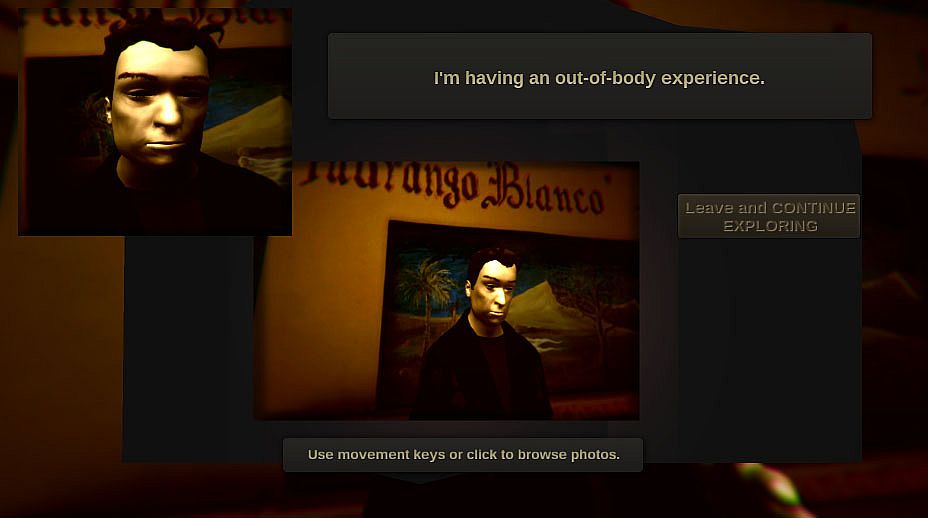
Photography serves as the primary means of engagement. Captured images are presented to residents, who respond with interpretations that blend observation and imagination. This system supports the export and sharing of photos outside the game. The act of taking pictures influences the world itself, turning passive documentation into an active force that shapes encounters and revelations.
Is It Worth Playing?
This title suits players who seek deliberate, atmospheric single-player experiences built around exploration and interpretive dialogue rather than action or competition. Its mechanics reward patience with the photography system and attention to environmental details in a compact, focused world. The game remains available as a complete standalone experience without ongoing seasonal content or expansions.