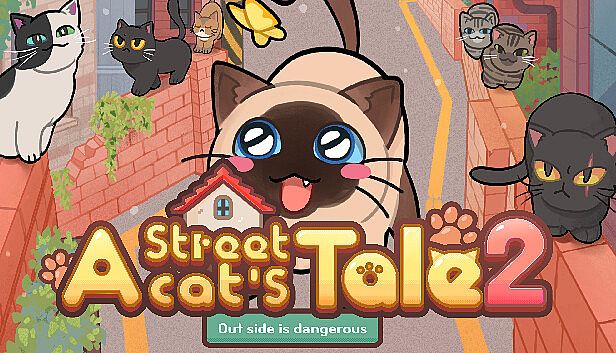














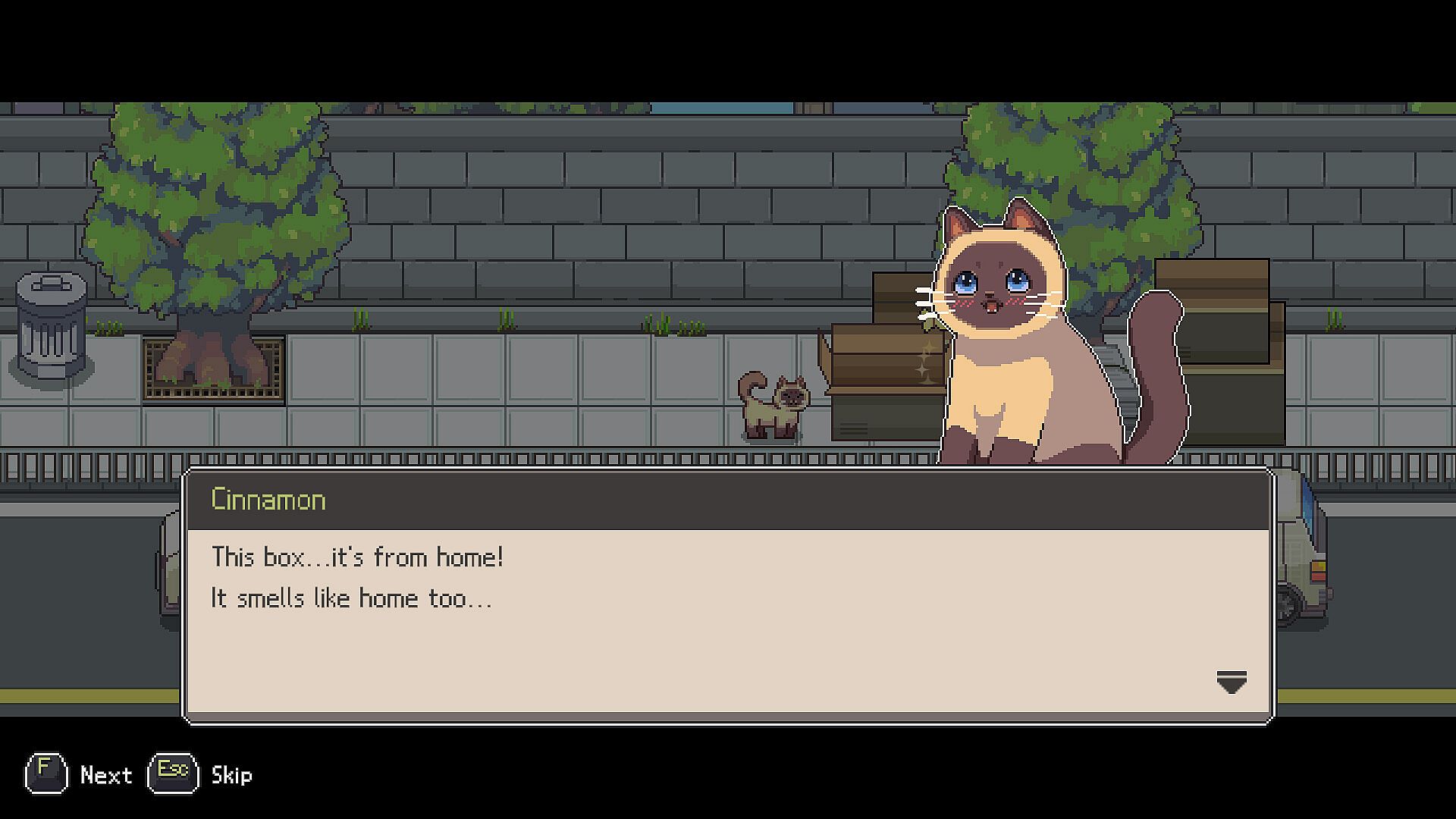
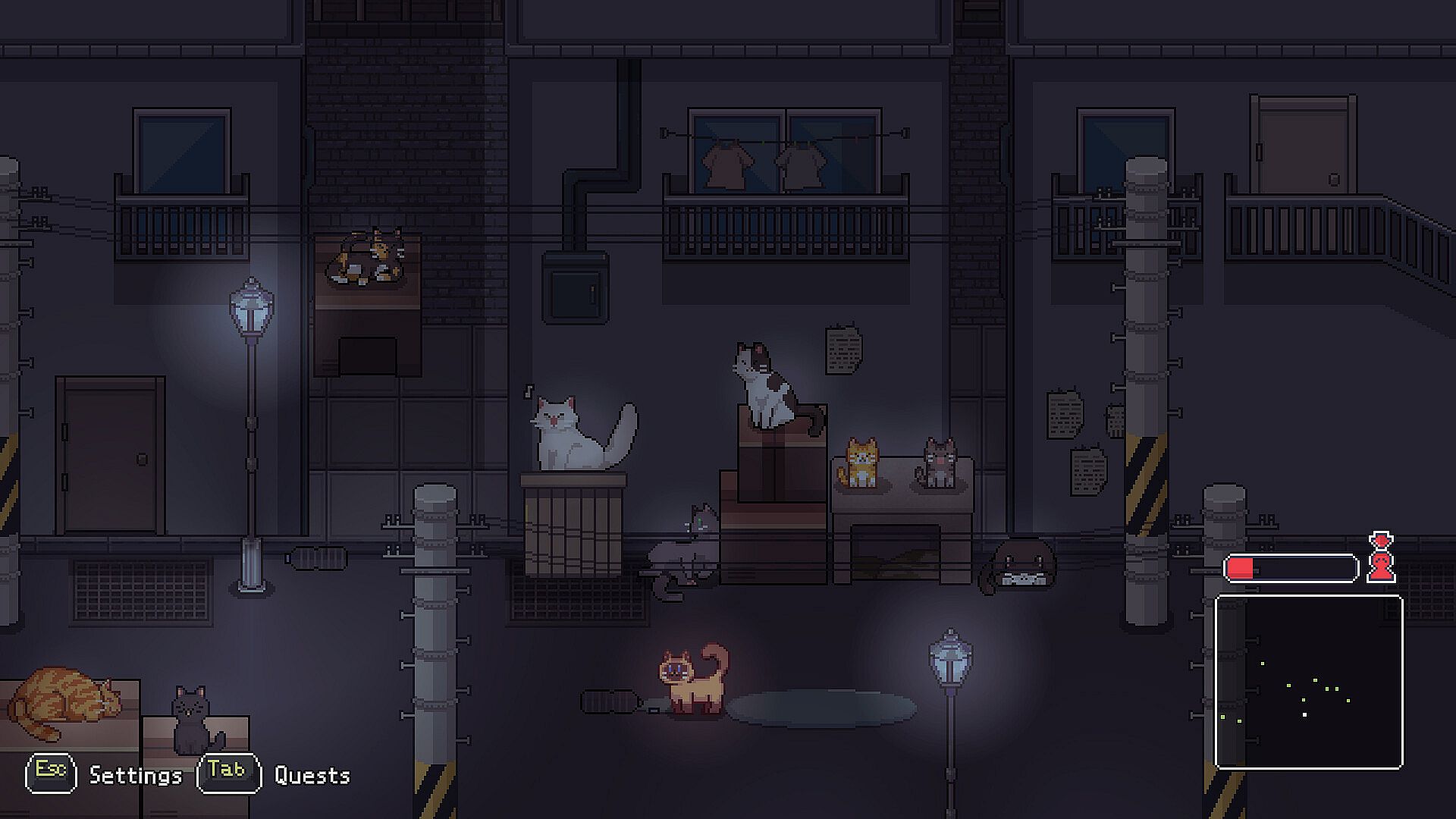
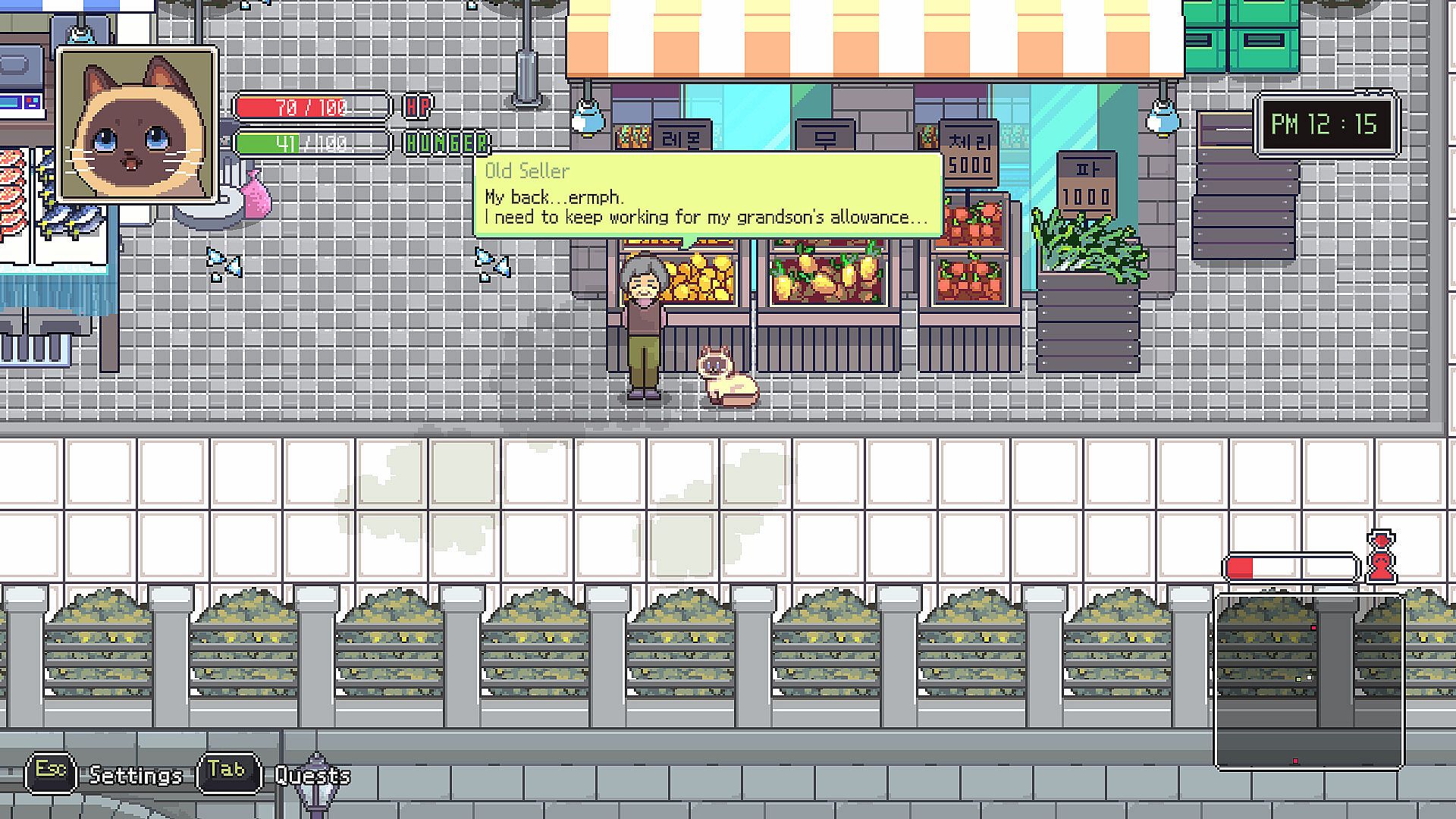
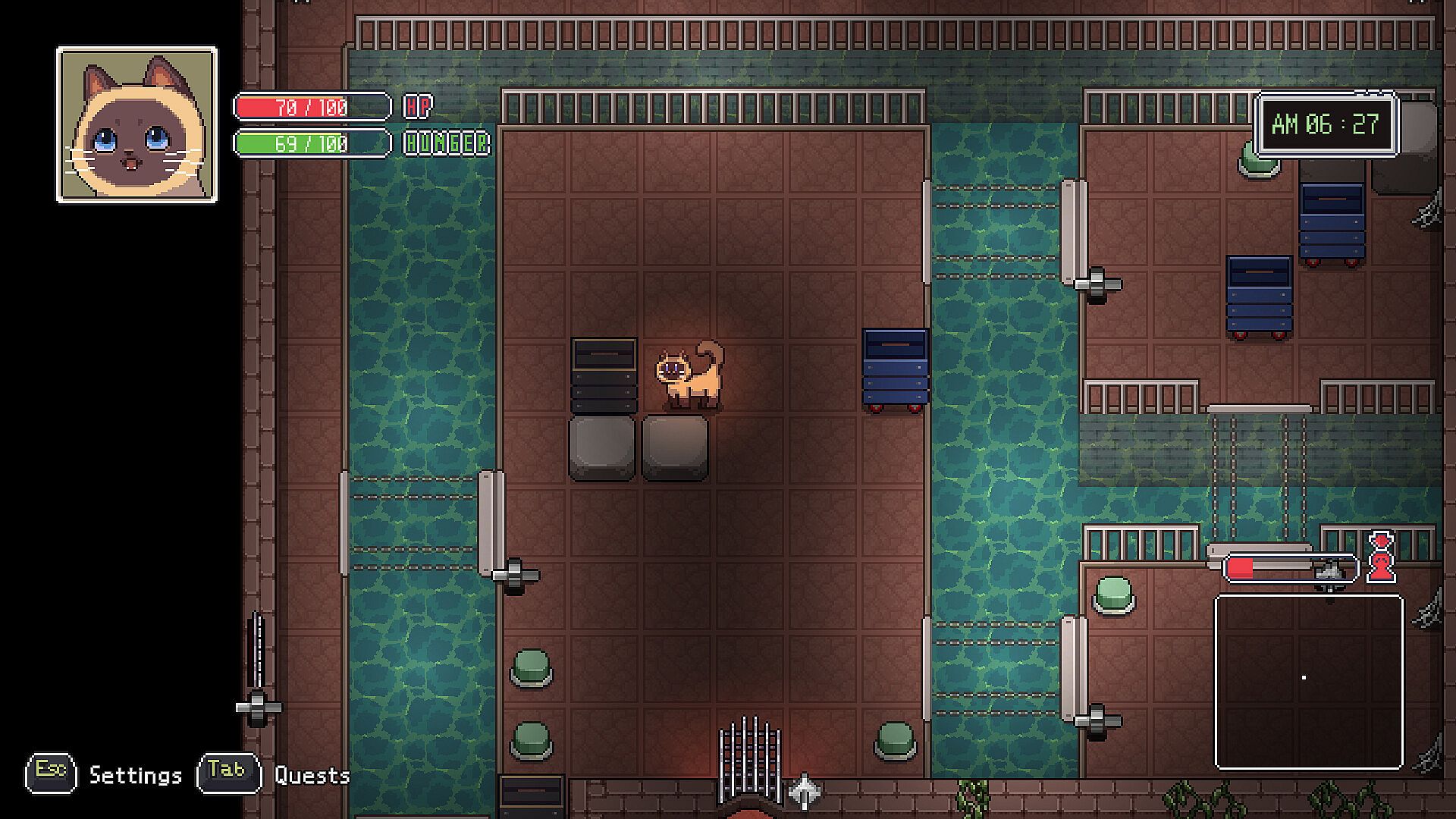
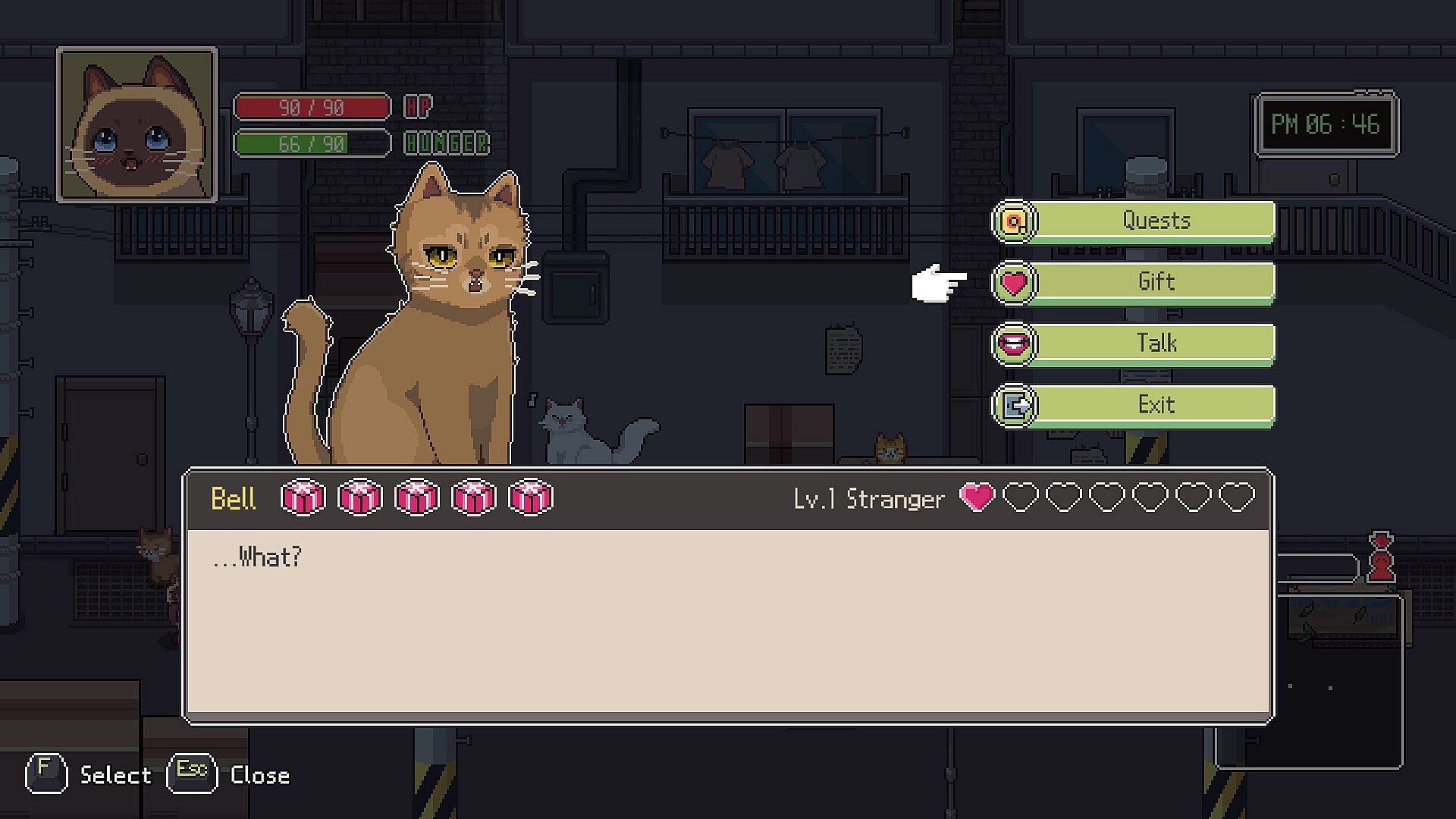
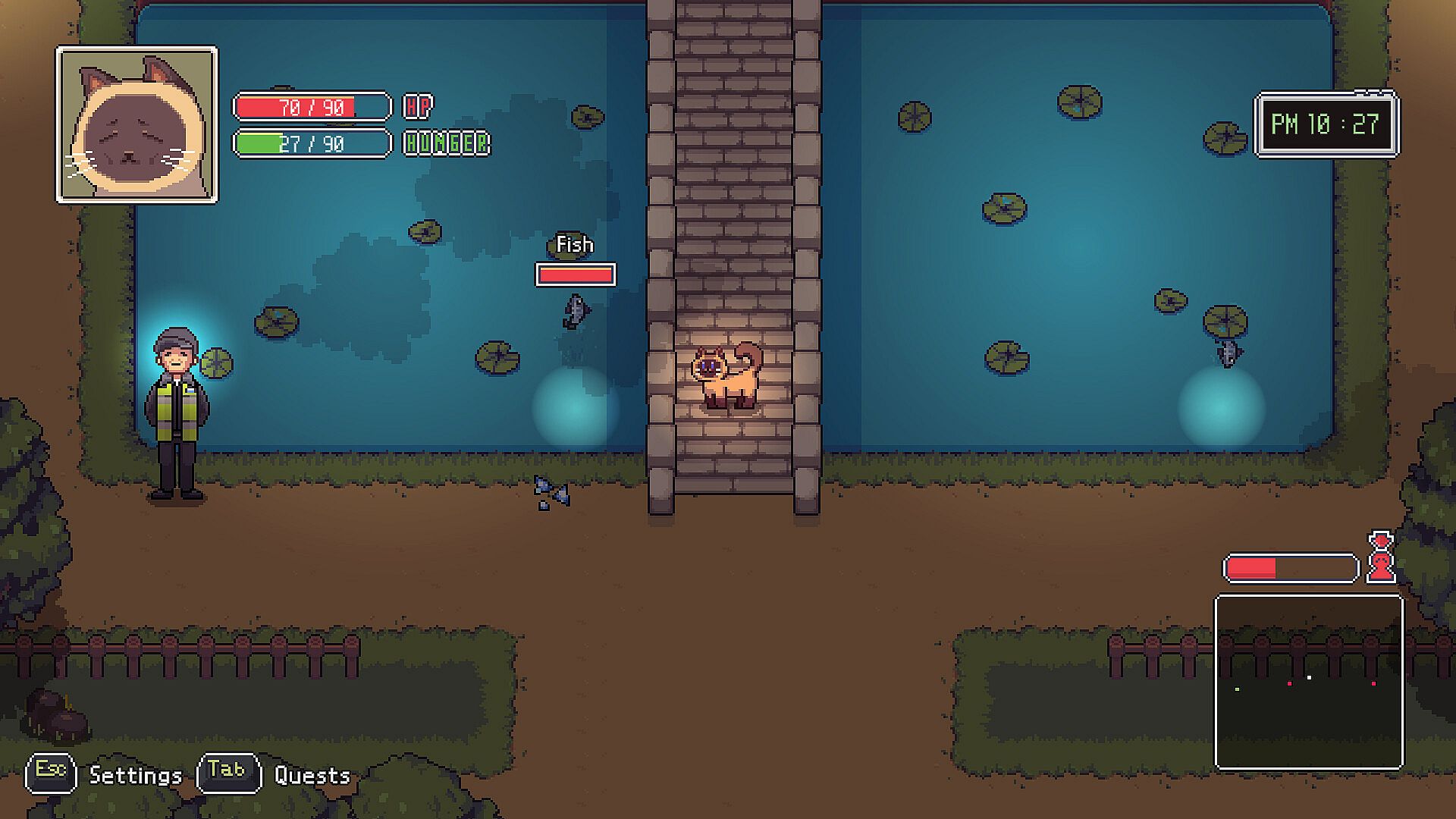
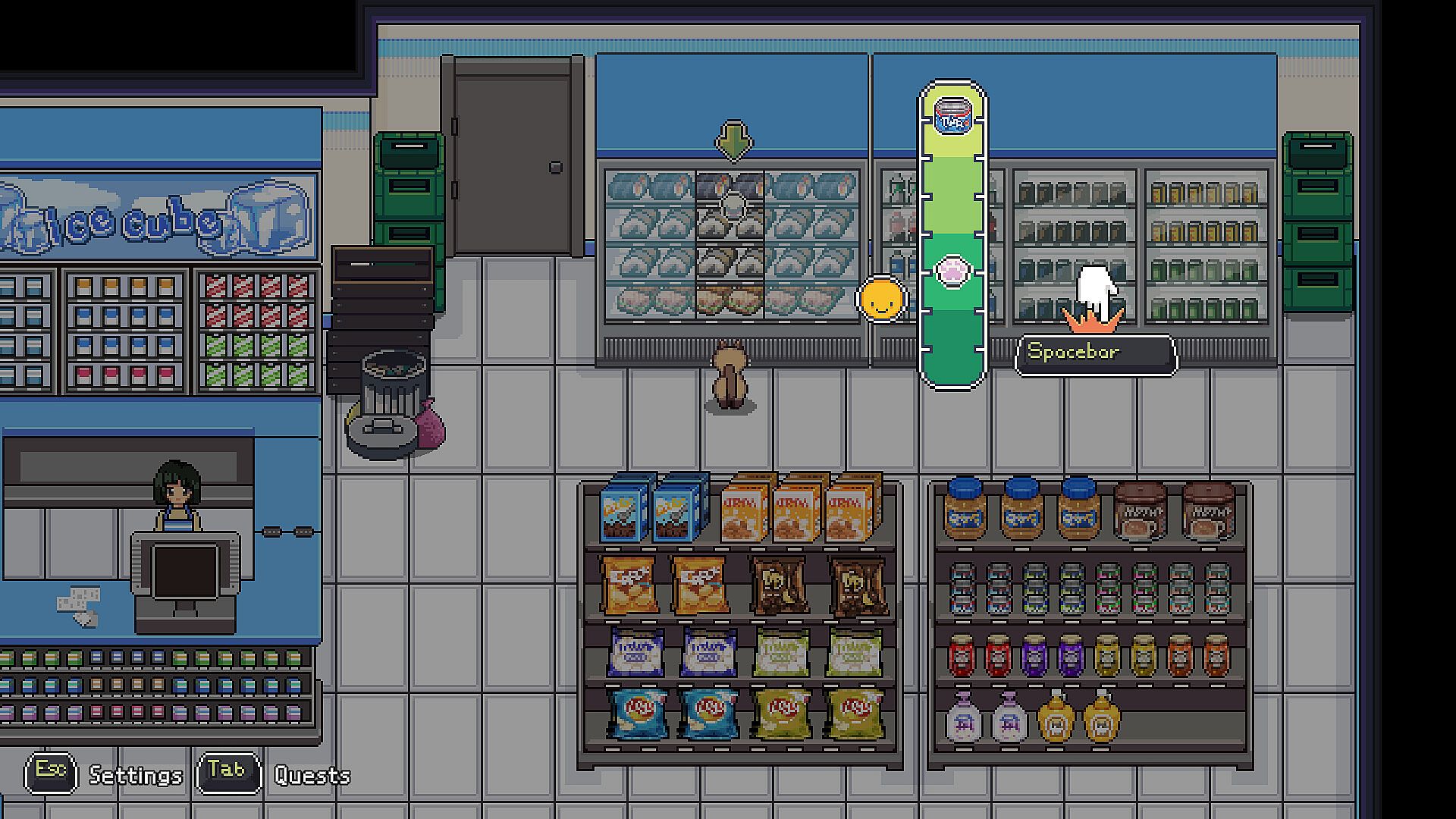

A Street Cat's Tale 2: Outside is Dangerous is an indie simulation and adventure game built around Sokoban-style puzzles and a narrative focused on the daily challenges faced by stray cats. The story follows Cinnamon, a house cat who slips out a window chasing a butterfly and ends up lost in unfamiliar streets. Players guide the cat through neighborhood exploration while managing hunger and interacting with other animals to progress the tale.
Gameplay
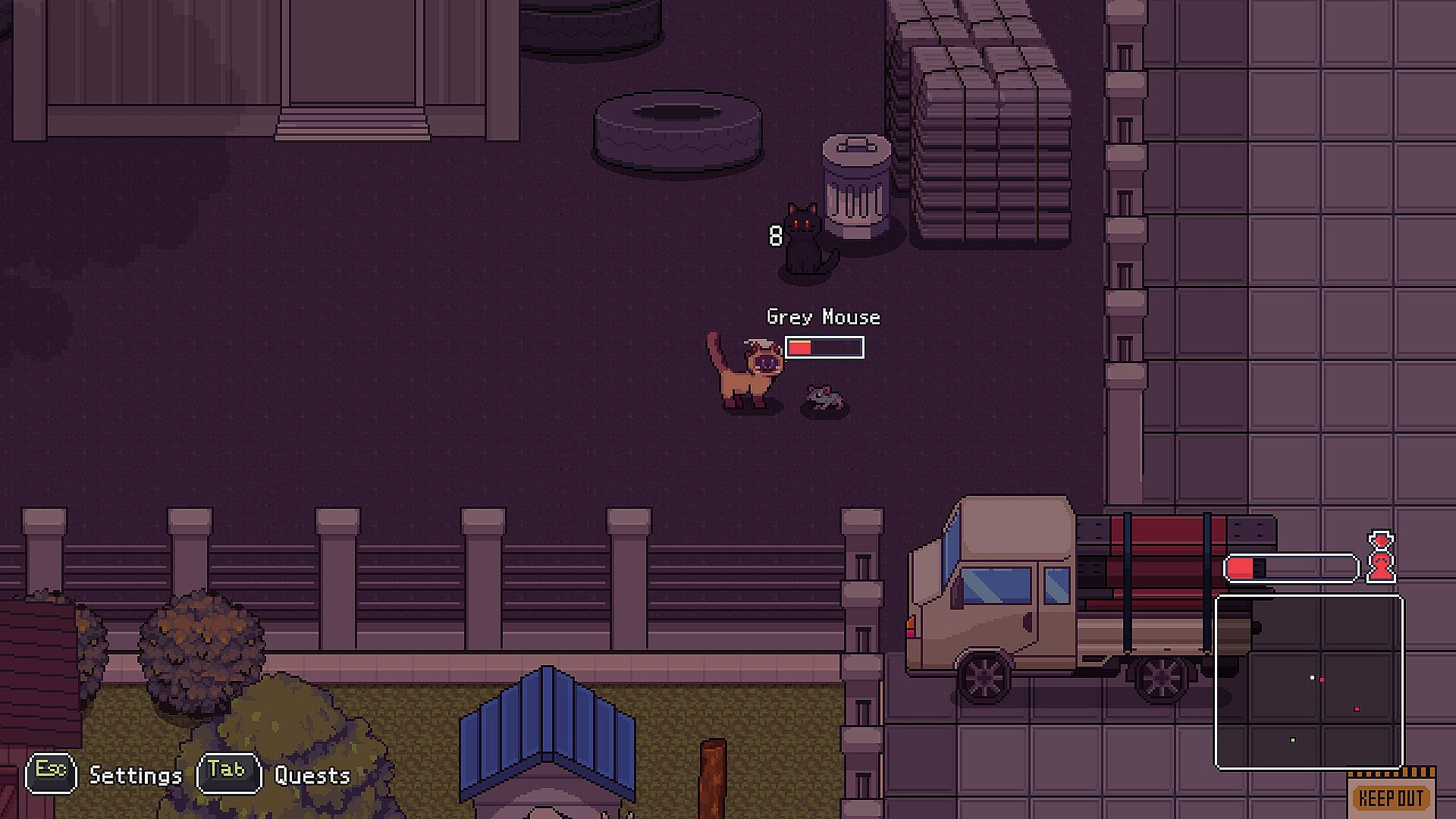
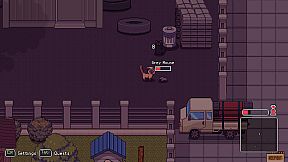
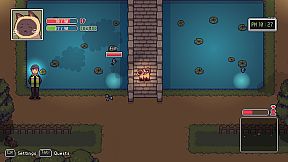
The core loop combines puzzle solving with light survival elements. Sokoban mechanics require pushing objects into position to clear paths or reach new areas, and these puzzles grow more complex as Cinnamon moves between different neighborhood zones. Hunger management adds another layer, as the cat must scavenge from bins for quick relief or hunt small prey such as mice and frogs for better sustenance. Exploration encourages checking every corner for new locations and characters.
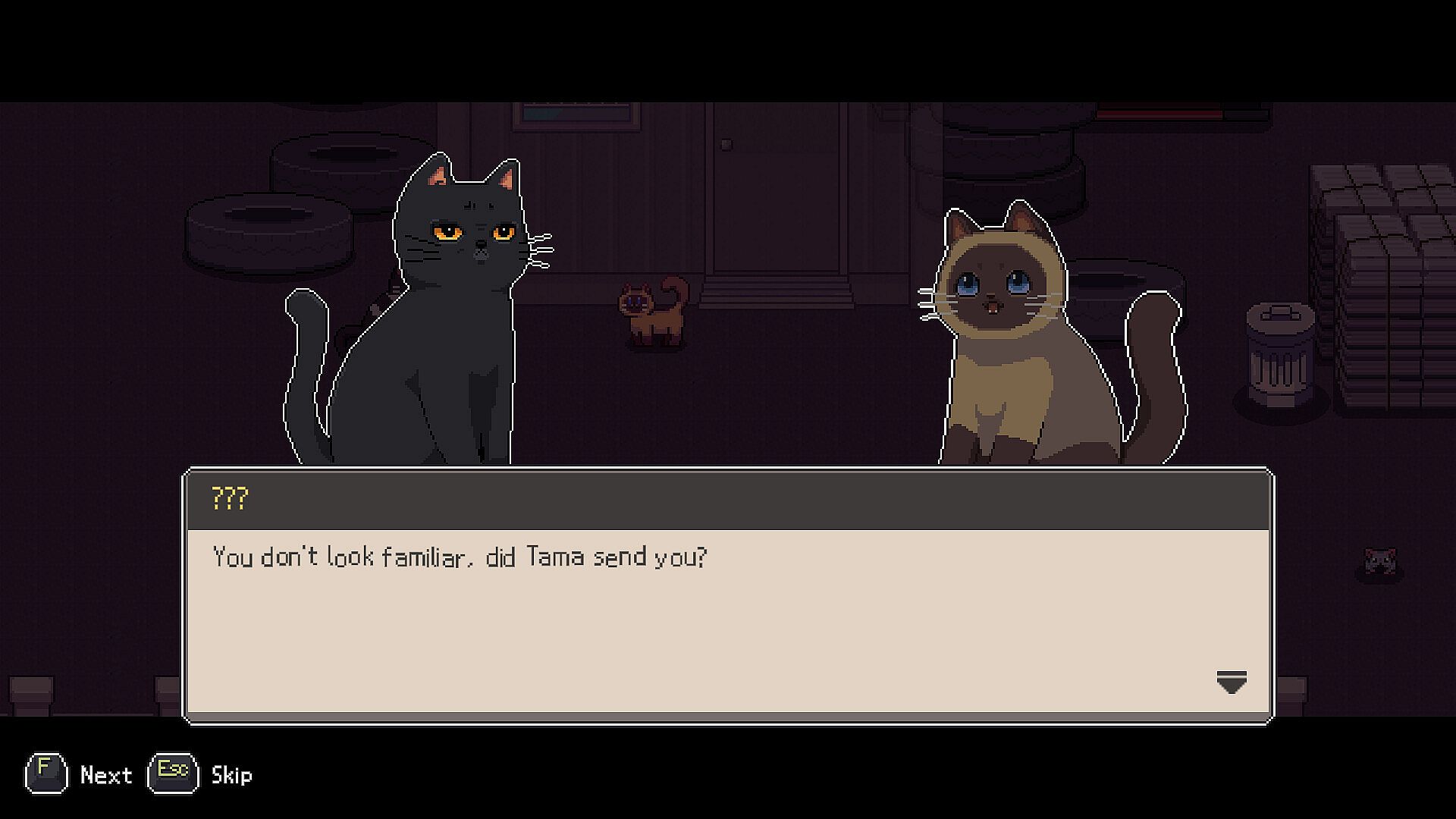
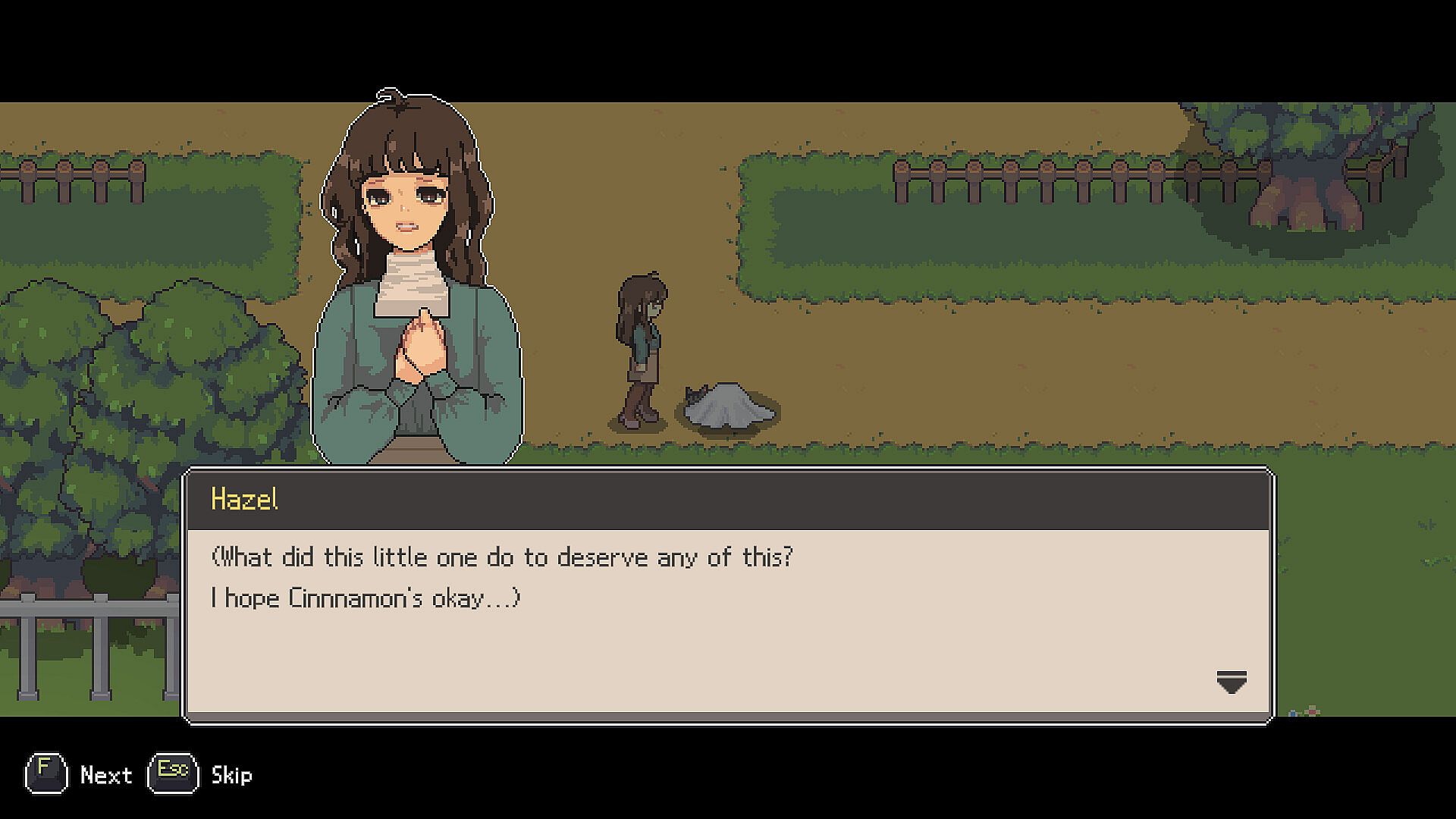
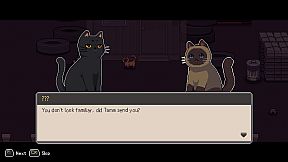
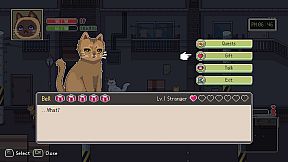
Interactions with other animals form a key part of progress. Each character has a personal story that unfolds when the right items are offered as gifts. This system rewards careful inventory use, and quality-of-life improvements allow carrying multiple items at once instead of handling them one by one. A safe starting area lets players practice the puzzle and survival systems before venturing into riskier streets.
Game Modes
The game runs entirely as a single-player experience with no multiplayer options or separate modes. All content unfolds through the main narrative campaign, where puzzle sequences, exploration, and character conversations advance in sequence. Achievements track completion milestones and optional interactions, but the structure remains linear in its storytelling while allowing freedom in how puzzles are approached within each area.
Story and Characters
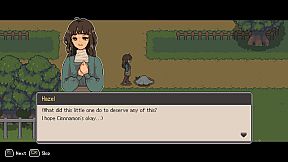
Cinnamon begins the journey unaware of the dangers outside, and the plot tracks his attempts to find a way home while learning about the stray cat community. Neighborhood residents each carry their own short backstories that players uncover gradually through gift exchanges. These encounters add emotional weight without requiring combat, keeping the focus on observation and careful movement through the environment.
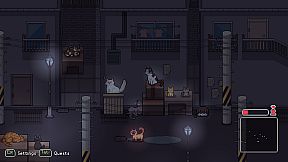
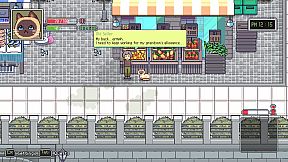
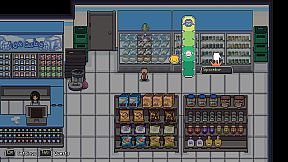
The setting stays grounded in everyday urban spaces such as markets and alleyways, where weather and time of day can influence when certain characters appear. One example involves locating a stoat that only shows at midnight in a specific market corner, illustrating how timing and map knowledge matter for full exploration.
Is It Worth Playing?
This title suits players who enjoy deliberate puzzle solving paired with gentle narrative discovery and animal-themed stories. The Sokoban foundation demands spatial thinking, while the hunger and gifting systems provide steady goals that tie directly into the cat's survival and social connections. Quality-of-life features reduce frustration compared with stricter puzzle games, making repeated attempts on tricky sections more approachable.
Those seeking fast action or competitive elements will find little here, as the pace stays measured and the emphasis rests on observation and incremental progress. The single-player structure delivers a complete, self-contained experience that rewards patience and attention to detail in the neighborhood setting. For fans of indie adventure titles centered on everyday animal life, the game offers a focused and consistent package without unnecessary complexity.