











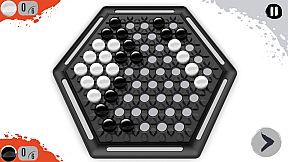
Abalone is a digital adaptation of the classic abstract strategy board game that has entertained players for nearly three decades. Set on a hexagonal board with black and white marbles, the title challenges participants to outmaneuver an opponent through careful positioning and controlled aggression. The core objective remains pushing the rival's marbles off the edges of the board, a mechanic that rewards foresight over speed.
Gameplay
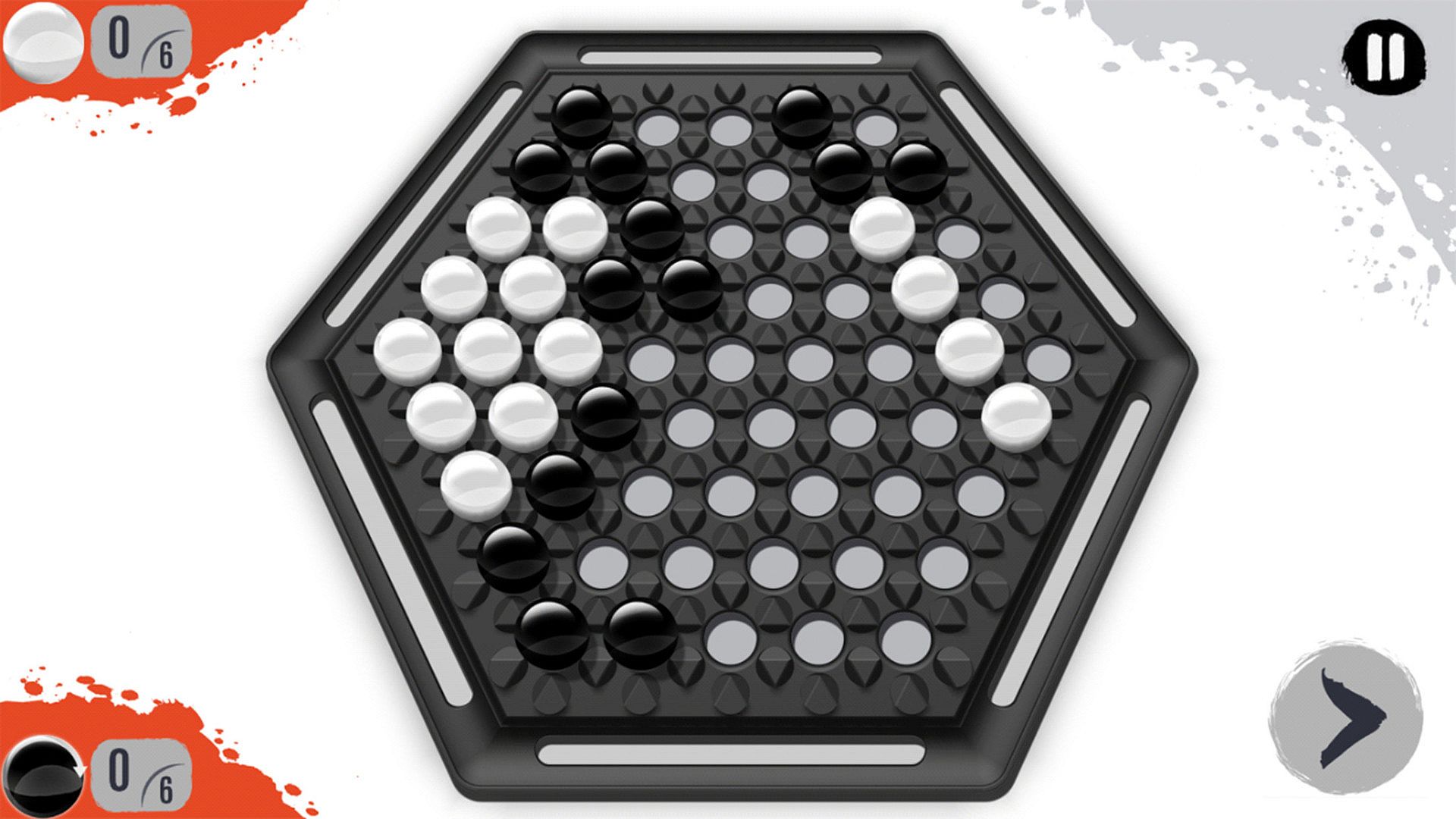
The rules emphasize deliberate movement and defensive awareness. Each turn allows a player to shift one, two, or three aligned marbles in any direction. Contact with an opponent's group creates opportunities for advancement only when the attacking side holds a numerical advantage in a direct line, known as a sumito position. Three marbles can displace one or two opposing pieces, while two can shift a single marble. This system turns the board into a battlefield of lines and angles where every placement matters.
Success hinges on building strong formations while denying the opponent similar setups. Edges of the board prove especially hazardous because any marble forced beyond them is lost. Players learn to avoid overextension by studying the layout several moves ahead, much like positioning in chess. Sacrificing a marble occasionally opens a path to trap larger groups or block escape routes. The game rewards patience, as hasty advances often leave gaps that the opponent exploits.
Game Modes
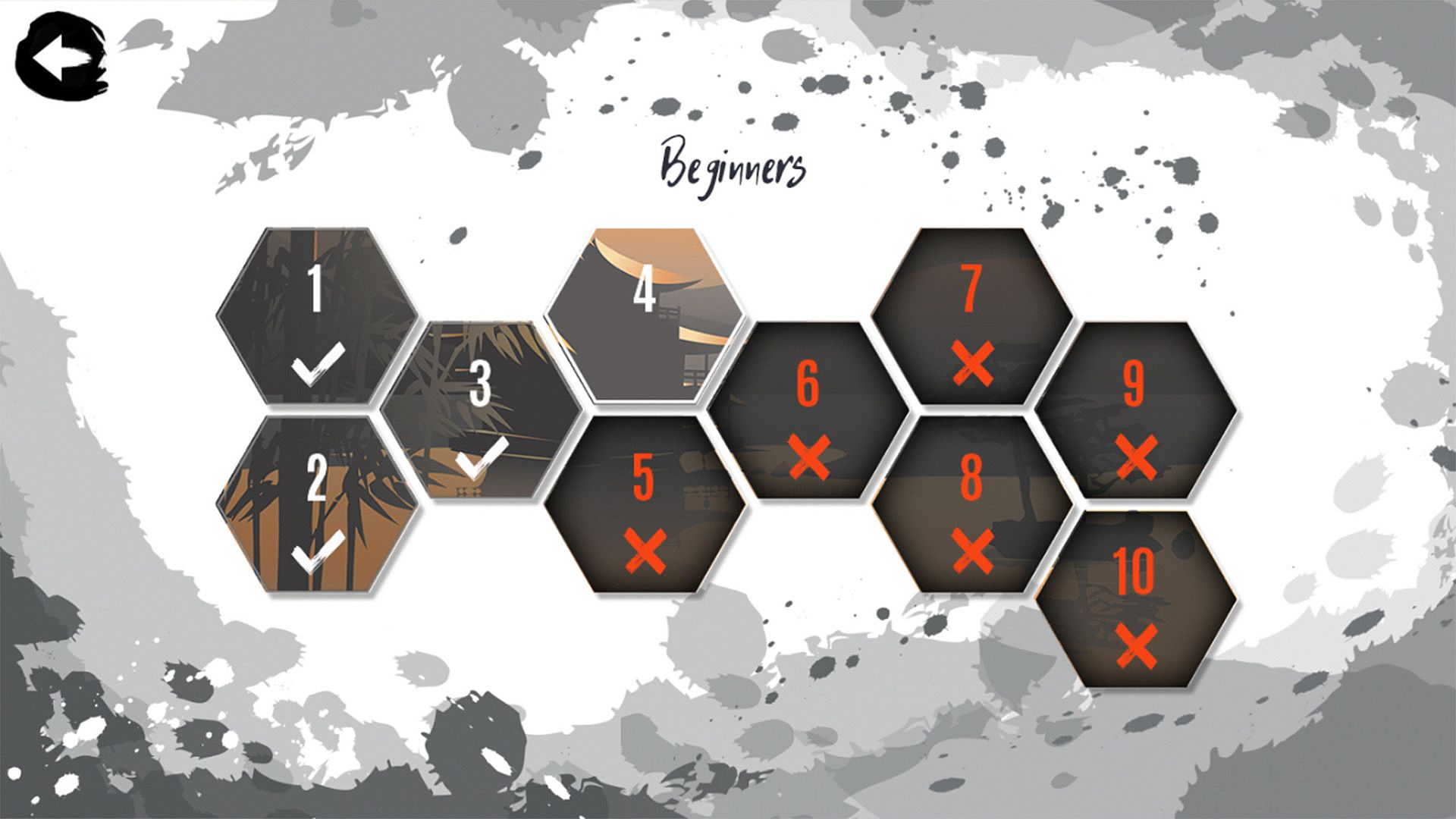
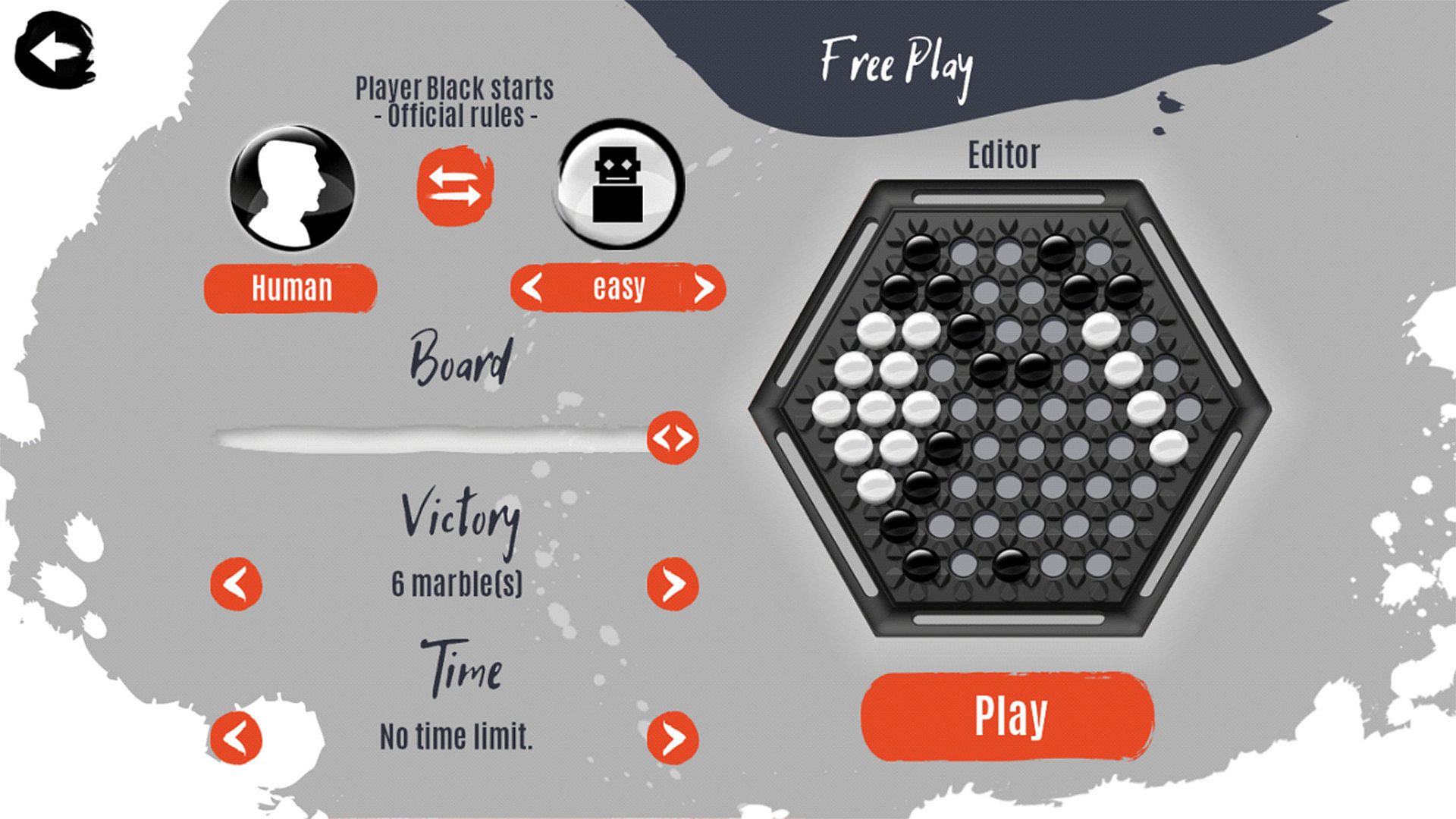
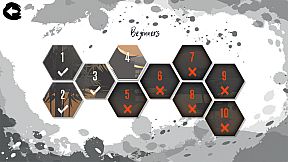
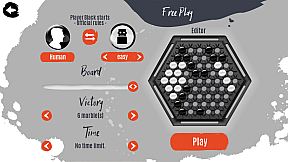
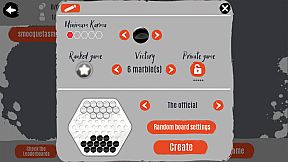
Abalone supports both solitary practice and shared sessions. Solo options include matches against computer opponents at three difficulty settings, ranging from straightforward to demanding. A dedicated campaign presents progressive challenges that begin with pushing single marbles and advance to more complex goals. Free play allows custom starting arrangements and rule adjustments for experimentation.
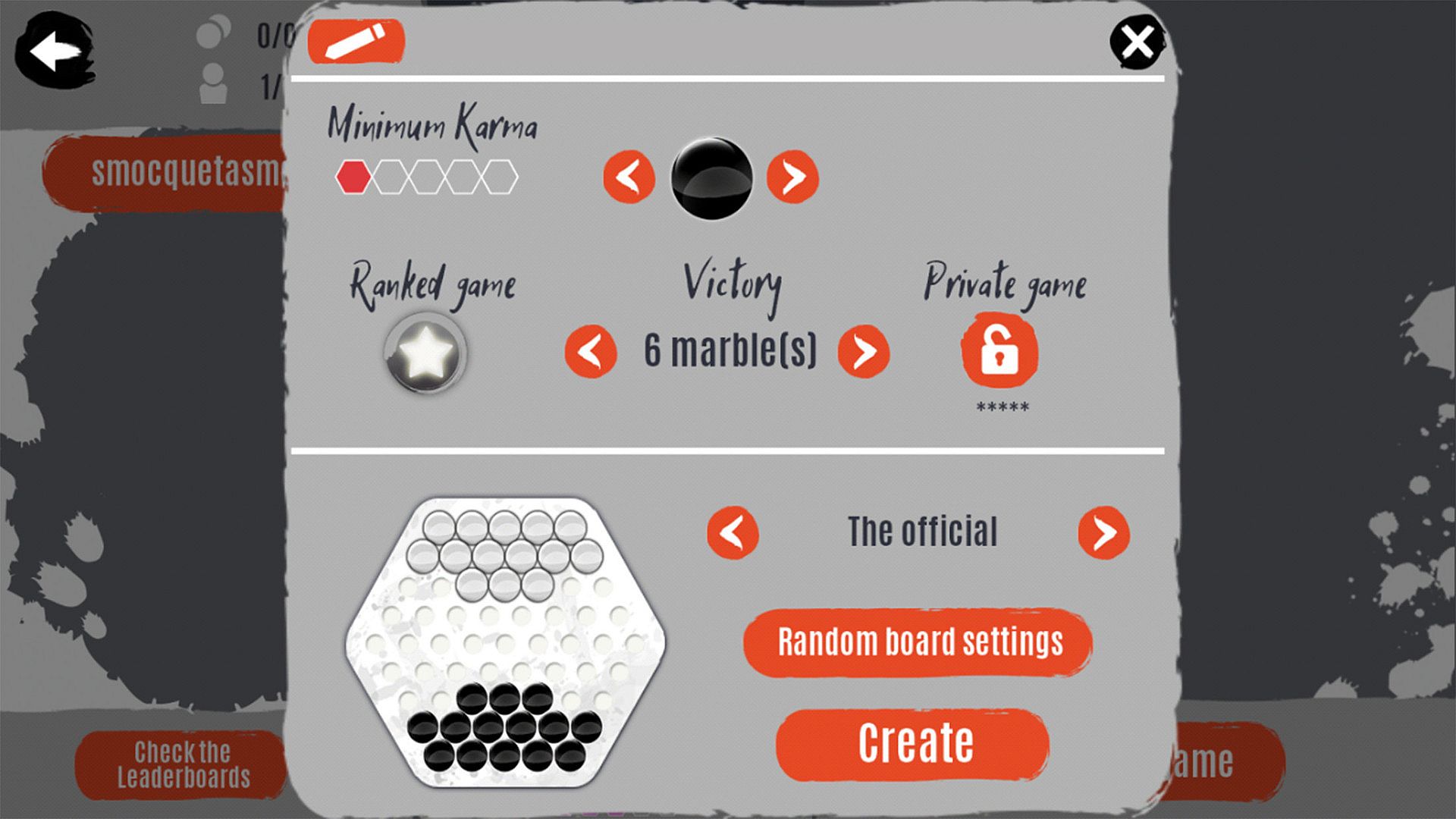
Multiplayer features local pass-and-play turns on one device alongside online matches through an account login. These modes preserve the same marble-pushing rules while adding the unpredictability of human decision-making. The variety suits different preferences, from quiet reflection against artificial intelligence to direct competition with others.
Strategy and Defense
Effective play blends offense with positioning. Rather than charging forward, strong participants secure central control and create multiple threats that force the opponent into reactive choices. Defensive lines near the perimeter prevent easy losses, and coordinated marble groups can simultaneously protect key spaces while threatening advances. The absence of luck elements means outcomes stem directly from reading the board and anticipating sequences of moves.
Reviewing past games move by move helps refine these skills. The campaign structure supports this process by introducing targeted scenarios that isolate specific tactics before combining them in full matches. Over time, players develop an instinct for when to hold position and when to commit to a push.
Is It Worth Playing?
Abalone appeals to those who enjoy thoughtful, two-player strategy experiences without timers or random elements. Its straightforward rules mask considerable depth, making it accessible for newcomers yet engaging for veterans who appreciate precise calculation. The digital version maintains the original board game's tension while adding convenient solo tools and online access.
Reception remains mixed, with some appreciating the clean presentation and others noting the deliberate pace. Individuals drawn to abstract games like checkers or chess often find satisfaction in mastering its patterns. Those seeking fast action or large-scale multiplayer may prefer different titles. The campaign and adjustable difficulties provide solid value for solo players, while local and online options extend replayability for groups. Overall, the game suits anyone ready to invest time in learning its nuances rather than expecting immediate mastery.