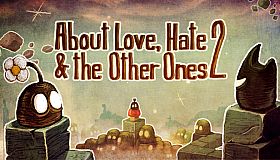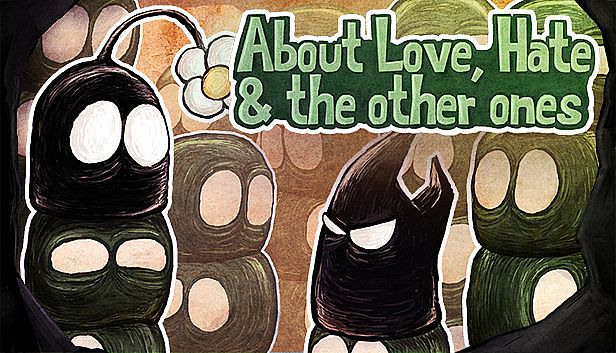













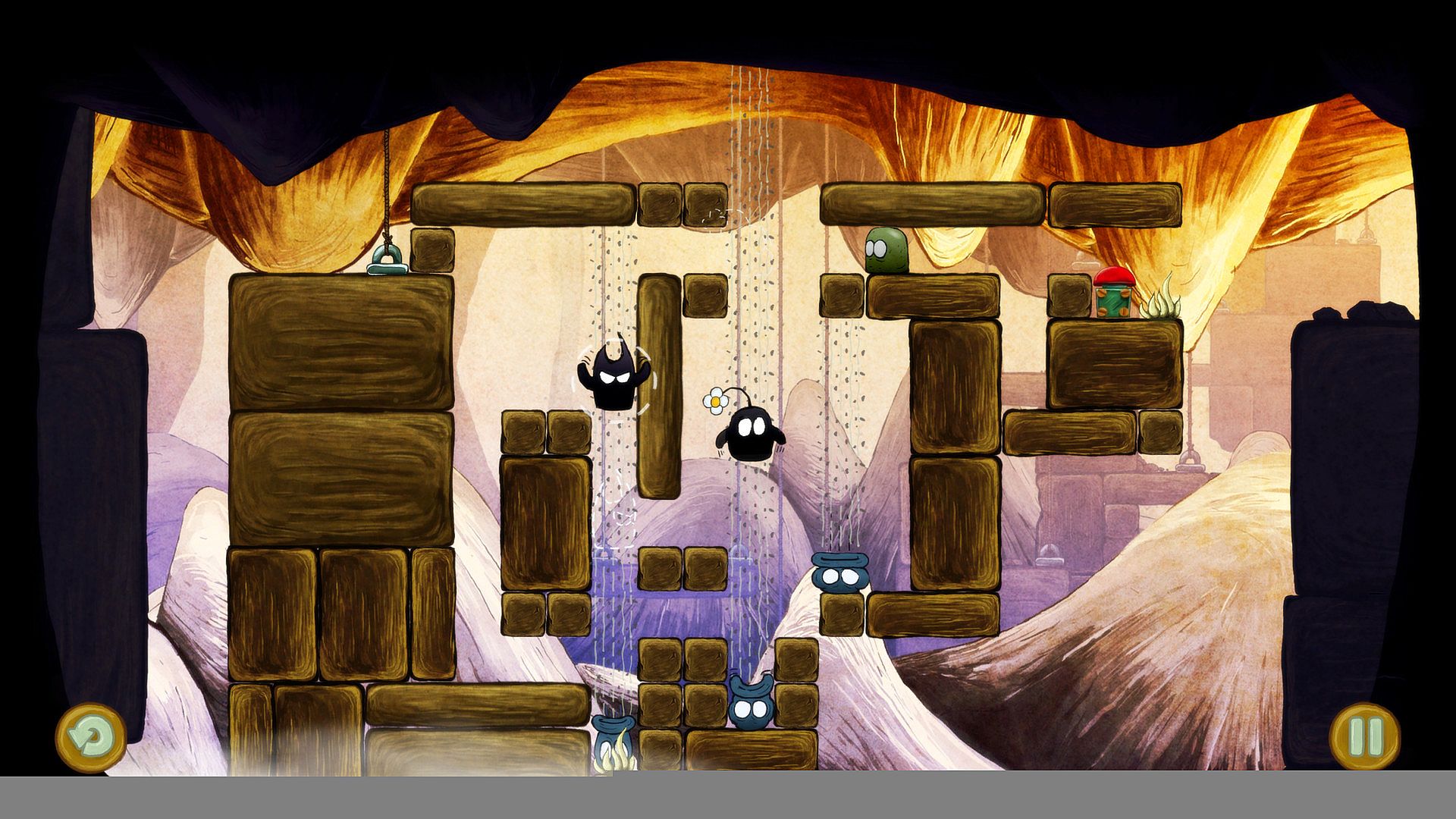
About Love, Hate and the other ones is an indie casual puzzle game developed for PC. Players guide two opposing characters through a series of enclosed levels after the pair gets trapped following an unexpected event on their hilltop home. The core premise centers on using the distinct influences of Love and Hate to interact with surrounding elements known as the Other Ones.
Gameplay
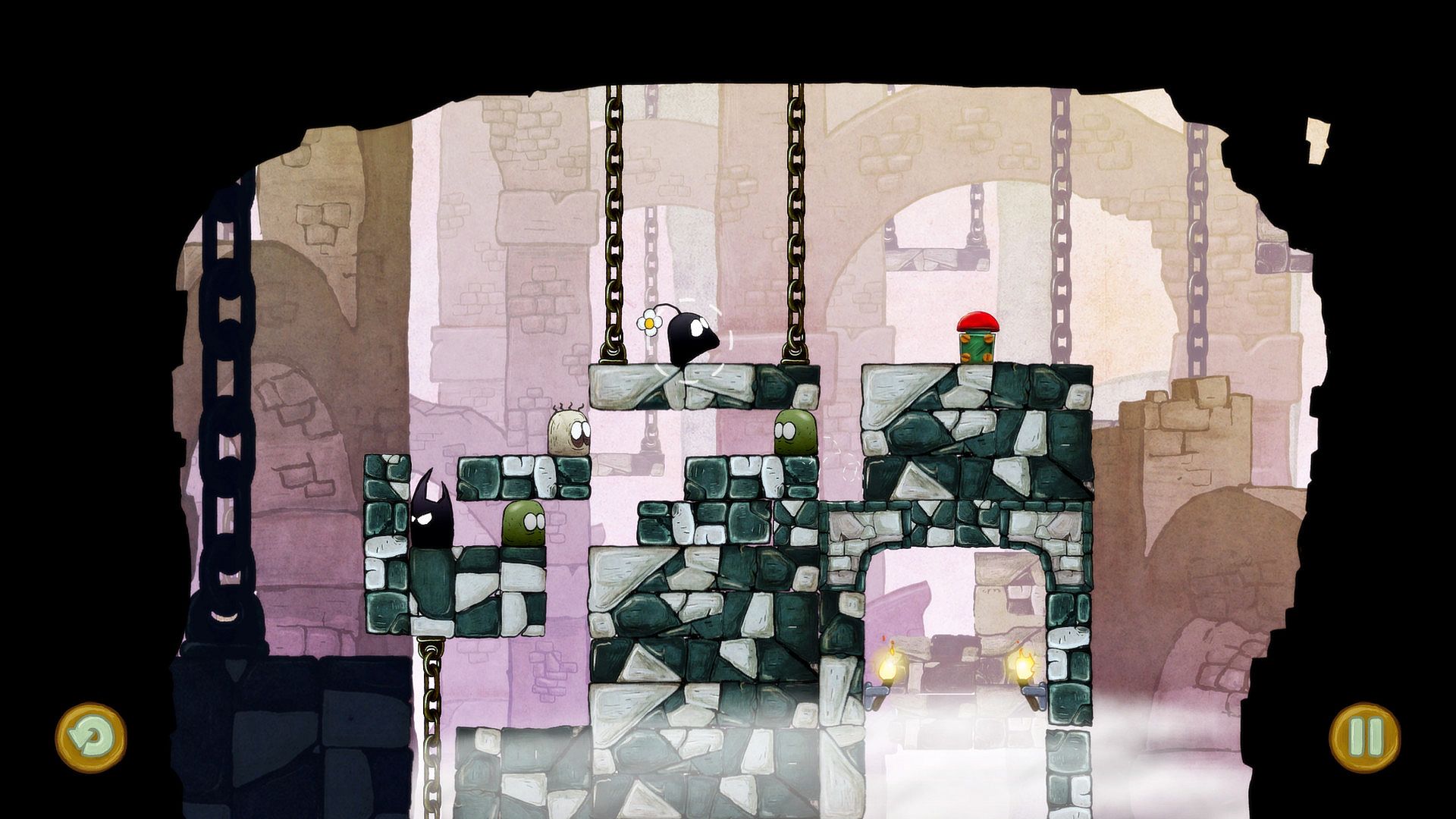
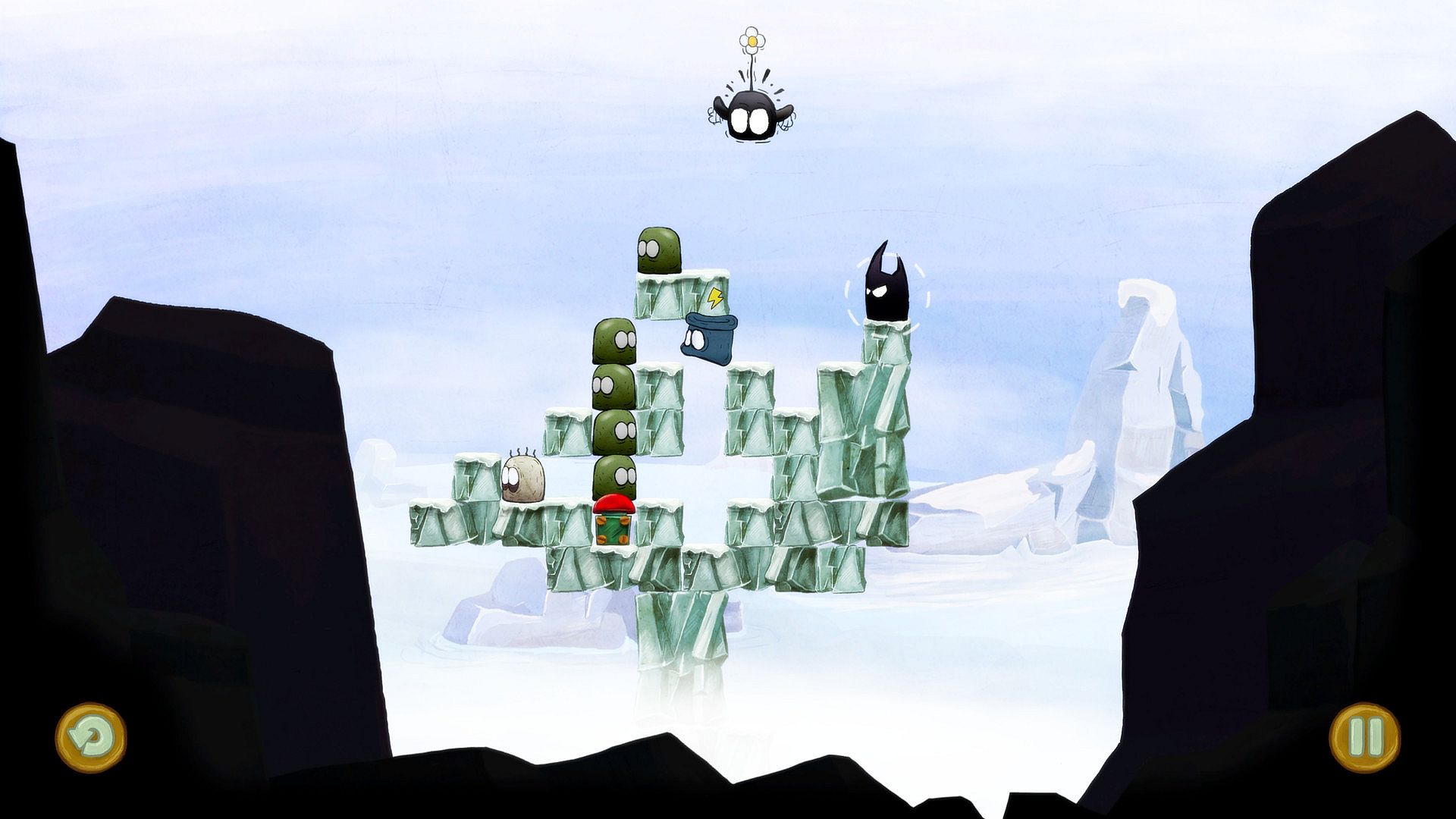
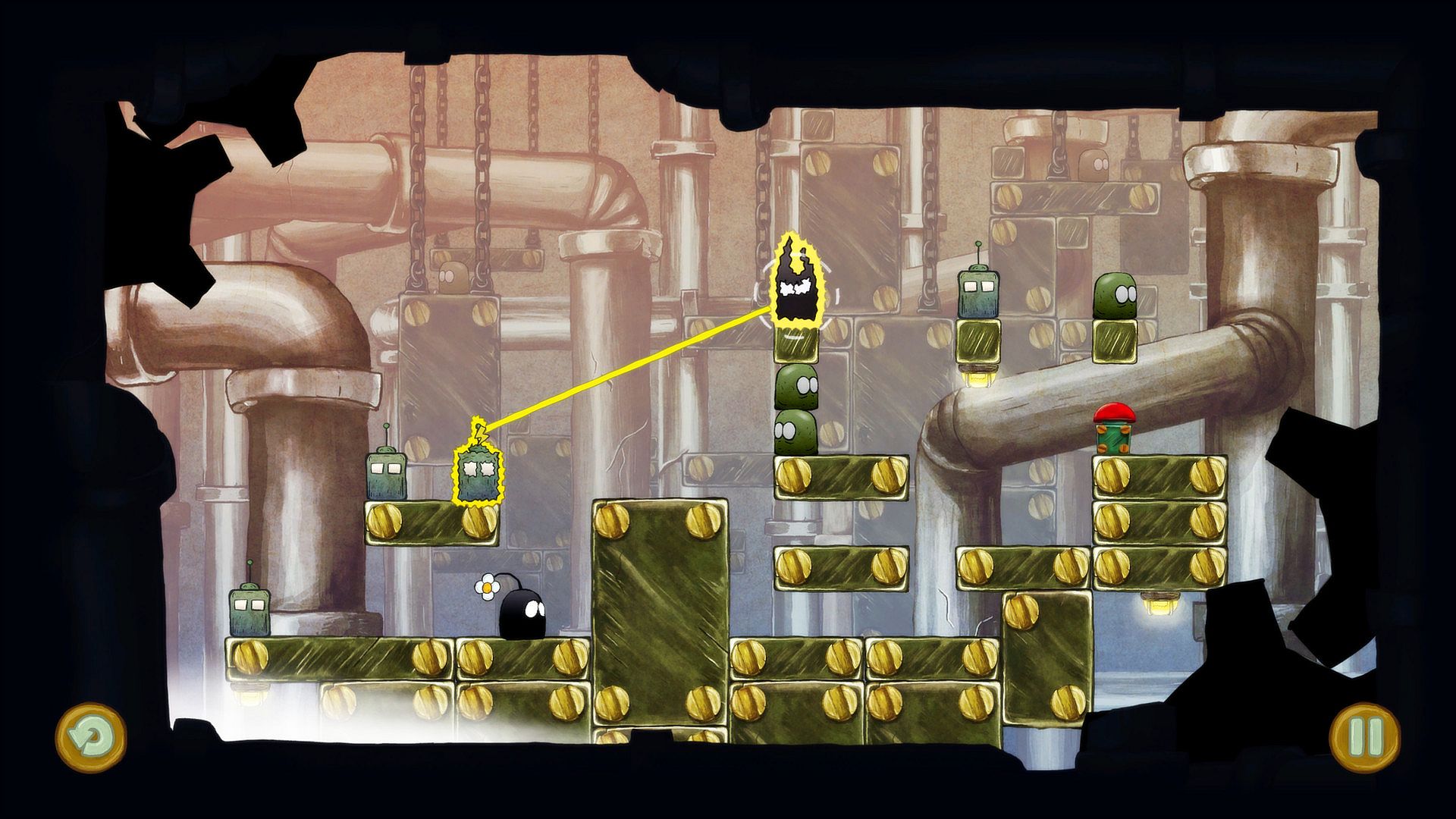
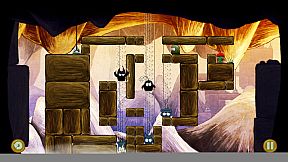
The gameplay revolves around direct control of Love and Hate, two distinct blob-like figures with contrasting abilities. Love draws nearby Other Ones toward its position, while Hate pushes them away. This attraction and repulsion forms the primary tool for rearranging the environment and clearing paths. Players move these two characters across grid-based levels without any jumping or platforming elements, focusing instead on positioning and timing their effects to manipulate the Other Ones into useful configurations.
Each level presents a contained space filled with obstacles and the Other Ones, which react predictably to the forces applied. The objective typically involves guiding one of the main characters to a designated button or exit point while accounting for how the influenced figures block or enable progress. Early stages introduce the basic push and pull interactions in straightforward setups, allowing players to experiment with single Other Ones before combinations appear. Later stages layer in more elements such as fixed barriers and multiple interacting figures, requiring careful sequencing of moves.
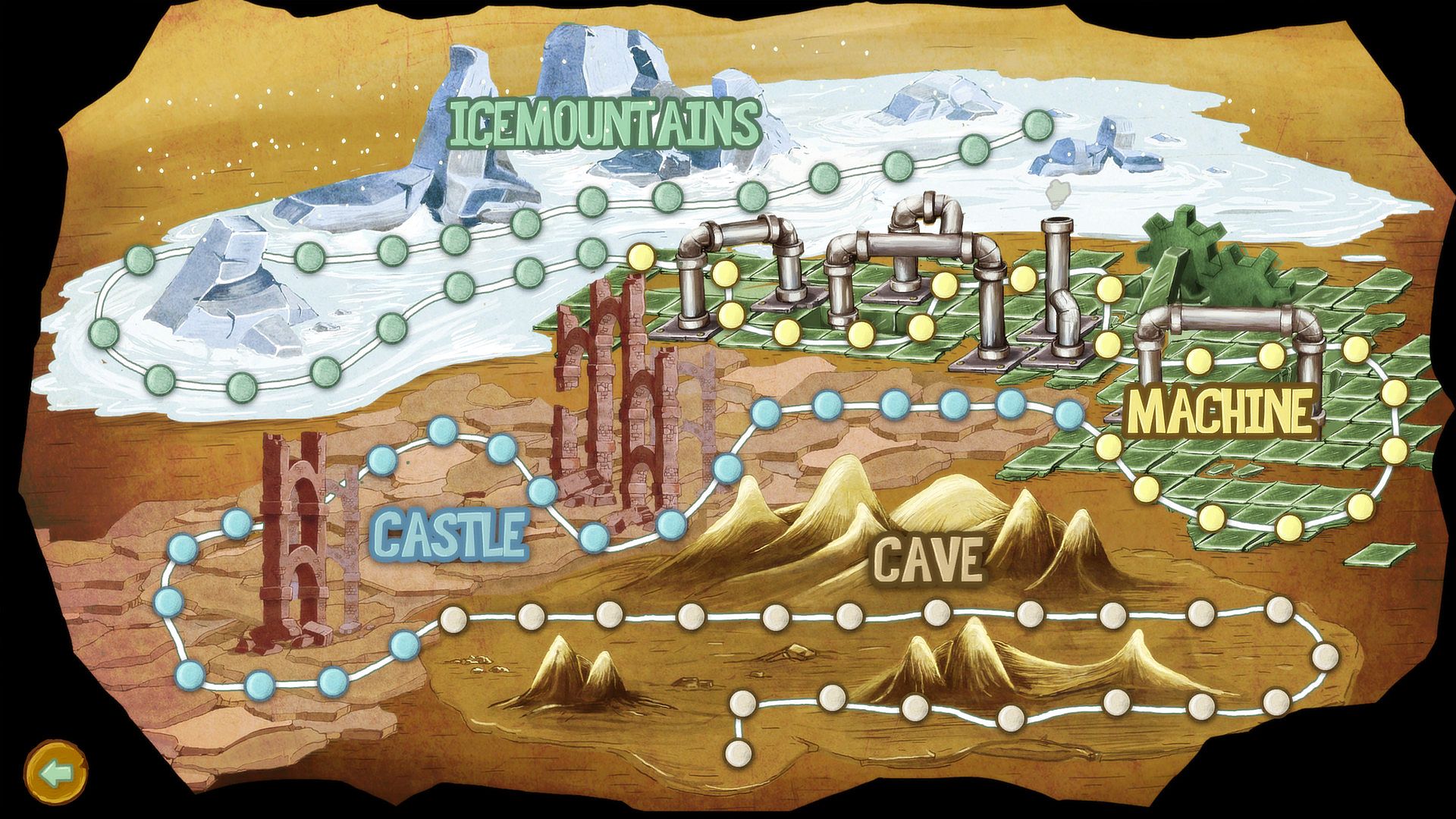
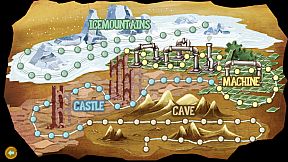
The visual style remains consistent with soft, cartoony designs that emphasize the personalities of Love and Hate without adding narrative depth or timers. Progression follows a linear path through themed areas including caves, icy sections, castles, and factories, each introducing subtle environmental variations that affect how the mechanics play out. The experience stays singleplayer throughout, with no competitive or cooperative elements.
Game Modes
The game offers a single continuous campaign of puzzle levels. There are no separate modes such as time trials, endless challenges, or multiplayer variants. All content unfolds through sequential stages that build on the same core loop of positioning Love and Hate to direct the Other Ones. Players advance by solving each puzzle in order, with difficulty increasing gradually as more Other Ones and layout complexities are introduced.
Within this structure, the focus remains on exploration of the attraction and repulsion system across the full set of levels. No alternate rulesets or modifiers alter the fundamental approach, keeping the emphasis on methodical problem solving rather than variety in format.
Level Design and Progression
Levels are structured as self-contained puzzles that reward observation and experimentation with the dual forces. The environments shift across distinct themes, each presenting the same mechanics in new spatial arrangements. Caves feature tighter corridors that limit movement options, while ice areas may introduce slippery considerations for positioning. Castles and factories add vertical or mechanical elements that interact with the Other Ones in specific ways, though the core attraction and repulsion remain unchanged.
Progression does not include collectibles, branching paths, or hidden objectives beyond completing the main goal of each stage. The total experience spans a modest number of levels, with the later ones demanding more precise sequences to account for multiple interacting figures. This setup suits players who enjoy incremental mastery of a single system over extended campaigns.
Is It Worth Playing?
This title appeals primarily to fans of abstract puzzle games that emphasize spatial reasoning and cause-and-effect mechanics. The charming presentation and straightforward controls make it accessible for casual sessions, while the increasing complexity in later stages provides a satisfying challenge for those who appreciate methodical problem solving. Playtime centers on completing the level set, which delivers a compact but complete experience without ongoing content updates or additional seasons.
Reception highlights the clever use of the Love and Hate duality as a fresh twist on traditional pushing mechanics, though some note the absence of story or extra features. For players seeking a focused singleplayer puzzle title with clear rules and no distractions, the game delivers consistent entertainment. Those preferring narrative-driven experiences or frequent new content may find the scope limited. Overall, it stands as a solid choice for short, thoughtful play sessions on PC.