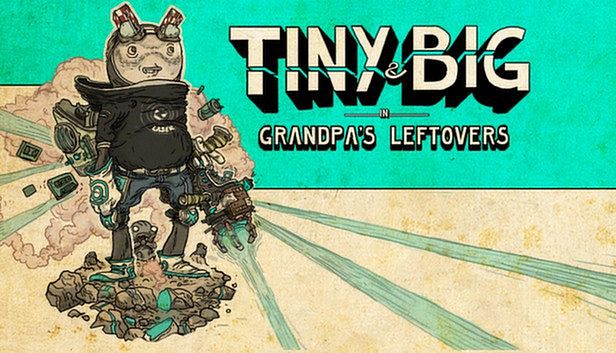


















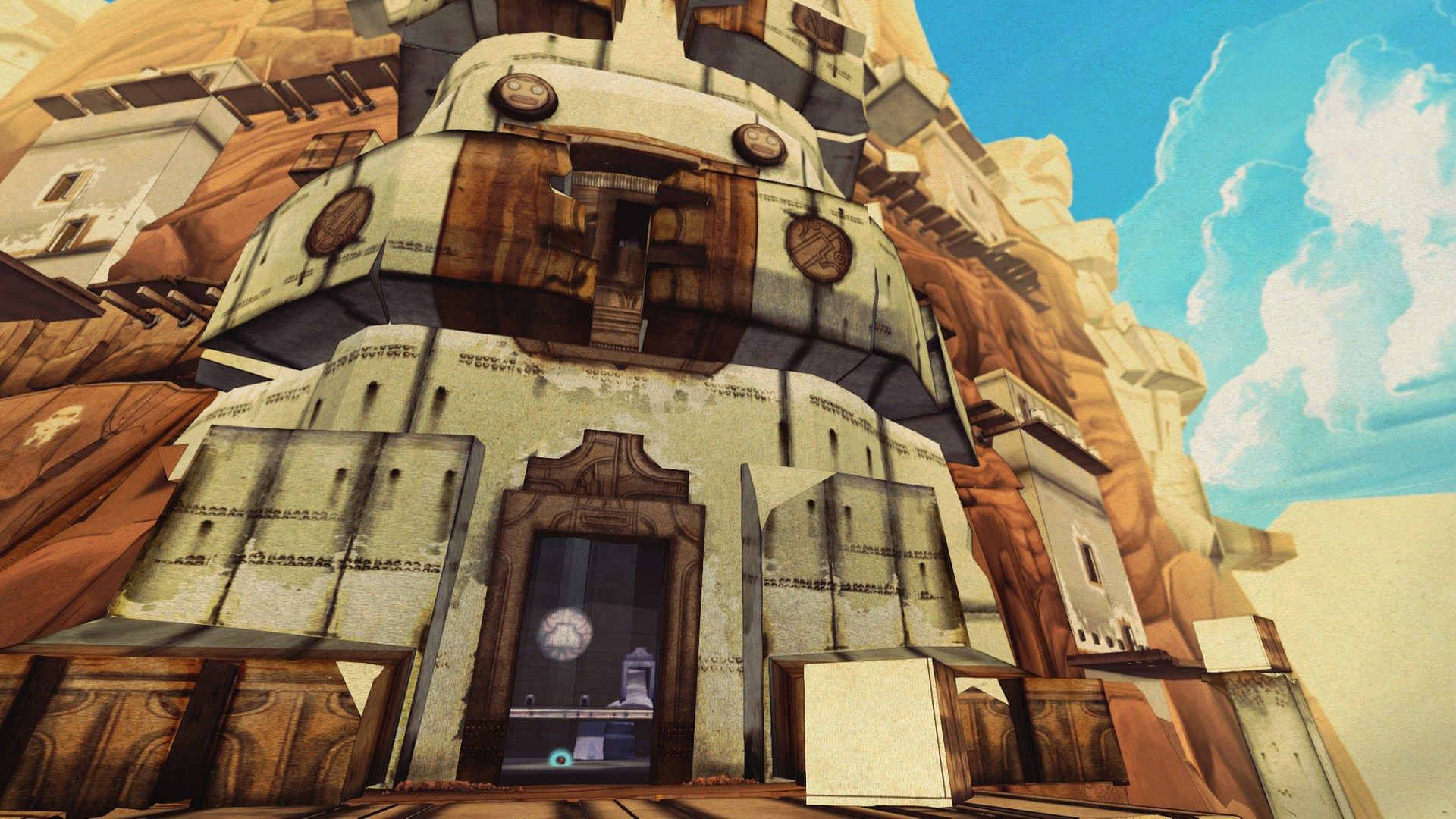
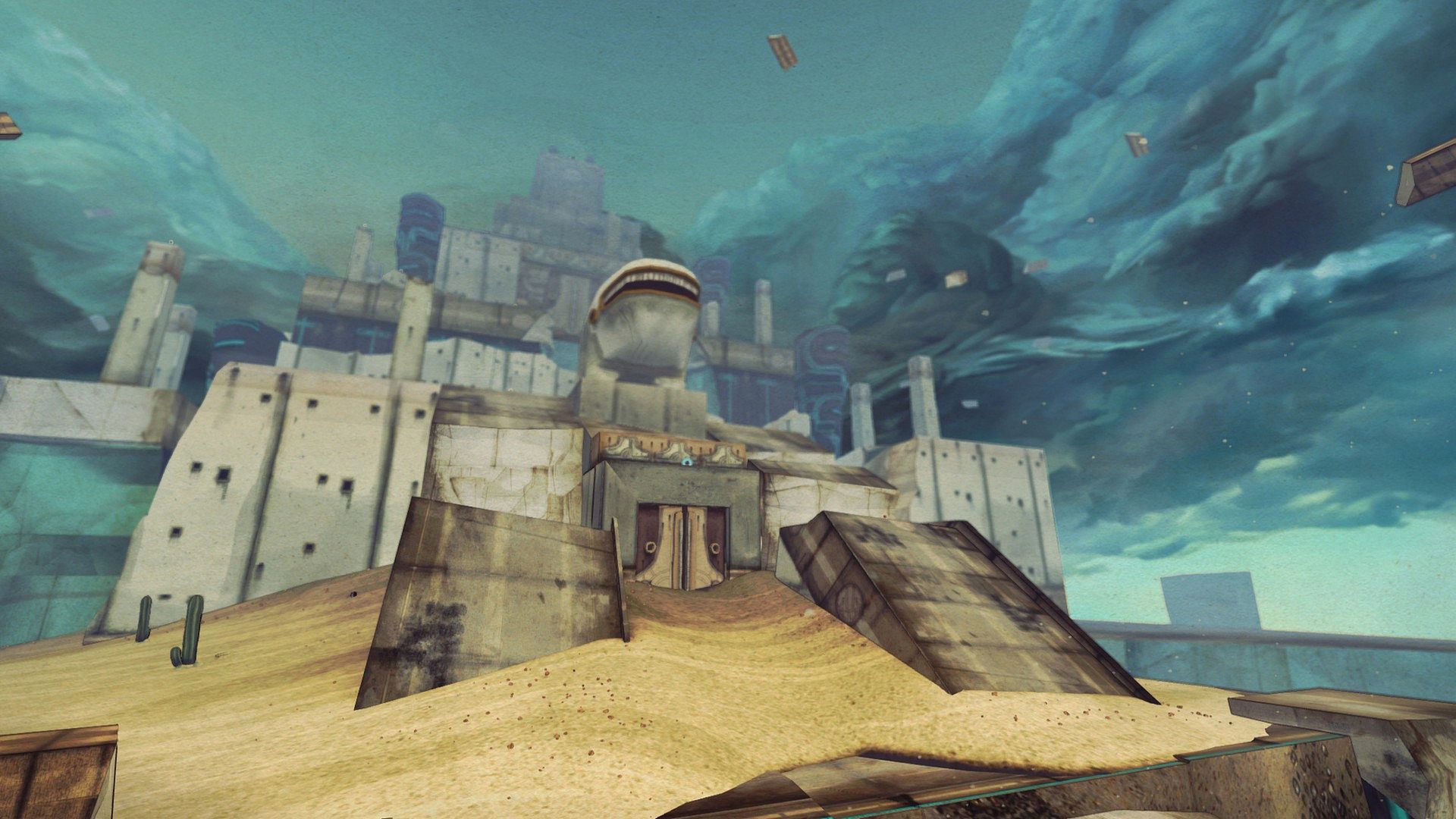
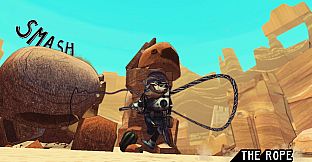
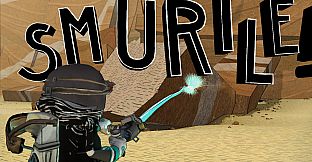
Tiny and Big: Grandpa's Leftovers stands as a distinctive indie 3D puzzle platformer built around creative manipulation of the environment. Players control Tiny, a quirky inventor navigating a stylized desert landscape to recover a cherished family heirloom stolen by his rival Big. The core loop revolves around traversal, puzzle solving, and direct interaction with destructible objects using a small set of tools that encourage experimentation rather than linear paths.
Gameplay
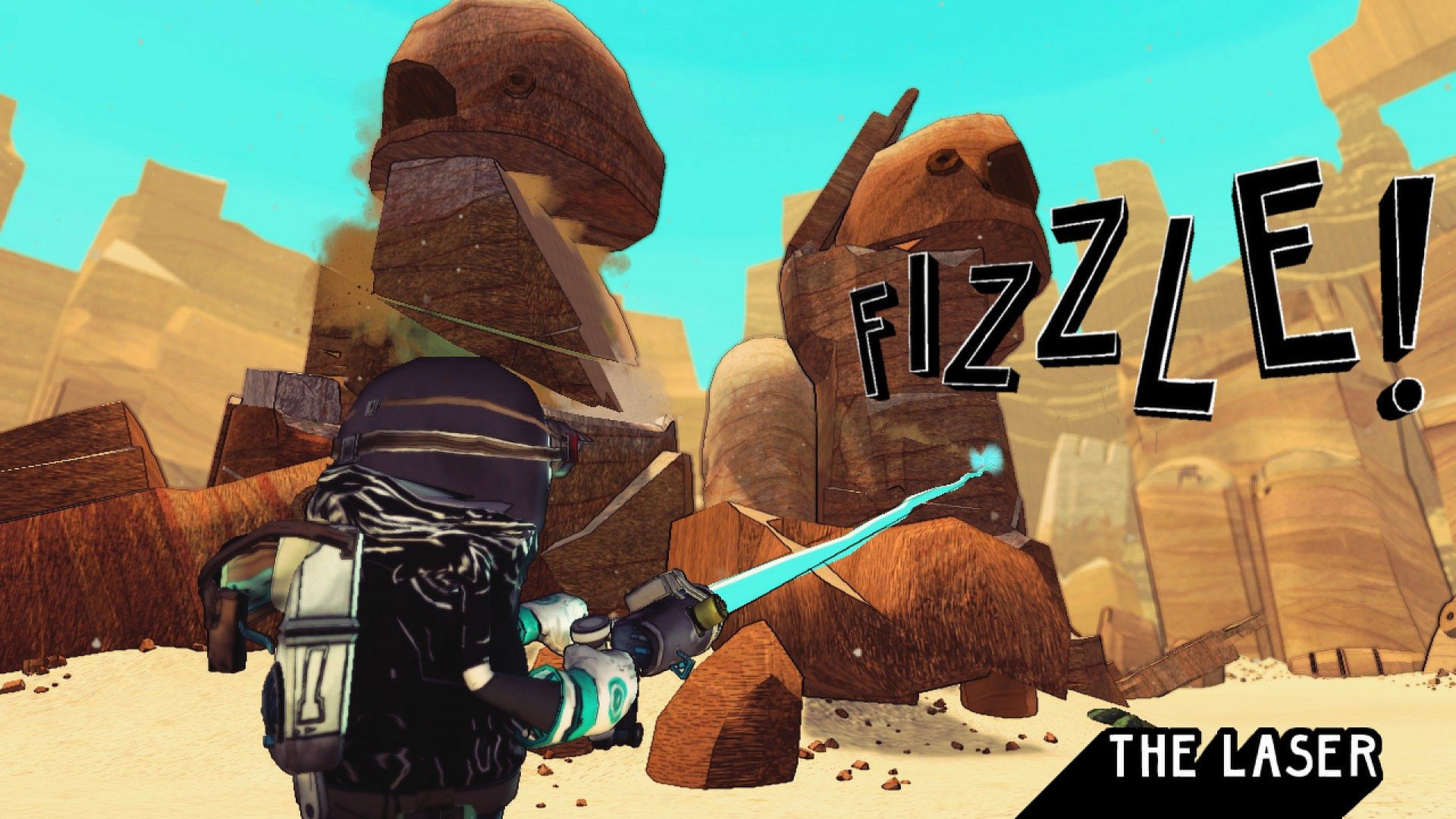
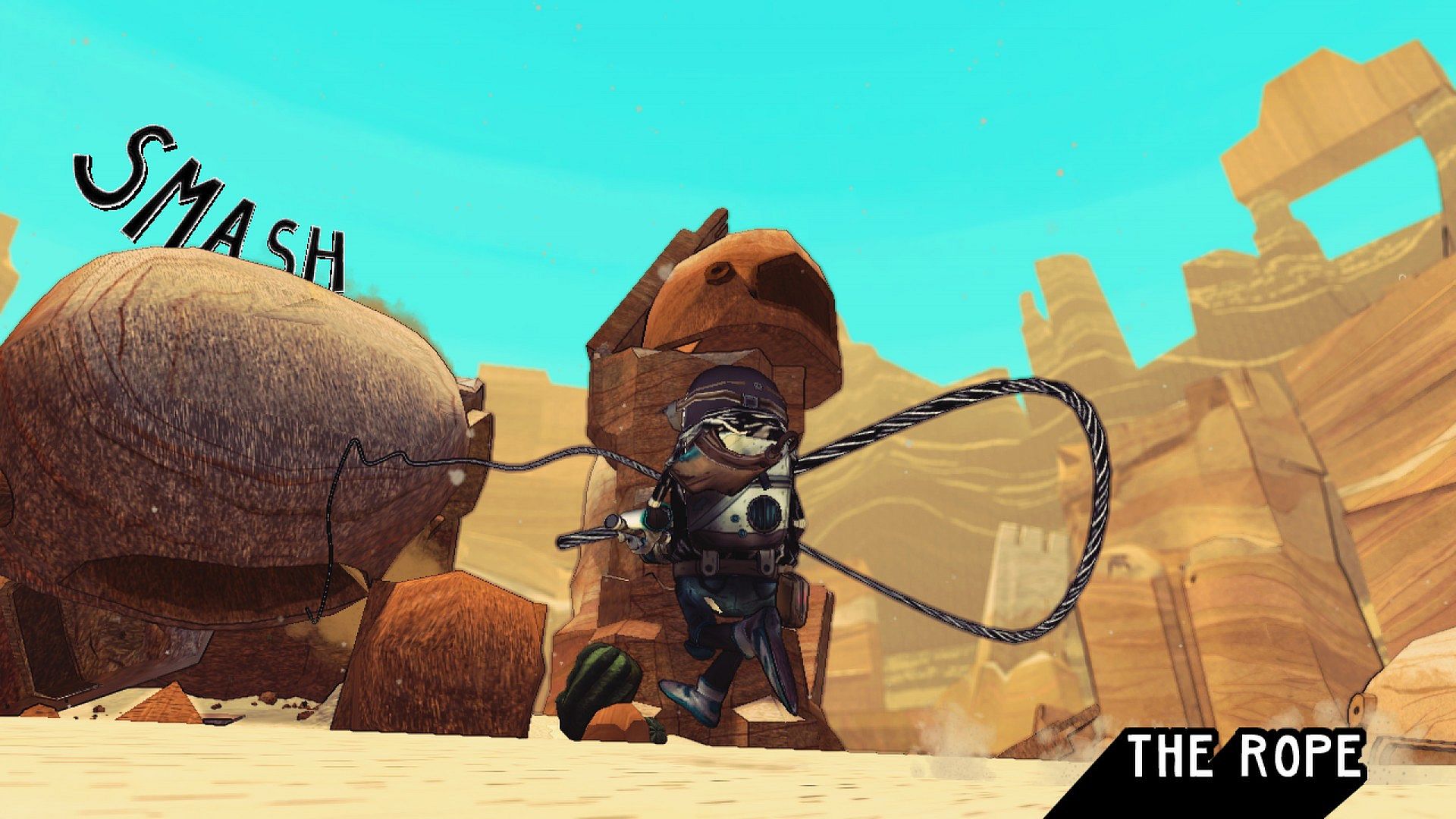
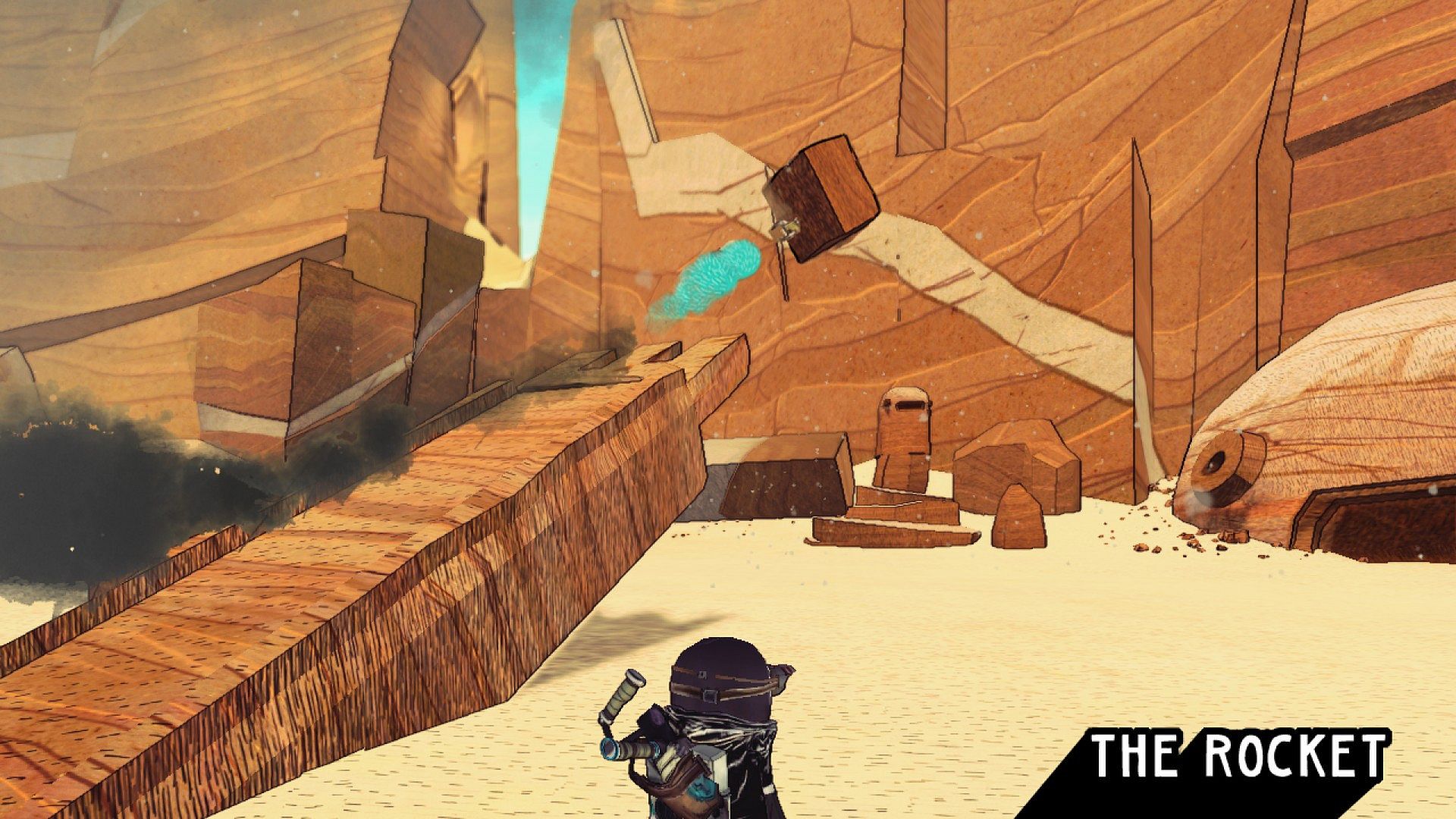
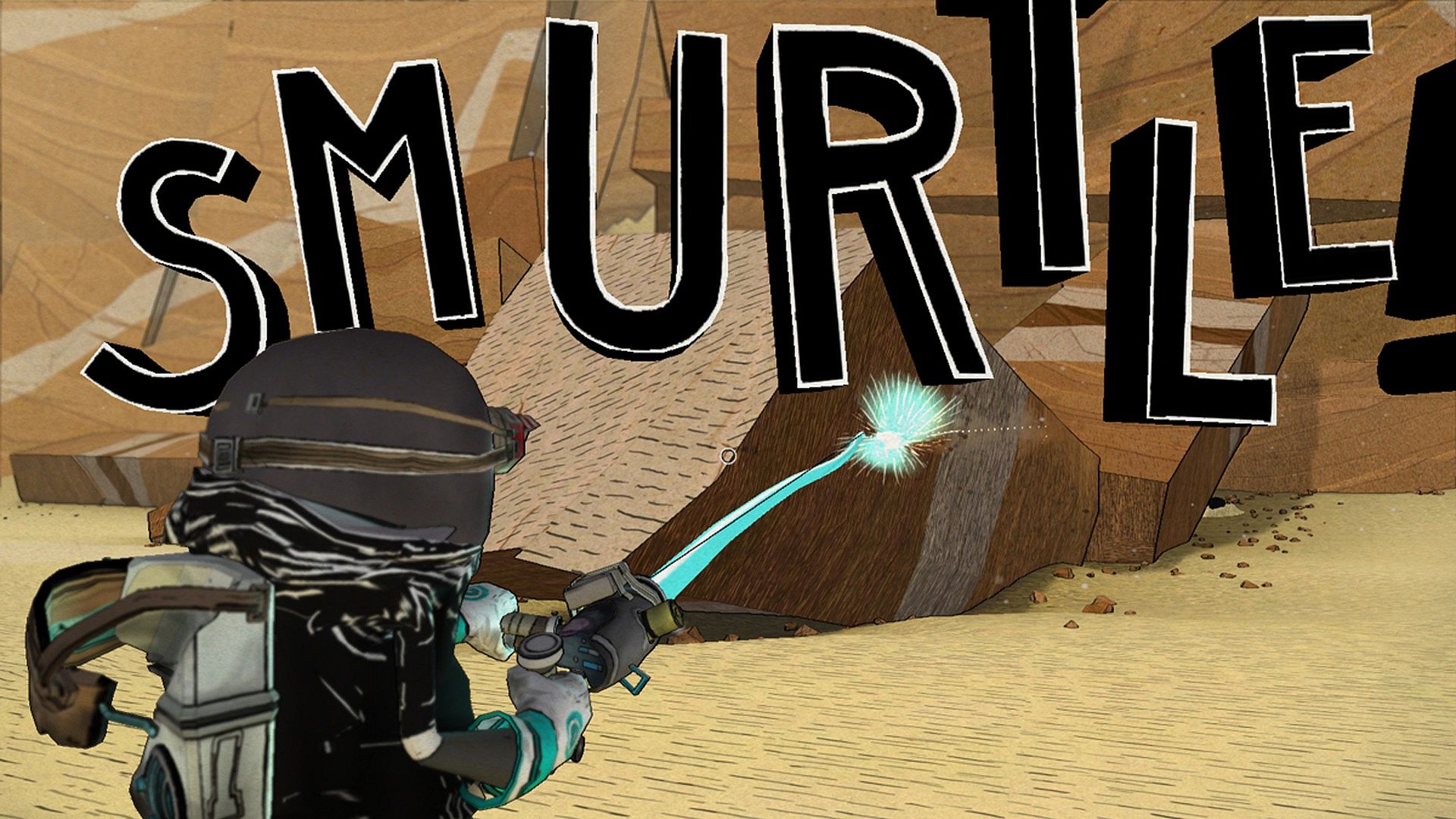
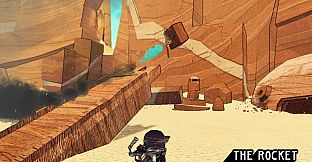
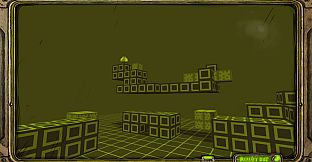
The experience centers on jump and slice mechanics where players combine platforming with precise cutting and physics interactions. Tiny carries a grappling device for pulling or swinging across gaps, a rocket launcher for propulsion or targeted pushes, and a laser cutter for slicing through rock, structures, and other surfaces. These tools allow reshaping the world on the fly, such as carving new routes, toppling obstacles, or creating makeshift bridges from debris. Physics simulation plays a central role, with cut pieces reacting realistically to gravity, momentum, and collisions in a fully destructible setting. Levels reward creative problem solving over speed, as multiple approaches often lead to the same goal. Exploration uncovers optional collectibles and hidden paths, while the third-person perspective keeps focus on both character movement and environmental changes.
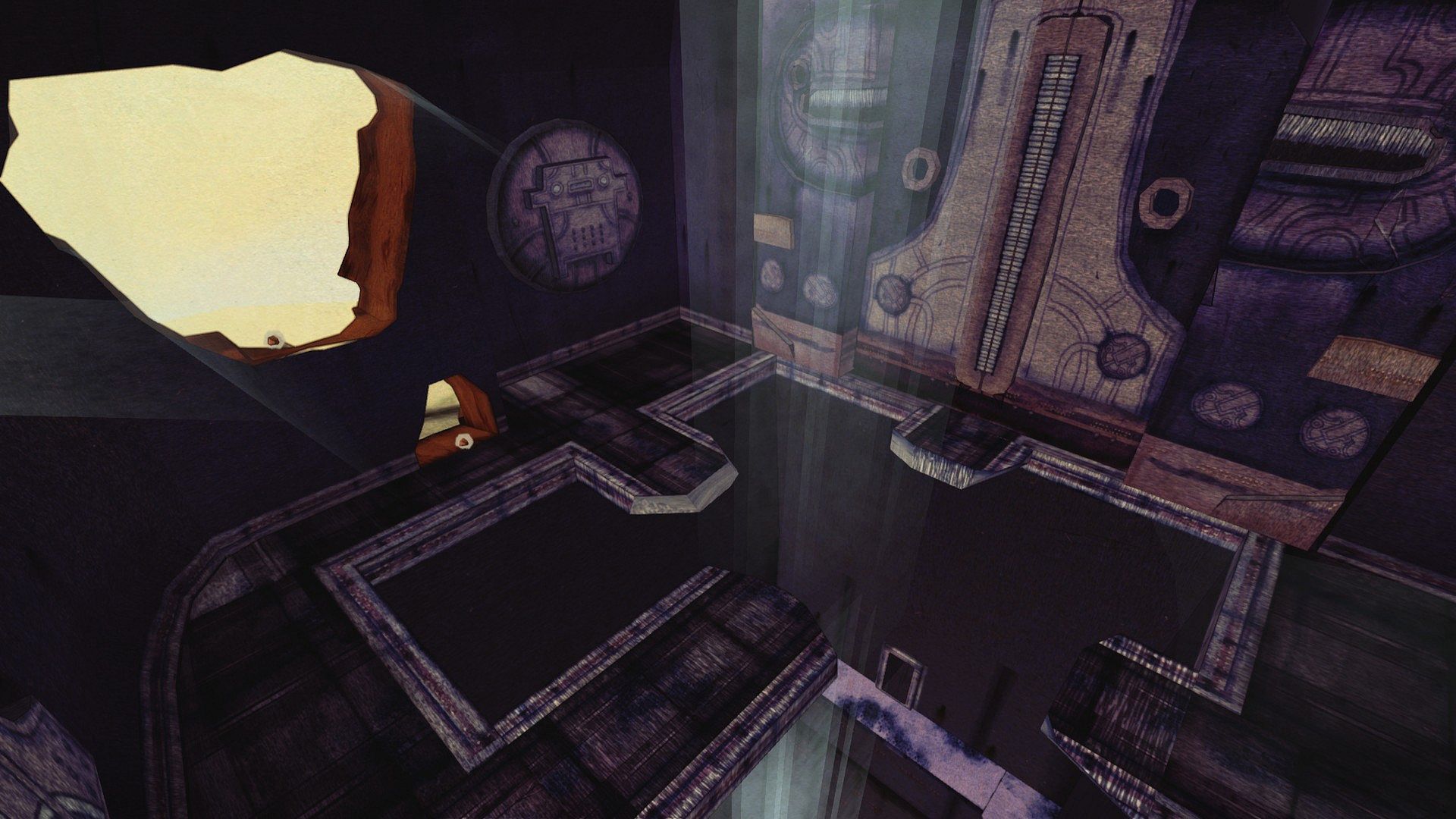
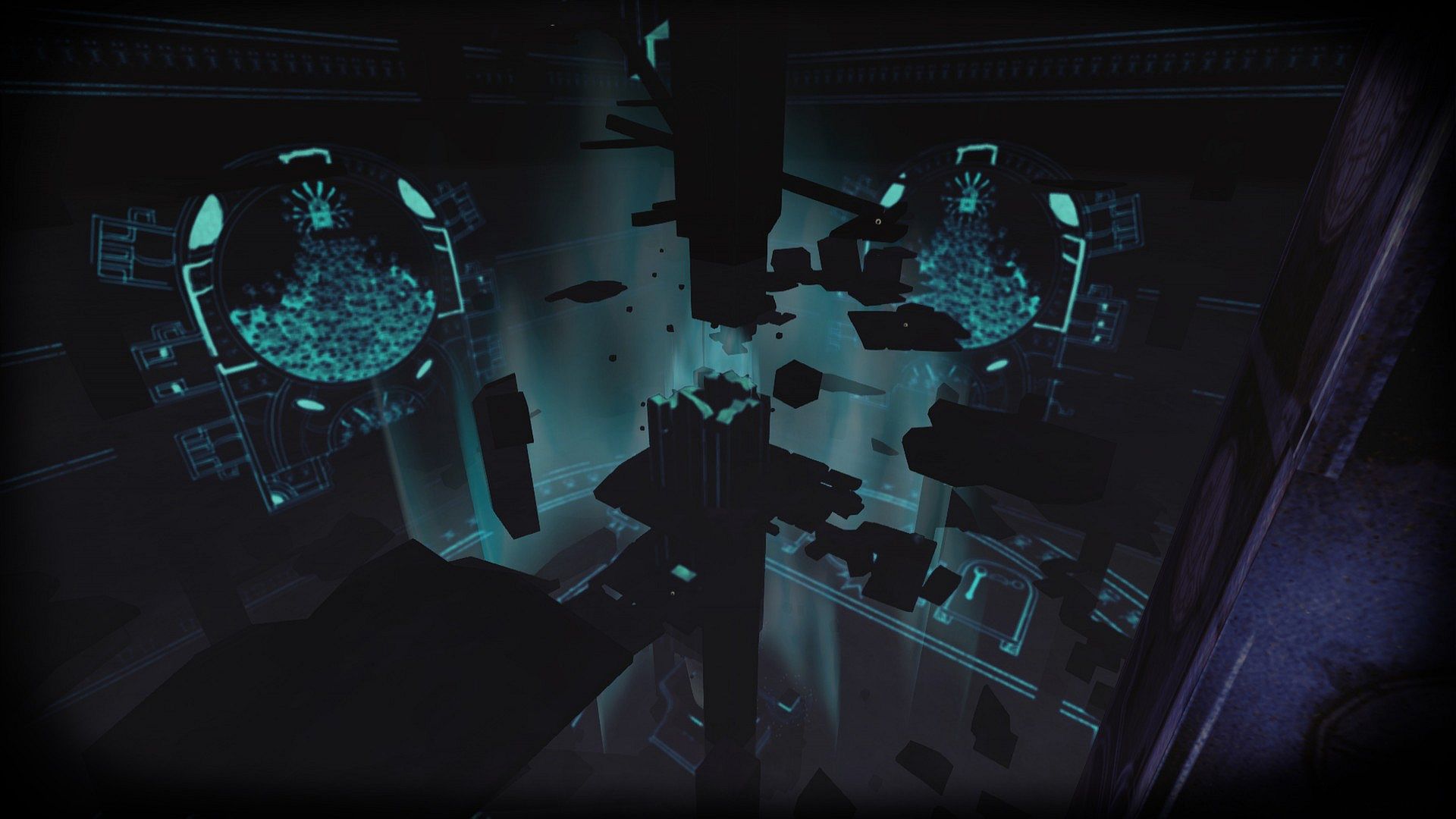
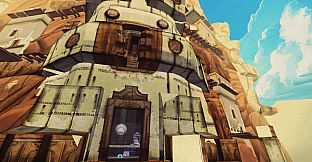
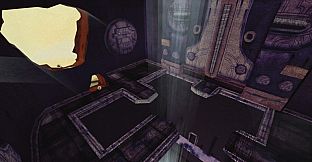
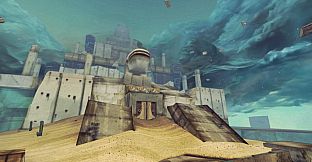
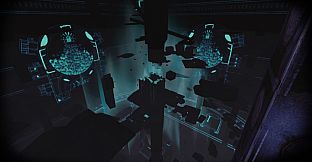
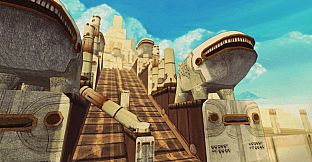
Progression follows a sequence of hand-crafted stages set in ancient ruins and open desert areas. Each section introduces new combinations of tools and obstacles, building familiarity with the manipulation system. The backpack companion adds light commentary during play without interrupting the action. Controls support mouse and keyboard or gamepad input, emphasizing accuracy in aiming the laser and grappling hook.
Game Modes
The game operates entirely as a single-player experience with no multiplayer components or alternate modes. The primary structure consists of a linear campaign divided into distinct levels that advance the story while teaching and expanding the slicing and physics systems. Within each level, sandbox-style freedom allows players to tackle puzzles in personal ways, though the overall path remains guided by environmental design. Achievements track specific challenges such as efficient cuts, full exploration, or creative solutions, adding replay value for completionists. A demo version offers the opening level for those wanting to test the mechanics before committing to the full campaign.
Story and Presentation
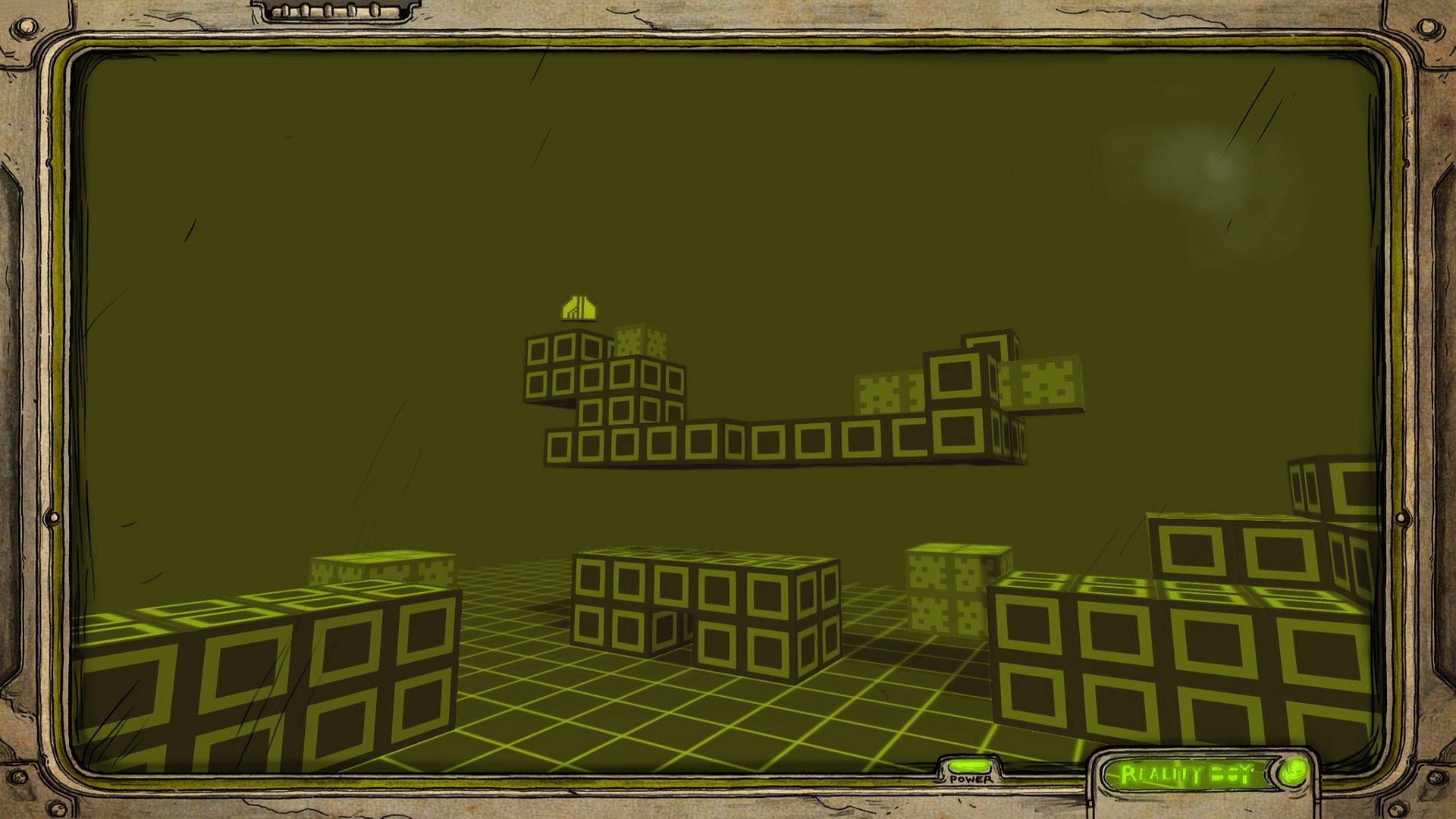
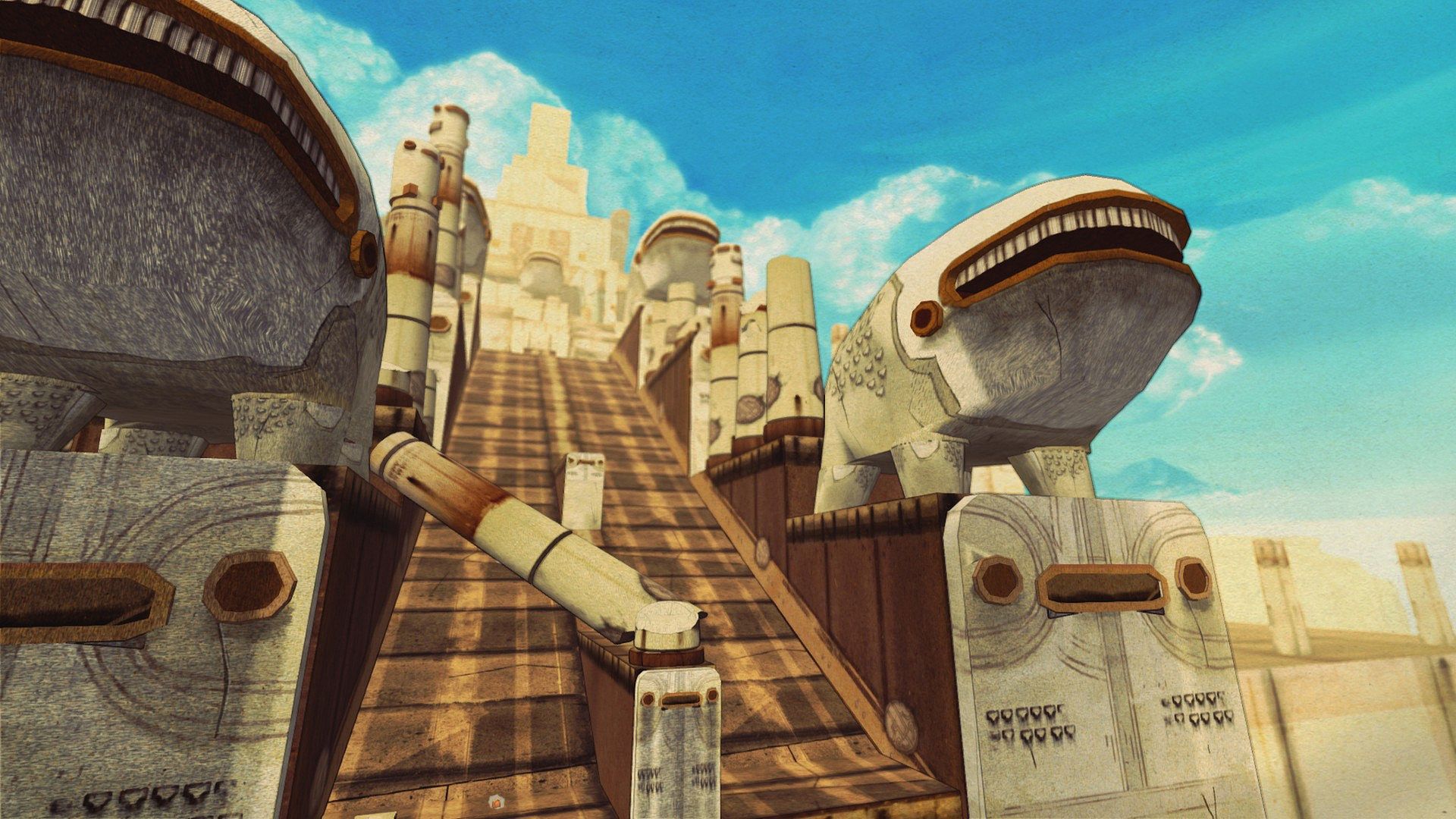
The narrative follows Tiny's humorous quest across a forsaken desert filled with odd encounters, including a taxi robot and various strange creatures. The plot stays light and peculiar, driven by the central conflict with Big and the goal of reclaiming the grandfather's white fine-rib underpants. Visuals adopt a comic-book aesthetic with hand-crafted textures and hatch shading that evoke graphic novels. Dynamic sound words appear during actions to reinforce the stylized feel. The soundtrack features over fifteen tracks from independent bands, which players collect throughout the journey and can listen to separately.
Is It Worth Playing?
Player reception remains strongly positive years after release, with 91 percent of more than 1,600 Steam reviews rated positively and a Metacritic score of 75. Reviewers consistently highlight the inventive toolset and satisfying physics interactions as standout elements that differentiate the title from standard platformers. The short campaign length suits players seeking a focused indie experience rather than lengthy commitments. Those who enjoy puzzle-platformers with creative freedom and a quirky tone will find the mechanics rewarding, especially when experimenting with different slicing strategies. The game continues to receive occasional visibility through bundles and sales but receives no further content updates. It appeals most to fans of physics-driven indie titles who appreciate deliberate pacing and visual personality over high production scale or competitive elements.