











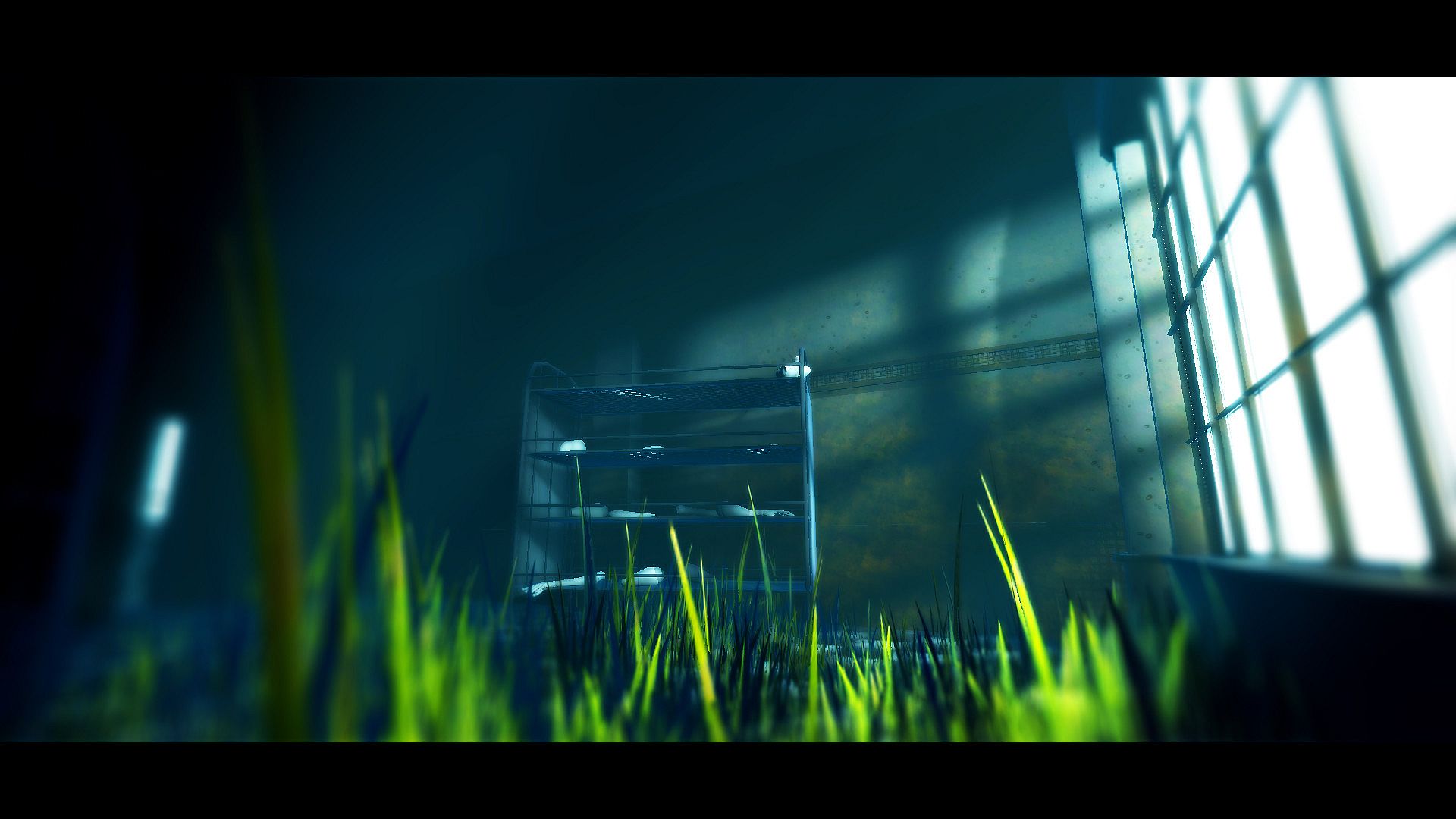
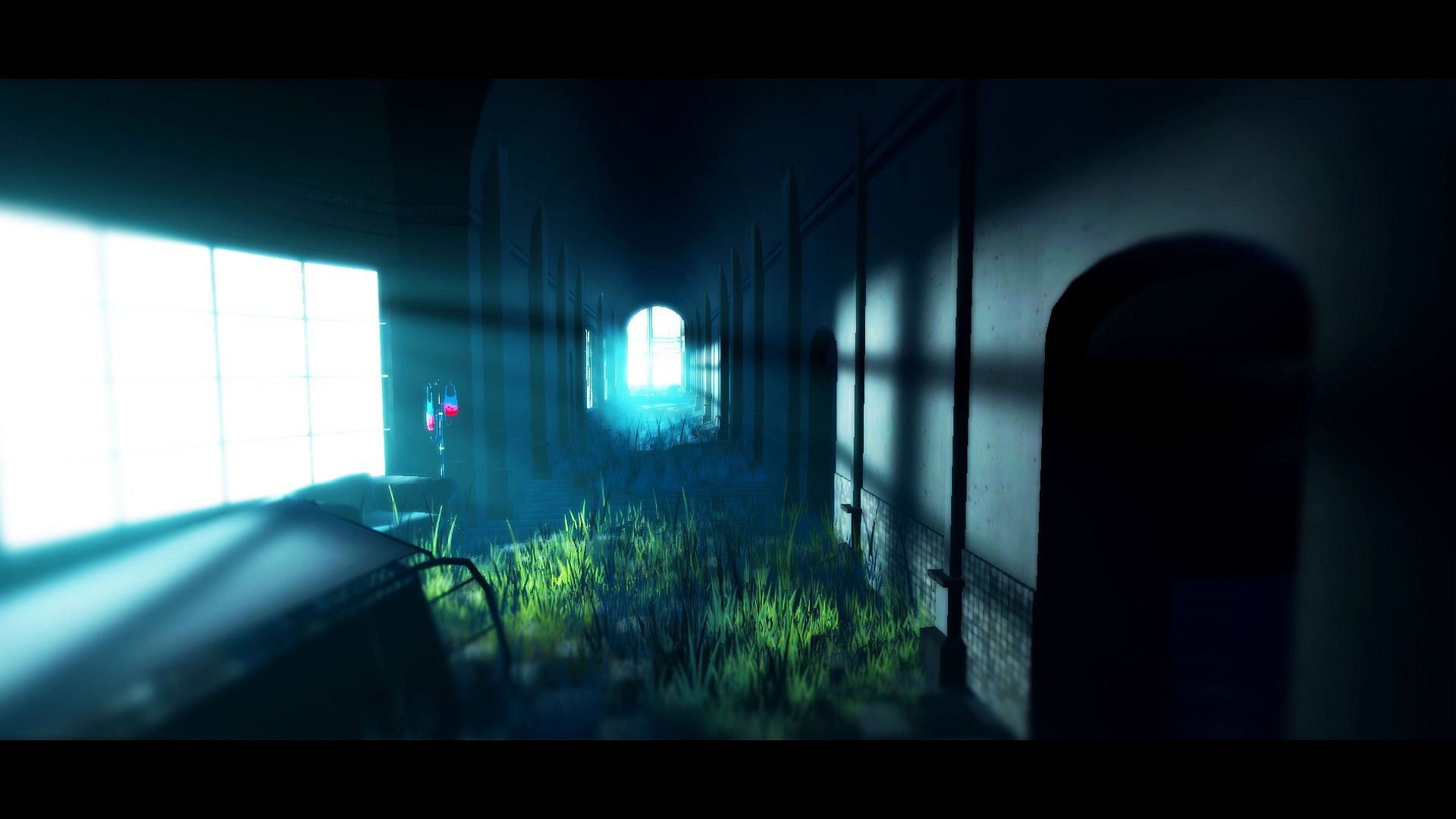
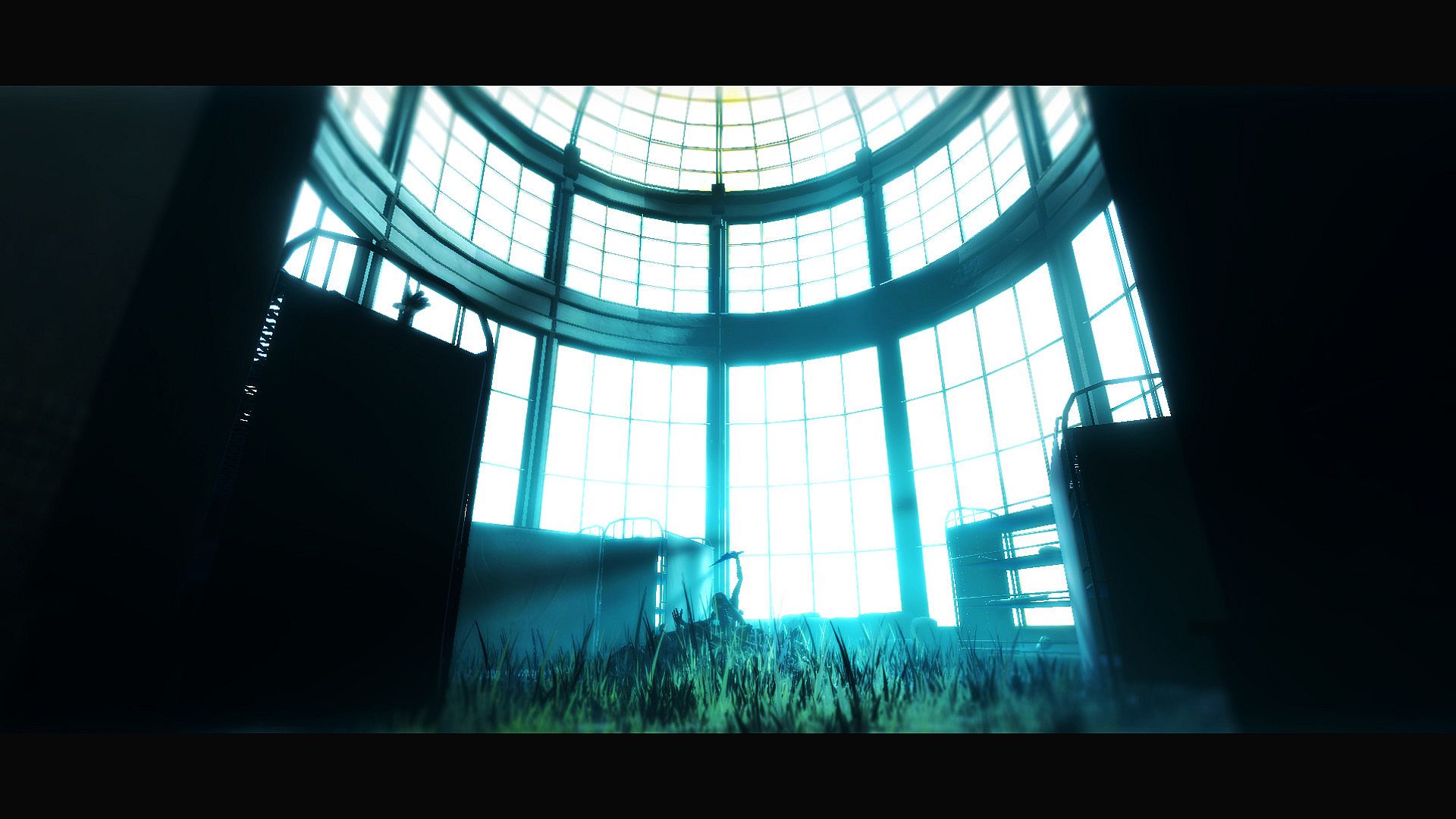
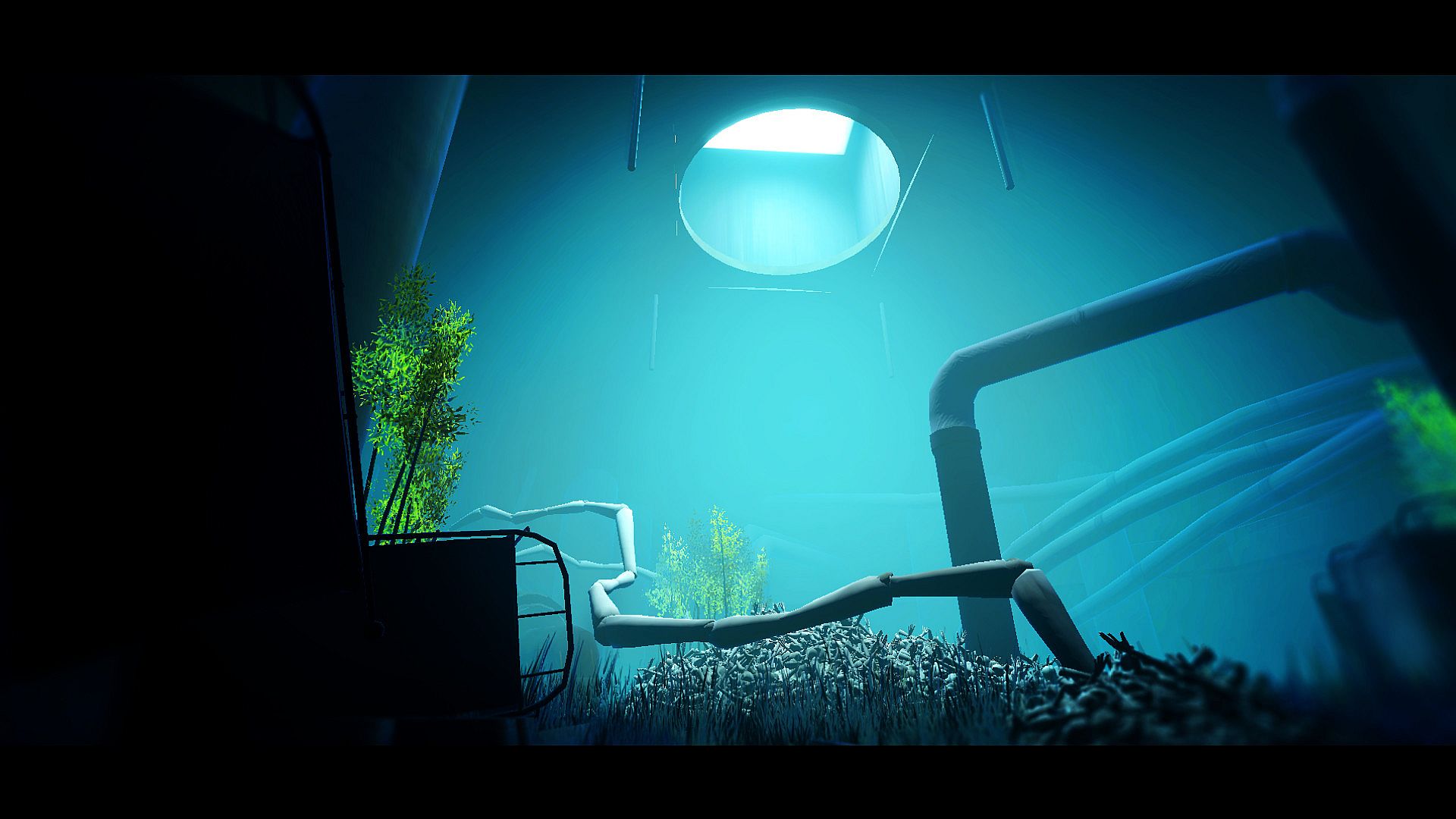
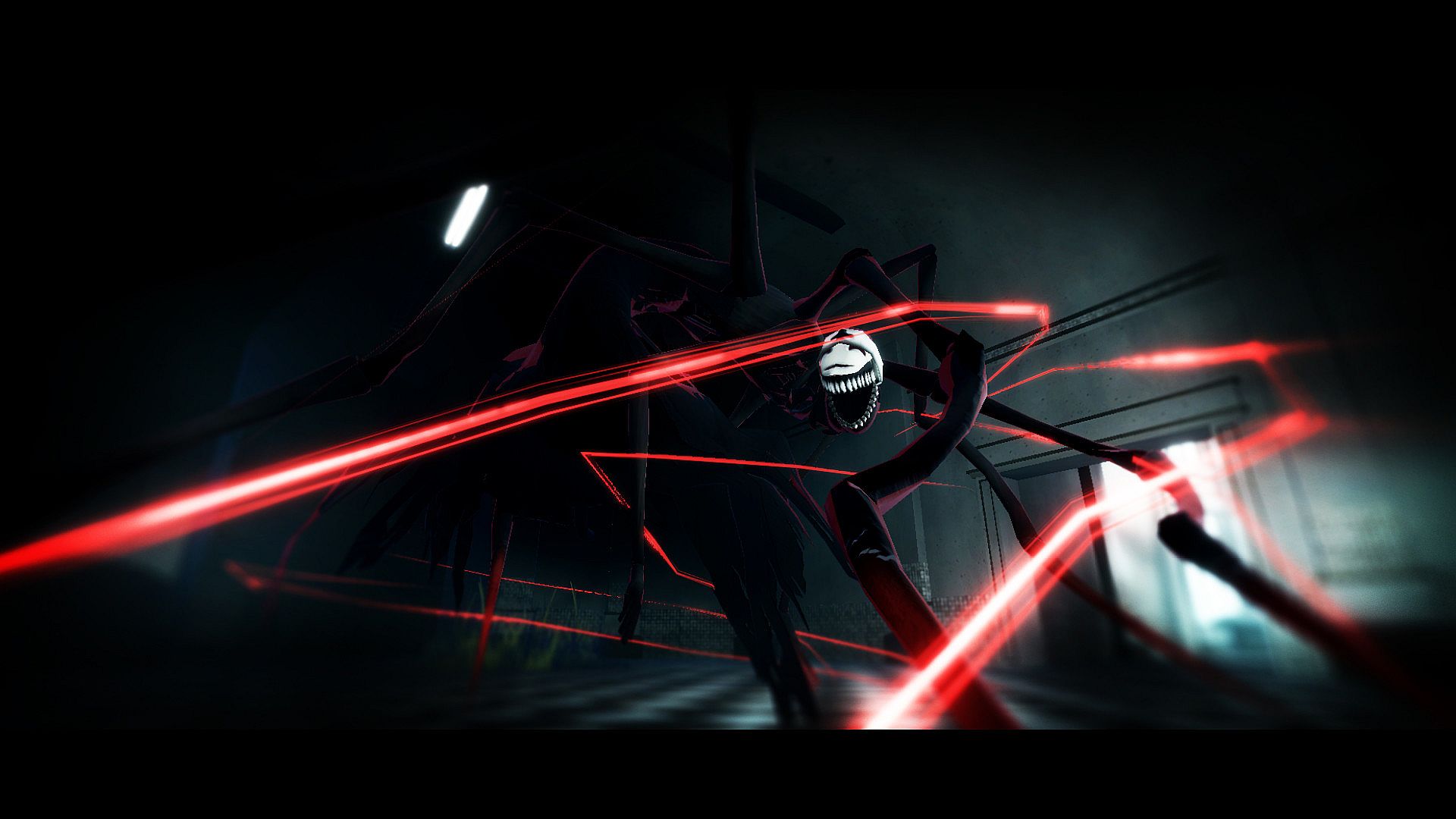
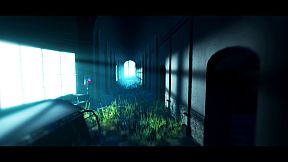
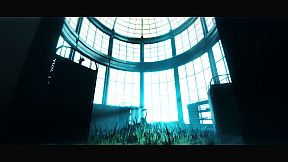
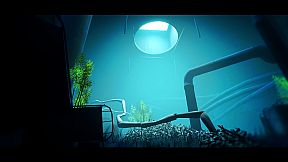
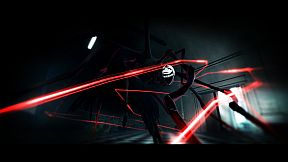
Acanthoceras is an indie adventure game that blends horror elements with parkour movement in a compact single-player experience set inside a nightmarish abandoned hospital. Players navigate through dimly lit corridors and ruined spaces while evading threats, piecing together fragments of a story from scattered documents, and using mobility tools to progress. The title emphasizes repetition of search and escape cycles rather than open exploration or combat depth, creating a focused loop built around tension and precise movement on PC.
Gameplay
The core loop centers on traversing an abandoned hospital filled with puppet fragments and environmental clues. Movement feels fluid yet constrained by the need to avoid pursuing entities, with players relying on a set of basic and advanced controls to cover ground quickly. Standard inputs handle walking, jumping with a charge option for greater height, sliding or crawling under obstacles, dashing for bursts of speed, and interacting with objects like keys or notes. Advanced techniques include flipping by double-tapping a direction and performing wall runs by approaching walls from the side while moving forward.
Progression involves locating keys to unlock paths while managing encounters with monsters that force repeated attempts at sections. The environment encourages momentum-based navigation through corridors and ruins, where timing slides, dashes, and wall runs determines survival. Story details emerge gradually from floor papers rather than direct exposition, reinforcing the disorienting nightmare atmosphere without lengthy cutscenes or dialogue trees.
Game Modes
Acanthoceras presents its content as a single continuous experience without separate named modes or multiplayer components. The entire session revolves around the horror-parkour cycle of exploration, evasion, and escape within the hospital setting. No branching campaigns, competitive arenas, or cooperative options appear in the design, keeping the focus narrow on personal navigation challenges and repeated runs through the same spaces.
This structure suits short play sessions where the goal is to complete the sequence of objectives before the threats close in. The absence of additional modes means the game delivers one cohesive loop rather than varied formats, with all mechanics serving the central theme of recurring nightmares.
Controls and Movement Systems
Precision in movement defines the challenge, with the listed controls forming the foundation for all interactions. Basic commands cover everyday traversal, while advanced options like flips and wall runs add layers for overcoming specific obstacles or gaining speed. The system rewards practice in chaining actions, such as dashing into a slide or charging a jump for better positioning during evasion.
Recommended settings align with 1920x1080 resolution for optimal visibility in the low-light hospital interiors. No additional customization layers or input remapping details are highlighted beyond the core bindings, keeping the experience straightforward for players familiar with keyboard and mouse setups on PC.
Is It Worth Playing?
Player reception stands at mixed levels based on a small number of reviews, reflecting its brief length and focused scope. The game appeals most to those interested in short horror experiences that prioritize movement mechanics over expansive worlds or complex narratives. Its low price point makes it accessible for quick sessions, though the limited ambition means it may not satisfy players seeking longer campaigns or deeper systems.
Those who enjoy parkour challenges combined with evasion tension in confined spaces will find the core loop engaging for its duration. The title remains available as a standalone PC release with no ongoing seasonal content or major updates noted since launch, positioning it as a one-time purchase for fans of indie horror experiments rather than a live-service title. Overall, it delivers a targeted nightmare traversal for the right audience but stays modest in scale.