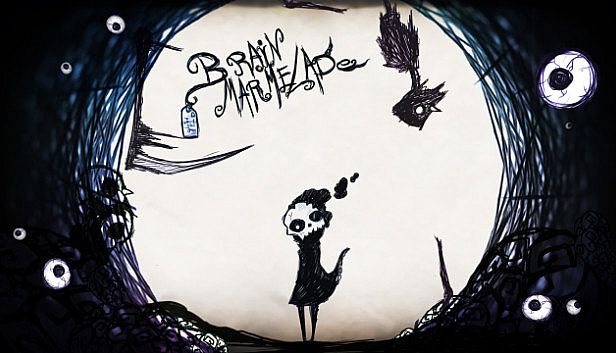













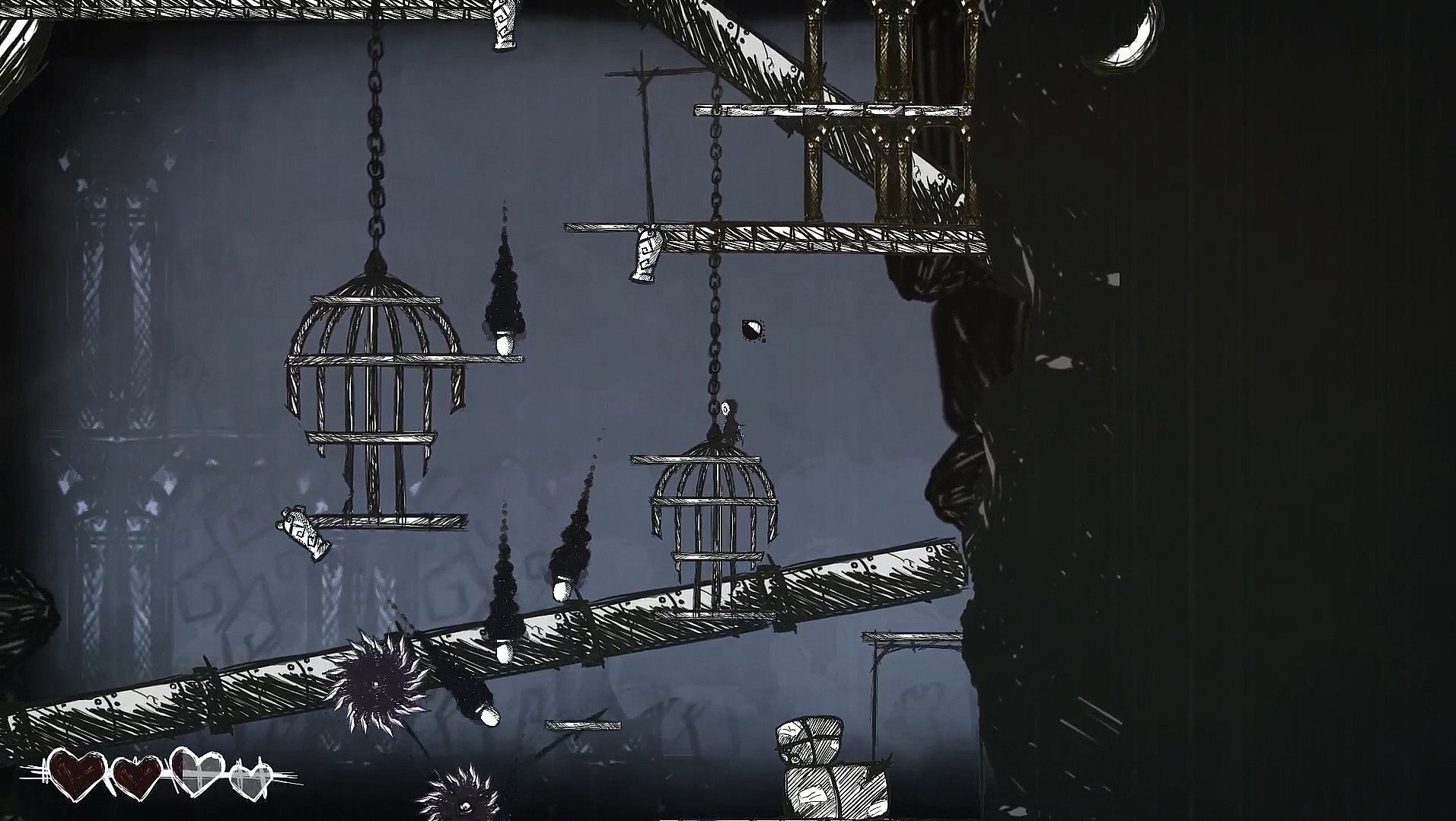
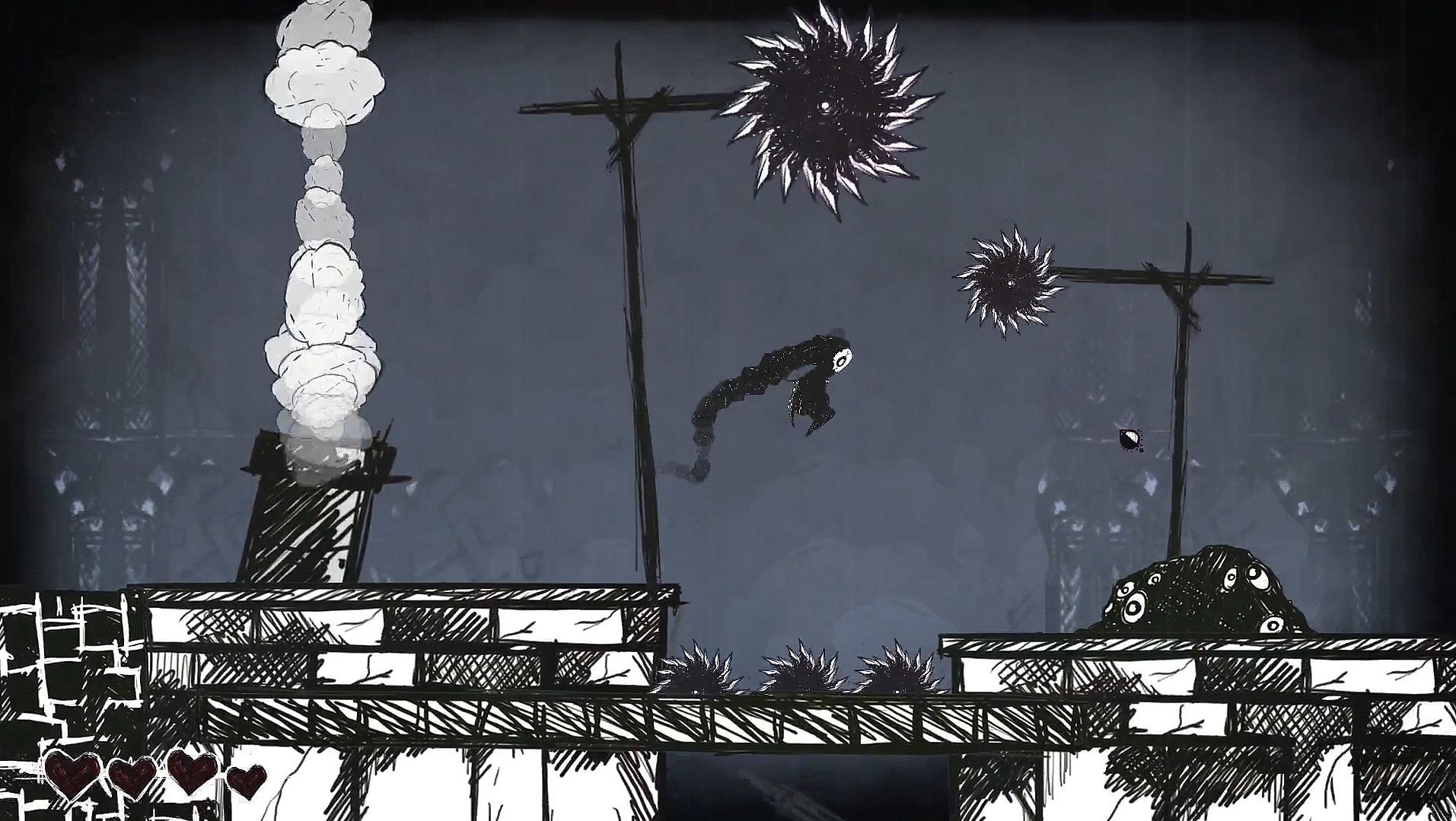
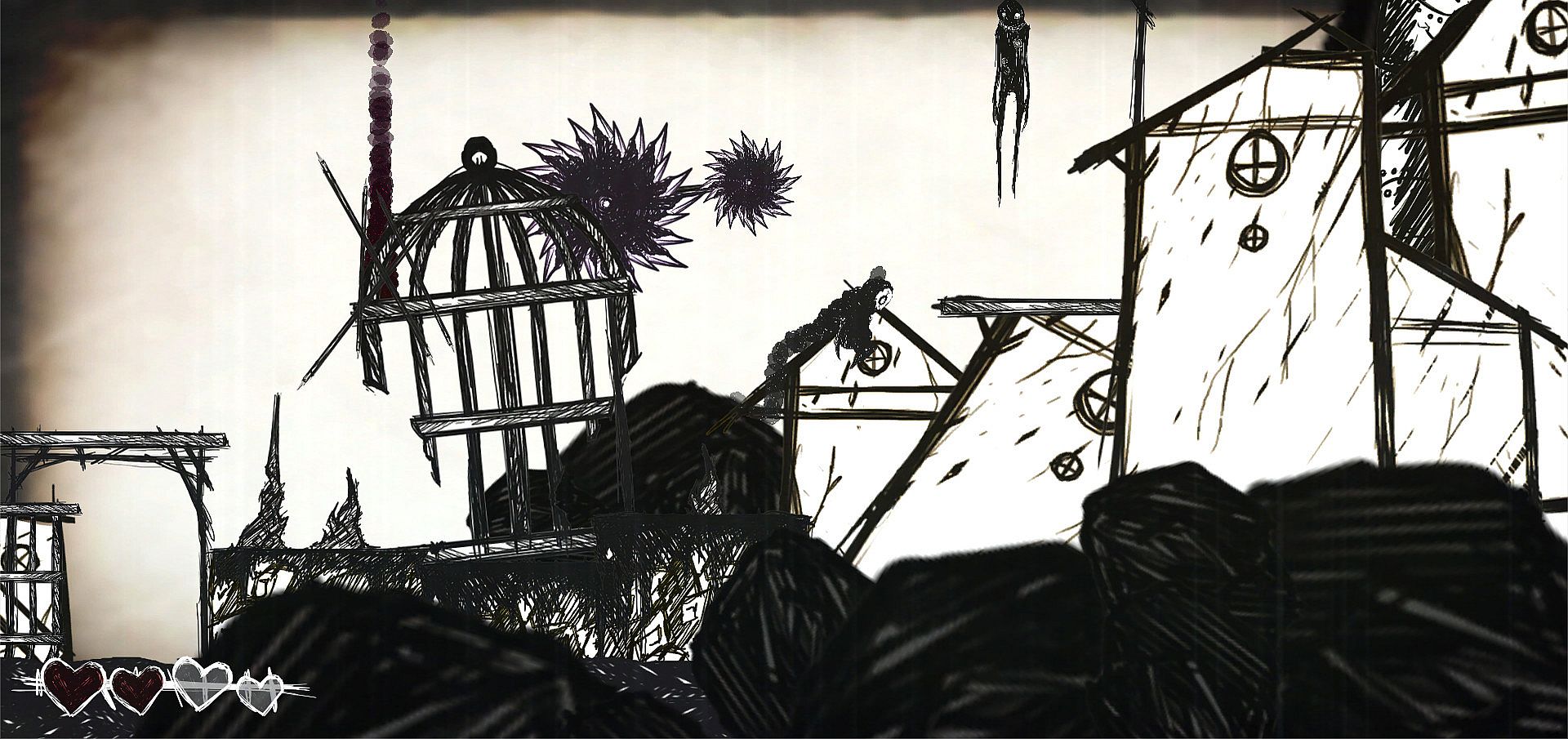
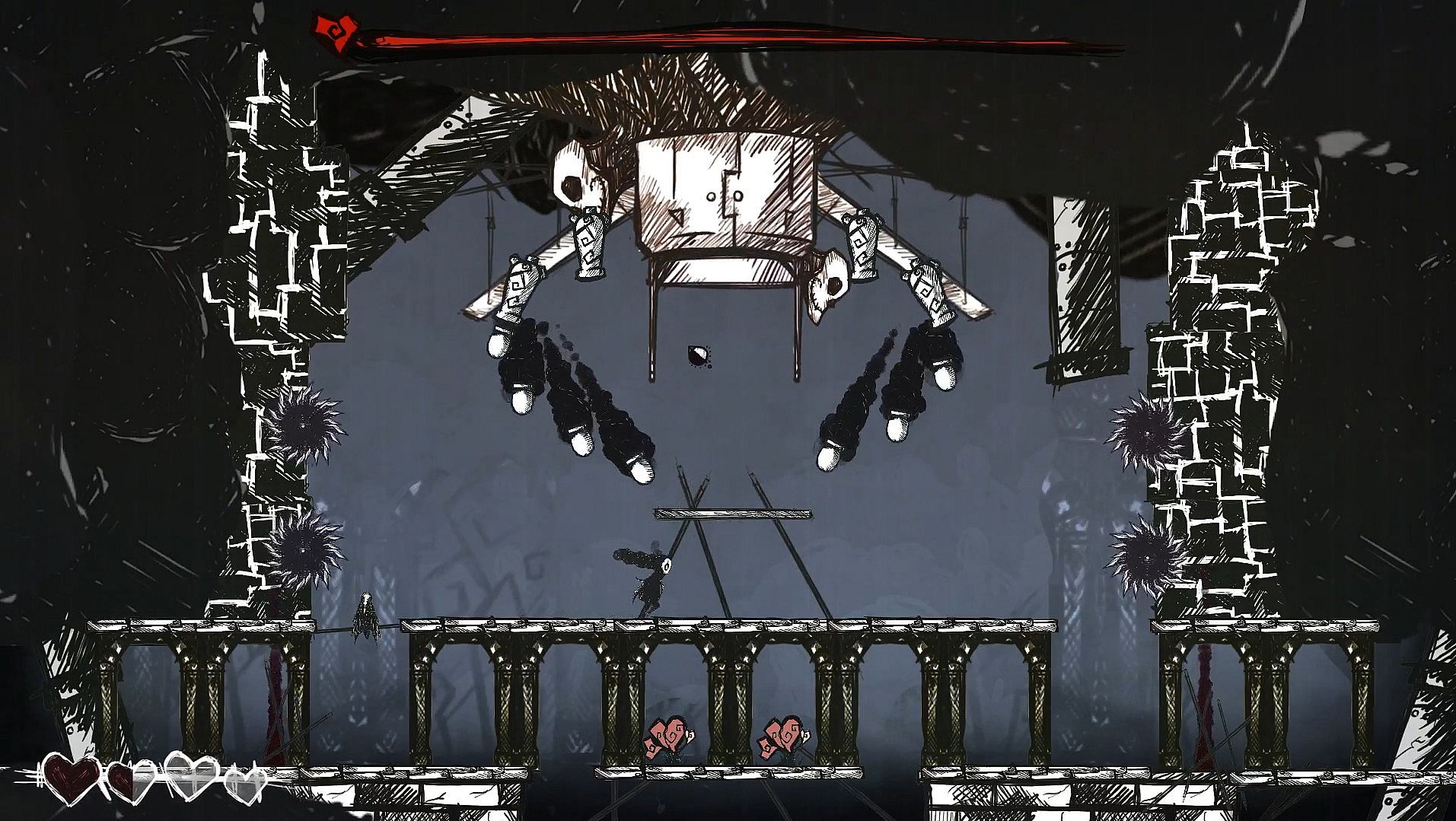
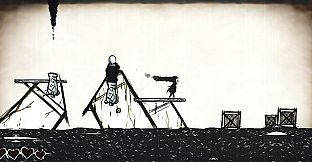
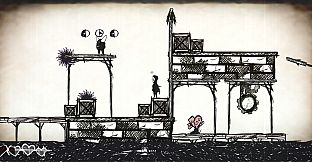
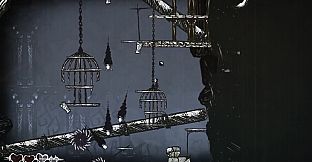
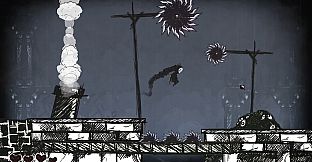
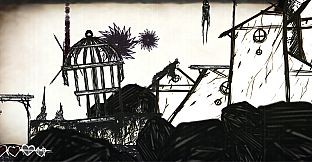
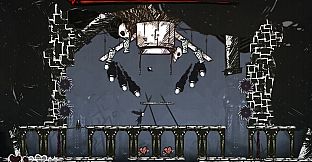
Brain Marmelade stands as a compact 2D platformer adventure game developed by a solo creator. The title places players in control of the Dumped One, who navigates a series of hand-drawn levels in pursuit of the central object known as the GLORIOUS Brain Marmelade. Its creepy aesthetic and focused mechanics distinguish it within the indie space, emphasizing precise movement and a distinctive approach to encounters over expansive storytelling or open exploration.
Gameplay
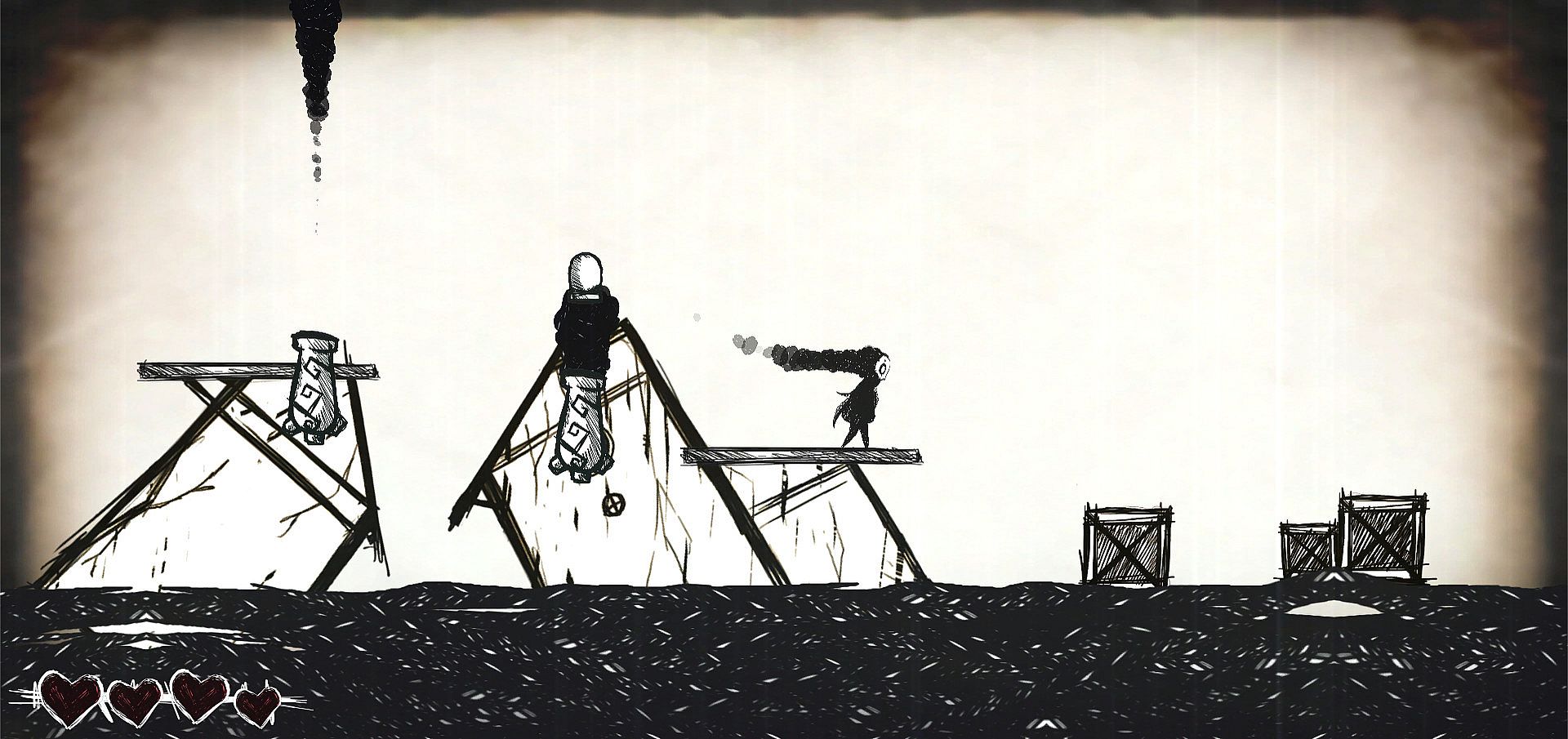
The core loop revolves around traversing side-scrolling stages filled with environmental hazards and hostile creatures. Players rely on a set of basic actions that include jumping, additional mid-air jumps, rolling, and dodging to progress safely through each area. Timing and positioning prove essential, as many sections demand repeated attempts to clear sequences of traps and incoming attacks without direct confrontation.
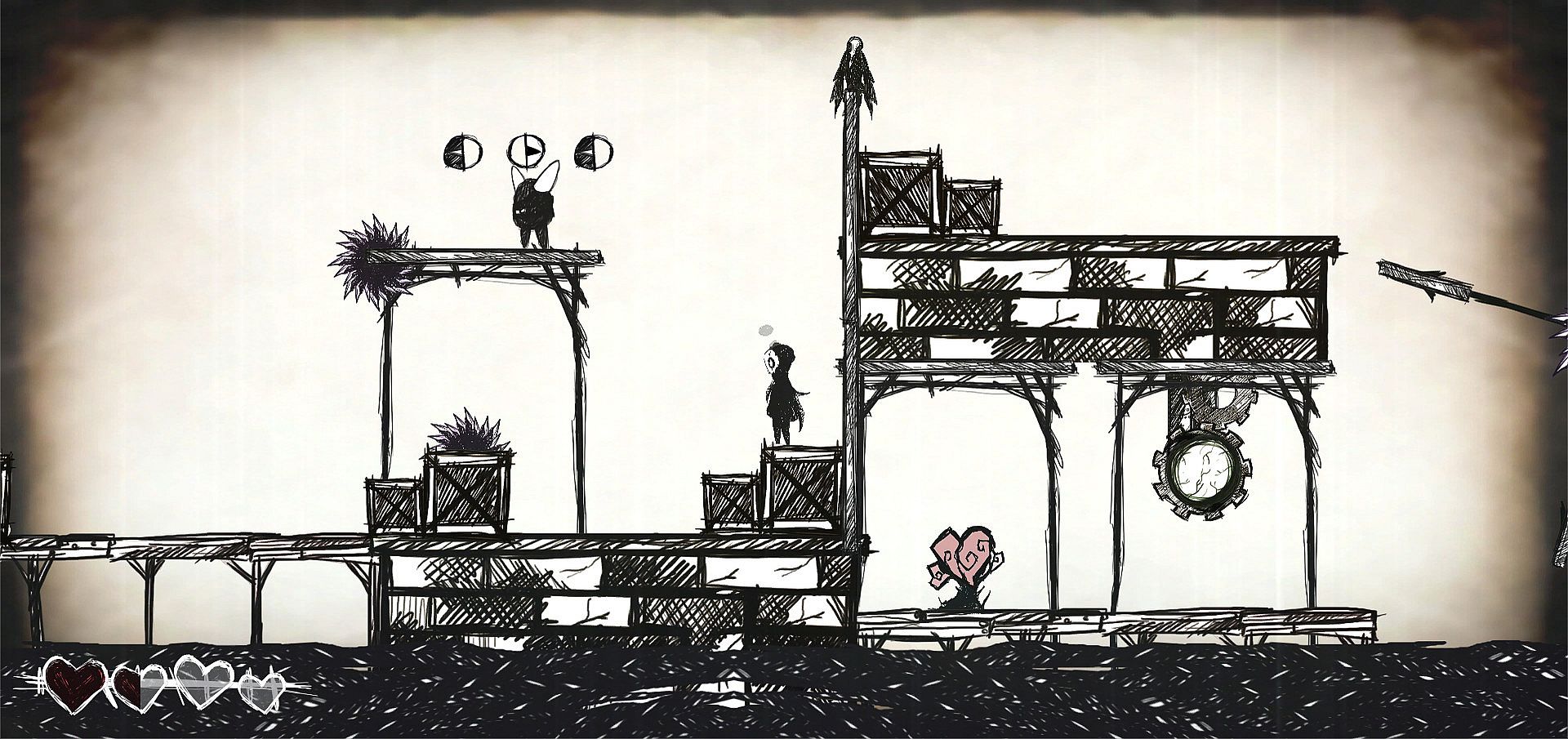
Combat integrates directly into platforming segments rather than functioning as a separate system. When near an enemy, the player activates a targeting cursor and observes a sequence prompt that appears overhead. Matching the displayed inputs allows a chain of strikes that eliminates the foe. This method requires close proximity and quick recognition of the pattern, turning each fight into a brief puzzle of observation and execution instead of button-mashing or resource management.
Progression follows a linear path through connected levels, with checkpoints and a save system supporting repeated practice on difficult sections. The hand-drawn visuals contribute to a consistent atmosphere of unease, using simple lines and muted colors to depict both the environment and the creatures within it. Music selections, including classical pieces, underscore the tension during movement and combat without overpowering the action.
Game Modes
The experience consists entirely of a single-player campaign structured around sequential levels. No separate modes exist for competitive play, co-operative sessions, or randomized runs. Instead, the structure encourages repeated runs through the same stages to master movement patterns and combat timing. Each area builds on previous skills, gradually introducing new combinations of platforming obstacles and enemy placements that test the full range of available actions.
Completion centers on reaching the end of the quest while eliminating threats along the way. The absence of branching paths or alternate objectives keeps the focus narrow, allowing players to concentrate on refining their approach to each challenge rather than managing multiple systems or objectives simultaneously.
Art and Atmosphere
The hand-drawn style defines the visual identity, presenting characters and backgrounds with an intentionally unsettling quality that fits the narrative premise. Simple animations convey movement and attacks effectively, while the overall palette reinforces a sense of isolation during the journey. This approach avoids high-fidelity detail in favor of expressive, sketch-like imagery that remains clear even during fast platforming sequences.
Sound design complements the visuals through sparse effects and the selected classical tracks. These elements create contrast between quiet exploration moments and the sudden demands of combat or evasion, heightening awareness of each action without relying on constant audio cues.
Is It Worth Playing?
Brain Marmelade suits players who enjoy short, demanding 2D platformers that reward observation and precise execution over lengthy campaigns or complex narratives. Its combat system offers a fresh twist on encounters by tying success to pattern recognition rather than reflexes alone, which can appeal to those seeking something different from standard action-platformer fare. The game remains available as a standalone title with no additional content or ongoing updates required.
Feedback from those who have completed it often notes the satisfying sense of mastery that comes from clearing tough sections after multiple attempts. The title works well on modest hardware and supports straightforward controls that feel responsive once the movement options are understood. For anyone interested in indie platformers with a creepy tone and a compact scope, it provides a focused experience that stands on its own merits without needing prior knowledge of similar games.