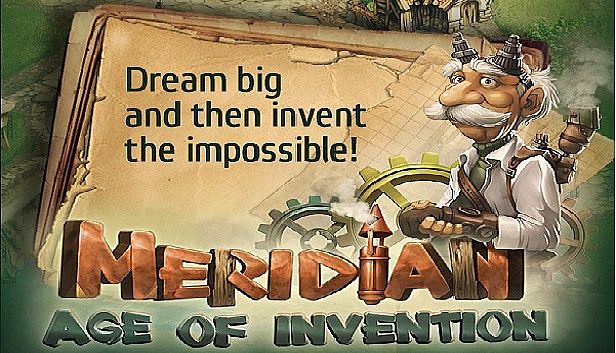














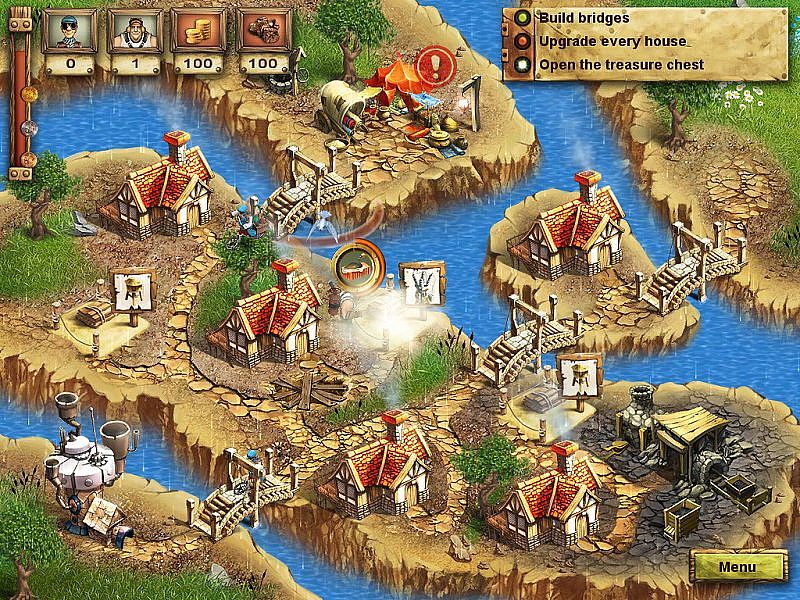
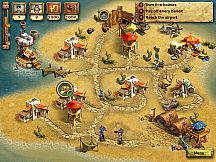
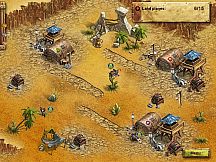
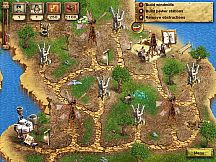
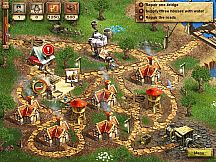
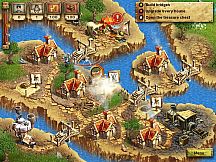
Age of Invention is a casual time and resource management game developed for PC. Players take on the role of rebuilding villages across varied landscapes by managing workers, materials, and services in a point-and-click format that emphasizes efficient planning over fast reflexes.
Gameplay
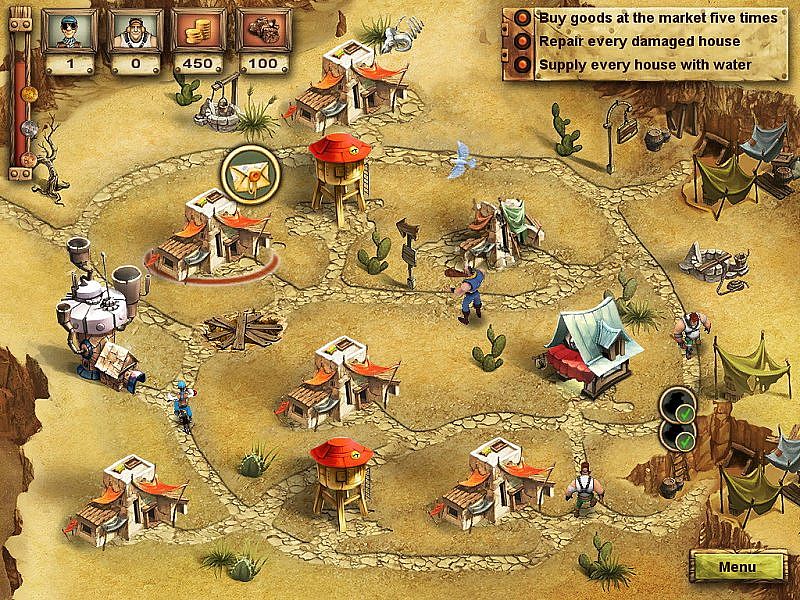
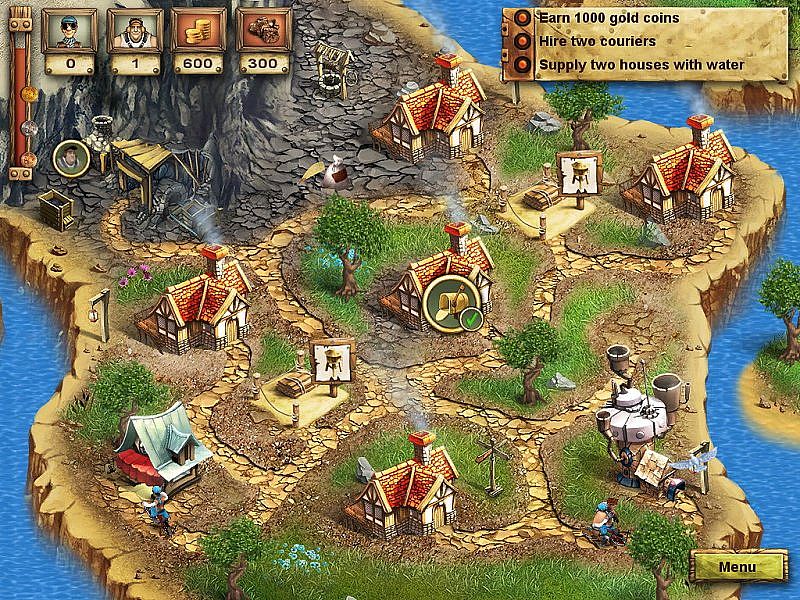
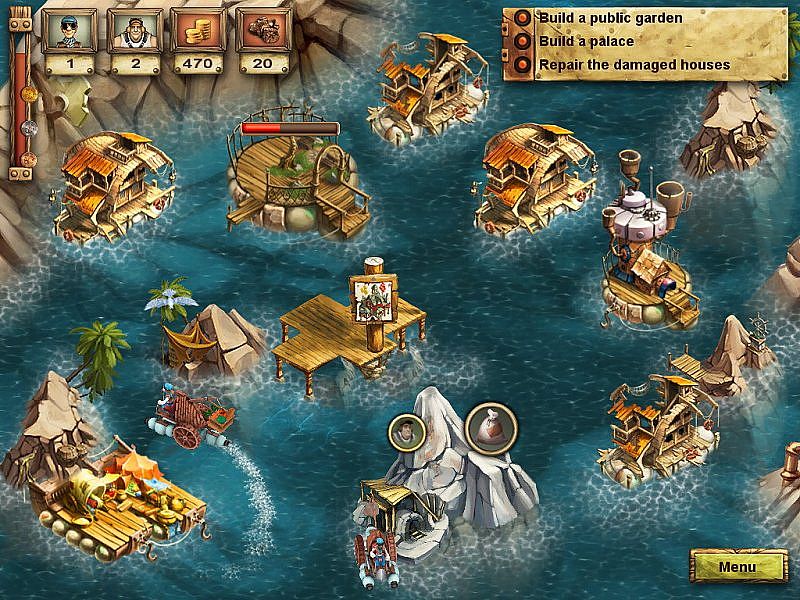
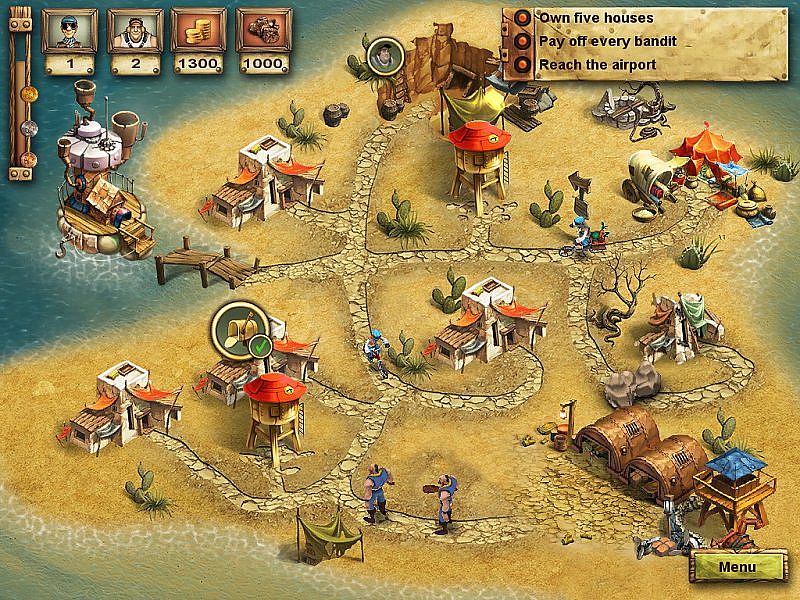
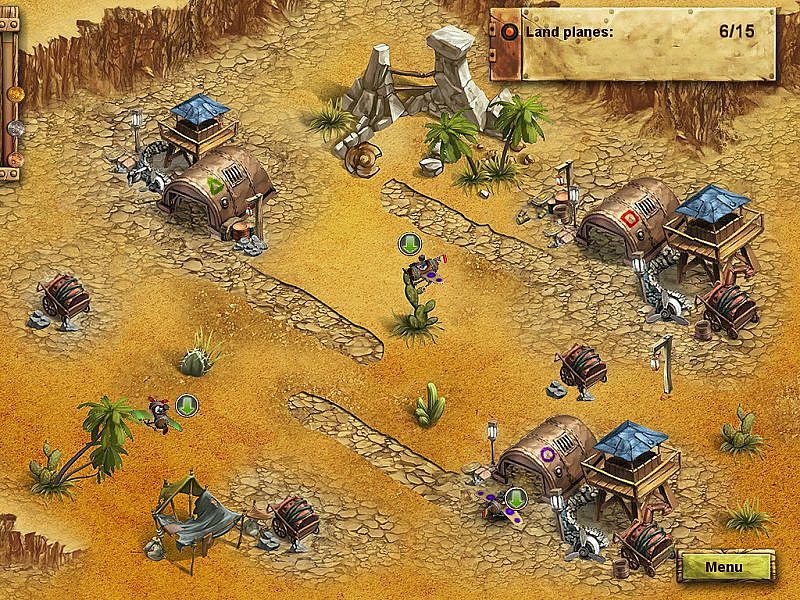
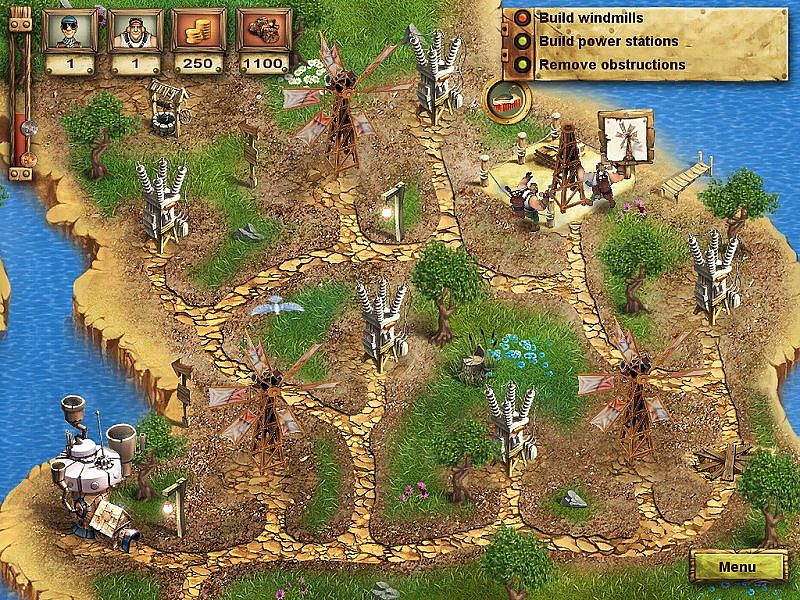
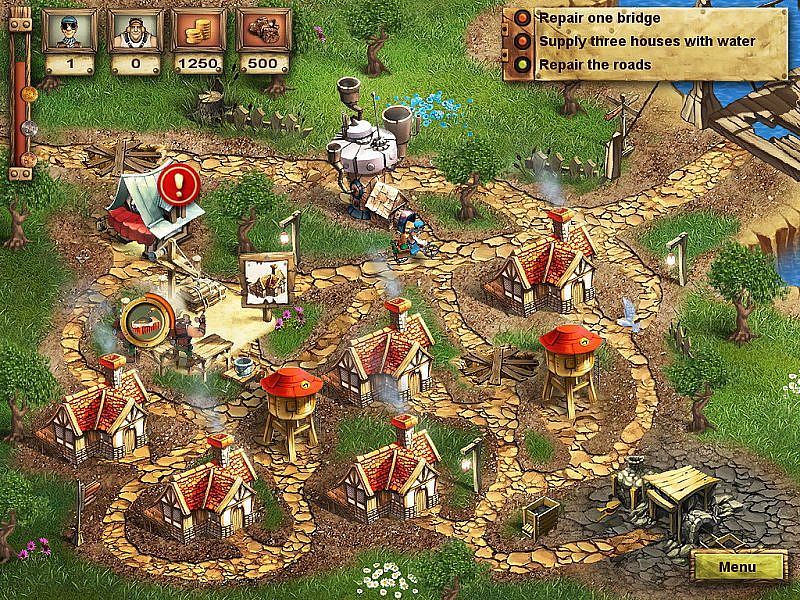
The core loop revolves around renovating rundown settlements through a series of interconnected tasks. Players hire workers to gather resources such as wood, stone, and food, then direct them to repair buildings, roads, and infrastructure. Additional duties include supplying villages with provisions, setting up trade routes, and constructing machines that automate parts of daily life. Each level presents multiple objectives that must be completed within time limits, with success measured by speed and thoroughness to earn higher rankings like gold trophies.
Controls rely entirely on point-and-click interactions, allowing players to assign jobs, select special units for unique roles, and monitor progress across the map. A built-in tutorial introduces mechanics gradually, making the experience approachable for newcomers while still offering depth through optimization challenges. Environments shift from open grasslands to dry deserts and coastal sea villages, each influencing available resources and layout constraints. Professor Cardano serves as the primary guide, introducing players to eccentric inhabitants whose personal goals tie into the broader rebuilding efforts.
Progression spans 55 distinct levels that increase in complexity. Tasks often overlap, requiring players to balance short-term needs like immediate repairs with longer-term investments in machines and trade networks. The emphasis stays on strategic allocation rather than combat or exploration, resulting in a steady rhythm of planning, execution, and refinement.
Game Modes
The game operates as a single-player experience structured around sequential levels. Each stage functions as an independent scenario with its own set of objectives, resource pools, and environmental factors. There are no separate competitive or cooperative modes; instead, variety comes from the changing demands across the 55 levels and the ten distinct task types that recur with increasing difficulty.
Players advance by completing all assigned goals on a given level, with optional higher scores available through faster completion and fuller utilization of workers and machines. The structure encourages replaying stages to improve efficiency, though the primary path follows a linear campaign guided by the story elements involving Professor Cardano and supporting characters.
Key Features and Mechanics
Ten unique characters appear throughout the journey, each with personal aspirations that players can fulfill by completing related objectives. These side elements add narrative flavor without altering the central management focus. Machines play a recurring role, serving as tools that players build to streamline resource production and reduce manual labor over time.
Resource chains form the backbone of every level. Food production supports worker morale and population growth, while trade generates income needed for further hires and upgrades. Infrastructure repairs unlock new areas and improve efficiency, creating a web of dependencies that rewards careful sequencing. The point-and-click system keeps interactions straightforward, with visual feedback highlighting active tasks and available actions.
Is It Worth Playing?
Age of Invention suits players who enjoy deliberate, puzzle-oriented management games without intense time pressure or competitive elements. Its accessible controls and progressive tutorial make it suitable for casual sessions or family play, while the optimization goals provide enough challenge for those seeking to refine their strategies across multiple attempts.
Reception on Steam shows mixed results, with 59 percent positive ratings from a modest number of reviews. Some appreciate the relaxed pace and visual presentation, while others note repetition in later stages. The game remains available as a low-cost purchase with no ongoing updates or seasonal content, preserving its original 2013 design. Those looking for a self-contained casual experience focused on resource chains and level completion will find it delivers on that premise without additional layers or modern expansions.