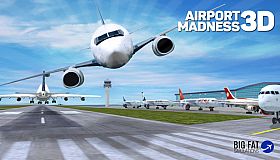

















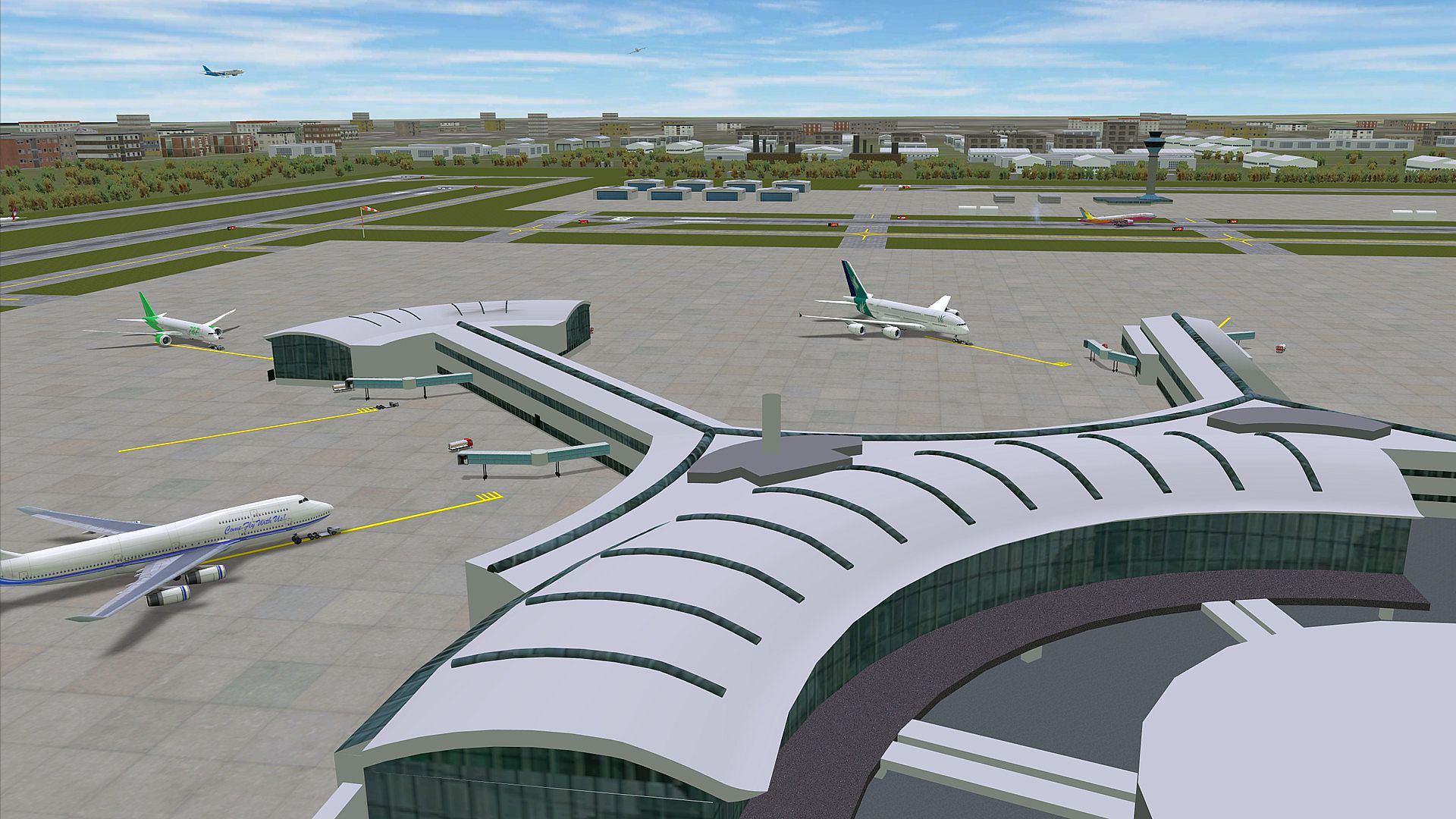
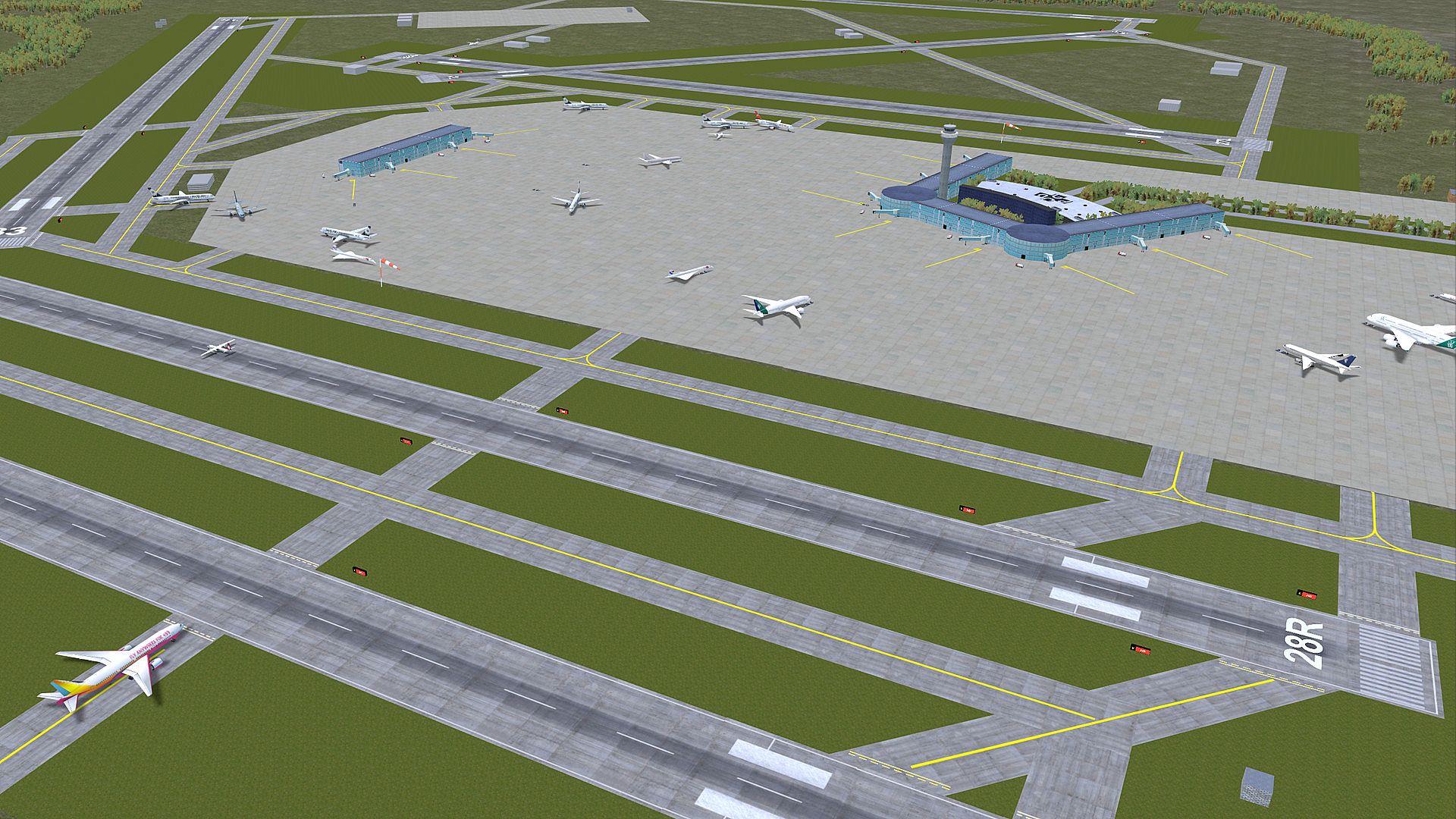
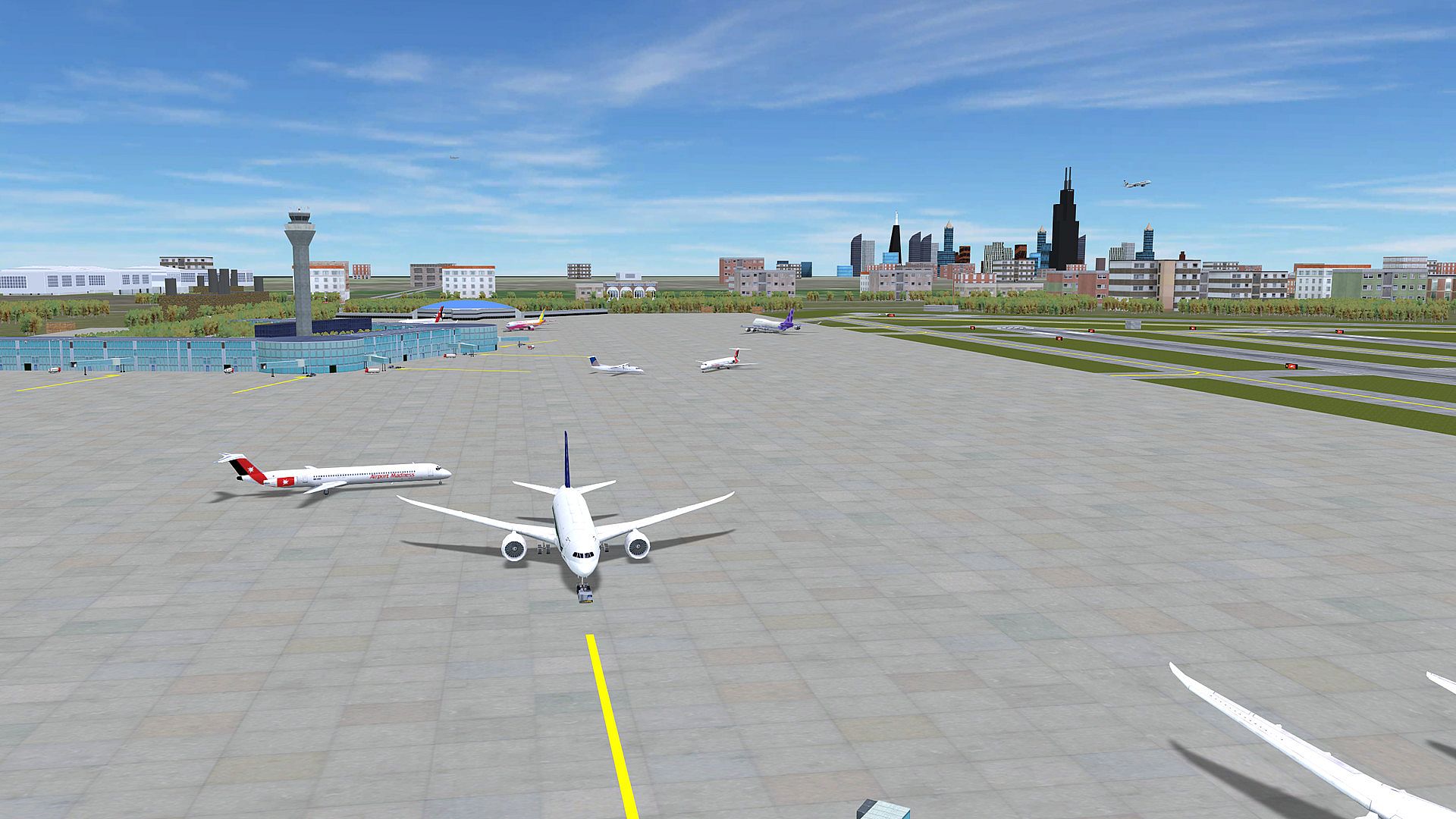
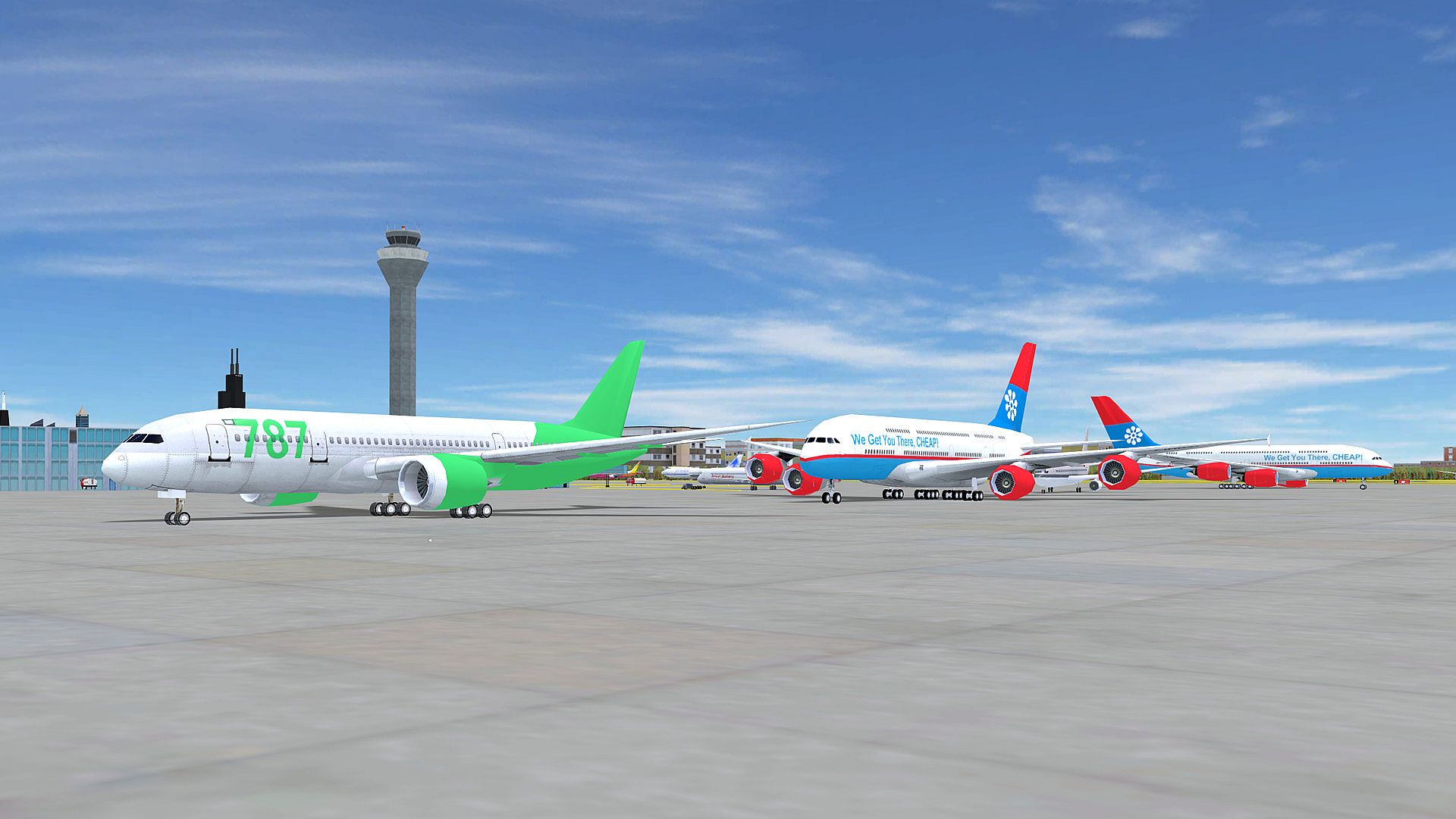
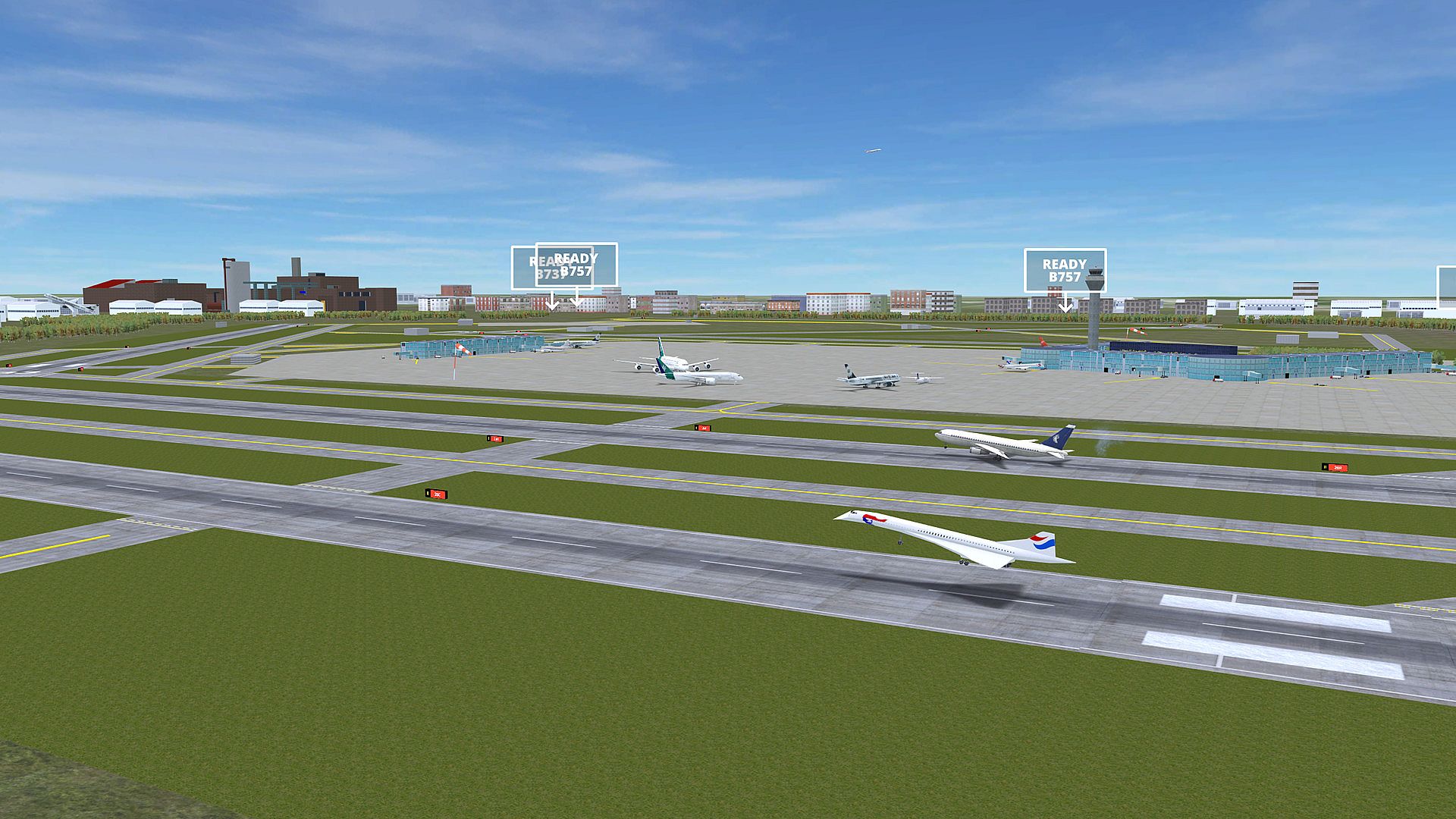
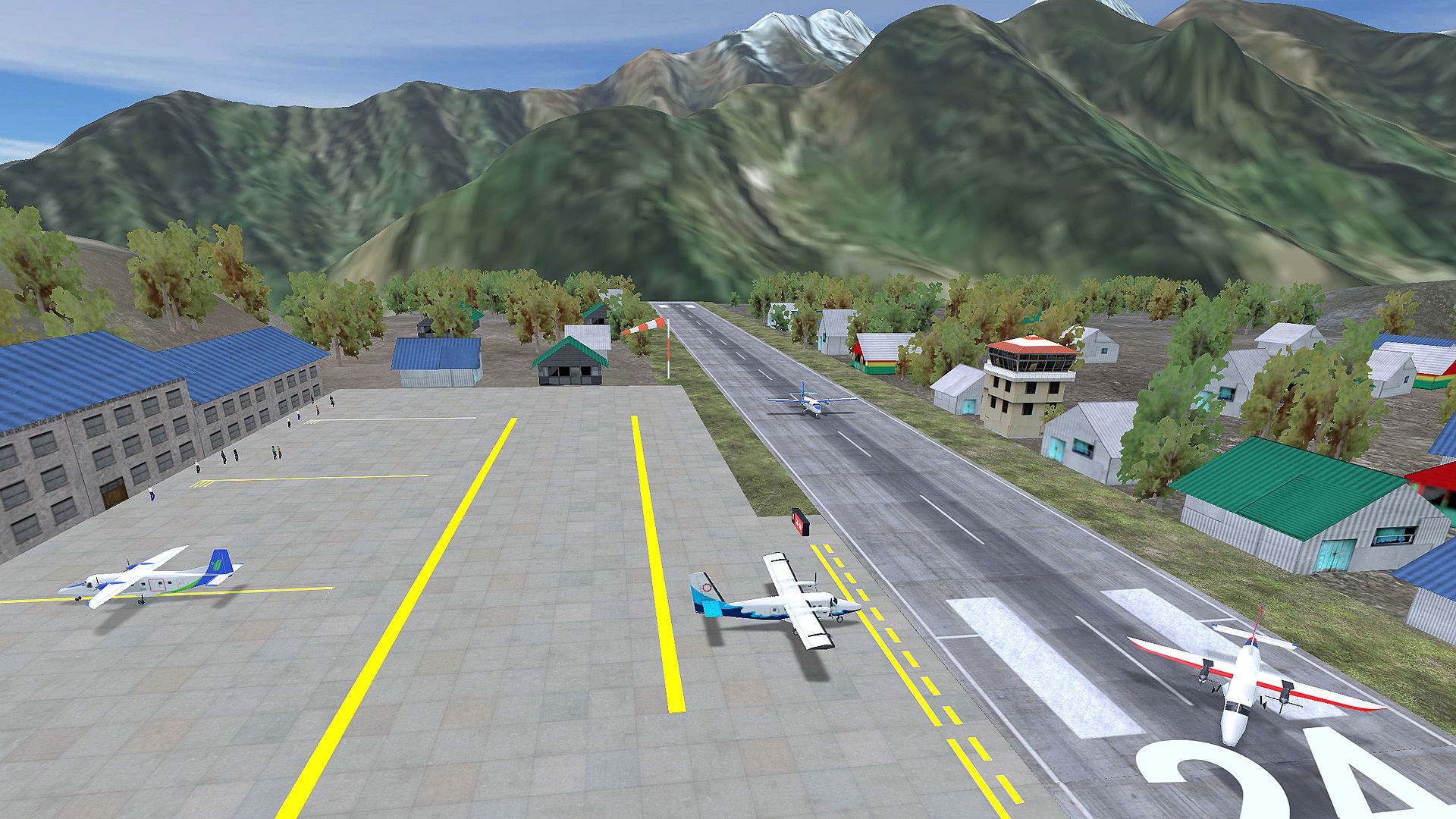
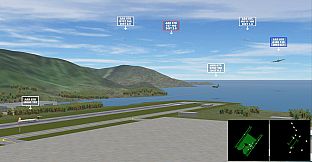
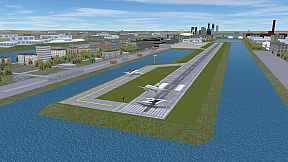
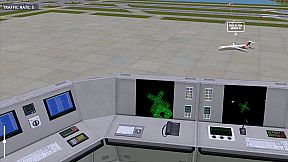
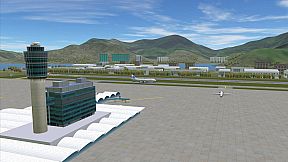
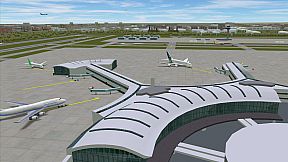
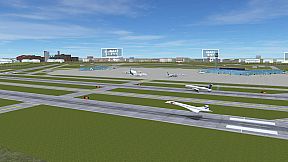
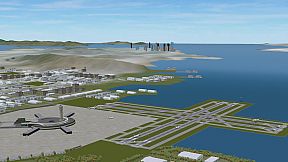
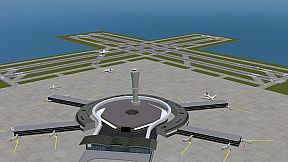
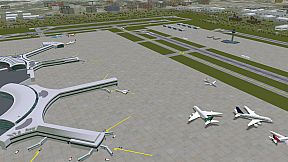
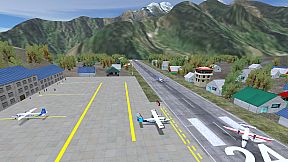
Airport Madness 3D: Volume 2 is a casual simulation adventure game that places players in the role of an air traffic controller. The experience centers on managing arrivals and departures at busy real-world airports while preventing collisions and maintaining efficient flow. Built with terrain drawn from actual earth data and airport layouts modeled on real facilities, the title emphasizes realistic decision making from a tower vantage point.
Gameplay
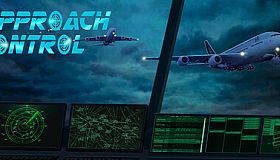
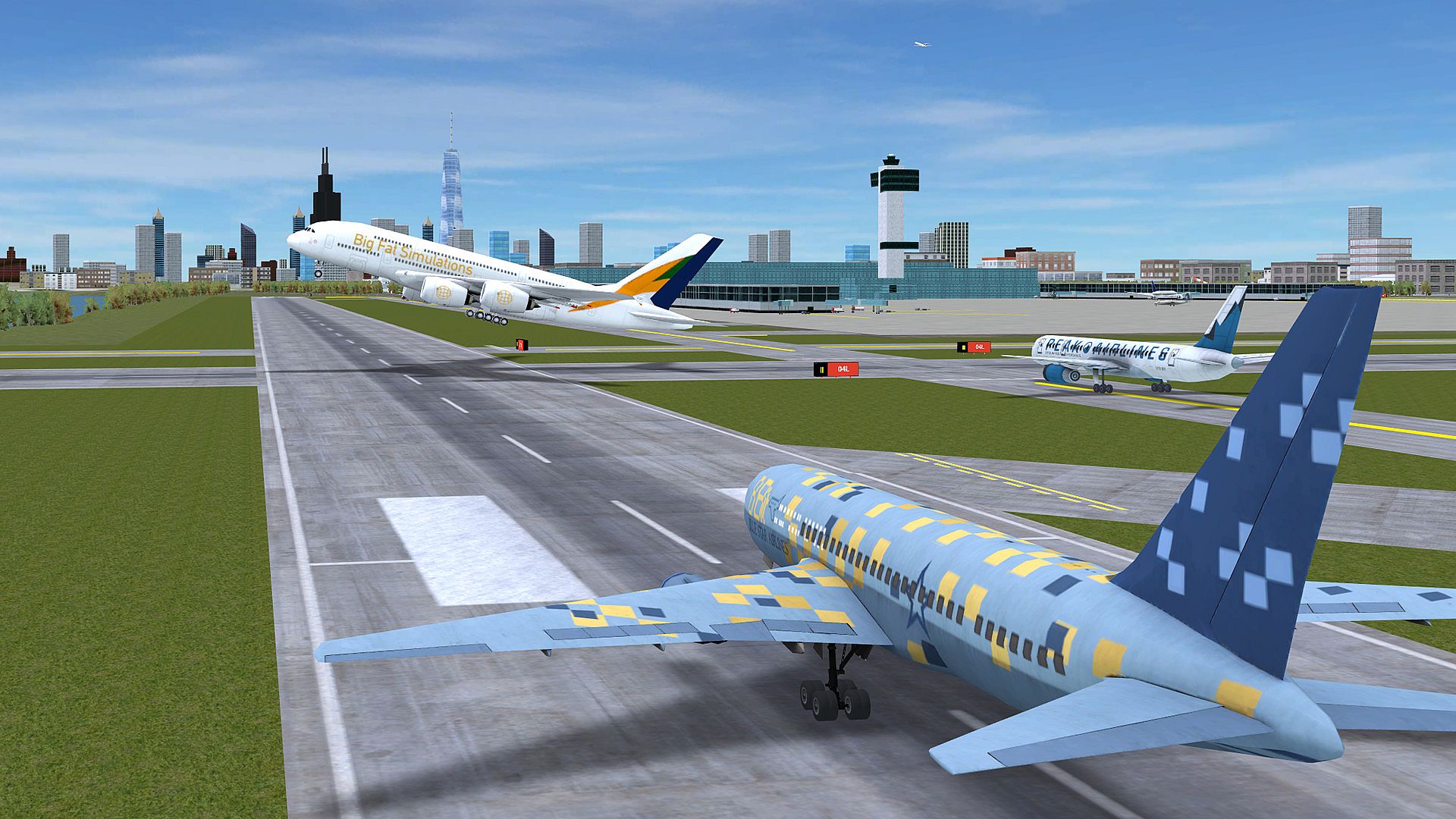
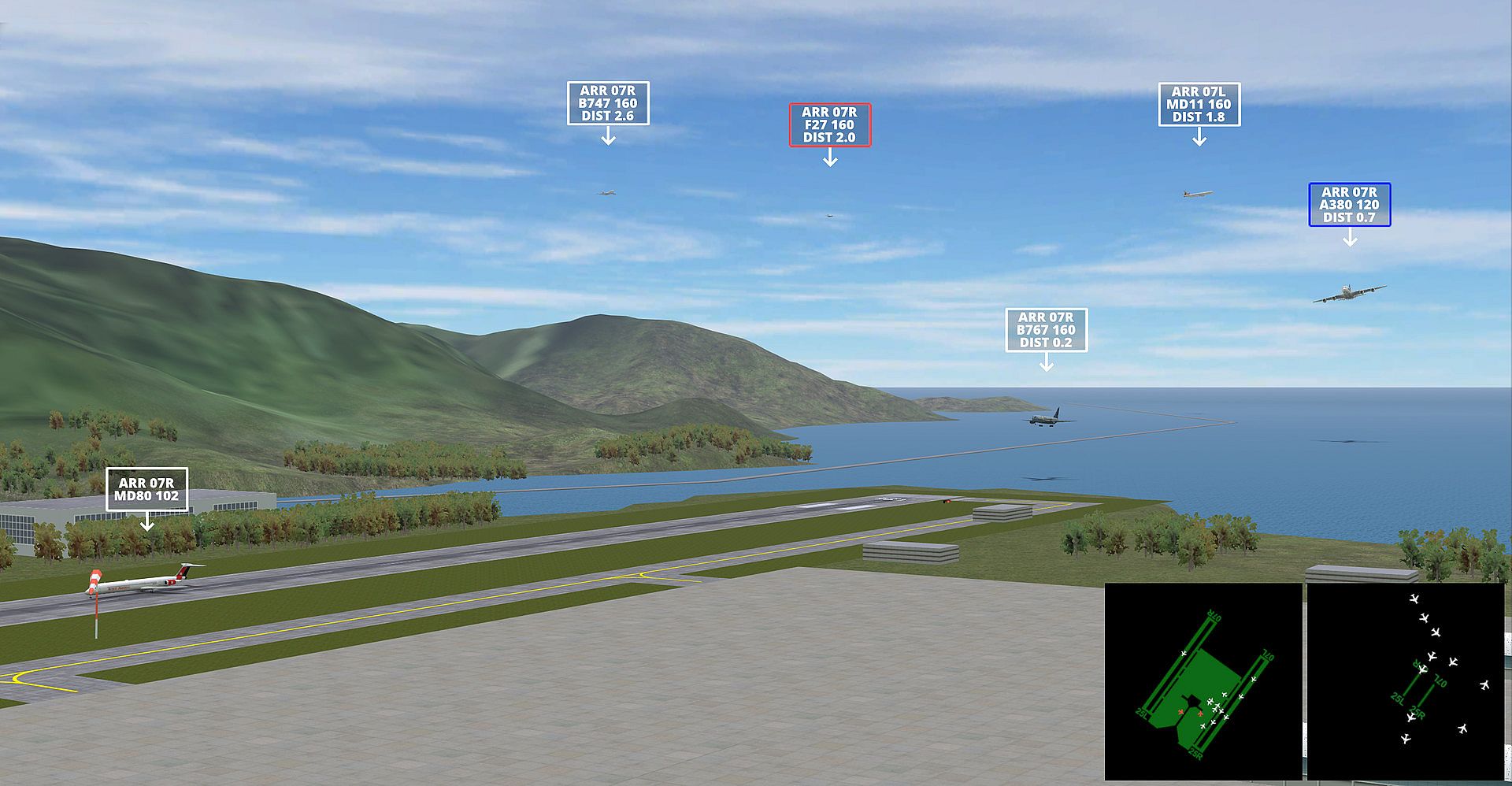
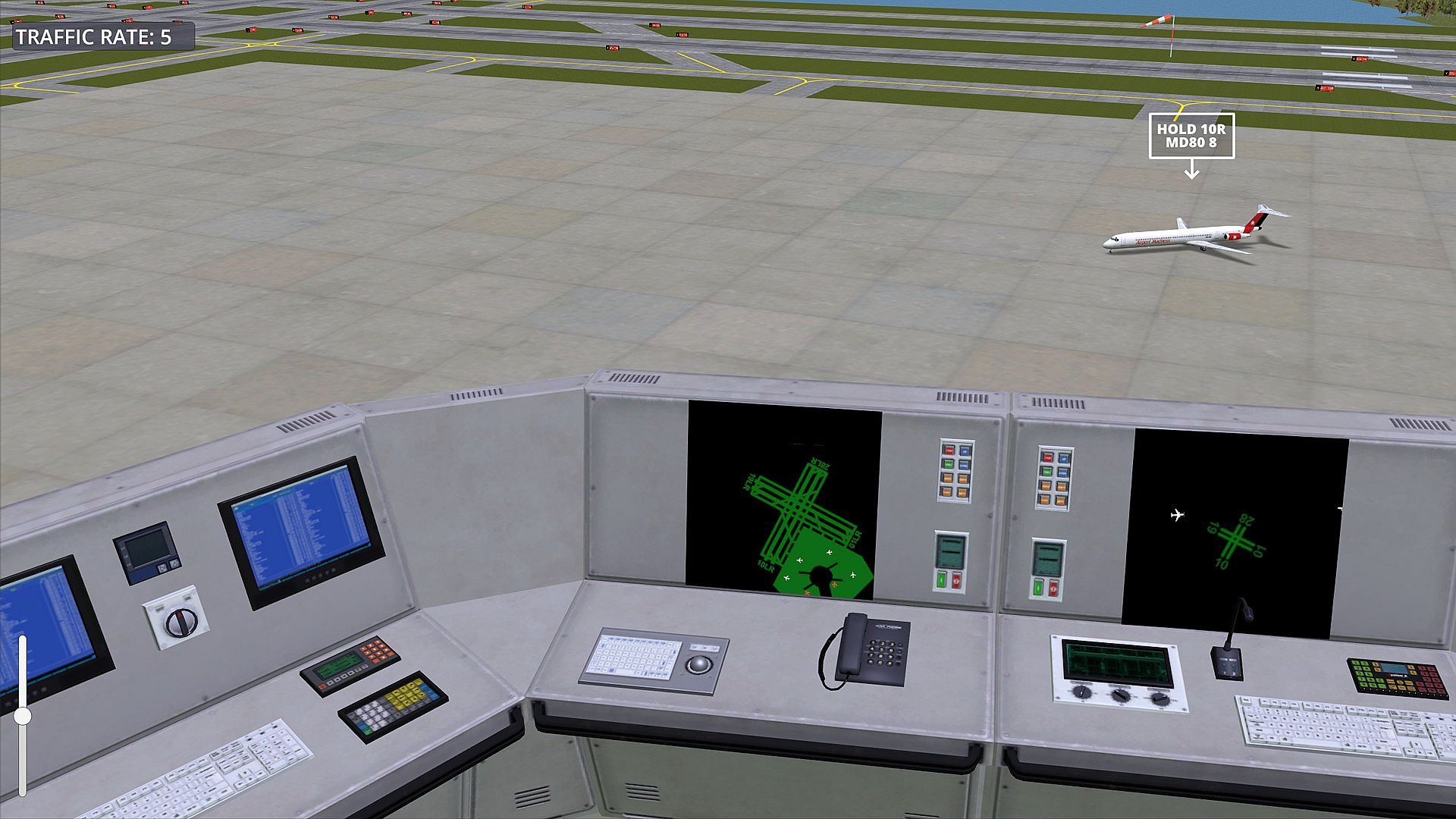
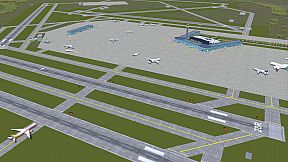
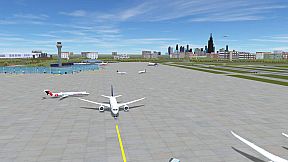
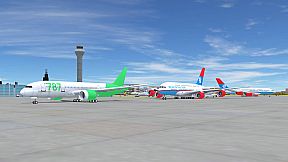
Players direct aircraft using voice commands that pilots acknowledge with recorded human responses. Radar displays highlight potential conflicts, allowing quick adjustments to routes, altitudes, and sequencing. The core loop involves scanning multiple screens, issuing clearances, and monitoring taxiing planes on the ground alongside airborne traffic. Weather settings range from clear conditions to storms that affect visibility and aircraft handling. Tower height can be adjusted for preferred viewing angles, and a Sky Cam provides flexible observation with flight-mode controls that mimic actual aircraft movement. Additional viewpoints include pilot perspectives, runway close-ups, and overhead satellite views. Aircraft behave according to realistic flight characteristics, with new models and increased gate counts adding variety across sessions. The terrain and layouts reflect authentic geography, supporting the sense of operating at genuine locations.
Game Modes
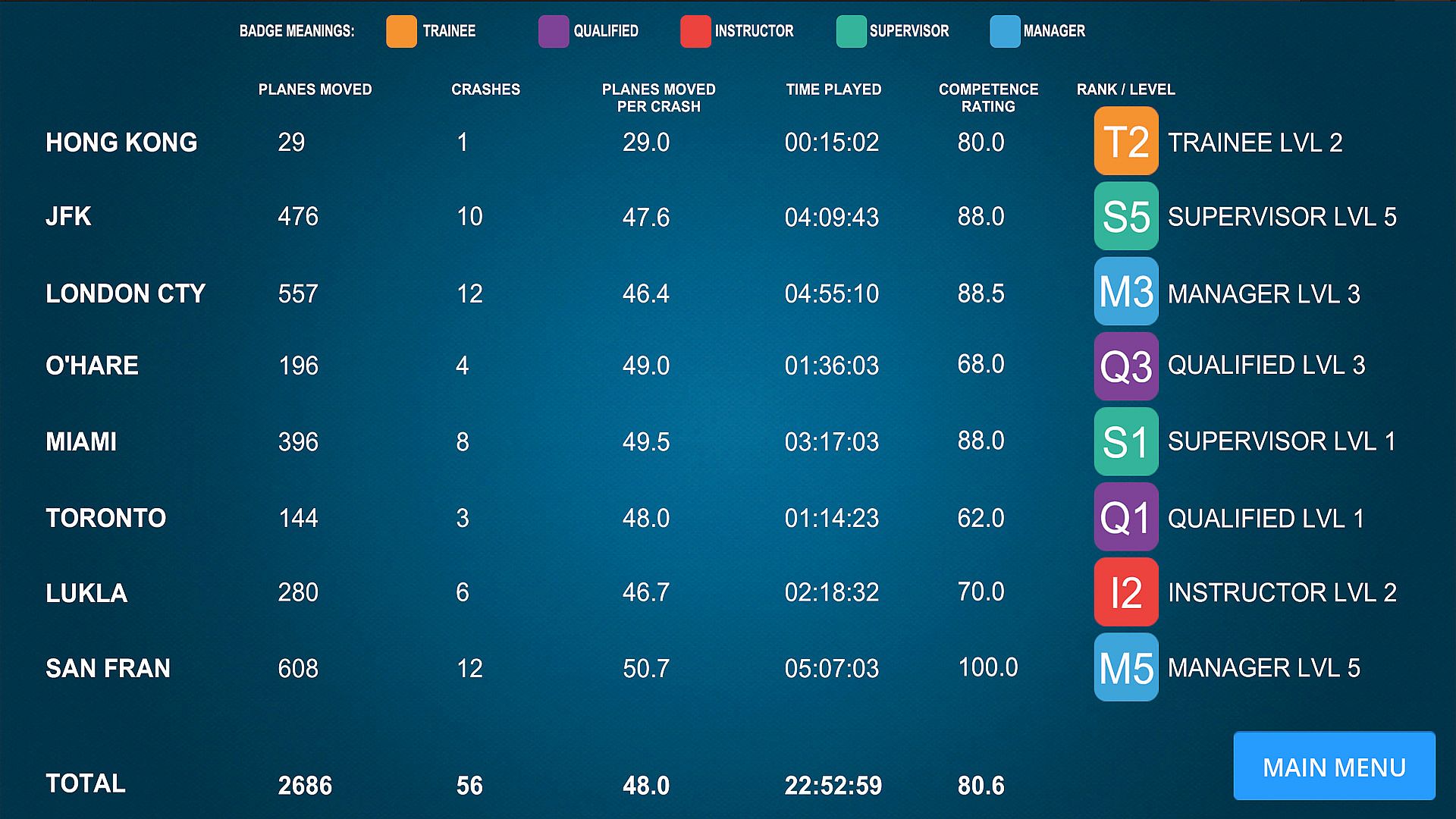
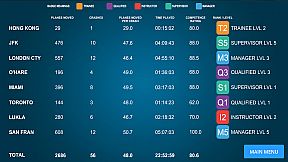
Core play revolves around freeform management sessions at each airport, where the goal is to handle as much traffic as possible without incidents. Weather choices and tower adjustments create different challenges within the same airport. Career tracking records performance metrics across all locations, allowing players to review ongoing statistics and progress. Difficulty scales naturally with airport complexity and traffic density, encouraging repeated attempts to improve efficiency. Camera options and radar tools remain available throughout, supporting varied approaches to the same traffic patterns.
Airports and Realism
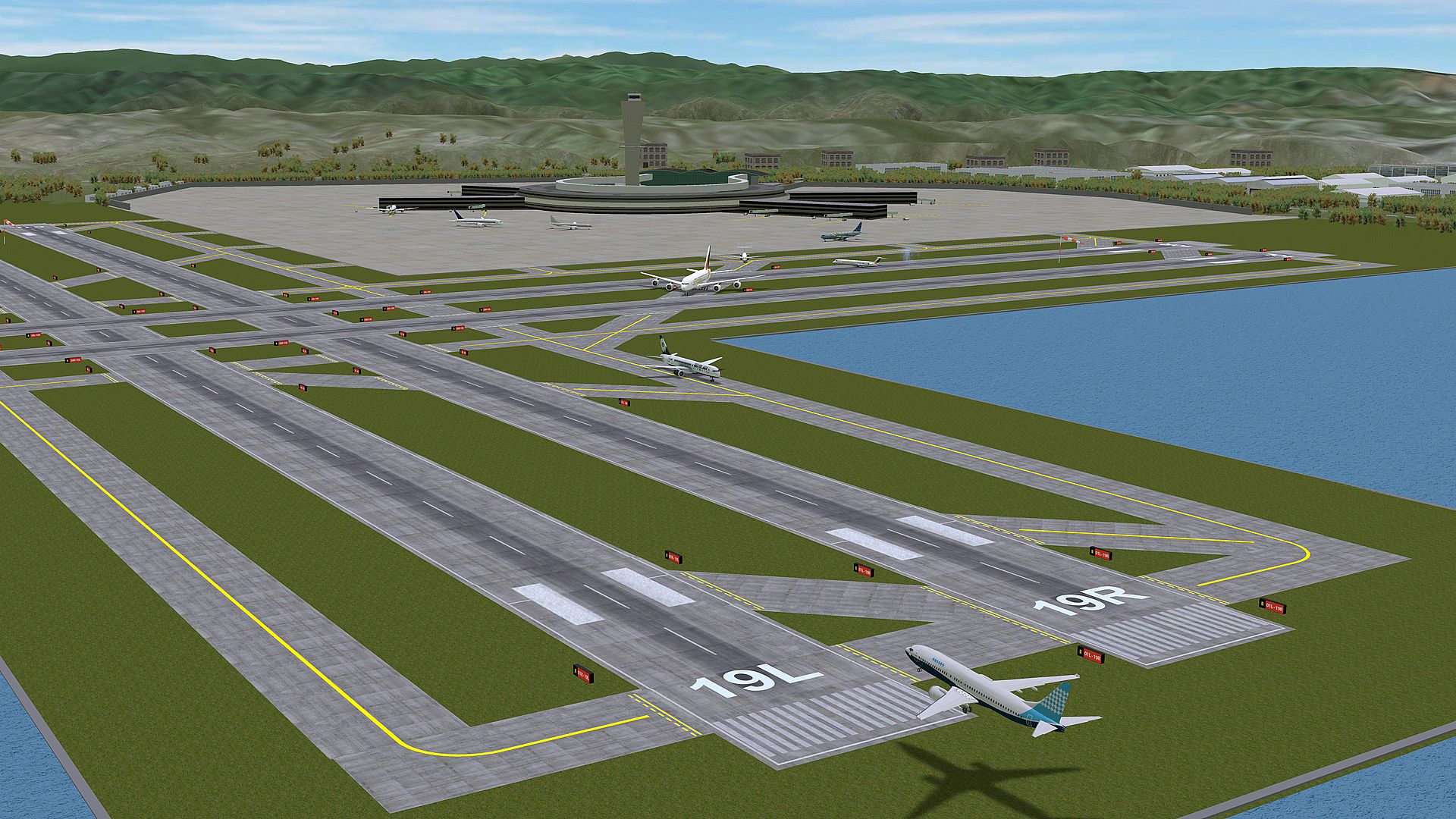
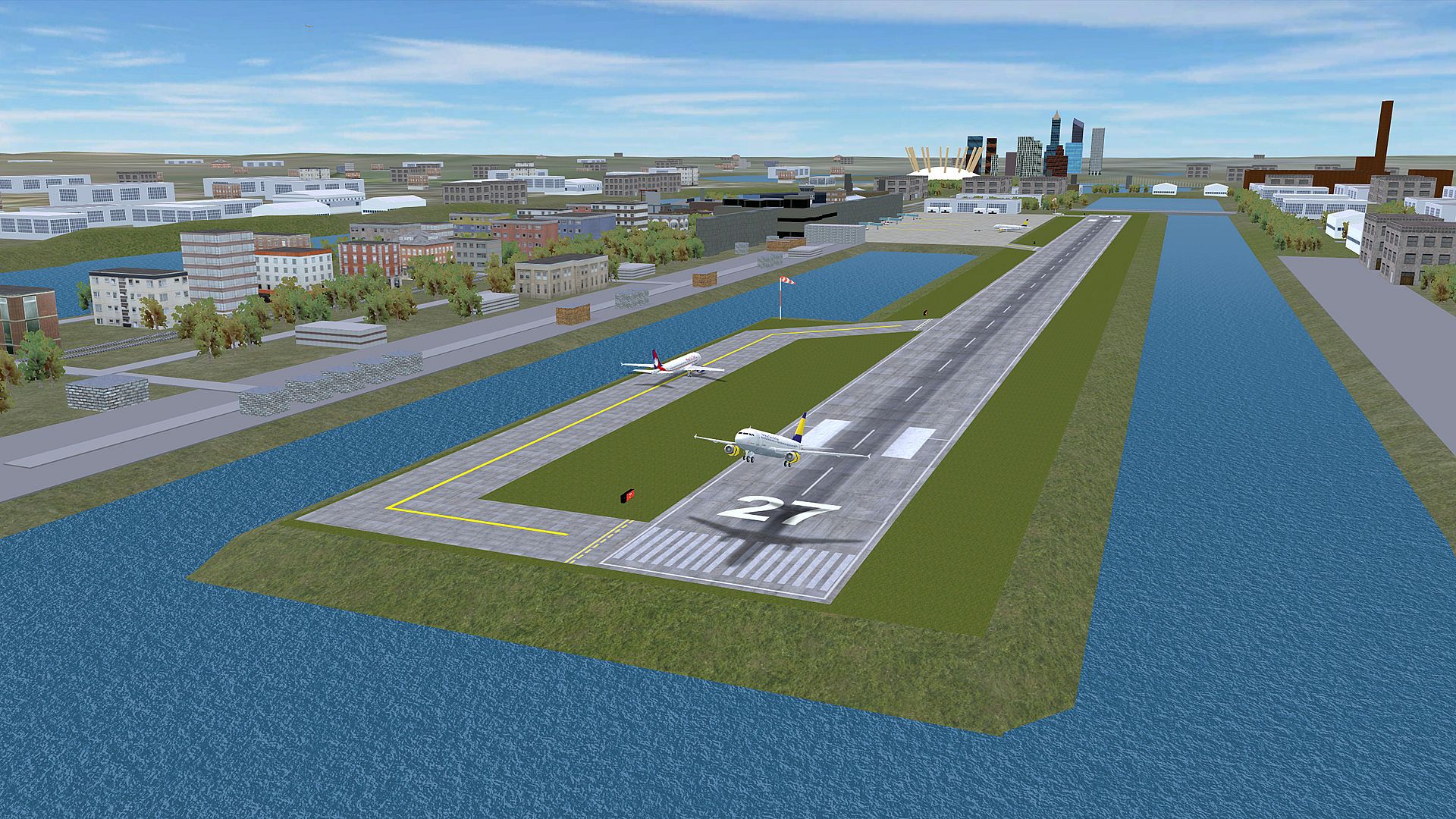
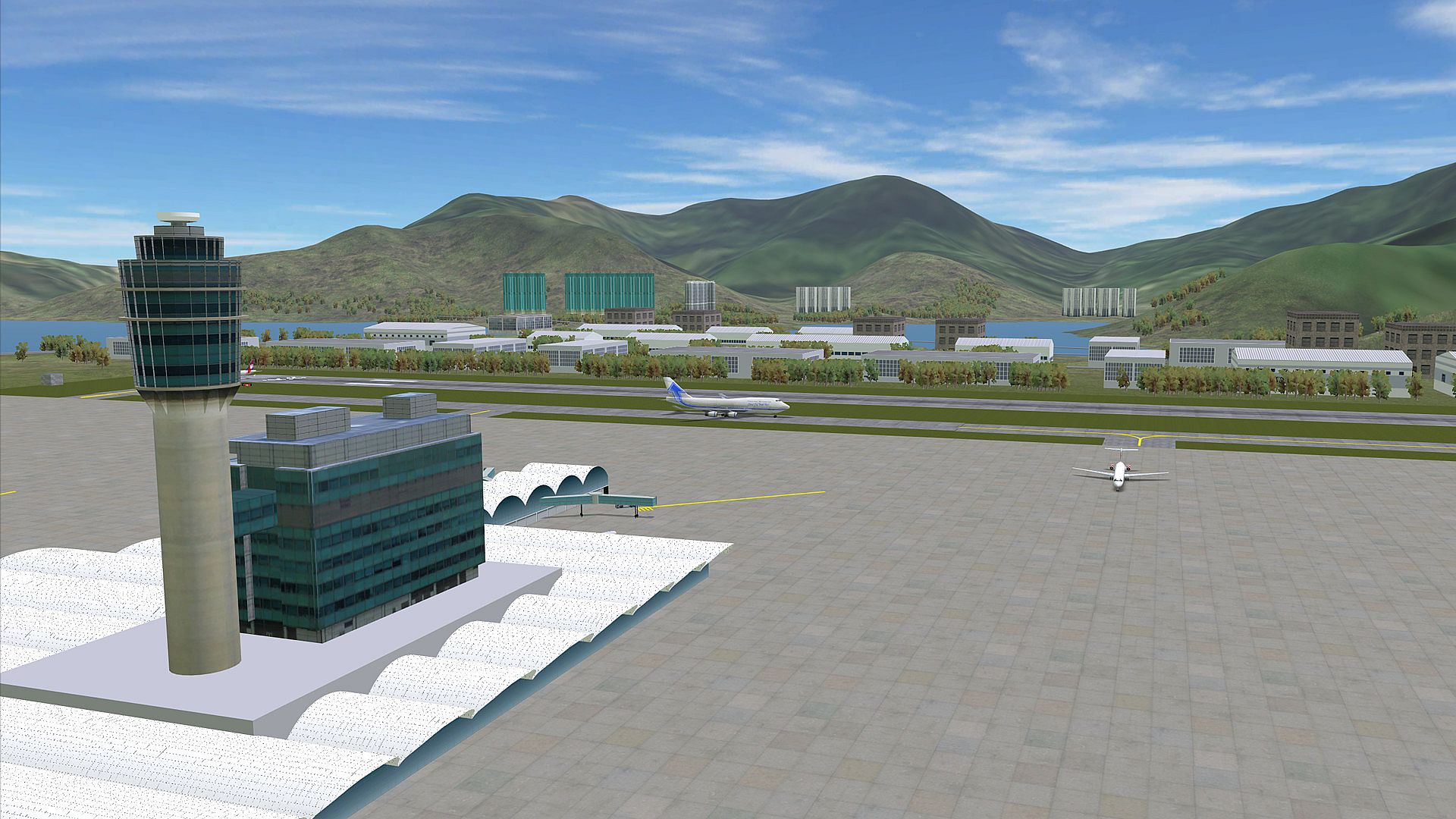
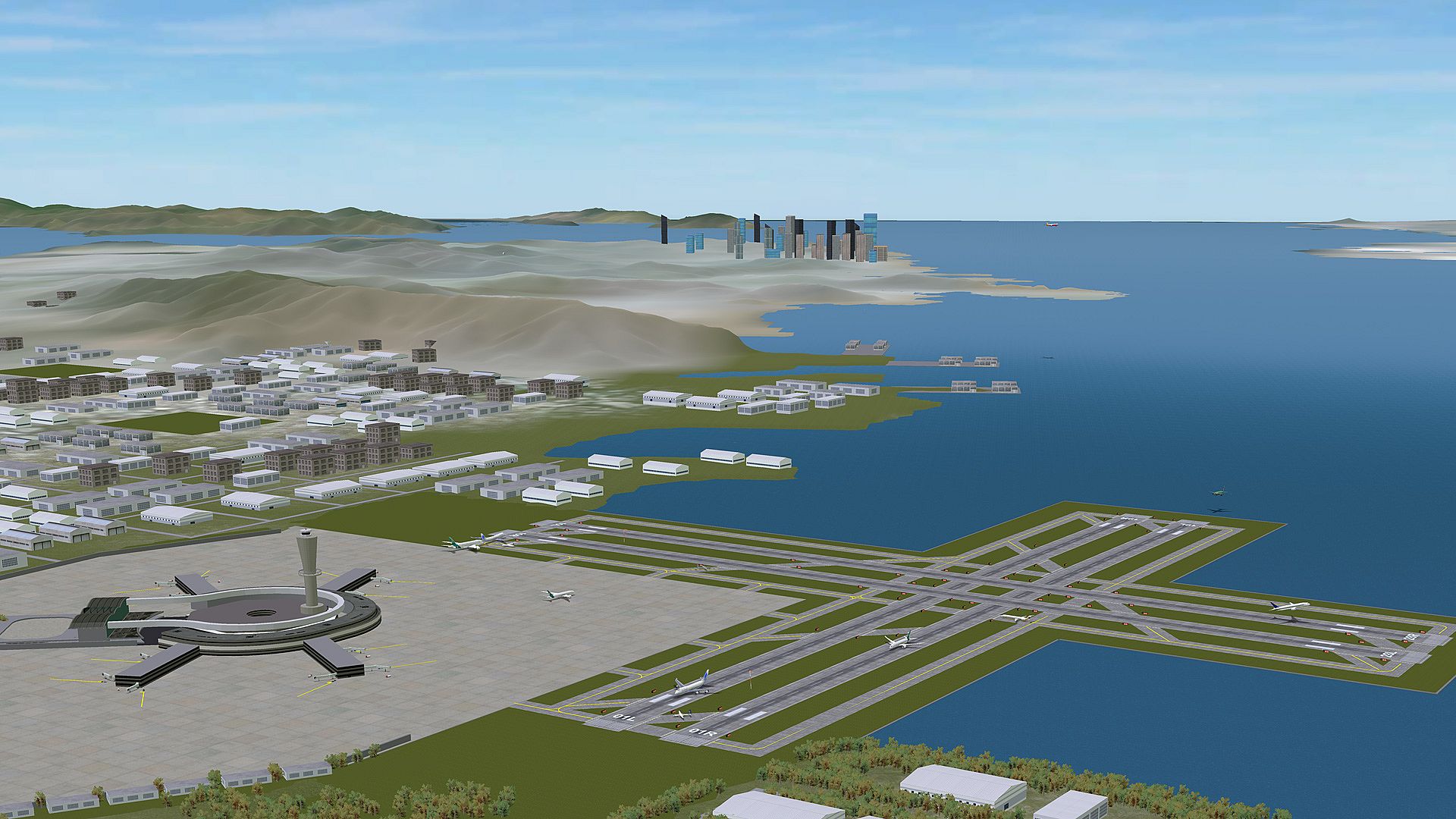
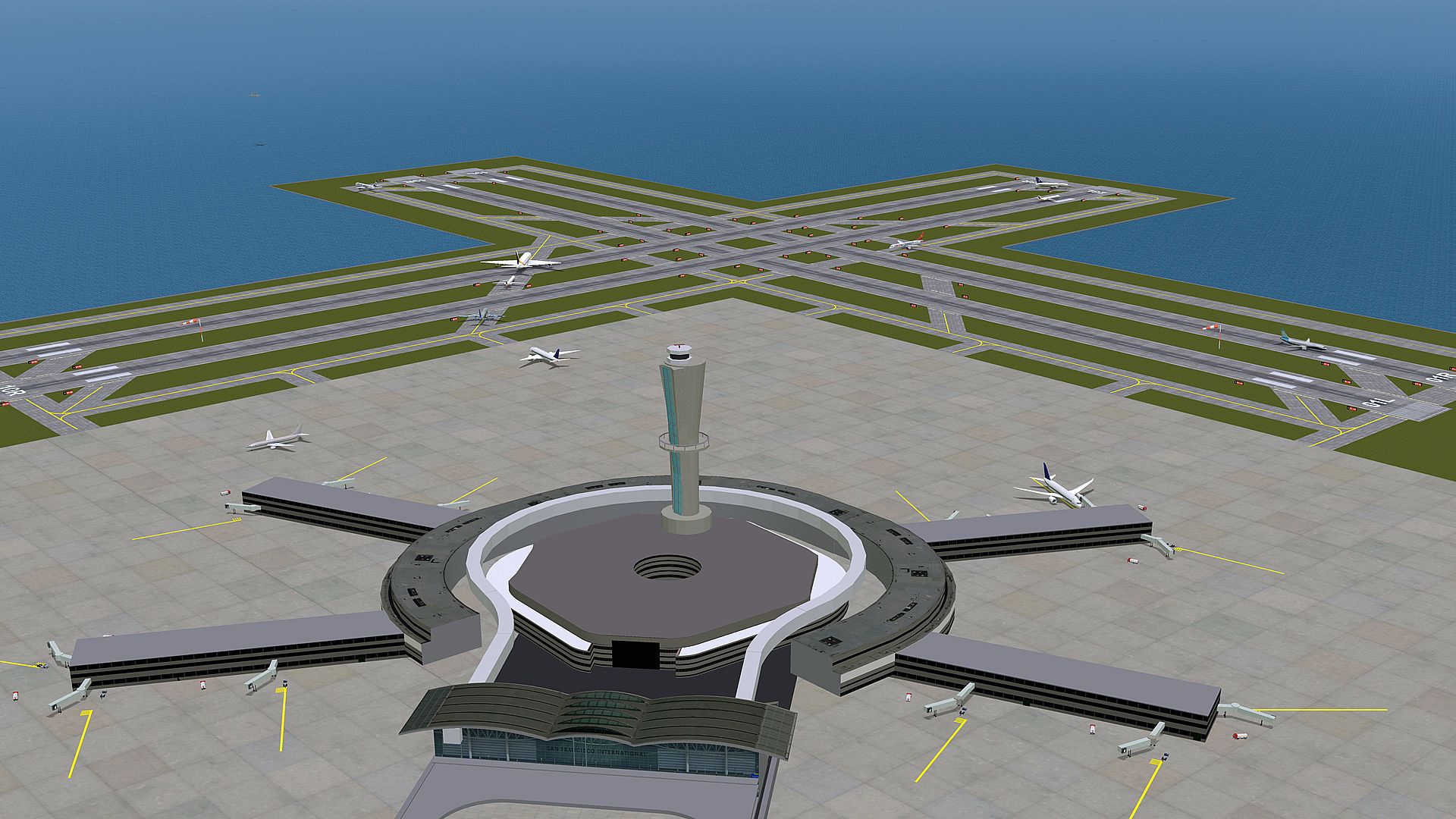
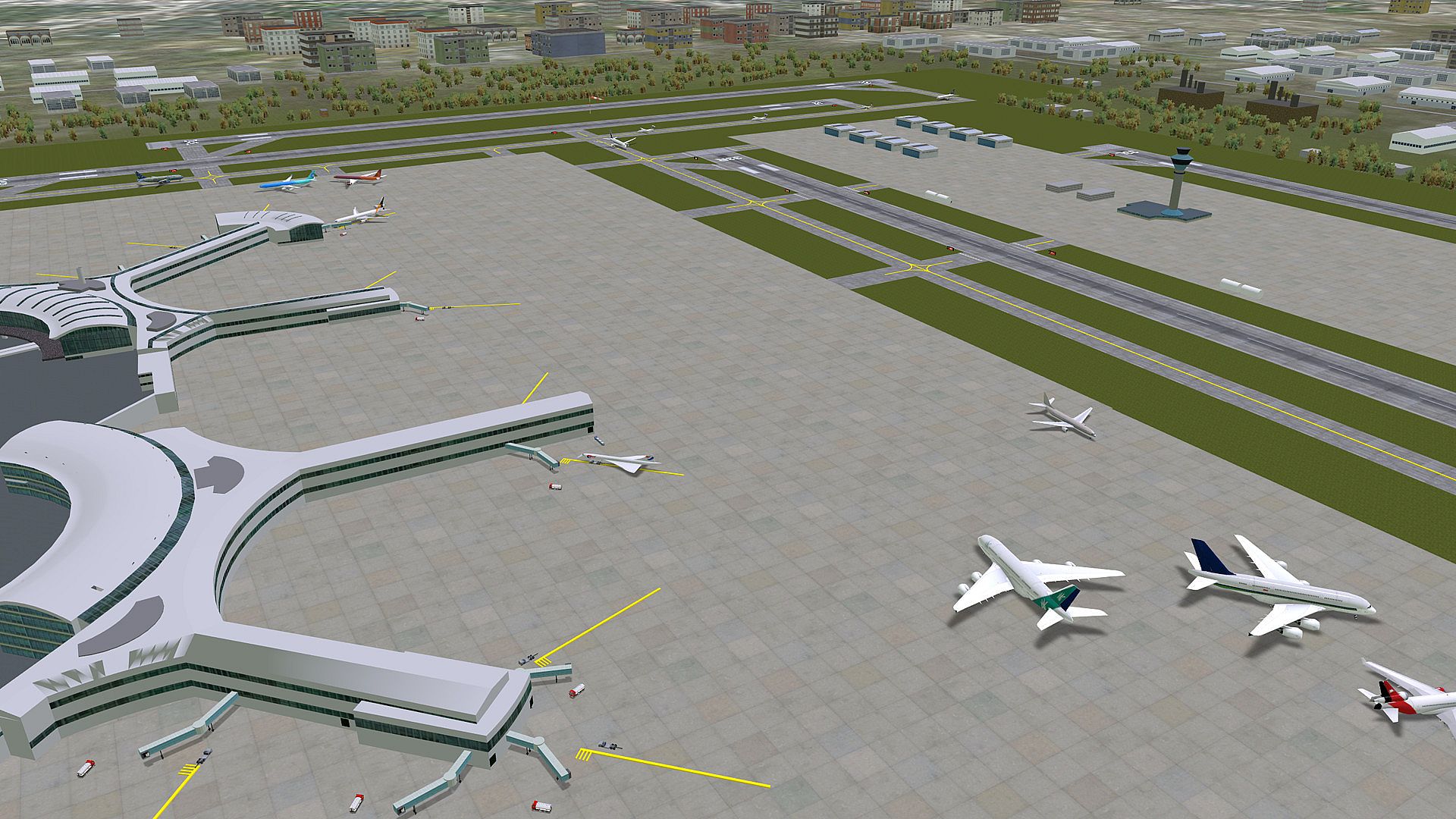
Ten distinct facilities appear in the game, each with expanded gates and sharper visual detail compared to earlier entries in the series. Locations include New York John F. Kennedy, Toronto Pearson, Miami, London City, San Francisco, Lukla in Nepal, Hong Kong, Chicago O'Hare, Las Vegas, and Princess Juliana. Real-world earth data shapes the surrounding terrain, while airport designs follow actual runway and taxiway configurations. Input from professional air traffic controllers and commercial pilots shaped the command system and aircraft responses, resulting in authentic handling and communication flow.
Is It Worth Playing?
The simulation suits players who enjoy methodical management tasks and realistic operational challenges rather than fast-paced action. Career statistics provide a clear way to measure improvement over time, and the range of airports offers substantial variety without requiring additional purchases for the base experience. Some users note occasional repetitive elements during extended sessions, yet the realistic voice work and camera flexibility help maintain engagement. Availability on PC makes it accessible for those seeking a focused air traffic control experience built on verified real-world elements. Individuals interested in simulation titles that reward careful planning and quick reactions will find consistent depth in the provided systems.