















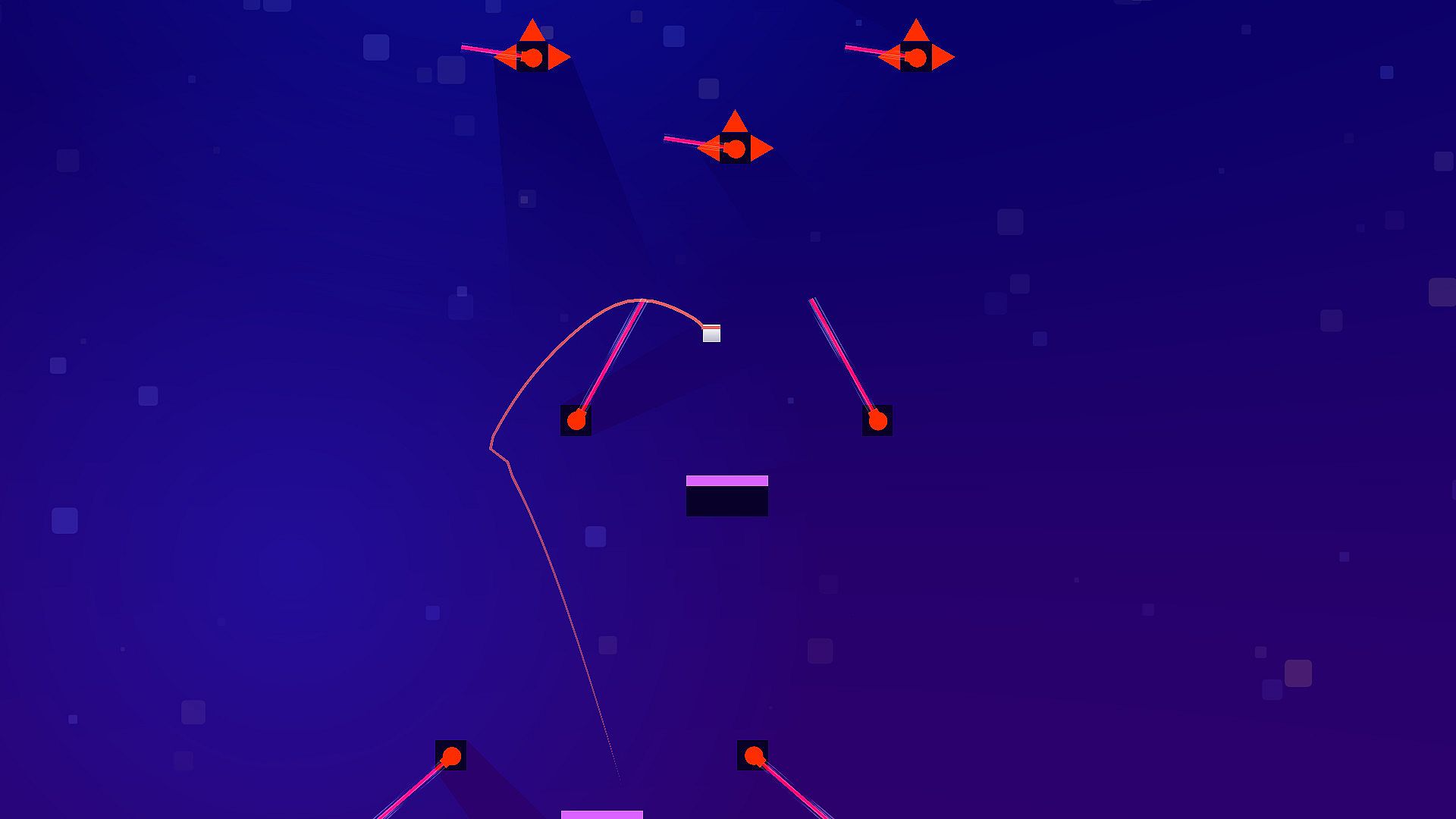


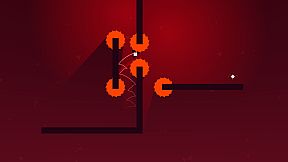

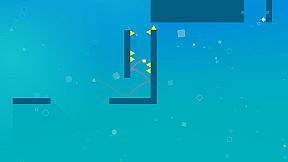
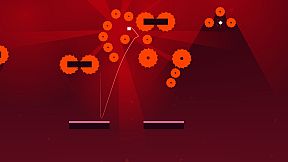
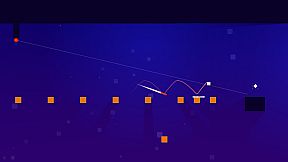

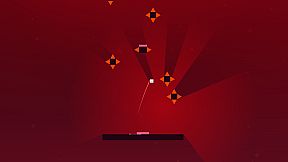
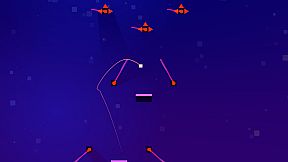


Almost There: The Platformer is a 2D precision platformer that focuses entirely on dexterity and timing. Players navigate a series of demanding stages filled with instant-kill hazards while maintaining constant forward momentum. The game belongs to the action, strategy, indie, and casual genres yet delivers an experience aimed squarely at those who enjoy hardcore platforming challenges on PC.
Gameplay
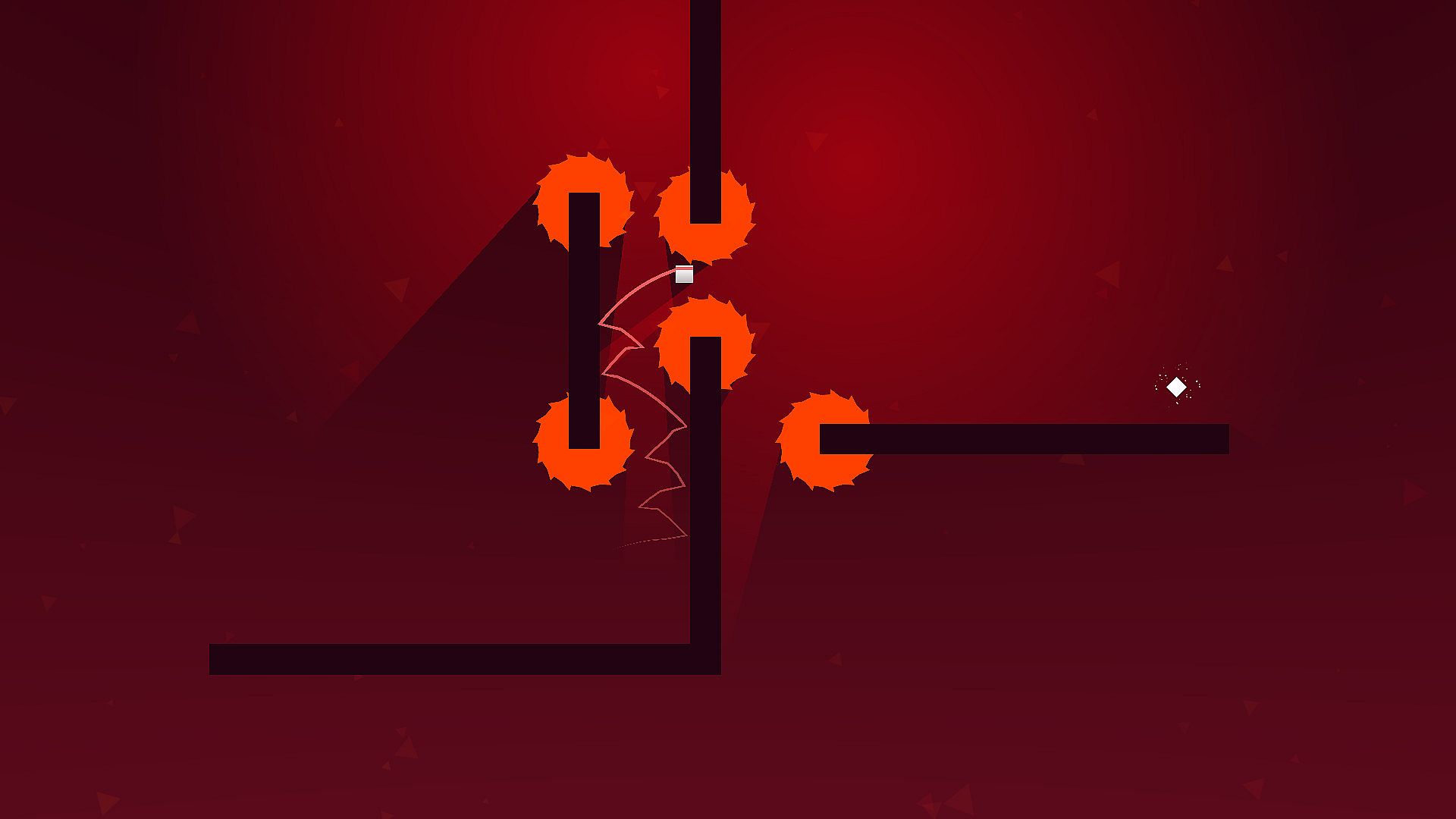
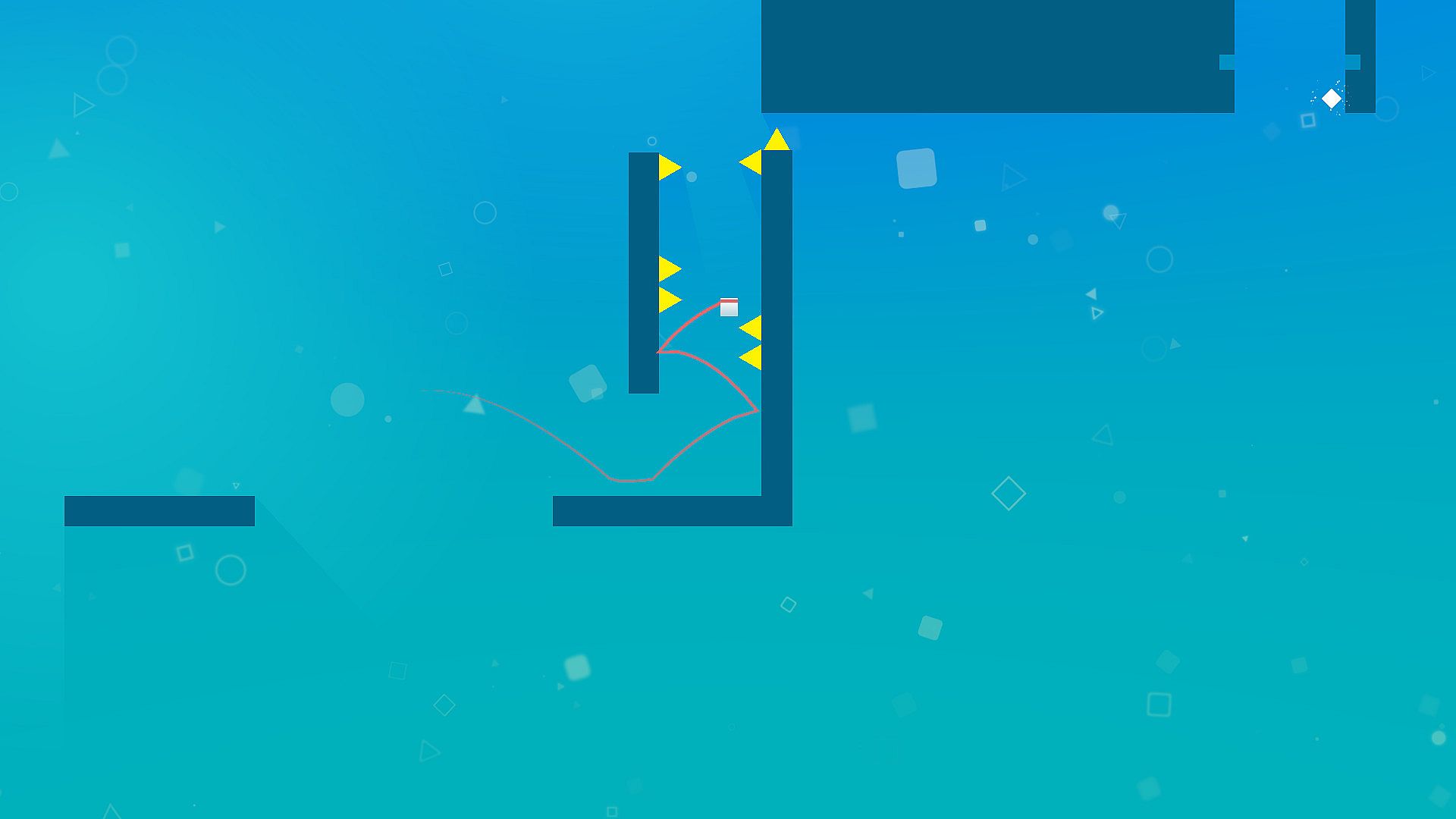
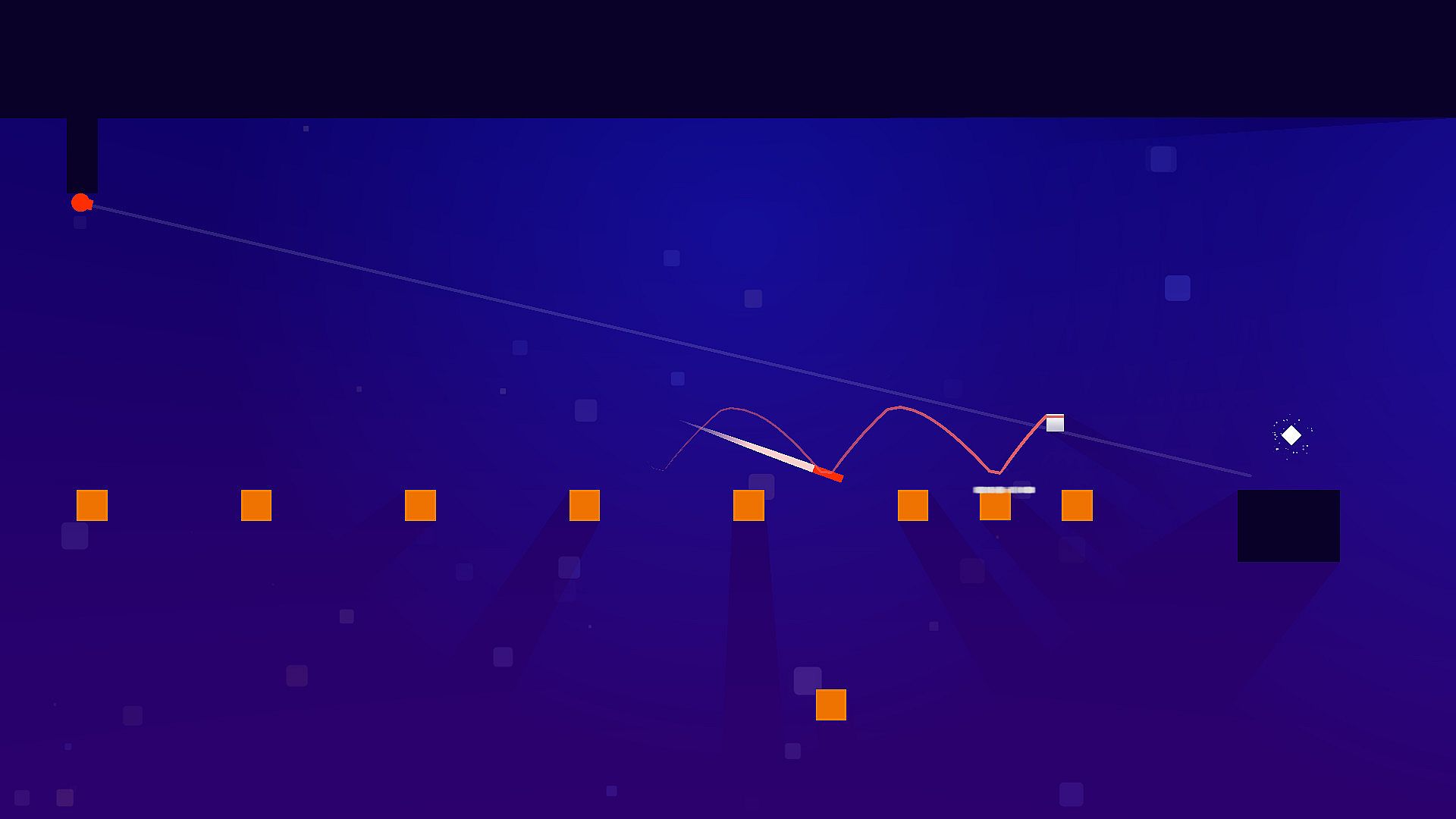
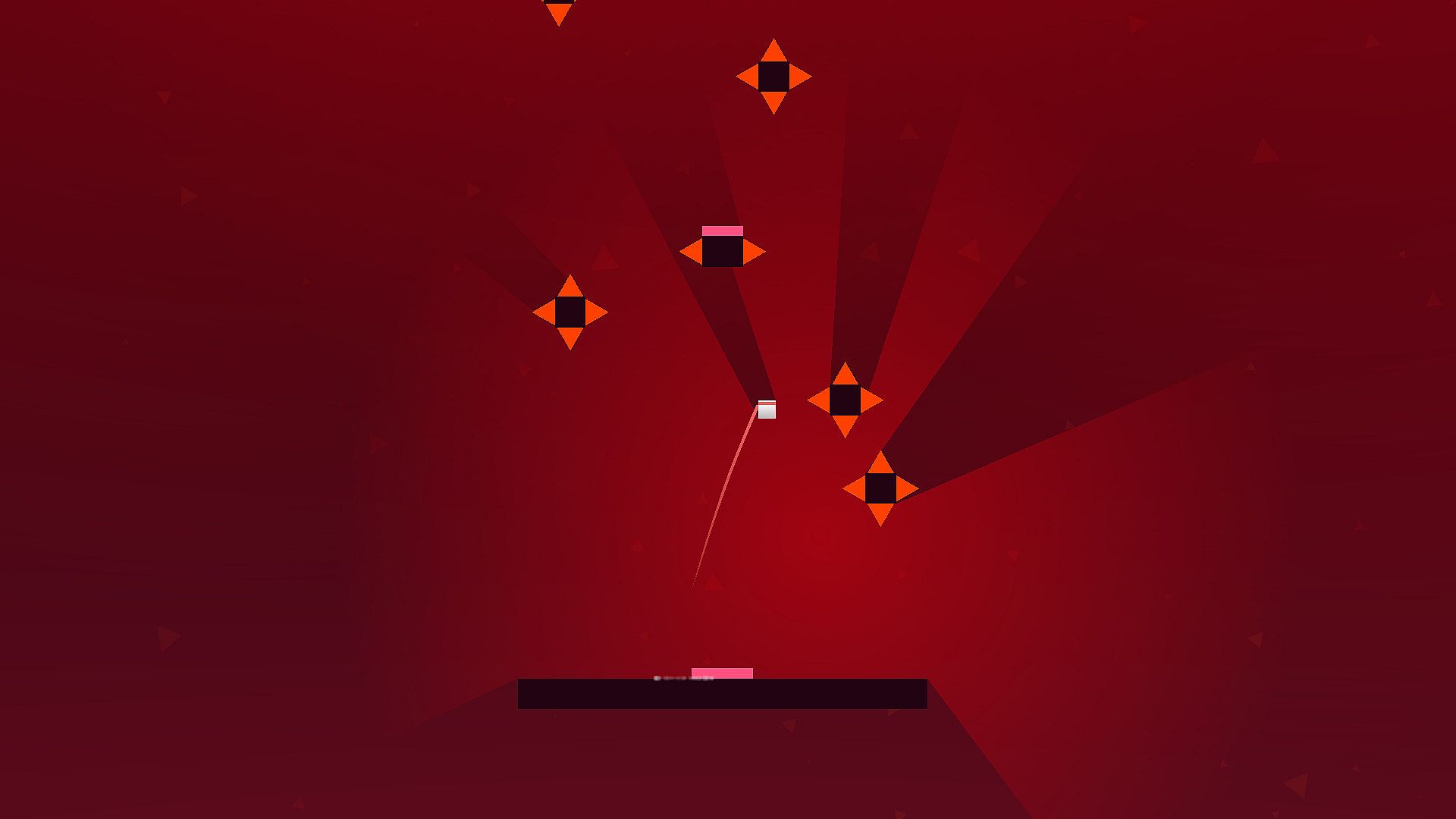
The core loop centers on uninterrupted movement through obstacle courses. Players sprint, jump, duck, and time actions precisely to avoid saw blades, homing missiles, lasers, spikes, and crumbling floors. Every element in the environment exists to end the run, forcing repeated attempts until the path becomes second nature. Controls remain minimal, relying on horizontal movement and jumping to handle all interactions with the world. This design keeps attention fixed on reflexes and pattern recognition rather than additional abilities or power-ups.
Stages emphasize raw platforming skill without interruptions from cutscenes or menus. The emphasis on 100 percent dexterity means success depends on consistent execution across long sequences of hazards. Small file size and low hardware requirements allow the game to run smoothly even on modest systems, keeping the focus on the platforming itself.
Game Modes
The game offers a single-player experience built around more than 150 stages. These levels progress in difficulty while introducing new combinations of traps and moving hazards. Timed challenges appear alongside the main stages, adding pressure to complete sections within set limits. No multiplayer options exist, so all progress and improvement remain personal.
Players work through the stage list at their own pace, returning to earlier sections to refine runs or chase better times. The structure supports extended play sessions through sheer volume of content and the need for repeated practice on each screen.
Challenges and Obstacles
Every hazard demands exact positioning and timing. Saw blades require careful weaving between their paths, while homing missiles force last-second direction changes. Lasers sweep across gaps that must be crossed at the right moment, and crumbling floors limit how long a player can remain stationary. The combination of these elements creates layered problems that test both immediate reactions and long-term memory of stage layouts.
Progression introduces denser arrangements of threats without adding new mechanics. This keeps the learning curve focused on mastery of the existing movement set rather than adapting to fresh systems.
Is It Worth Playing?
Player reception on Steam stands at Very Positive based on 116 reviews. The game appeals directly to fans of hardcore platformers who expect to die repeatedly while learning precise routes. Its minimalist approach delivers hours of content through volume of stages and the inclusion of timed challenges.
Those seeking a pure test of reflexes and patience will find consistent value in the uninterrupted platforming. The title suits players comfortable with high failure rates and incremental improvement rather than those looking for varied mechanics or narrative elements. Availability on PC makes it accessible for anyone with basic hardware who wants a focused dexterity challenge.