





















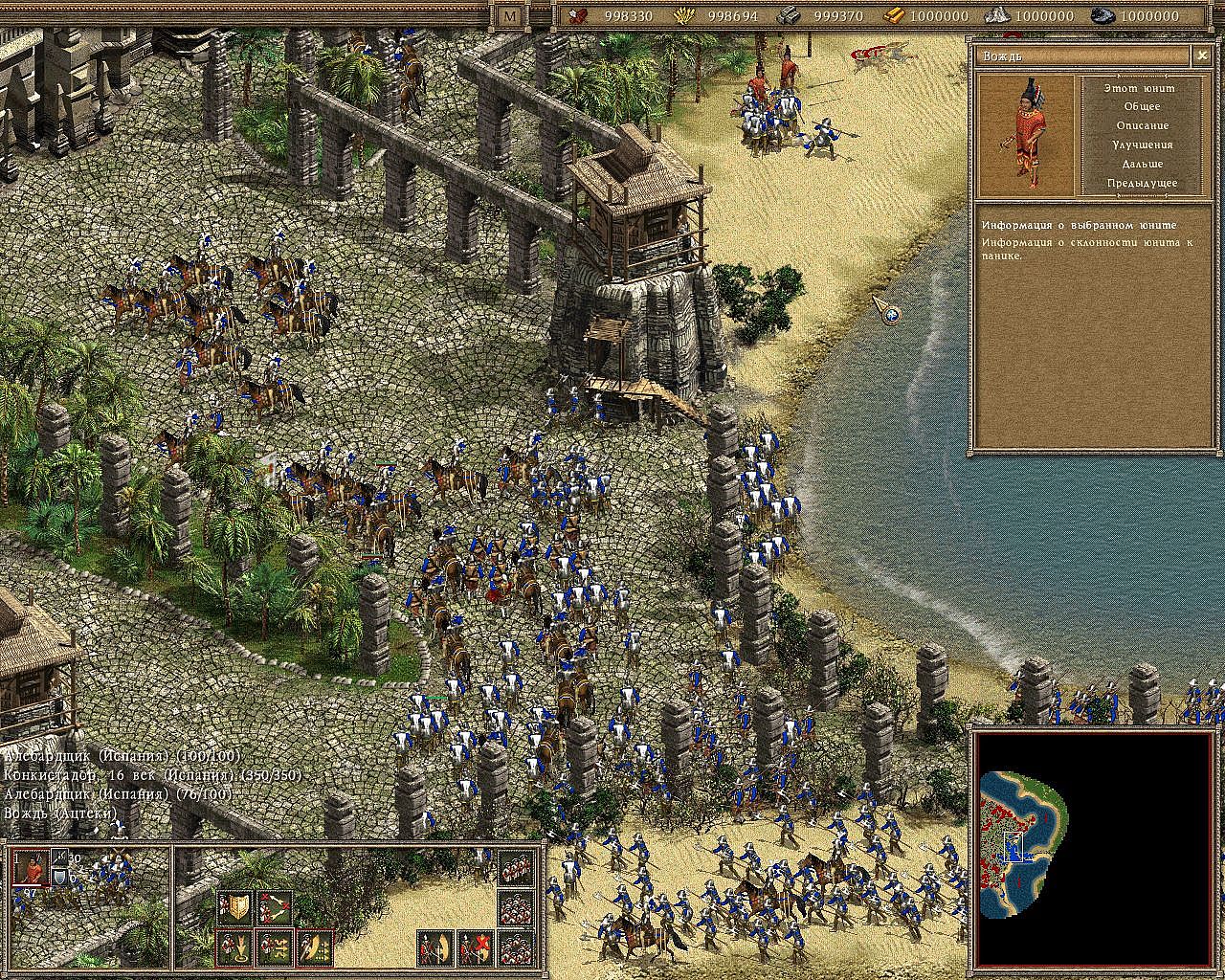
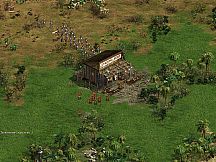
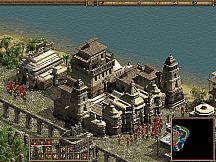
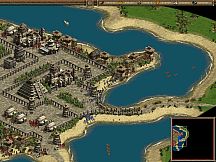
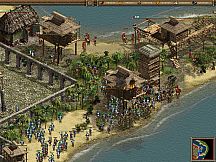
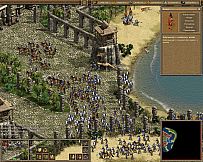
American Conquest: Fight Back is a real-time strategy game set across the American continents during the period from 1517 to 1804. It expands on historical conflicts involving European powers, indigenous nations, and colonial struggles with large-scale battles and resource management at the core of play.
Gameplay
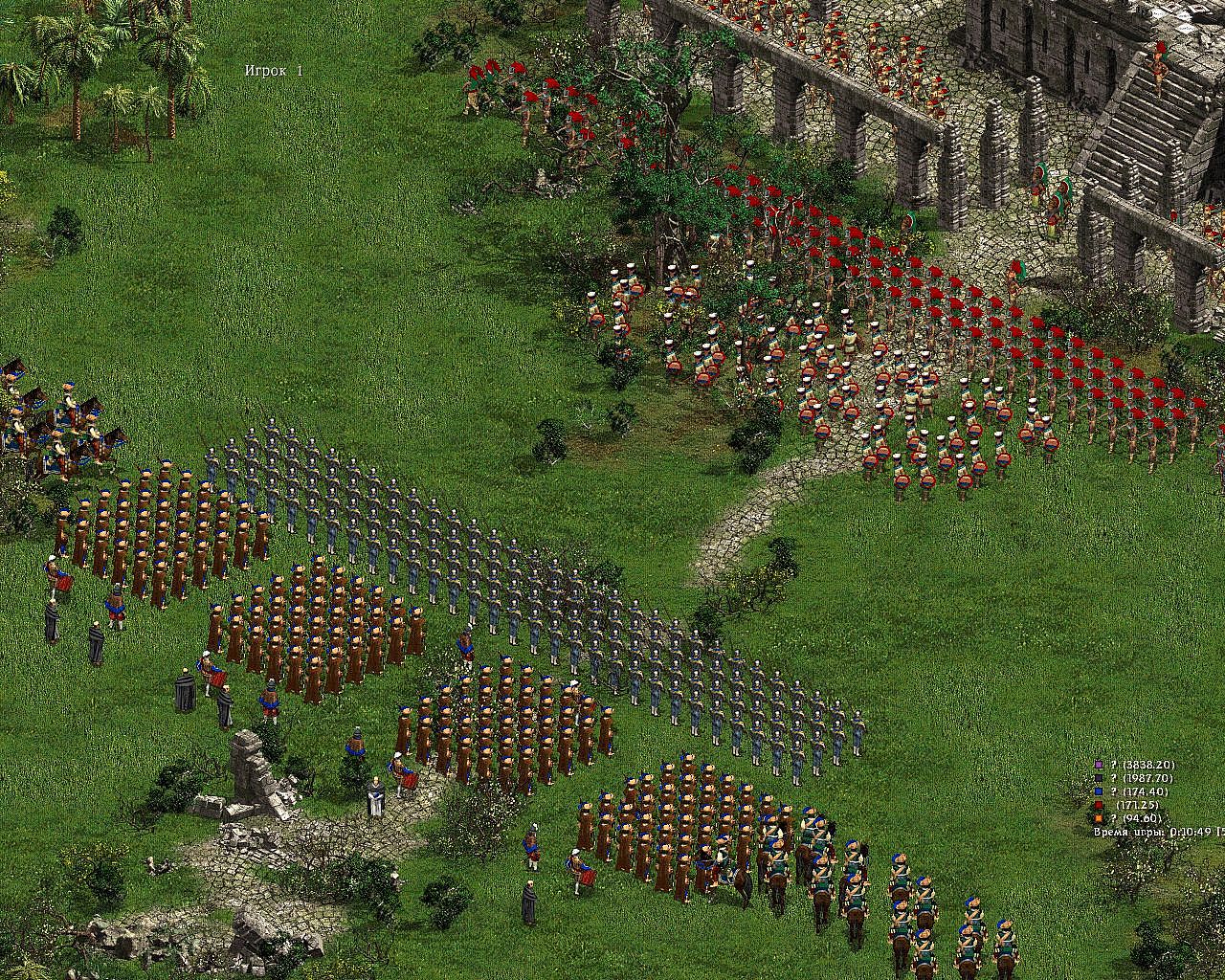
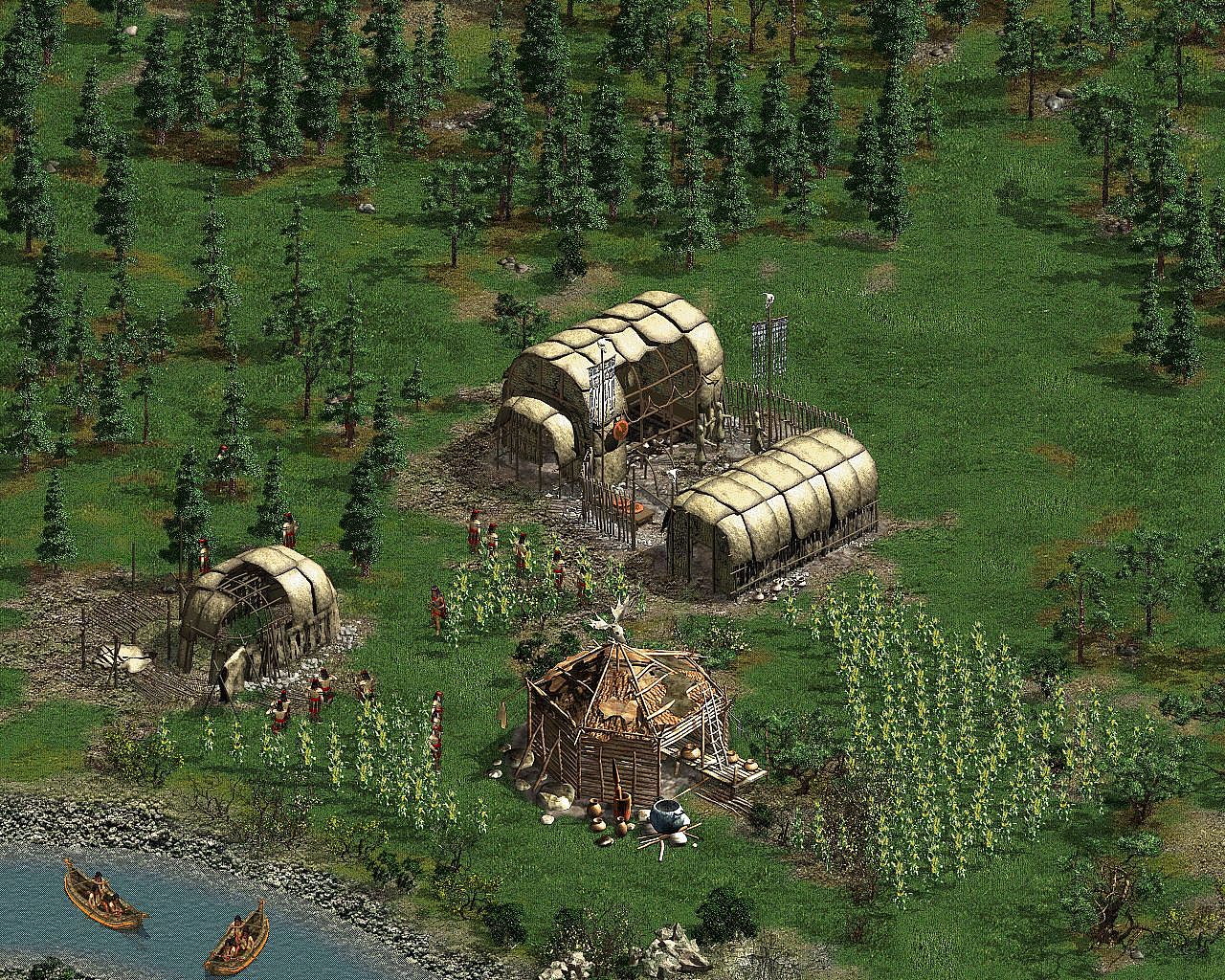
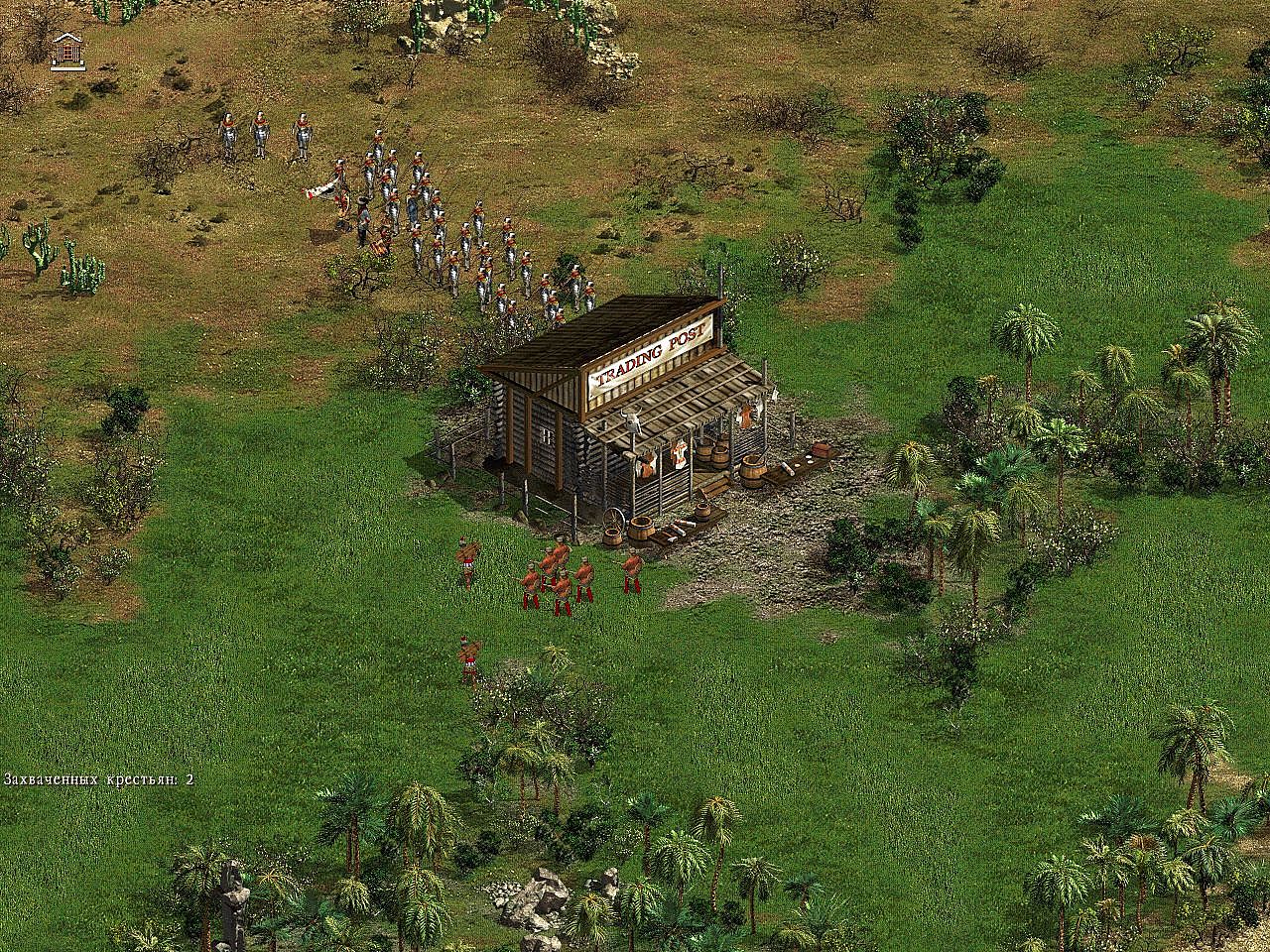
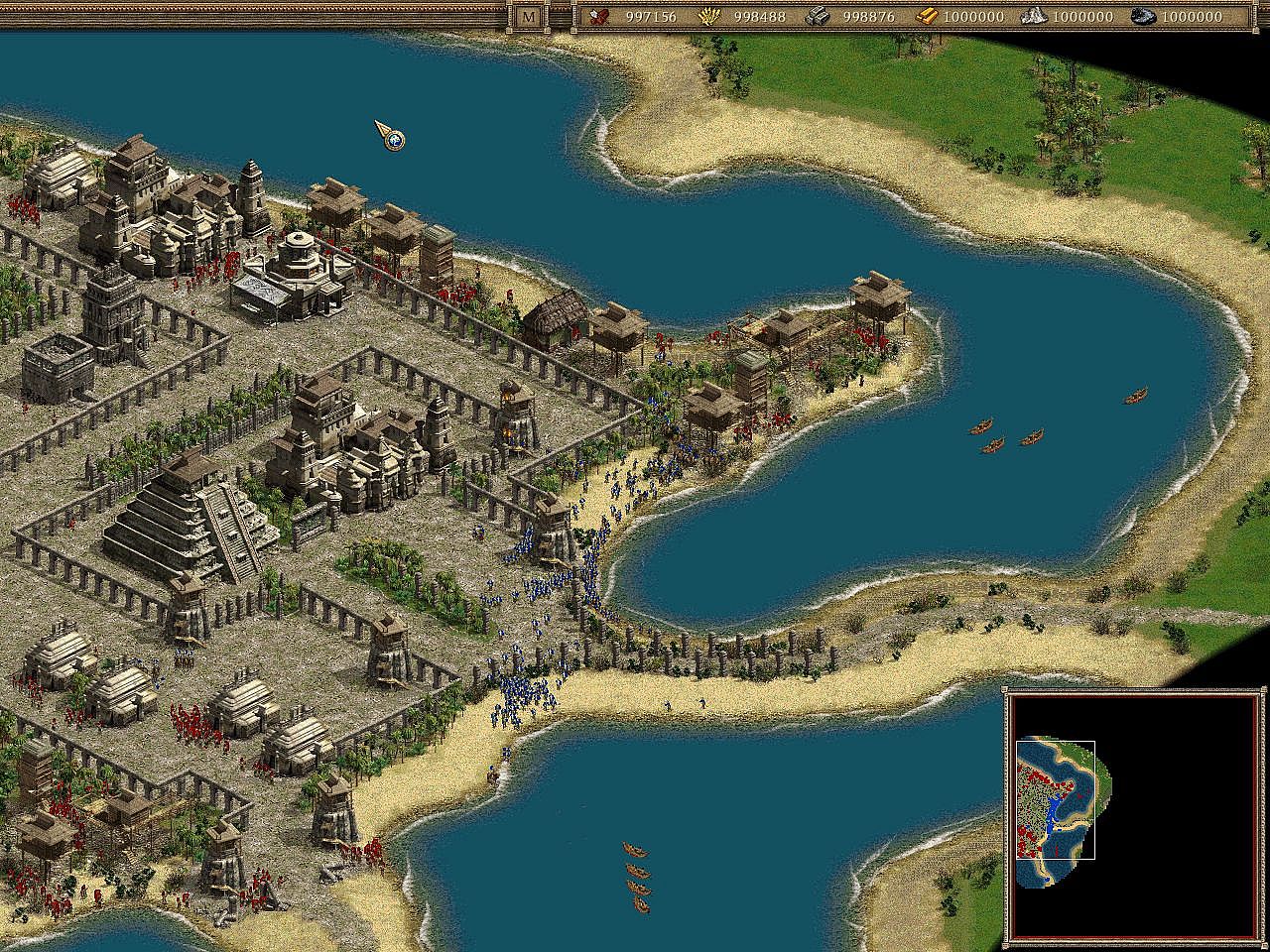
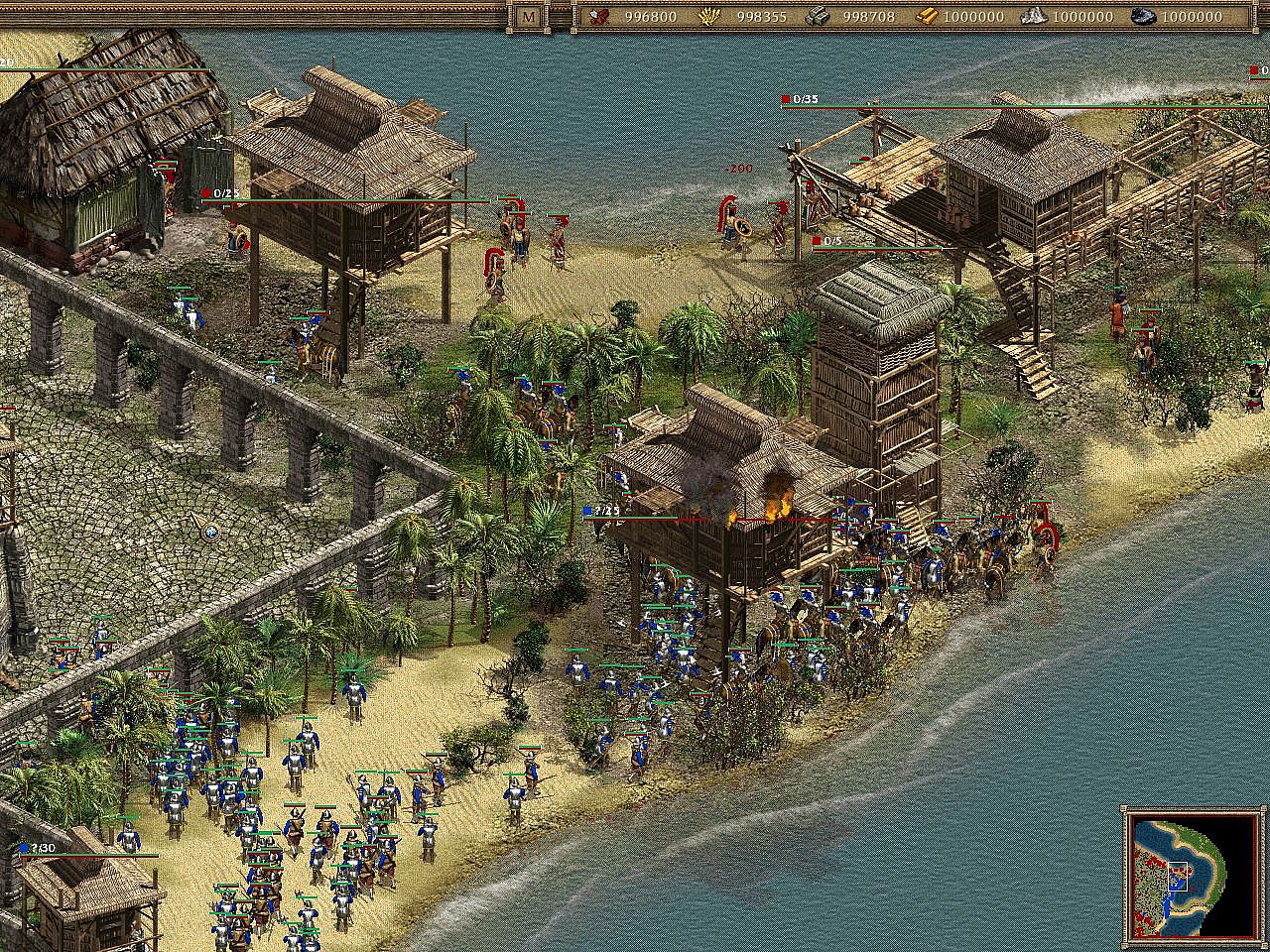
The core loop revolves around building bases, training units, and engaging in real-time combat across expansive maps. Players manage economies tied to gold, food, and other resources while directing forces that can reach totals of 16,000 units in a single engagement. Infantry, cavalry, and artillery respond to tactical formations that alter their effectiveness in different situations, such as lines for ranged fire or columns for charges.
Morale plays a central role and shifts based on recent victories or defeats, available food supplies, equipment quality, and whether mercenaries receive regular pay. Low morale can cause units to break or underperform, forcing players to balance aggressive pushes with steady logistics. More than 50 new units join the roster, each with distinct capabilities suited to the era's warfare styles.
Command decisions extend to positioning and timing, as formations break or reform under pressure. The scale encourages careful planning rather than simple mass attacks, with battles unfolding over varied terrain that influences movement and line of sight.
Game Modes
Single-player content centers on structured campaigns that follow specific historical threads. These include the search for El Dorado, Pontiac's War, and the conquest of Alaska, delivered through 26 missions spread across eight campaigns. A dedicated battlefield mode adds ten standalone missions designed for focused tactical challenges, available in both single-player and multiplayer formats.
Multiplayer supports up to seven participants through LAN or internet connections. Several modes exist beyond the battlefield option, allowing varied match structures that emphasize direct confrontation or strategic objectives. The battlefield missions strip away some campaign elements to highlight pure tactical execution, where positioning and unit composition determine outcomes without broader base-building layers.
Campaign progression mixes narrative missions with resource gathering and combat, while battlefield play isolates the fighting elements for quicker sessions or competitive matches.
Campaigns and Factions
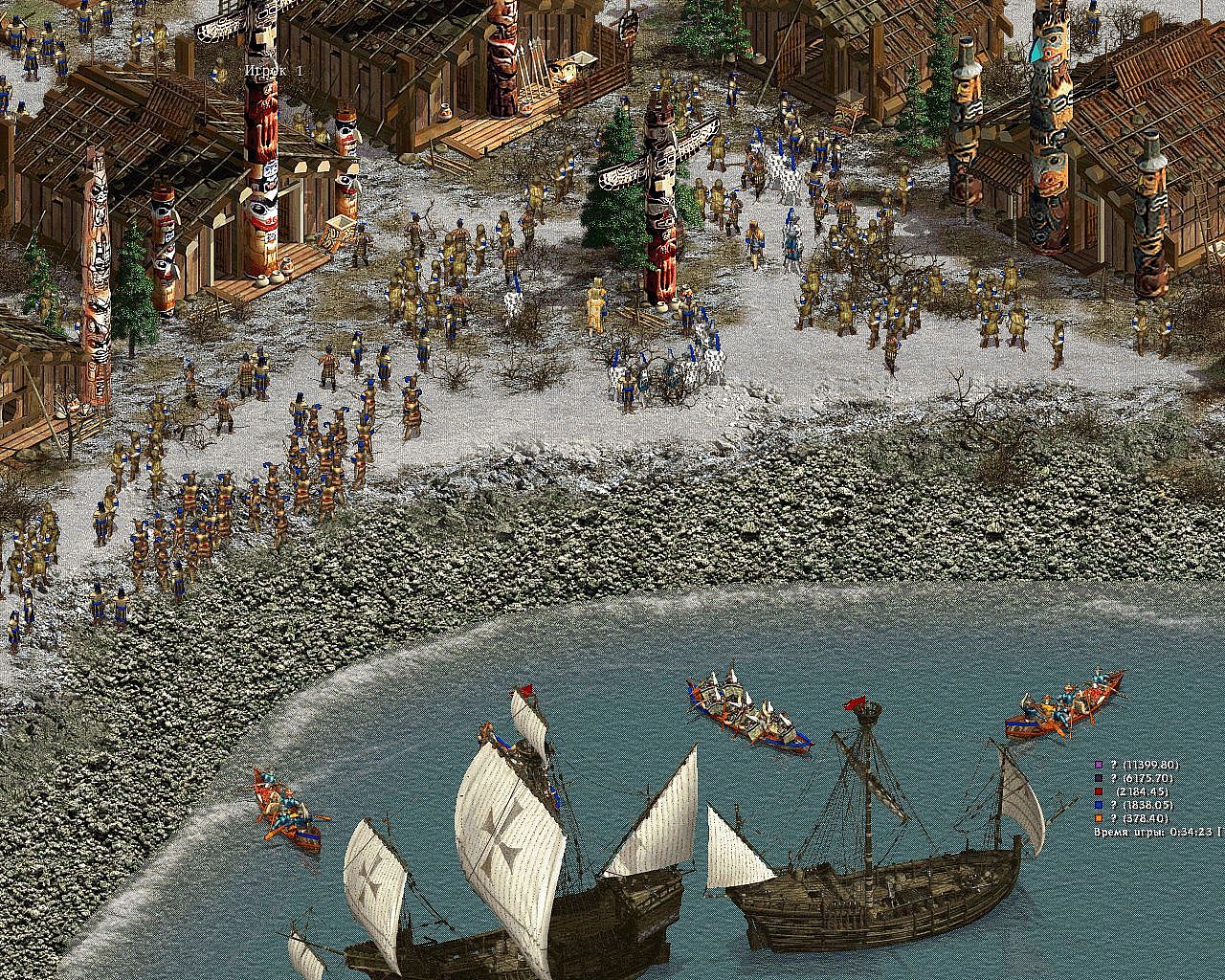
Five new nations expand the available forces: Germany, Russia, Haida, the Netherlands, and Portugal. Each brings specialized units and campaign arcs that reflect their historical involvement. German efforts focus on expeditions into the interior, Russian campaigns target Alaskan territories against local resistance, and the Haida perspective covers coastal defenses during Russian incursions.
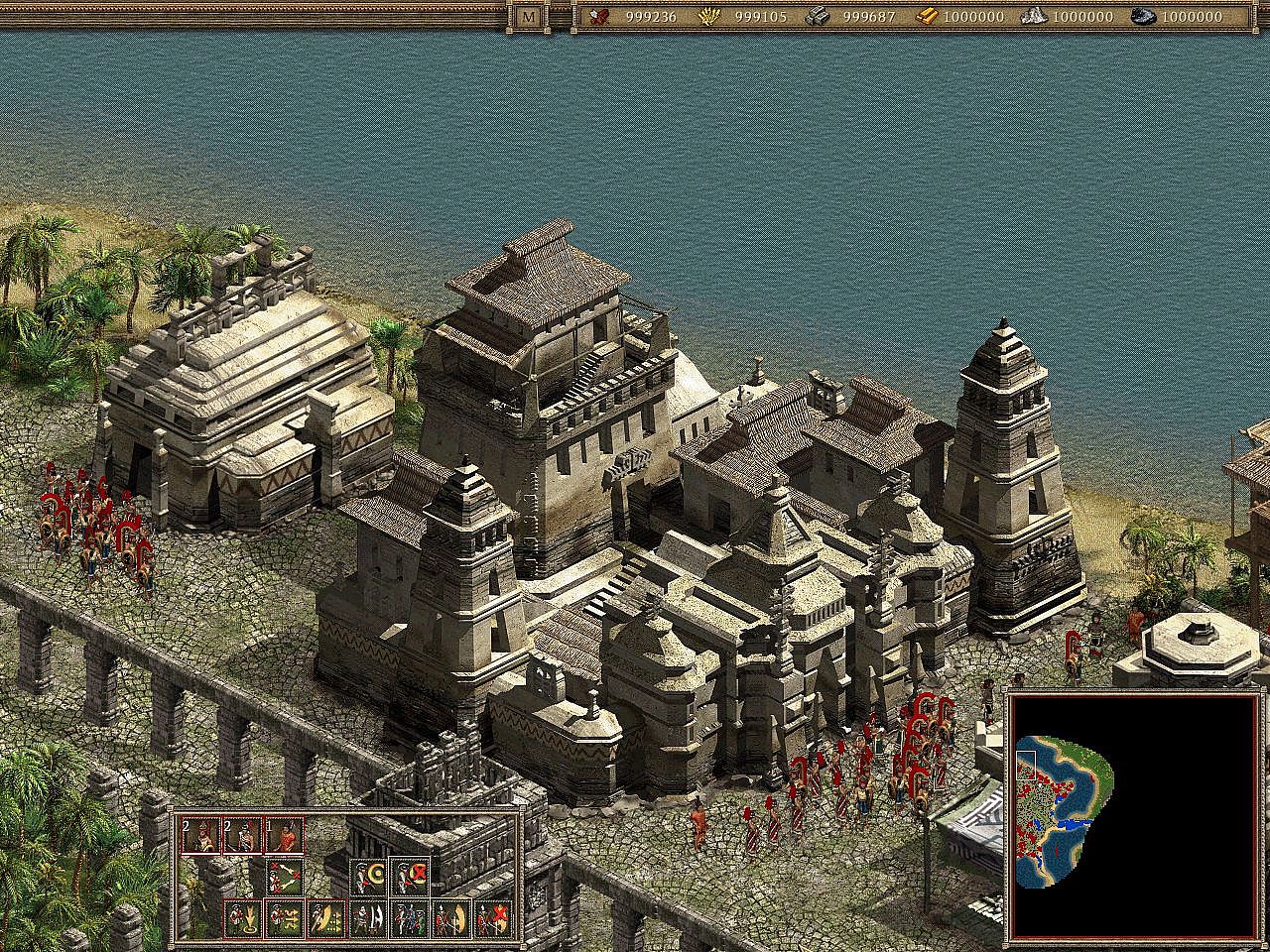
Additional campaigns cover Spanish actions in Yucatan against Maya and Aztec forces, as well as the Pontiac Uprising involving Native American and British conflicts. These stories unfold through mission sequences that incorporate the new units and mechanics, creating distinct play experiences tied to each faction's strengths.
The game functions independently, with no requirement for prior titles to access the full content. Historical details ground the missions without altering core strategy systems.
Is It Worth Playing?
American Conquest: Fight Back suits players who prefer historical real-time strategy with emphasis on large formations, morale management, and extended campaigns. Its stand-alone design makes it accessible for newcomers to the setting, while the battlefield mode provides targeted tactical sessions for those seeking shorter or competitive play.
The combination of up to 16,000 units, formation commands, and faction-specific campaigns delivers depth for extended single-player sessions. Multiplayer options extend replay value through varied participant counts and modes. Those drawn to era-specific conflicts and methodical command will find consistent engagement across the verified features.
Availability remains on PC platforms, preserving the original mechanics for current audiences interested in classic large-scale strategy.