




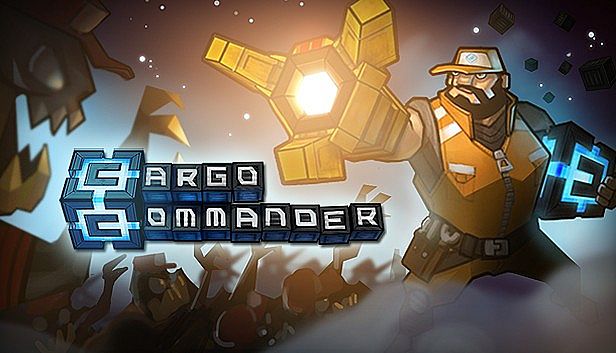















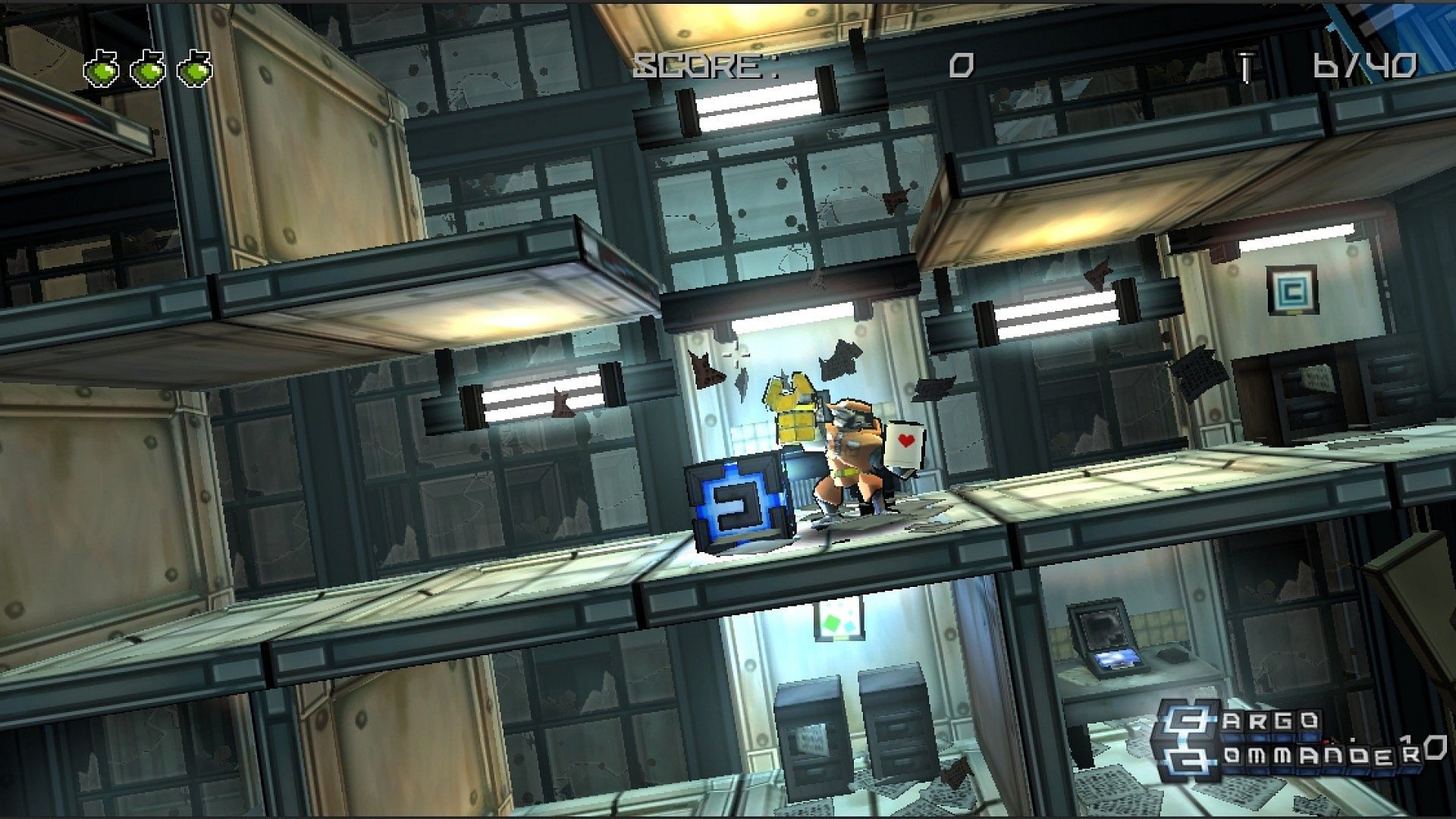
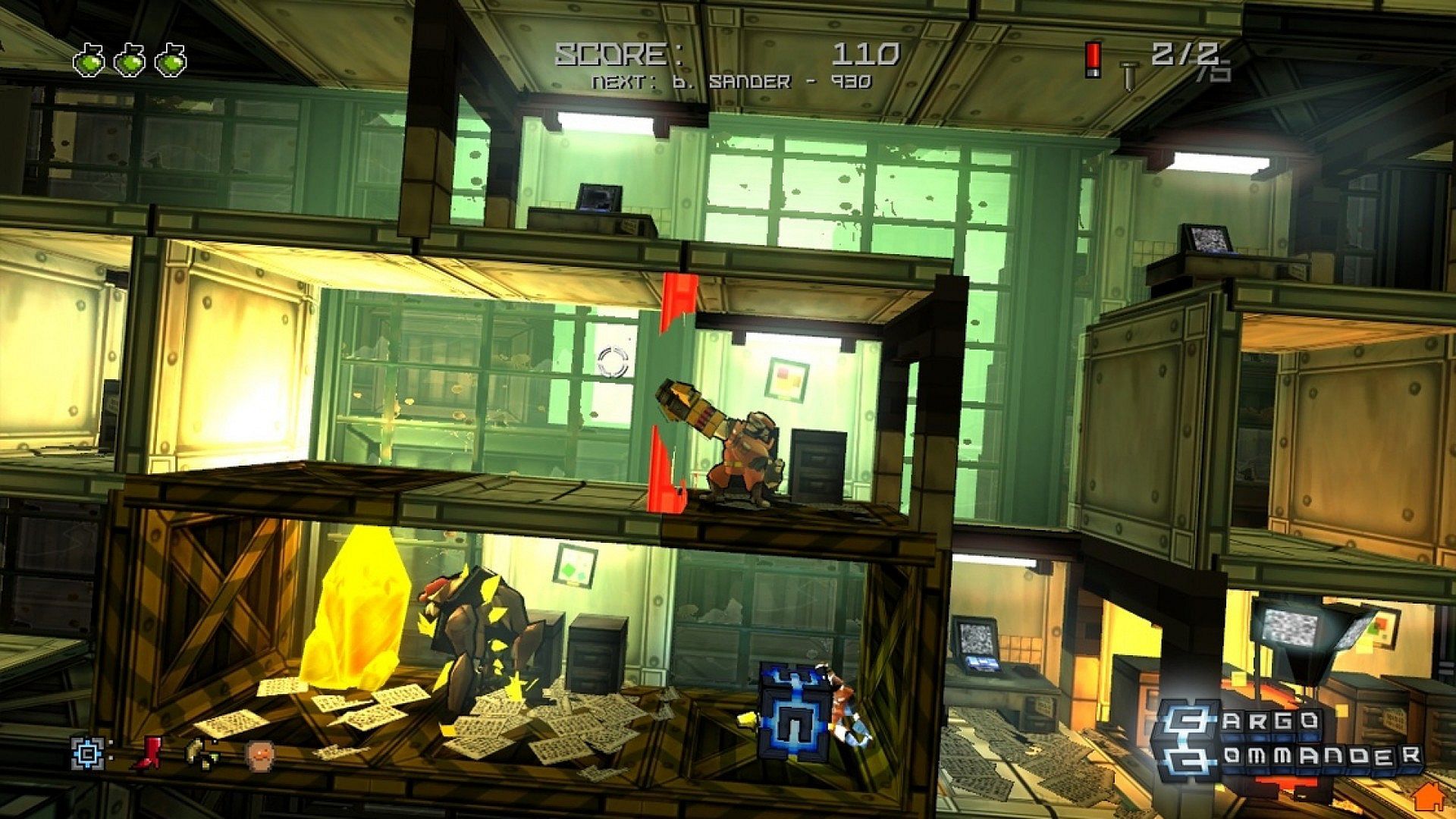
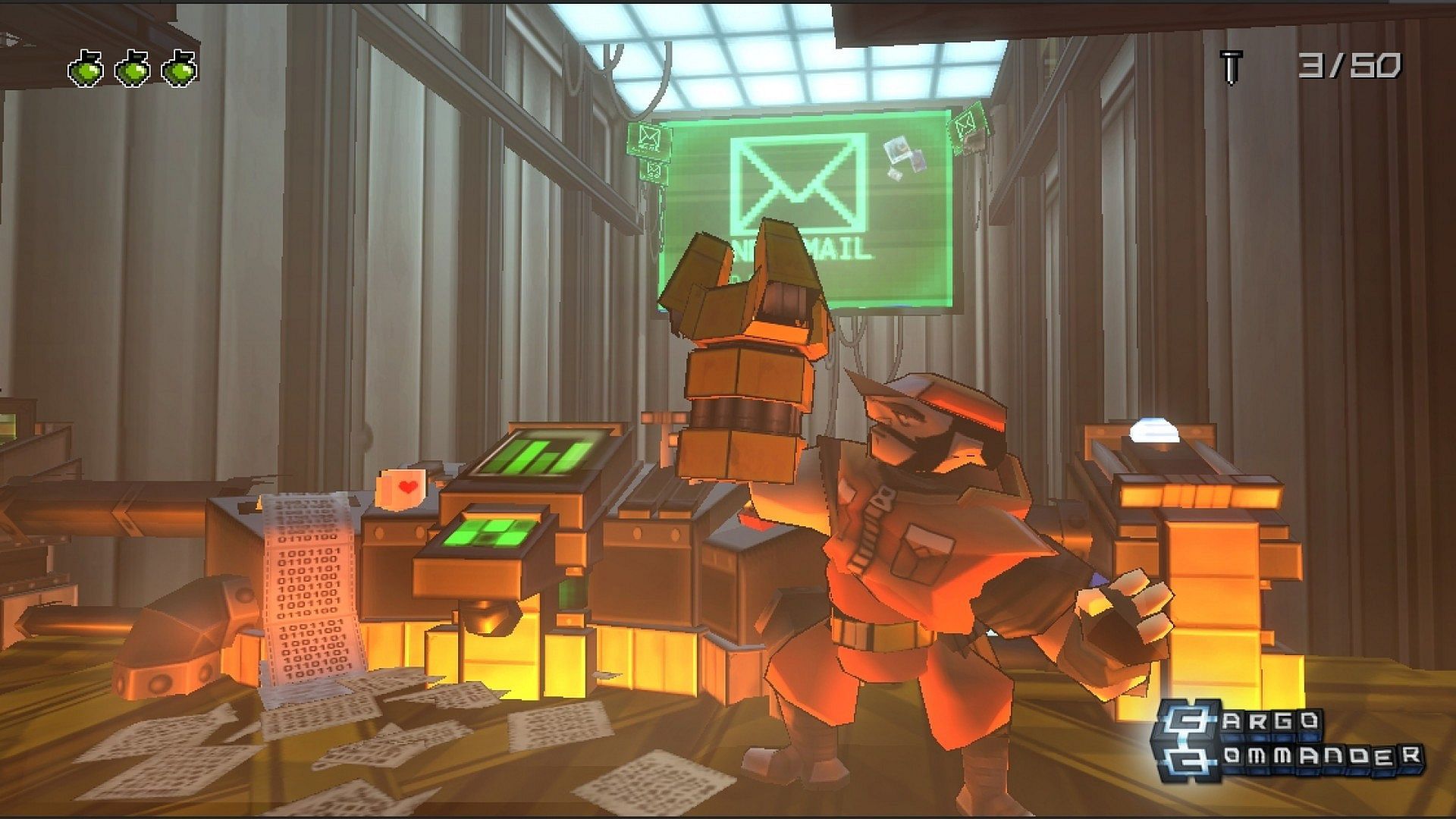
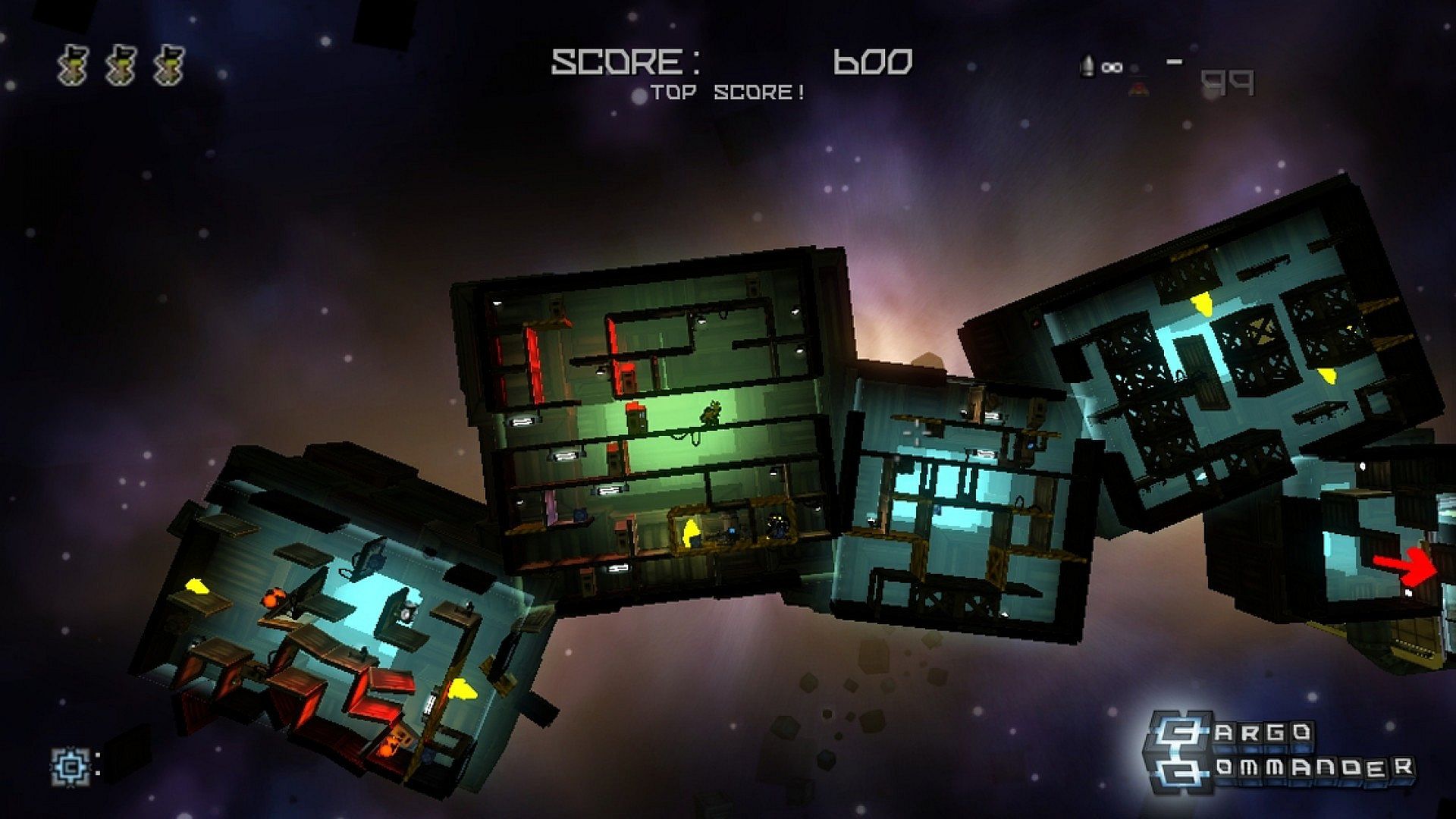
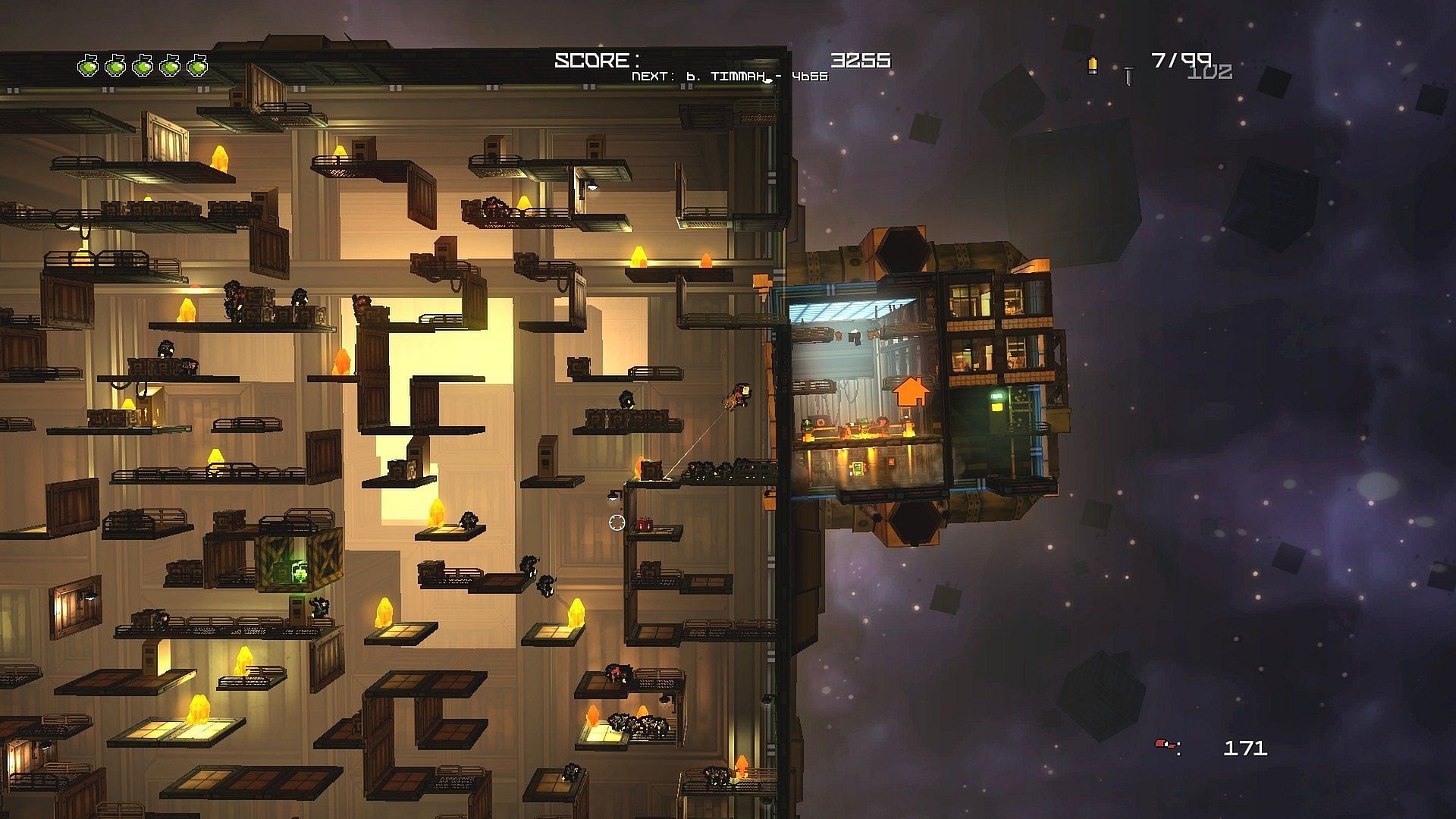
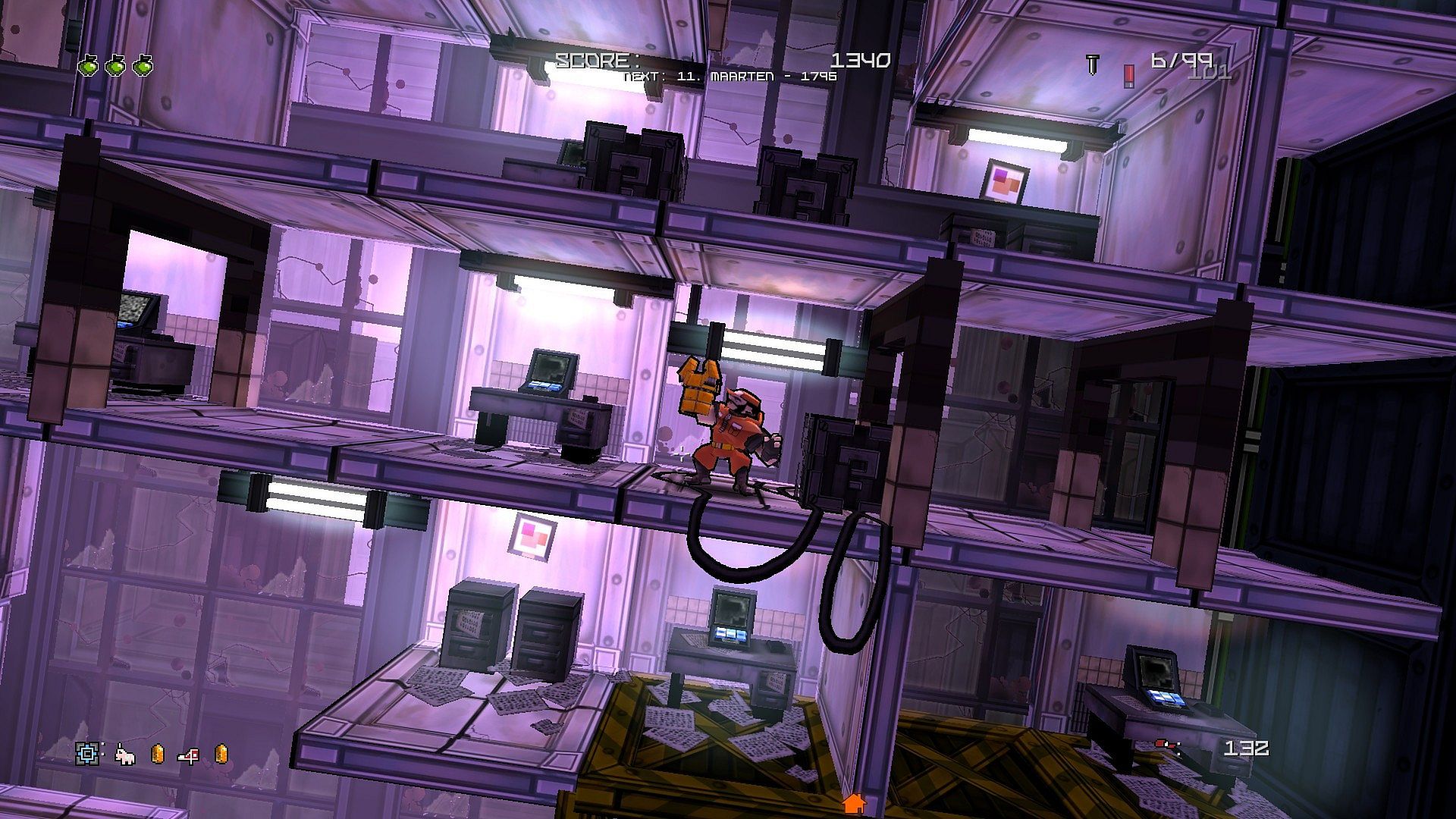
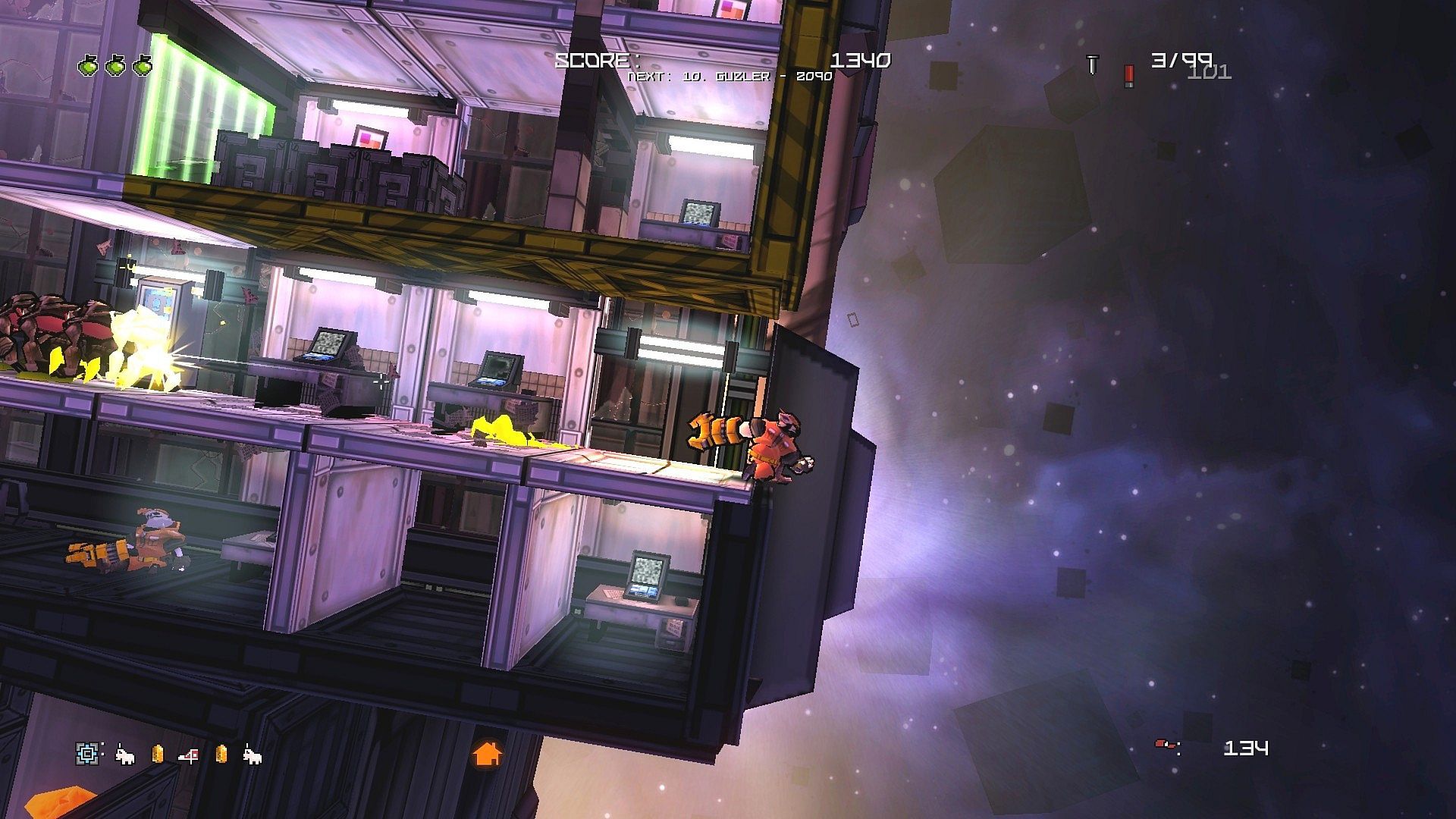
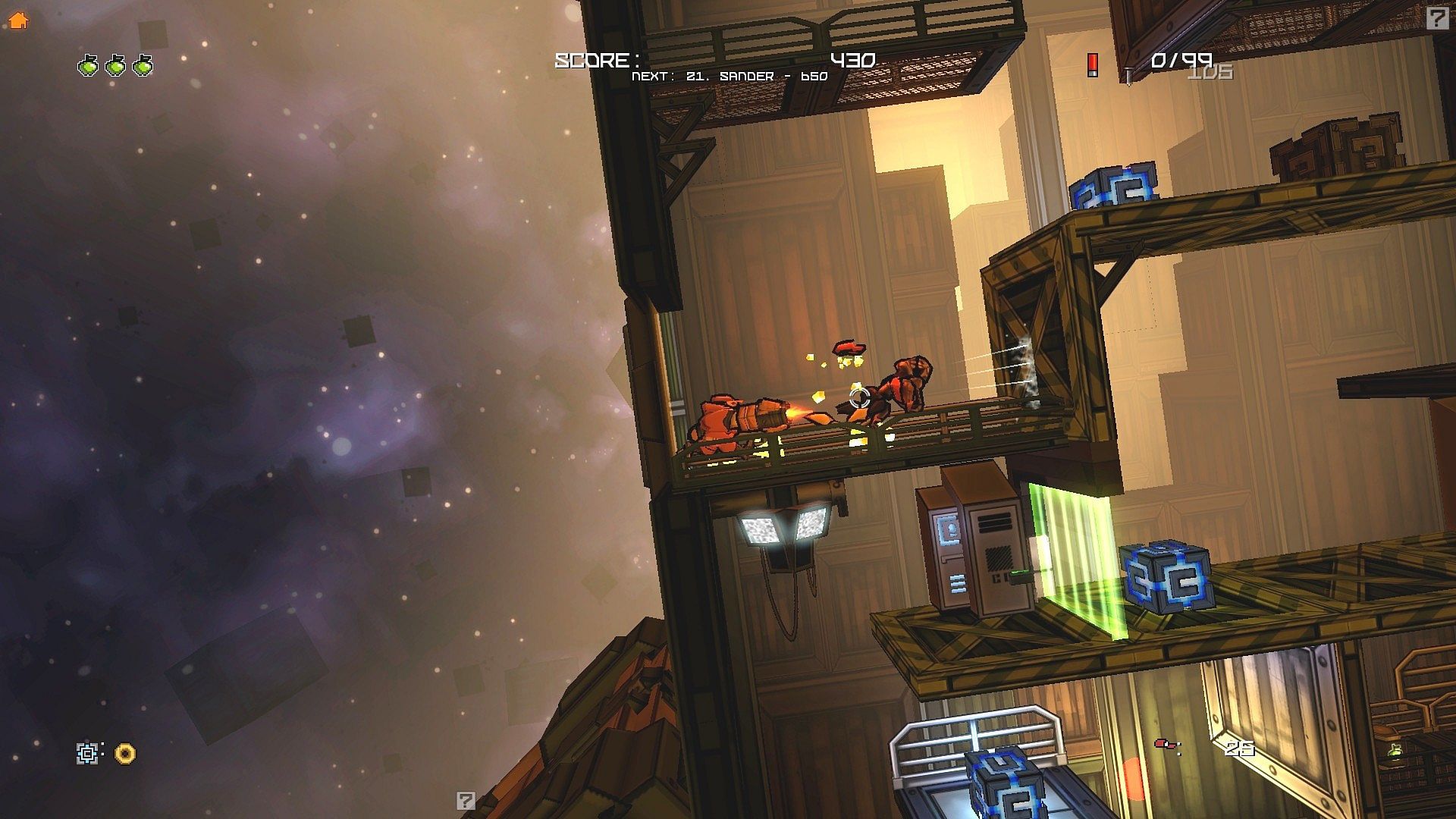
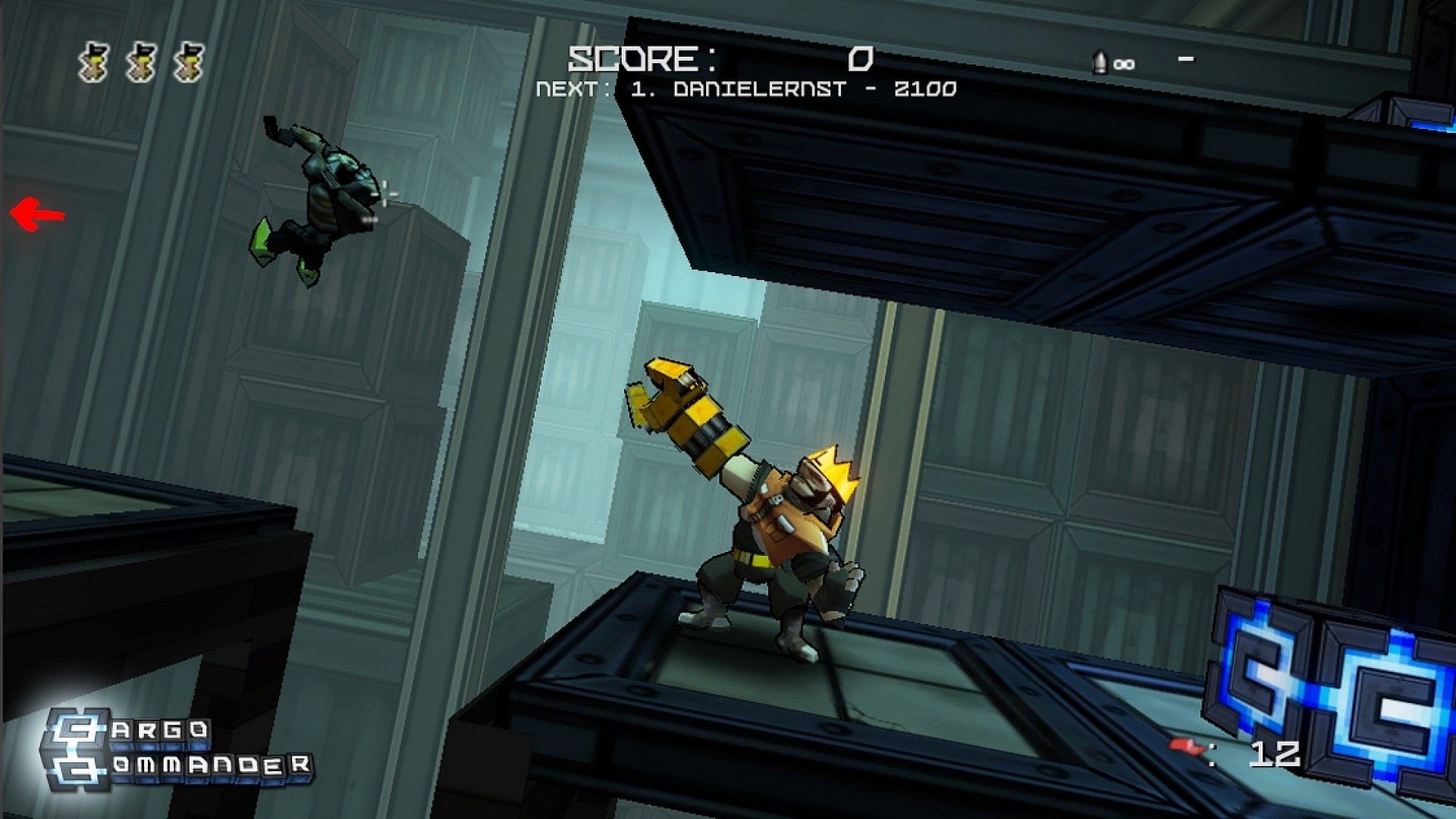
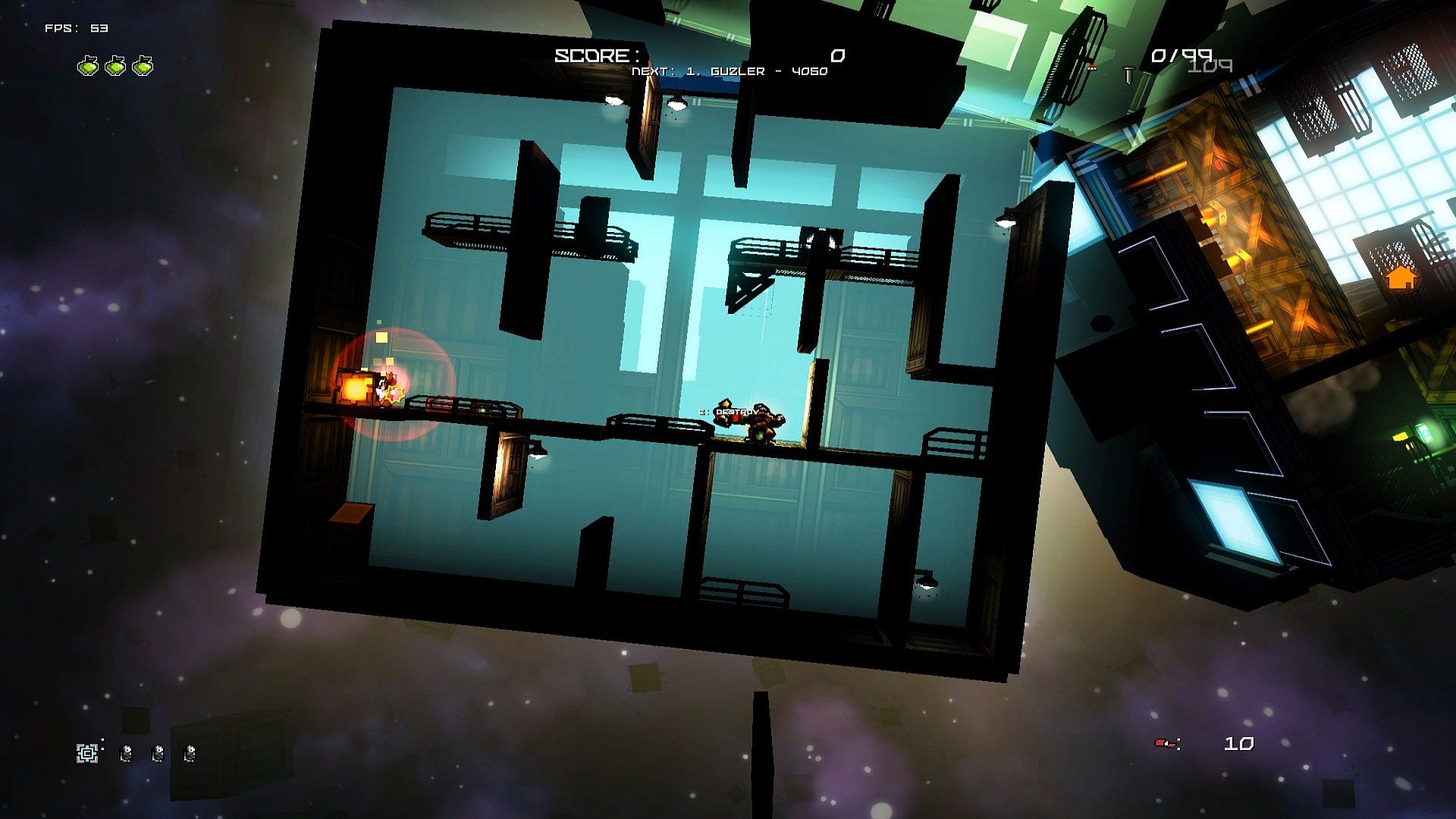
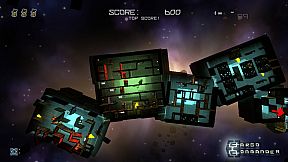
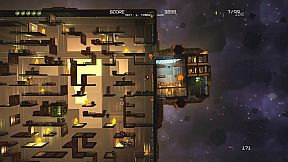
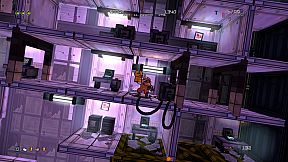
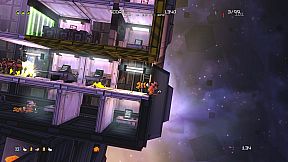
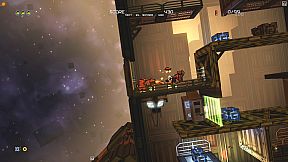
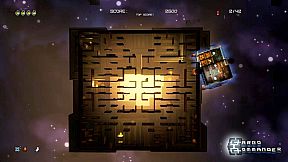
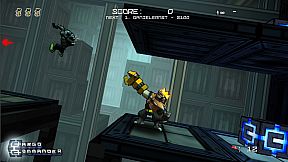
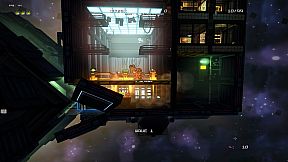
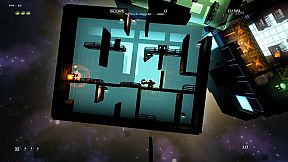
Cargo Commander puts players in the role of a lone salvage operator in a 2D action platformer set across procedurally generated space sectors. The core loop revolves around entering alien-infested cargo containers, clearing out mutants with punches and shots from the Fistcannon, and extracting valuable items while managing limited resources like oxygen and health. Movement relies on precise platforming combined with the Platform Drill tool to carve new paths through solid walls and floors, turning each container into a customizable arena. Destructible environments allow creative routing around hazards or to reach hidden loot, and the action stays grounded in direct confrontations rather than complex menus or menus.
Gameplay
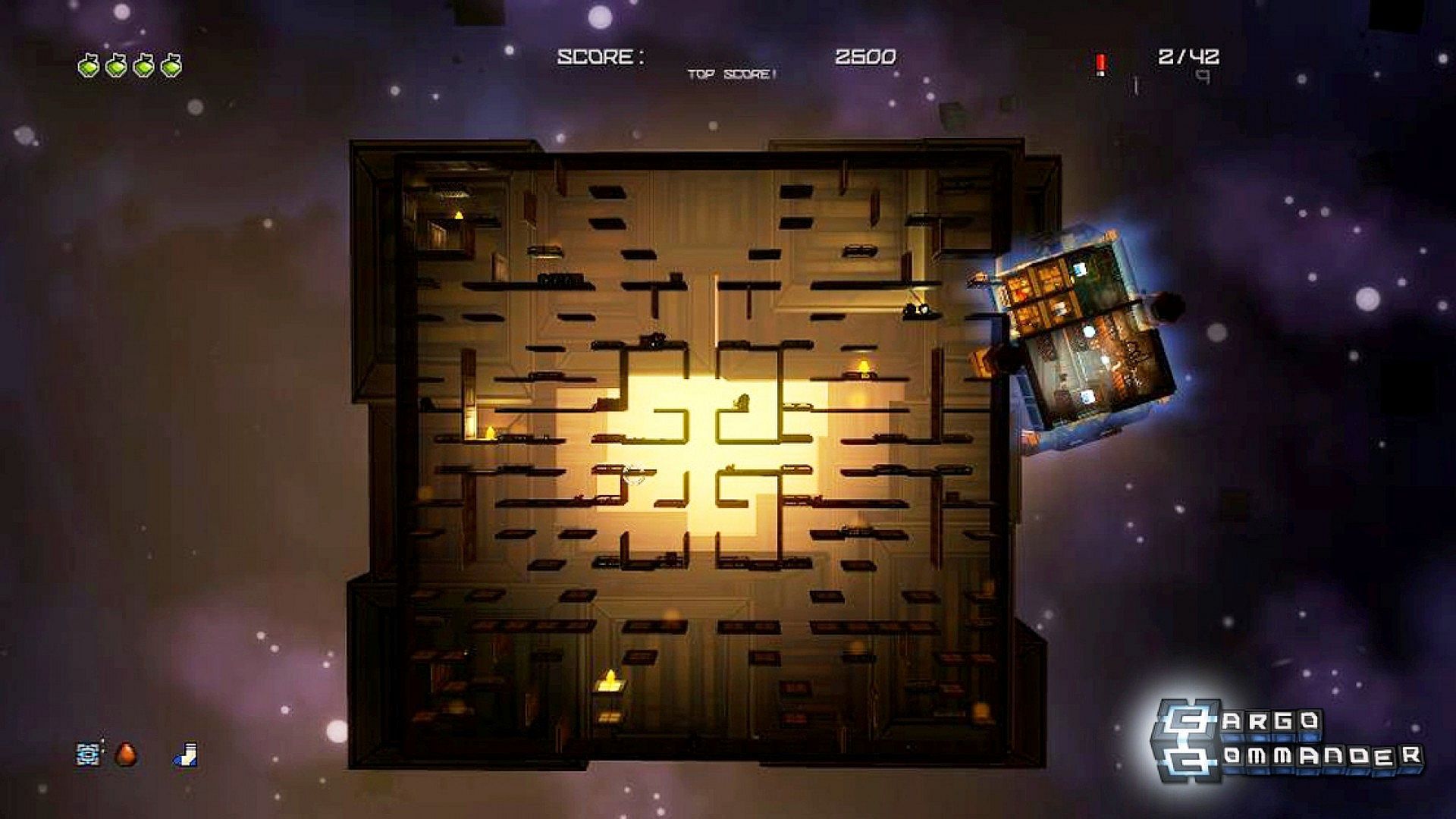
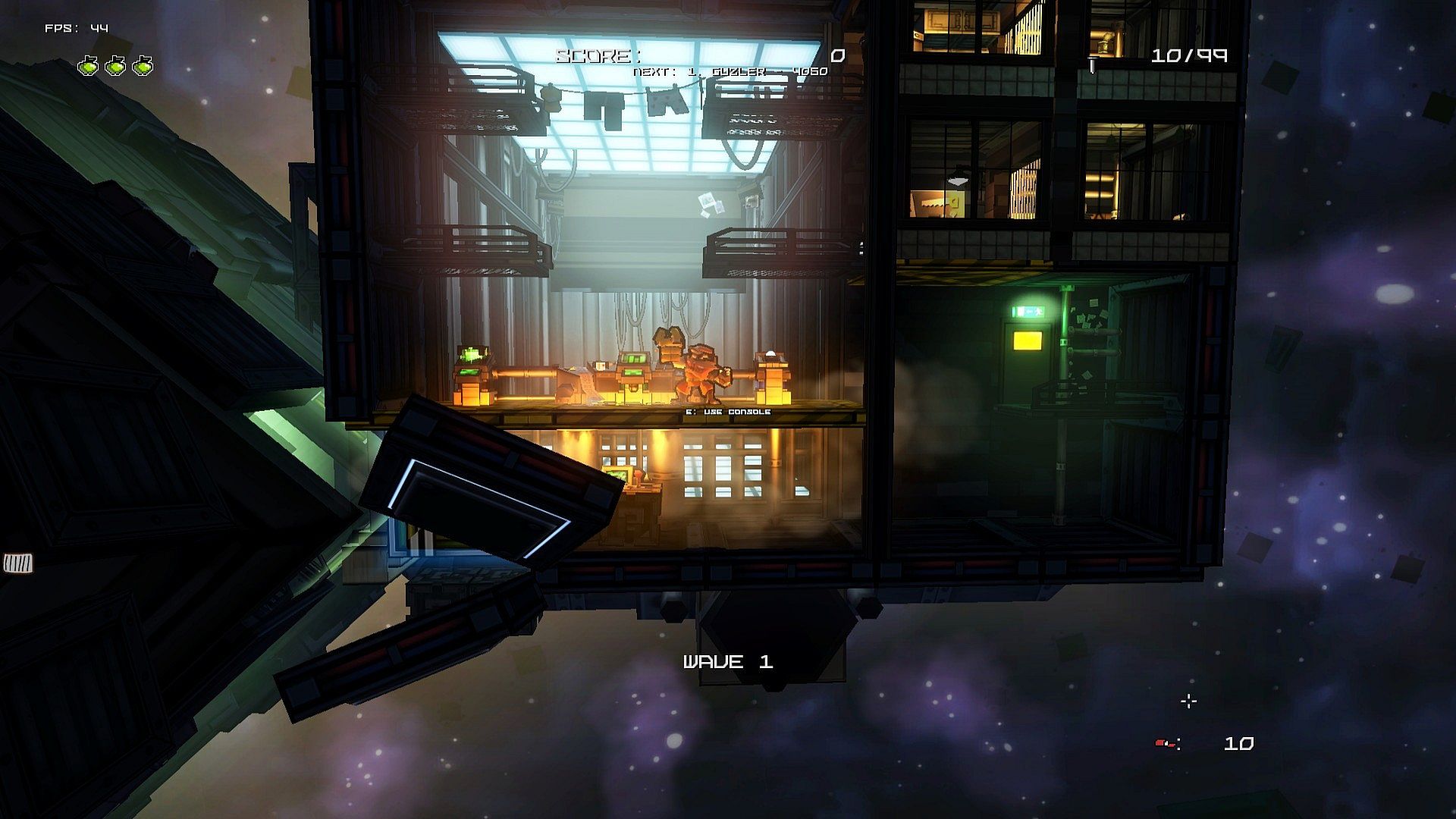
Levels form when containers collide with the player's ship in wormhole-filled space, creating interconnected spaces filled with enemies and cargo. Players switch between their ship for safety and the containers for scavenging, using the drill to break through barriers and explosives to clear larger sections. Combat emphasizes close-range attacks with the fist alongside ranged fire, while mutants pose immediate threats that require quick reactions. Over eighty distinct cargo types appear across runs, each contributing to permanent unlocks that improve weapons, tools, or personal stats. Random generation ties directly to player-chosen names, so entering a specific name produces a consistent sector that can be shared for direct competition on online leaderboards.
Progression centers on collecting loot and surviving longer to earn promotions in a global ranking system. Upgrades to the Fistcannon, drill, and other equipment come from gathered resources, encouraging repeated attempts at the same named sectors to refine strategies. The pixel-art style and sound design support the tense, isolated atmosphere without relying on cutscenes or heavy narrative delivery.
Game Modes
Career mode serves as the primary structured experience, where players tackle named sectors with time pressure and compete against others for higher rankings and promotions. Each sector maintains its own online leaderboard, allowing direct comparison of scores and survival times across the player base. Journey mode removes time limits entirely, focusing instead on open-ended exploration of generated containers for thorough looting and experimentation with the drill and weapons.
Both modes share the same core systems of destructible terrain and mutant encounters, but Career emphasizes competitive pacing while Journey rewards patient collection and route optimization. No additional modes beyond these two appear in the game's design.
Progression and Competition
Collecting cargo not only funds upgrades but also unlocks new abilities that alter how players approach containers. Leaderboards reset or update per sector, creating ongoing incentives to return and improve personal bests or surpass others. The system supports sharing custom sectors by name, turning single-player runs into indirect multiplayer challenges without requiring simultaneous sessions. Permanent unlocks carry across attempts, reducing frustration from repeated failures while keeping each named sector fresh through procedural layout variations.
Is It Worth Playing?
Cargo Commander suits players who enjoy challenging 2D platformers with roguelike elements, procedural generation, and light competitive features. The combination of drill-based exploration, mutant combat, and named-sector leaderboards provides a focused loop that rewards skill and experimentation. Reviews from hundreds of players rate the experience positively overall, with strong approval for its unique mechanics and replayability through custom sectors. The game remains available on PC with no active seasonal content or major updates in recent years, so expectations should center on its original 2012 design rather than ongoing support. Those seeking precise platforming, destructive freedom, and score-based competition will find it delivers consistently, while players preferring modern graphics or extensive story elements may want to try a demo first if available.















