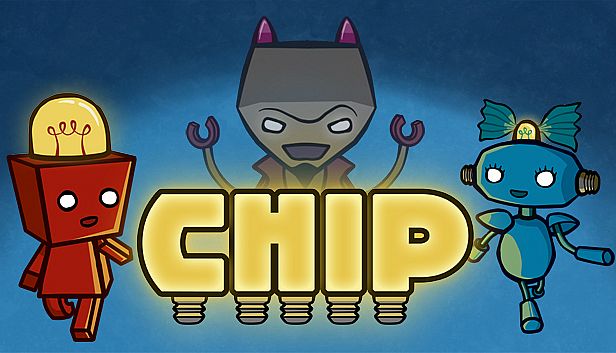














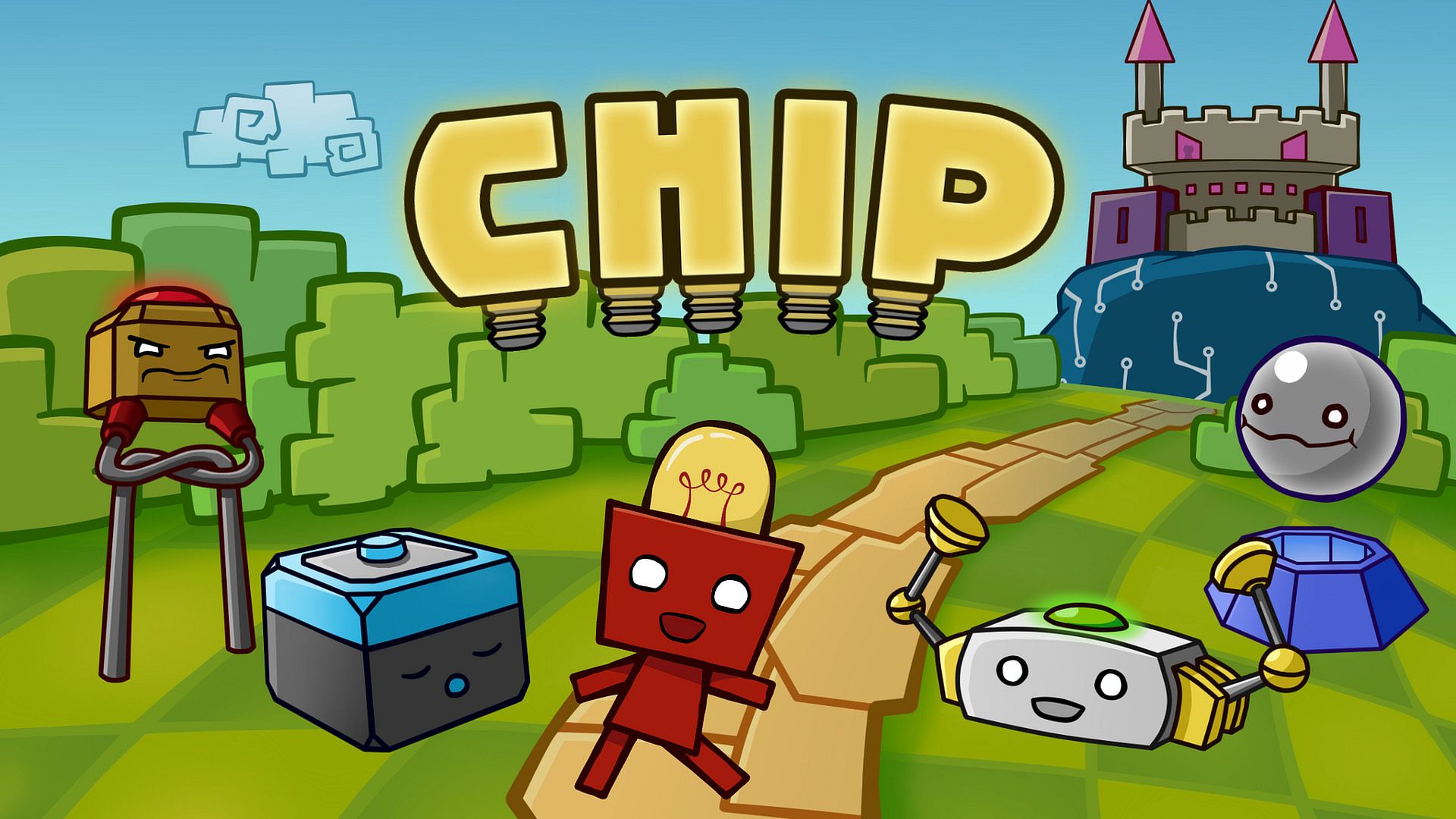
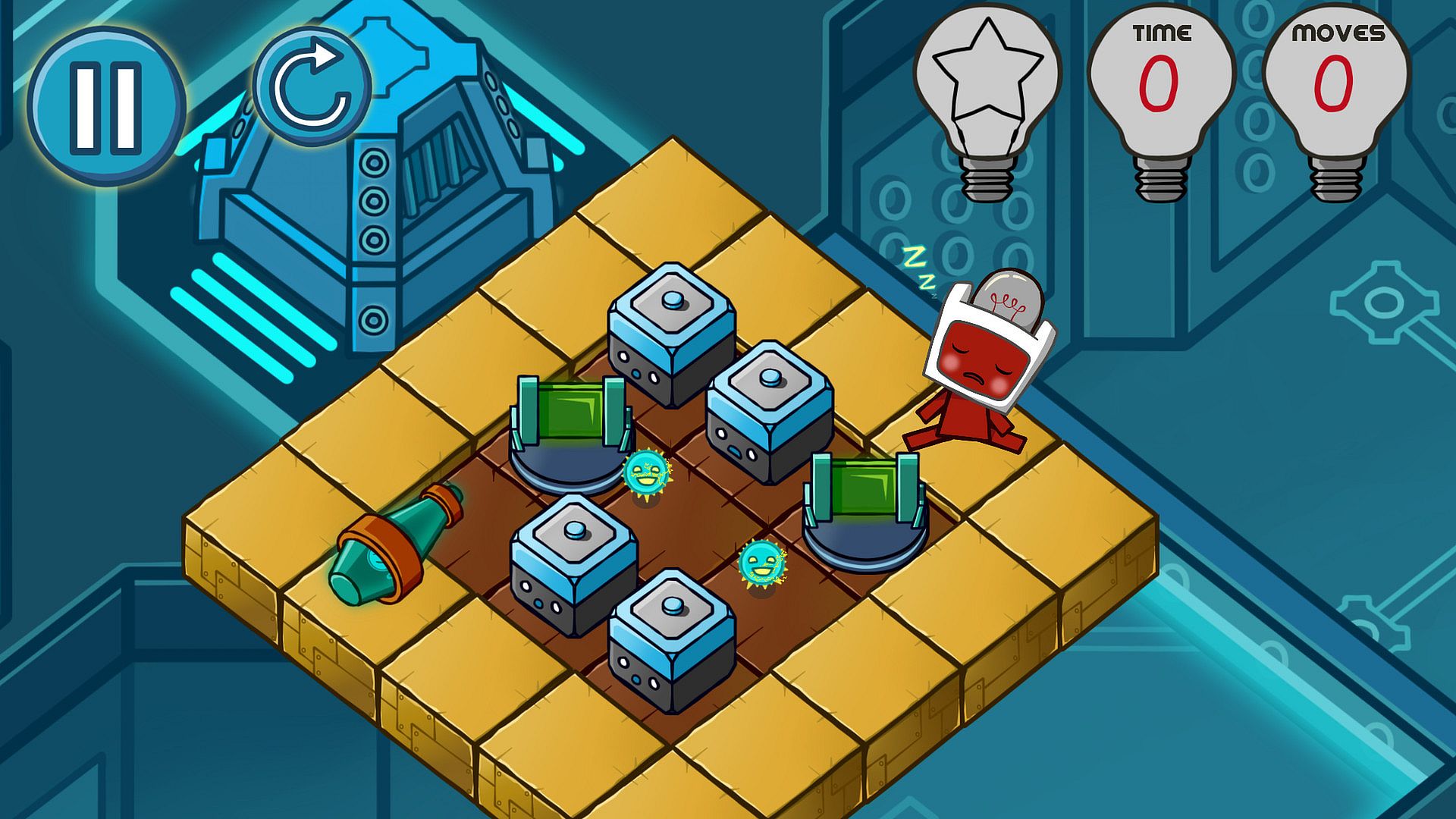
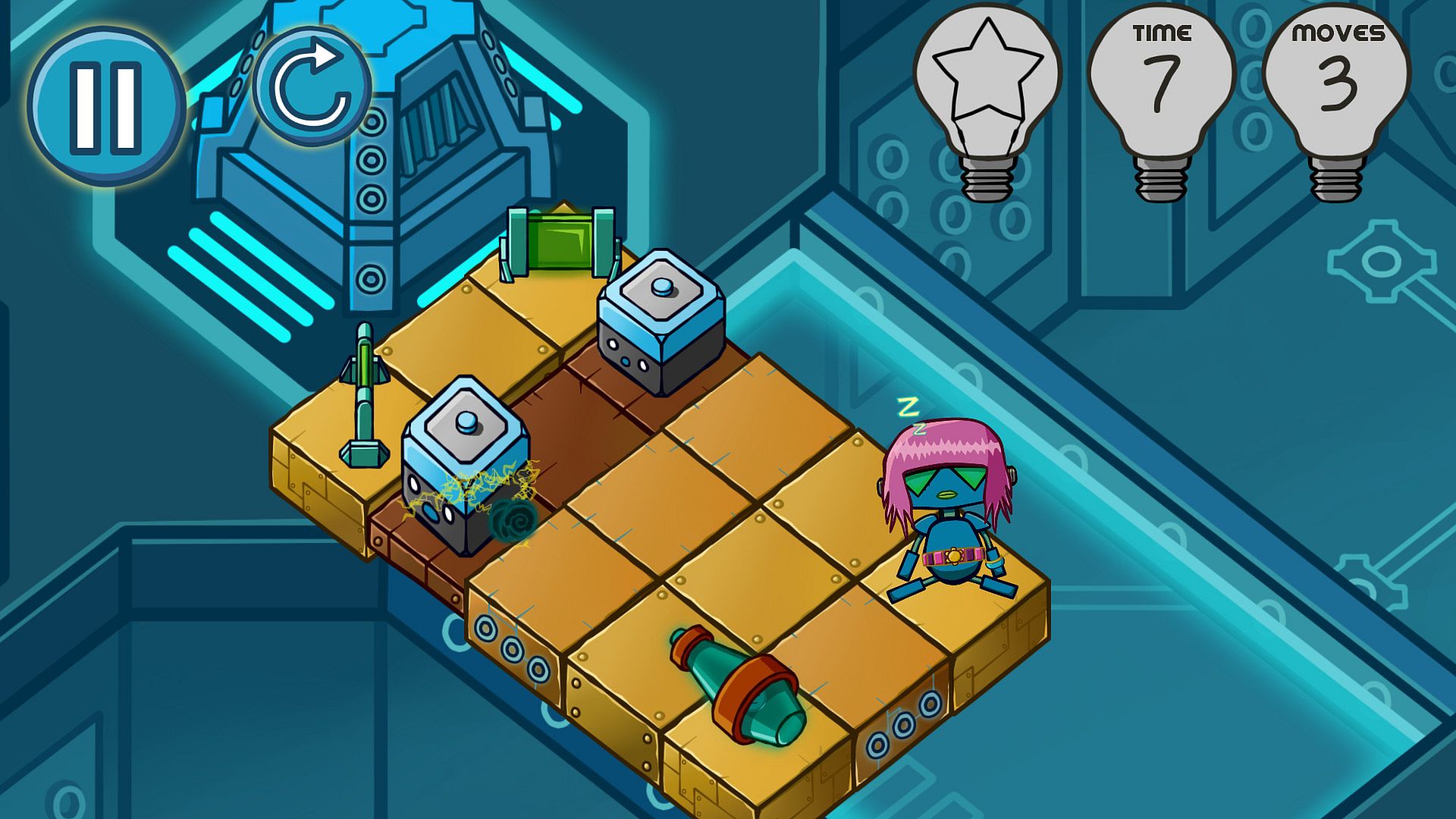
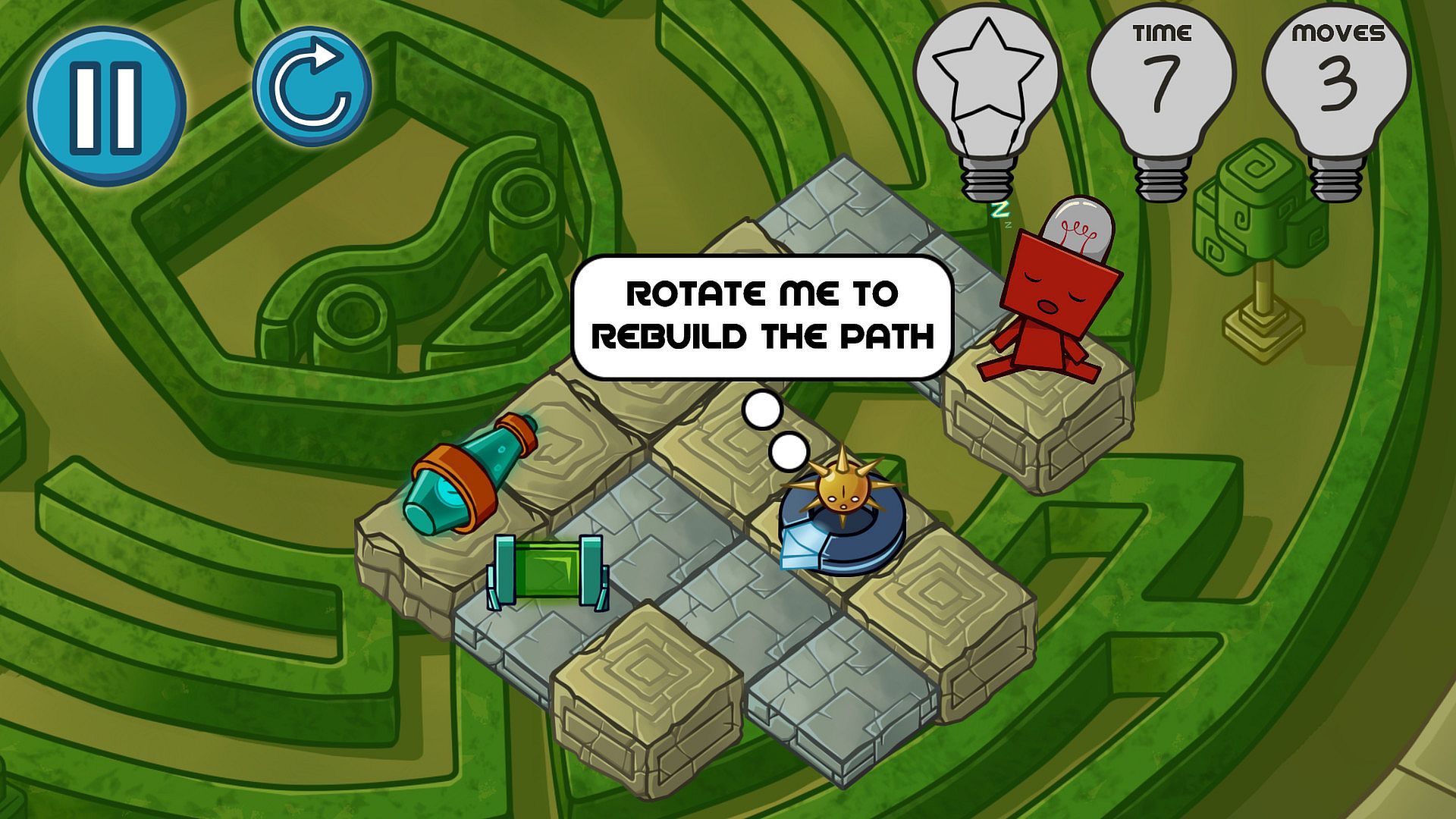
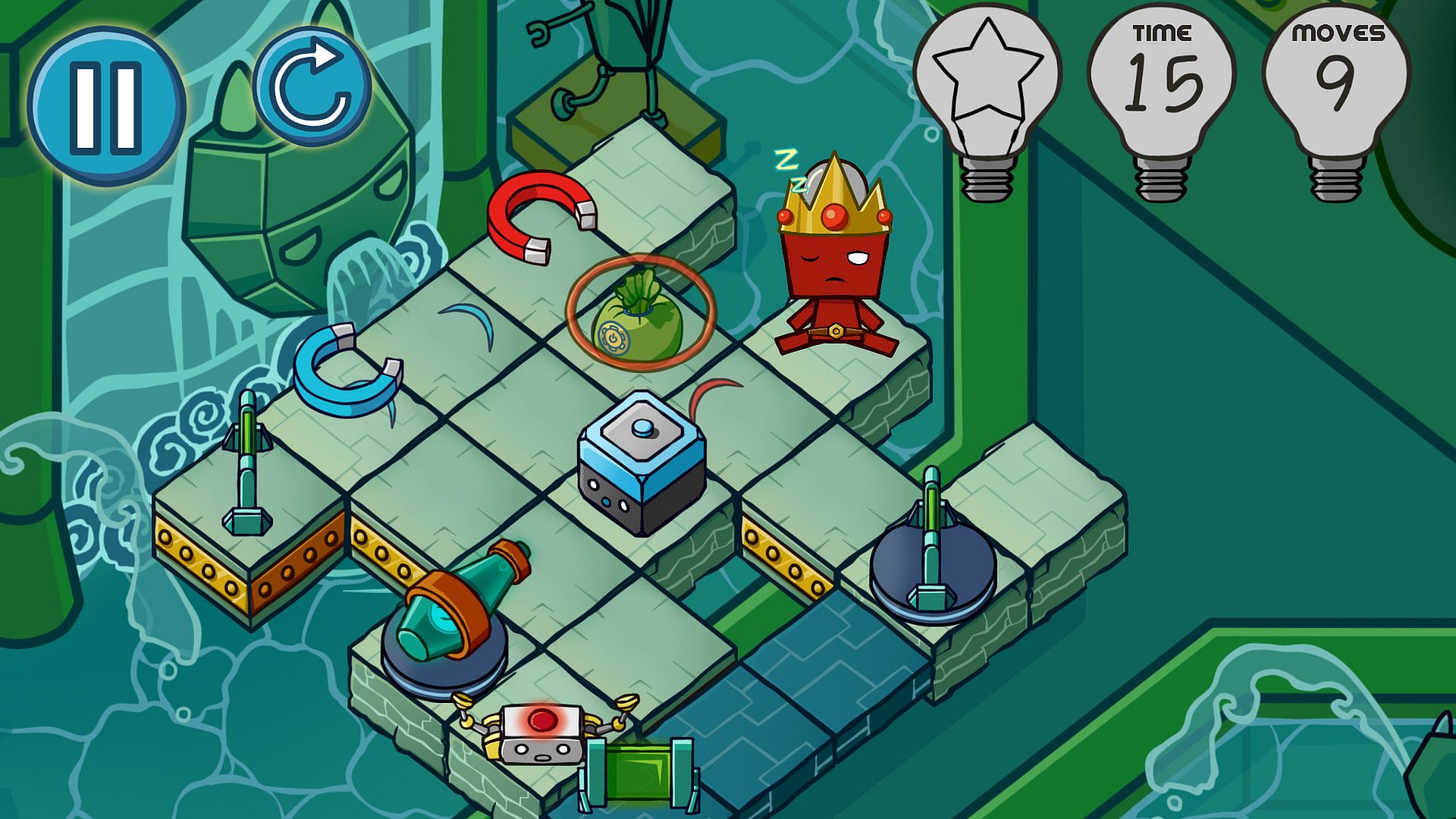
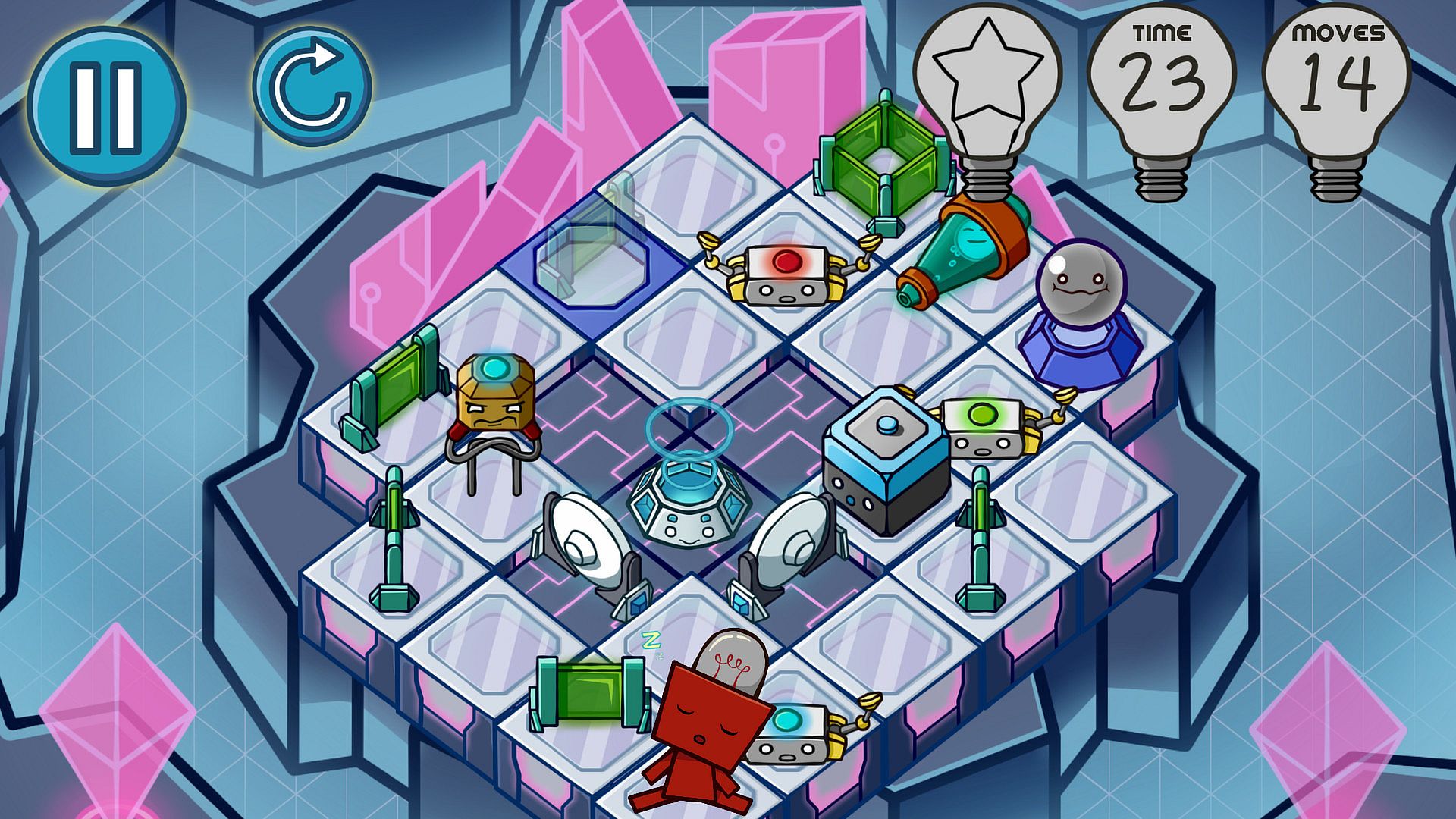
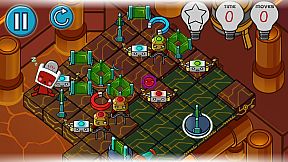
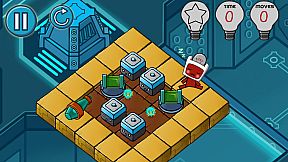
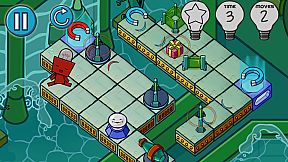
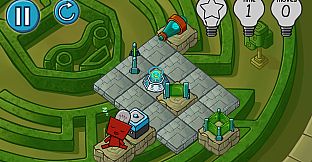
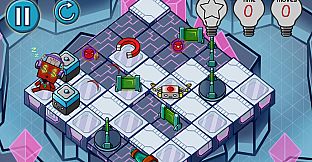
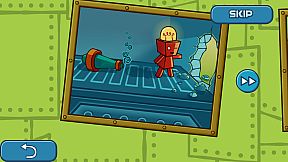
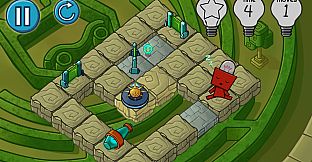
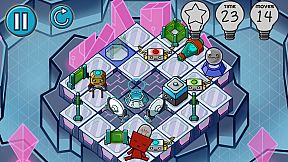
Chip stands out as an isometric puzzle game that merges action and strategy in an indie title designed for PC. Players take on the role of guiding energy through intricate setups to rescue a small red robot named Chip from captivity in a villain's domain. The experience centers on thoughtful manipulation of environmental elements to solve increasingly complex challenges while uncovering optional rewards along the way.
Gameplay
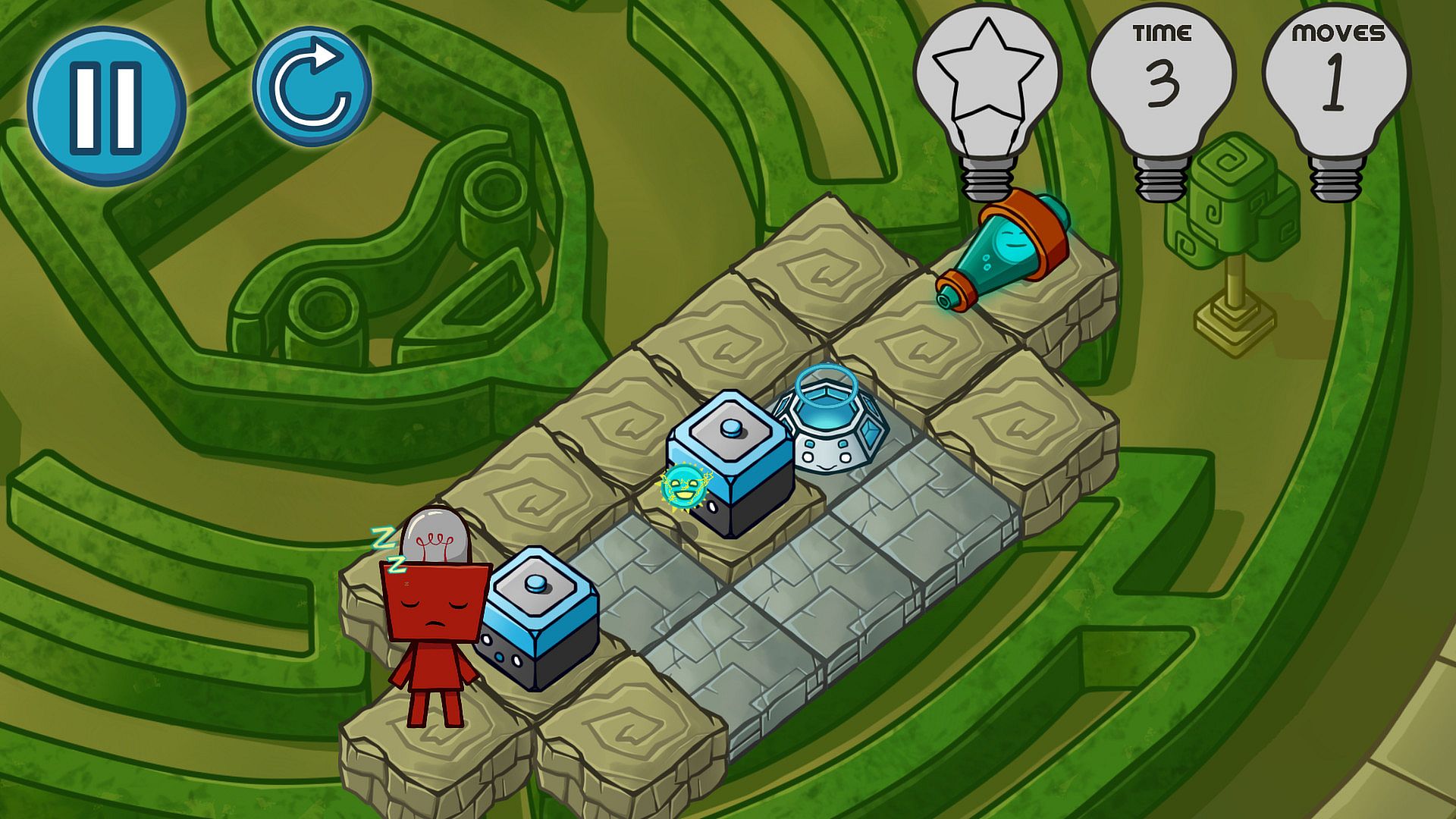
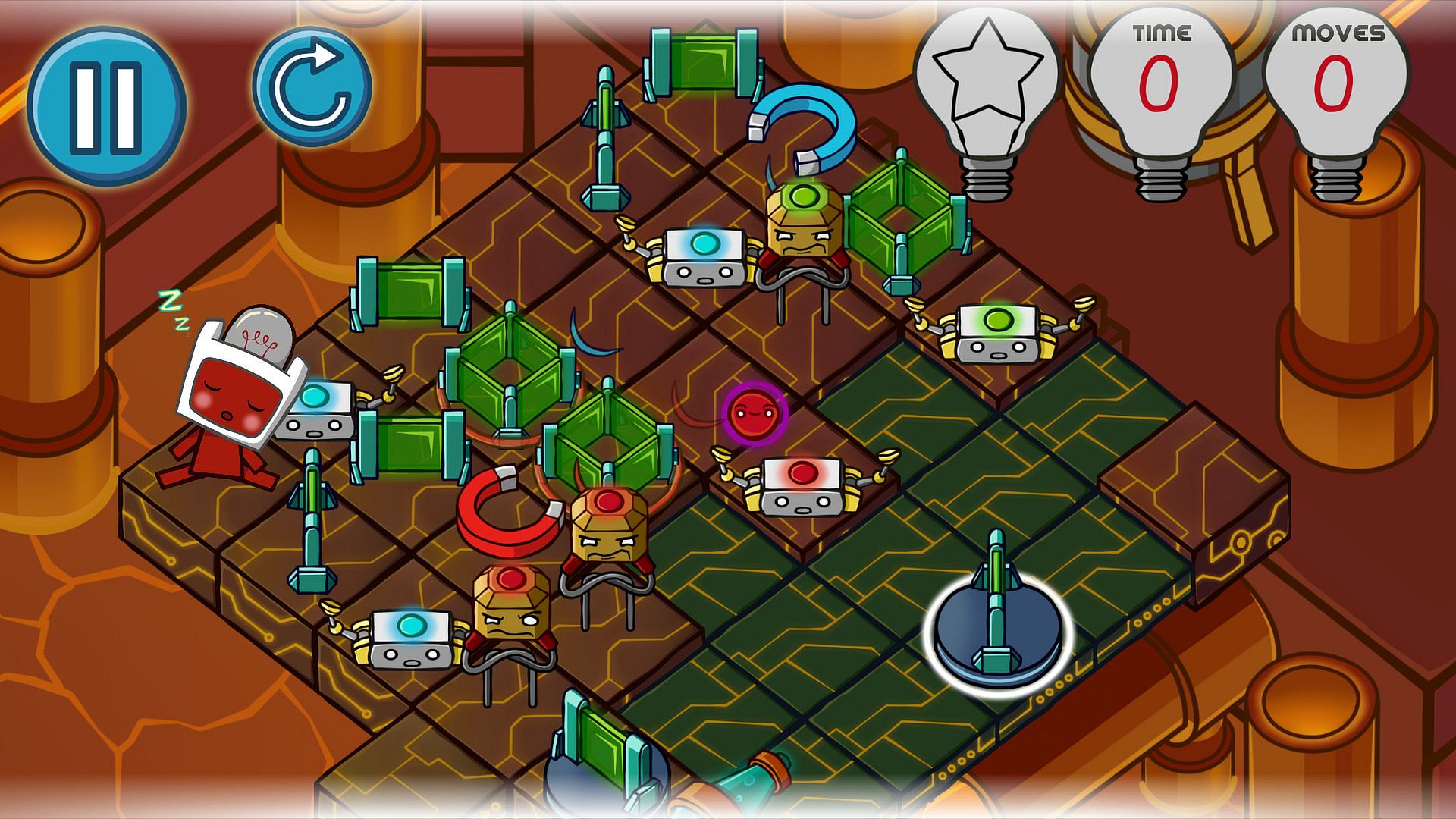
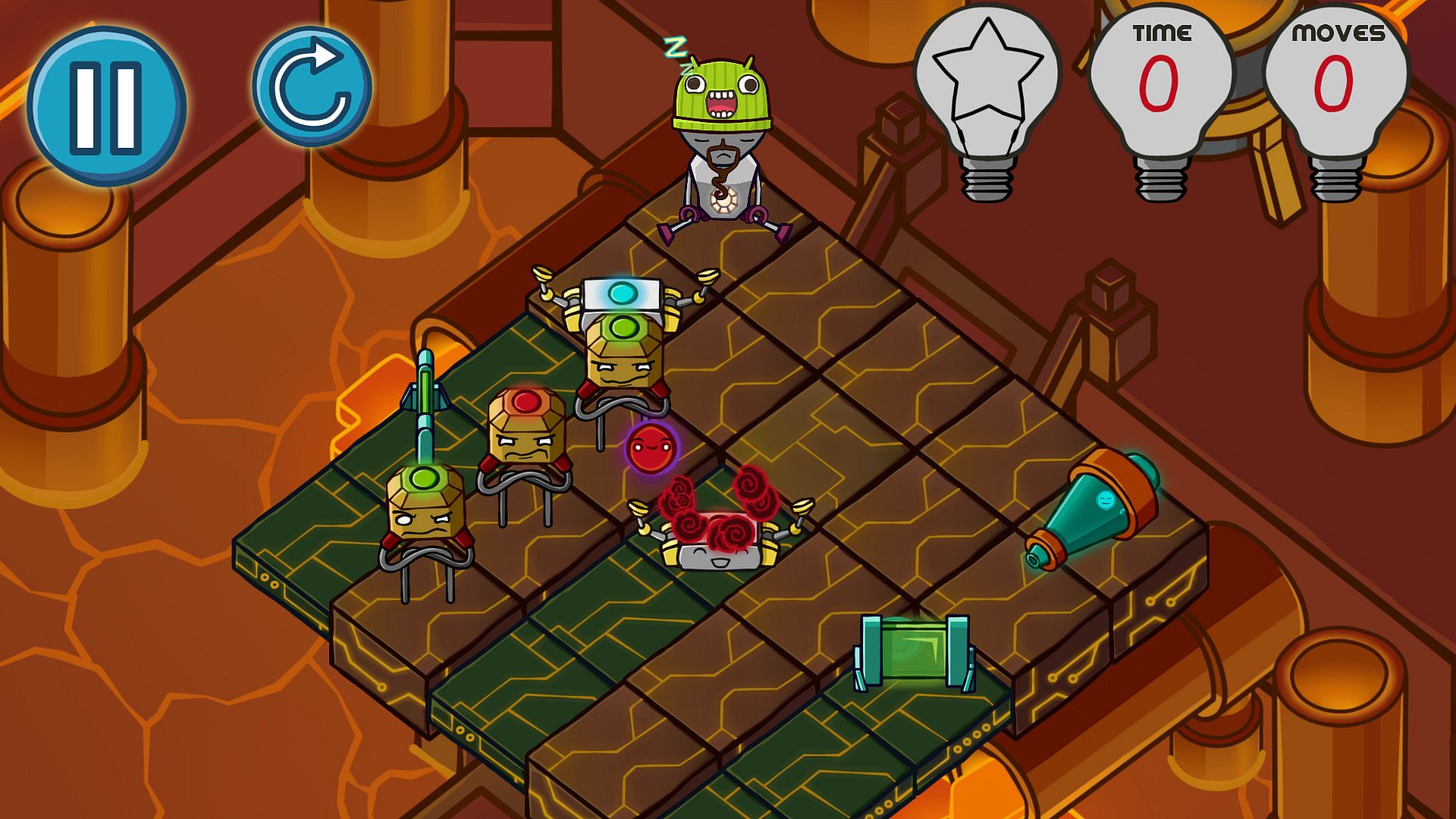
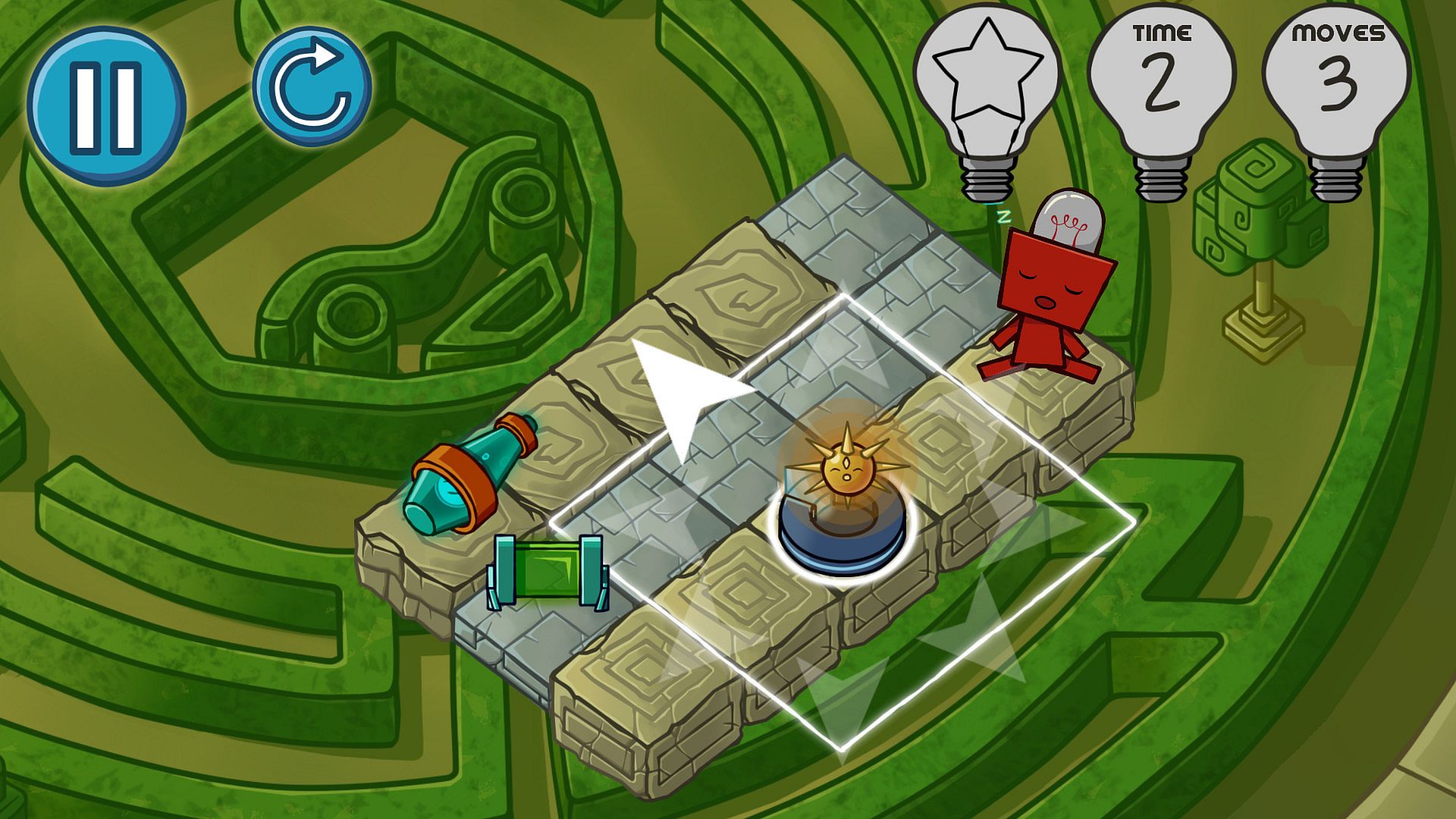
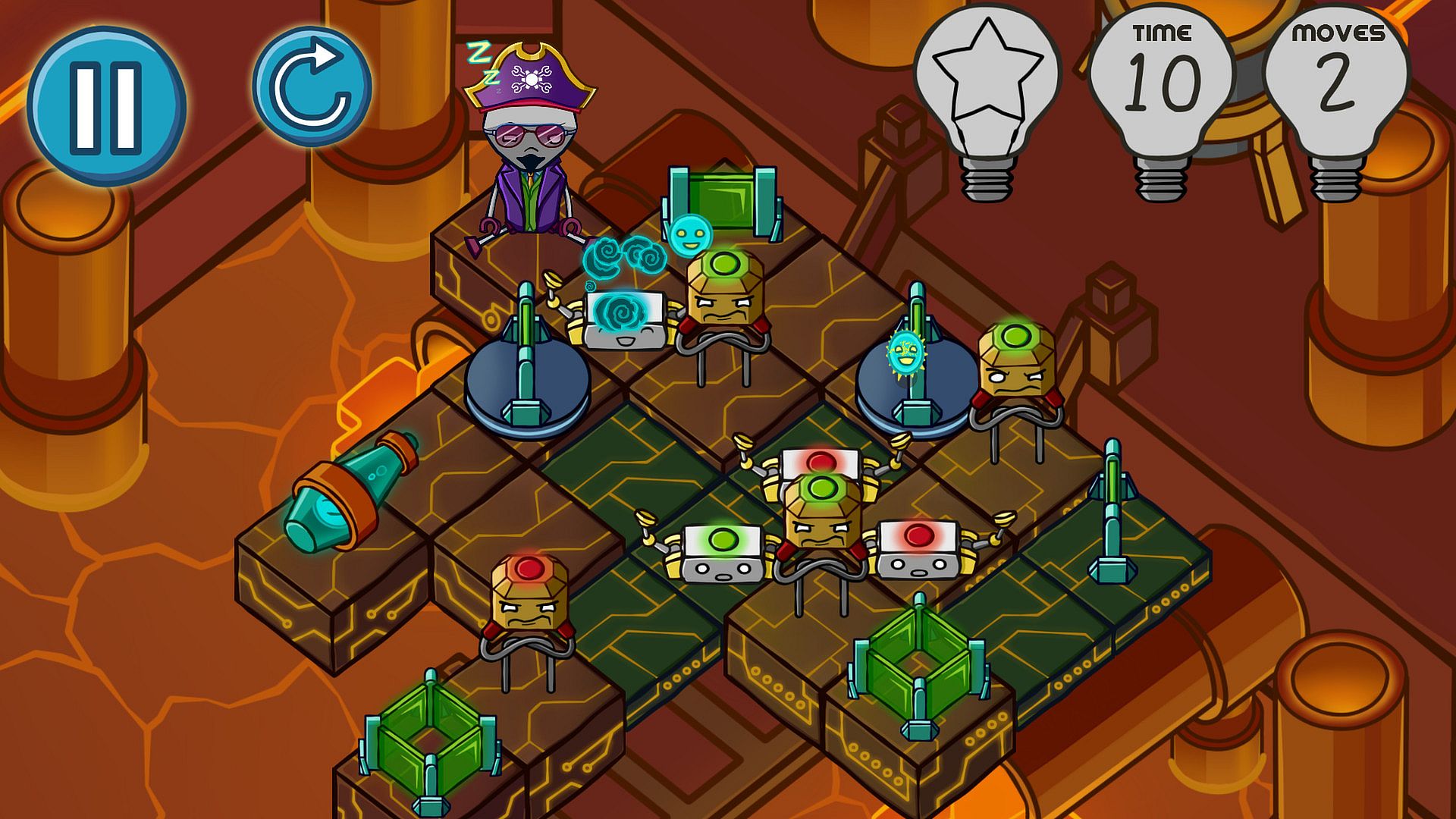
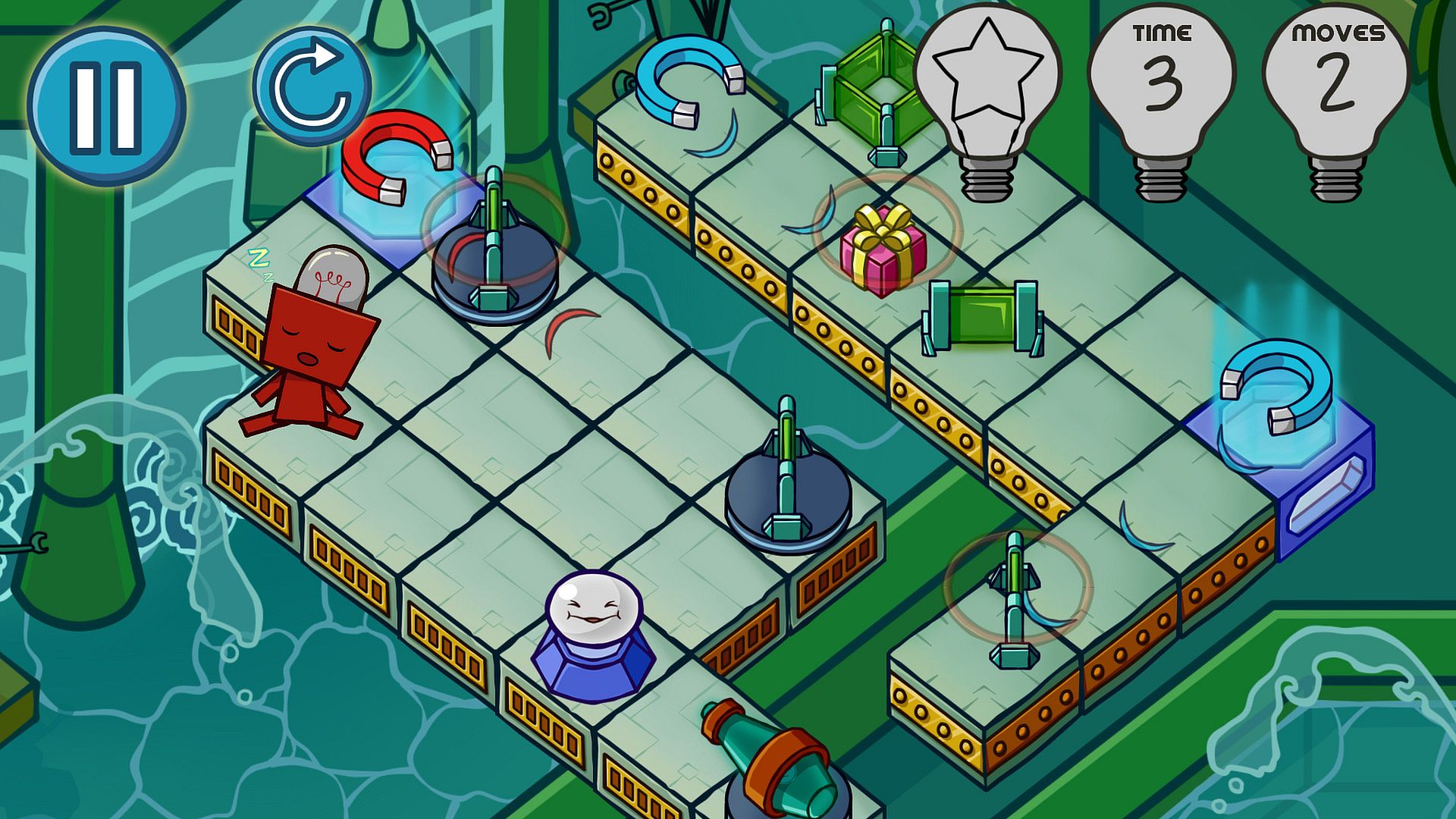
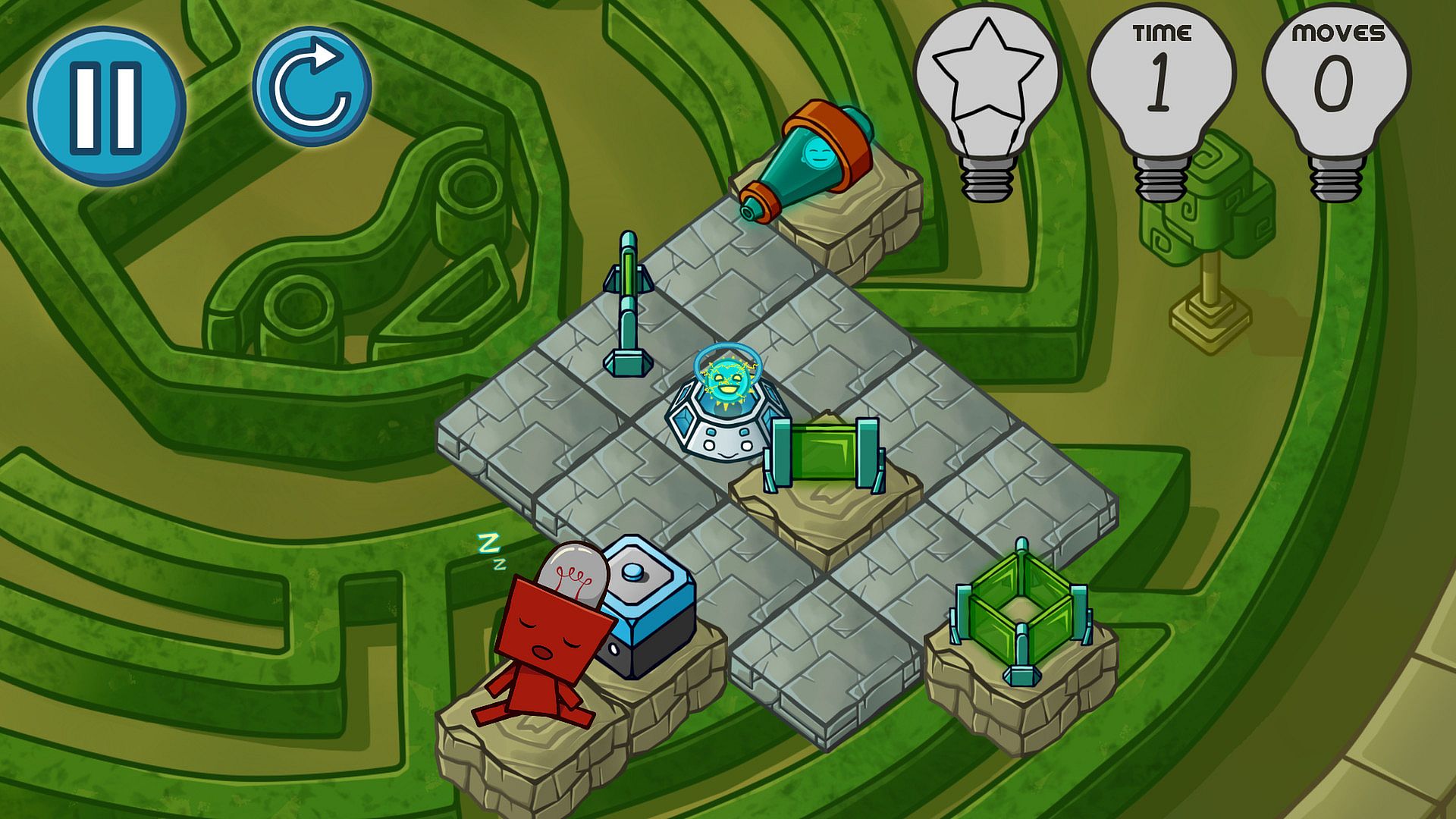
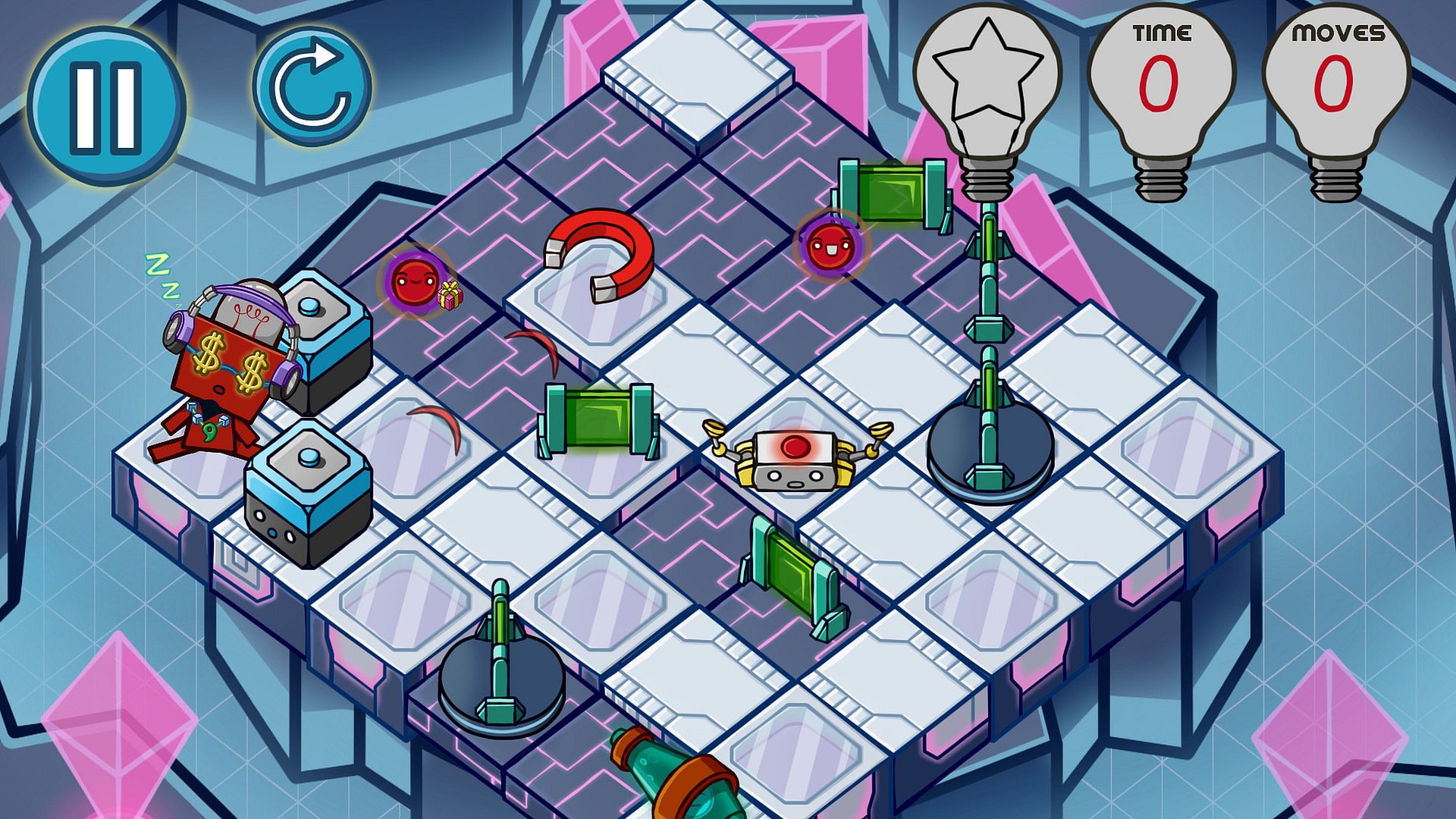
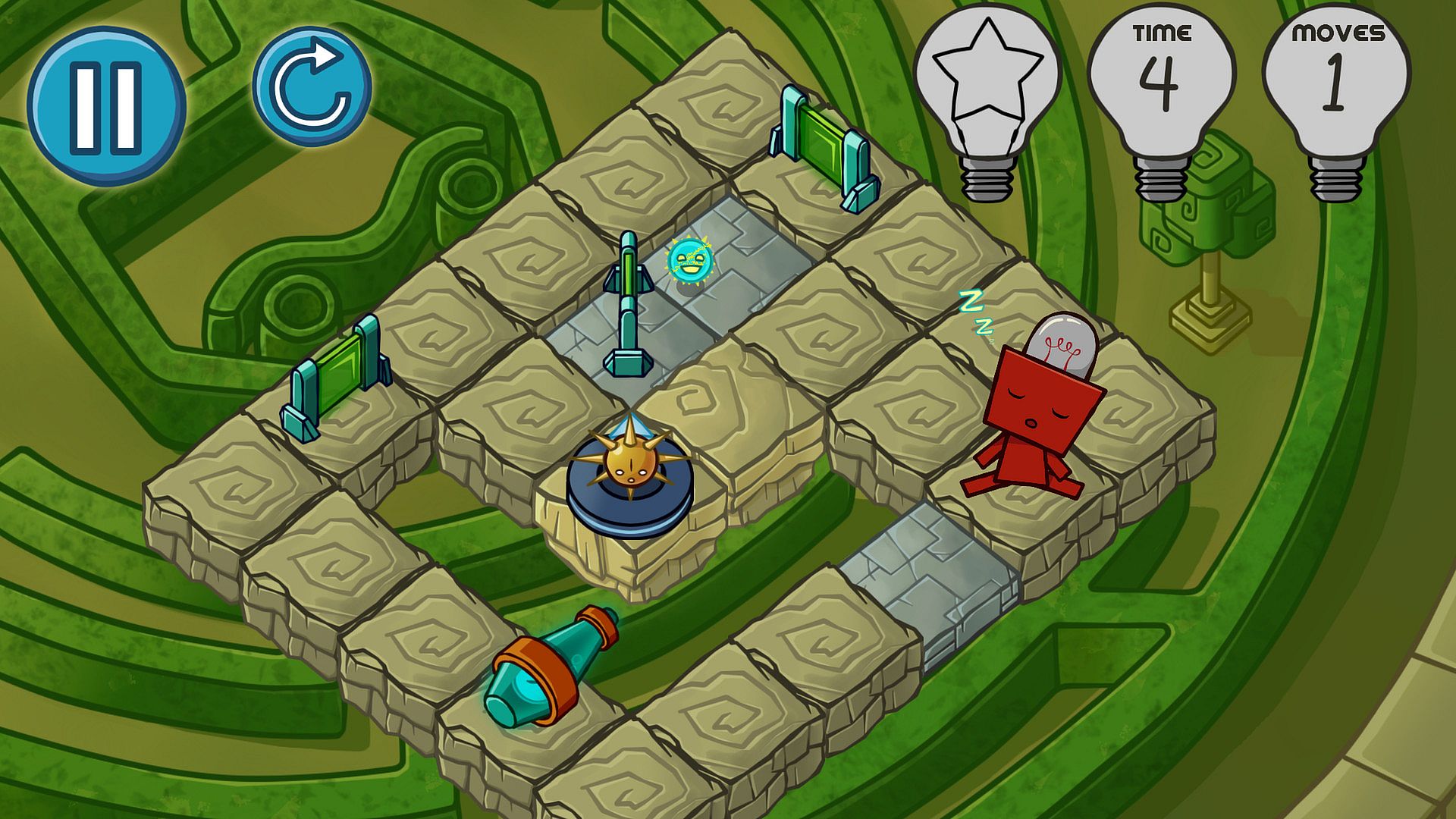
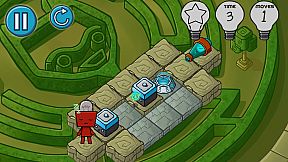
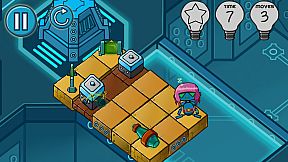
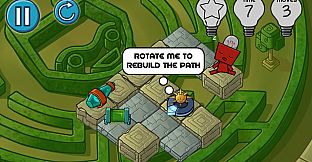
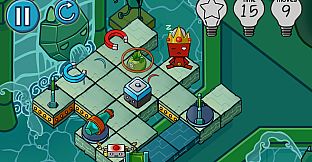
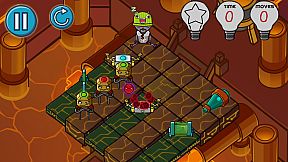
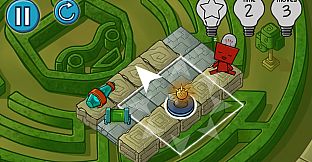
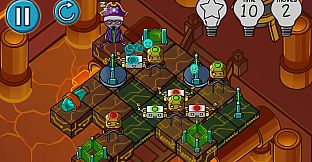
The core loop involves directing a blob of energy across each stage by interacting with objects positioned in an isometric view. Cannons launch the energy forward, mirrors reflect it along new paths, and magnets pull or push it toward specific targets. Success requires precise timing and positioning as the player taps to select items, moves them into place, and rotates their orientation to create a viable route that reaches the imprisoned robot. Progress builds through trial and error, with each solution demanding observation of how electricity behaves under different conditions. Hidden items scattered throughout the stages provide extra motivation beyond the main objective, encouraging thorough exploration of every layout.
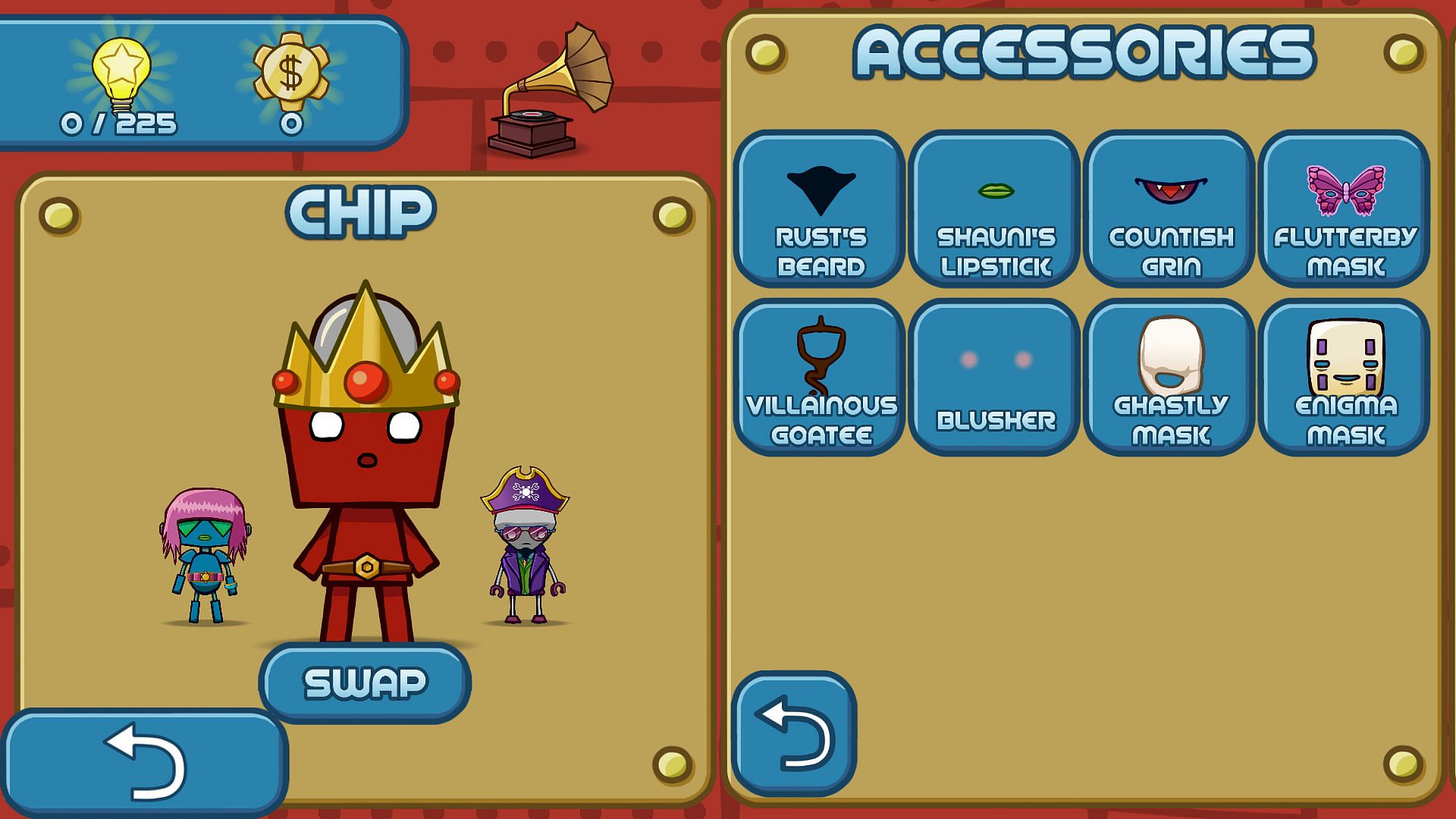
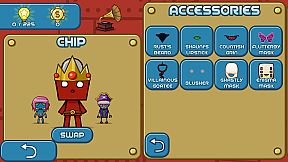
Three distinct characters serve as the central figures, each offering a base appearance that players can alter through collected accessories. These customizations range from simple additions like footwear to more elaborate outfits, adding a layer of personal expression without altering the mechanical challenge. The visual presentation emphasizes clean lines and clear animations that highlight object interactions and energy movement, supported by original sound design that underscores the mechanical theme.
Game Modes
The game operates entirely in a single-player format with no competitive or cooperative options. All content unfolds through a sequence of puzzle stages divided into three separate level packs that together total seventy-five distinct challenges. Each pack introduces new object combinations and layout variations that build on prior mechanics, maintaining a steady increase in complexity. Leaderboards track completion metrics across these stages, allowing comparison of solution efficiency with other players. Achievements provide additional goals beyond basic stage clearance, with over twenty tasks tied to specific performance criteria or collection milestones.
Progression and Customization
Advancement occurs linearly through the level packs, where completing stages unlocks access to subsequent ones while also revealing collectible presents. These items contain costume pieces that expand the customization options for the three available characters. The system rewards careful searching within each puzzle environment, turning routine solves into opportunities for additional discovery. Trading cards integrated into the platform further extend engagement for those interested in the broader ecosystem around the title.
Is It Worth Playing?
Chip appeals directly to enthusiasts of isometric puzzle experiences who enjoy methodical problem-solving and incremental mechanical discovery. Its focused design delivers a contained campaign of seventy-five stages that emphasizes creativity with limited tools rather than expansive scope. The inclusion of leaderboards and achievements adds replay incentive for those who seek optimization or completionist challenges. Availability on PC ensures straightforward access, and the absence of ongoing seasonal content means the full experience remains unchanged since release. Players drawn to strategy-driven indie puzzles with light customization elements will find a self-contained package that prioritizes clear objectives and satisfying resolutions over broader narrative or multiplayer features.