

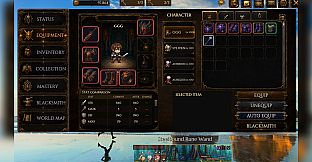
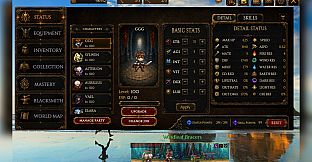
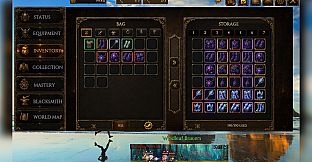
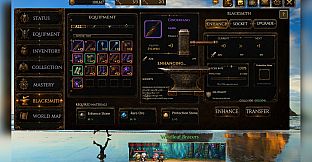
Dawnbar Fantasy is a free-to-play RPG for PC that combines character progression, party management, and real-time combat with an idle-friendly interface. Players control a customizable hero who begins as a Vanguard and advances through job branches while recruiting fixed companions to tackle stages across multiple worlds.
Gameplay
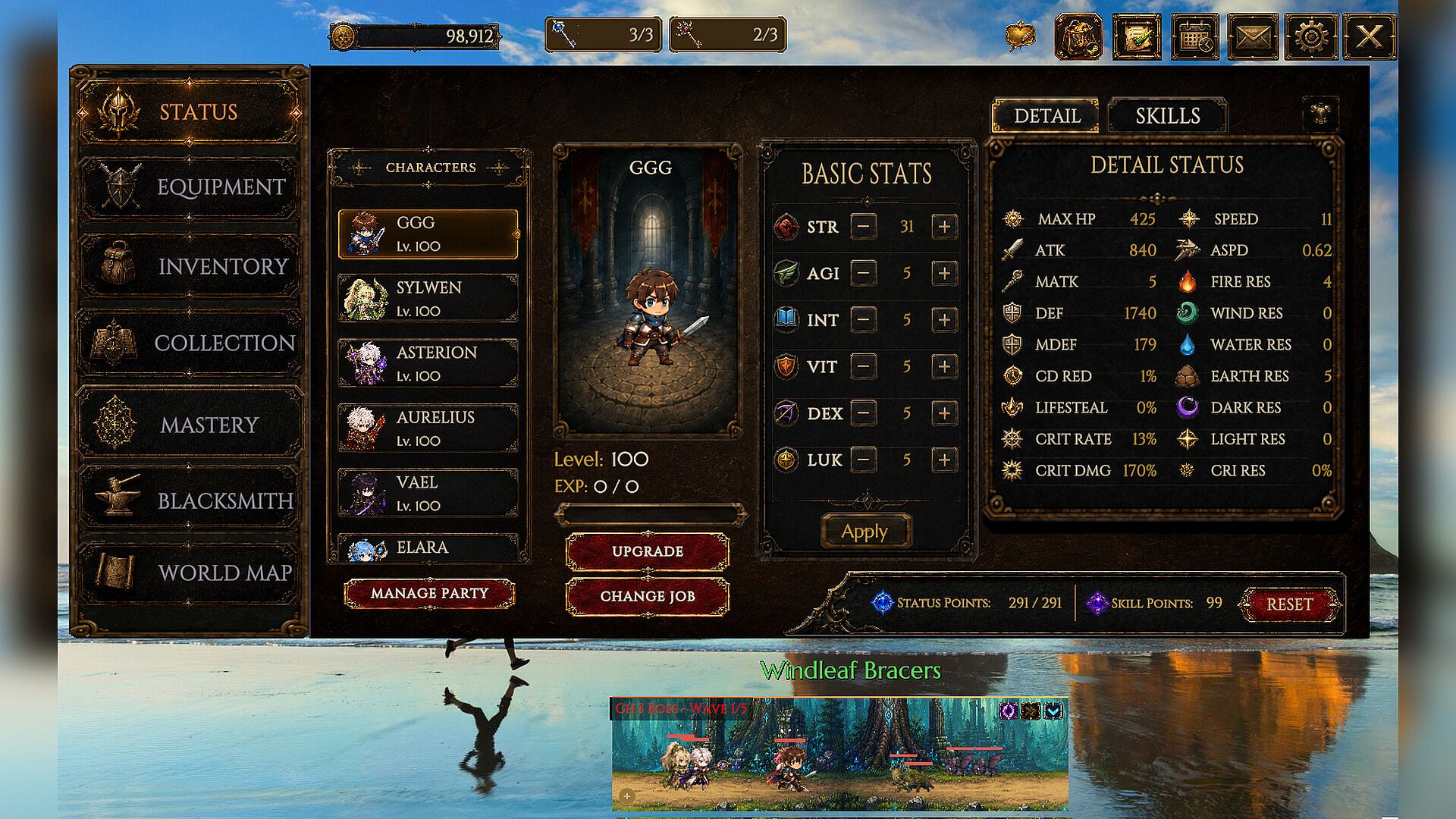
The core loop centers on building and refining a hero alongside a small party of specialists. The hero starts nameless in the Verdant Ruins and receives a player-chosen name before advancing from the initial Vanguard class through branching job advancements. Each class features distinct skills, animations, and playstyles that alter how combat unfolds.
Companions join over time and bring pre-designed kits that influence team performance. Elara provides shielding support tied to the Starborn Sanctuary, Asterion channels arcane power, and Liana draws on draconic heritage. These fixed abilities encourage players to experiment with party composition rather than freely customizing every member.
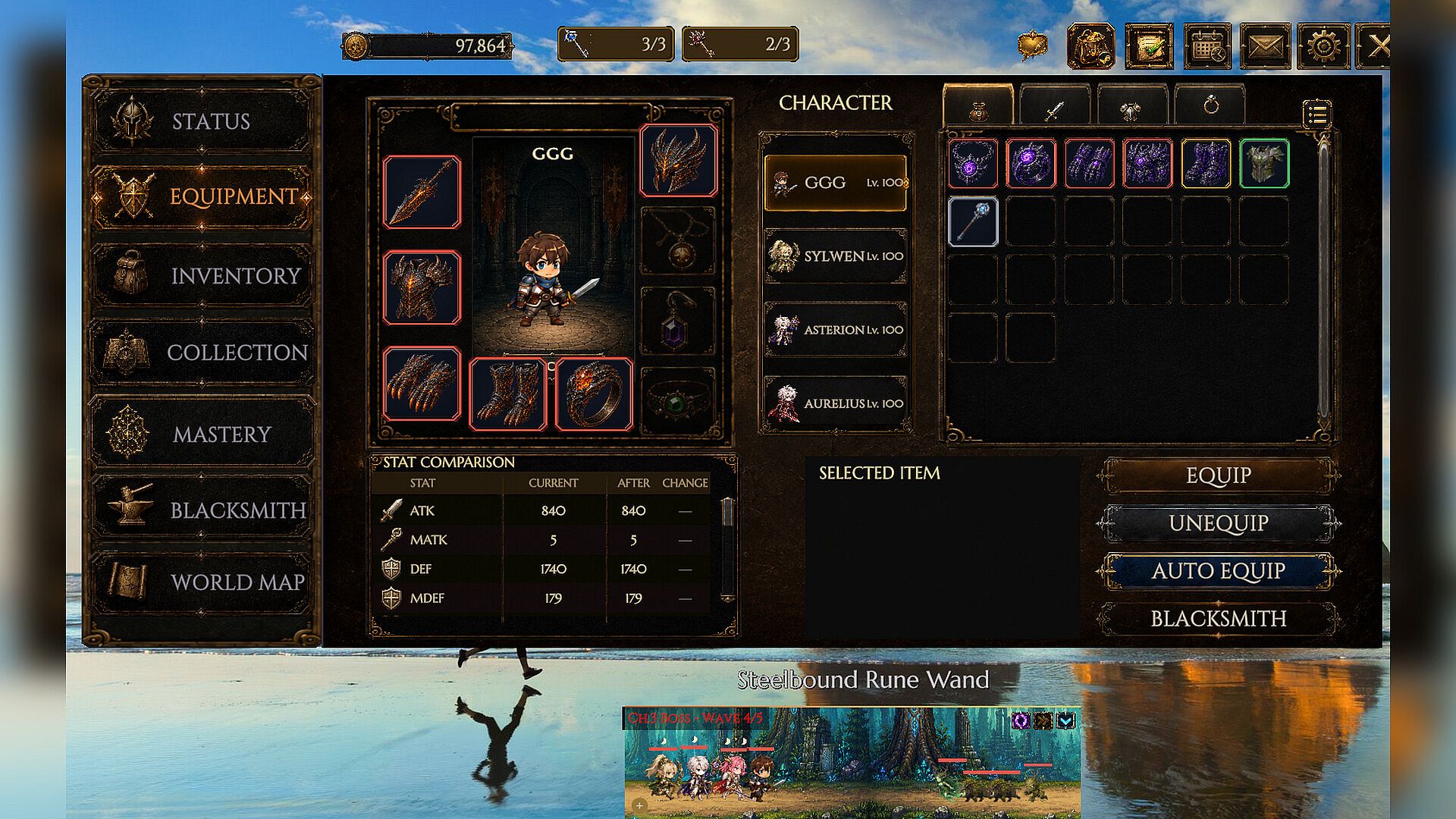
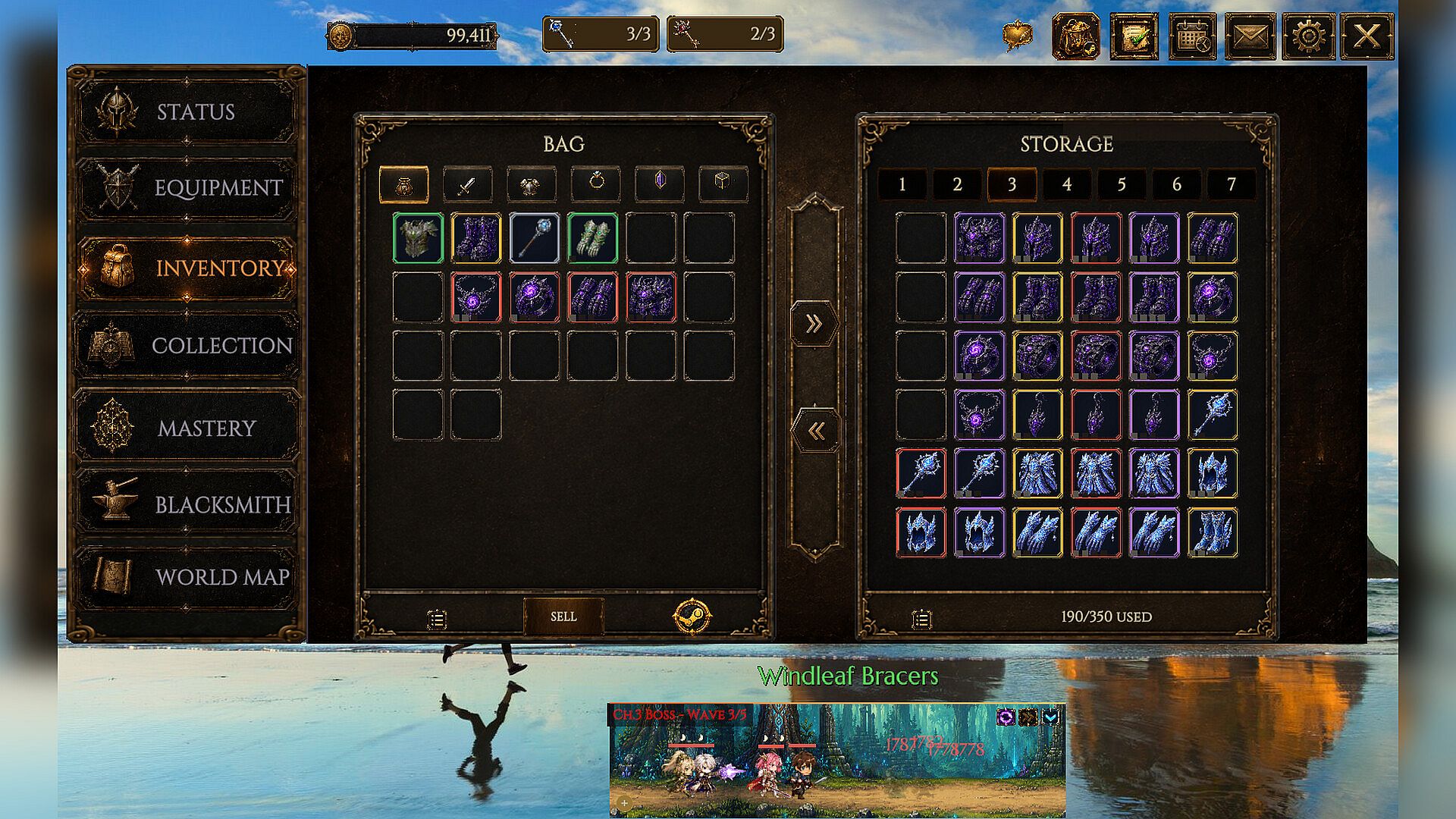
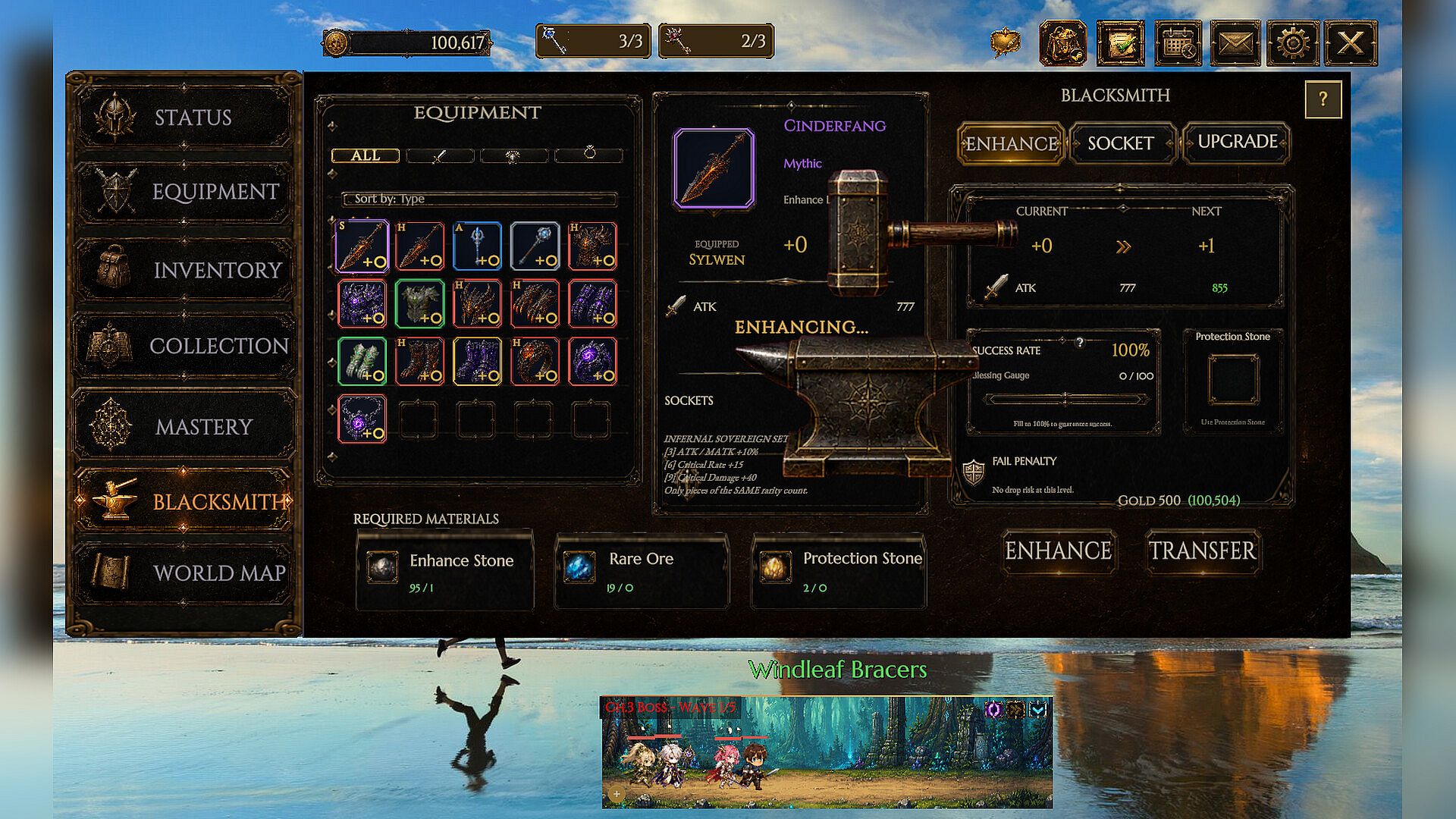
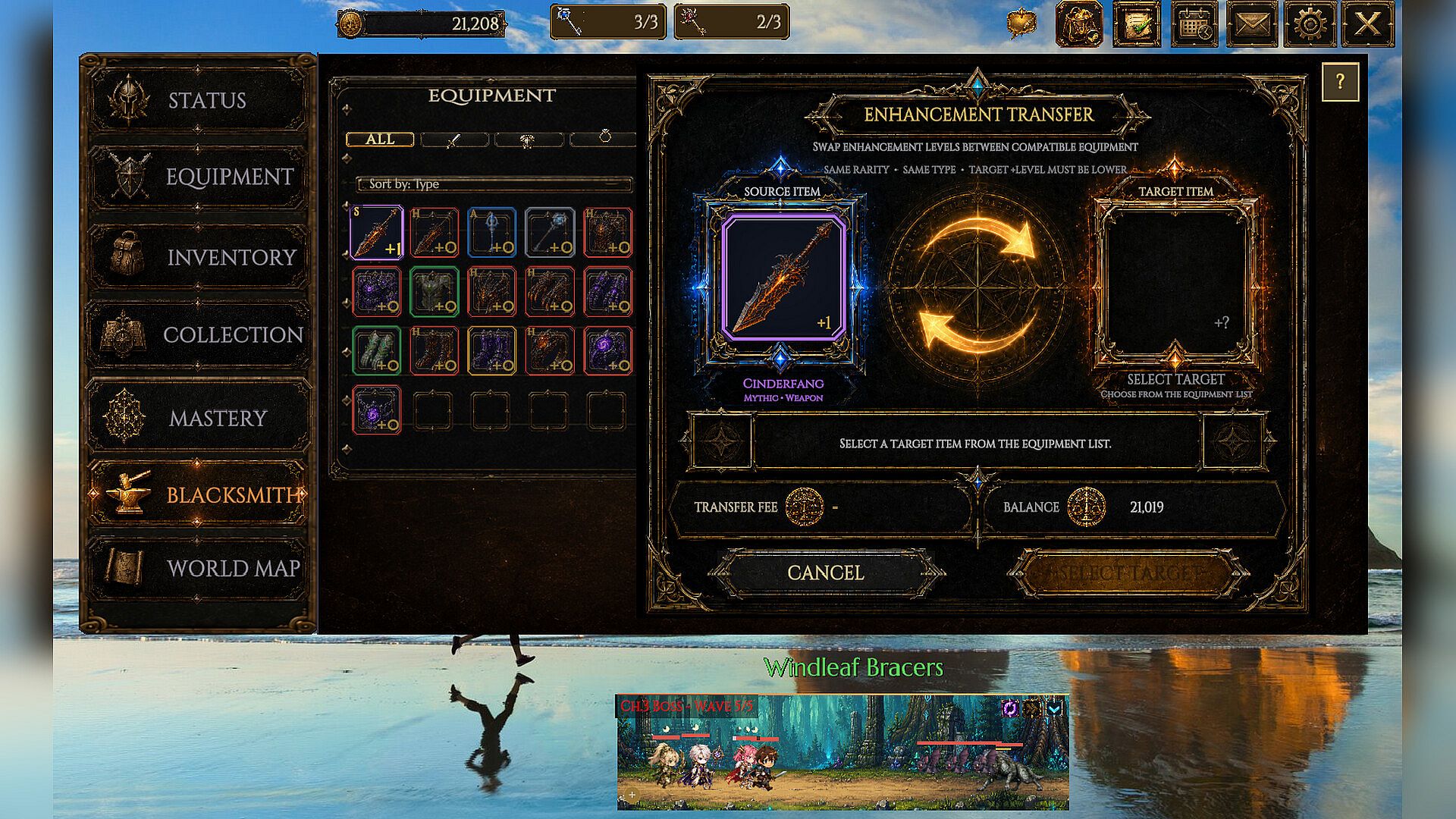
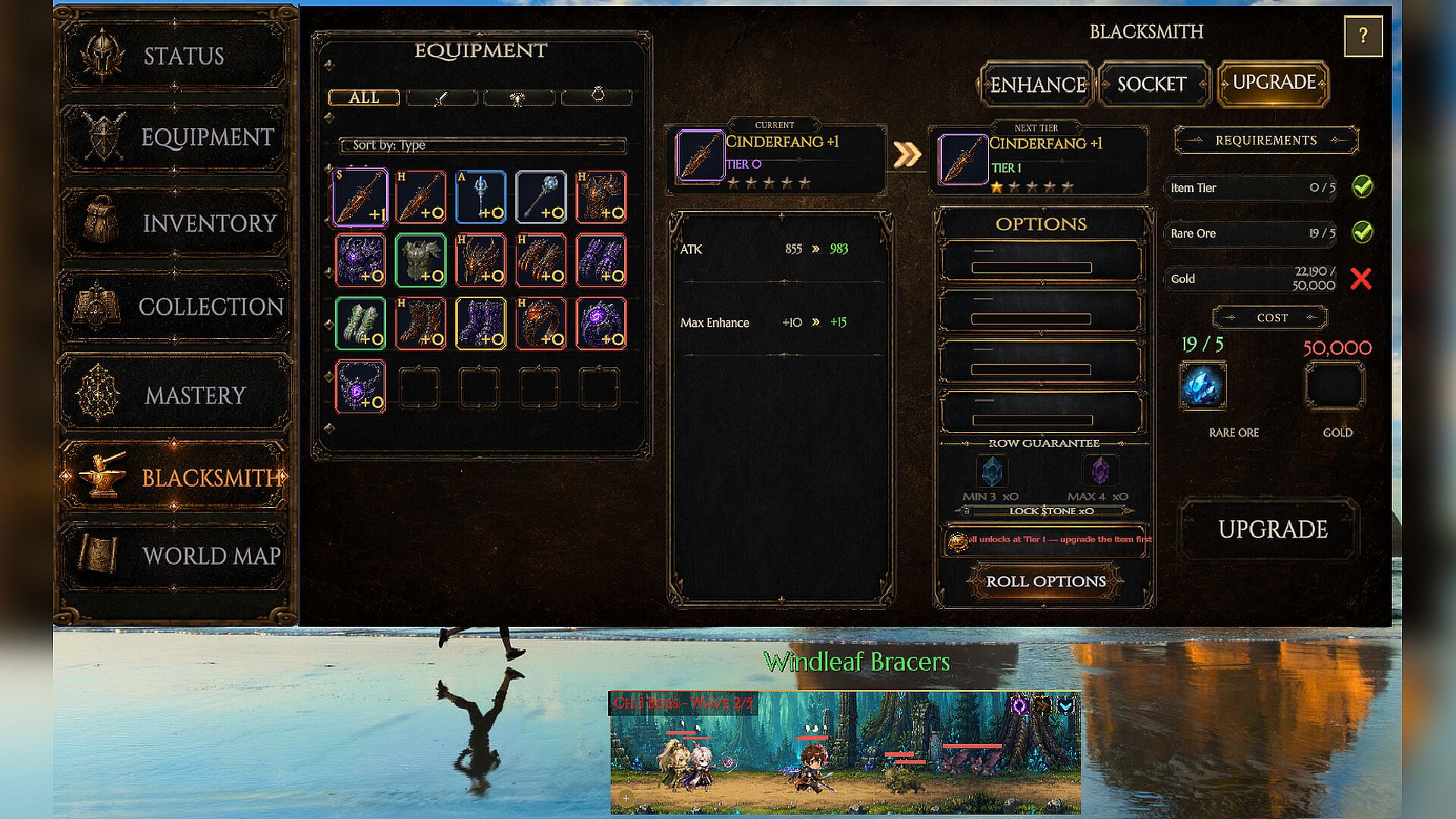
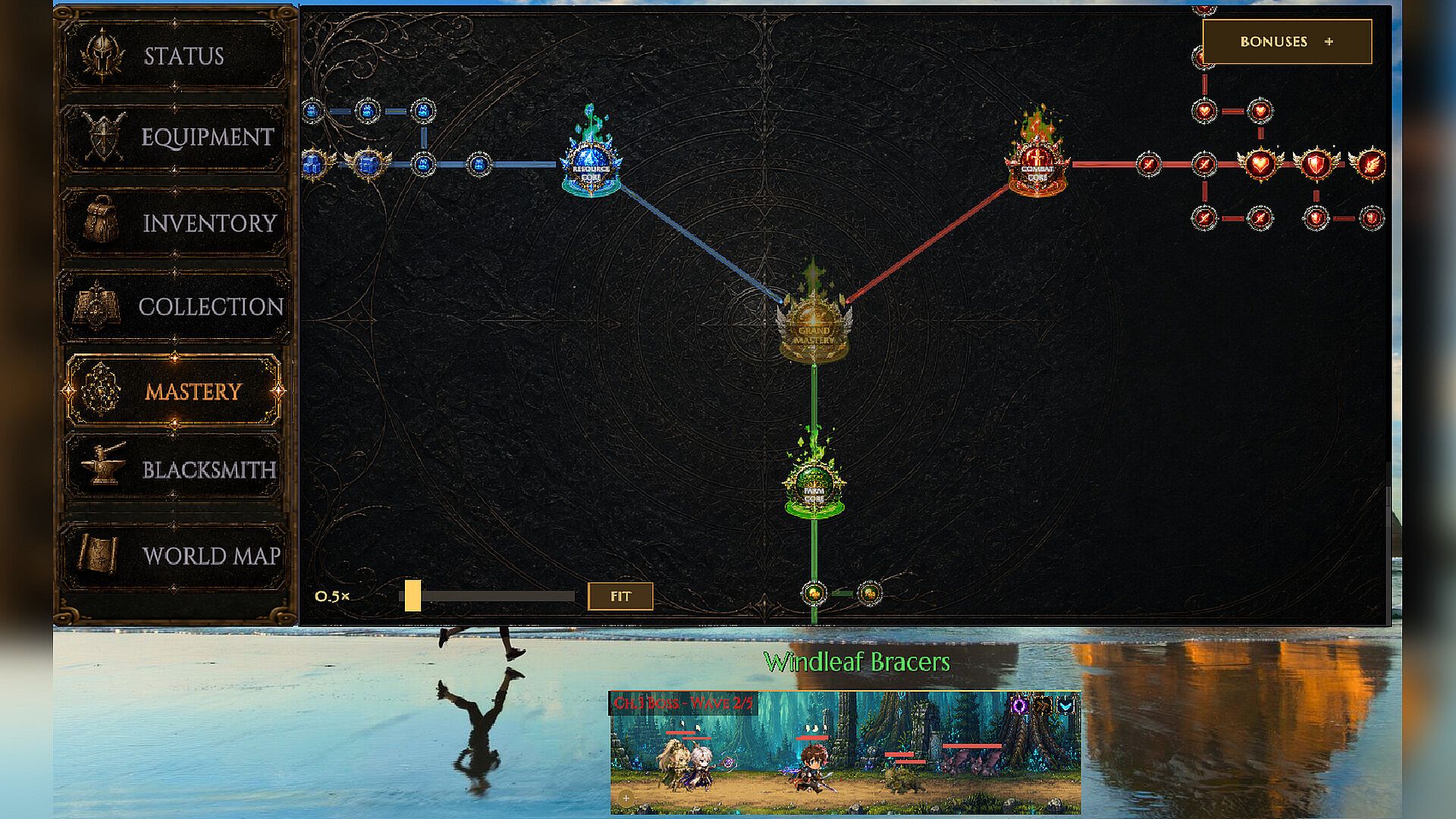
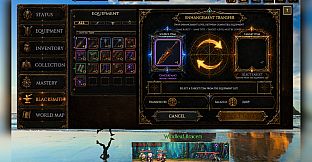
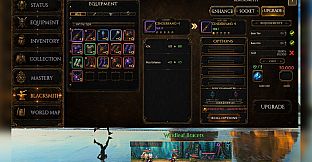
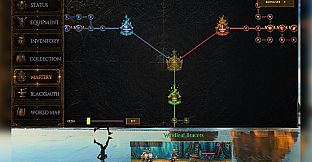
Progression extends beyond combat through an account-wide Mastery tree. Nodes spread across Combat, Farming, and Resource categories, with keystone abilities available at the end of each path. Gear systems allow enhancement, enchanting, rune socketing, and star upgrades. Players salvage and craft items, pursue set bonuses, and collect cards for lasting power gains. Server-side saving ensures progress carries across devices, and Steam Inventory integration supports rare finds.
Game Modes
The campaign consists of 150 stages spread across five distinct worlds, each with unique monsters, bosses, and soundtracks. Completing the main campaign unlocks Nightmare and Hell difficulty modes for increased challenge.
Endgame content focuses on high-stakes encounters that test builds. Raids pit teams against the Inferno Dragon, Frost Wyvern, and Void Behemoth. Additional options include dungeons and the Endless Tower. Every stage offers a three-star rating system based on completion, zero deaths, and maintaining high health throughout.
Daily elements keep engagement steady through quests, login rewards, and an in-game mailbox that delivers items and messages. The desktop integration allows real-time combat to continue in a slim, always-on-top battle bar that sits beside other applications. Players can expand the window for deeper management or collapse it when needed.
World and Story
The setting begins in the Verdant Ruins, remnants of a forgotten civilization. A black castle on the horizon releases monsters that spread across five broken realms: the ashen wastes, the frozen citadel, the crystal abyss, and the sky temple above the clouds. Three great beasts-the Inferno Dragon, Frost Wyvern, and Void Behemoth-stand as major obstacles on the path forward.
Players are not presented as a prophesied savior. The story follows the hero's growing legend as the party seeks the Celestial Sky Temple to uncover what ended the previous world. Companions each carry personal motivations that tie into the larger journey against dragon-fire and frost.
Is It Worth Playing?
Dawnbar Fantasy suits players who enjoy steady progression systems, party-based combat, and the ability to advance while handling other tasks on a computer. The idle battle bar mechanic supports background play, while the full window mode handles detailed gear crafting, class advancement, and stage clearing. Account-wide systems and daily rewards provide consistent incentives without requiring constant attention.
The free-to-play model removes any upfront cost, and server-side progress with Steam Inventory support adds convenience for those who switch machines. Content spans a campaign with escalating difficulties plus targeted endgame raids and towers. Because the game remains in development ahead of its planned December 2026 release, the full scope of updates and long-term support is not yet established.
Those drawn to RPGs with loot refinement, mastery trees, and a mix of active and passive gameplay will find the listed features align directly with that preference. The fixed companion kits and class branching add structure that rewards experimentation within clear boundaries.